
-
Dr Pravin Togadia in Hajipur: A Powerful Call for Hanuman Chalisa Kendras to Unite Dharmic India
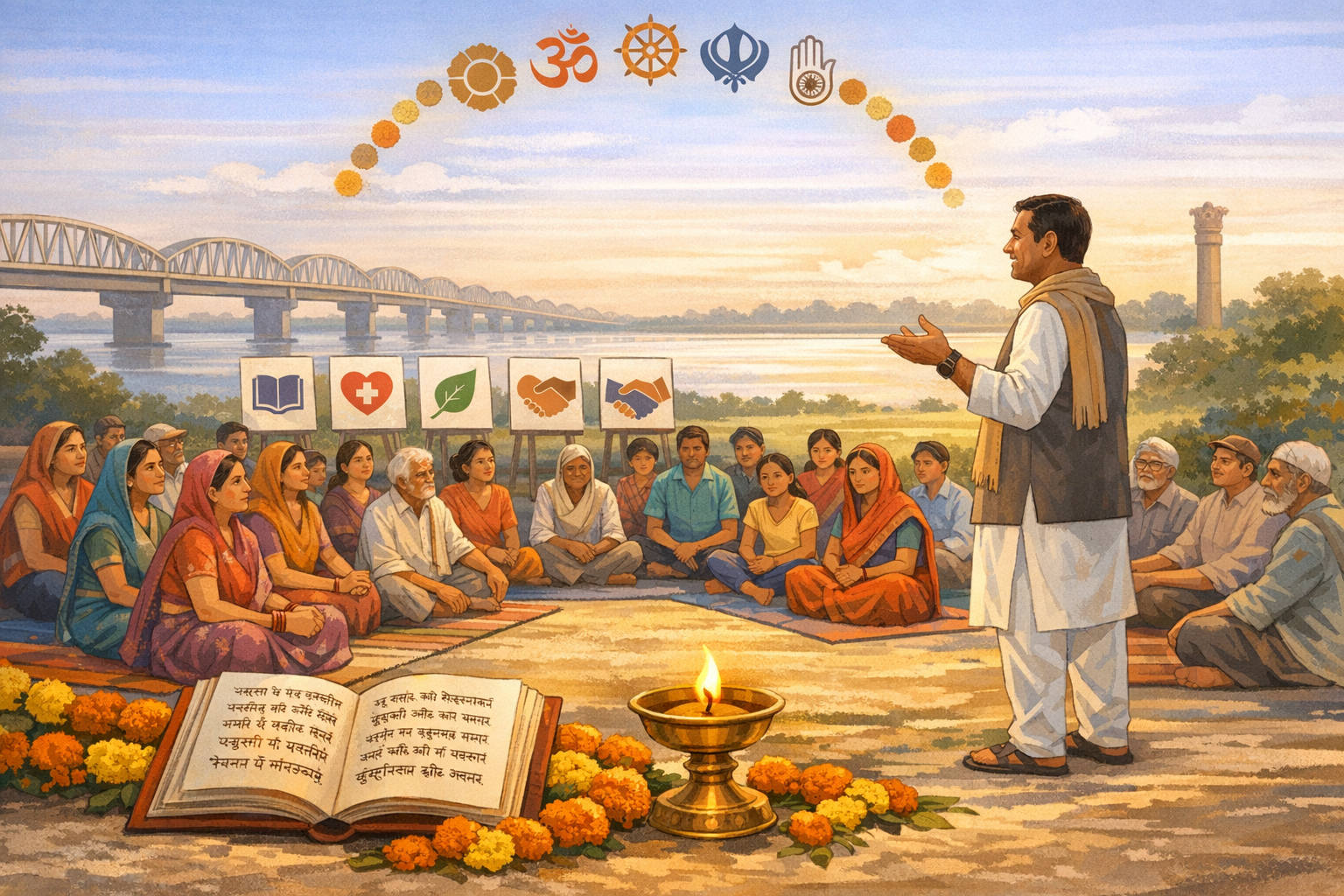
In Hajipur, Bihar, on March 11, 2026, AHP chief Dr Pravin Togadia called for ‘Hanuman Chalisa Kendra in Every Village’—a simple, scalable framework to pair devotion with service. The proposed kendras center on sadhana (recitation), sangathan (local organization), and seva (civic action) to cultivate trust, resilience, and cultural continuity. Built on the Bhakti Tradition and…
-
Bengaluru Comedy Show Cancelled After HJS Complaint: Safeguarding Faith, Defining Free Speech

A stand-up comedy show in Bengaluru was reportedly cancelled after an HJS-led complaint alleged derogatory references to Hindu Dharma, India, Prabhu Shri Ram, and Hindu Rashtra. Absent a public transcript or order, the incident is best read as a test case for balancing Article 19 freedoms with Article 19(2) restrictions. The analysis outlines relevant legal…
-
Ignite Sacred Community at Home: A Strategic Blueprint for Dharmic Congregational Growth
This article presents a research-grounded blueprint for “Make Homes Into Centers,” aligning congregational preaching with dharmic pluralism across Hinduism, Buddhism, Jainism, and Sikhism. It defines a home-based model that complements temples and gurdwaras while building resilient, high-trust micro-communities. The roadmap details consent-based data stewardship, ethical follow-ups, and a stepwise engagement pathway that honors non-coercion and…
-
Srimad Bhagavatam 11.5.32 Decoded: Chaitanya’s Sankirtana as Kali Yuga’s Transformative Path

Srimad Bhagavatam 11.5.32 presents congregational chanting of the divine Name as Kali Yuga’s most intelligent path, a vision Gaudiya Vaishnavism reads as pointing to Sri Chaitanya Mahaprabhu. Drawing on classical commentaries by Jiva Goswami and Krishnadasa Kaviraja, and on expositions by H.H. Jayapataka Swami Maharaj, this analysis unpacks the verse’s grammar, theology, and praxis. The…
-
Auspicious Departure of Ranjit das (ACBSP): Kirtan, Grace, and Vaishnava Legacy in Alachua

Ranjit das, ACBSP, passed away on February 25 at 6:45 pm ET in Alachua, Florida, surrounded by soft kirtan and the loving care of his family and community. The use of ACBSP denotes a disciple of Srila A. C. Bhaktivedanta Swami Prabhupada, reflecting affiliation with ISKCON and the Gaudiya Vaishnava guru–śiṣya paramparā. This tribute explains…
-
From Humble Beginnings to Enduring Eminence: Scholarship, Faith, and Dharmic Unity

This essay maps the path from humble beginnings to enduring eminence through the dharmic lenses of scholarship, faith, struggle, legacy, and inspiration. It shows how the Guru-Shishya Tradition, Nalanda-style scholastic cultures, Jain Anekantavada, Sikh Seva, and vedantic inquiry create complementary routes to excellence. Readers gain a pragmatic five-vector blueprint—Vidya, Sadhana, Seva, Sangha, and Shraddha—for integrating…
-
Beyond Chanting Alone: How Pancaratrika-vidhi Powers Bhagavad-vidhi in Kali-yuga

Many devotees wonder whether chanting alone suffices in Kali-yuga or whether the formal Pancharatra tradition remains essential. This analysis clarifies the complementary roles of Pancaratrika-vidhi (regulated Deity worship) and Bhagavad-vidhi (the Bhagavata’s path of hearing and chanting) as taught in ISKCON and Gaudiya Vaishnavism. It explains how Pancharatra codes purify and qualify the practitioner so…
-
Sri Hanuman Das: Enigmatic Early Bhakti Poet of Uttar Pradesh and Rama-Hanuman Devotion

Sri Hanuman Das is remembered as a Hindu saint and Sanskrit poet from Uttar Pradesh, celebrated for ardent devotion to Lord Rama and Lord Hanuman. While a 1st-century CE date appears in some traditions, available evidence suggests this chronology is hagiographic, not epigraphically confirmed. Placed within the broader Bhakti Tradition and the ritual geography of…
-
Srimad Bhagavatam 7.12.16: Bhakti Discipline and Inner Transformation at ISKCON GEV
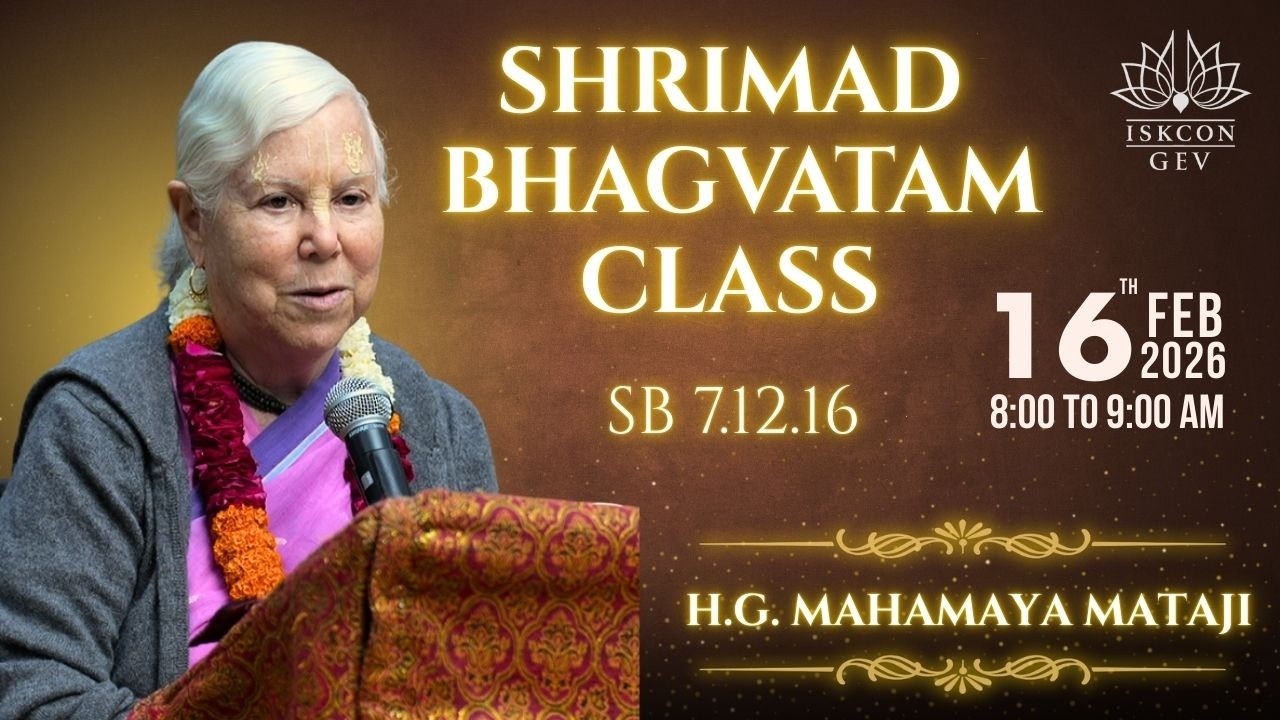
This in-depth summary of the Srimad Bhagavatam 7.12.16 class by H.G. Mahamaya Mataji at ISKCON GEV presents a clear, academically grounded pathway to devotional growth. It situates the verse within Canto Seven’s broader ethical and spiritual framework and explains how guru–shishya parampara safeguards scriptural integrity. Readers gain a practical map of sadhana—from śraddhā to prema—supported…
-
Brahmā’s Joy, Kapila’s Descent: A Powerful, Unifying Study of Srimad-Bhāgavatam 3.24.11
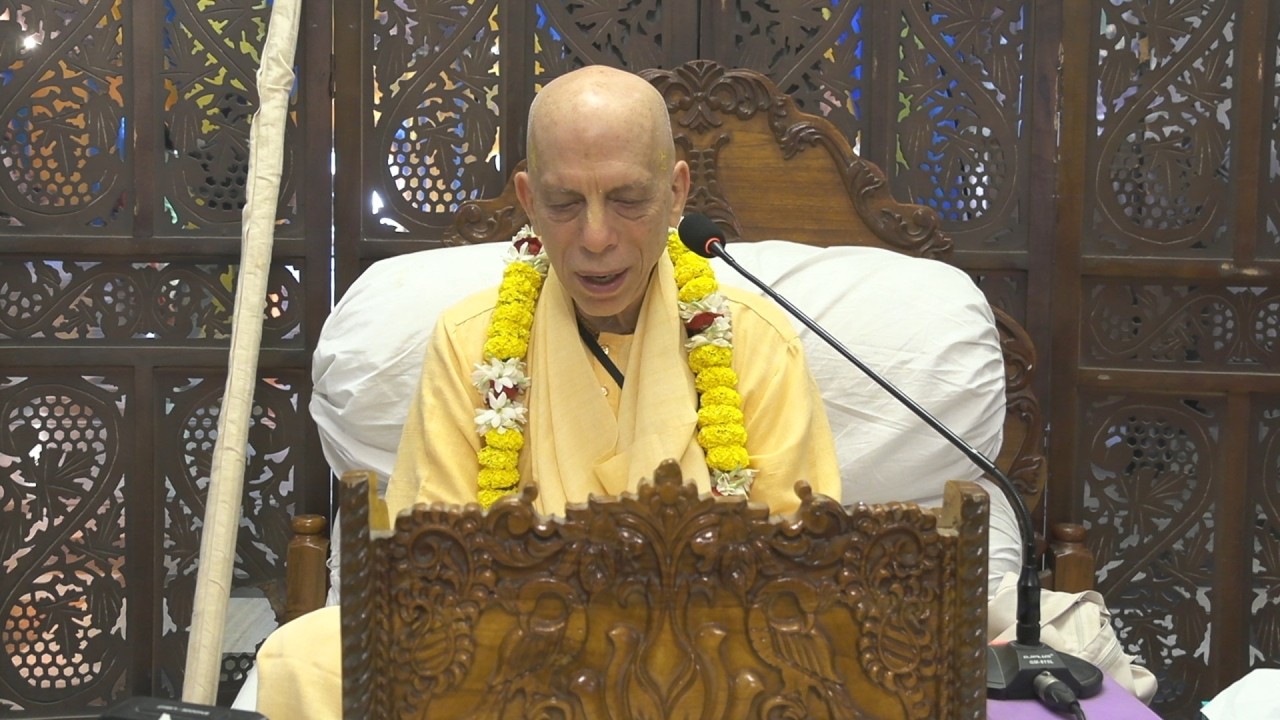
Srimad-Bhāgavatam 3.24.11 marks the moment Brahmā, purified by worship, speaks to Kardama and Devahūti as the Supreme Lord prepares to descend as Kapila. The verse frames avatāra as purposeful revelation and grounds understanding in devotion, anticipating Kapila’s theistic Sāṅkhya. Connected to Bhagavad-gītā Chapter 4—especially 4.9 (“janma karma ca me divyam”)—it teaches that properly understood divine…
-
ISKCON GBC approves Vaisnavi Diksa Guru framework: historic, unifying step for inclusive bhakti

At the GBC AGM 2026, ISKCON’s Governing Body Commission approved a GBC – ISKCON Bureau (IB) Committee proposal on Vaisnavi Diksa Guru (VDG), marking a significant step in clarifying how qualified Vaisnavis can serve as initiating spiritual masters. The decision emphasizes guru-tattva principles—realized knowledge, strict sadhana, and spotless conduct—over incidental characteristics such as gender. It…
-
Deepak Chopra in the Epstein Files? What the Records Show—and How Dharmic Unity Responds

Headlines claim Deepak Chopra appears in the “Epstein files,” a term that refers to unsealed civil-court materials including contact lists, calendars, and emails. Inclusion in such documents does not, on its own, prove wrongdoing, and context is essential. Screenshots circulating online attribute controversial email lines to Chopra, while his public statement condemns abuse, denies criminal…
-
Delhi Conference Rallies 25+ Groups for Dharmic Unity and Voluntary ‘Ghar Wapsi’ Outreach
A New Delhi resolution on February 10, 2026 convened over twenty-five organizations to coordinate a voluntary ‘Ghar Wapsi’ outreach framed as a dharmic unity and cultural renewal effort. The initiative emphasizes informed choice, constitutional religious freedom, and respect for pluralism across Hinduism, Buddhism, Jainism, and Sikhism. Leaders including Upananda Brahmachari, Dr Charudatta Pingale, Rahul Dewan,…
-
Varanasi Dharma-Jagruti Sabha: Rajan Keshari’s powerful call for Dharmic unity and Hindu Rashtra
At the Hindu Dharma-Jagruti Sabha in Baradih, Varanasi, Hindu Janajagruti Samiti (HJS) presented a values-centered call for Hindu Rashtra as a plural, dharmic framework rooted in Sanatana Dharma. The address by Rajan Keshari emphasized unity among Hinduism, Buddhism, Jainism, and Sikhism, advocating ethical governance, seva, and non-violence. Framed as civic responsibility rather than theocracy, the…
-
Bhagavatha Anugraha Moorthy: Vishnu’s Boundless Grace, Hope, and Protection for Devotees

Bhagavatha Anugraha Moorthy presents Lord Vishnu as the embodiment of unconditional grace responsive to sincere devotion. Classical Puranic narratives of Dhruva, Prahalada, and Narada illustrate how steadfast bhakti invites protection, guidance, and spiritual elevation. The concept emphasizes that divine compassion is inclusive and accessible, not transactional or exclusive. In daily life, practices such as japa,…
-
Srila Bhaktisiddhanta’s Timeless Guidance: Find Pilgrimage, Purpose, and Strength in Trials

This reflection synthesizes Srila Bhaktisiddhanta Sarasvati Thakura’s concise teachings into practical guidance that unites Hindu, Buddhist, Jain, and Sikh perspectives. It recasts any sincere discourse on ultimate reality as a true place of pilgrimage, encouraging readers to transform everyday spaces through satsanga and thoughtful dialogue. It identifies attachment as a spiritual malady and recommends aparigraha…
-
ISKCON Constitution FAQ: Clear, Trust-Building Answers for Unity and Dharmic Harmony

The ISKCON Constitution Drafting Committee presents a concise FAQ that clarifies key principles of the ISKCON Constitution. This accessible resource centralizes authoritative answers, reducing ambiguity and promoting informed participation. Its structured, reliable format supports devotees, community organizers, and researchers alike. By modeling transparent and ethical governance, it also strengthens interfaith dialogue and unity in spiritual…
-
CC Madhya 2.94–95: Humility, Paramparā, and the Blessings of Śrī Caitanya’s Lotus Feet

CC Madhya 2.94–95 articulates a devotional ideal of humility through the paramparā framework, expressing reverence for Śrī Caitanya Mahāprabhu, Nityānanda Prabhu, Advaita Prabhu, and their associates. The symbolism of taking dust from the lotus feet conveys surrender, gratitude, and receptivity to grace in the Bhakti Tradition. Situated within the Guru-Shishya Tradition, the passage affirms a…
-
Atikaya and Yuyutsu: Dharma Beyond Birth in Ramayana–Mahabharata | A Compassionate Comparison

This essay compares Atikaya of the Ramayana and Yuyutsu of the Mahabharata to show how moral choice, not birth, defines character in the Hindu epics. It explains Atikaya’s courageous yet misplaced loyalty to Ravana and Yuyutsu’s principled decision to side with the Pandavas. The analysis highlights dharma versus adharma as a practical, action-based ethic rather…
-
Sri Ramanujacharya’s Magnificence: How Bhakti Masters Illuminate Kali‑yuga and Inspire Unity

This reflection situates Sri Ramanujacharya within a Gaudiya Vaishnava narrative that honors multiple bhakti masters sent to uplift Kali-yuga. It presents Sri Krishna Caitanya’s descent to Gauda-bhumi as a devotional-theological perspective, while highlighting Ramanuja’s enduring contributions to compassionate, rigorous practice. Readers gain a clear, accessible context for the Bhakti and Vedic Traditions and their relevance…