
-
Great Khali’s Vrindavan Remarks on Sanatan Dharma Spark Debate, Reinforce Dharmic Unity

A high-profile event in Vrindavan, Mathura, saw ‘The Great Khali’ defend Sanatan Hindu Dharma, triggering a wider discussion about cultural heritage and responsible public speech. The remarks drew both praise and concern, revealing how celebrity advocacy can spotlight faith while risking rhetorical excess. This analysis situates the moment within India’s dharmic traditions—Hinduism, Buddhism, Jainism, and…
-
Srimad Bhagavatam 3.23.42: The Life-Changing Refuge at the Lotus Feet of the Divine
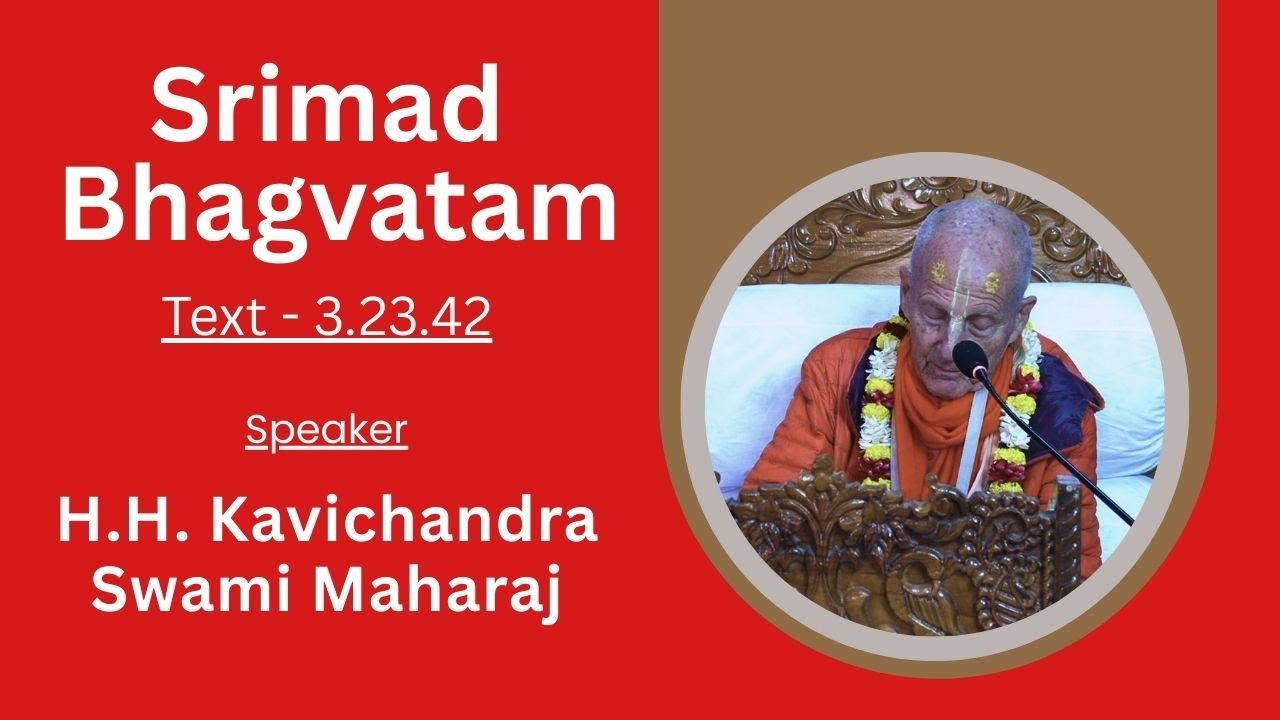
Srimad Bhagavatam 3.23.42 teaches that determined refuge at the Divine lotus feet turns difficult goals into attainable realities. The verse’s image of sacred rivers like the Ganga flowing from those feet signals purification and release from worldly danger. The phrase yair āśritas tīrtha-padaś caraṇaḥ highlights a shared dharmic metaphor: the holy ford that carries seekers…
-
Kudal’s Hindu Rashtra–Jagruti Sabha: Powerful Call to Strengthen Dharma, Unity, and Education
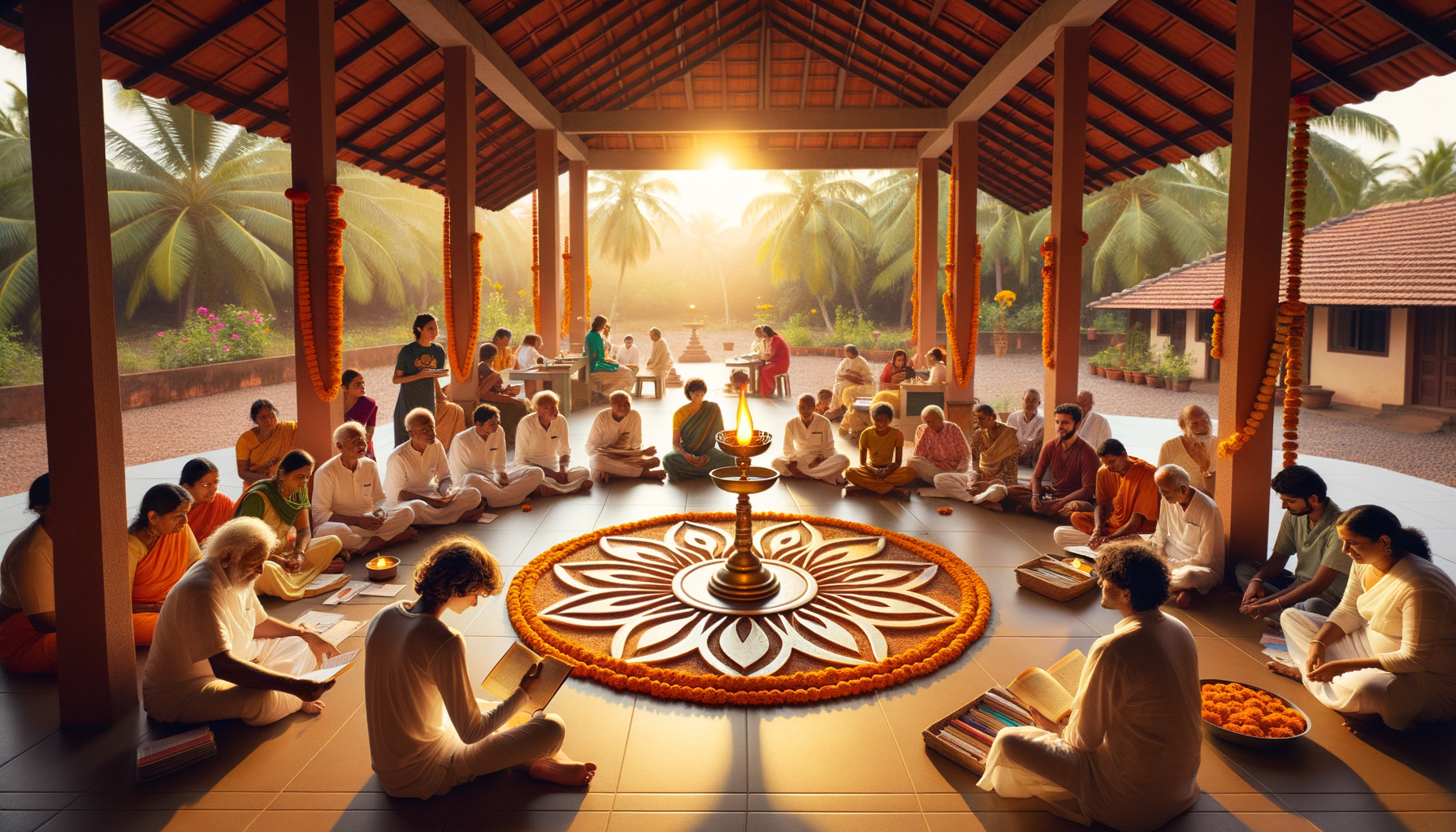
A Hindu Rashtra–Jagruti Sabha in Kudal, Maharashtra, emphasized strengthening Hindu Dharma through sustained awareness and community education. The gathering framed Dharma as an inclusive, ethical foundation supporting unity among Hinduism, Buddhism, Jainism, and Sikhism. Speakers stressed that cultural preservation depends on informed understanding, compassionate service, and youth engagement. Local participants pledged regular Dharma-related activities—study circles,…
-
Sri Dharma Sastha Gita: Timeless Lessons of Unity, Courage, and Compassion from Ayyappa

Sri Dharma Sastha Gita presents a clear, dharma-centered guide inspired by Ayyappa’s living tradition in Kerala and the Pandalam royal chronicles. It highlights the unity of Shaiva and Vaishnava streams through the figure of Harihara putra, offering a powerful symbol of harmony within Hindu Dharma. The narrative and its practices emphasize self-discipline, truthfulness, compassion, and…
-
Yamuna River’s Sacred Power: Mythic Origins, Living Devotion, and Dharmic Unity

The Yamuna River holds enduring religious significance in Hindu Dharma as a sacred river, a site of tirtha-yatra, and a locus of living bhakti. Scriptural lineages identify Yamuna as Yami, sister of Yama and daughter of Surya and Saranyu, conveying a rich symbolism of light, moral order, and life’s transience. From Yamunotri to Mathura and…
-
Murugan Unveiled: Tamil Hero, Spiritual Harmony, and the Transformative Power of Thaipusam

This exploration presents Murugan as a timeless Tamil icon whose youthful vigor, compassion, and discernment inspire communities across the Dharmic world. It clarifies why reducing him to a mere “God of War” overlooks deeper theological meanings centered on wisdom and restoration. Readers discover how classical texts, especially the Tolkappiyam, ground his identity in the mountain…
-
Communal Tensions in Southern Nepal: What Sparked Birgunj Unrest—and Paths to Peace
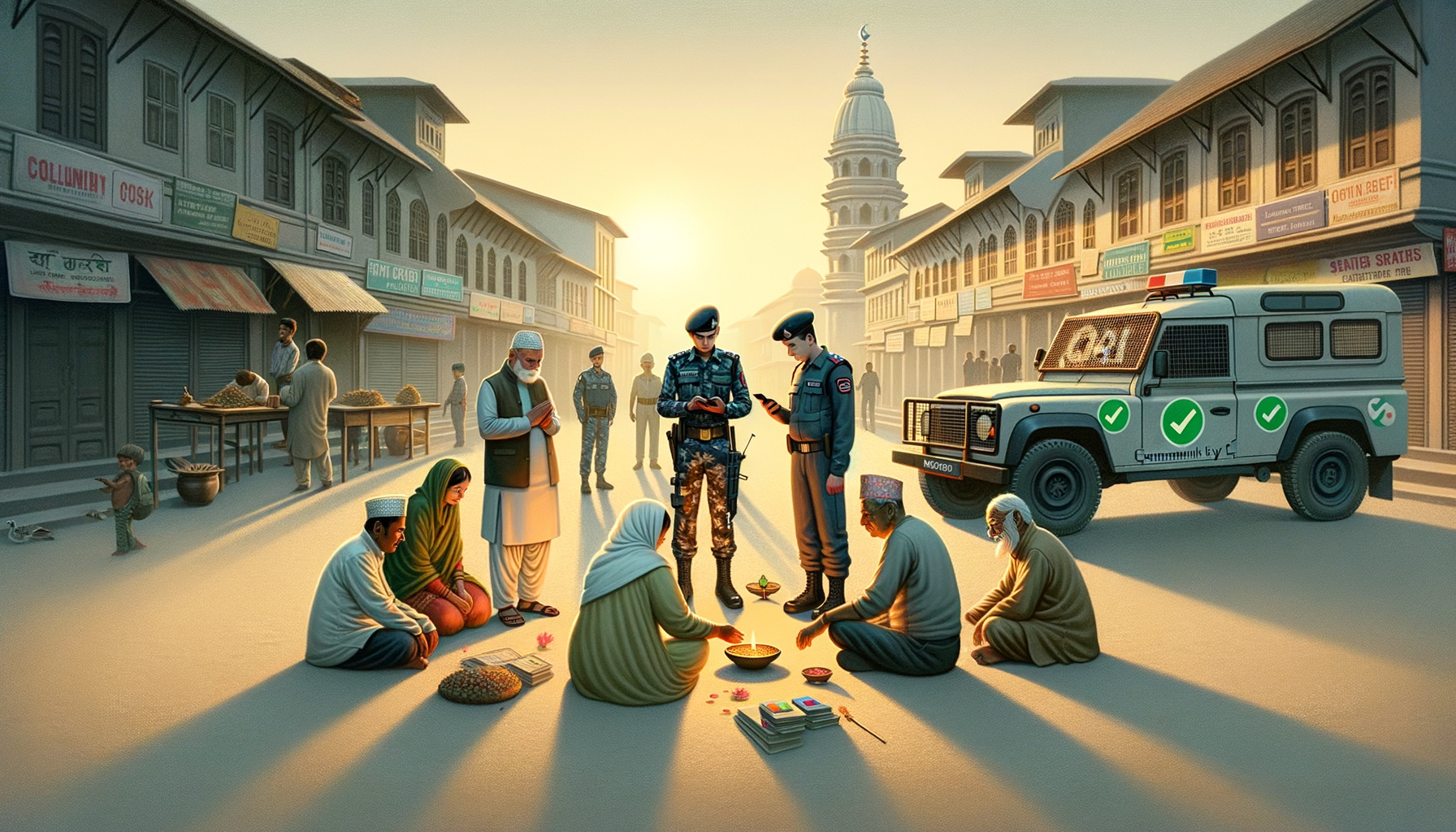
A derogatory social media post against Hindu Dharma triggered unrest in southern Nepal’s Birgunj–Parsa region, including reports of vandalism at a mosque and a rapid police response. This analysis explains how online incitement, border-town sensitivities, and rumor cascades magnified tensions. It emphasizes impartial law enforcement, protection of all places of worship, and legal accountability for…
-
Honoring Atithi: The Transformative Power of Guest Reception in Dharmic Traditions

The Sanskrit term atithi—“not scheduled”—anchors a dharmic ethic that elevates hospitality into seva. In Vaishnava practice, receiving unexpected guests as representatives of the Supreme Lord aligns guest care with devotion. This principle resonates across Hinduism, Buddhism, Jainism, and Sikhism, echoing through langar, dana, and ahimsa-centered welcome. In practice, effective guest reception in temples involves clear…
-
Srila Prabhupada Night in Phoenix, South Africa: Honoring a 1965 Voyage that Changed Faith
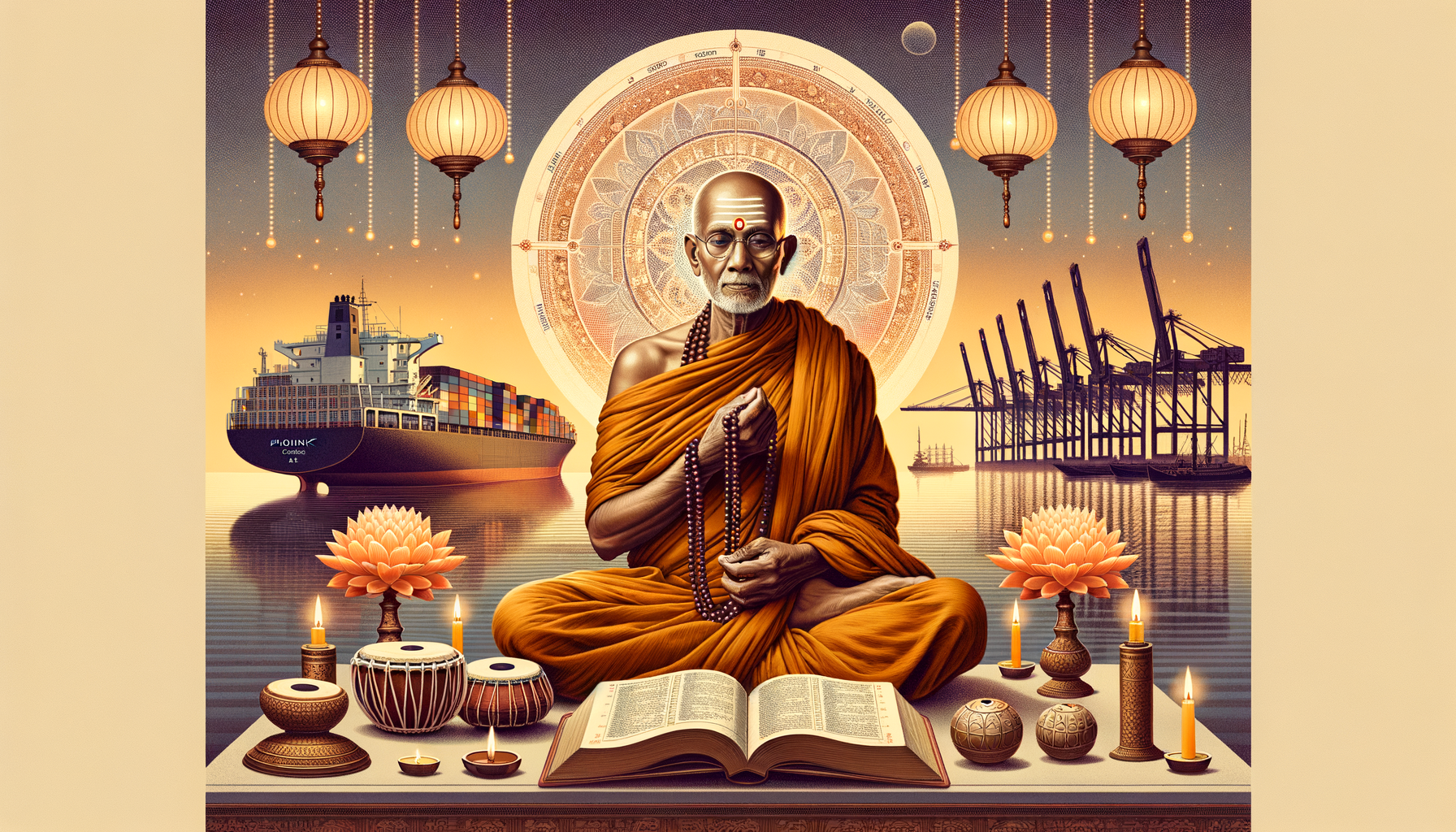
Srila Prabhupada Night at NJP dham, Phoenix, South Africa, honored the historic 1965 arrival of A.C. Bhaktivedanta Swami Srila Prabhupada in New York and the global impact of his Vedic teachings. Presented in an academic tone, the program highlighted the Bhakti Tradition’s core values of compassion, service, and disciplined practice. The reflections situated ISKCON’s growth…
-
Sanatana Gosvami’s Humble Plea: Timeless Vaishnava Etiquette, Devotion, and Dharmic Unity
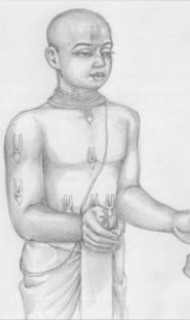
Sanatana Gosvami’s request to be guided from within models the core of Vaishnava etiquette—humility, devotion, and disciplined conduct. The passage elevates service over self-assertion and places ethical behavior within the Guru-Shishya Tradition. It highlights how genuine learning begins with surrender and culminates in responsibility to scripture, community, and practice. These themes resonate across Hinduism, Buddhism,…
-
Honoring the Fading Ācārya: Guiding New Generations Toward Unified Dharma in Naperville
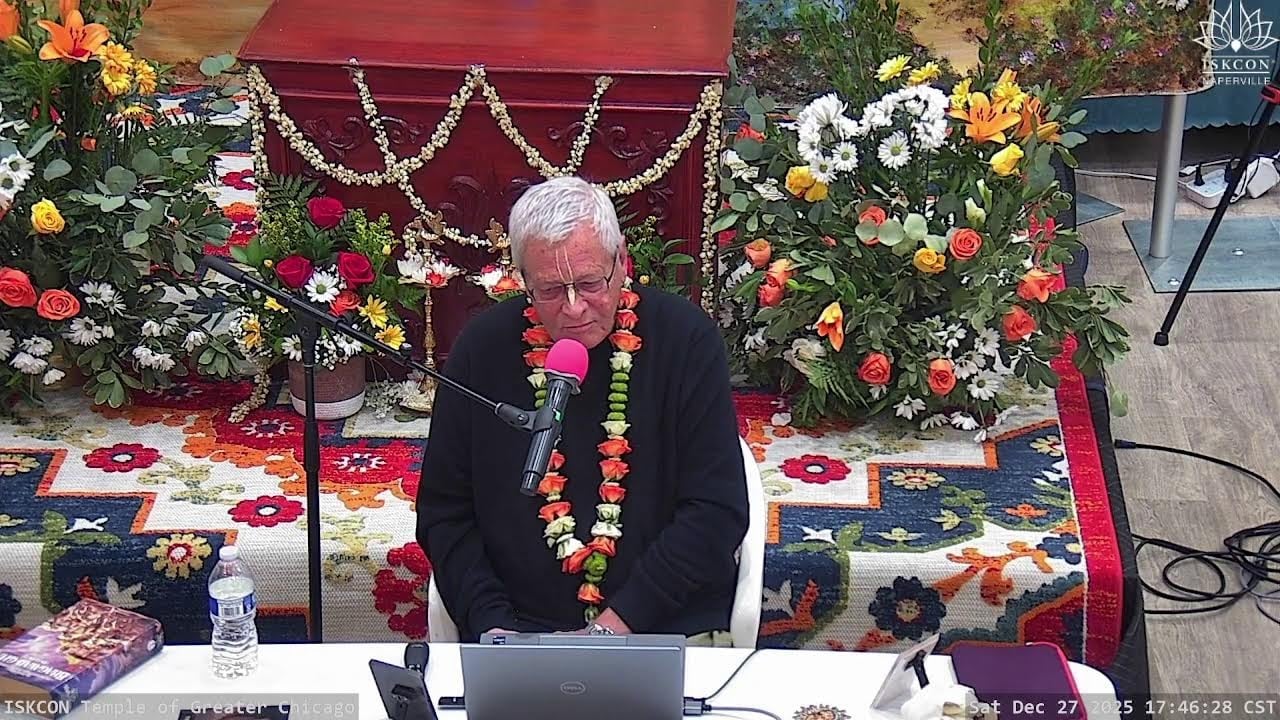
A December 27 gathering in Naperville, led by HG Gopal Bhatta Prabhu, explored how communities can honor a “fading ācārya” by strengthening intergenerational stewardship. Anchored in Srila Prabhupada’s metaphor of the “skyscraper skeleton,” the reflection urged later generations to refine and complete the legacy without compromising high standards. It outlined a progression in which the…
-
Vidya Ganapati: A Scholarly Guide to Knowledge, Memory, and the Joy of Learning

Vidya Ganapati symbolizes knowledge, wisdom, memory, and disciplined learning, guiding students and scholars toward clarity, focus, and ethical study. The iconography—book, rosary, lotus, and mouse—invites humility, contemplation, and purity of intent. Across homes and classrooms, simple practices like mindful breathing and mantra help calm anxiety and steady memory without replacing hard work. The ethos resonates…
-
Margazhi’s Quiet Power: Art, Nature, and Hindu Devotion Across Continents
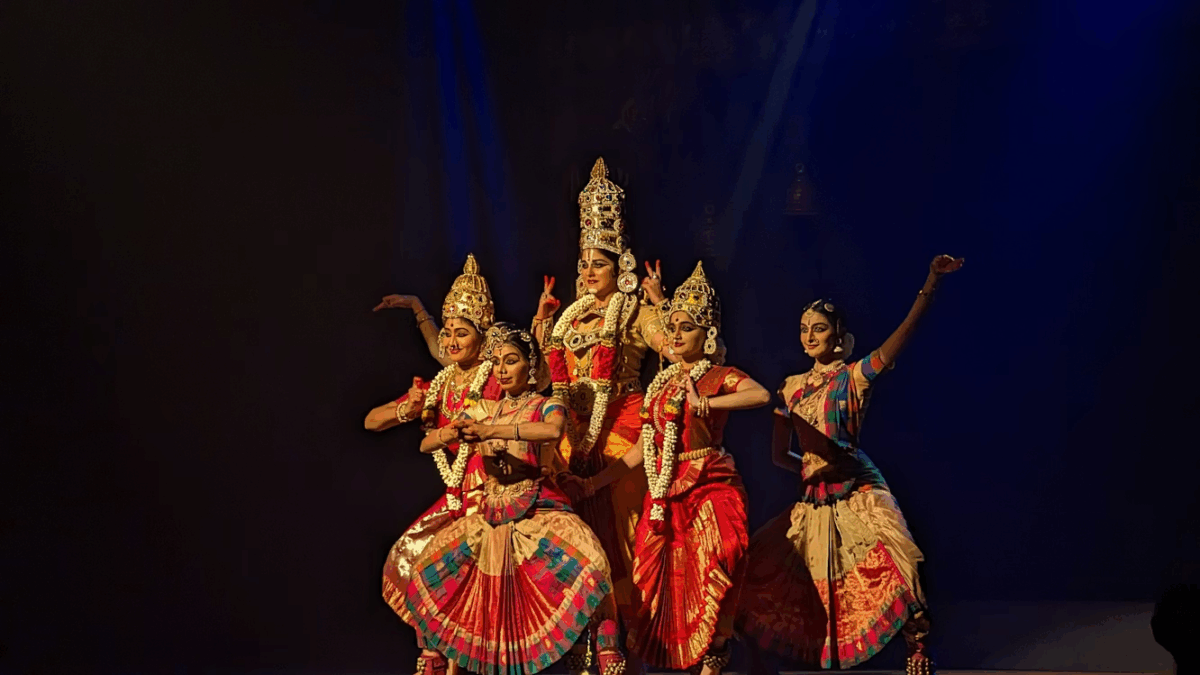
Margazhi (Mārgaśīrṣa) offers a contemplative counterpart to global year-end festivities by centering sadhana, beauty, and ecological reverence. This academically grounded reflection traces how Shaiva and Vaishnava practices, Tiruppavai, Andal’s devotion, and festivals like Vaikunth Ekadasi, Arudra Darshanam, and Pongal converge in Tamil culture and the diaspora. It also explores how Margazhi’s artistic spirit comes alive…
-
Dharmaskandha in Chandogya Upanishad: Three Pillars of Vedic Life for Timeless Ethical Living

Dharmaskandha in the Chandogya Upanishad (2.23.1) presents three complementary pillars of Vedic life: the Vedic student, the householder, and the forest-dweller. Together they integrate disciplined learning, social responsibility, and contemplative depth into a unified ethic. This triad offers a relatable blueprint for modern living—continuous education, family and civic stewardship, and mindful simplicity. The framework resonates…
-
Power and Tapas in Kalidasa: Tagore on Raghuvamsha and Kumarasambhava’s Lesson

Rabindranath Tagore’s reading of Kalidasa reveals a profound dialogue in Sanskrit literature between worldly power and inner discipline. Raghuvamsha maps the ascent born of tapas and the decline that follows indulgence, using dawn-and-dusk imagery to frame a moral architecture. Kumarasambhava then proposes the remedy: harmonize renunciation and enjoyment so that strength is born from balance.…
-
Timeless Dharmic Principles for an Ideal Husband: Lessons from Prahlada and Narada
This article distills dharmic principles that guide an ideal husband, drawing on Narada Muni’s counsel and the example of Prahlada Maharaja. It translates varnasrama-based insights into practical habits—ethical speech, dependable livelihood, and self-mastery—that strengthen family harmony. Readers gain actionable steps such as shared sadhana, weekly dialogues, and community seva to cultivate trust and resilience. The…
-
Karka Lagna 2026–2027 Deep-Dive: Empowering Predictions for Career, Wealth, Love, Health

Karka Lagna (Cancer Ascendant) can expect 2026–2027 to deliver steady progress grounded in discipline, compassion, and practical planning. Career growth rewards reliability, leadership through empathy, and skill-building, while finances benefit from prudent savings and measured investments. Relationships deepen through attentive communication and clear boundaries; health improves with routine, rest, and contemplative practices. Education, research, and…
-
After IFFI skit, HJS seeks BNS 2023 action over alleged insult to Chavundi Daiva

Hindu Janajagruti Samiti (HJS) has urged police action under BNS 2023 after a performance at IFFI that it characterizes as a derogatory imitation of Chavundi Daiva. The request underscores due process within the updated legal framework while centering cultural sensitivity toward sacred symbols. The episode highlights how representations of revered figures resonate deeply across Hindu,…
-
Ethical Conduct that Inspires Trust: A Dharmic Guide to Confidence and Social Harmony

Ethical conduct, grounded in dharma, fosters trust, confidence, and social harmony across Hinduism, Buddhism, Jainism, and Sikhism. Practicing virtues like satya, ahimsa, compassion, and seva makes ethics practical and visible in everyday life. Consistent ethical action builds credibility, strengthens relationships, and enhances institutional legitimacy. Classical teachings—from the Bhagavad Gita and Upanishads to the yamas and…
-
Unshakeable Hanuman Bhakti: Humility, Strength, and Service Across Dharmic Traditions
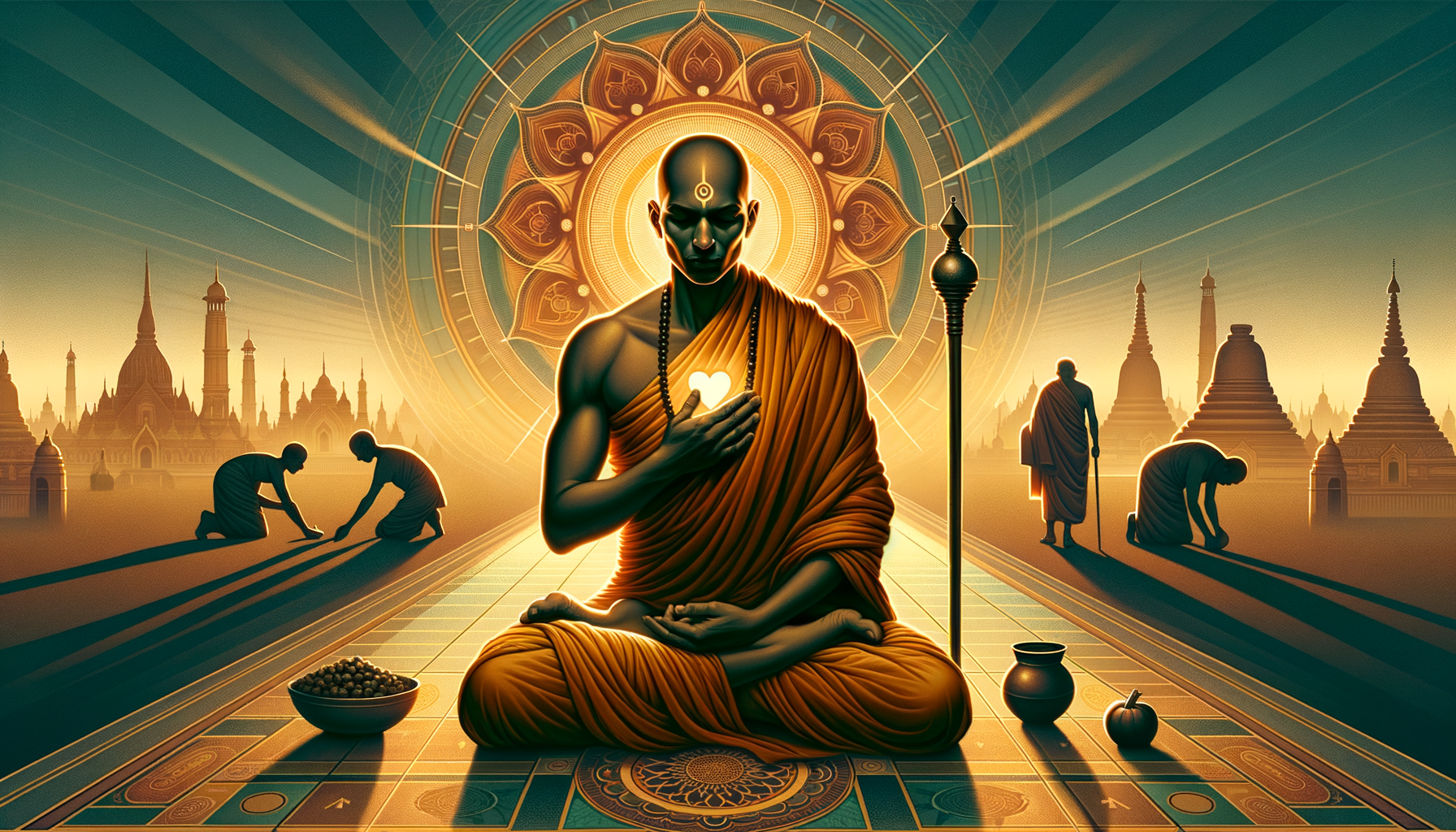
Hanuman Bhakti stands as a timeless model of humility, disciplined strength, and selfless service. Within Hindu Dharma, and in many traditions as an avatar of Lord Shiva, Hanuman exemplifies power refined by discernment, applied only when duty and compassion demand it. The Ramayana’s portrayal highlights devotion without pride and capability without excess. These values resonate…