
-
Unquenchable Spiritual Thirst: A Dharmic Path of Bhakti, Japa, Seva, and Inner Realization

Spiritual thirst is a disciplined, one-pointed aspiration for ultimate truth, cultivated through listening, singing, remembrance, mantra-japa, and ethical living. Across Hinduism, Buddhism, Jainism, and Sikhism, it matures when aspiration is yoked to steady practice, community support, and responsible conduct. The Varkari tradition exemplifies how sustained kirtan, abhangas, and pilgrimage transform longing into culture. Vedānta names…
-
Divine Touch and Sacred Grace: What Bhakti Teaches About Service, Liberation, and Unity

Divine touch in Hindu spiritualityanugraha or gracesignifies a transformative contact that sanctifies life and aligns it with dharma. Drawing on Upanishadic insight and Purāṇic narratives, this exploration analyzes how devotion, humility, and service dispose seekers to receive grace. Case studies of Sage Bhrigu, Markandeya, Periyalvar, Malayathvaja Pandiyan, and Akaasaraja show how sacred touch operates in…
-
‘A Prabhupada Man’ Remembered: HG Caru Prabhu’s Seva, Character, and Leadership Lessons
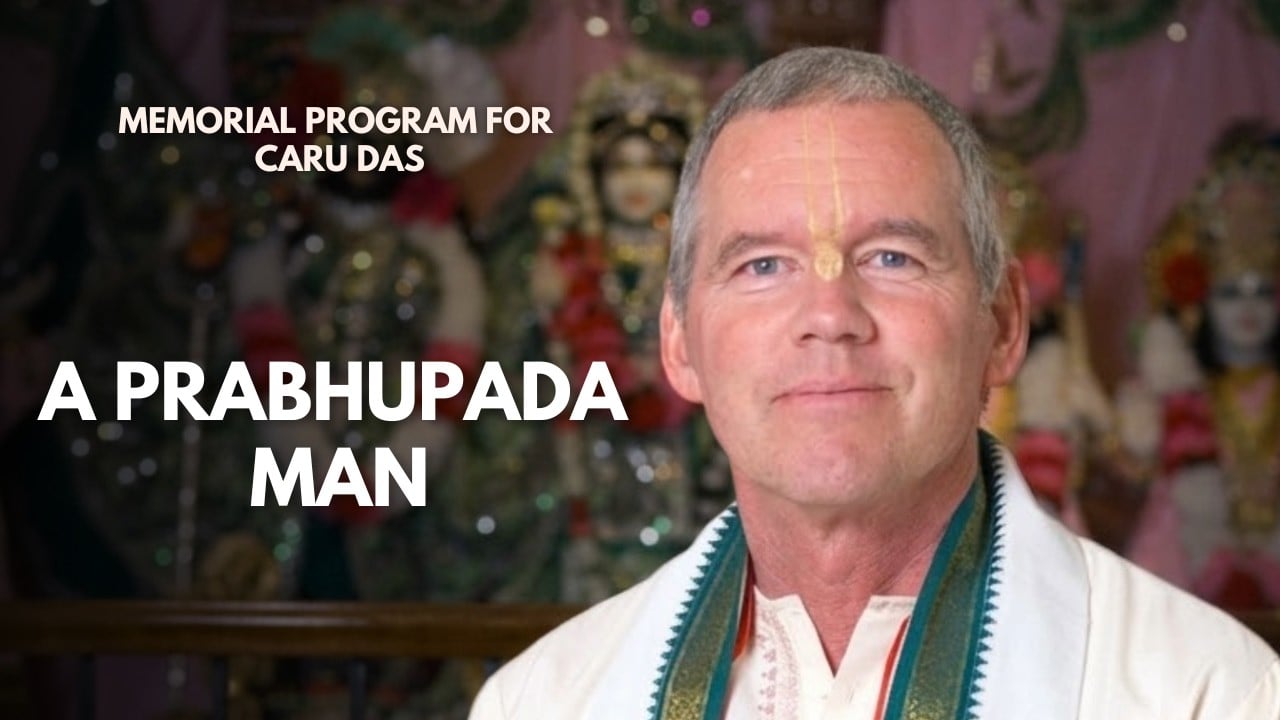
This memorial reflection honors HG Caru Prabhu (Caru Das) as a “Prabhupada man,” a devotee whose unwavering dedication to Srila Prabhupada’s mission was expressed through humility, integrity, and tireless seva. Drawing on HH Indradyumna Swami’s eulogypraising him as “a perfect gentleman with impeccable behavior, compassion, and devotion”the piece examines how Vaiṣṇava ethics translate into daily…
-
Srila Prabhupada’s Living Bhakti: How Simplicity, Purity, and Love Transform Lives

This in-depth analysis presents Srila Prabhupada as a True Guru whose simplicity, purity, and love operationalized the Bhakti Tradition in modern life. Grounded in Bhagavad Gita and Srimad-Bhagavatam, it explains guru-tattva, paramparā, and the practical mechanics of sadhana-bhakti. The piece highlights how pastoral warmth and ethical clarity work together to produce durable transformation. It examines…
-
Muni Shukadeva Jayanti 2026: Date, Amavasya Tithi, Puja Vidhi, and Bhagavata Wisdom

Muni Shukadeva Jayanti in 2026 is on Friday, 17 April, observed on Amavasya tithiVaishakh Amavasya in the North Indian Purnimant calendar and Chaitra Amavasya in Amavasyant regions. The day venerates Śukadeva Muni, son of Bhagavan Veda Vyasa, whose seven-day exposition of the Srimad Bhagavatham to King Parikshit shaped the Hindu katha tradition. Observances typically include…
-
From Atheism to Bhakti: How Srila Prabhupada Guided Visakha Devi Dasi Toward Lasting Fulfillment
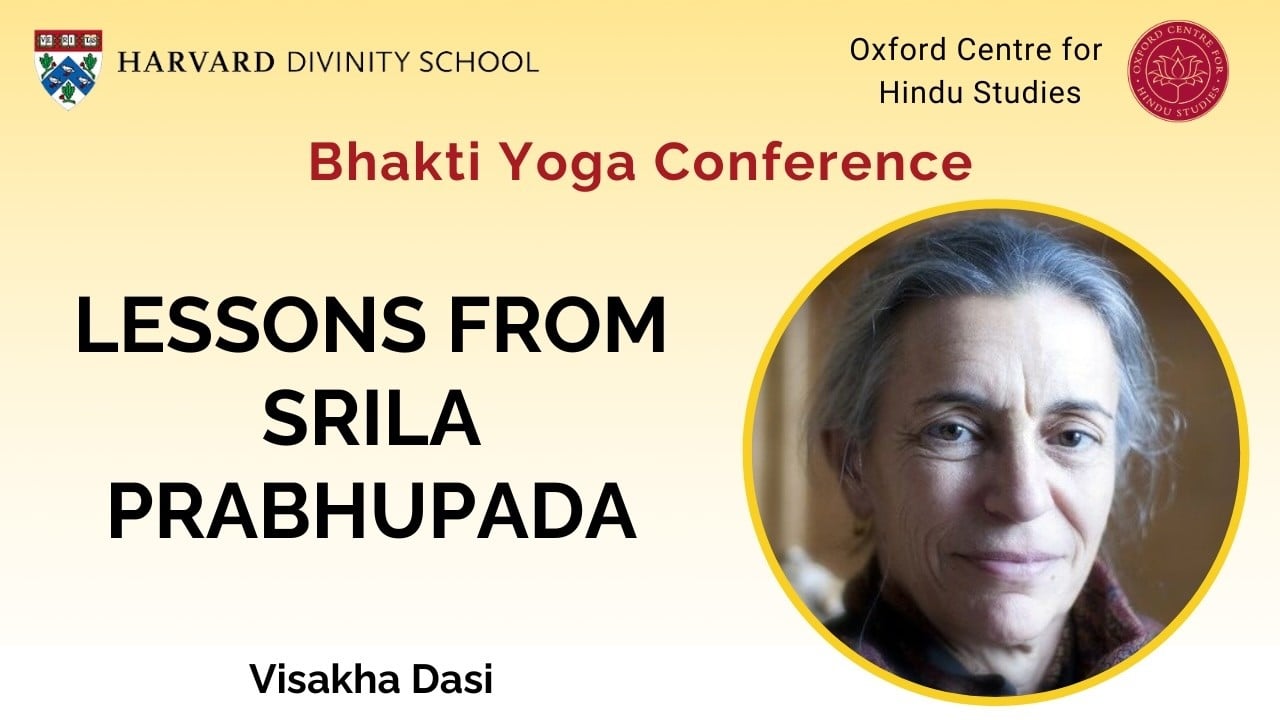
This long-form analysis traces Visakha Devi Dasi’s movement from atheism to Bhakti Yoga through Srila Prabhupada’s guidance, situating her experience within Vedic philosophy and contemporary inquiry. It explains how structured practiceschanting, study, seva, and communityoffer a replicable methodology for lasting fulfillment. The discussion clarifies the ninefold processes of bhakti, the epistemic role of the Guru-Shishya…
-
8 Powerful Steps for Prayerful Reading of Srila Prabhupada’s Books for Deep Bhakti Insight

This article presents a practical, eight-step method for prayerful reading of Srila Prabhupada’s books that unites devotion with rigorous study. It explains how intention, a sattvic setting, and a brief invocation prime attention and humility. Slow, structured reading, classical hermeneutic tools, and light Sanskrit awareness deepen comprehension of Bhagavad Gita, Srimad Bhagavatam, and Chaitanya Charitamrita.…
-
Who Is a True Guru? Shrimad Bhagavat’s 24 Transformative Lessons from the Avadhut

What is a true Guru according to the Shrimad Bhagavat? The Eleventh Canto’s dialogue between King Yadu and an Avadhut answers by expanding the Guru beyond a single figure to a universal function that dispels ignorance wherever it appears. Through 24 striking lessons from nature and human lifeEarth’s forbearance, the Ocean’s equanimity, Pingalā’s renunciation, the…
-
Hik Sathi Laddham: The Timeless Companion Uniting Dharmic Wisdom and Sindhi Sufi Song

Anchoring on the Sindhi phrase “Hik Sathi Laddham” (“The Companion”), this essay maps a unifying motif across Hinduism, Buddhism, Jainism, and Sikhism, in dialogue with Sufi song. It clarifies the companion as inner witness and outer guide through Upanishadic sakshi, Buddhist kalyāṇa-mitra, Jain śuddhātman and the Three Jewels, and the Sikh Satguru and Śabad. Readers…
-
A Schoolteacher’s Transformative Encounter with Ramana Maharshi: Silence, Self-Inquiry, and Grace
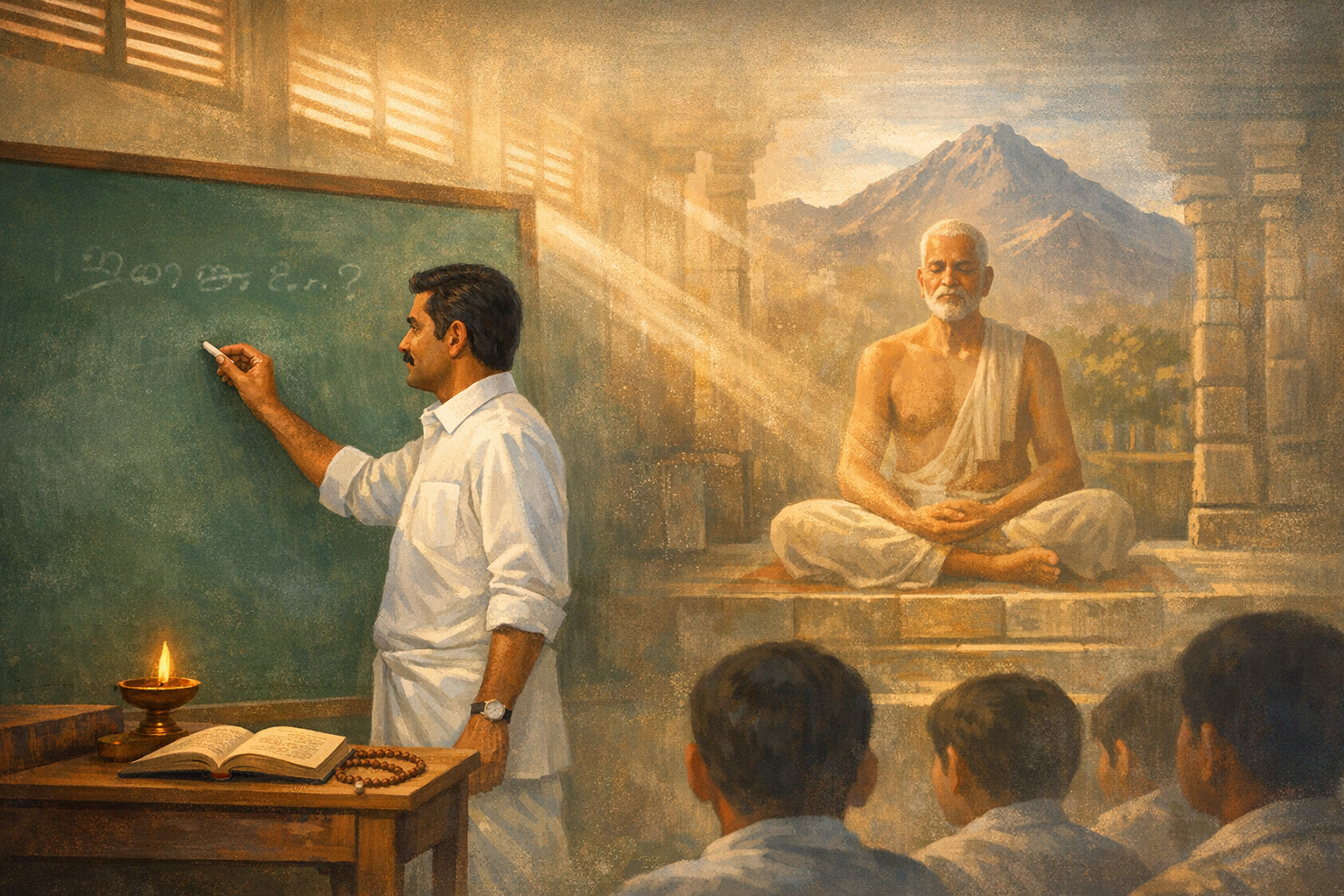
Set in 1980s Triplicane, this narrative documents how a Tamil teacher’s audience with Ramana Maharshi at Sri Ramanasramam became a living lesson in the Guru–Shishya Tradition. The account illuminates Ramana’s method of Self-Inquiry (ātma-vichāra) as a rigorous first-person phenomenology grounded in Advaita Vedanta and supported by devotion, ethics, and steady practice. It situates the encounter…
-
Historic Tribute at Bhaktivedanta Manor: ISKCON@60 and Dharmic Unity (21 Mar 2026)

Bhaktivedanta Manor’s 21 March 2026 celebration united three milestones: the annual Srila Prabhupada festival, ISKCON’s 60th anniversary, and the fifth consecutive year of hosting this observance. With opening gratitude to organizers, including Mother Guru, the event highlighted how bhakti-yoga, scriptural learning, and seva reinforce community, culture, and ethical living. The program’s academic and devotional balance…
-
From Fearlessness to Surrender: Prabhupada’s Doctrine of Divine Protection at ISKCON Mombasa

This reflection from ISKCON Mombasa distills how A. C. Bhaktivedanta Swami Prabhupada’s life fuses bold action with śaraṇāgati to reveal the true meaning of divine protection. It clarifies Gita-based principles (18.66, 9.22, 9.31) and the six limbs of surrender, showing that protection preserves and deepens bhakti rather than promising a risk-free life. Scriptural exemplars like…
-
Srila Prabhupada’s Timeless Appeal: How Selfless Seva Forged Universal Respect Across Traditions
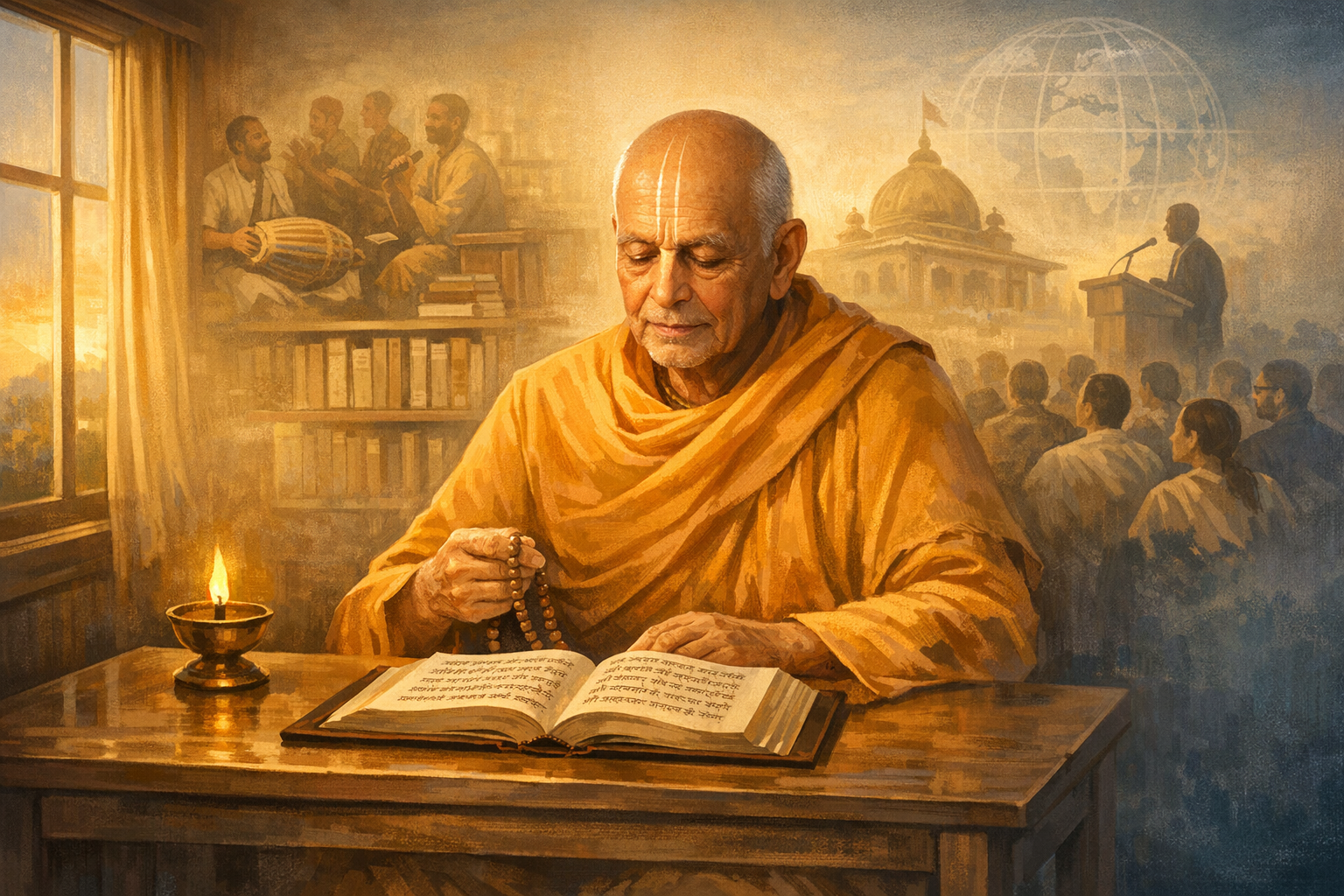
Srila Prabhupada’s universal appeal rested on a verifiable synthesis of renunciation and service. This analysis explains how disciplined sadhana, transparent resource use, and humility built trust across cultures, even among those who did not share his theology. Grounded in Gaudiya Vaishnava principles such as achintya-bheda-abheda and shaped by the Guru–Shishya Tradition, his approach aligns with…
-
Surrender Made Practical: Sharanagati, Inner Resilience, and Divine Help in Daily Life

Surrender (sharanagati) is presented here as a rigorous, actionable discipline within Sanatana Dharma, grounded in a widely cited Back to Godhead teaching attributed to Srila Prabhupada and centered on a simple, sincere prayer to Krsna. The article clarifies that surrender is not passivity but intelligent consent to higher wisdom, consistent with the Bhagavad Gita’s call…
-
Ultimate Reality Cannot Be Taught: Profound, Experiential Wisdom in Hinduism and Dharmic Paths

This long-form exploration clarifies why Ultimate Reality in Hindu philosophy cannot be taught as a mere concept and must be realized through direct experience. It maps the classical triad of śravaṇa–manana–nididhyāsana and the role of Guru–Shishya Tradition, highlighting how scripture and guidance remove ignorance rather than transfer realization. Readers gain a technically sound overview of…
-
Beyond Temple Walls: Powerful Lessons on Sadhana, Seva, and Guru-Dharma Across Dharmic Traditions

A historic 1983 letter read in the Dallas temple frames the temple as a training ground, not a compulsory residence, affirming that disciplined sadhana and seva can flourish inside or beyond ashram walls. Placed in a broader Dharmic contextHinduism, Buddhism, Jainism, and Sikhismthe message supports a living synergy between institutions and householders. The analysis maps…
-
Shattering the Illusion of Ego: How Pride Sabotages Liberation across Dharmic Traditions

Pridewhether named ahamkara, asmita, mana, or haumaiemerges as a shared obstacle to liberation across Hinduism, Buddhism, Jainism, and Sikhism. This essay synthesizes scriptural anchors from the Bhagavad Gita, Upanishads, and Yoga Sutra with parallel insights from Buddhist, Jain, and Sikh teachings to show how egoic inflation thrives on the illusion of separation. Readers will gain…
-
Compassionate Seva in ISKCON: Ethics, Competencies, and Dharmic Unity at Almviks gård

This analysis reframes a humble Vaishnava greeting from the ISKCON community at Almviks gård into a comprehensive exploration of personal seva within the Guru–Shishya Tradition. It outlines the role’s core domainsscheduling, sadhana facilitation, health support, travel logistics, and documentationwhile emphasizing ethical pillars of consent, boundaries, accountability, and privacy. Practical guidance addresses competencies, intercultural communication in…
-
Beyond Facts: Transformative Teaching through DharmaTimeless Hindu, Buddhist, Jain, Sikh Insights

Education is not the mere transfer of facts; in dharmic traditions it is a transformative process that unites knowledge, character, and contemplative depth. Drawing on Hindu, Buddhist, Jain, and Sikh insights, this analysis explains why śravaṇa–manana–nididhyāsana, anekāntavāda, and the triad of śabad–sangat–seva map onto evidence-based practices like active learning and mindfulness. It clarifies the parā/aparā…
-
A Guru Can Guide, Not Save: Self‑Realization Across Hindu, Buddhist, Jain, Sikh Paths

Across Hinduism, Buddhism, Jainism, and Sikhism, a unifying principle stands out: a guru can guide, not save, and Self-Realization depends on disciplined personal effort. This article grounds the point in the Bhagavad Gita and Upanishads, while showing its parallels in Buddhist, Jain, and Sikh teachings. It clarifies how grace and effort cooperate without inviting passivity,…