
-
Timeless Dharma: How Ancient Teachers and Healers Sustained a Compassionate Gift Economy

Ancient Hindu ethical traditions envisioned teachers and healers as custodians of knowledge and care who refrained from demanding fees, receiving voluntary dakshina instead. This gift economy placed dharma and social trust above transactional exchange, preserving the sanctity of education and healthcare. Related principles across Buddhism (dana), Jainism (ahimsa and aparigraha), and Sikhism (seva) reveal a…
-
Guru Pratipada 2026: Celebrate Guru Parampara and Sri Nrusimha Saraswati with Devotion

Guru Pratipada 2026 falls on February 2 and honors the Guru Parampara within the Datta Sampradaya, commemorating the sacred legacy of Sri Nrusimha Saraswati. Celebrated with devotion across Karnataka, Andhra Pradesh, Maharashtra, and parts of Western and Northern India, the day highlights the unifying power of the guru–shishya tradition. Observances include Guru Puja, devotional chanting,…
-
Ghanapatha: The Brilliant Oral Science That Preserved the Vedas with Unmatched Precision

Ghanapatha is an advanced Vedic recitation method that preserved the Vedas with exceptional precision through patterned repetition and reversal. Situated within the Shiksha Vedanga, it crowns a structured pedagogySamhita, Pada, Krama, Jata, and Ghanathat builds redundancy and error-checking into every line. By guarding phonetics and pitch accents (udātta, anudātta, svarita), it retains exact meaning and…
-
Let Children Blossom: Dharmic Wisdom for Child‑Centered Education, Not Imposed Ideals

Modern education faces a philosophical crisis: learners are often shaped by imposed ideals rather than guided to cultivate their intrinsic potential. Drawing on Hinduism, Buddhism, Jainism, and Sikhism, this piece outlines a child-centered Education Philosophy grounded in svabhava, Ishta, Anekantavada, upaya, and seva. It highlights the historical strengths of the Guru-Shishya Tradition and Gurukul, and…
-
Agni Yagna and Karmic Renewal: Sripada Srivallabha’s Fiery Path to Inner Purification

Sripada Srivallabha’s legacy in the Dattatreya tradition places Agni Yagna at the heart of karmic purification and ethical renewal. The sacred fire in a Havan Kund serves as both purifier and witness, inviting practitioners to surrender burdens and realign with dharma. Devotional narratives emphasize disciplined practice, guided by competent gurus and grounded in Havan Ke…
-
Looking Back with Purpose: Transformative Lessons from a Dharmic Journey toward Unity

Purposeful retrospection, grounded in dharma, transforms memory into a tool for growth rather than self-critique. Drawing on Ahimsa, Anekantavada, and Karma Yoga, this reflection-centered approach fosters inner clarity, ethical action, and resilience. Practical methodsmindfulness, meditation, and a five-step weekly frameworktranslate insight into consistent habits. Community support through satsang, sangha, and the Guru–Shishya Tradition amplifies learning…
-
Beyond Classroom Walls: Unleashing Creative Minds with Dharmic Wisdom and Modern Innovation

Many creative students feel constrained by slow pacing, narrow syllabi, and memory-focused exams. Drawing on Dharmic wisdom from Hinduism, Buddhism, Jainism, and Sikhism, this piece outlines how experiential, project-based learning transforms curiosity into real-world impact. It highlights the power of the guru–shishya tradition, Anekantavada, seva, mindfulness, and Karma Yoga to unify ethics and innovation. It…
-
Who Qualifies as a True Guru? Timeless Dharmic Criteria for Compassionate, Wise Guidance

What makes someone a true guru? Drawing on Hari-bhakti-vilāsa and Śrīmad-Bhāgavatam (11.3.21; 11.10.5), this reflection outlines classical qualifications: deep scriptural immersion, realized wisdom, and serene conduct. It highlights shared criteria across Hinduism, Buddhism, Jainism, and Sikhism, showing how authentic guidance unites rather than divides. Readers gain a practical checklist for discernment, focusing on compassion, ethical…
-
Empty the Cup to Fill the Soul: Hindu Wisdom on Ego, Learning, and Spiritual Growth

This article explores the Hindu metaphor of the “empty vessel,” showing how releasing ego creates the space necessary for continuous learning and spiritual growth. It explains the paradox that genuine wisdom requires inner emptiness, contrasting avidyā (illusion of knowledge) with jñāna (true insight). Drawing on the Bhagavad Gita and Upanishadic methods, it highlights humility, contemplation,…
-
Mother Goddess Dhara & Dakshinamurthy Shiva: Sacred Union of Wisdom-Shakti

Sanatana Dharma venerates Dakshinamurthy as the Adi Guru whose luminous silence reveals inner knowledge. Honoring “Mother Goddess Dhara” as the flowing Shakti of wisdom offers a symbolic, devotional complement to this south-facing form of Shiva. The union of wisdom and Shakti affirms an Advaita insight: consciousness and its compassionate expression are inseparable. Framed through the…
-
Taming the Unruly Mind: Dharmic Reflections on Guidance and Grace at ISKCON Vrindavan
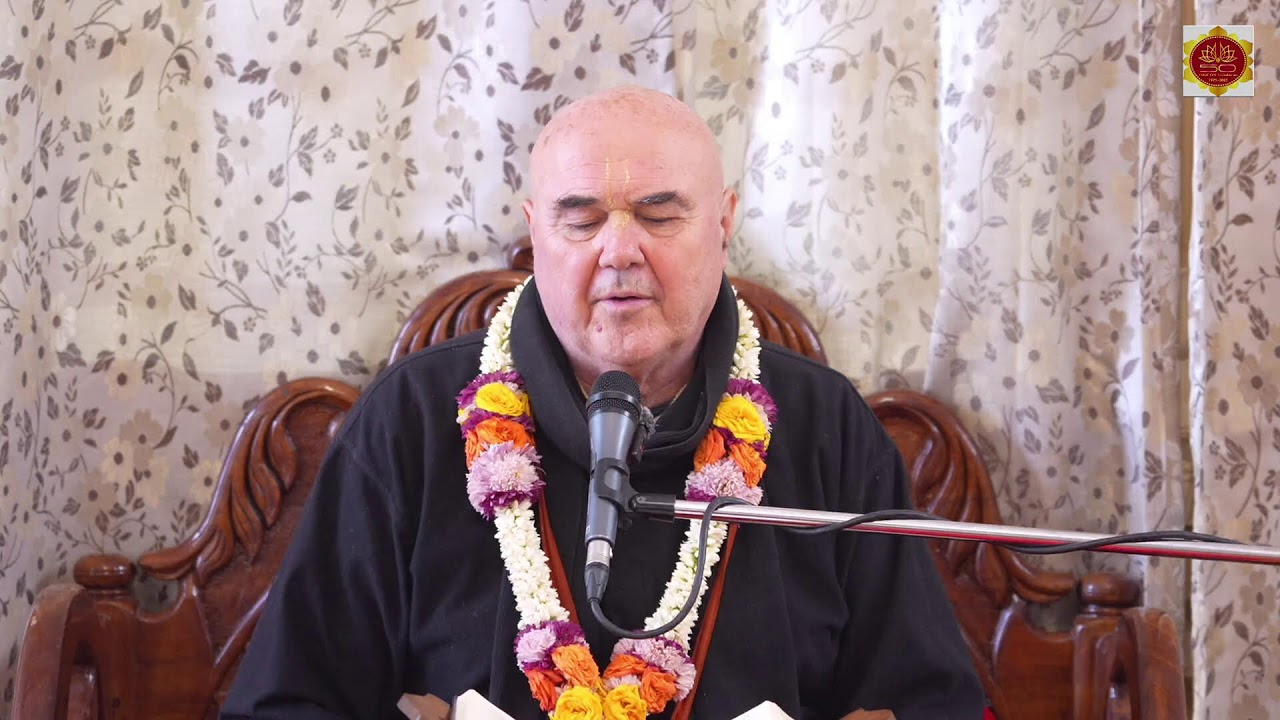
A classic teaching shared at ISKCON Vrindavan on 01.01.2025, associated with HG Pancha Gauda Prabhu, portrays the mind as an impetuous horsedifficult to master without ethical grounding and wise guidance. The reflection shows why technique alone, such as breath control, can falter without a trusted teacher and supportive community. It highlights how Hinduism, Buddhism, Jainism,…
-
Witnessing the Sky of Consciousness: Sri Shyamdas Babaji’s Transformative Sadhana and Unitive Wisdom

Set in Sri Jagannath Kshetra and later Varanasi, this reflective account presents Sri Shyamdas Babaji’s rare synthesis of jnana, bhakti, and yoga. Readers encounter his lucid teaching on drashta bhava (witness-consciousness) and the chidakasha (sky of consciousness), framed by living connections to Trailinga Swami, Prabhu Jagadbandhu, Sri Sri Maa Anandamayi, and the Gaudiya tradition. The…
-
Kurukesha, Disciple of Ramanujacharya: A Revered Beacon of Sri Vaishnava Wisdom

Kurukesha is honored in Sri Vaishnava tradition as a devotee-disciple of Ramanujacharya who exemplified humility, disciplined practice, and compassionate service. While historical details are limited, devotional memory preserves his role in transmitting Visishtadvaita Vedanta and strengthening the Bhakti Tradition through study, worship, and community service. This portrait highlights practical lessons for today: inclusive institutions, shared…
-
Sanatana Gosvami’s Humble Plea: Timeless Vaishnava Etiquette, Devotion, and Dharmic Unity
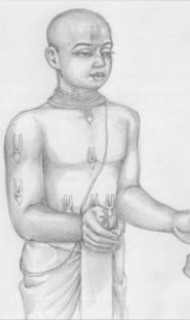
Sanatana Gosvami’s request to be guided from within models the core of Vaishnava etiquettehumility, devotion, and disciplined conduct. The passage elevates service over self-assertion and places ethical behavior within the Guru-Shishya Tradition. It highlights how genuine learning begins with surrender and culminates in responsibility to scripture, community, and practice. These themes resonate across Hinduism, Buddhism,…
-
Honoring the Fading Ācārya: Guiding New Generations Toward Unified Dharma in Naperville
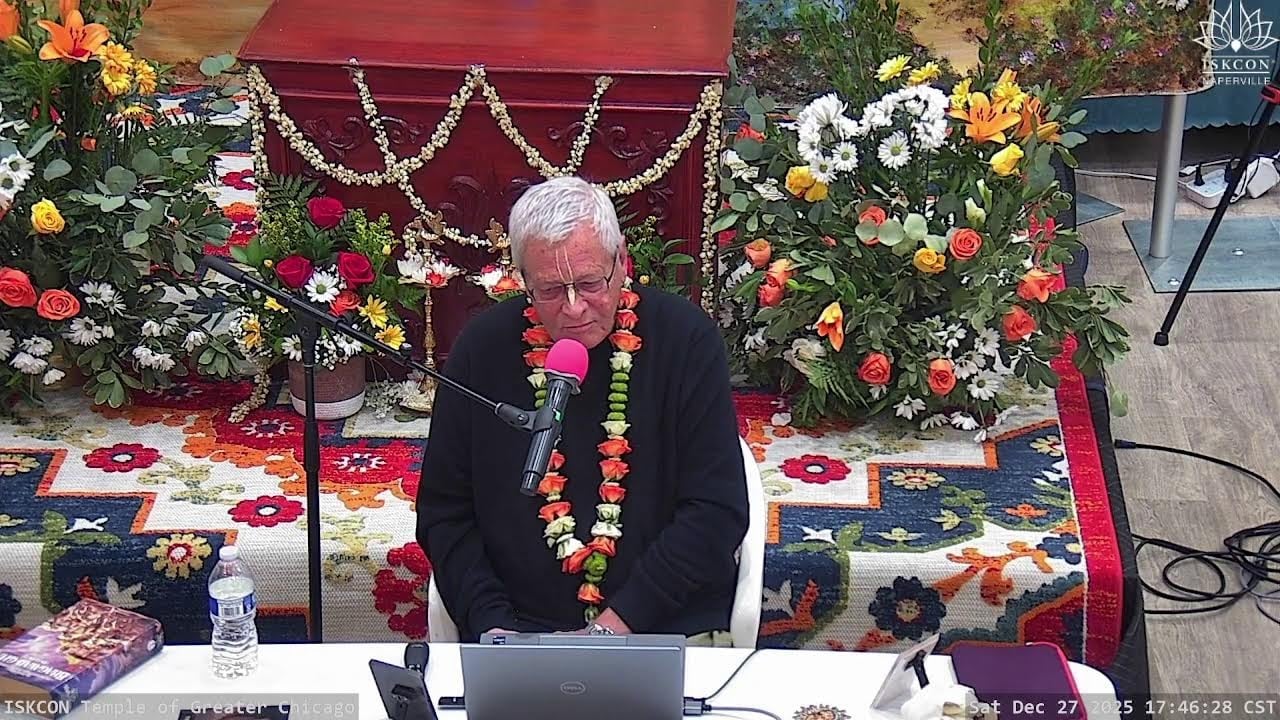
A December 27 gathering in Naperville, led by HG Gopal Bhatta Prabhu, explored how communities can honor a “fading ācārya” by strengthening intergenerational stewardship. Anchored in Srila Prabhupada’s metaphor of the “skyscraper skeleton,” the reflection urged later generations to refine and complete the legacy without compromising high standards. It outlined a progression in which the…
-
Magnanimous Devotion: How Exemplary Bhakti Inspires and Unites Dharmic Traditions
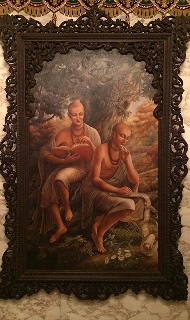
A magnanimous devotee, praised throughout the Bhakti Tradition and Hindu scriptures, is described as purifying, inspiring, and transformative in the lives of others. Even brief association with saintly personssadhu-sangaoften catalyzes ethical clarity, devotion, and renewed purpose. Comparable ideals appear across Buddhism, Jainism, and Sikhism, underscoring unity in spiritual diversity. The “ornaments” of the devoteehumility, compassion,…
-
Hanuman and Surya: Aspiration, Guru-Śiṣya Dharma, and the Path to Self-Realization

Hanuman’s pursuit of learning from Surya illustrates how aspiration, disciplined practice, and the guru’s guidance shape self-realization. The narrative of a “moving classroom,” in which Hanuman adapts to Surya’s constant motion, models ekāgratā and tapas under real-world constraints. Later traditions emphasize that humility and seva transform knowledge into wisdom and social responsibility. The core lessonone…
-
Knowledge as Liberation: Srila Prabhupada’s Guidance on the Guru–Shishya Path for Seekers
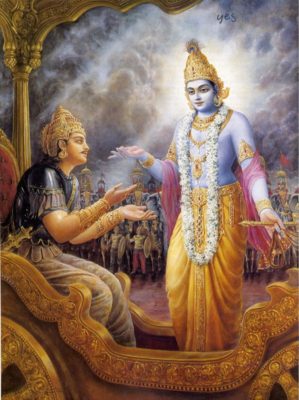
Srila Prabhupada’s early New York talks highlight a timeless discipline for acquiring liberating knowledge: humility, sincere inquiry, and service. The Bhagavad-gita (4.34) presents a rigorous path where a self-realized guide imparts truth grounded in direct realization, not opinion. This guru–shishya model balances faith with reason, ensuring inquiry refines understanding and service turns knowledge into practice.…
-
Why Sanatana Dharma Endures: The Self-Correcting Wisdom Unifying Dharmic Traditions

Sanatana Dharma endures because it carries a built-in, self-corrective system that updates practice without losing core principles. Hinduism’s framework of shruti, smriti, ācāra, and yukti enables context-aware refinement guided by reason and community debate. Buddhism, Jainism, and Sikhism share this ethos through councils, Anekantavada, and collective deliberation, demonstrating a broader dharmic commitment to internal reform.…
-
Vidya Ganapati: A Scholarly Guide to Knowledge, Memory, and the Joy of Learning

Vidya Ganapati symbolizes knowledge, wisdom, memory, and disciplined learning, guiding students and scholars toward clarity, focus, and ethical study. The iconographybook, rosary, lotus, and mouseinvites humility, contemplation, and purity of intent. Across homes and classrooms, simple practices like mindful breathing and mantra help calm anxiety and steady memory without replacing hard work. The ethos resonates…