-
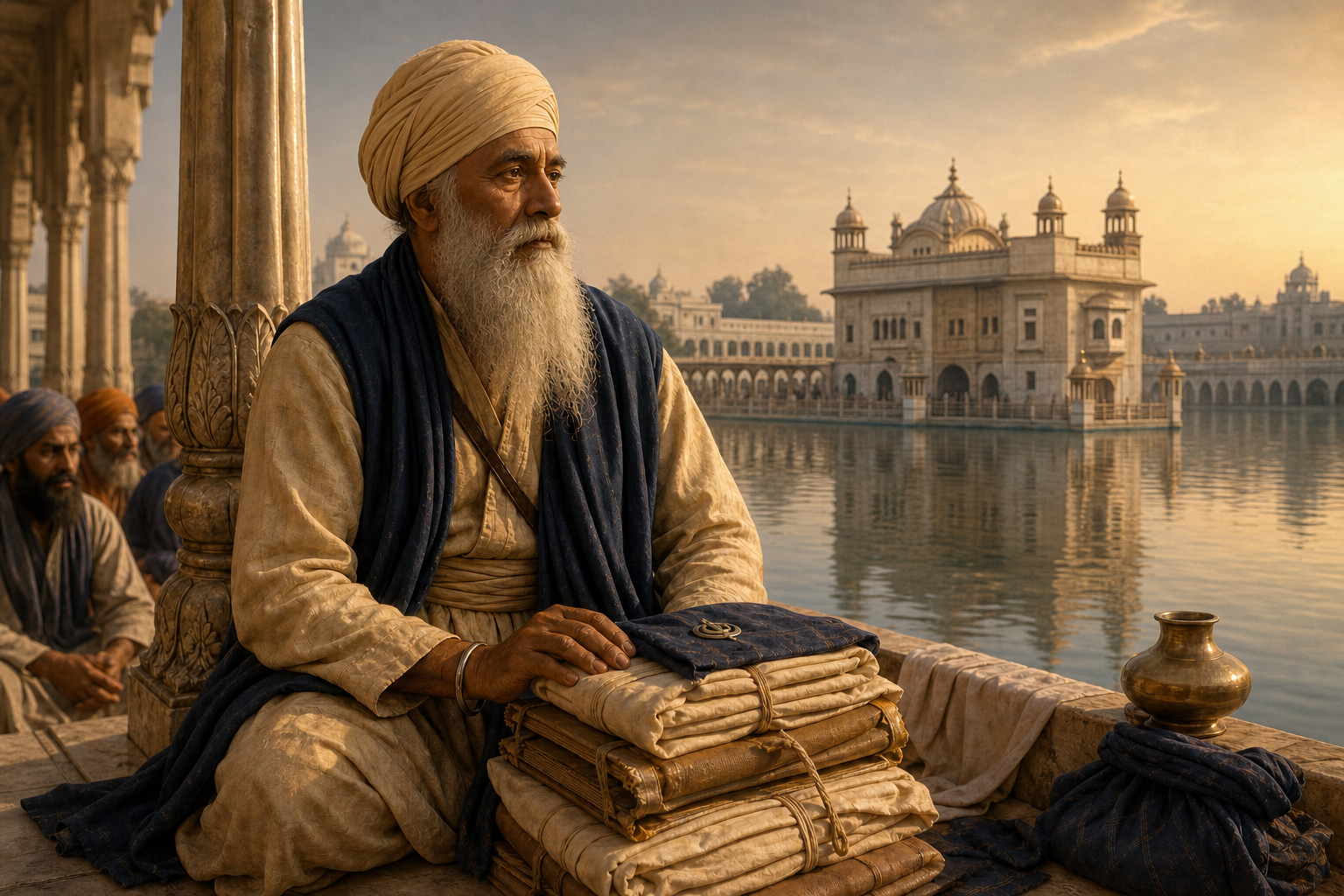
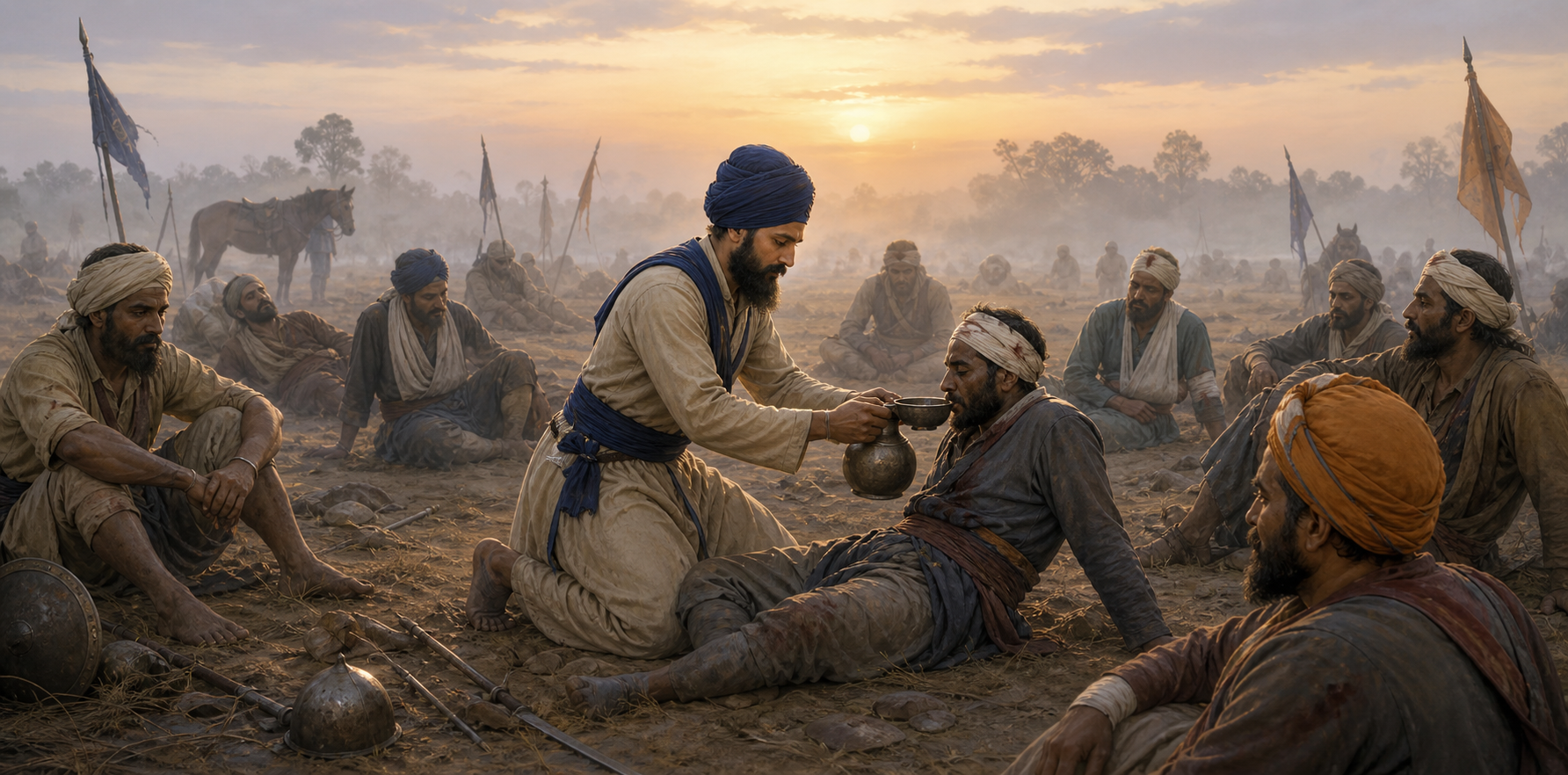
Bhai Kanhaiya, the Sikh Water Bearer: Radical Compassion That Saw No Enemy

This essay examines Bhai Kanhaiya—the Sikh “water bearer who saw no enemy”—as a rigorous case study in applied ethics, humanitarian neutrality, and dharmic universality. Set against the sieges around Anandpur in the early 1700s, it analyzes how Guru Gobind Singh’s endorsement of impartial care for the wounded institutionalized seva as the ethical spine of the…
-
Bhai Kanhaiya Ji: Sevapanthi Saint Who Healed Friend and Foe, Inspiring Interfaith Unity

Bhai Kanhaiya Ji (1648–1718) is revered in Sikh history for serving water and aid to all the wounded—friend and foe—during the battles around Anandpur Sahib, earning explicit endorsement from Guru Gobind Singh. His example seeded the Sevapanthi tradition, which institutionalized non-sectarian seva through hospices, piyaus, and relief networks. This essay situates his life within the…
-
Gurmat Sangeet Certification: Master Raags, Shabad Kirtan, and Timeless Sikh Devotional Heritage

Gurmat Sangeet is the living Sikh tradition of sacred music, where Shabad is sung within the grammar of raag and taal to cultivate contemplation and ethical action. A well-designed certification program grounds training in the Guru Granth Sahib’s raag-based structure, emphasizing accurate pronunciation (santhiya), faithful use of ਰਹਾਉ (rahāo), and historically aware performance. Learners progress…
-
Sikhs of Punjab: Khalsa Nationhood, Miri-Piri Sovereignty, and the Sacred Homeland

This comprehensive essay examines the Sikhs of Punjab through three lenses: historical nationhood (qaum), religious sovereignty (miri-piri), and the homeland of the Khalsa. It traces the arc from Guru Nanak’s foundational institutions to the Khalsa discipline of 1699, through the Sikh misls and the inclusive statecraft of Maharaja Ranjit Singh, to modern constitutional arrangements and…
-
‘Gems of Sikhism’ Review: Timeless Teachings, Khalsa Ethos, and Dharmic Unity Today

This academically grounded review of ‘Gems of Sikhism’ distills the core teachings of Sikhism—Ik Onkar, Naam, Seva, Kirat Karni, Vand Chakna, Sarbat da bhala, and the Khalsa ethos—into a coherent, accessible framework. It explains how Sikh practices like Langar and Seva institutionalize equality and compassion, while Miri–Piri and the Sant–Sipahi ideal provide a disciplined theory…
-
Baba Deep Singh Ji: Scholar‑Warrior who safeguarded the Guru’s Word and Amritsar’s sanctity

Baba Deep Singh Ji (1682–1757) embodies the Sikh Sant‑Sipahi ideal, uniting rigorous scholarship with principled courage. This comprehensive account situates his formation at Anandpur Sahib and Damdama Sahib, his role in scribing and standardizing Gurbani manuscripts, and his leadership within the Dal Khalsa and the Shaheedan Misl. It presents the 1757 defense of Amritsar with…
-
Baba Deep Singh Ji: Scholar‑Soldier of the Khalsa and Guardian of the Golden Temple

Baba Deep Singh Ji embodied the Sikh sant‑sipahi ideal by uniting deep scholarship with principled courage, ensuring the protection of sacred spaces and the continuity of learning. Set against the turbulence of eighteenth‑century Punjab, his work at Damdama Sahib safeguarded scriptural integrity while his leadership helped restore access to Harmandir Sahib after its desecration in…
-
Banda Singh Bahadur Immortalized: Historic Statue Unveiled at Guru Nanak Darbar, Gravesend

The unveiling of Baba Banda Singh Bahadur’s statue at Guru Nanak Darbar Gurdwara, Gravesend, anchors Sikh history within the UK’s cultural landscape while advancing a unifying dharmic message. The memorial contextualizes Banda Singh Bahadur’s transformation under Guru Gobind Singh, his brief yet consequential governance reforms, and his enduring ethos of justice and seva. Visitors gain…
-
Amrit Sanchar in Tohana: A Transformative Khalsa Initiation at ‘Prabh Milnae Ka Chao’

Held in Tohana under the devotional theme “Prabh Milnae Ka Chao,” this detailed analysis explains how Amrit Sanchar—Sikhism’s Khalsa initiation—combines precise ritual, ethical rigor, and communal service. It outlines the ceremony’s canonical steps (Panj Piare, preparation of Amrit, five banis), the Five Ks and daily Nitnem discipline, and the social ethic of Sarbat da Bhala…
-
Khalsa Unveiled: Equality, Sovereignty, and Sacred Resistance in Guru Gobind Singh’s Vision

This in-depth exploration of the Khalsa traces its emergence at Vaisakhi 1699 and explains how Guru Gobind Singh united equality, sovereignty, resistance, and spirituality into a single ethical order. Readers gain a clear understanding of the Amrit Sanchar, the Panj Piare, and the Five Ks as living disciplines. The essay unpacks doctrines such as miri-piri,…
-
Sikhi Through Story: Evidence‑Based, Gurmat‑Aligned Narratives for a Dharmic Unity Vision

This message articulates how SikhNet Stories approaches children’s narratives as rigorous, Gurmat-aligned pedagogy. It roots storytelling in the Guru Granth Sahib’s inclusive vision while honoring Sikh maryada and the lived practices of Naam, Seva, and Sangat. Drawing on research in educational psychology, it explains why narrative transportation, dual-coding, and social learning improve attention, retention, and…
-
Shaheedi of Guru Tegh Bahadur: 350 Years of Courage that Secured Freedom of Conscience

This long-form essay marks 350 years since the Shaheedi of Guru Tegh Bahadur Sahib Ji and examines the event’s historical context, ethical significance, and enduring legacy. It synthesizes Sikh, Persian, and European accounts while noting interpretive variations to present a rigorous, balanced narrative. Readers gain a concise timeline, a survey of key sites of memory…
-
Forged in Faith: Weaponry in the Dasam Granth Sahib—History, Shastra-Vidya, and Symbolic Power

Weaponry in the Dasam Granth Sahib is presented as a disciplined convergence of steel and spirit, where shastra-vidya is sanctified by ethics and devotion. Set in the historical crucible of the Khalsa’s formation, these hymns catalog arms—from khanda and kirpan to chakkar, banduq, and top—while binding their use to Dharma-Yuddha principles. The text’s poetic multilingualism…
-
Baisakhi 2026 (April 14): Definitive Guide to Khalsa Day, Sikh New Year, and Mesha Sankranti

Baisakhi (Vaisakhi) 2026 falls on Tuesday, 14 April, uniting harvest gratitude in Punjab with the Khalsa legacy of 1699 and India’s wider Mesha Sankramana solar New Year. The day is widely observed as the Sikh New Year within Punjabi solar tradition and the fixed-date Nanakshahi calendar. This definitive guide explains the festival’s history, the Khalsa’s…
-
40 ਮੁਕਤੇ: From ਬੇਦਾਵਾ to Blessing—Muktsar’s Chali Mukte and Guru Gobind Singh’s Grace

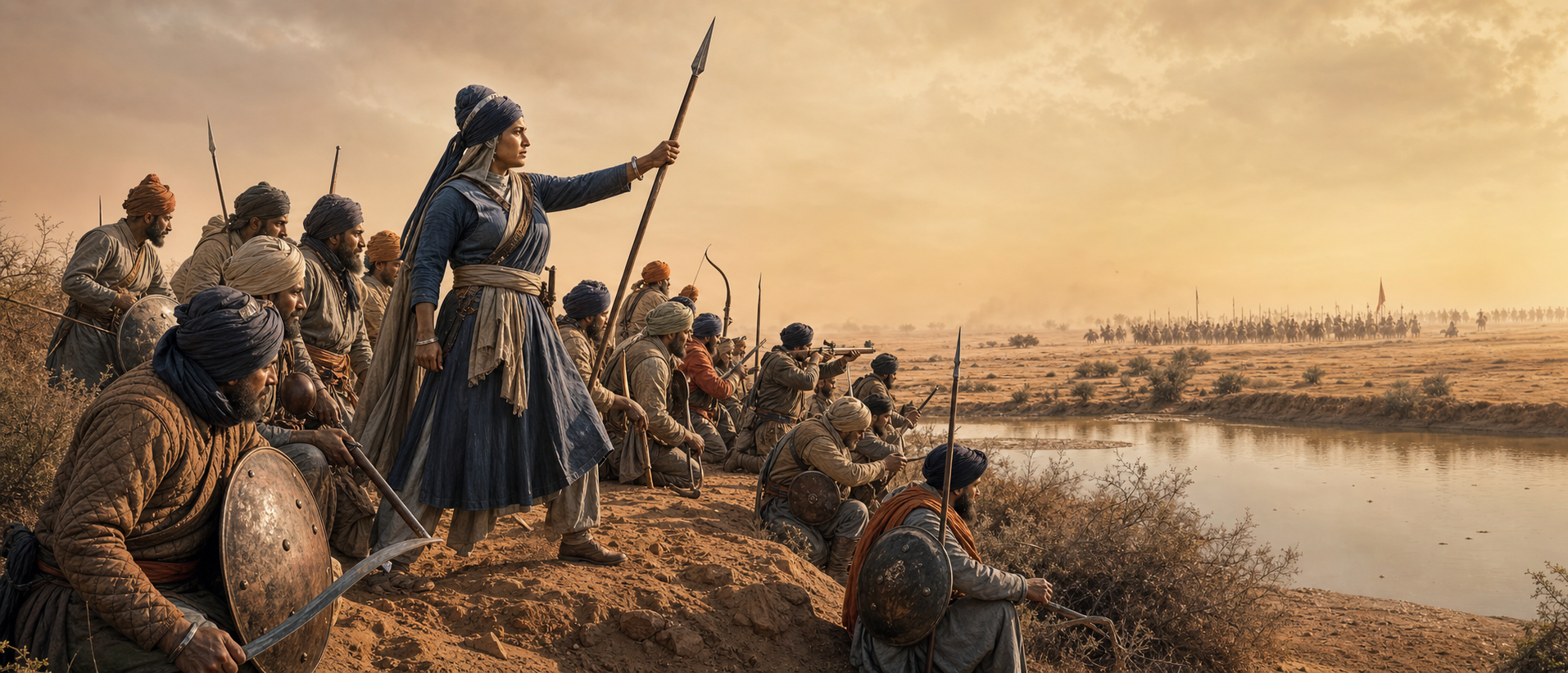
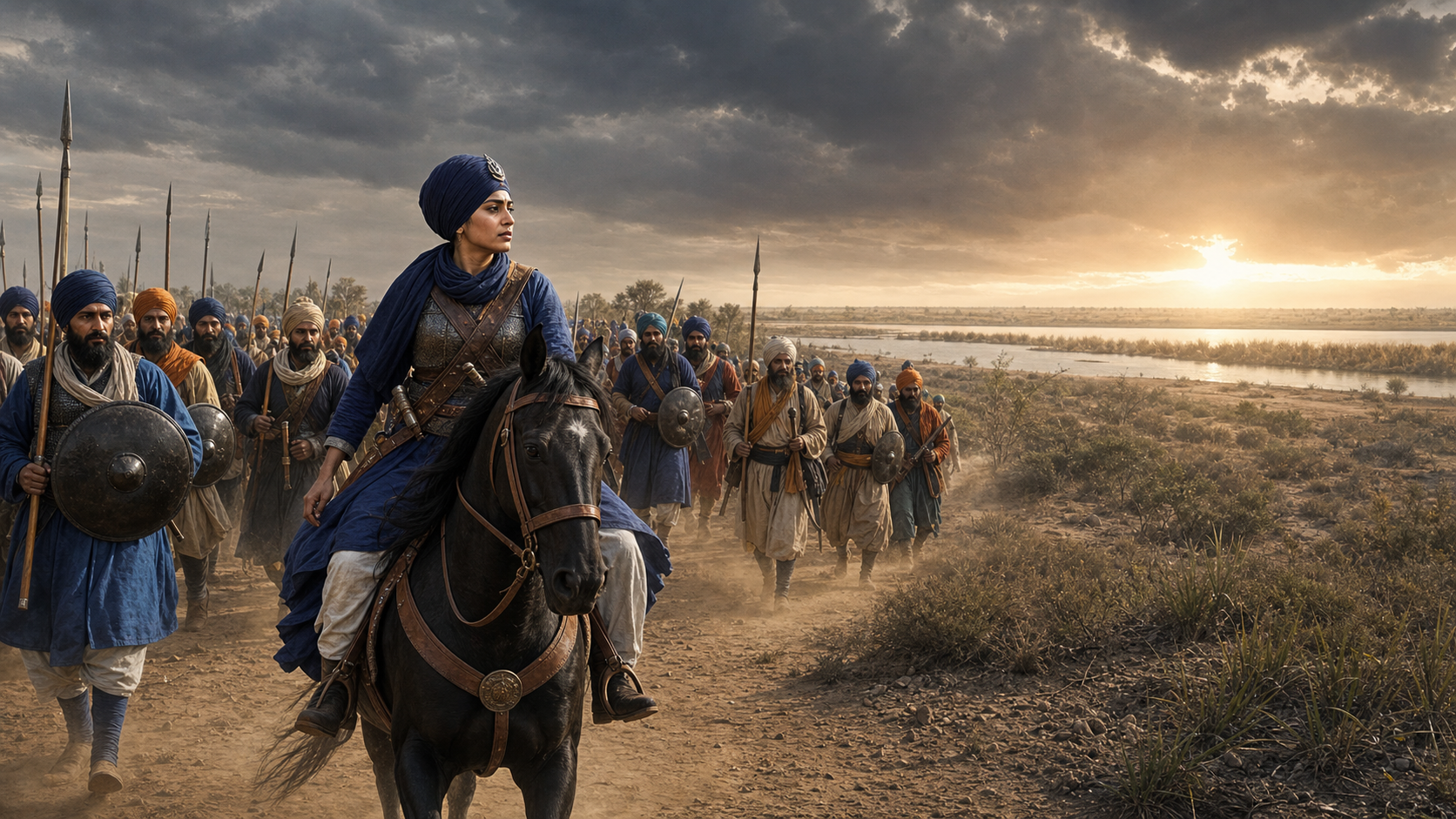
This long-form study traces how the 40 ਮੁਕਤੇ journeyed from ਬੇਦਾਵਾ (disavowal) at Anandpur Sahib to ਬਖ਼ਸ਼ਿਸ਼ (grace) at Muktsar Sahib under Guru Gobind Singh’s compassionate leadership. It situates the Battle of Khidrana (Muktsar) within Sikh history, highlighting terrain, tactics, and morale alongside the moral recovery catalyzed by Mai Bhago. The analysis clarifies how Sikh…
-
Honoring Sikh Women: Trailblazing Courage, Seva, and Scholarship for International Women’s Week

International Women’s Week highlights the enduring leadership of Sikh women in seva, scholarship, and public life. Grounded in Gurbani’s affirmation of equality—“ਸੋ ਕਿਉ ਮੰਦਾ ਆਖੀਐ ਜਿਤੁ ਜੰਮੇ ਰਾਜਾਨ॥”—their contributions span the langar tradition of Mata Khivi, the martial resolve of Mai Bhago, and the statecraft of Rani Sada Kaur. From heritage stewardship to humanitarian response,…
-
Kiratpur Sahib: Sacred Seat of Sikh Gurus before Anandpur Sahib and a Living Dharmic Legacy

Kiratpur Sahib served as the principal seat of Sikh Gurus before the rise of Sri Anandpur Sahib, shaping a decisive era in Sikh history. Located along the Sutlej at the Shivalik foothills, it fostered spiritual authority and community resilience under Guru Hargobind and Guru Har Rai. The town’s association with Guru Harkrishan underscores its role…
-
Chali Mukte: The Transformative Saga of Forty Liberated Souls and Guru Gobind Singh

Chali Mukte—“the forty liberated”—captures a pivotal moment in Sikh history linked to Guru Gobind Singh, where regret turned into responsibility and courage. Set between Anandpur Sahib and Muktsar Sahib, the episode showcases Mai Bhago’s galvanizing leadership and the Sikhs’ return to dharma. Readers gain a concise historical overview, ethical insights into accountability, and a practical…
-
Jaap Sahib Unveiled: Critical, Compassionate Insights into Guru Gobind Singh’s Universal Hymn
Jaap Sahib, a foundational Sikh hymn in the Dasam Granth, is a rigorous and compassionate celebration of the One beyond name and form. This study clarifies its historical setting in Anandpur Sahib, its multilingual poetics, and its role in Nitnem. The analysis shows how its rhythmic invocations cultivate steadiness, courage, and ethical clarity in daily…
-
Shaheedi Asthan of Baba Banda Singh Bahadur: A Moving Tribute to Courage and Dharma
The Shaheedi Asthan of Baba Banda Singh Bahadur offers a powerful encounter with Indian history and Sikh heritage. It commemorates a principled leader whose life exemplified dharma, courage, and service. The memorial contextualizes Mughal–Sikh interactions while honoring Indian martyrs. Visitors experience a contemplative environment shaped by shabad kirtan, ardas, and living heritage. The site models…