
-
Guru Gobind Singh’s Enduring Legacy: Sacrifice, Justice, and Dharmic Unity Across Faiths

Guru Gobind Singh’s legacy exemplifies an unwavering commitment to justice, seva, and the protection of religious freedom that resonates across Hinduism, Sikhism, Buddhism, and Jainism. Rooted in formative events at Anandpur Sahib and the martyrdom of Guru Tegh Bahadur, his vision culminated in the Khalsa Panth at Baisakhi 1699—an institution dedicated to equality and the…
-
Guru Gobind Singh Ji’s 360th Parkash Aagman: Timeless Courage, Seva, and Unity

The 360th Parkash Aagman of Guru Gobind Singh Ji (born 22 December 1666 at Patna Sahib) offers a timely occasion to revisit the sant–sipahi ideal and its enduring relevance. Observed across diverse calendars, the commemoration centers on Akhand Paath, kirtan, Nagar Kirtan, and inclusive langar at sacred sites and in diaspora communities. Guru Gobind Singh…
-
From Near Annihilation to Empire: The Sikh Rise through Khalsa, Misls, and Ranjit Singh

This article traces how the Sikh Community rebuilt power after near-annihilation in the eighteenth century, culminating in a pluralist, stable state in Punjab. It explains how Khalsa discipline, Misls, and the Dal Khalsa translated spiritual ideals into practical governance. Readers gain clarity on pivotal moments from Anandpur Sahib and Banda Singh Bahadur to the Vadda…
-
Khalsa Mero Roop Hai Khaas: A Powerful Call to Courage, Love, and Truth in Dharmic Unity
This reflection interprets the line “Khalsa mero roop hai khaas” as a call to live courage, love, and truth in daily life. It situates the phrase in Sikh history and shows how its ethical core resonates with dharmic traditions across Hinduism, Buddhism, Jainism, and Sikhism. Readers gain practical guidance for family, civic, and professional settings,…
-
Saka Chamkaur: Guru Gobind Singh’s valor, Sahibzadas’ sacrifice, and timeless dharmic unity

ਸਾਕਾ ਚਮਕੌਰ (Battle of Chamkaur) is presented with historical precision and a dharmic lens, highlighting Guru Gobind Singh’s leadership and the Sahibzadas’ sacrifice. Readers gain a clear timeline from the siege of Anandpur Sahib to the stand at Chamkaur. The narrative emphasizes dharma-yuddha—moral courage, restraint, and protection of the vulnerable—rather than glorifying conflict. Emotional resonance…
-
Unbreakable Loyalty in Chains: Sikh Brothers’ Principled Leadership during Captivity
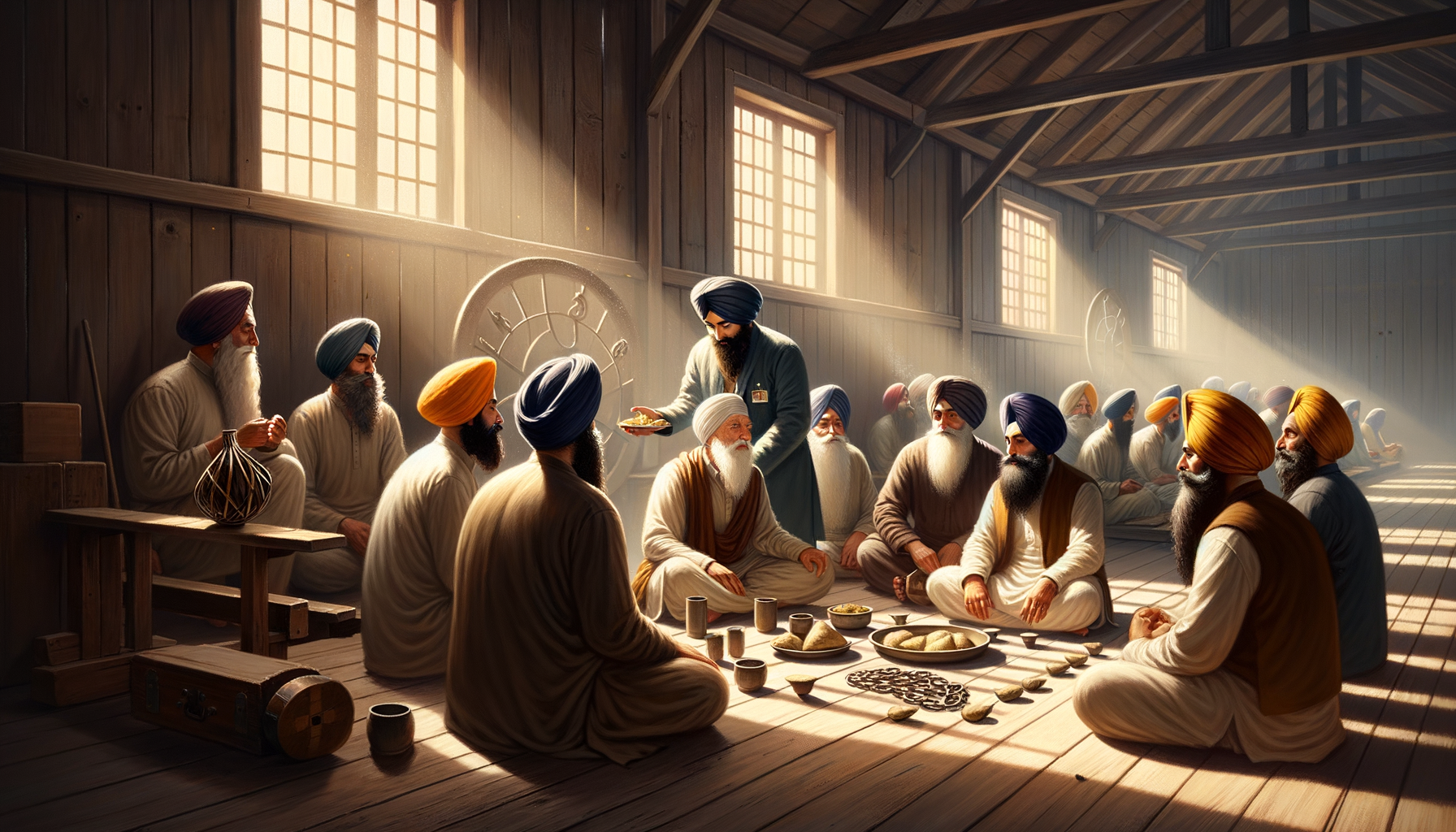
This piece explores how Sikh brothers embodied principled leadership during wartime captivity, demonstrating the sant-sipahi (saint-soldier) ethos where courage is guided by compassion. It shows how steady routines, shared rations, simran, and fair mediation preserved dignity and morale in harsh conditions. The narrative emphasizes that loyalty, rooted in dharma and Sarbat da Bhala, is fidelity…
-
Saka Chamkaur: Honoring the Vadde Sahibzaade’s Courage, Sacrifice, and Dharmic Unity
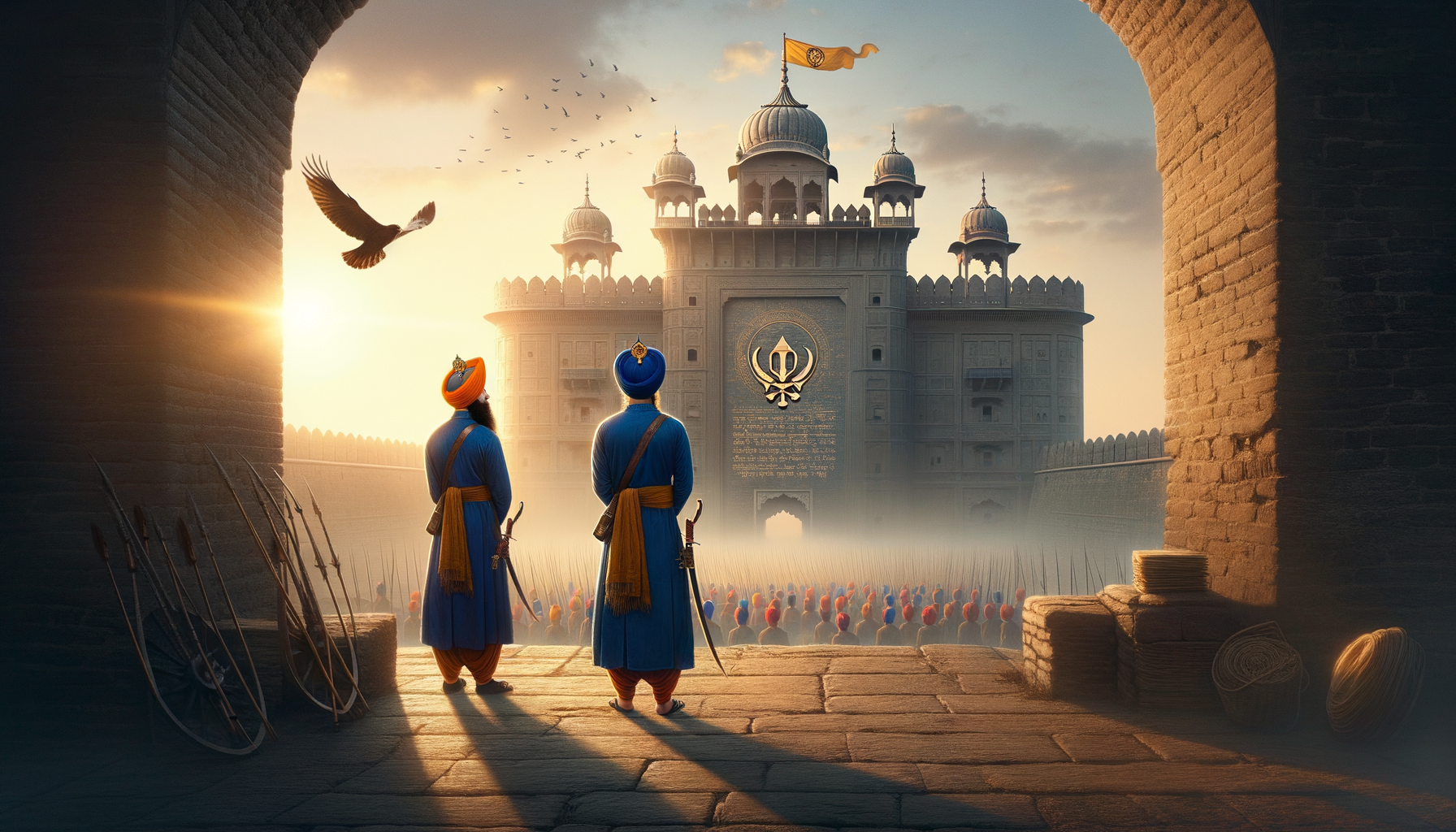
Saka Chamkaur illuminates the exemplary courage and martyrdom of the Vadde Sahibzaade—Baba Ajit Singh and Baba Jujhar Singh—within the living heritage of Sikh history. Set against the evacuation from Anandpur Sahib, the episode reveals disciplined leadership, ethical clarity, and spiritual conviction under overwhelming odds. The narrative resonates across dharmic traditions by highlighting shared values of…