
-
Srila Prabhupada Lilamrita Unveiled by HG Daivi Shakti Mataji: Bhakti, History, and Shared Dharma
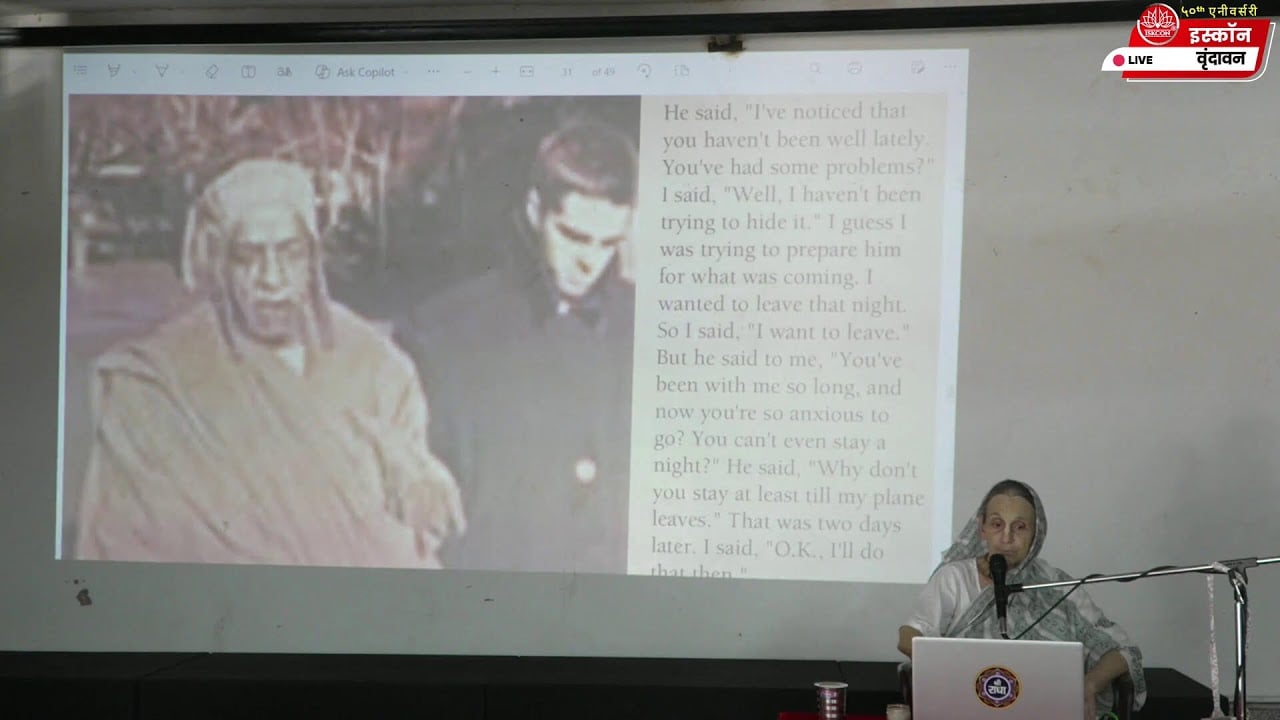
Delivered at ISKCON Vrindavan on 07.06.2026, this analytical exploration of Srila Prabhupada Lilamrita by HG Daivi Shakti Mataji shows how devotional biography can serve as rigorous history, spiritual pedagogy, and leadership guide. Readers learn to distinguish inspiration from idealization and to apply guru–sadhu–shastra principles in daily practice. The piece demonstrates how bhakti-yoga integrates chanting, study,…
-
Devotion Through Buddhi and Grace: Mastering Hindu Bhakti via Consciousness and Surrender

This essay examines two complementary currents of Hindu devotionbuddhi-yoga (devotion through consciousness and intelligence) and prapatti/śaraṇāgati (devotion through surrender)grounded in the Bhagavad Gita, the Bhāgavata Purāṇa, Vedānta, and Yoga. It explains how disciplined study, reflection, and mindful ritual refine devotion, while wholehearted entrustment to the divine expands receptivity to grace. The discussion translates classical terms…
-
Ishta Devata and Bhakti Yoga: Transformative Rituals, Guru Guidance, and the Journey from Gauni to Para-Bhakti

This long-form exploration clarifies how Ishta Devata and bhakti yoga work together to transform ritual into inner freedom. It explains why gauni bhakti (preparatory devotion) is essential for cleansing the mind and cultivating niṣkāma, disinterested love for Bhagavan. It details the role of the guru within the Guru-Shishya Tradition, showing how guidance ensures safe, authentic,…
-
Unlocking the Power of Prayer: Vandanam in Daily Sadhana and Dharmic Unity Practices
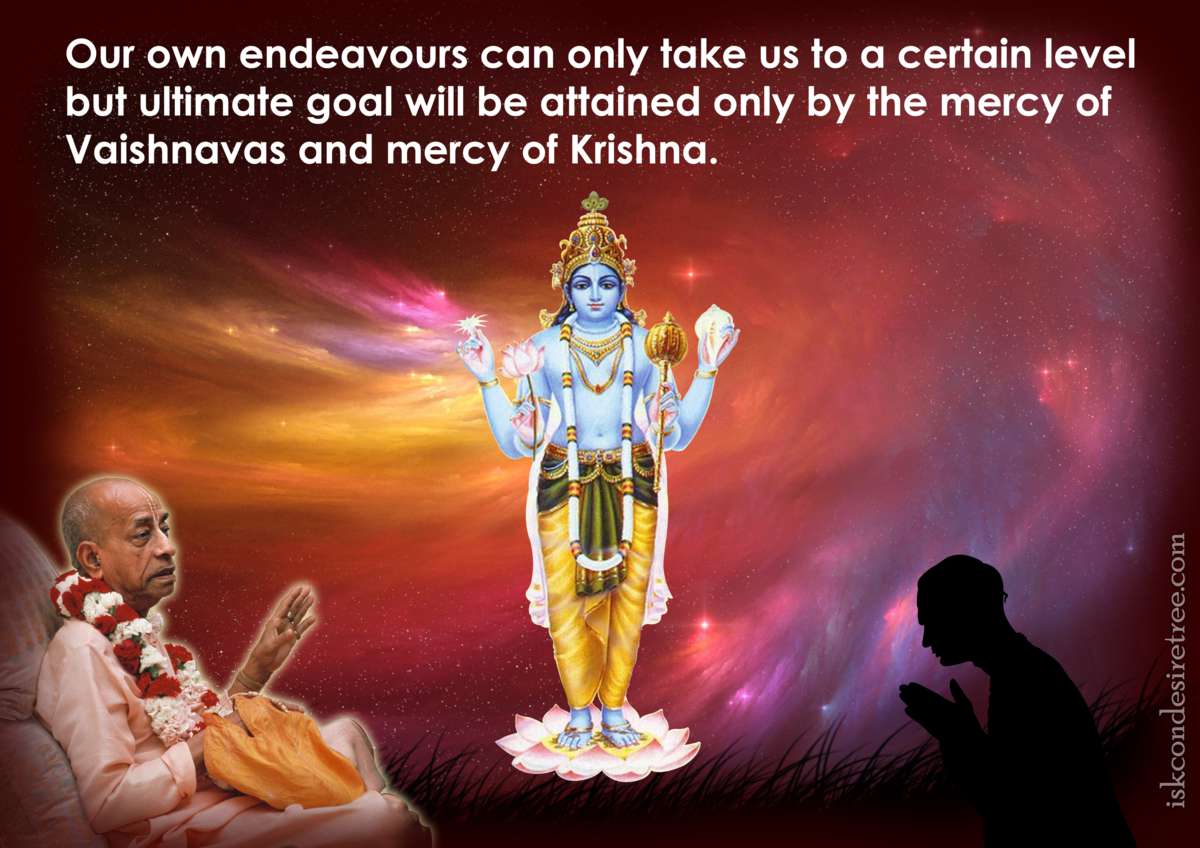
Prayer in the bhakti tradition, known as vandanam, is a core best practice of daily sadhana rather than an optional sentiment. Classical sources present it as one of the nine limbs of bhakti, with the capacitywhen practiced deeplyto orient the whole of spiritual life. Pranama-mantras address Bhagavan, the Deity, the Ācārya, and the Guru, cultivating…
-
Nandagopa, Krishna’s Foster-Father: A Powerful Study in Dharma, Adoption, and Love Beyond Blood

NandagopaNanda Maharaja of Vrajaembodies a dharmic model of fatherhood defined by nurture rather than blood. Drawing on the Bhagavata Purana and allied traditions, this analysis situates him as Krishna’s foster-father who performs samskaras, protects the child, and leads the Gopa community with ethical clarity. The study explores adoption and kinship in Dharmashastra, shows how bhakti…
-
Flood‑Hit to Future‑Ready: Locana Prabhu’s 3D Printing Path to Preserve Devotional Heritage

A May 19, 2026 tour of Locana Prabhu’s workshop revealed serious water damage alongside the installation of a 3D printer intended to bolster preservation-focused production connected to Srila Prabhupada’s legacy. The report explains conservation-grade stabilization: environmental control at 45–55% RH, HEPA filtration, safe mold mitigation, and triage methods that prioritize unique masters and production-critical assets.…
-
Bhim Ekadashi 2026 (Nirjala): Powerful Pandava Vrat, Date, Puja Vidhi, Parana & Significance
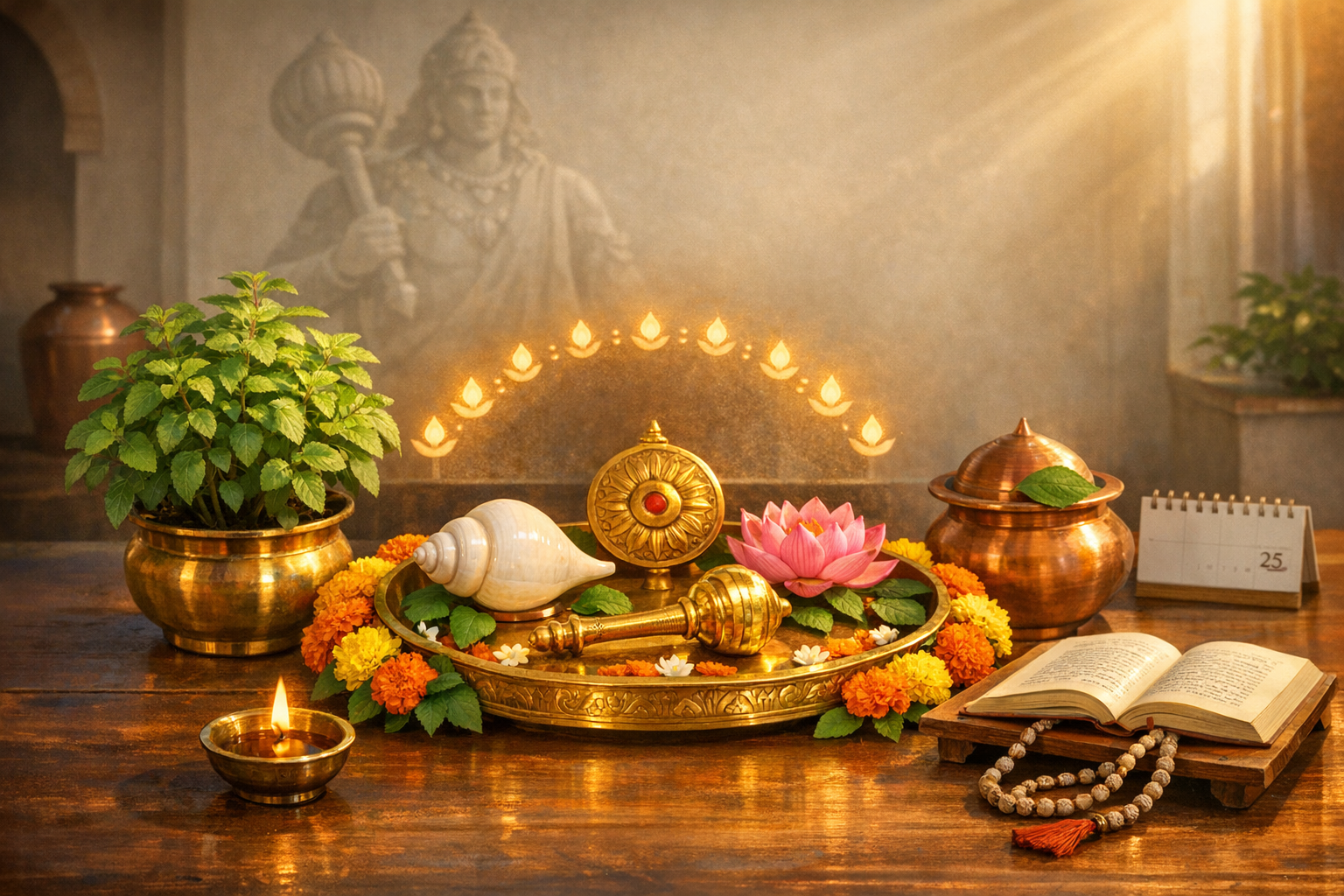
Bhim Ekadashi 2026also called Nirjala, Bhimseni, or Pandava Ekadashifalls on Thursday, June 25, aligning with Jyeshtha Shukla Ekadashi in the Hindu calendar. Revered as the most austere of the 24 Ekadashi vratas, it is associated with Bhima of the Mahabharata and the discipline of a waterless fast. This guide explains the date, the lunar-tithi basis,…
-
Yamuna Pushkaraalu 2026: Definitive Guide to Sacred Bathing Dates, Rituals, and Key Ghats

Yamuna Pushkaraalu 2026 will be observed from 2–13 June, offering twelve sacred days for parva snana aligned with Hindu calendar and Panchang calculations. The inaugural 2 June and Guru Nakshatram – Purvabhadra on 9 June are particularly auspicious for bathing. This comprehensive guide explains the Pushkaram’s astronomical basis, core rituals, key ghats from Yamunotri to…
-
Why Red Rules Hindu Temples: Shakti, Auspiciousness, Ritual Power, and Color Science
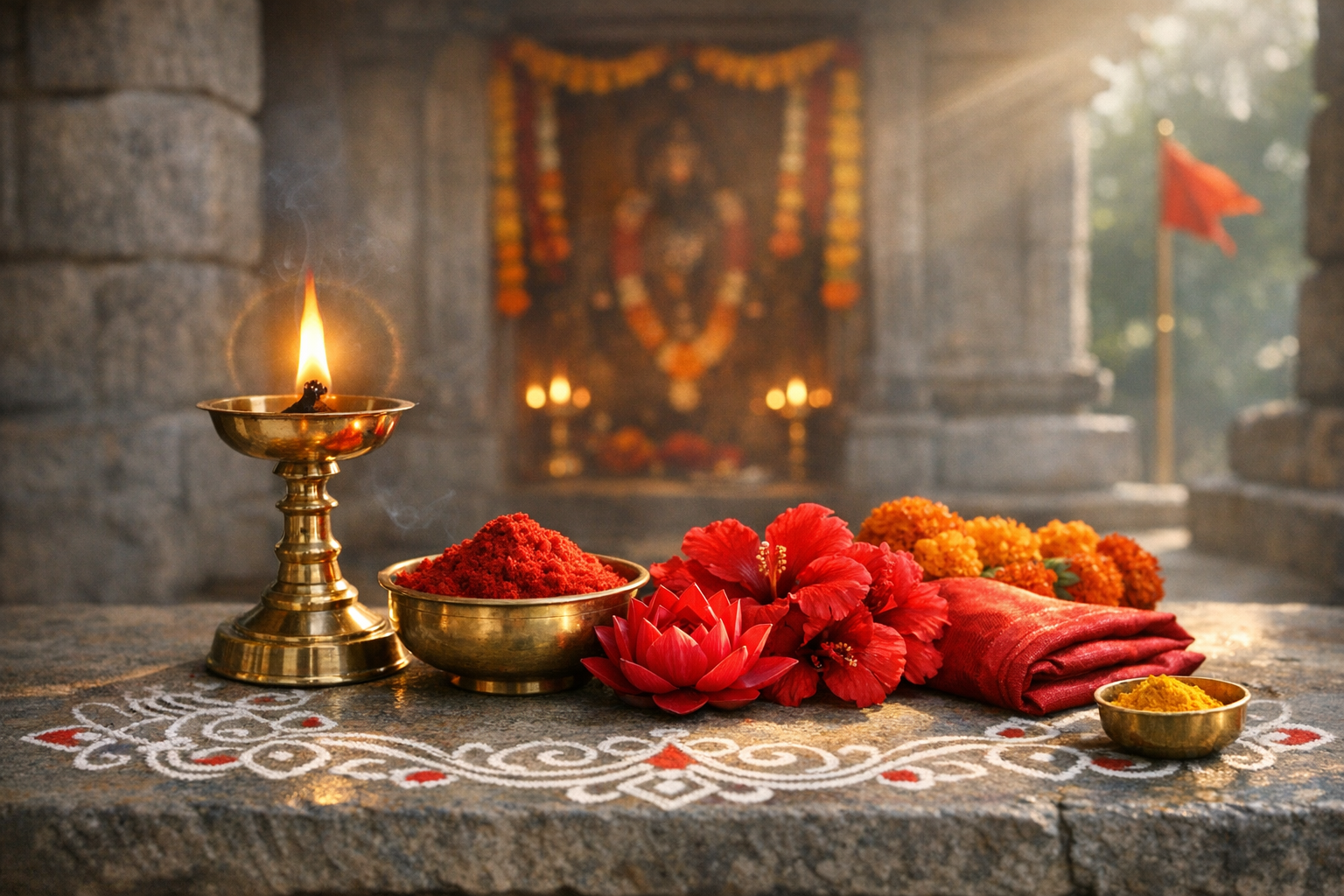
Red in Hindu temples is far more than ornament; it is the visual pulse of Shakti, auspiciousness, and energized devotion. This article explains how scriptures, Agamic traditions, and Shakta Tantras align red with rajas and protective grace, while temple practices translate meaning into materials such as kumkum, sindoor, and red flowers. It examines the role…
-
From Sadhana to Etiquette: Angas of Bhakti for Daily Practice and Interfaith Dharmic Harmony
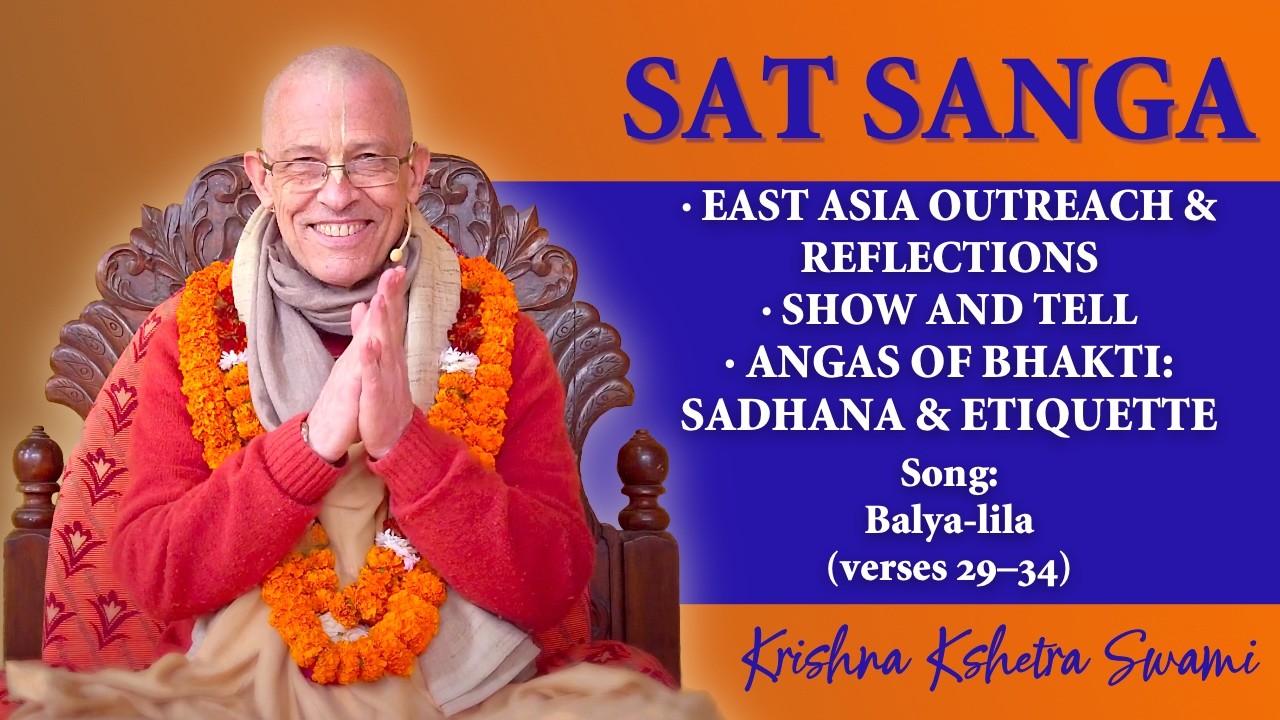
This in-depth reflection on a Sat Sanga with HH Krishna Kshetra Swami (09.05.2026) unpacks the Angas of Bhaktihow sadhana (disciplined daily practice) and Vaishnava etiquette (sadachara) jointly mature devotional life. Readers gain a clear map of foundational and potent practices from the Gaudiya tradition, learn practical routines for japa, kirtana, and study, and see how…
-
Surrender that Liberates: How Dāsa‑Bhāva Shapes Bhakti, Seva, and Dharmic Unity

The Bhakti concept of “dasa” (dāsa)a chosen identity of loving service and surrenderanchors Hindu spirituality in a disciplined ethic of humility, seva, and śaraṇāgati. Grounded in scriptural sources like the Bhagavad Gita and Srimad Bhagavatham, dāsya-bhāva appears across Vaishnava, Śaiva, and Śākta traditions and is elaborated by Ramanujacharya, Madhvacharya, and Chaitanya Mahaprabhu. It flourishes in…
-
Why Ramanujacharya Asked ‘Have You Loved?’Bhakti, Emotional Maturity, and Divine Grace

A classic teaching story about Sri Ramanujacharya turns on a simple question: “Have you ever loved anybody?” Rather than prescribing abstract doctrine, he points to love (prema) as the formative ground of bhakti. In Vishishtadvaita Vedanta, devotion matures through lived relationship, culminating in prapatti (surrender) supported by divine grace. The distinction between kama (desire) and…
-
ISKCON Salem in Tamil Nadu: Transformative Bhakti, Kirtan, and Unforgettable Temple Hospitality
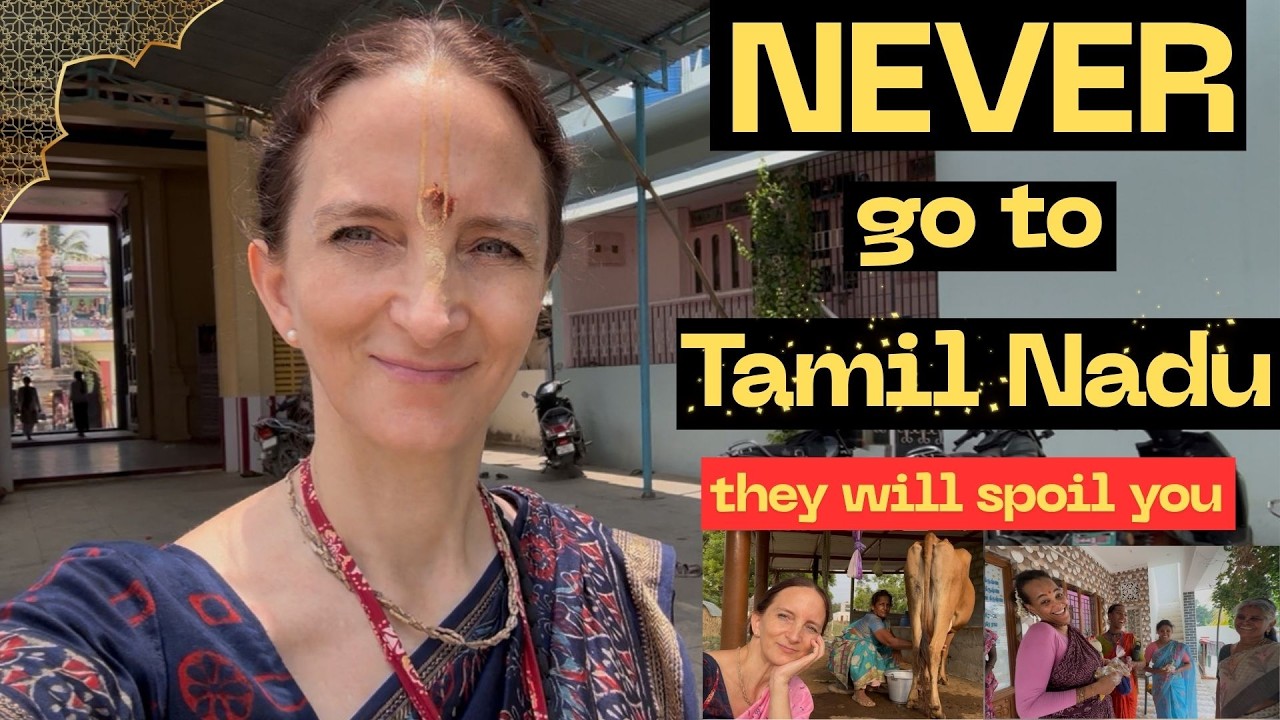
ISKCON Salem in Tamil Nadu is widely appreciated for a rare blend of devotional rigor and disarming hospitality. A clear daily schedulearati, kirtan, japa, scriptural study, and prasadamhelps first-time visitors engage without uncertainty. The community’s service ethos, rooted in bhakti-yoga and atithi devo bhava, makes participation easy and meaningful for all ages. Kirtan’s call-and-response format…
-
Inside ISKCON Birmingham’s 24‑Hour Kirtan 2026: Sonic Devotion, Bhakti Science, and Unity

ISKCON Birmingham’s 24 Hour Kirtan 2026 – Day 1 (Part 1) highlights how the maha‑mantra and Gaudiya Vaishnava bhakti‑yoga converge in a continuous, accessible practice of sacred sound. The analysis explains the musicology of kirtanmelodic contours, tala choices, and ensemble rolesso participation remains inviting and sustainable over extended hours. It outlines event operations, acoustic design,…
-
Why Hanuman’s Lanka Infiltration Seemed Impossible: Fortifications, Yogic Science, and Bhakti

Hanuman’s entry into Lanka in the Sundara Kanda is a tightly orchestrated mission that combined strategic insight, advanced fortifications, yogic mastery, and unflinching bhakti. Lanka’s defensesattributed in origin to Vishwakarma’s design and later fortified by Ravanamade infiltration rather than siege the rational first move. The ocean crossing presents a trilogy of tests (Mainaka, Surasa, Simhika)…
-
Paada Puja Explained: The Timeless, Transformative Ritual of Reverence and Dharmic Unity

Paada Puja (Paada Pooja) is a timeless Dharmic ritual that elevates hospitality into sacred practice, honors the guru–shishya relationship, and completes Hindu worship through the upachara of washing and adorning the feet. Rooted in the ideal Atithi Devo Bhava, it appears across sampradayas and Dharmic traditions, from Vaishnava padukas and śāṭāri customs to Buddhist Buddhapada…
-
Swamiye Saranam Ayyappa: Discipline, Bhakti, and the Inner Science of Sabarimala Pilgrimage

“Swamiye Saranam Ayyappa” is a living vow that unites devotion with rigorous self-discipline and inner purification. Framed by the Ayyappa vratham and the Sabarimala pilgrimage, it translates bhakti into verifiable habits rooted in yama and niyama. The journey’s symbolsthe irumudi kettu, the eighteen steps, and the nei abhishekammodel a practical ascent beyond compulsion into clarity.…
-
In Loving Remembrance of HG Agnideva Prabhu: His Kirtan Legacy and Graceful Final Journey

HG Agnideva Prabhu departed at 8:34 PM Mountain Time in Salt Lake City, surrounded by devotees in person and joined by 99 more over Zoom in continuous kirtan. This account situates the moment within Gaudiya Vaishnava theology, where antima-smritiremembrance of the Divine at life’s endis central, and where congregational chanting serves as both pastoral care…
-
Ananya Sharan Bhaava Explained: Fearless Single‑Minded Devotion Beyond Spiritual Shopping

Ananya Sharan Bhaava (single-minded devotion) is not acquired from outside; it is an innate capacity uncovered by simplifying attention and practicing consistently. Dharmic sourcesfrom the Bhagavad Gita and Narada Bhakti Sutra to Buddhist refuge, Jain sāmāyika, and Sikh Nām Simranconverge on the same principle: refuge becomes single-minded when remembrance is continuous and ethics are integrated.…
-
Transform Craving into Ruci: Mastering Taste, Seva-Anxiety, and Detachment in Krsna Bhakti
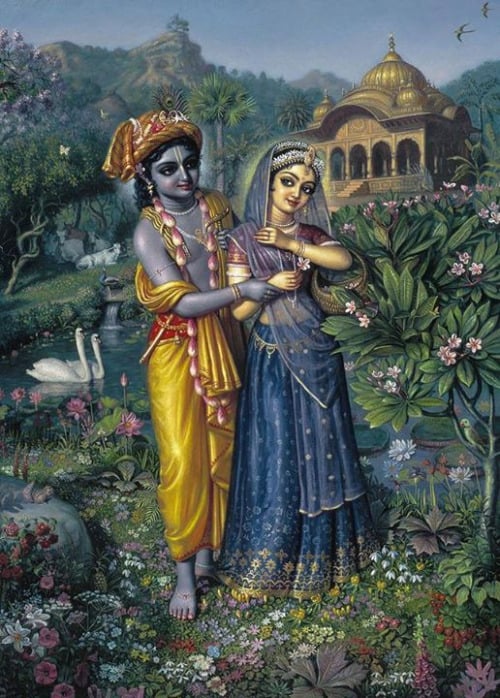
Is it wrong to desire a taste (ruci) in Krsna consciousness? Not at all. This analysis distinguishes spiritual taste from sense gratification by clarifying motive: serving Krsna versus serving the senses. It explains why “anxiety for Krsna” is a healthy, service-centered concern and how taste develops after purification (anartha-nivrtti) to become the engine of steady…