
-
Sacred Renewal: Dhwajasthambha Samprokshana 2026 at Tarigonda Lakshmi Narasimha Swamy Temple

Sri Lakshmi Narasimha Swamy Temple, Tarigonda, will host the New Dhwajasthambha Samprokshana Mahotsavams from February 13–15, 2026. The ceremony renews the consecrated flagstaff, a revered symbol of dharma and divine presence in Hindu temple practice. Held in Gurramkonda Mandal, Annamayya District, Andhra Pradesh, the observance blends Vedic and agamic traditions with community devotion. Attendees can…
-
Historic TOVP Yajna Shala Inauguration at Sri Dham Mayapur, Honoring Srila Prabhupada

On February 11, 2026, Sri Dham Mayapur will host the inauguration of the TOVP Yajna Shala alongside the Grand Opening of the Legacy Museum of His Divine Grace A.C. Bhaktivedanta Swami Prabhupada. Planned as the largest museum in the world dedicated to a single person, it preserves and presents Vedic heritage with academic rigor and…
-
Sacred Sharing Before Eating: Remembering Dharmic Food Sanctity and Everyday Generosity

This reflective essay examines the Indian discipline of food sanctity, where households once set aside portions for a cow, ants or crows, a dog, and the Gurudvara before eating. It explores how these practices, rooted in the Hindu way of life and echoed across Sikh, Jain, and Buddhist traditions, framed eating as a moral act…
-
Tukaram Beej 2026: Date, Sacred Significance, and Devotional Observances in Maharashtra
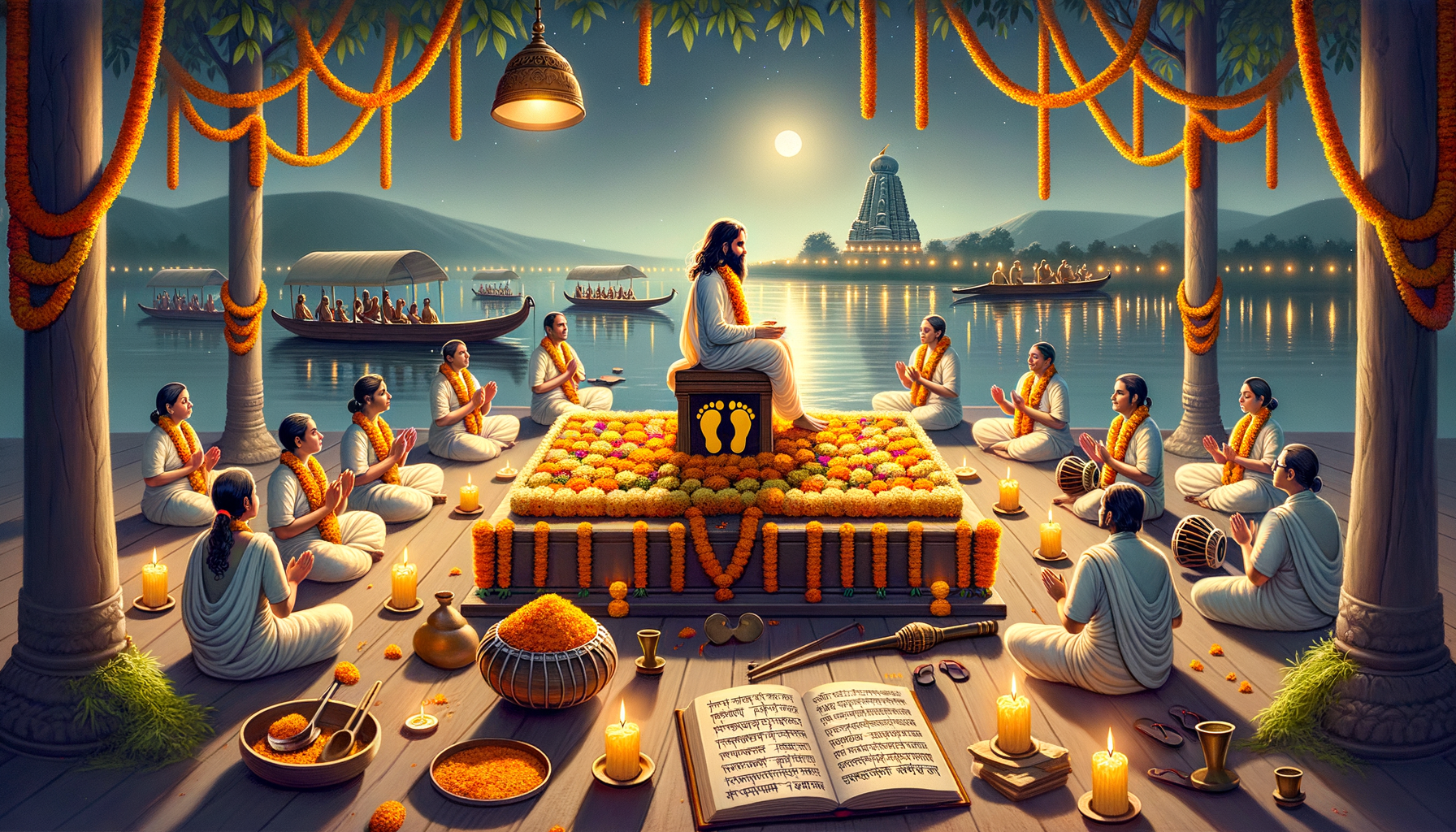
Tukaram Beej 2026, the Punyatithi of Sant Tukaram, falls on March 5 and is observed across Maharashtra with abhang pathan, kirtan, and seva. Rooted in the Varkari tradition, the day commemorates his ascension to Vaikunth and affirms devotion to Vithoba through ethical living and compassion. Families and communities honor the saint with paduka puja, readings…
-
Ummatturu’s Temples Unveiled: Awe-Inspiring Heritage, Living Festivals, and Vijayanagara Legacy
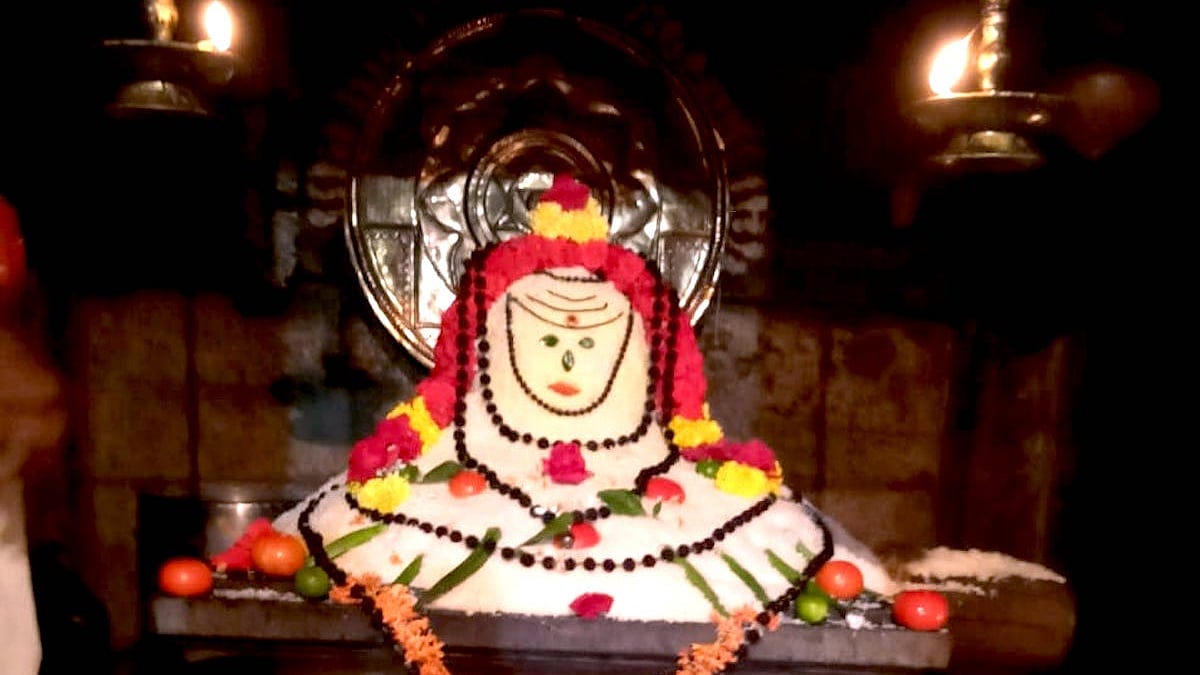
Temples in Karnataka have long served as cultural nuclei that preserve prosperity, art, and spirituality for Hindu and Jaina communities. This exploration of Ummatturu highlights the Sri Bhujangeshwara Temple’s deep ties to the Vijayanagara Empire and the enduring legacy of Sri Krishnadevaraya. Readers discover the region’s distinctive artistry at the bale-devalaya in Yelanduru, the rich…
-
GBC AGM 2026 Day 4: Organizational Reforms, ISKCON Constitution Milestones, and TOVP Honors

Day Four of the GBC AGM 2026 showcased concrete progress in governance, education, and service. The Organization Development Committee presented reforms to strengthen roles, training, and accountability across regions. Updates on the ISKCON Constitution clarified implementation paths and affirmed a new Constitution Dissemination Committee focused on multilingual, inclusive education. Attendees emphasized that transparency and gratitude…
-
Vishwakarma’s Timeless Creations: How the Celestial Architect Shaped Hindu Cosmos and Culture

Vishwakarma emerges in Hindu scriptures as the celestial architect (Devashilpi) who shapes sacred cities, divine weapons, and ritual spaces that uphold cosmic order. Drawing on Rigvedic and Puranic traditions, the narrative highlights creations such as Amaravati, the Vajra, Lanka, Dwaraka, and the Pushpaka Vimana. It explains how sacred craftsmanship becomes sadhana—ethical work aligned with dharma—and…
-
Sri Dham Mayapur Victory 2025: Inspiring Unity and Devotion on February 7, 2026
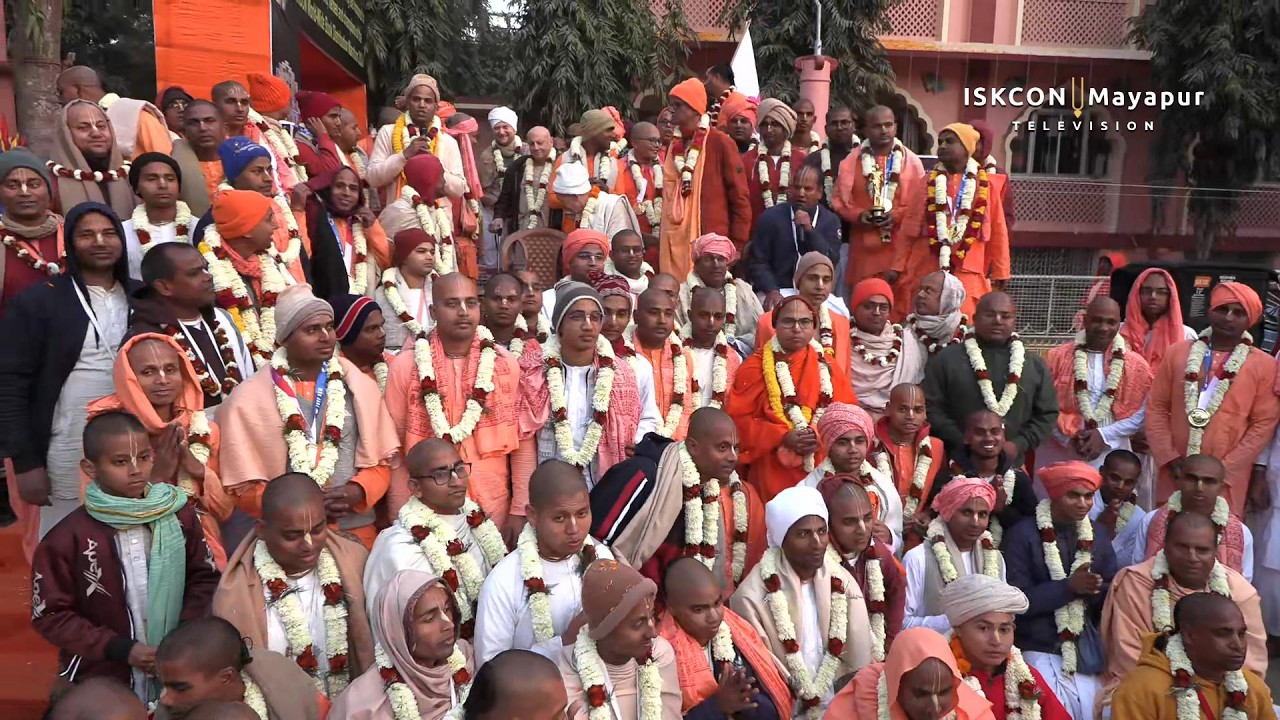
The Sri Dham Mayapur Victory 2025 Celebration on February 7, 2026, brought together pilgrims and well-wishers in a sacred setting dedicated to devotion, learning, and seva. The program highlighted Bhakti Tradition as a living practice that strengthens community ties and preserves Cultural Heritage. Attendees reported renewed clarity and focus through kirtan, darshan, and service initiatives…
-
Elephant, Swan, or Horse? Decoding Vishwakarma’s Vahana and Its Sacred Symbolism
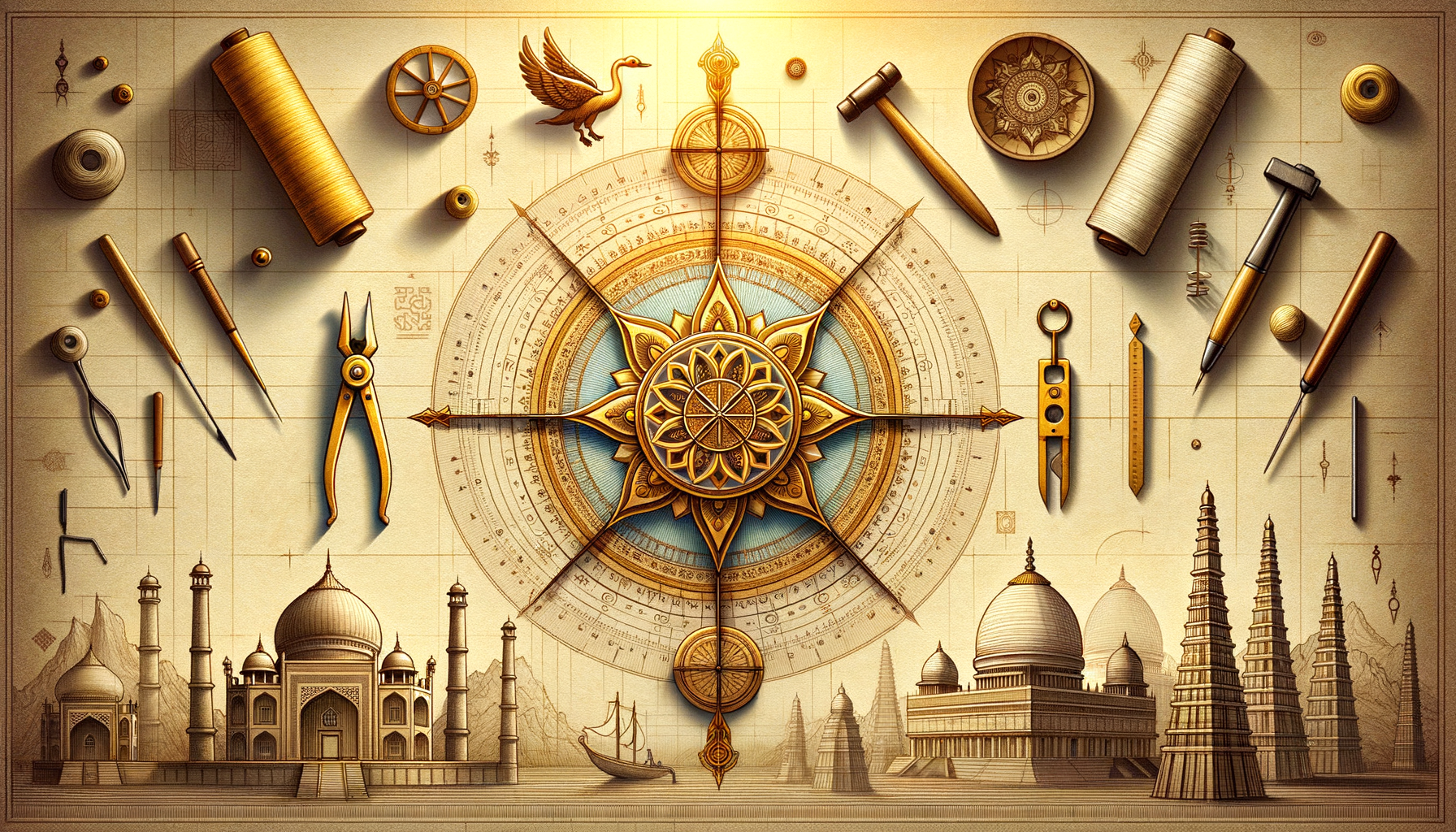
Vishwakarma’s vahana is not fixed to a single form; Hindu iconography across regions presents the divine architect with an elephant, a swan, or a horse. Each vehicle encodes a distinct facet of sacred craftsmanship: the elephant symbolizes stability and strength, the swan represents discernment and knowledge, and the horse conveys mobility and industrious energy. Puranic…
-
U.S. to Repatriate Three Stolen Hindu Deities: A Powerful Win for Tamil Nadu’s Heritage
The United States will repatriate three sacred bronze Hindu deities stolen from Tamil Nadu temples in the 1950s, following provenance research by the Smithsonian’s National Museum of Asian Art. The returned works include a 10th-century Chola-period Shiva Nataraja, a 12th-century Somaskanda, and a 16th-century Saint Sundarar with Paravai. The Nataraja will remain in Washington, D.C.,…
-
Bhai Vir Singh: The Sixth River of Punjab and a Bridge Uniting India’s Dharmic Traditions

Bhai Vir Singh stands as the “sixth river” of Punjab—a poet and thinker whose work renews Punjabi literature and deepens ethical life. His celebrated writings, including Rana Surat Singh, Sundari, and Satwant Kaur, weave devotion with courage and civic responsibility. Grounded in Sikh spirituality, his vision resonates with shared dharmic values across Hinduism, Buddhism, and…
-
Chakrapani Temple, Kumbakonam: A Stirring Encounter with Vishnu’s Sudarshana Chakra

Chakrapani Temple in Kumbakonam is a distinguished shrine where Lord Vishnu is worshipped through the Sudarsana Chakra, symbolizing protection and moral clarity. Located near Kumbakonam Railway Station, it is among the town’s most accessible and respected temples. Visitors often note a calm, reflective ambience suited to puja and darshan, especially during quieter morning and evening…
-
Panchmukhi Vishwakarma: Awe-Inspiring Five-Faced Icon of Craft, Cosmos, and Dharma

Panchmukhi (five-faced) Vishwakarma, preserved in parts of Bengal and South India, presents a compelling symbol of complete, ethical craftsmanship within Hindu iconography. The five faces evoke integrated creativity across elements, directions, and disciplines, aligning skill with dharma. This tradition affirms the dignity of labor, guiding artisans, engineers, and students to treat tools as instruments of…
-
Mandir Mahasangh Backs Temple Entry Guidelines, Urges Unity Across Dharmic Paths
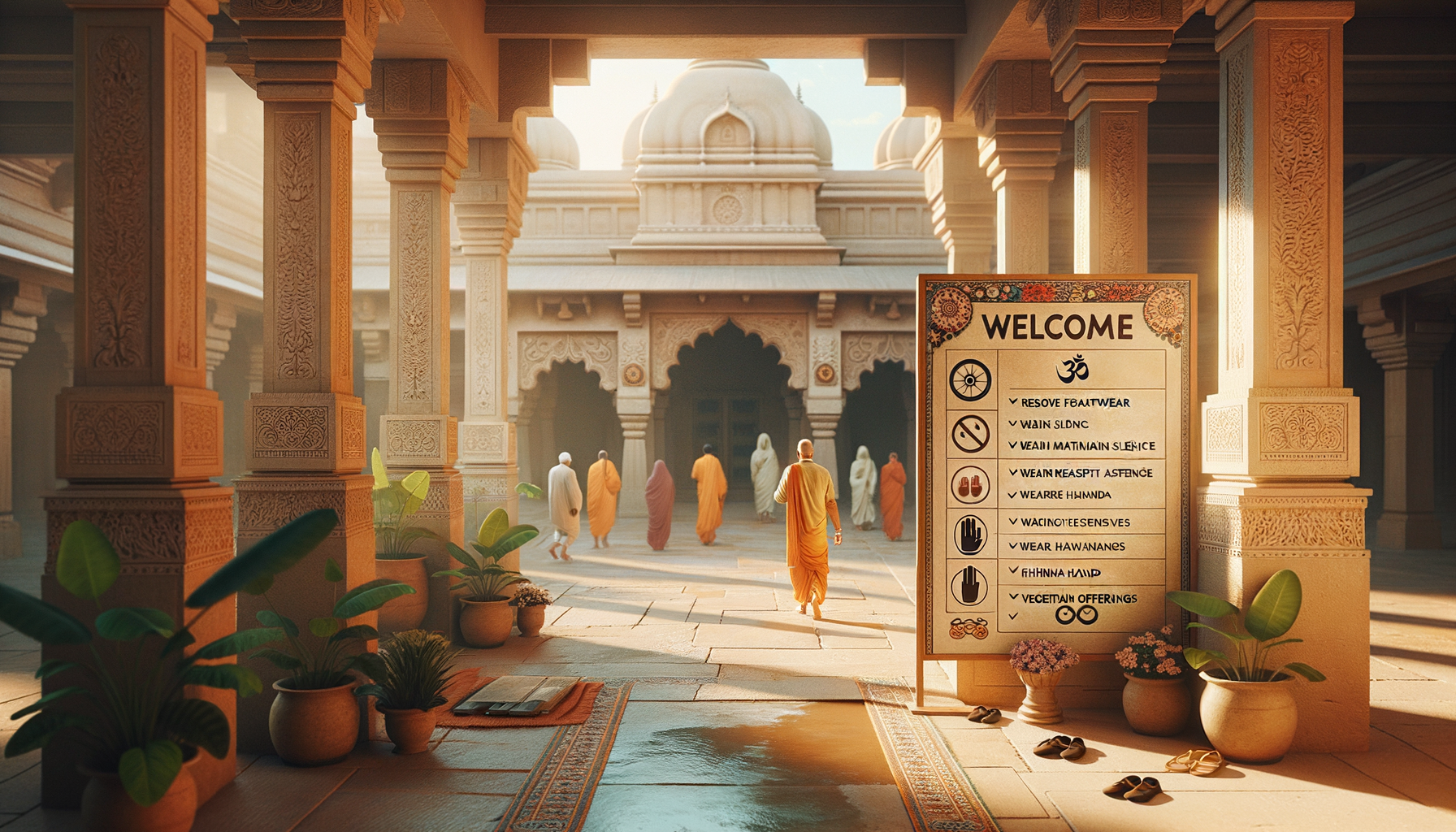
Mandir Mahasangh endorsed the stance of Ujjain’s saints and Hindu organisations on temple entry norms through a unanimous resolution at a national workshop in Ponda, Goa. The focus is on safeguarding sanctity while welcoming diverse devotees through clear, compassionate guidelines. The approach emphasizes education, respectful adherence to temple-specific customs, and dialogue over division. By aligning…
-
Lakshmi Shora of Bengal: Revered Clay Discs and the Living Heritage of Kojagari Puja

Lakshmi Shora (Lakshmi Sora) are painted clay discs central to Kojagari Lakshmi Puja and Thursday worship in Bengal, preserving an intimate form of household devotion. Crafted by traditional potters and adorned with lotus, owl, and grain motifs, each shora embodies layered symbolism—earthy humility, cyclical abundance, and alert wisdom. The ritual centers the home with alpona,…
-
Bridging Borders: A Transnational Voice in Punjabi Literature, Scholarship, and Creative Praxis
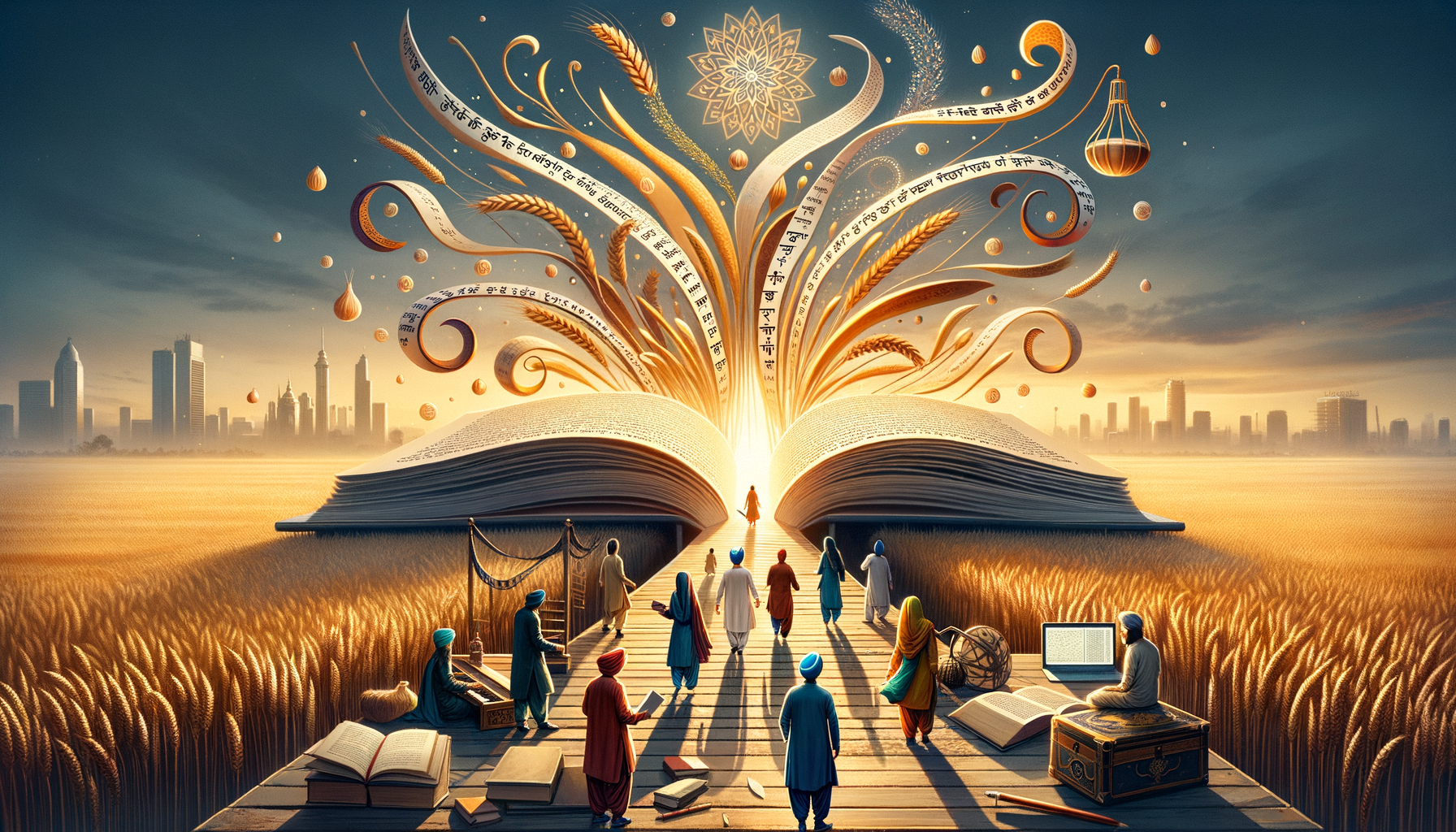
This piece explores how Punjabi literature has emerged as a transnational force, uniting scholarship and creative praxis across Punjab and the Indian diaspora. It highlights the plural, dharmic foundations of the tradition—from Bhakti to Sufi literature—and shows how these lineages nourish interfaith harmony without erasing difference. Readers gain actionable insights into translation strategies across Gurmukhi,…
-
Lakshmi and Chicomecoatl: Powerful Cross-Cultural Echoes of Prosperity and Nourishment
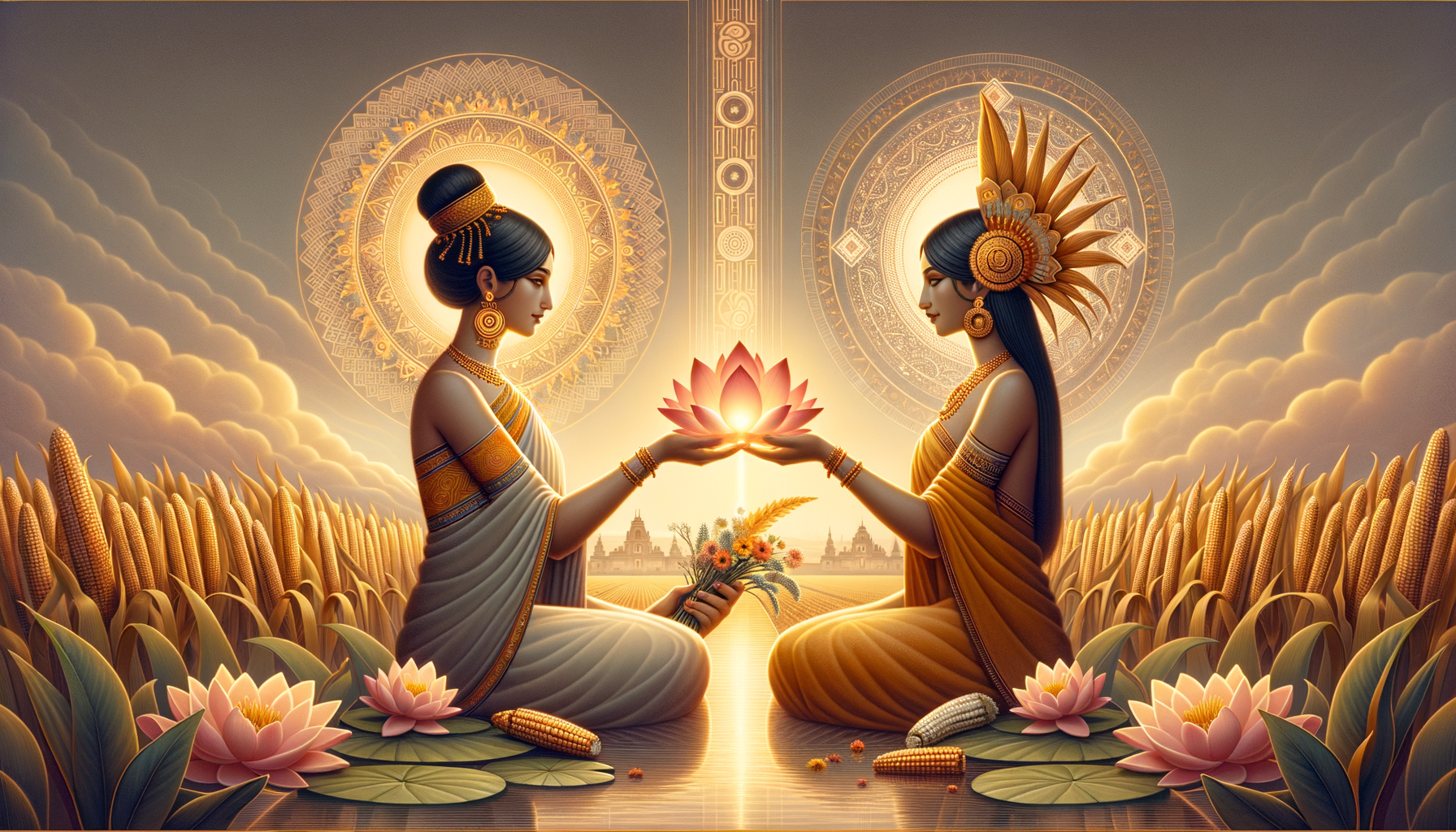
A striking visual parallel links Hinduism’s Goddess Lakshmi with Chicomecoatl, the Aztec corn goddess, through shared symbols of flowers and grain. This comparison clarifies how agrarian civilizations independently envisioned prosperity, abundance, and ethical well-being. Readers gain an accessible, evidence-based perspective on cross-cultural symbolism without overstating historical contact. The discussion highlights values central to dharmic traditions—compassion,…
-
Beyond the ‘Muslim Era’ Myth: India’s Dharmic Resistance and Civilizational Resilience
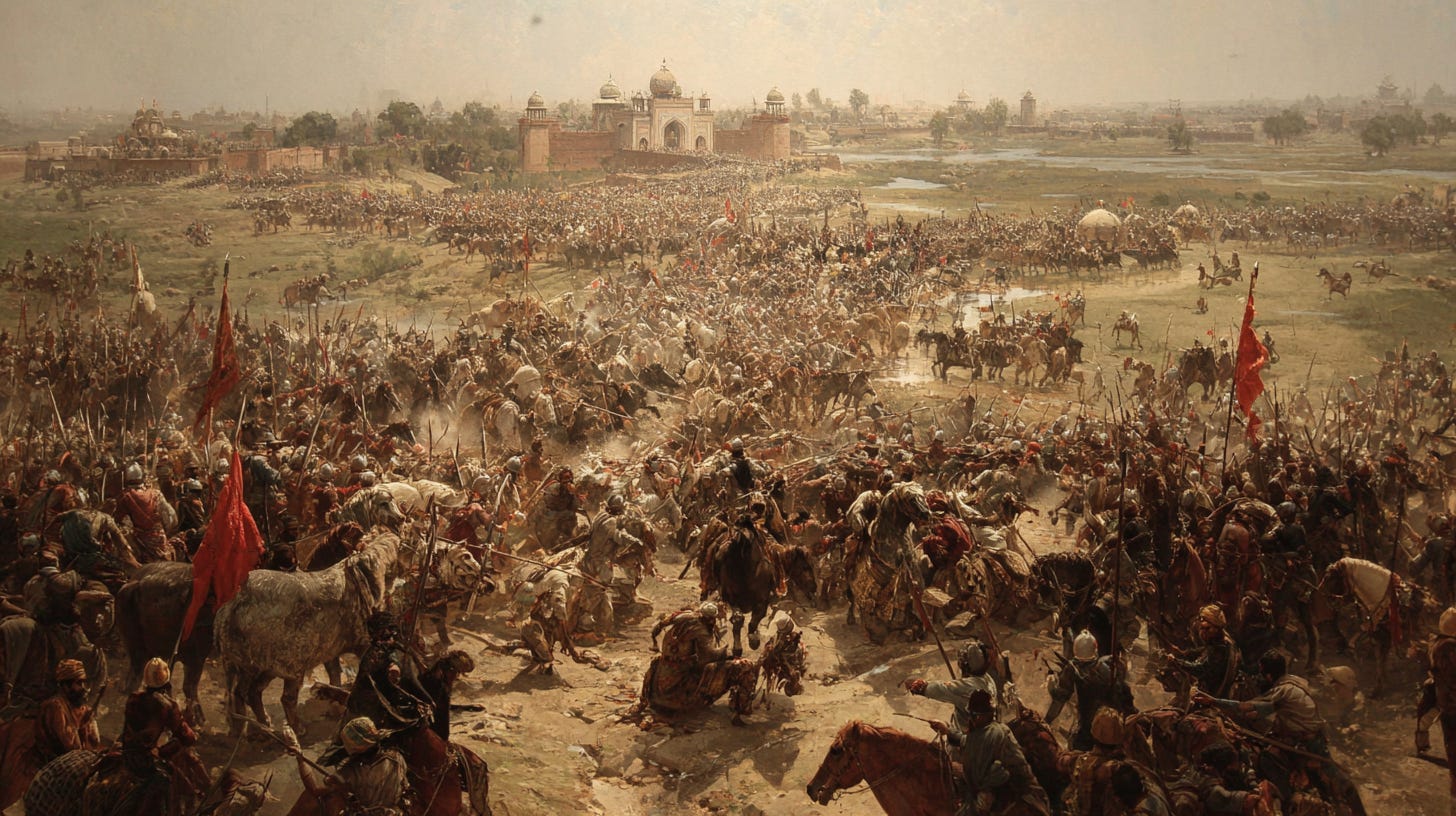
This article challenges the simplistic label of a singular ‘Muslim era’ in India and presents a more rigorous, dharmic-centered account of medieval and early modern history. It highlights how Indian polities—Hindu, Jain, Buddhist, and later Sikh—checked, accommodated, and ultimately reshaped external and transregional powers over centuries. Readers gain a clearer timeline of key resistances, from…
-
Nandi Kalyanam at Thirumazhapadi: Witness the Sacred Wedding of Nandikeshwara and Suyasha
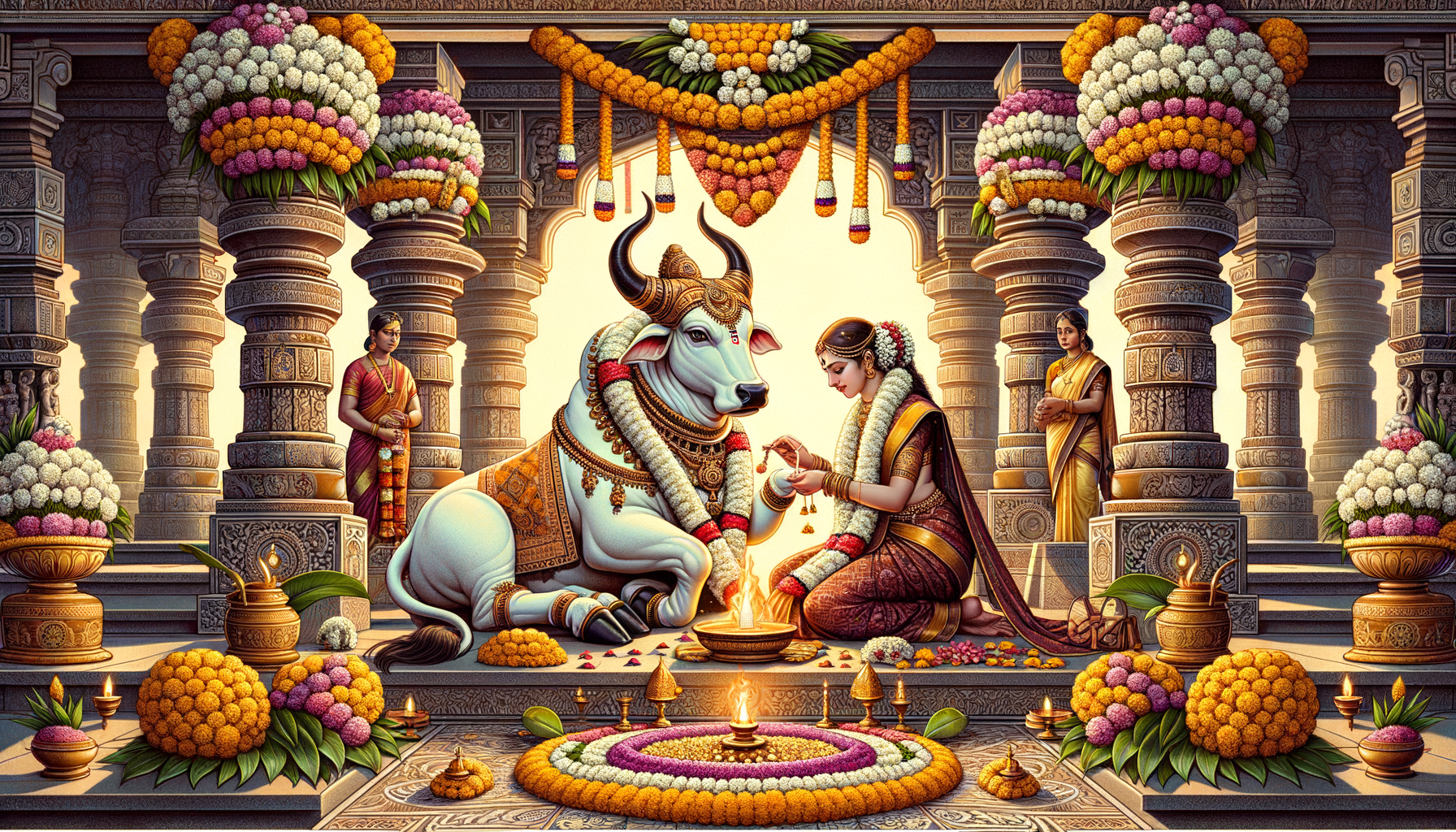
Nandi Kalyanam at Thirumazhapadi Vaidhyanathar Temple honors the sacred wedding of Nandikeshwara and Suyasha, a Shaiva narrative that unites devotion with ethical living. Presented in an academic, accessible style, this account highlights how the kalyanam symbolizes steadfast duty (dharma), auspicious grace, and communal harmony. Pilgrims commonly describe a deep sense of inner steadiness amid music,…
-
Nishan Sahib Etiquette: How Gurudwaras Maintain, Honor, and Protect the Sacred Sikh Flag
The Nishan Sahib stands as a global emblem of Sikh identity, seva, and equality, maintained with care in Gurudwaras worldwide. This guide explains its symbolism, daily respect, and the ceremonial renewal often performed during Vaisakhi or Gurpurabs. Readers learn practical maintenance protocols, from fabric selection and chola wrapping to lightning protection and responsible lighting. It…