
-
Facing Mortality, Finding Dharma: Why Mastering Dying Is the Ultimate Art of Living

A pivotal episode from the Mahabharata frames a universal insight: death is certain, denial is common, and wisdom begins when that denial ends. This long-form analysis shows how Hinduism, Buddhism, Jainism, and Sikhism converge on a shared disciplinefacing mortality to live more ethically, courageously, and compassionately. Drawing on the Bhagavad Gita, the Upanishads, maranasati, samayik–pratikraman,…
-
Beyond Endless Craving: Dharmic Science of Ambition, Lust, and Lasting Happiness
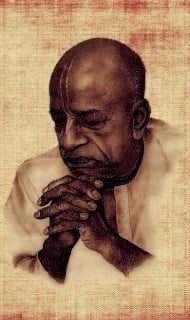
Progressive ambition often fails to produce lasting happiness because the senses–mind complex is mismatched to the goal of enduring joy. Vedic philosophy explains this law of material nature and locates fulfillment in the jiva’s spiritual quality as a particle of Sachidananda Vigraha. Converging insights from Hinduism, Buddhism, Jainism, and Sikhism show that inner realignmentnot external…
-
Ego (Ahamkara), Conflict, and Liberation: A Dharmic Synthesis with Practical Tools for Peace

This article examines why ego (ahamkara) is repeatedly identified by Hinduism, Buddhism, Jainism, and Sikhism as a root driver of conflict, and how each tradition prescribes precise methods to transform it. It clarifies the mechanism from avidya to anger found in the Bhagavad Gita and Yoga philosophy, then correlates those insights with Buddhist anatta, Jain…
-
When Power Outpaces Wisdom: Ancient Dharmic Insights to Heal a Wealthy, Wounded World

Modern society holds immense technological power and material wealth, yet faces crises born of its own momentum. Drawing on Hinduism, Buddhism, Jainism, and Sikhism, this analysis explains how shakti (power) must be yoked to viveka (wisdom) through dharma to restore ecological balance, social harmony, and inner clarity. It maps Purusharthas to contemporary dilemmas, applies yama–niyama…
-
From Restless Mind to Inner Clarity: How Yoga Rewires the Brain, Body, and Behavior

Yoga reframes a “restless” mind as a dynamic wave and offers precise methods to organize that energy into clarity, steadiness, and purpose. Patanjali’s ashtanga integrates ethics, postures, breath, and meditation, while parallel practices in Buddhism, Jainism, and Sikhism affirm unity in spiritual diversity. Evidence links yoga to better autonomic balance, reduced stress reactivity, improved mood,…
-
Empathy as the Mark of Divinity: Dharmic Teachings on Karuṇa, Dayā, and Universal Compassion

Empathy is presented as the defining mark of divinity across Hinduism and the broader dharmic family, where compassion (karuṇa/dayā) is both spiritual practice and social ethic. Grounded in scriptural foundations such as Bhagavad Gita 6.32 and 12.13, the article links inner realization with the welfare of all beings. It highlights convergences with Buddhism’s Brahmavihāras, Jainism’s…
-
Karna’s Final Charity: Unbreakable Dāna, Dharma, and Lessons from Kurukshetra

This long-form analysis examines the widely remembered motif of Karna’s final charity on the battlefield of Kurukshetra and situates it within the Mahabharata’s ethical universe. It distinguishes between the critical Sanskrit text and later regional and oral retellings that amplify Karna’s identity as Dāna-vīra. Through the lens of the Bhagavad Gita’s typology of dāna, the…
-
How We Treat the Powerless: Dharma’s Uncompromising Measurefrom Gita to Guru Granth Sahib
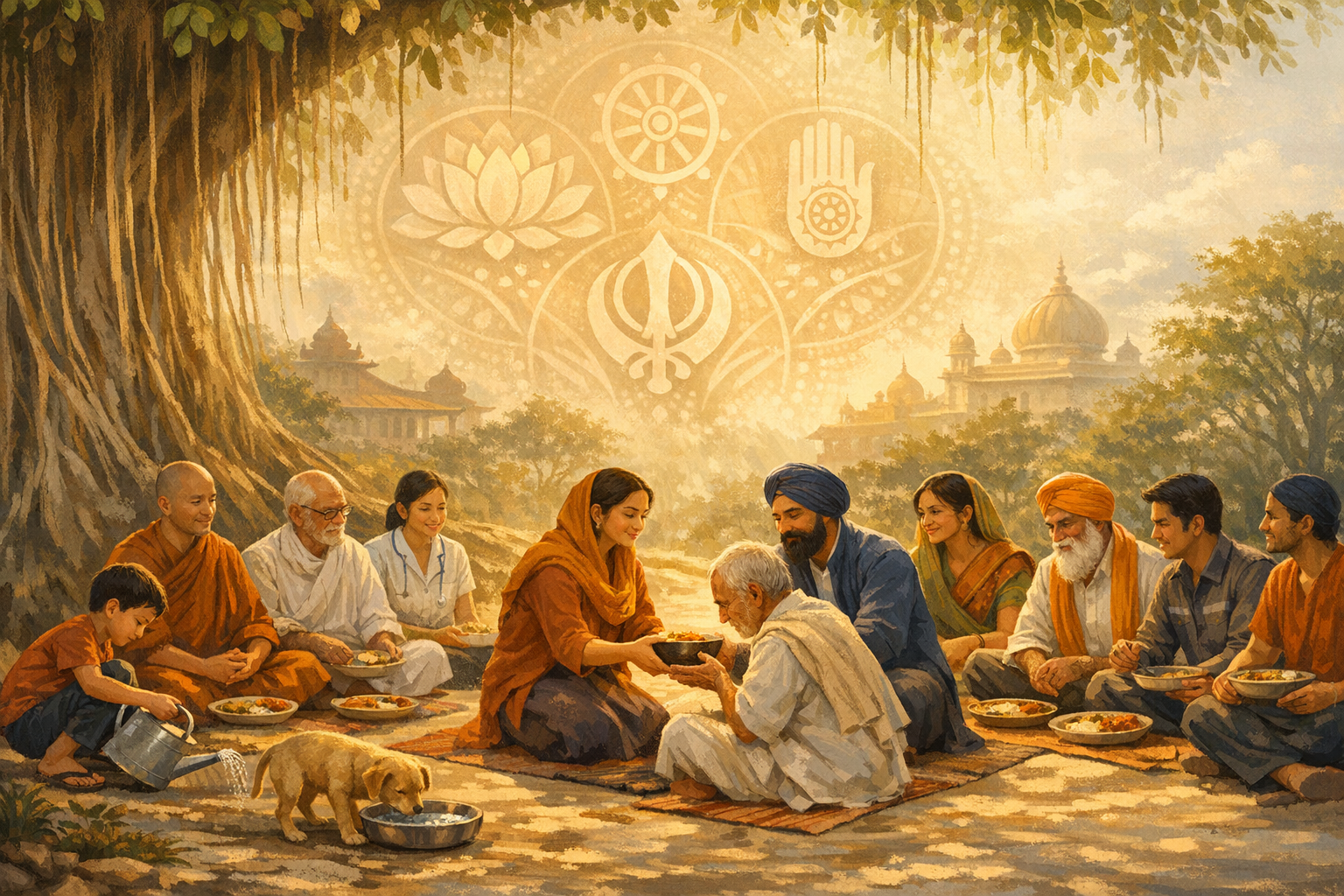
True character is revealed most clearly in how people treat those with little power. Drawing on Hinduism, Buddhism, Jainism, and Sikhism, this essay shows how Dharma, Ahimsa, Seva, and Karuna converge on a single ethical yardstick: dignity for the vulnerable. It synthesizes sources from the Bhagavad Gita, Mahabharata (Vidura-niti), Dharmasastra, and Arthasastra alongside Sikh langar…
-
Hik Sathi Laddham: The Timeless Companion Uniting Dharmic Wisdom and Sindhi Sufi Song

Anchoring on the Sindhi phrase “Hik Sathi Laddham” (“The Companion”), this essay maps a unifying motif across Hinduism, Buddhism, Jainism, and Sikhism, in dialogue with Sufi song. It clarifies the companion as inner witness and outer guide through Upanishadic sakshi, Buddhist kalyāṇa-mitra, Jain śuddhātman and the Three Jewels, and the Sikh Satguru and Śabad. Readers…
-
Pranavopasana: Mastering Om for Self‑Realization, Inner Calm, and Dharmic Unity
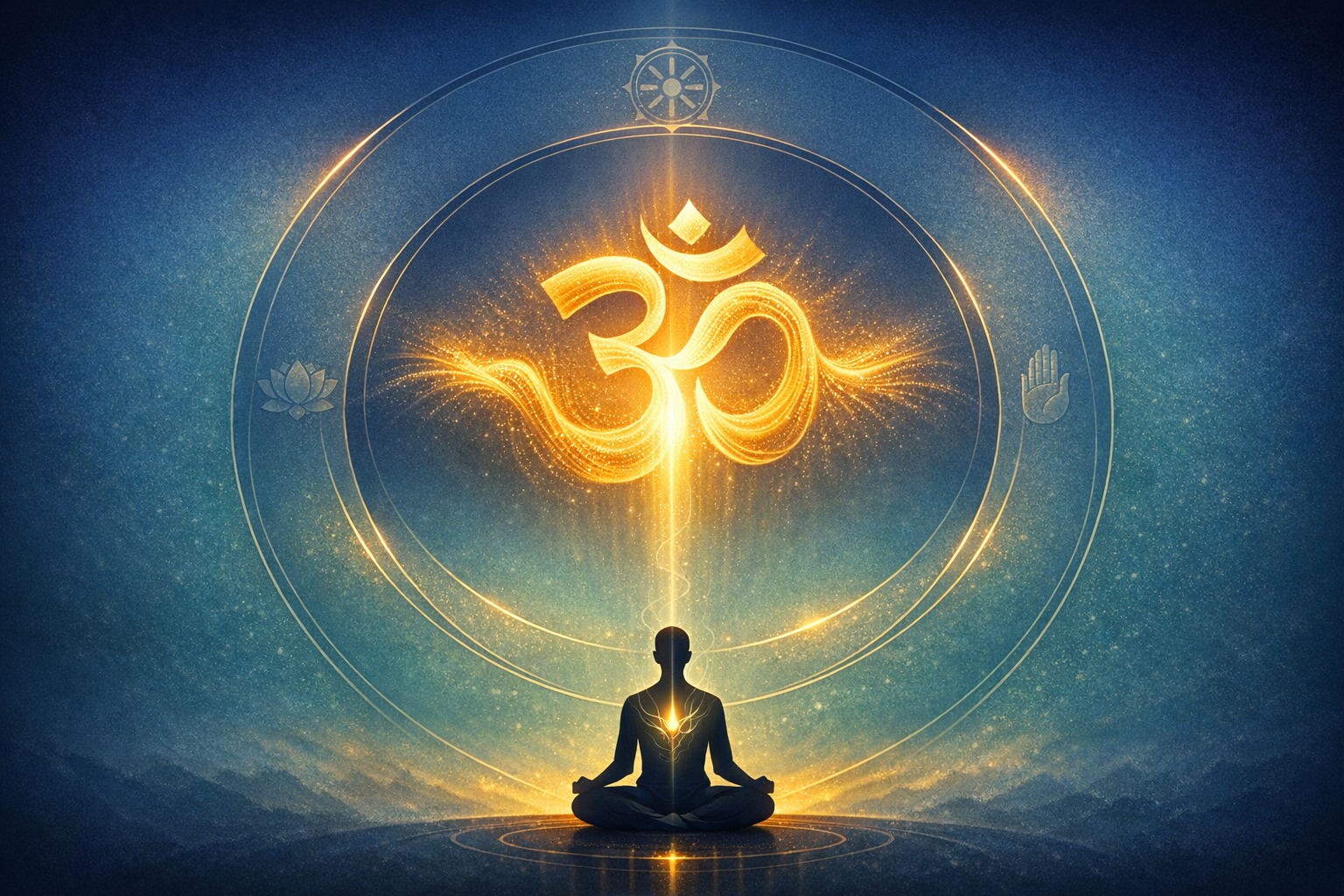
Pranavopasanameditation on the Pranava (ॐ)is a disciplined path in Hinduism and Advaita Vedanta that moves attention from sound to silence and from symbol to the Ultimate Reality. Drawing on the Upanishads, Bhagavad Gita, and Patanjali, it unites devotion, meditation, and inquiry into a coherent practice for Self-realization. The article explains the A–U–M arc, the turiya…
-
Eternal Paradox of Being: Nothing Is Lost, Yet Everything Changes in Hindu-Dharmic Thought

This essay decodes the paradox “Nothing can be wiped out; but nothing remains same” through the lens of Hindu philosophy and the wider dharmic traditions. It shows how the Upanishads, the Bhagavad Gita, Advaita, Samkhya, Nyaya-Vaisheshika, Buddhism, Jainism, and Sikhism converge on a coherent view: being persists while forms transform. Readers gain clear definitions (sat,…
-
Desire Beyond Need: Dharmic Strategies to Transform Craving into Clarity and Freedom

This article clarifies why, in Hindu thought, desire is not a need but a demand that reaches beyond needand how that demand can be guided rather than suppressed. It maps desire across the puruṣārthas and pañca-kośa models, showing when desire serves dharma and when it becomes compulsion. It integrates insights from the Bhagavad Gita, Yoga…
-
Decoding the Sacred: How Sanatana Dharma Explains, Verifies, and Integrates Divine Experiences

This essay clarifies how Sanatana Dharma interprets divine experiences through a rigorous, compassionate framework. It explains how pramana (direct experience, inference, and trustworthy testimony) aids discernment, and how practices in Bhakti, Jnana, Raja, and Karma Yoga shape reliable transformation. Readers learn practical integration methodsdaily discipline, reflective journaling, scriptural study, and sevathat convert brief insights into…
-
Controversial Claims on Shri Ram and Shri Krishna: Evidence-Based Review and Dharmic Unity

A viral controversy over alleged disparaging remarks about Shri Ram and Shri Krishna has spotlighted the need for evidence-based reading of Hindu scriptures. This analysis explains how to verify claims using critical editions, Sanskrit philology, and respected commentaries. It clarifies commonly misread episodes from the Ramayana, Bhagavad Gita, and Bhagavata Purana without inflaming tensions. Readers…
-
Beyond Ego (Ahamkara): Atman, Attachment, and Liberation across Hindu, Buddhist, Jain, Sikh Paths
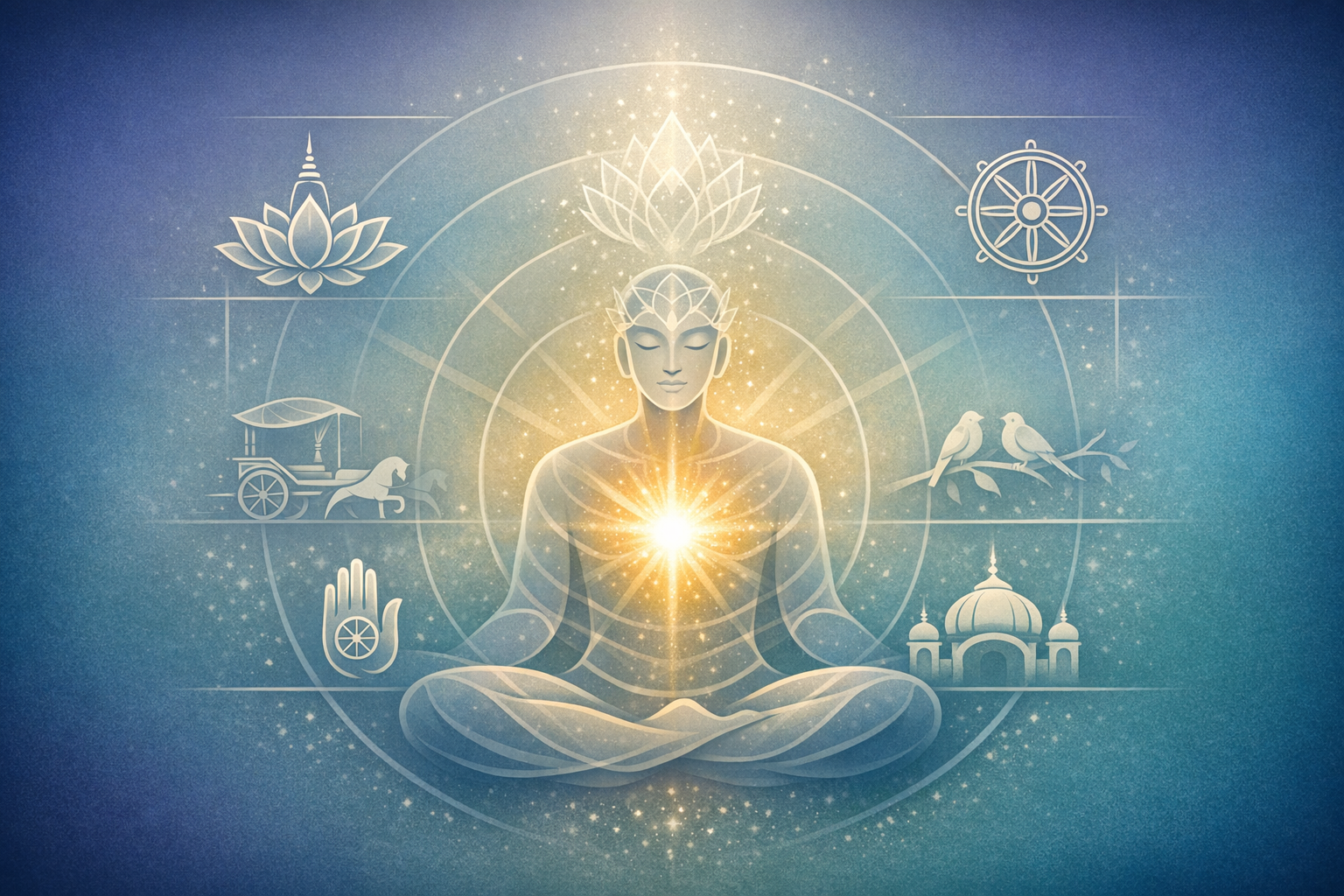
This comprehensive analysis explains how Hinduism, aligned with Buddhism, Jainism, and Sikhism, understands internal attachment as self-identification with ego (ahamkara/asmita). It clarifies core doctrinesAtman–Brahman, avidya–adhyasa, and the Yoga kleshaswhile mapping practical methods in Karma Yoga, Bhakti, Jnana, and Raja Yoga. Readers gain a technical yet accessible framework using Pancha Kosha Viveka, samskara theory, and Gita-based…
-
Kindling the Inner Agni: How Food, Breath, and Mind Shape Consciousness in Hindu Philosophy

This essay explores Agni as the inner principle of transformation in Hindu philosophy and across Dharmic traditions. It explains how food, breath, sensory inputs, and intention function as fuels for consciousness through the Upanishadic pañca-kośa model. Drawing from the Bhagavad Gītā’s sāttvika–rājasa–tāmasa framework and Ayurveda’s doctrine of Agni, it outlines practical protocols to strengthen clarity,…
-
Karma Yoga and a Son’s Devotion: The Transformative Redemption of Jada through Gita 3

This article examines the redemptive tale of Jada through the lens of Bhagavad Gita Chapter 3 (Karma Yoga), showing how a son’s devoted recitation becomes a catalyst for ethical clarity and transformation. It explains why Chapter 3niyatam karma, nishkāma-karma, and loka-saṅgrahaprecisely addresses moral confusion and social responsibility. Readers gain a clear map of Gita 3’s…
-
From Adversity to Excellence: How Dharmic Wisdom Transforms Hardships into Strength

This article explains how adversity functions as a deliberate curriculum for strength and wisdom across Hinduism, Buddhism, Jainism, and Sikhism. It synthesizes dharmic teachings with contemporary research on resilience to present a unified, practical method. Readers gain a daily protocol that combines Karma Yoga, meditation, yogic breathing, ethics, and seva to build measurable resilience. Clear…
-
From Fearlessness to Surrender: Prabhupada’s Doctrine of Divine Protection at ISKCON Mombasa

This reflection from ISKCON Mombasa distills how A. C. Bhaktivedanta Swami Prabhupada’s life fuses bold action with śaraṇāgati to reveal the true meaning of divine protection. It clarifies Gita-based principles (18.66, 9.22, 9.31) and the six limbs of surrender, showing that protection preserves and deepens bhakti rather than promising a risk-free life. Scriptural exemplars like…
-
When Nothing Remains, Fear Ends: A Dharmic Science of Abhaya beyond Ego and Identity

This essay maps a dharmic science of fearlessness (Abhaya) grounded in Hindu philosophy and harmonized with Buddhism, Jainism, and Sikhism. It clarifies how fear originates in avidya and duality, then outlines practical pathsJnana, Karma, Bhakti, and Raja Yogato dissolve misidentification and regulate reactivity. Readers gain scriptural anchors from the Upanishads, the Bhagavad Gita, and the…