
-
Ramayana’s Powerful Blueprint: Dharma vs. Disorder and the Quest for Just Leadership

This essay examines how the Ramayana confronts humanity’s enduring paradox: the quest to draw order from chaos without promising utopia. It analyzes dharma as a multi-layered systemcosmic, social, and personaland shows how Rama’s choices model rule-bound leadership (rajadharma) under real-world constraints. Readers gain a technically grounded framework for just decision-making: prioritize norms, exhaust diplomacy before…
-
Sri Rama Rajyotsavam 2026: Date, Puja Vidhi, and the Enduring Ideal of Rama Rajya
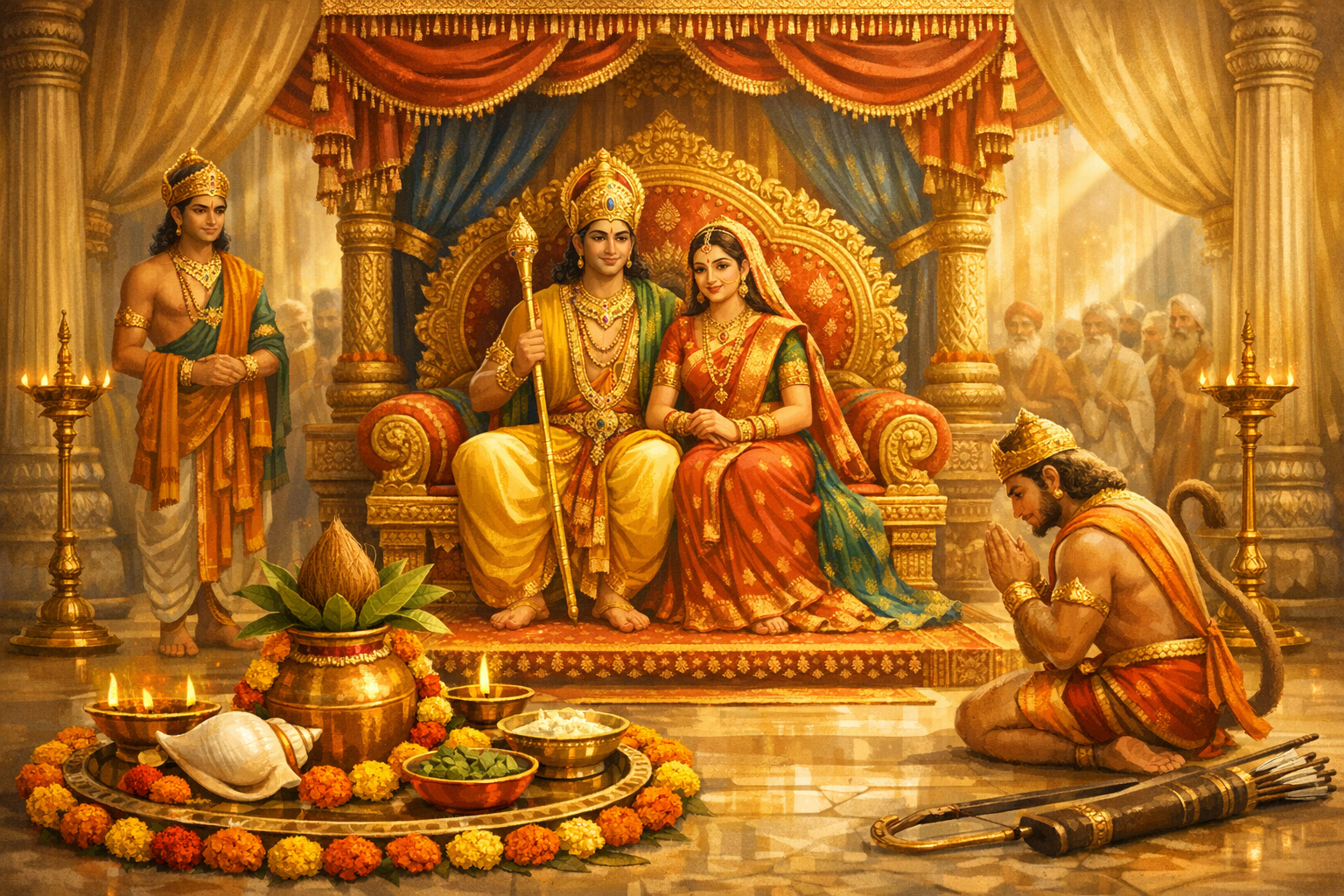
Sri Rama Rajyotsavam 2026, commemorating Sri Rama Pattabhishekam, is expected on 23 March, aligning with Chaitra Shukla Panchami in many regional panchangs. Rooted in the Ramayana’s coronation narrative, the observance highlights the ethical ideal of Rama Rajyagovernance tempered by dharma, compassion, and accountability. The guide outlines core puja vidhi for home and temple settings, recommends…
-
Sri Ram Navratri 2026: Sacred Dates, Puja Vidhi, Regional Traditions, and Ram Navami
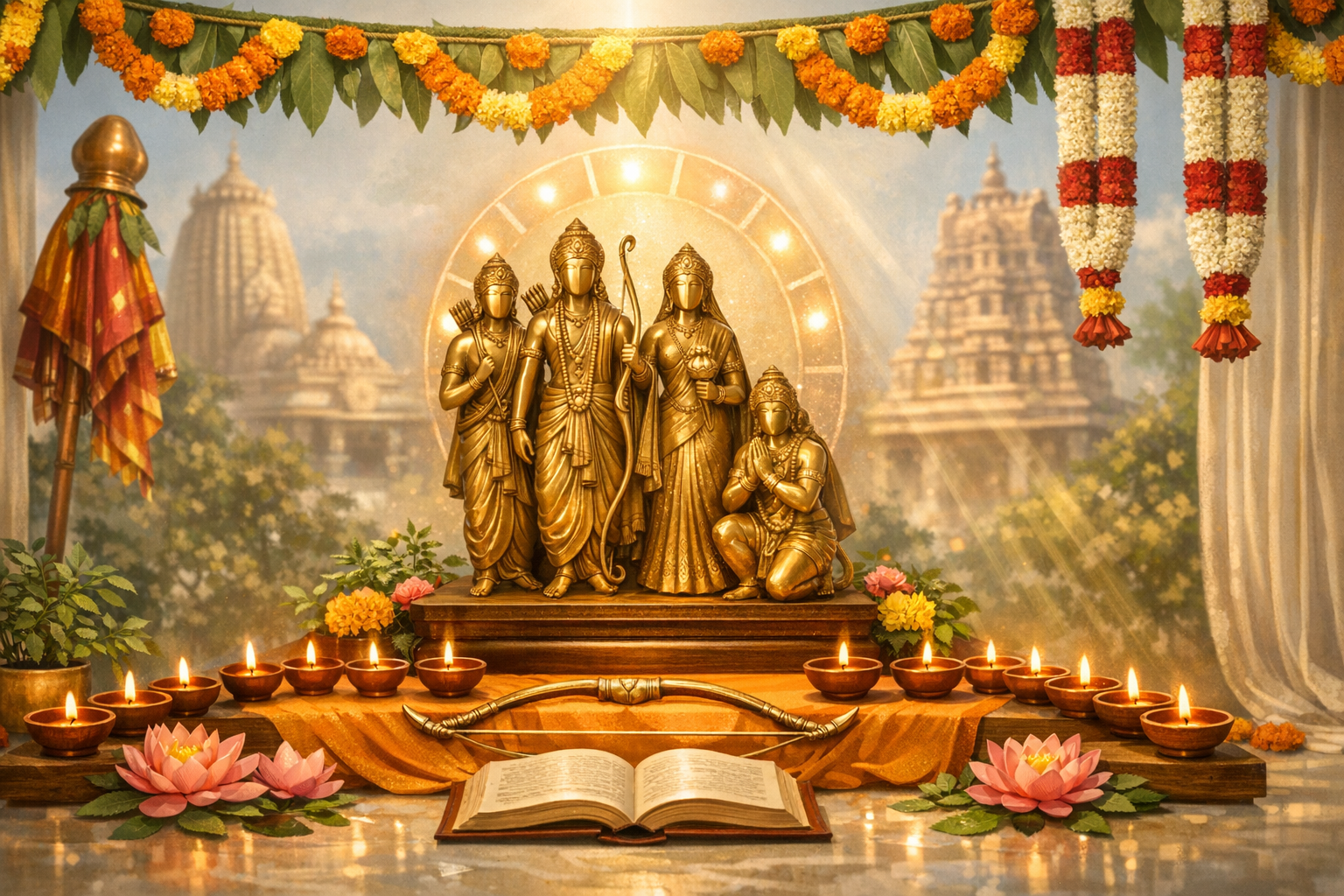
Sri Ram Navratri 2026 (Vasant/Chaitra Navratri) begins on March 19 with Ugadi/ Gudi Padwa and culminates in Sri Ram Navami on March 27. This comprehensive guide outlines tithi logic, Madhyahna significance for janma puja, and practical at-home puja vidhiachamana, sankalpa, Panchopachara, parayana, and aratialongside inclusive fasting approaches. It maps regional practices from Ayodhya to Bhadrachalam…
-
Sri Rama Rajyotsavam 2026: Definitive Guide to Pattabhishekam, Date, Puja Vidhi, Ram Rajya
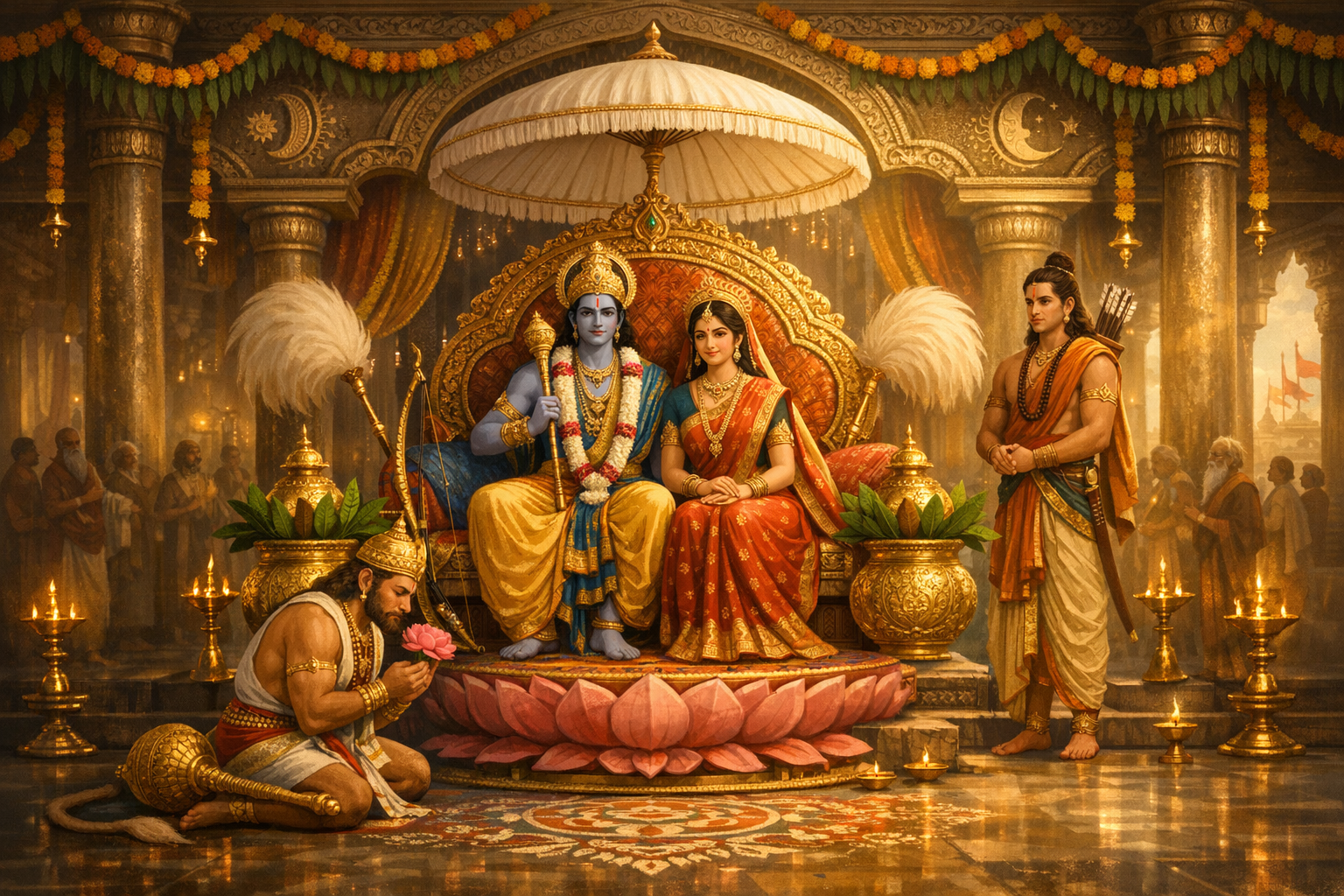
Sri Rama Rajyotsavam 2026 commemorates Sri Rama Pattabhishekam, the Ayodhya coronation described at the close of the Valmiki Ramayana’s Yuddha Kanda. Traditionally observed on Chaitra Shukla Panchami, it falls on March 23, 2026, within the Ram Navami Utsav cycle. This guide clarifies date–tithi mechanics, outlines home and temple puja practices, and suggests broad muhurta principles…
-
Ayodhya–Pratapgarh–Prayagraj summits unite dharmic advocates to fortify legal protections
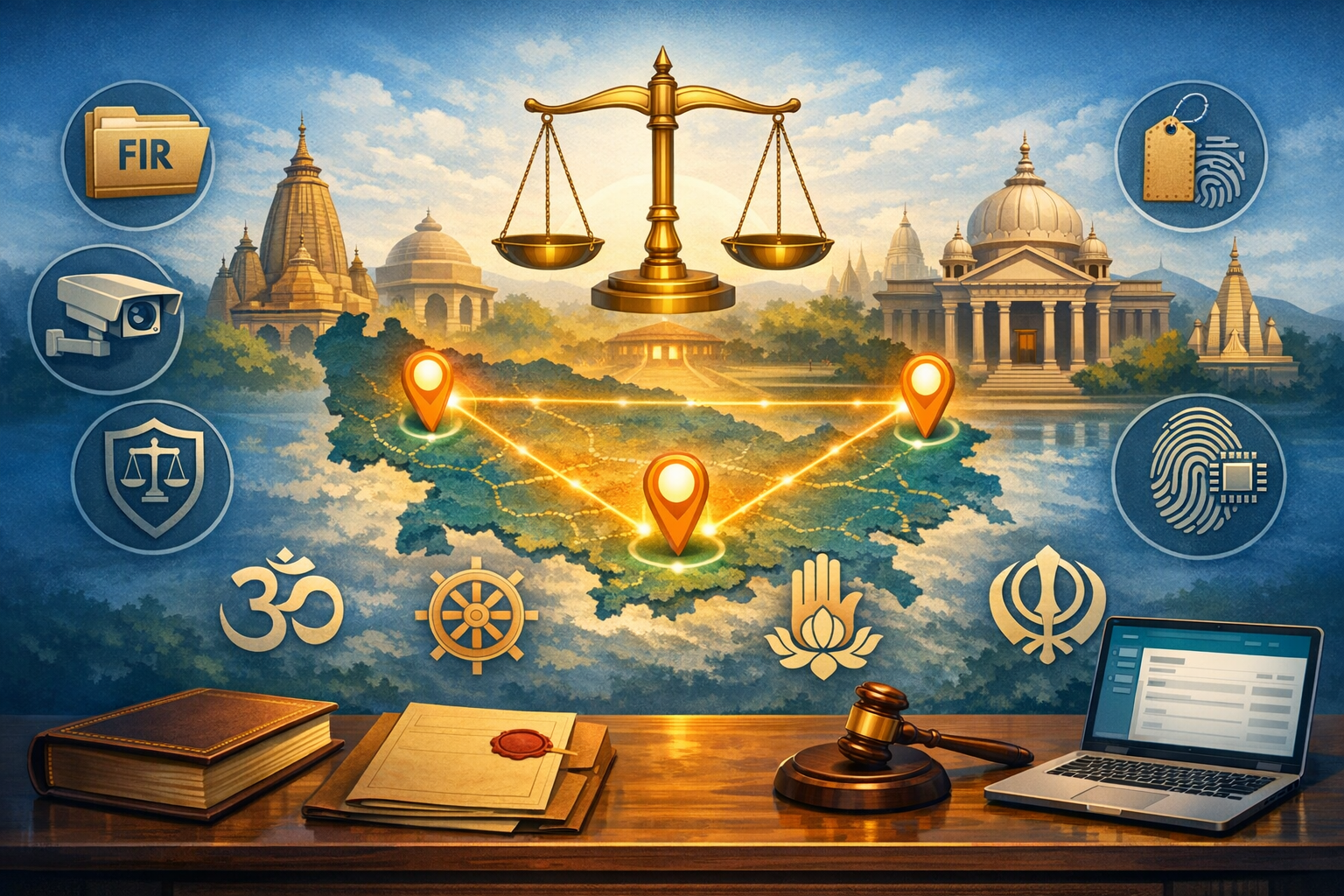
A coordinated set of legal summits in Ayodhya, Pratapgarh, and Prayagraj called advocates to unite around a rule-of-law strategy for protecting dharmic communities. The effort links Ayodhya’s cultural centrality with Prayagraj’s access to the Allahabad High Court and Pratapgarh’s district-level realities to form a scalable defense network. The framework centers on Articles 14, 19, 21,…
-
Lanka Kānda in Tulsidas’s Ramcharitmanas: Dharma, Strategy, and Enduring Bhakti

Lanka Kānda in Ramcharitmanas unites poetic beauty with ethical clarity, presenting a dharma-yuddha rooted in diplomacy, restraint, and devotion. Setubandha functions as engineering feat and sacred metaphor, while Vibhīṣaṇa’s refuge models principled dissent and moral courage. Tulsidas’s nuanced handling of Sita’s sanctity and Ravana’s downfall centers compassion over suspicion and ego. The kānda serves as…
-
Dashavatara to Digital Screens: How Vishnu’s Avatars Shape Indian Politics and Pop Culture Today

Vishnu’s avatars are not relics of the past; they are an active ethical and cultural vocabulary shaping Indian politics, cinema, music, festivals, and civic life. Drawing on the Bhagavata Purana, Ramayana, and Mahabharata, this analysis shows how Rama and Krishna anchor debates on leadership, justice, and welfare without collapsing pluralism. It explains why Ayodhya’s contemporary…
-
Shravana Kumara in the Ramayana: Timeless Ideal of a Dutiful Son and Matru-Pitru Bhakti
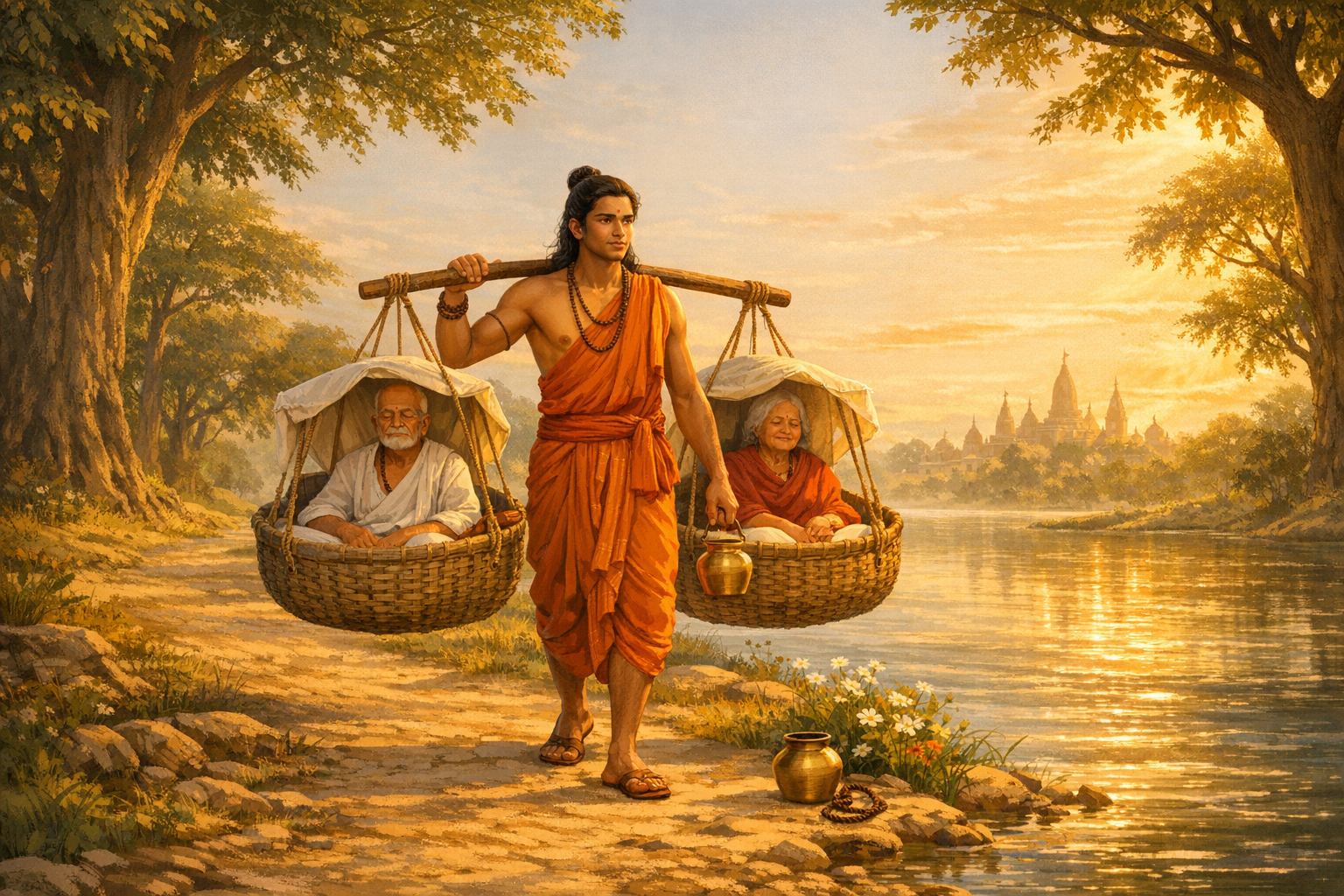
Shravana Kumara’s narrative in the Ramayana exemplifies Matru-Pitru Bhaktifilial devotion that is both emotionally resonant and doctrinally central to Hindu Dharma. Situated in the Ayodhya Kāṇḍa, the episode weaves family duty, rāja-dharma, and karma into a single ethical tapestry. The story shows how vigilant compassion must guide power, as Daśaratha’s tragic error with śabdavedhī archery…
-
From Mortal Hero to Sacred Ideal: Rama’s Journey from Valmiki to the Bhakti Age

Rama’s image evolves from Valmiki’s ethically tested human king to the Bhakti movement’s compassionate divine, illuminating how dharma and devotion converge rather than compete. Valmiki Ramayana presents Maryada Purushottama as a ruler who chooses justice amid painful dilemmas; Bhakti-era RamayanasKamba Ramayanam, Adhyatma Ramayana, and Tulsidas’s Ramcharitmanasreframe those dilemmas through grace, interior devotion, and inclusive accessibility.…
-
Sage Parashara and King Kalmashapada: A Timeless Saga of Curse, Dharma, and Redemption
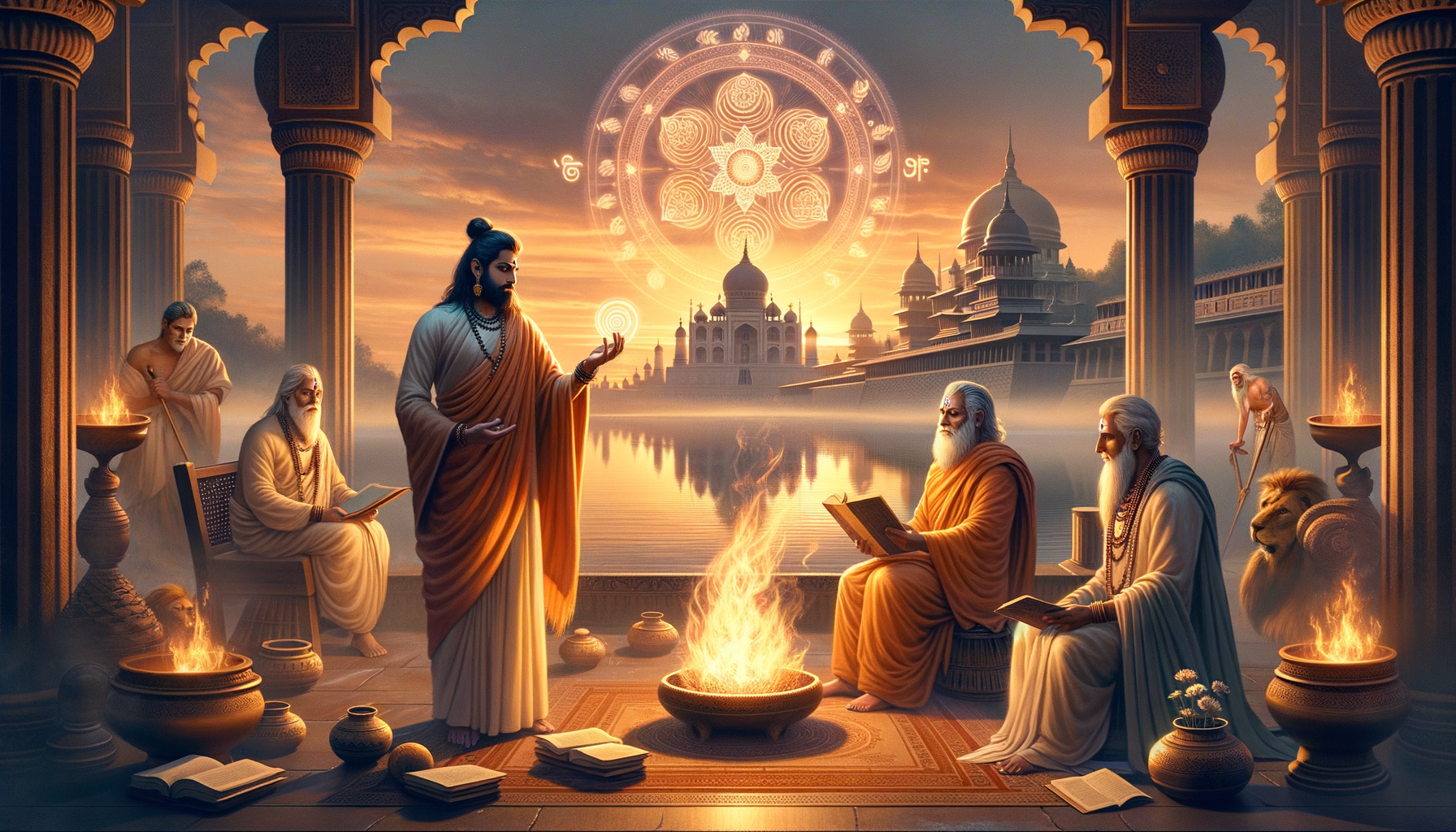
This tale from Ayodhya follows Sage Parashara and King Kalmashapada through a dramatic arc from a devastating curse to ethical renewal. Multiple textual strands highlight how vengeance and misjudgment spiral into adharma, and how counsel from Vashishtha and Pulastya redirects Parashara from retribution toward wisdom. The episode explains why restraint, clarity, and accountability are essential…
-
Brotherhood in the Ramayana: Sacred Bonds of Duty, Sacrifice, and Enduring Unity

Brotherhood in the Ramayana is portrayed as a disciplined ethic of love, respect, sacrifice, and dharma that stabilizes families and strengthens kingdoms. Rama and Lakshman exemplify vigilant companionship in adversity, while Bharata’s renunciation models humility in leadership. Shatrughna’s quiet service shows how consistent responsibility sustains the common good. In contrast, Ravana’s rejection of counsel and…
-
Rama Navami 2026: Sacred Date, Navaratri Timeline, and Inspiring Ways to Honor Sri Rama

Sri Rama Navami, Sri Rama Jayanti, falls on March 27, 2026, aligning with Chaitra Shukla Navami in the Hindu calendar. The Sri Rama Navami Navaratri utsavams begin on March 19 with Chaitra Shukla Pratipada (Ugadi / Gudi Padwa / Nav Varsh) and conclude on March 27. Devotees traditionally honor the midday (Madhyahna) period for worship,…
-
Ramayana’s Defining Episodes: Dharma, Devotion, and the Journey Uniting Dharmic Traditions
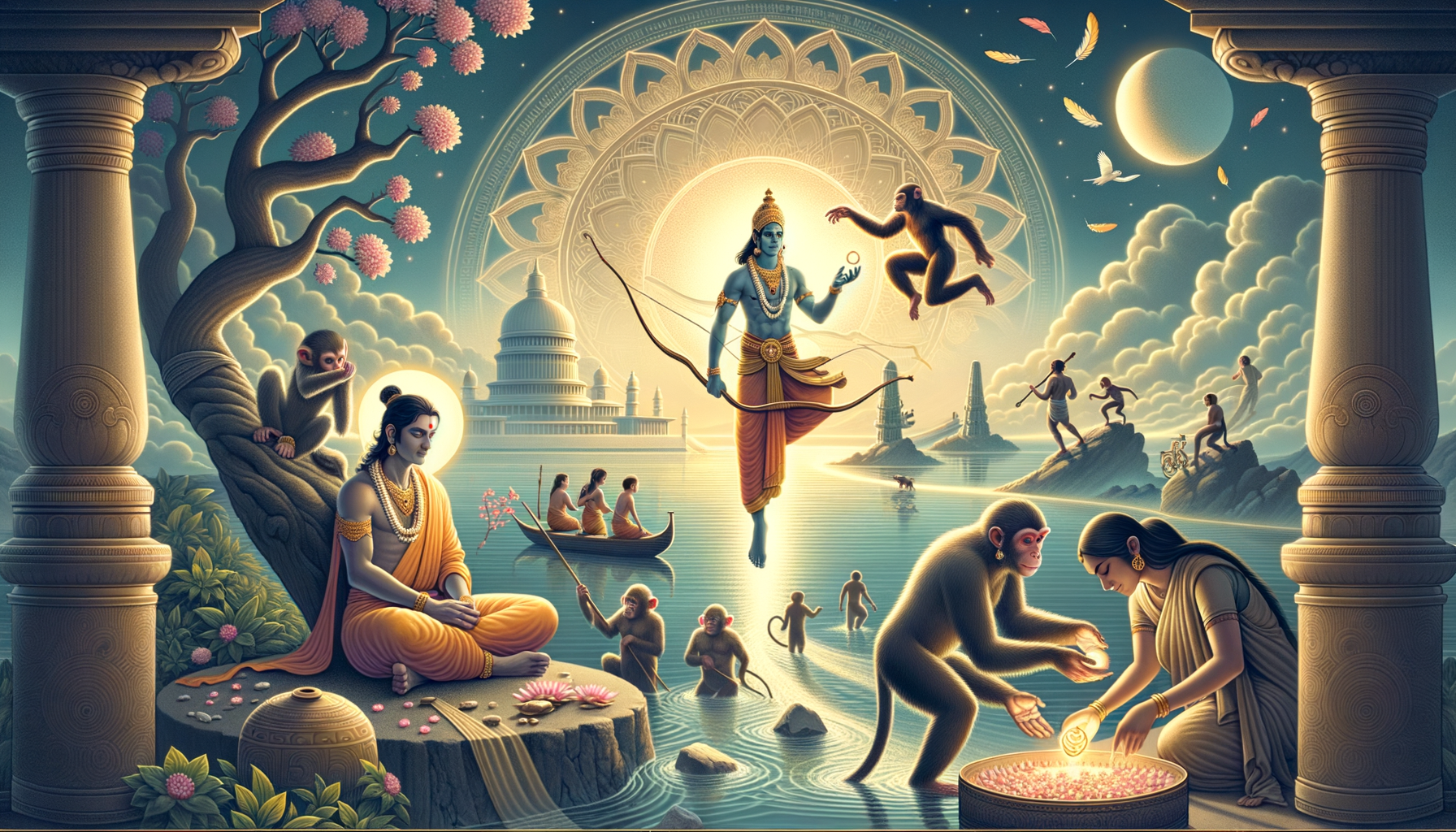
This structured overview of the Valmiki Ramayana highlights the epic’s defining episodesfrom Ahalya’s redemption and Sita’s swayamvara to the exile, Sundara Kanda, and the battle of Lankaexplaining how each advances dharma, devotion, and ethical leadership. Readers gain a clear framework for understanding the narrative arc and its moral significance. The account emphasizes unity across dharmic…
-
Ayodhya Kanda’s Defining Moments: Duty, Exile, and Timeless Dharma in the Ramayana
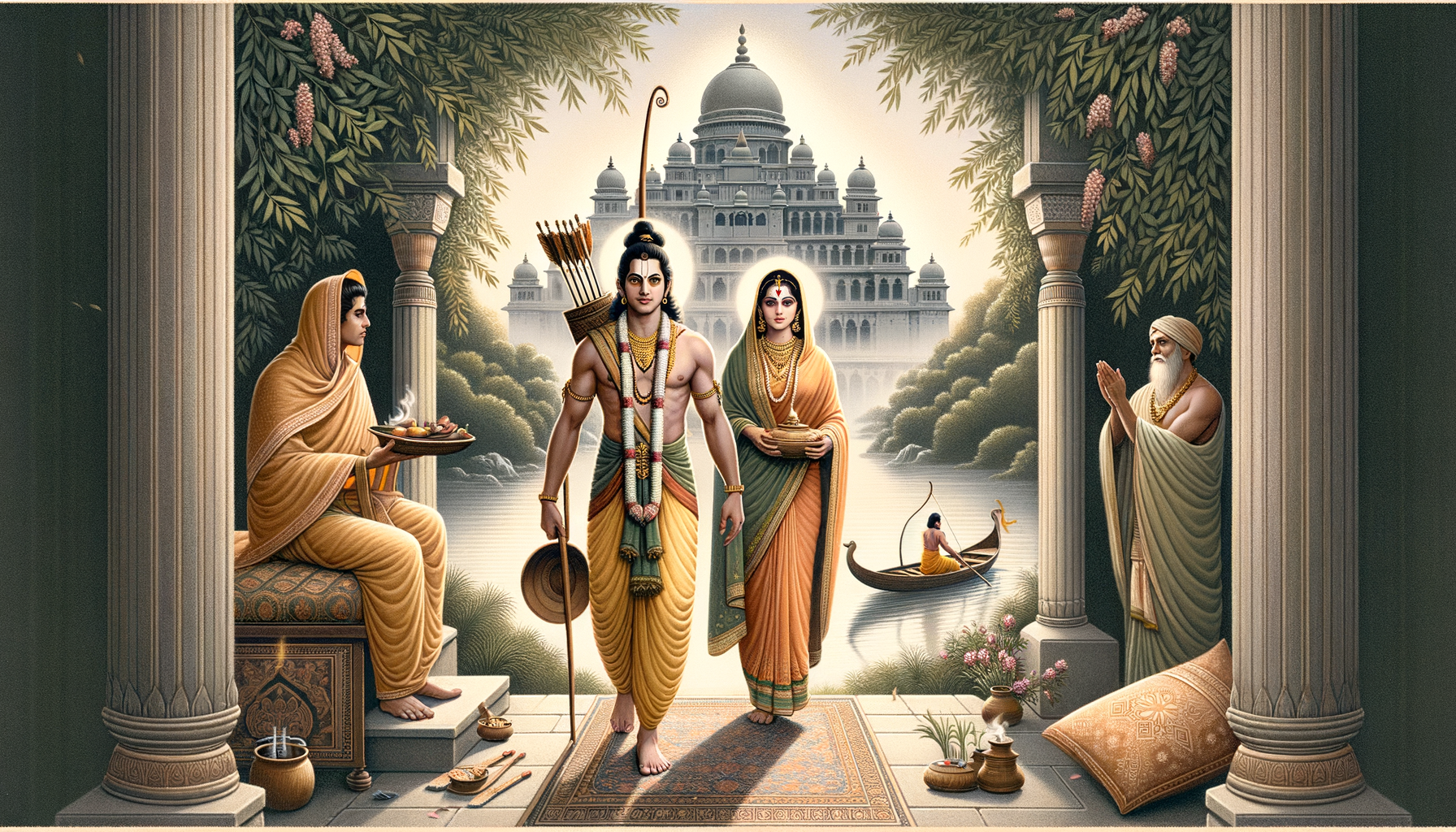
Ayodhya Kanda, the second book of Valmiki’s Ramayana, presents a rigorous exploration of duty, vows, and righteous leadership centered in Ayodhya. It follows King Dasharatha’s plan to crown Rama, Kaikeyi’s boons, and Rama’s voluntary exile (vanvas), with Sita and Lakshmana choosing to accompany him. The grief of Ayodhya, the sanctity of Chitrakoot, and Bharata’s principled…
-
Ayodhya’s Shri Ram Janmabhoomi: Man Detained During Namaz Attempt, Calls for Harmony
Security at Ayodhya’s Shri Ram Janmabhoomi Temple detained a man on 10 January after an attempted namaz inside the premises, during which he reportedly shouted “Allahu Akbar.” The incident highlights the importance of clear worship protocols at high-footfall shrines to preserve sanctity and safety. It underscores how respectful adherence to host-tradition guidelines strengthens communal harmony…
-
Guru Gobind Singh’s Enduring Legacy: Sacrifice, Justice, and Dharmic Unity Across Faiths

Guru Gobind Singh’s legacy exemplifies an unwavering commitment to justice, seva, and the protection of religious freedom that resonates across Hinduism, Sikhism, Buddhism, and Jainism. Rooted in formative events at Anandpur Sahib and the martyrdom of Guru Tegh Bahadur, his vision culminated in the Khalsa Panth at Baisakhi 1699an institution dedicated to equality and the…
-
10 Defining Moments of the Ramayana: Timeless Lessons from Rama’s Epic Journey

This concise guide highlights ten defining moments of the Ramayanafrom Rama’s birth in Ayodhya and Sita’s swayamvara to the vanvas, Hanuman’s Sundara Kanda mission, and the return to Ayodhya. Each episode is presented with clear context and ethical significance to illuminate Dharma in action. Readers gain practical insights into righteous leadership, loyalty, compassion, and the…
-
Yogi Adityanath Shares Mesmerising Ram Mandir Laser Show as Dharma Dhwaja Crowns Temple

Uttar Pradesh Chief Minister Yogi Adityanath posted a striking Instagram video showing Ayodhya’s Ram Mandir illuminated by a laser show shortly after the Dharma Dhwaja was hoisted atop the temple. The presentation highlights the shrine’s architectural form while preserving ritual solemnity. The Dharma Dhwaja functions as a unifying emblem of dharma across Hinduism, Buddhism, Jainism,…
-
Ayodhya’s Dharma Dhwaj Raised by PM Modi: A Historic Milestone After 500 Years
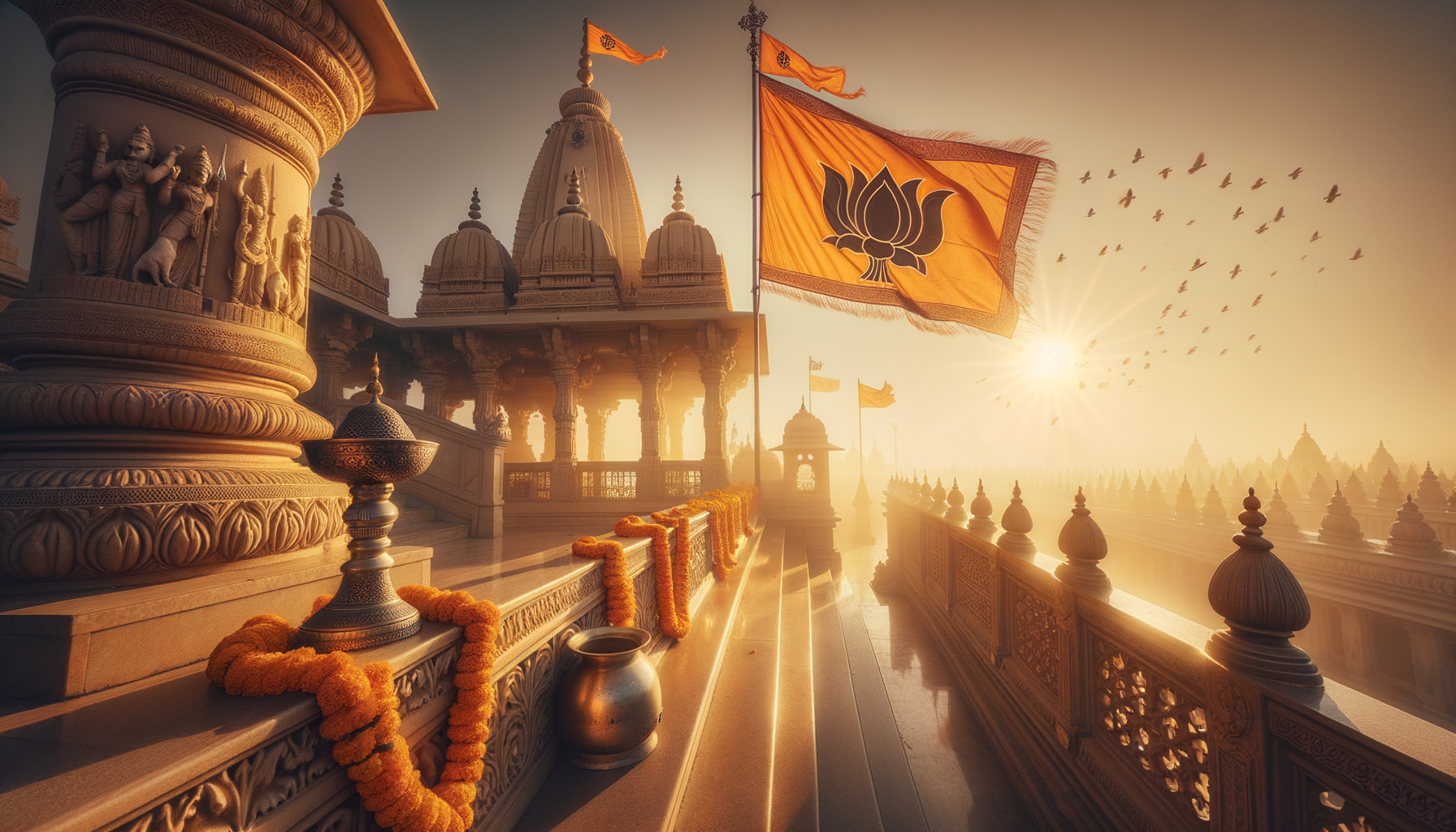
Prime Minister Narendra Modi hoisted the saffron Dharma Dhwaj atop the Ayodhya Ram Mandir, marking a milestone often described as a 500-year wait fulfilled. The event underscores India’s living cultural heritage and the enduring values of dharma. The flag’s symbolismcourage, renunciation, and serviceresonates across Hinduism, Buddhism, Jainism, and Sikhism. For many families, the moment evoked…
-
Historic Ayodhya Ram Temple Flag Hoisting: PM Modi says old wounds healing, dharmic unity
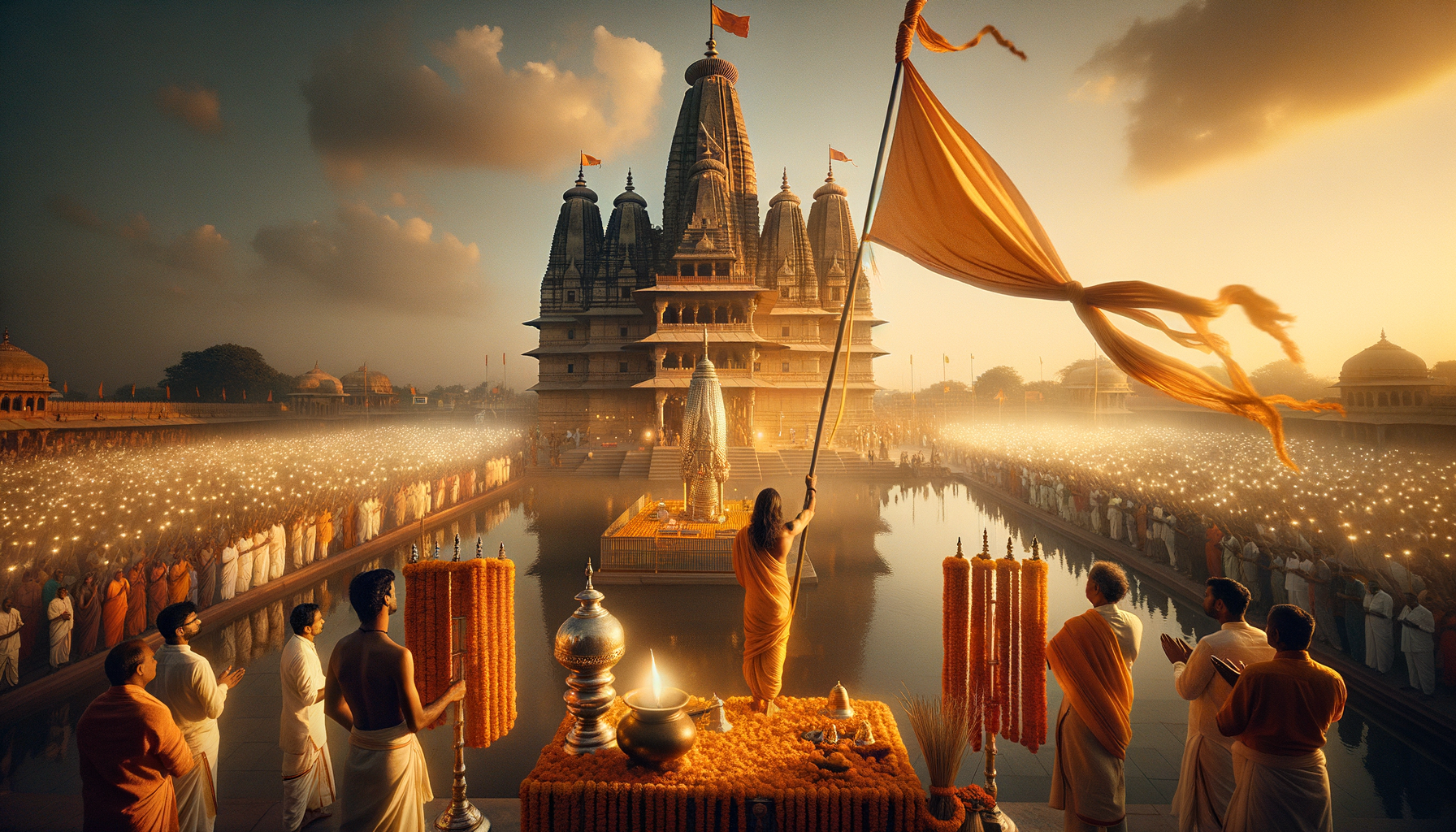
Prime Minister Narendra Modi’s flag hoisting during the Ayodhya ‘Dhwaj Arohan’ ceremony on 25 November 2025 marks a symbolic milestone in the completion of the Ram Mandir. The saffron dhwaj underscores heritage, sacrifice, and service while signaling a broader movement from grievance to reconciliation. The ceremony’s core message encourages healing, constitutional respect, and social cohesion…