-
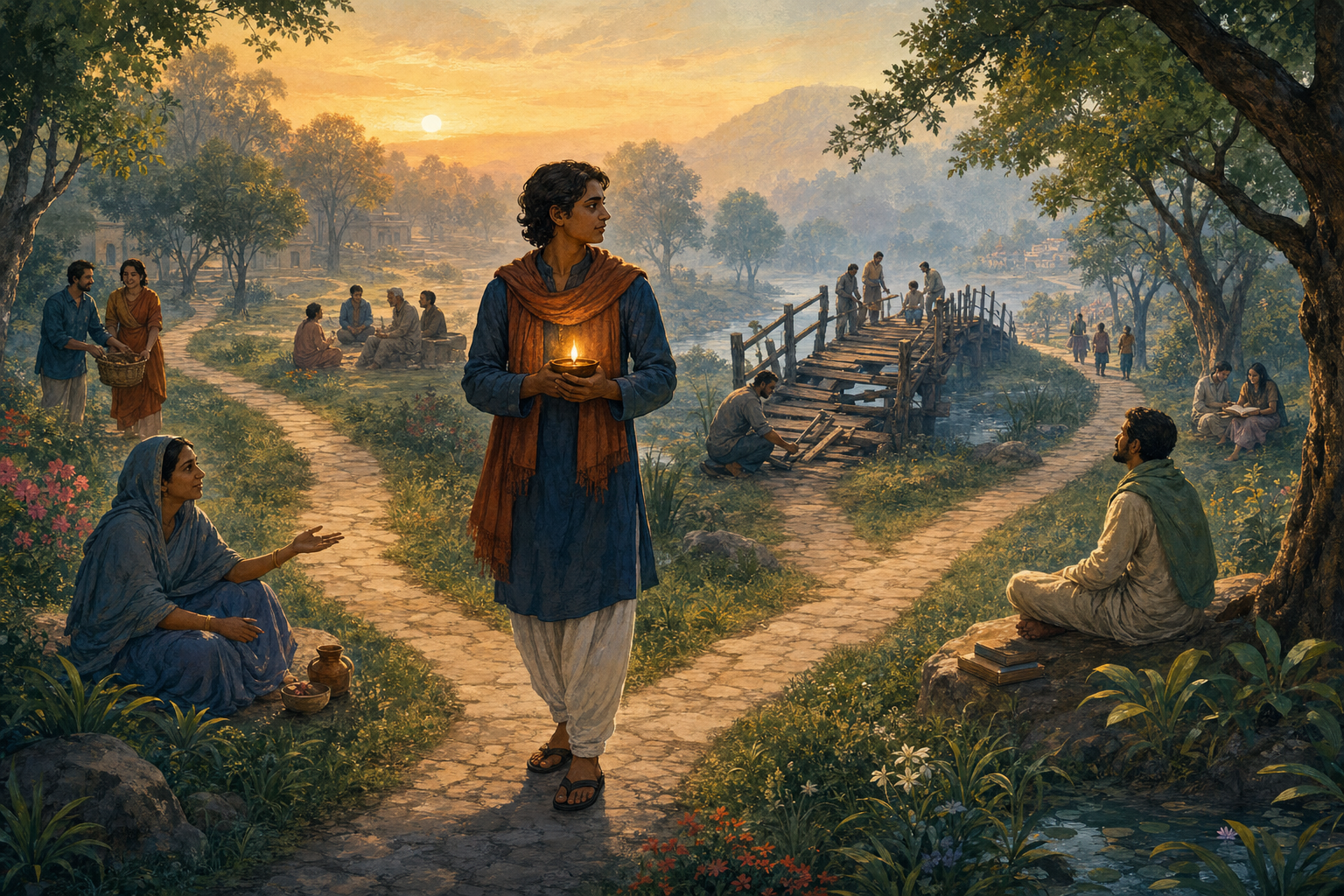
Paradox of Progress: Why Discontent and Violence Rise—and Dharmic Ways to Peace

Scientific advancements have brought unprecedented capabilities, yet discontentment and violence continue to rise. This article interprets the paradox through a dharmic lens, highlighting avidyā, restless desire, and information overload as drivers of inner turmoil. It presents unifying insights from Hinduism, Buddhism, Jainism, and Sikhism—dharma, ahiṁsā, karuṇā, and sewa—as complementary solutions. Readers gain practical guidance in…
-
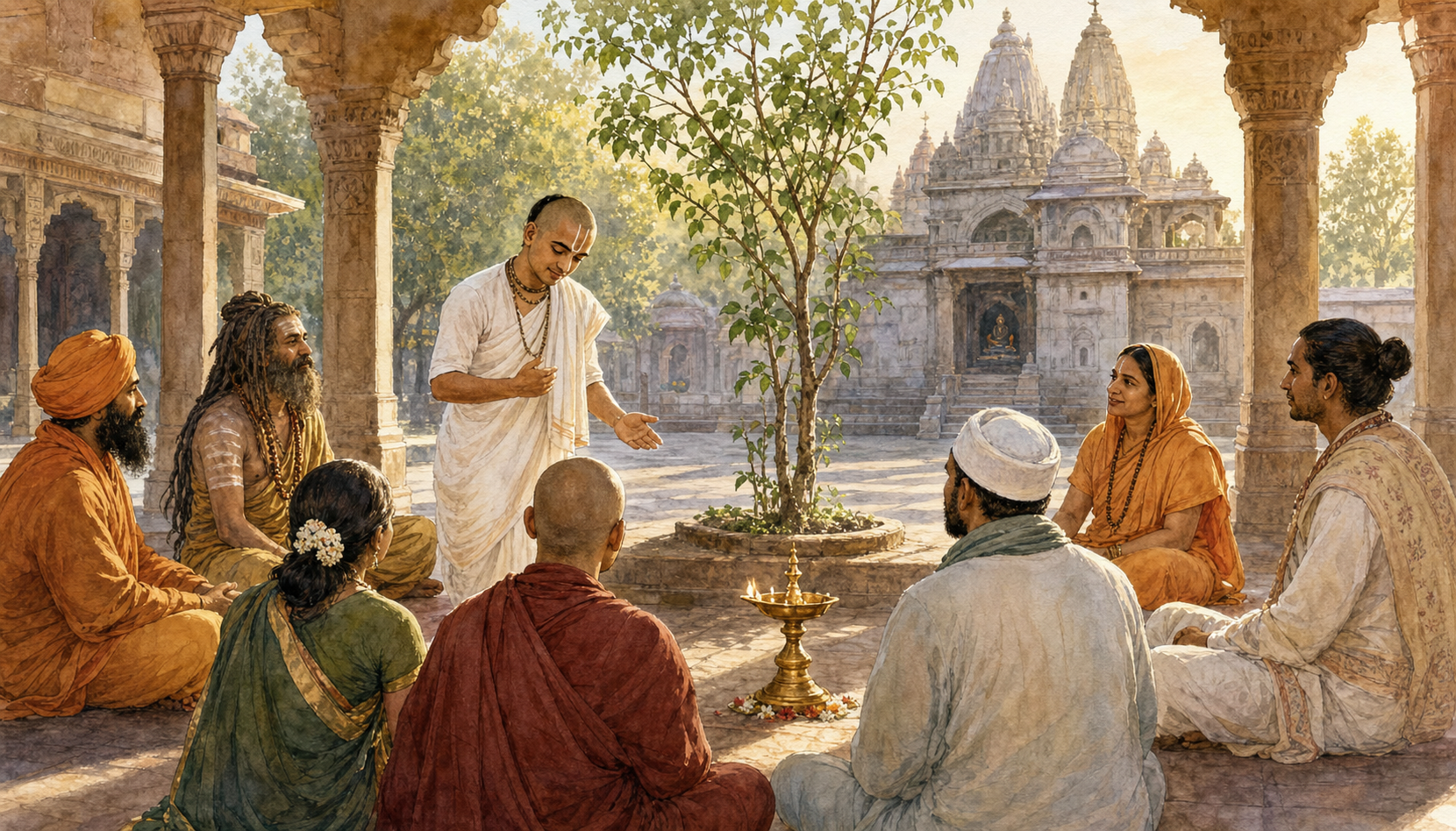
Hinduism’s Fearless Pursuit of Truth: How Dharmic Traditions Cultivate Intellectual Courage

Hinduism elevates intellectual courage as a fearless quest for truth, encouraging rigorous inquiry over rigid dogma. Through Upanishadic dialogues, pramana theory, and shastrartha, it builds disciplined habits of questioning, reasoning, and revising beliefs. Pluralistic practices—multiple marga and freedom of Ishta Devata—create psychological safety for exploration. The dharmic family reinforces this ethos: Buddhism values investigation, Jainism’s…
-
From Curiosity to Courage: Swami Vivekananda’s Living Legacy for Confident Hindu American Youth

Swami Vivekananda’s legacy offers a rigorous, modern roadmap for Hindu American youth: transform curiosity into disciplined learning, and learning into compassionate seva. His 1893 Chicago address reframed Hinduism as rational and pluralistic, a vision now activated through advocacy and education in groups such as CoHNA. This approach strengthens unity in diversity and aligns with the…
-
Guru Gobind Singh Ji’s 360th Parkash Aagman: Timeless Courage, Seva, and Unity

The 360th Parkash Aagman of Guru Gobind Singh Ji (born 22 December 1666 at Patna Sahib) offers a timely occasion to revisit the sant–sipahi ideal and its enduring relevance. Observed across diverse calendars, the commemoration centers on Akhand Paath, kirtan, Nagar Kirtan, and inclusive langar at sacred sites and in diaspora communities. Guru Gobind Singh…
-
Naam, Daan, Ishnaan: A Transformative Threefold Path to Clarity, Compassion, and Calm

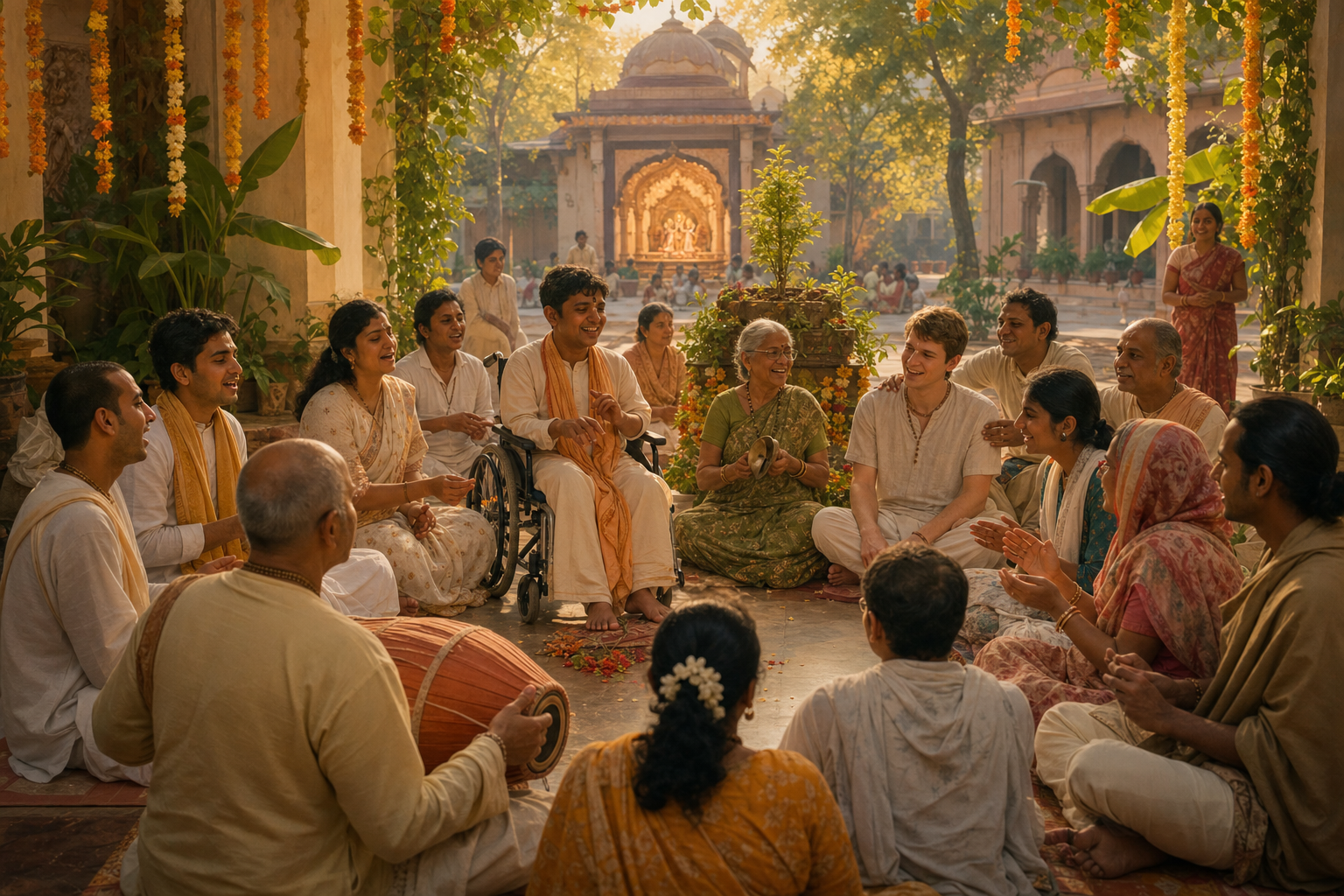
This reflection explores how Naam (attentive remembrance), Daan (ethical generosity), and Ishnaan (purification) form a practical threefold path across Hinduism, Buddhism, Jainism, and Sikhism. It shows how brief, consistent practices—such as early-morning simran or japa, mindful ishnan, and everyday seva—translate inner steadiness into social good. Readers learn accessible ways to integrate the triad into modern…
-
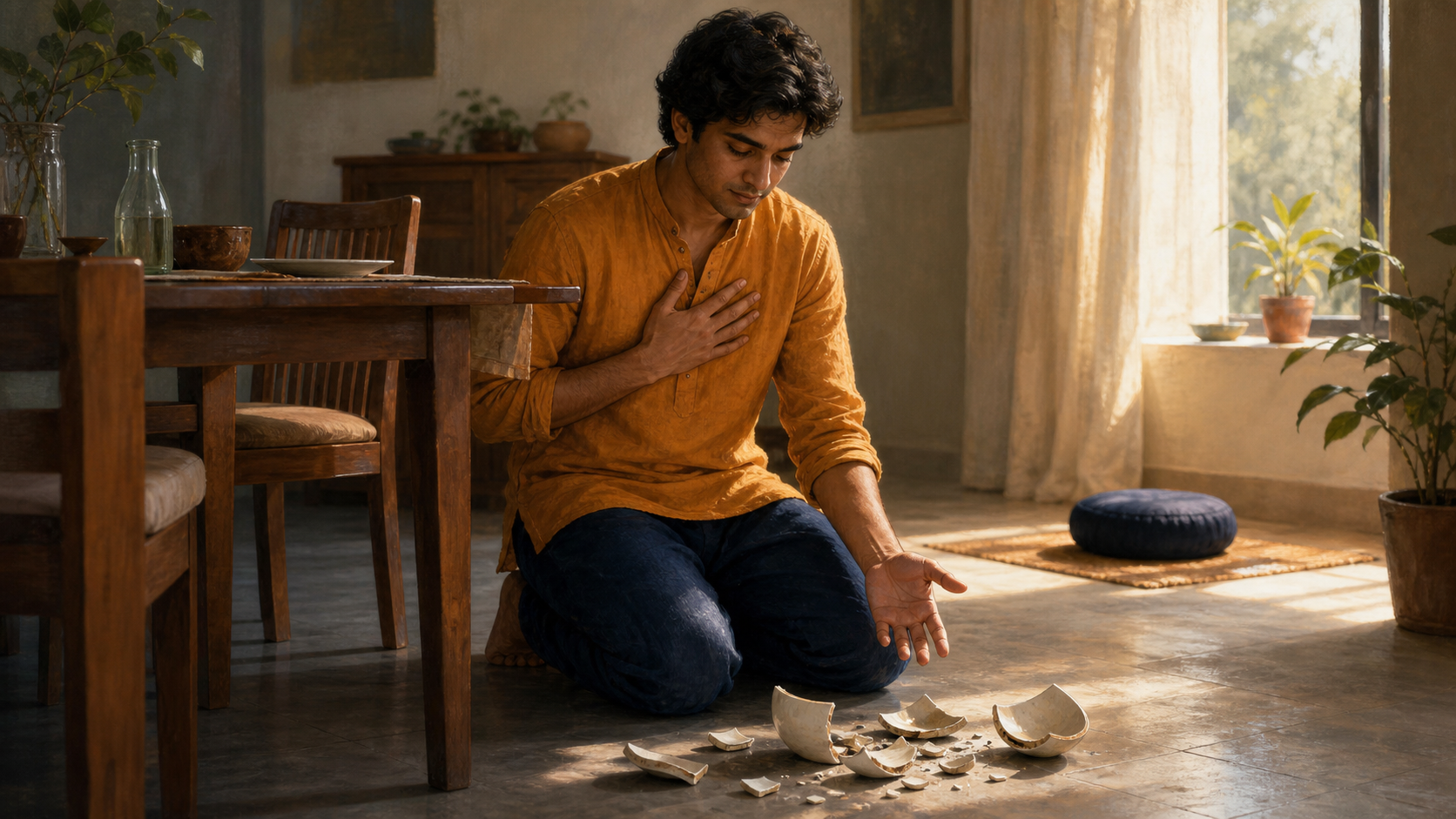
Beyond Dogma: How Losing Faith Rebuilt Meaning, Spiritual Wellness, and True Aliveness

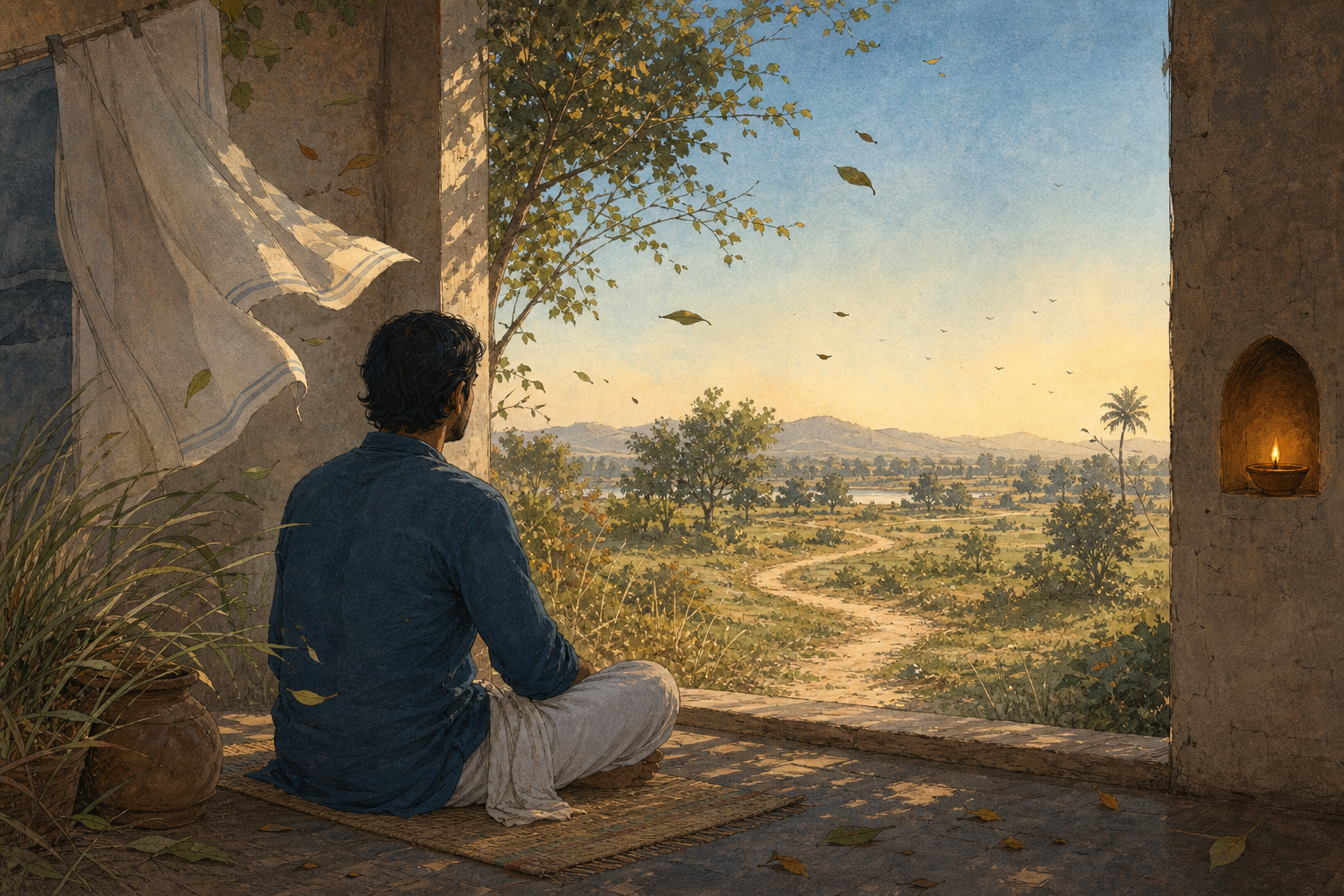
A life built on compliance unraveled after divorce and family rupture, revealing not only depression but a deeper spiritual unwellness. Through surrender and grounded practices—therapy, yoga, meditation, journaling, community, and carefully held psychedelic work—personal meaning was rebuilt from the inside out. Ordinary moments became sacred through honesty, embodiment, and presence. The narrative illustrates why spiritual…
-
Dharma Beyond Black and White: Hindu Ethics Across Time, Circumstance, and Consequence

Hindu philosophy treats ethics as a disciplined, context-sensitive inquiry rather than a fixed rulebook. Grounded in dharma and guided by deśa–kāla–pātra, it balances intention, action, and consequence while honoring ahimsa, satya, svadharma, and lokasaṅgraha. Epic teachings from the Mahabharata and the Bhagavad Gita model how to act responsibly without attachment to outcomes. Parallels from Jain…
-
Goddess Yellamma’s Black Head: Powerful Symbol of Unity Beyond Caste, Class, and Creed

The black head of Goddess Yellamma (Renuka Devi) functions as an aniconic focus for compassion and unity, revered across Karnataka, Maharashtra, and Telangana. Rooted in narratives of beheading and restoration, the motif dissolves rigid social boundaries and affirms dignity for all. The black hue symbolizes all-embracing grace and fierce protection, aligning with Shakta theology. Pilgrim…
-
Mahanubhav Sampradaya: 13th-Century Origins, Key Differences, and Transformative Teachings

This introduction to the Mahanubhav Sampradaya situates the tradition in 13th-century Maharashtra and the wider Bhakti movement, highlighting Shri Chakradhar Swami’s role and the veneration of five gurus. Readers gain a clear overview of its important teachings—Bhakti, ethical discipline, simplicity, and inclusivity—and how these shape daily practice. The article clarifies key differences from other Bhakti…
-
SB 7.10.12: Nṛsiṁhadeva and Prahlāda’s Fearless Devotion—Timeless Lessons on Surrender

SB 7.10.12, set within the Nṛsiṁhadeva–Prahlāda pastime, offers a clear and compelling synthesis of pure devotion, courageous surrender, and compassionate leadership. The narrative transforms fear through spiritual shelter, guiding seekers toward inner steadiness and ethical action. Its insights are practical: remembrance of the Divine, scriptural study, association with the virtuous, and conscientious conduct. Emotionally, the…
-
Beyond Attachment, Fear, and Anger: Dharmic Wisdom to Unblock Moral and Spiritual Growth

Hindu philosophy explains how attachment, fear, and anger undermine moral clarity and spiritual growth, and it offers precise remedies grounded in the Bhagavad Gita, the Upanishads, and classical yoga. Fearlessness, non-grasping, and disciplined attention are presented as practical virtues, not abstractions. Shared insights across Buddhism, Jainism, and Sikhism reinforce a unifying dharmic approach that transforms…
-
Kushmanda: Unveiling the Cosmic Creative Power of Durga and Its Life-Shaping Symbolism

Kushmanda, the fourth manifestation of Goddess Durga, is honored as the creative force that brings the universe into being. Her name evokes the primordial warmth that animates the cosmic egg (Brahmanda), linking metaphysical insight with practical devotion. In Navaratri worship, Kushmanda symbolizes new beginnings, inner vitality, and disciplined compassion. Iconography portrays her as Ashtabhuja, radiating…
-
Rama’s Radiant Restraint: How the Ramayana Redefines Heroism Beyond Brutal Force

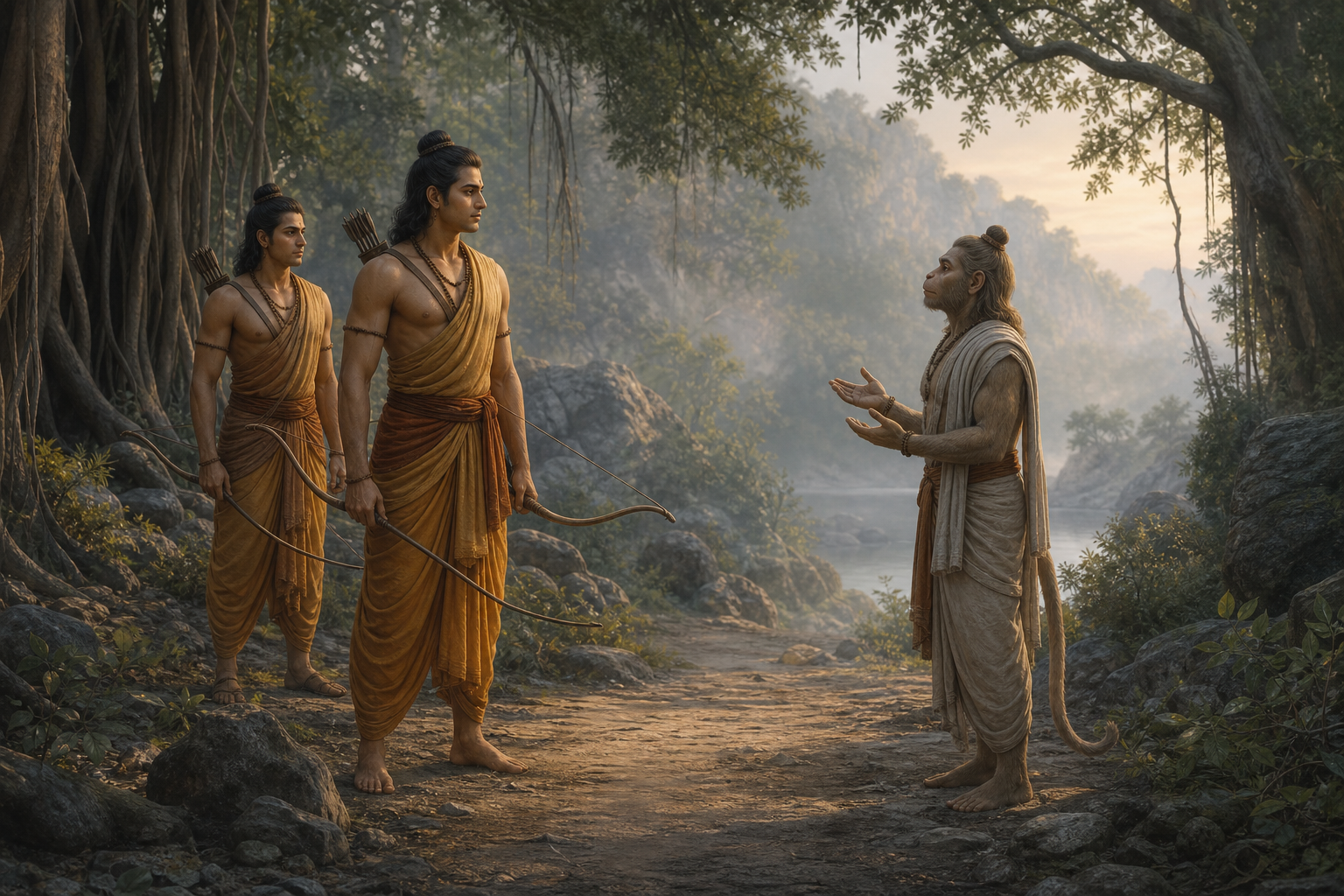
Popular culture often equates heroism with dominance, yet the Ramayana presents a higher ideal: power disciplined by restraint. Rama demonstrates that true courage is self-mastery first and calibrated action second, aligning kshatra dharma with ahimsa. Episodes such as the Kākāsura incident, the acceptance of Vibhīṣaṇa, and compassion after victory show justice without cruelty and strength…
-
Goddess Tara at Tarapith: Decoding the Divine Symbolism of the Twin Murti Forms

Tarapith Temple in West Bengal venerates Goddess Tara through two complementary images—an aniconic essence and an anthropomorphic Murti—offering a layered experience of darshan. The maternal icon of Tara nursing the infant Shiva symbolizes compassionate wisdom sustaining consciousness. Cremation ground motifs and skull garlands invite reflection on impermanence and fearlessness, common themes in Shakta Tantra. Rituals…
-
January 16, 2026 Panchang: Trayodashi to Chaturdashi at 10:10 PM — Timings, Meaning, Reflection

Friday, January 16, 2026 features Krishna Paksha Trayodashi in most regions until 10:10 PM, followed by Krishna Paksha Chaturdashi. The day’s progression supports calm routines, mindful reflection, and a gentle close to the lunar fortnight. Observers often note that Trayodashi encourages steadiness, while Chaturdashi deepens inward focus ahead of Amavasya. Key elements such as Nakshatra,…
-
Auspicious Days 2026 for Vrischika Rashi: Essential Nakshatra Guidance and Panchang Tips

Vrischika Rashi’s auspicious days in 2026 are guided by its Nakshatra anchors—Visakha (4th quarter), Anuradha, and Jyeshta—and by classical Panchang factors. Readers can use a reliable Hindu calendar to track Moon transits and identify supportive Tithi, Yoga, and Karana combinations. Planning key milestones during these aligned windows often brings steadiness, clarity, and confidence. Practical applications…
-
Auspicious Days for Dhanu Rashi in 2026: Practical Guidance for Rituals, Travel, and New Beginnings

This academic guide explains how to identify Auspicious Days for Dhanu Rashi in 2026 using the Panchang, without relying on a one-size-fits-all list. It clarifies the Dhanu Rashi linkage to Moola, Purvashada, and the 1st Pada of Uttarashada, and shows how tithi, nakshatra, yoga, karana, and weekday interplay to create Shubh Muhurat. Readers learn a…
-
The Unknowable Other: Hindu Wisdom to Cultivate Self-Knowledge and Deeper Relationships

Hindu philosophy teaches that another person can never be fully known, a truth that nurtures humility and wiser relationships. The Upanishads and Pancha Kosha Viveka explain why only outer layers are visible while the essence remains veiled. Jain Anekantavada, Buddhist anatta, and Sikh Ik Onkar reinforce pluralism and compassionate restraint. Practically, this insight encourages careful…
-
Parashurama and Rama Together? Demystifying Vishnu’s Avatars with Timeless Wisdom
The perceived paradox of Parashurama and Rama appearing at the same time dissolves when viewed through core Hindu principles. The avatar doctrine allows multiple divine manifestations to operate simultaneously, each restoring dharma in a distinct way. Parashurama’s status as a Chiranjivi explains his presence across yugas, while distinctions between shaktyāveśa (empowered) and pūrṇa (full) avatars…