-
Pathar Sahib, Leh: A Timeless Testament to Compassion, Forgiveness, and Dharmic Unity

Gurdwara Pathar Sahib in Leh, Ladakh, is a revered Sikh sanctuary where the legend of Guru Nanak’s compassion and forgiveness converges with the high-Himalayan landscape. This comprehensive, research-driven overview situates the site within Janamsakhi traditions, interfaith memory, and Ladakh’s cultural geography. It explains how the venerated boulder and living practiceskirtan, ardas, and langartranslate ideals like…
-
The Fragrance of Truth: Why Dharmic Spiritual Wisdom Must Never Be Bought or Sold

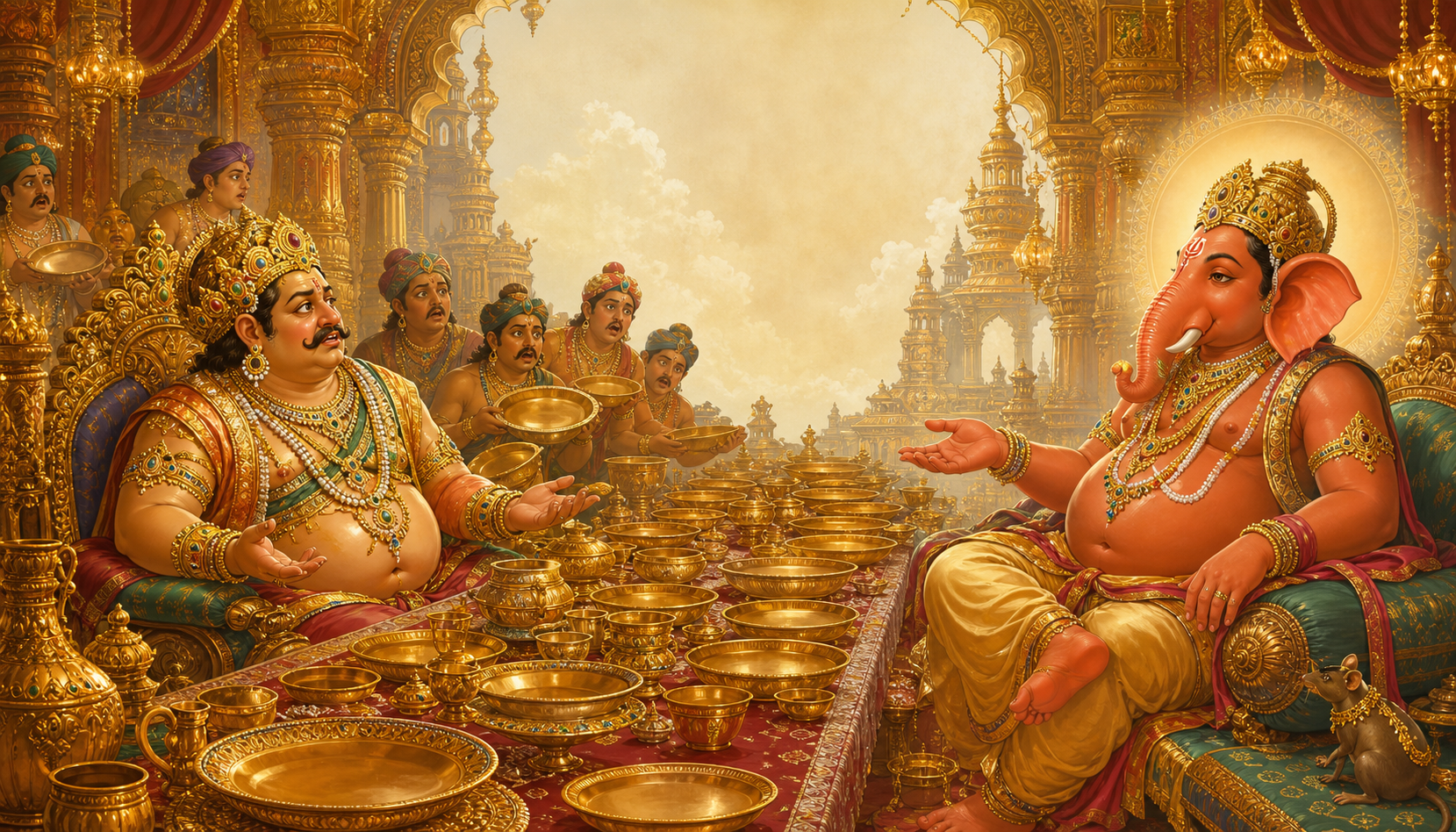
A flower does not sell its fragrancethis classical metaphor explains why authentic spirituality in Hinduism, Buddhism, Jainism, and Sikhism cannot be commodified. Drawing on the Upanishads, the Bhagavad Gita, and core dharmic values such as aparigraha, seva, and anekantavada, this analysis distinguishes stewardship from sale and gratitude from price. It shows how guru–shishya pedagogy, dhamma-dana,…
-
The Parashu in Hindu Iconography: A Definitive Guide to Form, Theology, and Dharmic Unity

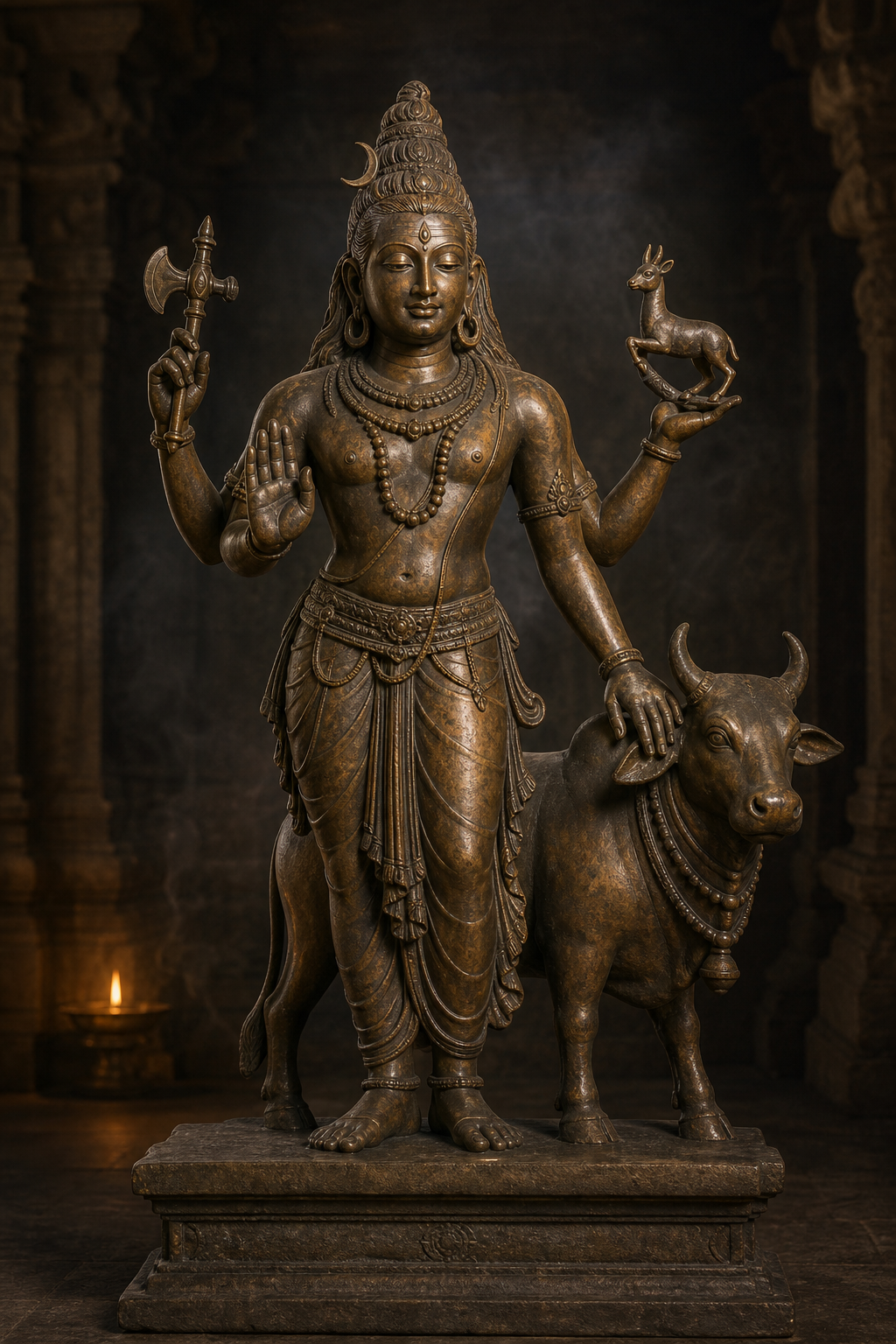
The parashu (paraśu), or sacred battle axe, condenses Hindu theology of force, restraint, and renewal into a single powerful ayudha. This long-form guide explains how to recognize the parashu in Hindu Sculptures, details its associations with Shiva, Ganesha, Durga, and Parashurama, and situates it within the ethics of Kshatra and dharma-yuddha. It connects scriptural narratives…
-
Beyond the Hype: Dharma’s Clear‑Eyed Guide to the Illusion of Permanent Followers

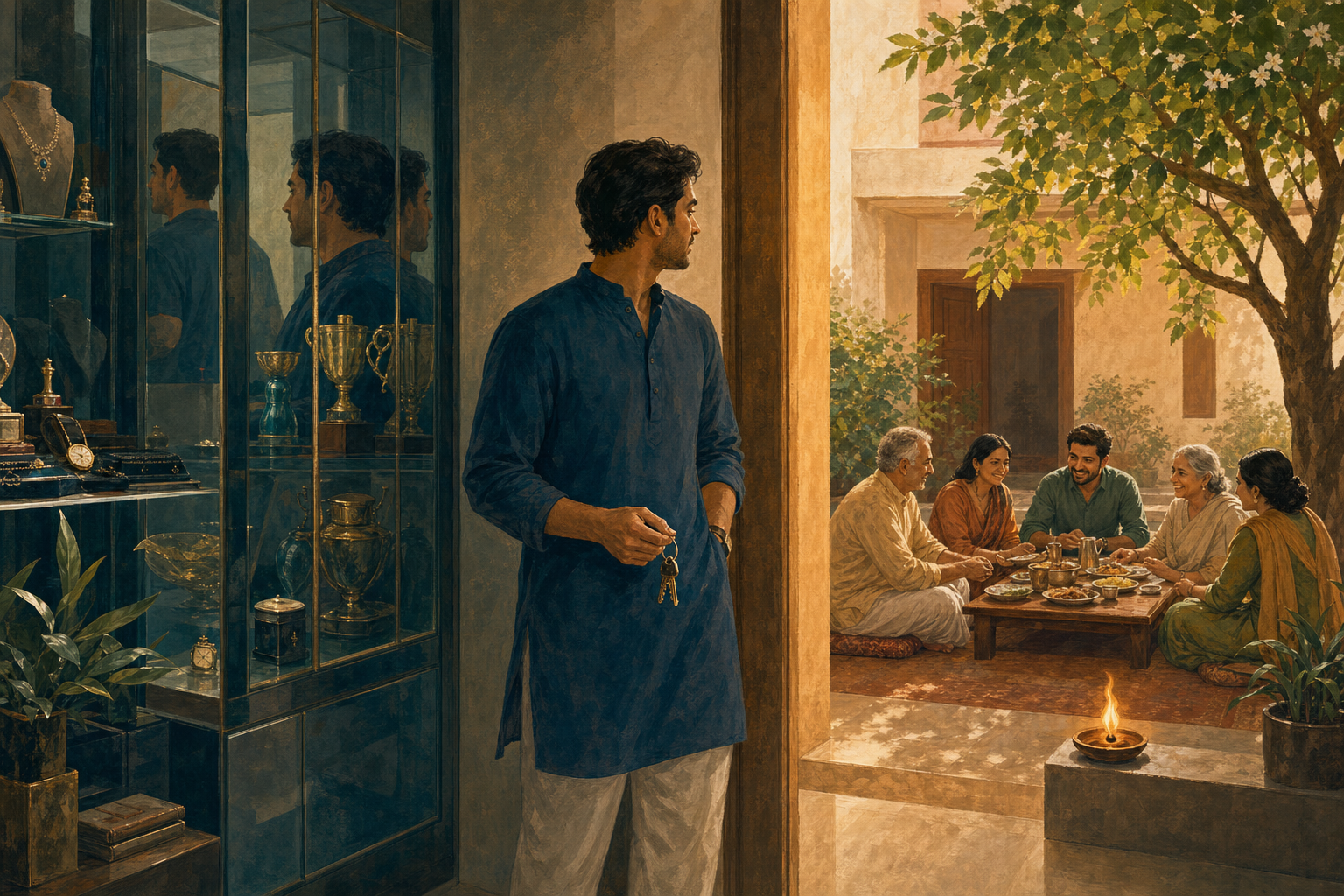
Chasing fans and followers often masks an unexamined attachment to impermanent signals of worth. This essay reframes that chase through a dharmic lensHindu, Buddhist, Jain, and Sikhshowing why audiences are structurally volatile and why identity need not be. It draws on the Bhagavad Gita’s Karma Yoga, Buddhism’s anicca and anattā, Jainism’s Anekantavada and aparigraha, and…
-
Jyeshta Maasa 2026 in Kannada Panchanga: Exact Dates, Sacred Rituals, and Auspicious Timings

Jyeshta Maasa 2026 in the Kannada Panchanga runs from 15 June to 13 July (IST), defining the third lunar month in the amanta system used across Karnataka. The guide explains how tithis, not civil dates, govern observances and why the month’s name is tied to the full moon near Jyeṣṭhā nakshatra. Key highlights include Nirjala…
-
Jyeshta Maas 2026 (Jeth Mahino) in Gujarati Panchang: Precise Dates, Festivals, and Significance

Jyeshta Maas 2026 (Jeth Mahino) in the Gujarati Panchang begins on 15 June 2026 and ends around 14 July 2026, with dates assigned by the tithi at local sunrise. Many Panchangs indicate an Adhik Jyeshta (Adhik Jeth) preceding this span, roughly mid-May to 14 June 2026, inserted because no solar sankranti occurs within that lunar…
-
Where Is Humanity Today? A Dharmic Blueprint for Compassion, Ahimsa, and Unity

This essay reframes “Where is humanity?” through a dharmic lens that treats compassion, ahimsa, and service as trainable capacities and civic responsibilities. It explains how Hinduism, Buddhism, Jainism, and Sikhism converge on a shared blueprint grounded in Dharma, dayā, karuṇā, aparigraha, mettā, and seva. Readers gain a research-informed view of how breathwork, meditation, and loving-kindness…
-
Sankashti Chaturthi June 2026: Date, Moonrise Rituals, Puja Vidhi & Deep Significance

Sankashti Chaturthi in June 2026 falls on Wednesday, June 3, aligning with the Krishna Paksha Chaturthi of Adhika Jyeshta Mahina in North Indian Hindi calendars. The vrat is kept with the tithi-at-moonrise rule, so local moonrise times determine when the fast is concluded. Traditional puja vidhi includes sankalpa, stotra recitationespecially the Sankashta Nashana Ganapati Stotraofferings…
-
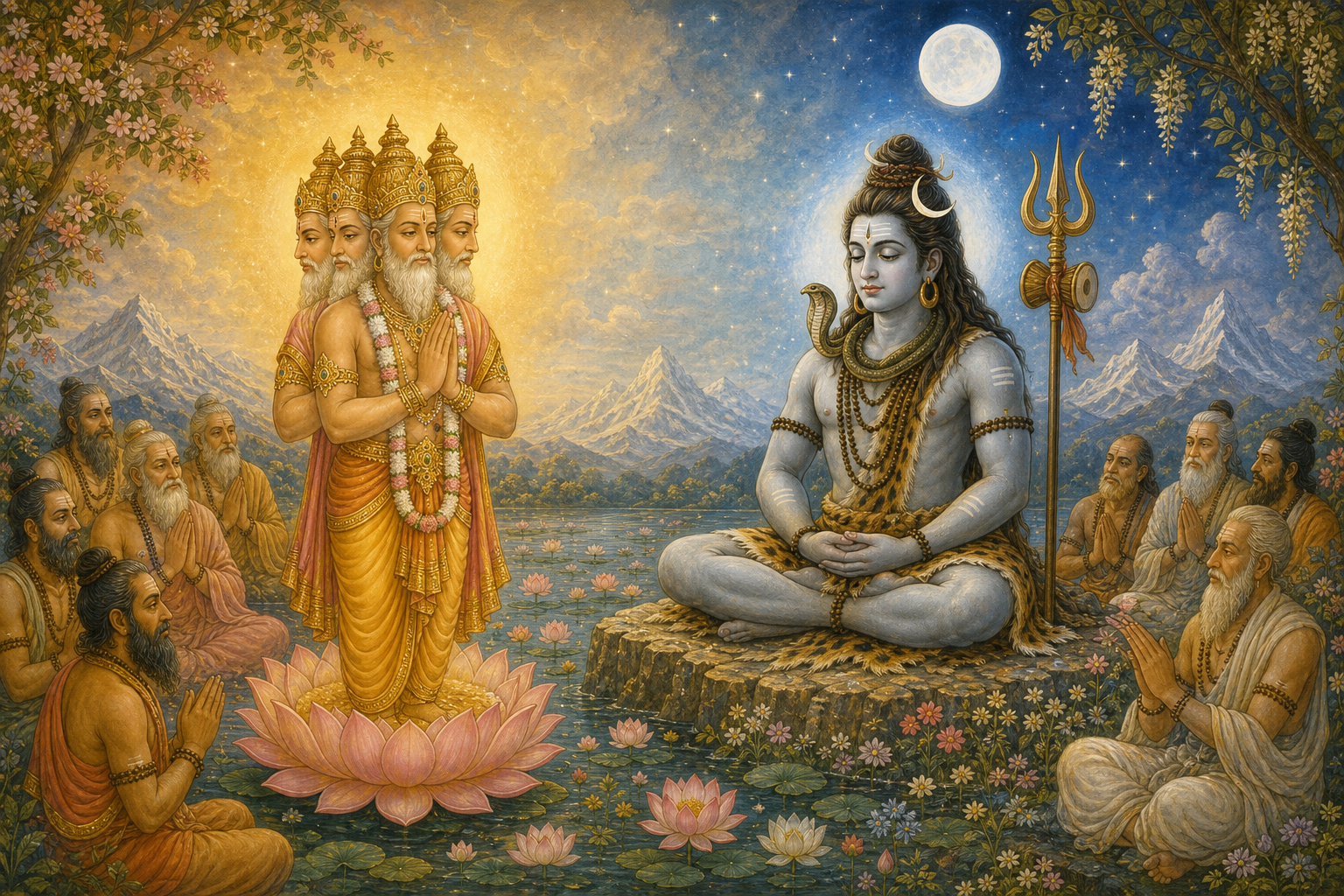
Unlocking the Samakanda Shivling: Sacred Geometry, Agama Proportions, and Trimurti Harmony

The Samakanda Shivling is a mānuṣa liṅga crafted so that the Brahmā, Viṣṇu, and Rudra sections are exactly equal in height. This sacred geometry embodies the Trimūrti’s harmony, turning complex theology into an accessible visual and ritual language. Drawing on Śilpa-Śāstra and Śaiva Āgama guidance, it balances square, octagonal, and circular principles across the vertical…
-
Sat Sanga Deep Dive: Tradition, Inclusion, and Purushottama Masa in ISKCON’s Living Dharma

This Sat Sanga (16 May 2026) examines Purushottama Masa with calendrical accuracy, showing how Adhik Jyeshta Maas 2026 becomes a devotional opportunity rather than a mere intercalary fix. It clarifies how ISKCON’s emerging Constitution anchors mission fidelity, transparent governance, and culturally sensitive inclusion without compromising core siddhānta. The guidance on “Try to chant and be…
-
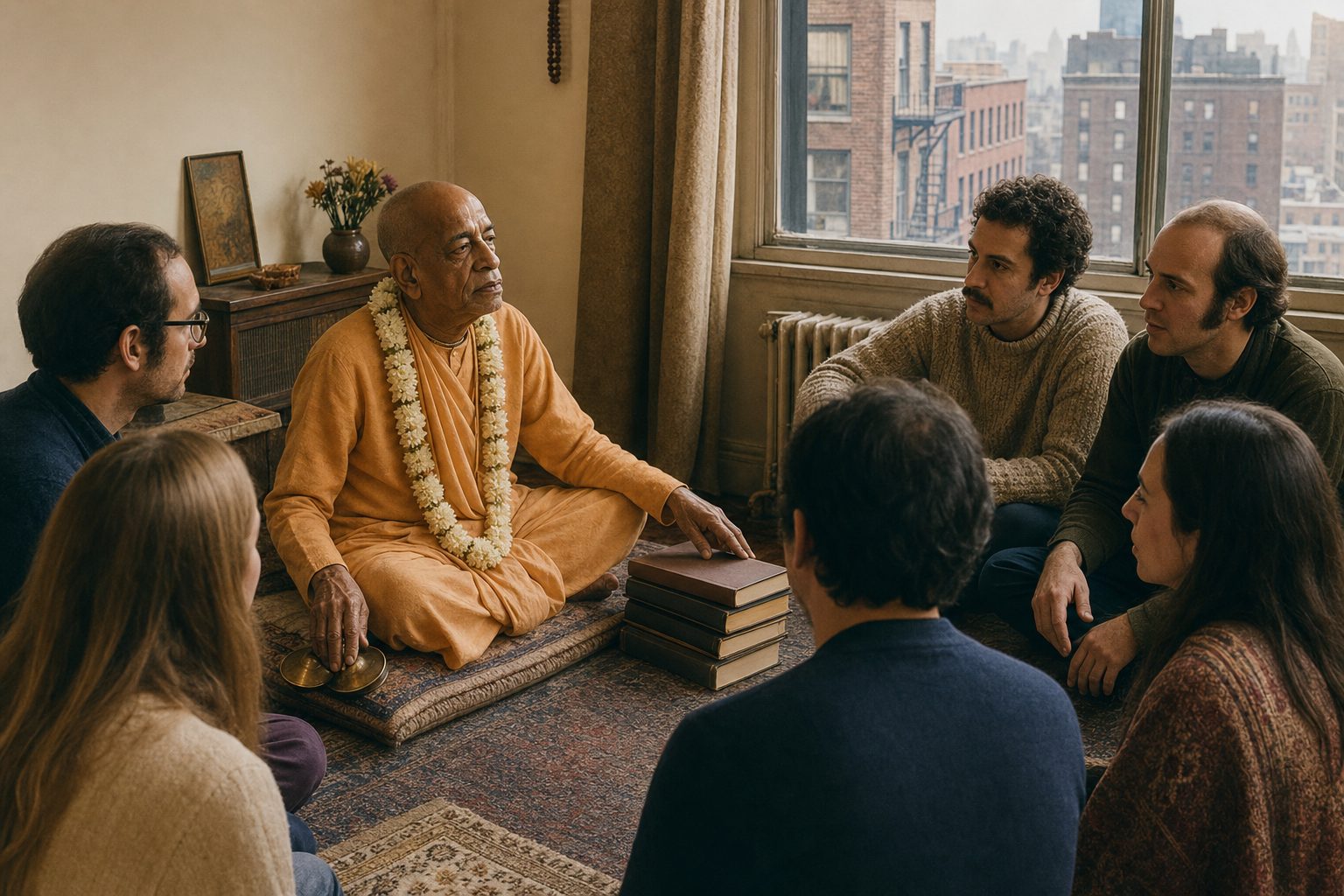
Srila Prabhupada and the sastric ideal: timeless devotion, inner power, and dharmic unity

This analysis presents Srila Prabhupada as a sastrically grounded exemplar of pure devotion whose every action is directed toward Lord Sri Krsna. It explains how freedom from the three modes of nature and reliance on Krsna’s Internal Potency define the perfected devotee in Vaishnava theology. It shows how faith matures through guidance by the guru…
-
Unlocking the Power of Prayer: Vandanam in Daily Sadhana and Dharmic Unity Practices

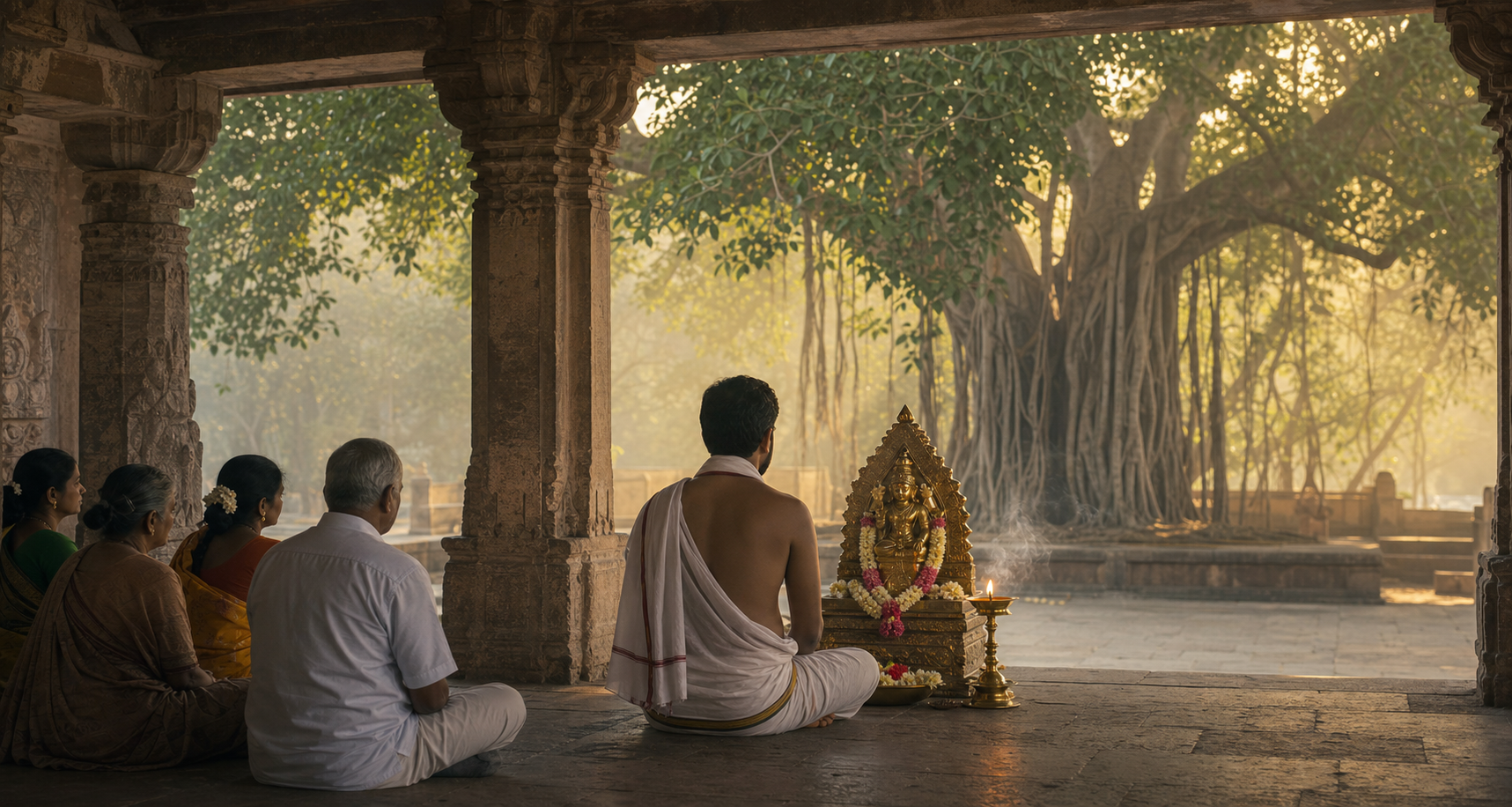
Prayer in the bhakti tradition, known as vandanam, is a core best practice of daily sadhana rather than an optional sentiment. Classical sources present it as one of the nine limbs of bhakti, with the capacitywhen practiced deeplyto orient the whole of spiritual life. Pranama-mantras address Bhagavan, the Deity, the Ācārya, and the Guru, cultivating…
-
The Peril of Vaishnava Aparādha: SB 11.1.13–15 and the Yadu Dynasty’s Devastating Fall

Srimad Bhagavatam 11.1.13–15 warns that mocking saintly personsillustrated by the Yadu youths disguising Samba as a pregnant womancarries devastating karmic and social consequences. Drawing on HH Guru Prasad Swami Maharaj’s insights, this analysis clarifies the doctrine of Vaishnava aparādha and shows how even technical fixes cannot undo moral causes. Readers gain precise context for the…
-
Conquering the Disease of Envy: SB 3.29’s Remedy for Respect, Ahimsa, and Dharmic Unity

This deep-dive, inspired by a Brambleton, VA discourse on May 21, 2026, examines why envy (īrṣyā, asūyā, mātsarya) is the principal obstacle to authentic respect and spiritual growth. Drawing on Srimad Bhagavatam 3.29, it maps how envy aligns with rajas and tamas and why non-envious devotion in sattva is essential. The analysis integrates parallel remedies…
-
The Quiet Architecture of Grief: Evidence-Based Ways Small Rituals and Memories Sustain Love

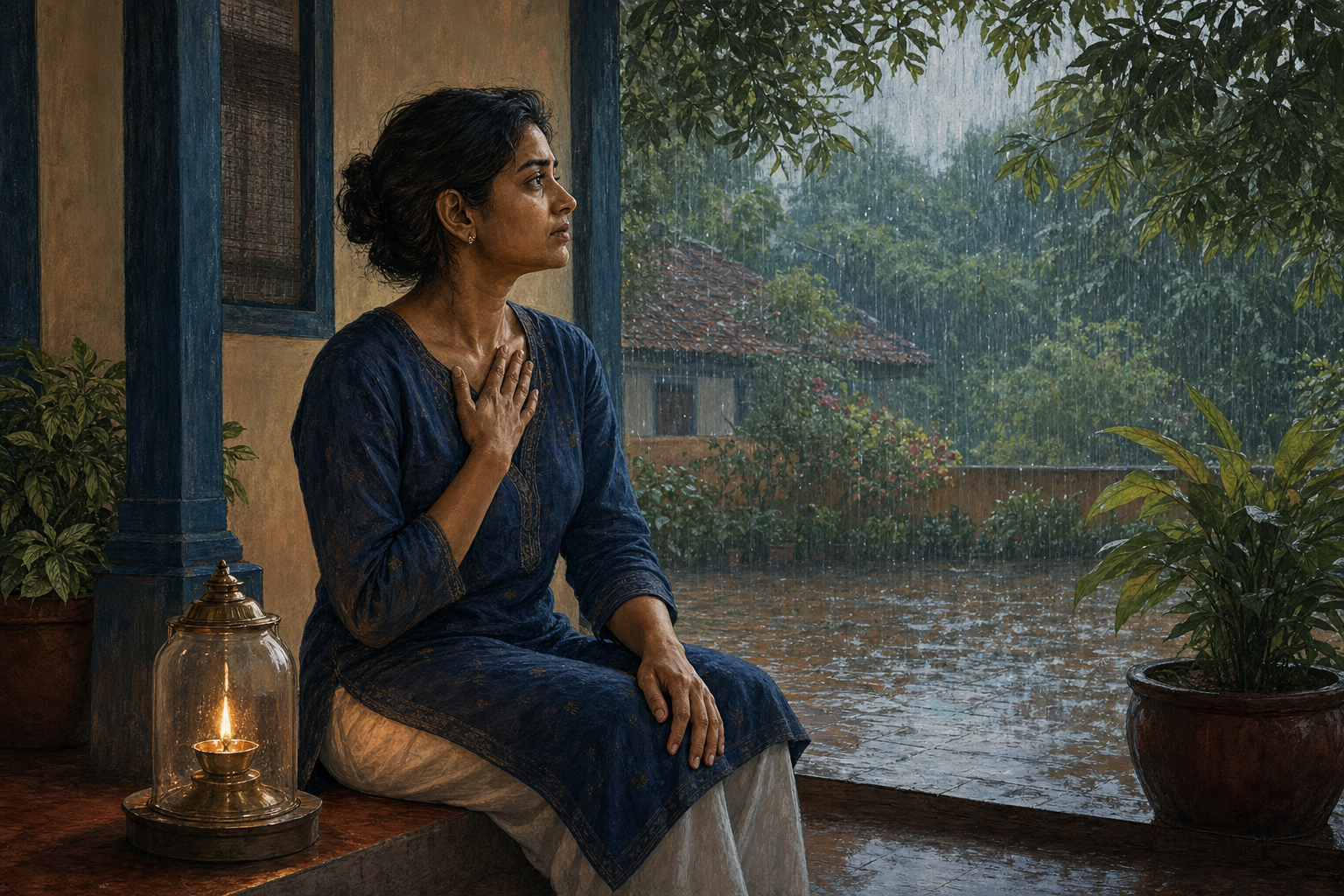
Grief seldom ends; it changes form. Using a clear case of companion‑animal loss, this piece explains how routine, memory, and community support help sustain love after bereavement without minimizing sorrow. Readers will learn key frameworks from contemporary bereavement scienceContinuing Bonds Theory, the Dual Process Model, disenfranchised grief, and post‑traumatic growthand how these map onto everyday…
-
Beyond the Chase: Hinduism’s Radical Blueprint for Lasting Happiness and Inner Freedom

This long-form analysis explains a core Hindu teaching: lasting happiness is revealed when the compulsive pursuit of happiness ends. It clarifies the difference between sukha (pleasure) and ananda (bliss), grounding the argument in the Upanishads, Bhagavad Gita, and Patanjali’s Yoga Sutra. Readers gain a rigorous framework for understanding moksha, along with a practical blueprint that…
-
Timeless Welcoming Grace: Ahuya–Varada Mudra in Hindu Iconography and Sculpture
Ahuya–Varada Mudra crystallizes a powerful promise in Hindu iconography: an invitation to approach, followed by the boon of grace. The analysis clarifies etymology and formAhuya as a welcoming inclination, Varada as the classic downward, open palmwhile distinguishing them from Abhaya. Drawing on Shilpa Śāstra canons, regional styles (Chola, Odishan, Pāla–Sena, Hoysala), and ritual practice, it…
-
What Is the Purpose of Creation? A Dharmic, Scholarly Guide to Līlā and Liberation

The question “What is the purpose of creation?” can be read most fruitfully through the dharmic idea of līlācosmic playwhere manifestation is a free, blissful self-expression rather than a utility-driven project. Hindu philosophy frames this across Advaita, Vişiṣṭādvaita, Dvaita, Śaiva thought, and Sāṁkhya–Yoga, uniting expressive freedom with ethical purpose and liberation (mokṣa). Purāṇic aesthetics and…
-
Easy vs Difficult in Krishna Consciousness: A Practical Guide to Compassion and Inner Discipline

Krishna Consciousness reframes everyday choices as a movement from easy reactions to difficult but transformative disciplines. Drawing on the Bhagavad Gita, Gaudiya Vaishnava texts, and the sadhana-bhakti tradition, it explains why judging others, impulsive speech, and harming are effortless habits, while introspection, restraint, and healing require cultivated virtue. Upadeshamrita and the Gita’s tapas of speech…
-
What Happens After Death? Garuda Purana’s Vivid Journey of the Soul, Karma, and Liberation

The Garuda Purana’s teachings on what happens after death combine vivid narrative with careful ethics and ritual guidance. Rather than inducing fear, these descriptions function as moral instruction, emphasizing accountability (karma), communal care (śrāddha and piṇḍa-dāna), and the ultimate aim of liberation (moksha). Read alongside Upaniṣadic psychology, death can be seen as akin to deep…