-
Vaikuntha Chaturmukha Vishnu Revealed: The Majestic Four-Faced Theophany of Kashmir

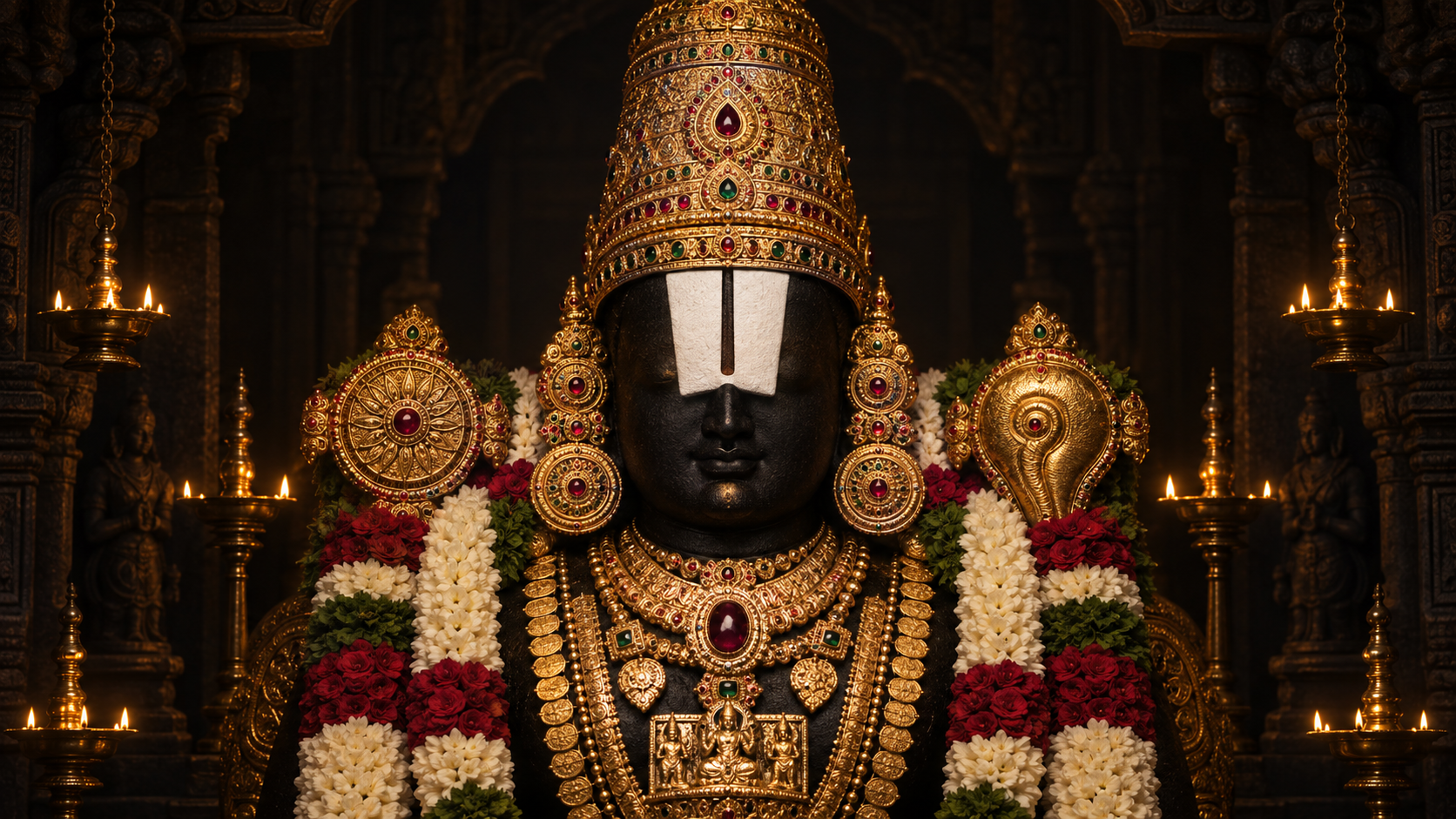
Vaikuntha Chaturmukha Vishnu—Kashmir’s four-faced theophany—unites avatara potency and Vaishnava theology in a single, compelling icon. Anchored in the Vishnudharmottara Purana and refined by early medieval Kashmiri ateliers, the image integrates the human, Narasimha, Varaha, and a hidden fierce face to express omnidirectional vision and cosmic guardianship. Readers gain a technical grasp of attributes, styles, and…
-
Beyond Sectarianism: Dharmic Wisdom for an Inclusive, Boundless Vision of the Divine

This essay examines the insight that a sectarian mind yields a defective image of the Divine, drawing on Hindu philosophy and the wider Dharmic traditions. It traces Vedic and Upanishadic roots of pluralism, explains the Bhagavad Gita’s inclusivism, and shows how Ishta, Advaita, Vishishtadvaita, and Dvaita approach the One-and-many problem without mutual negation. It integrates…
-
Decoding Kamadeva’s Five Arrows: How the Senses Shape Desire, Dharma, and Creation

Kamadeva’s five flower-tipped arrows and sugarcane bow form a precise allegory for how the senses animate desire and sustain the cosmic cycle of life. Read as psychology, the allegory maps stimulus, attention, valuation, and pursuit; read as theology, it integrates kāma into the puruṣārthas alongside dharma, artha, and mokṣa. The Madana-dahana narrative shows desire sublimated…
-
May 14, 2026 Panchang: Krishna Paksha Dwadashi to Trayodashi, Shubh Muhurat, Nakshatra, Rashi Guide

Thursday, May 14, 2026, features Krishna Paksha Dwadashi until 7:33 AM, followed by Krishna Paksha Trayodashi for the remainder of the day. This tithi sequence supports Ekadashi parāṇa on Dwadashi after sunrise and, where locally applicable, Shiva-focused Pradosh Vrat during pradoṣa-kāla on Trayodashi. As a Guru-vāra (Thursday), the day emphasizes learning, wise counsel, and satvika…
-
Dvaita vs Advaita in Hinduism: A Clear, Compassionate, Research‑Backed Guide to Vedanta

This research-backed guide clarifies the real differences between Dvaita and Advaita without reducing either system to caricature. It explains Advaita’s non-dual Brahman, Dvaita’s theistic realism, and why both accept the same core scriptures yet read them through distinct hermeneutics. Readers learn how Advaita’s three levels of reality and Dvaita’s Panchabheda lead to different, but equally…
-
Conquer Fear of Failure: Evidence-Backed Dharmic Practices to Unlock Peak Efficiency

Fear of failure often hijacks attention and slows execution just when performance matters most. This article integrates dharmic wisdom and behavioral science to convert that fear into steady, reliable efficiency. It explains how breath-first resets like Bhramari pranayama and Nadi Shodhana regulate arousal and restore cognitive control. It shows how Nishkama Karma reframes success around…
-
Nemili Sri Bala Tripurasundari Peetam, Vellore: Sacred history, rituals, darshan tips, and travel guide

Nemili Sri Bala Tripurasundari Peetam in the Vellore region (Ranipet district) is a revered house-temple 20 km from Kaveripakkam, where devotees worship Sri Bala—the powerful child-form of Tripurasundari—with intimate, precise Sri Vidya rituals. The shrine’s strength lies in its homely sanctity, meticulous daily puja, and Navaratri celebrations that blend tenderness with theological depth. Pilgrims can…
-
Bel Tala and Akal Bodhan: Durga’s Sacred Awakening That Empowered Lord Rama

Bel Tala—the sacred space beneath the bel (wood-apple) tree—anchors the Bodhan, the ceremonial awakening of Goddess Durga that inaugurates Sharadiya worship. Rooted in Bengal’s “Akal Bodhan” narrative linking Lord Rama’s victory to Durga’s boon, this rite integrates Vaishnava and Shakta currents while honoring nature as a living altar. The bel tree (Aegle marmelos) contributes both…
-
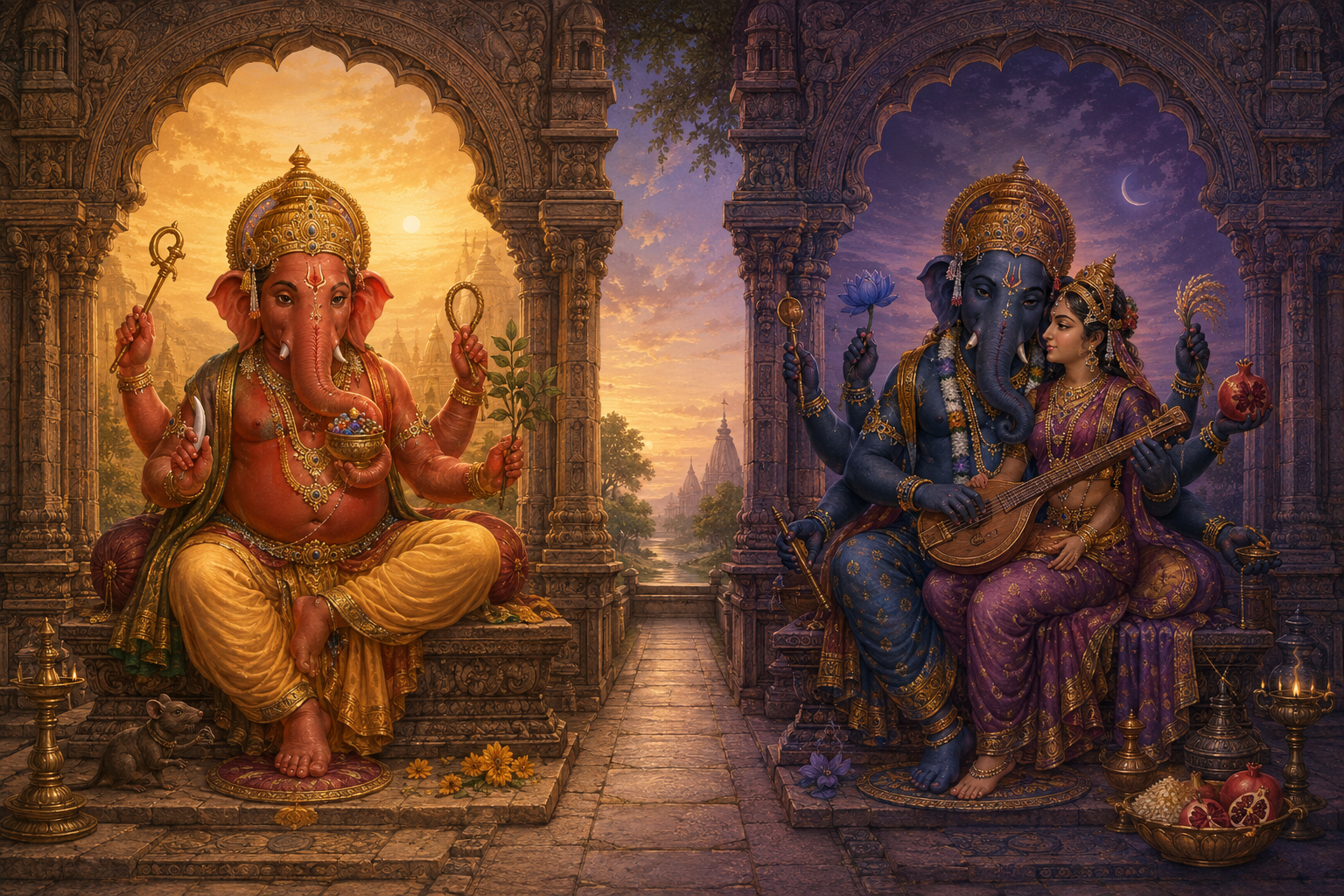
Why Hindu Gods Ride Animals: Transformative Psychology, Ecology, and Dharma of Vahanas

Hindu vahanas are not decorative curiosities but a precise language of symbols that translate spiritual psychology into memorable forms. By placing the deity (awareness) above the animal (energy), each icon teaches mastery of instinct and alignment with dharma. Ganesha’s mouse encodes control over small, easily overlooked habits; Subrahmanya’s peacock signals the sublimation of charisma and…
-
Japa Mala’s Sacred Power: Practice, Science, and Dharmic Unity to Cultivate Focus and Peace

Japa mala (prayer beads) is a precise contemplative tool shared across Hindu, Buddhist, Jain, and Sikh traditions to focus the mind, steady the breath, and nurture devotion. Drawing on classical sources such as the Yoga Sutra and the Bhagavad Gita, the practice unites mantra, rhythm, and touch to cultivate calm attention. The guide explains mala…
-
Bhagavan Parashurama: Warrior‑Sage Avatar of Vishnu Who Restored Dharma and Balance

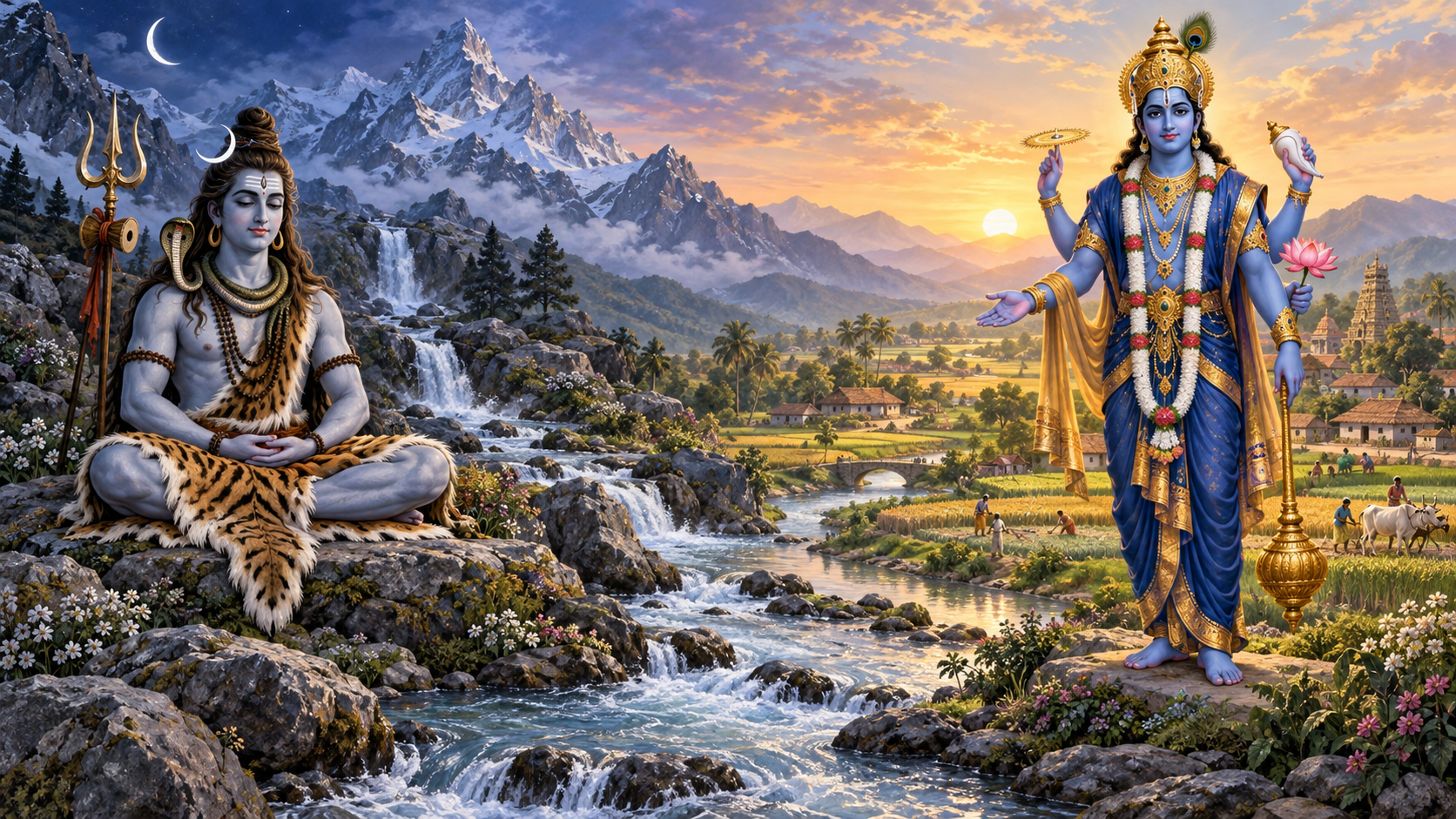
Bhagavan Parashurama, the sixth avatar of Vishnu and a devoted worshipper of Shiva, embodies the Hari–Hara unity at the heart of Sanatana Dharma. Drawing on the Bhagavata Purana, Vishnu Purana, the Mahabharata, and the Ramayana, this comprehensive essay explains how Parashurama restored ethical order when royal power became predatory, then withdrew in penance to model…
-
Mercury in the 3rd House (Budha): Powerful Lal Kitab Remedies for Siblings, Peace, and Prosperity

Mercury (Budha) in the 3rd house governs speech, siblings, and short travel, and when malefic it can erode peace of mind, strain family ties, and destabilize income and property matters. This guide explains how to diagnose an afflicted Budha using dignity, aspects, and planetary periods, then outlines a practical Lal Kitab protocol. It details mantra…
-
Omnipotence and Sacred Sound: Why Krishna’s Words Remain a Living Presence Across Traditions

Omnipotence in Vedic philosophy explains how Krishna remains in unbroken companionship with living beings through sacred sound. Vaishnava theology teaches nāma–nāmi abheda, the non-difference between the Divine Name and the Divine Person, grounding the transformative power of the Hare Krishna Mahāmantra. The principle of śabda-brahman shows that divine words are not merely symbolic; they are…
-
Dharma in Daily Life: A Scholarly Guide to Virtue, Justice, and Well-Being Across Traditions

Dharma functions as a living code of virtue in the Hindu way of life, guiding choices that uphold justice, compassion, and social harmony. This long-form analysis explains its textual roots in the Upanishads, Dharmashastras, and the Bhagavad Gita, and shows how Purusharthas integrate ethics with prosperity and fulfillment. It offers a practical decision framework for…
-
Panchamukhi Ganapati Explained: Five Faces, Five Elements, and Mastery of the Senses

Panchamukhi Ganapati symbolizes the integration of the five elements and the five senses, aligning personal practice with Vedic cosmology. Drawing on the Ganapati Atharvashirsha, this exploration shows how Ganesha is identified with Earth, Water, Fire, Air, and Ether. The five faces are read as guardians of perception, action, and awareness, mapped by many iconographers to…
-
Bhurishaya Bhairava: Unveiling the All‑Abundant Essence and Infinite Support of Existence

Bhurishaya Bhairava—one of the sacred 1008 names of Bhairava—encapsulates a Śaiva vision of existence as plenitude and support. Etymologically derived from bhūri (abundance) and śaya (resting/abiding), the epithet signals an inexhaustible ground of being in which the many both arise and find repose. Read through Kashmir Shaivism’s Bhairava triad (bha–ra–va), it highlights the sustaining rest…
-
Inside Danda Dhauti: The Rare Hatha Yoga Shatkarma—Sources, Physiology, Safety, and Relevance

Danda Dhauti is a rarely taught shatkarma in Hatha Yoga that aims to decongest the upper digestive tract, lighten the chest–throat region, and prepare practitioners for steadier pranayama and Raja Yoga. Classical sources like the Gheranda Samhita describe it under hrid-dhauti, alongside vamana and vastra variants. While its rationale aligns with yogic and Ayurvedic ideas…
-
Ace Your Hardest School Year with Dharmic Detachment: A Bhagavad Gita–Aligned Study Blueprint

Students often face a painful dilemma: work hard yet see mixed results, then oscillate between self-criticism and fatalism. A dharmic framework—rooted in the Bhagavad Gita and harmonized with Buddhism, Jainism, and Sikhism—replaces that false choice with a synthesis: disciplined, evidence-based effort joined to inner surrender of outcomes. This approach anchors study in karma yoga and…
-
Wildfire at Your Door: A Precise, Compassionate Evacuation and Go-Bag Plan That Saves Lives

A recent wildfire in Ventura County—scorching more than 230,000 acres and destroying hundreds of homes—highlights the need for an exact, humane evacuation plan. This comprehensive guide translates wildfire science and best practices into a clear, time-tiered checklist that prioritizes life safety, health continuity, identity protection, and post-evacuation recovery. It explains the “Ready, Set, Go” framework,…