-
Deeds Over Birth: Transformative Dharmic Wisdom on Karma, Dharma, and Social Equality

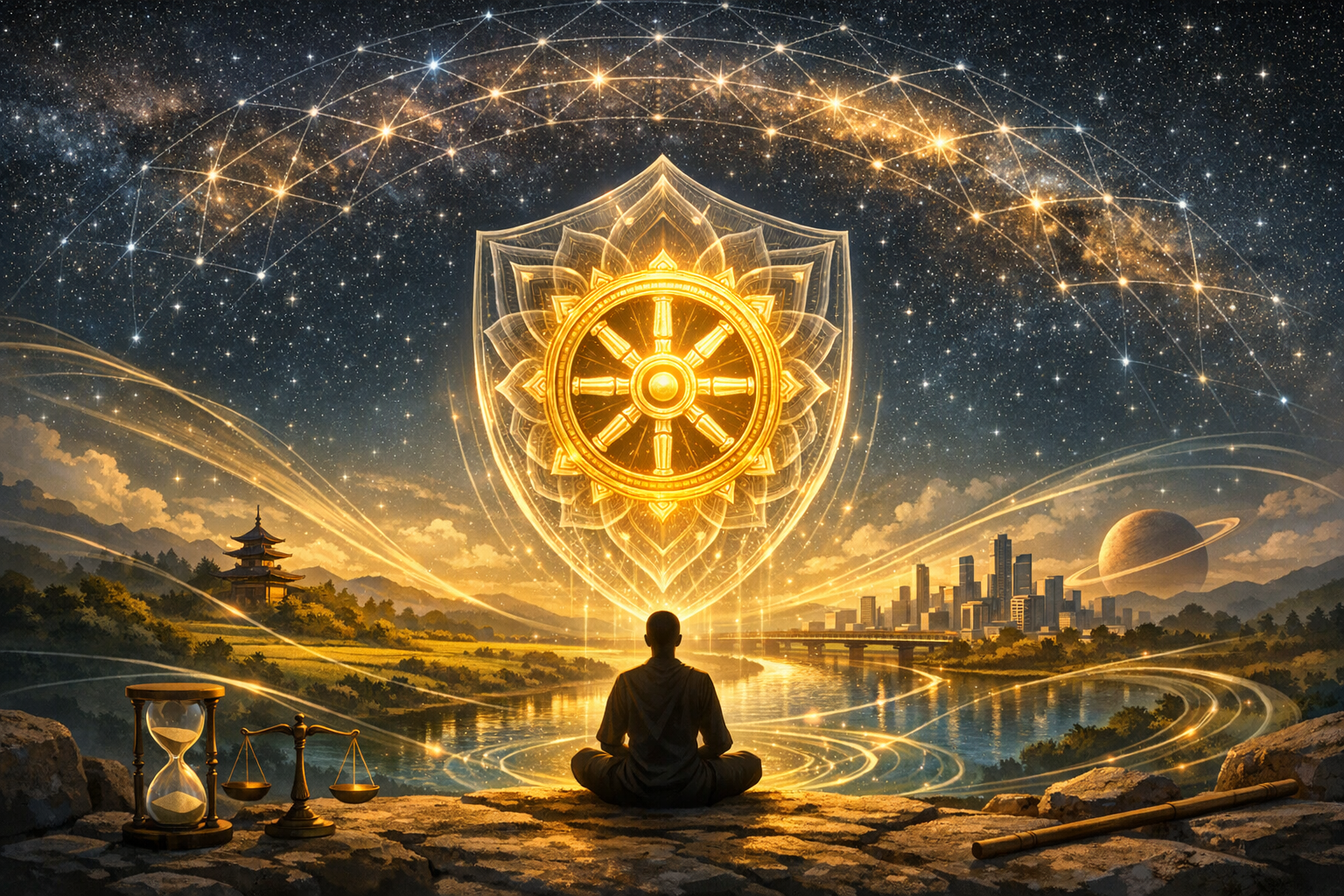
This post examines the dharmic teaching that dignity arises from deeds—not birth—and explains its roots in karma and dharma. It shows how Hinduism, Buddhism, Jainism, and Sikhism converge on this ethic, reinforcing unity in spiritual diversity. The narrative explores symbolism such as the wheel of karma and the scale of dharma to illustrate inner transformation.…
-
The Potter’s Gift and the Wasted Vessel: Hinduism’s Powerful Life Symbol and a Call to Purpose

The parable of the potter and the pot in Hinduism teaches that human life is a carefully crafted vessel meant to hold wisdom, compassion, and purposeful action. Read in the light of the Bhagavad Gita and the Upanishads, the vessel represents the body-mind where dharma is lived and moksha is pursued. The image resonates across…
-
From Deer to Owl: Unraveling the Powerful Animal Symbols of Goddess Lakshmi

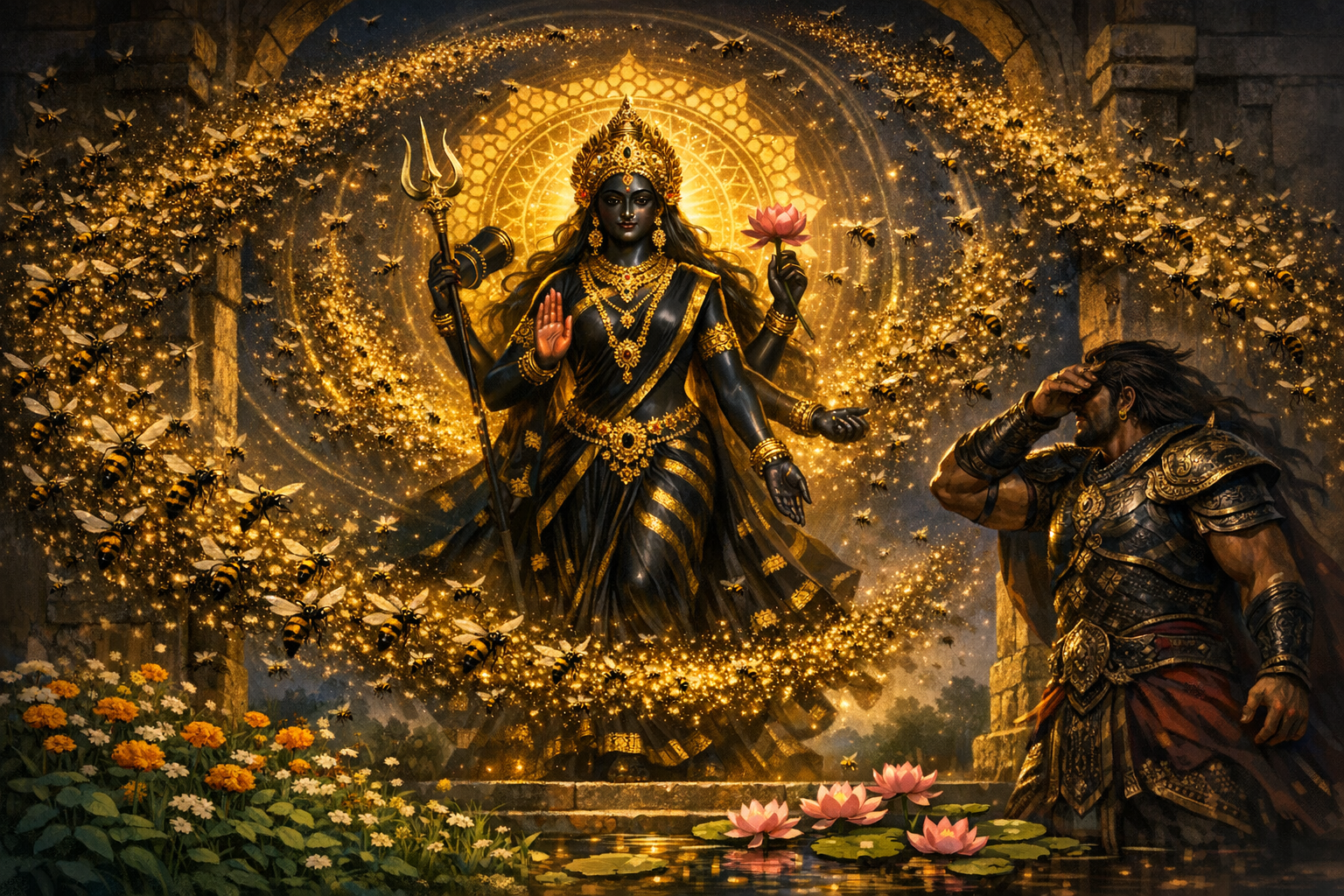
This essay explores how animals and birds—especially elephants, the owl (Ulooka), the deer, and cattle—shape the evolving iconography of Goddess Lakshmi. It highlights Gaja-Lakshmi as a classical symbol of rain-blessed abundance and royal order, and explains the owl’s regional prominence in eastern India as a guide to vigilant, ethical prosperity. It interprets the deer as…
-
November 14, 2025 Panchang: Navami to Dashami Transition, Timings, Meaning, and Observance Guide

This Panchang update for Friday, November 14, 2025, notes the transition from Krishna Paksha Navami to Krishna Paksha Dashami at 3:42 AM, with Dashami prevailing thereafter. Readers gain a clear, concise view of the tithi during the waning or dark phase of moon in most regions. The guide outlines the reflective tone of Krishna Paksha,…
-
Planets and Well-Being: Dharmic Insights on Macrocosm–Microcosm Harmony and Health

This article explores the dharmic idea that macrocosm and microcosm reflect one another, framing health as harmony between cosmic rhythms and human life. It explains how traditional mappings link planets to colors, grains, animals, body regions, and even fingers, using these correspondences as contemplative tools rather than deterministic claims. Readers learn how gentle mudras, mindful…
-
The Transformative Power of Divine Names: Vedas, Upanishads, and Epics for Inner Renewal

This reflection examines the power of divine names as preserved in the Vedas, Upanishads, Ramayana, and Mahabharata, highlighting how sacred sound directs the mind toward dharma. It presents chanting, mantra, and japa as disciplined practices that transform remorse into responsible action. The analysis emphasizes unity across Hinduism, Buddhism, Jainism, and Sikhism, where sacred names—such as…
-
Lal Kitab Remedies for Venus in the 8th House: Timelines, Rituals, and Everyday Protection

Lal Kitab describes Venus in the 8th house as a nuanced placement, often sensitive until age 11, with vulnerable windows around ages 27, 34, and 39–45. This overview organizes those timelines and presents practical, Venus-friendly remedies—Friday observances, ethical restraint, compassionate charity, and mantra—to steady relationships, finances, and emotions. The guidance emphasizes service (dāna), cleanliness, and…
-
Lalkitab Remedies for Mars in the 7th House: Compassionate Steps to Strengthen Marriage and Harmony

This guide presents Lalkitab remedies for Mars (Mangal/Kuja) in the 7th house with a unity-centered, non-fearful approach. It explains how to channel Mars’ energy into ethical conduct, calm communication, and compassionate service that strengthen marriage and partnerships. Practical steps include Tuesday vrata, mantra recitation (Om Kraam Kreem Kraum Sah Bhaumaya Namah), Hanuman puja, and Navagraha…
-
Why the 16 Samskaras Exclude Divorce: Sacred Purpose, Dharma, and the Role of Sannyasa

The 16 samskaras sanctify entry into life’s key stages, which is why a ritual for divorce does not appear among them. Vivāha is a consecration toward shared dharma, whereas dissolutions are handled through ethical and legal guidance, not sacramental rites. Sanyaasa illustrates how “letting go” is itself an initiation, not a deletion. Dharmashastras address separation…
-
Akhanda Dwadashi 2025 (Margasira Dwadasi): Sacred Vratam, Puja Steps, and Deeper Meaning
Akhanda Dwadashi (Dwadasha Aditya Vratam) is observed on the bright-fortnight Dwadashi of Margashirsha; in 2025 it falls on 2 December 2025. The vrata, dedicated to Lord Krishna and aligned with contemplative study in this month, emphasizes steady devotion, ethical restraint, and charity. Traditionally structured in three phases across a year, it supports a sustained, practical…
-
Radical Self-Honesty: Confronting Inner Lies to Heal, Find Sobriety, and Rebuild

This reflective account traces a transition from denial to sobriety through radical self-honesty and practical, repeatable habits. It examines how internalized lies sustain addiction and how quiet, consistent truth-telling rebuilds self-awareness, stability, and connection. Readers gain clear, actionable guidance—name the minimizing inner voice, sit with discomfort, and allow supportive relationships. The narrative underscores that meaningful…
-
Broken Pot in Hindu Death Rituals: Powerful Symbolism of Impermanence, Grief, and Liberation

In Hindu death rituals, the breaking of a clay pot during Antyeṣṭi powerfully symbolizes impermanence, the release of attachments, and the soul’s onward journey. The water’s steady drip reflects the fading of prāṇa, while the final shatter marks the clear separation of body and atman. This rite provides emotional structure for mourners, transforming raw grief…
-
The Transformative Power of Divine Names: Vedas, Epics, and Dharmic Unity
Divine names, celebrated in the Vedas, Upanishads, Ramayana, and Mahabharata, provide a practical discipline to steady attention, calm the breath, and strengthen ethical living. By anchoring the mind in nāma-smaraṇa or japa, practitioners experience reduced stress and clearer moral judgment. The same principle appears across Buddhism (Om Mani Padme Hum), Jainism (Namokar Mantra), and Sikhism…
-
Lal Kitab Remedies for Venus in the 8th House: Timelines, Cautions, and Harmonious Upāyas
Lal Kitab views Venus in the 8th house as a sensitive placement that benefits from ethical conduct and simple, compassionate upāyas. Traditional guidance notes heightened care until the 11th year of life, with additional sensitivity around ages 27, 34, and 39–45. Readers will learn practical Friday observances, charitable acts with white items, and daily disciplines…
-
Lal Kitab Remedies for Mars in the 7th House: Practical Steps to Harmonize Partnerships

This article explains Lal Kitab remedies for Mars (Mangal/Kuja) in the 7th house with clear, practical steps to harmonize marriage and partnerships. It reframes classical cautions as ethical calls to safeguard family bonds—especially through respectful conduct toward women—rather than fatalistic predictions. Readers learn actionable upāya: Tuesday vrata, dāna of Mars-associated items, Hanuman devotion, and the…
-
SB 3.20.3 with Nagaraja dasa: Timeless Wisdom from Maitreya–Vidura at ISKCON Alachua (2025)

Delivered at the Hare Krishna temple in Alachua on October 31, 2025, this class by Nagaraja dasa explores Srimad-Bhagavatam 3.20.3 as a model for disciplined, compassionate inquiry. It clarifies how the Maitreya–Vidura dialogue blends rigorous reasoning with devotional insight, guiding seekers to approach scripture with humility and purpose. The session draws meaningful bridges across dharmic…
-
From Prosperity to Renunciation: Srila Prabhupada’s Transformative Sannyasa Call

Srila Prabhupada’s recollection of his sannyasa initiation reveals a decisive shift from material success to spiritual surrender. He openly shared how business achievements gave way when “Krishna made so trick that He broke everything,” prompting acceptance of sannyasa. This surrender, affirmed as the will of Hari, guided his journey to the West “with only seven…
-
Timeless Principles for Krishna Conscious Family Life: Culture-Sensitive, Dharmic Harmony

Krishna Conscious family life remains faithful to Srila Prabhupada’s teachings while adapting wisely to time, place, and circumstance. By prioritizing principles over rigid forms, families preserve authenticity and engage local culture with integrity. This approach aligns with the Hindu family system, supports Hindu spirituality and the Bhakti Tradition, and affirms unity in spiritual diversity across…
-
Vrishabha Lagna (Taurus Ascendant): Timeless Traits, Mindset, and Life Path Insights
Vrishabha Lagna (Taurus Ascendant) is the second rising sign in Hindu Astrology, shaping physical features, temperament, and behavior. Typical traits include a sturdy build, bright eyes, and a resonant voice, paired with patience, loyalty, and practical judgment. The influence of Shukra (Venus) enhances aesthetics, stability, and creative appreciation. Health focus areas include the neck and…