-
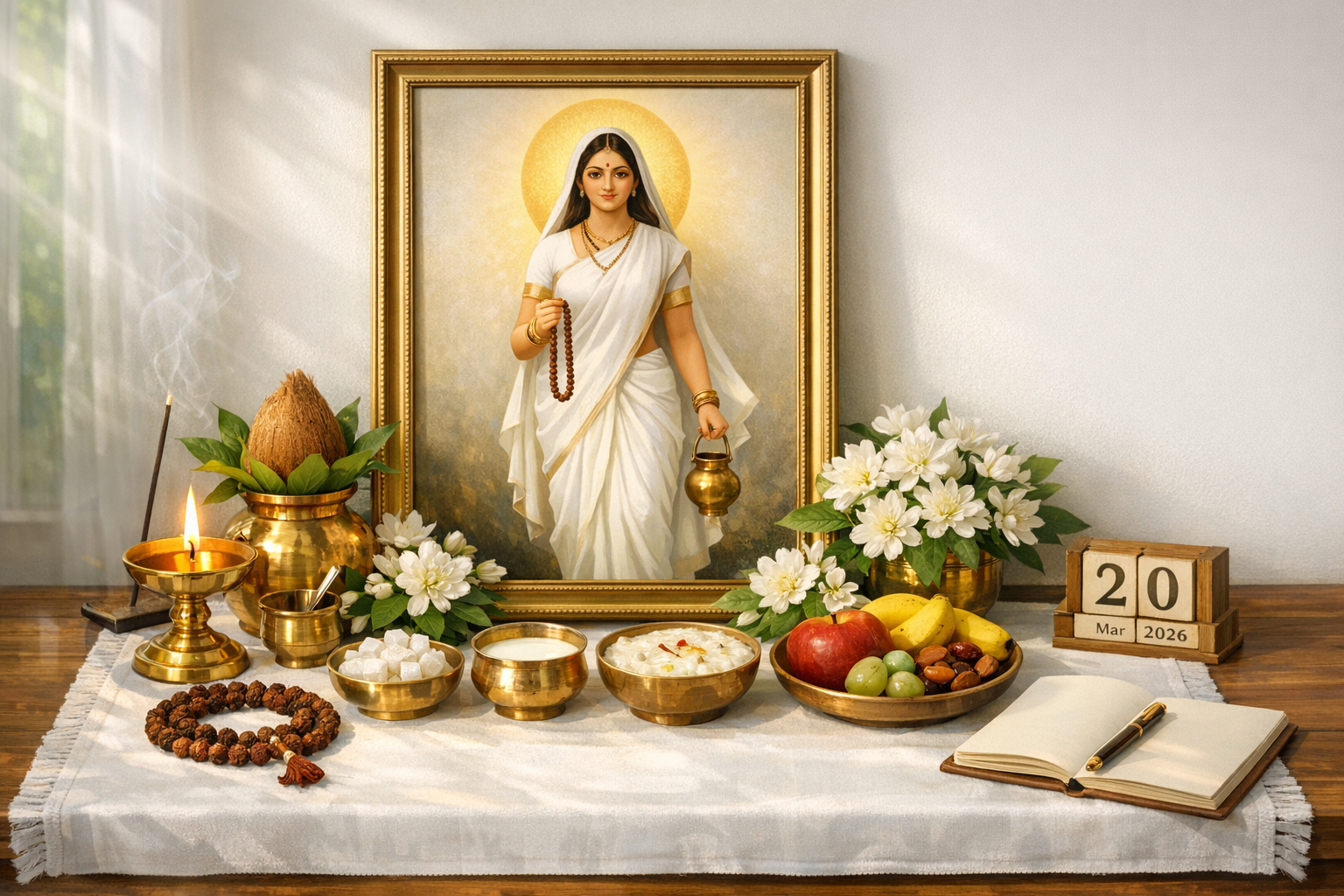
Manifestation of Maa Lakshmi: A Timeless Brahma Purana Tale of Dharma and Prosperity

The Brahma Purana recounts how Maa Lakshmi manifested during the Samudra Manthan, when devas and asuras churned the Ocean of Milk under Lord Vishnu’s guidance. The story teaches that enduring prosperity rests on dharma, cooperation, and disciplined effort. Lakshmi’s lotus-seat symbolizes purity, while her choice of Vishnu signifies prosperity aligned with order and compassion. Readers…
-
Why Temples Offer Alcohol to Kal Bhairav: Tantric Symbolism, Fearlessness, and Grace

Kal Bhairav’s acceptance of alcohol offerings in select Hindu temples embodies a Tantric teaching: transforming raw, potentially destabilizing energies into fearlessness and moral clarity. Rooted in Shaiva and Shakta traditions, and resonant with Vajrayana Buddhism, the ritual encodes the alchemy of turning “poison” into medicine through consecration and disciplined intent. Temples such as Ujjain’s Kal…
-
Why Ganesha Is Invoked First: Sacred Reasoning, Auspicious Beginnings, and Vighnaharta’s Grace

Hindu tradition invokes Ganesha first in pujas and rituals to secure auspicious beginnings and remove obstacles. Scriptural sources portray Ganapati (Vinayaka, Vigneshwara, Ekadanta, Lambodara) as the guardian of thresholds and the embodiment of discernment. Ritual practice affirms this priority through sankalpa, guru-ganesha dhyānam, and the mantra “Om Gam Ganapataye Namah.” Devotees widely experience calm and…
-
Sati and Daksha Yagya: A Timeless Puranic Lesson on Dharma, Dignity, and Unity

Sage Pulastya’s response to Bhishma situates Sati’s self-immolation within a clear ethical frame: Daksha’s grand yagya, conducted without inviting Shiva, exposed the dangers of pride and exclusion in ritual life. Sati’s choice, presented as solemn yogic resolve, protested the insult to devotion and the abuse of religious authority. Shiva’s subsequent intervention halted the disorder, yet…
-
Lakshmi’s Radiant Manifestation in Samudra Manthan: A Timeless Lesson in Hope and Dharma

The Brahma Purana recounts the Manifestation of Maa Lakshmi as a disciplined response to crisis, where devas heed Vishnu’s counsel and undertake the Samudra Manthan. The narrative situates prosperity within dharma, showing how collective effort and ethical intent invite auspicious outcomes. Lakshmi’s emergence from the Kshira Sagara symbolizes purity, resilience, and the union of abundance…
-
Beyond Narcissistic Abuse: Evidence-Based Healing, Somatic Recovery, and Safe, Lasting Love

This reflective analysis traces the arc from narcissistic abuse to secure, ethical love through evidence-based healing and dharmic principles. It distills complex experiences into practical steps: belief work, somatic regulation, body-based listening, and firm boundaries. Readers gain a clear framework for choosing safe people and defining relationship standards rooted in integrity and mutual care. The…
-
Piercing Shunya: Kashi’s ‘Pagal Baba’ on Effulgent Truth and the Infinite Void

This rigorously documented Kashi encounter presents the profound teachings of the saint known as the “Pagal Baba,” framed within a careful, comparative dharmic lens. It maps a structured ascent through Jagat-Surya, Praṇava, Bindu, and luminous Jyotis toward the elusive Nirañjana Jyoti. The discussion of Shunya—layered, vast, and culminating in Ananta Shunya—offers rare clarity on the…
-
Decoding Havis in Vedic Sacrifices: Sacred Offerings Sustaining ṛta and Shared Dharma

Havis, the sanctified offering in Vedic sacrifices, serves as a disciplined bridge between humans and the divine, sustaining cosmic order or ṛta. Grounded in the Vedas and expressed through yajna and homa, it unites devotion, ethics, and community. A practical five-fold schema clarifies common offerings such as ghee, grains, milk preparations, sesame and barley, and…
-
12 Jyotirlingas by Rashi: Unlock Auspicious Blessings and Clarity with Your Zodiac Temple

This article presents the traditional view in Jyotish that associates each Rashi (zodiac sign) with one of the twelve Jyotirlingas, offering a thoughtful way to focus devotion and intention. It explains how a Rashi-aligned pilgrimage functions as a contemplative aid rather than a rigid rule. Practical guidance covers identifying the Moon-based Janma Rashi, setting a…
-
Surpanakha’s Karmic Odyssey: Desire, Dharma, and Redemption in Brahma Vaivarta Purana

This article explores Surpanakha’s story as a karmic odyssey across yugas, drawing on the Ramayana and interpretive Puranic traditions associated with the Brahma Vaivarta Purana. It examines how desire, when unguided by dharma, invites consequence yet also opens pathways to learning and inner refinement. Readers gain an emotionally resonant, academically grounded view that balances compassion…
-
Murugan Born from Shiva’s Third Eye: Decoding Iccha Shakti and the Path of Sacred Will

This article explores Murugan’s birth from Shiva’s third eye as a luminous teaching on Iccha Shakti—divine will aligned with wisdom. It explains the Puranic narrative, including the six sparks, the Krittikas, and the unification into Shanmukha, and interprets their symbolic meaning. Readers gain a clear framework for understanding Iccha, Jñāna, and Kriyā Shakti as complementary…
-
Trapped Yet Aware: Awakening From a 23-Year Nightmare and the Call for Compassion

A widely reported case described a Belgian man believed to be in a coma for 23 years who was actually conscious throughout, illuminating urgent questions about consciousness, communication, and medical ethics. His testimony—”I screamed, but there was nothing to hear”—reveals the lived trauma of awareness without a voice. The account underscores the need for clinical…
-
Grace on the Temple Floor: A Sweetball, Surrender, and Srila Prabhupada’s Blessing

A crowded darshan in New Dwaraka revealed how surrender in service can invite unexpected grace. As Srila Prabhupada tossed sweetballs, one rolled through the packed temple to reach Omkara devi dasi at the very moment she bowed in departure. This seemingly impossible detail became a vivid emblem of Guru’s Blessings and the sanctity of prasadam…
-
Keep Your Feet on the Ground: Timeless Dharmic Humility and Detachment for Modern Life

Groundedness, understood as humility and realism, aligns with dharmic ethics across Hinduism, Buddhism, Jainism, and Sikhism. Anchoring conduct in dharma and tempering outcomes with vairagya cultivates equanimity amid modern pressures. The Bhagavad Gita’s emphasis on samatvam mirrors contemporary insights on mindfulness and well-being. Practically, this approach strengthens leadership, relationships, and community trust. Everyday examples show…
-
Beyond the Seeker’s Paradox: Unveiling “You Are That” and dissolving the illusion of separation

This essay explores the Advaita Vedānta insight expressed in “You cannot know That; You are That,” showing how objectifying the Absolute sustains the illusion of separation. It clarifies why tat tvam asi affirms identity rather than distance and how śravaṇa–manana–nididhyāsana stabilize non-dual understanding. Practical guidance highlights self-inquiry, meditation, and breath awareness as means to quiet…
-
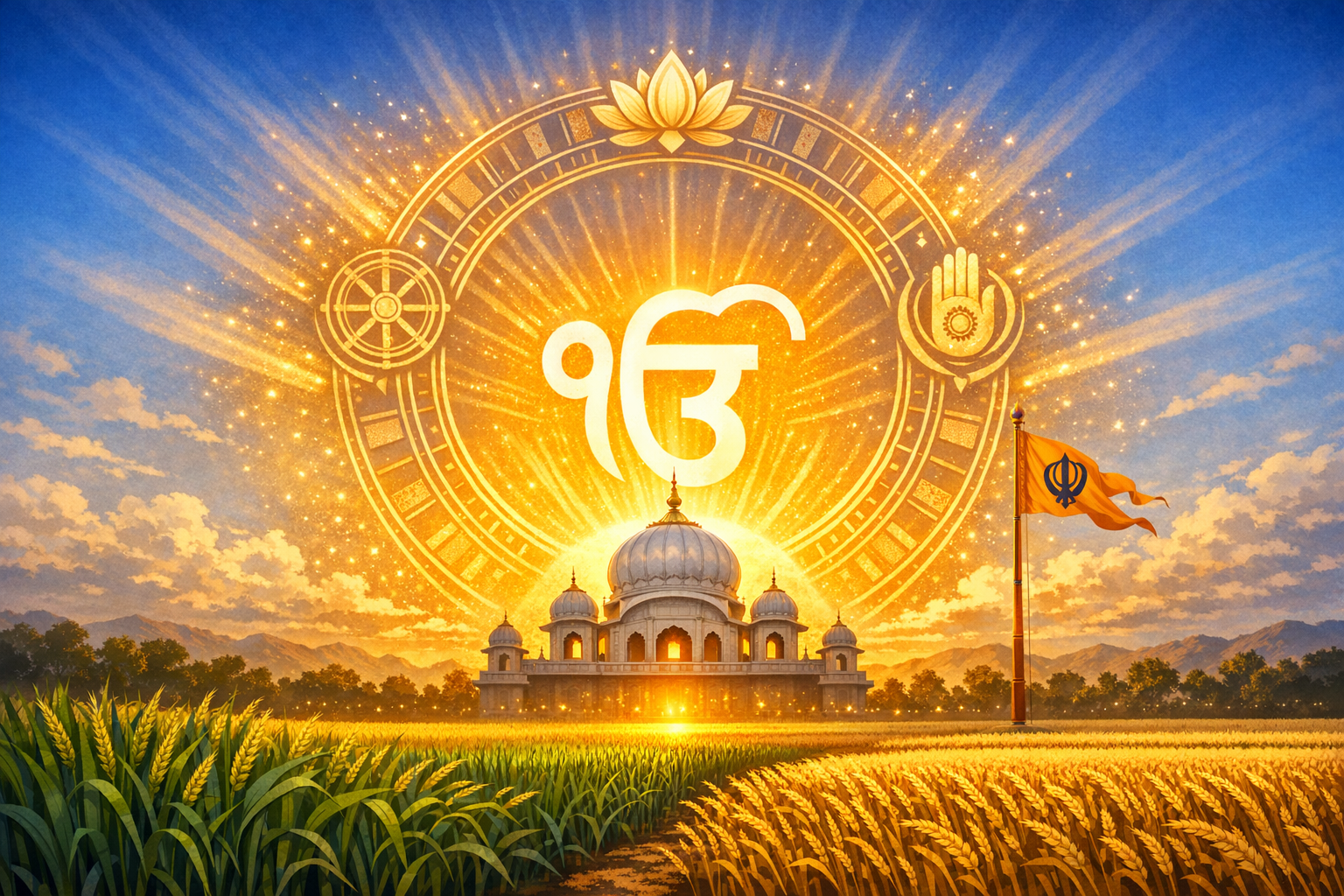
Guru Nanak’s Timeless Guidance: Seven Life‑Changing Teachings for a Fractured World

Guru Nanak’s teachings offer a precise, compassionate framework for modern life while aligning with the shared dharmic values of Hinduism, Buddhism, Jainism, and Sikhism. Naam Japna establishes inner steadiness; Kirat Karo restores dignity in ethical work; and Vand Chhako converts private success into public resilience. Sarbat da Bhala widens compassion to the whole community, while…
-
Why Souls Reincarnate: A Profound Look at Karma, Play, and Purpose in Birth and Death

Why do souls return to life again and again? Drawing on Sri Sri Ravishankar’s Satsang insight, this piece reframes reincarnation through the analogy of play: repetition serves growth, not redundancy. It explains samsara and karma in accessible terms and highlights how Hinduism, Buddhism, Jainism, and Sikhism converge on ethical living and liberation. Readers gain a…
-
Prasnam Astrology (Prasana Jothidam): Timeless Guidance, Ma Shakti’s Grace, Practical Clarity

Prasnam Astrology (Prasana Jothidam) is a Vedic inquiry method that aligns a sincere question with the chart of its moment, seeking clarity and the grace of Ma Shakti Devi. Practitioners examine Lagna (Ascendant), Nakshatra, planetary lords, and Panchang elements, sometimes integrating ritual omens in lineages such as Kerala’s Ashta Mangala Prasnam. The approach emphasizes ethical…