-
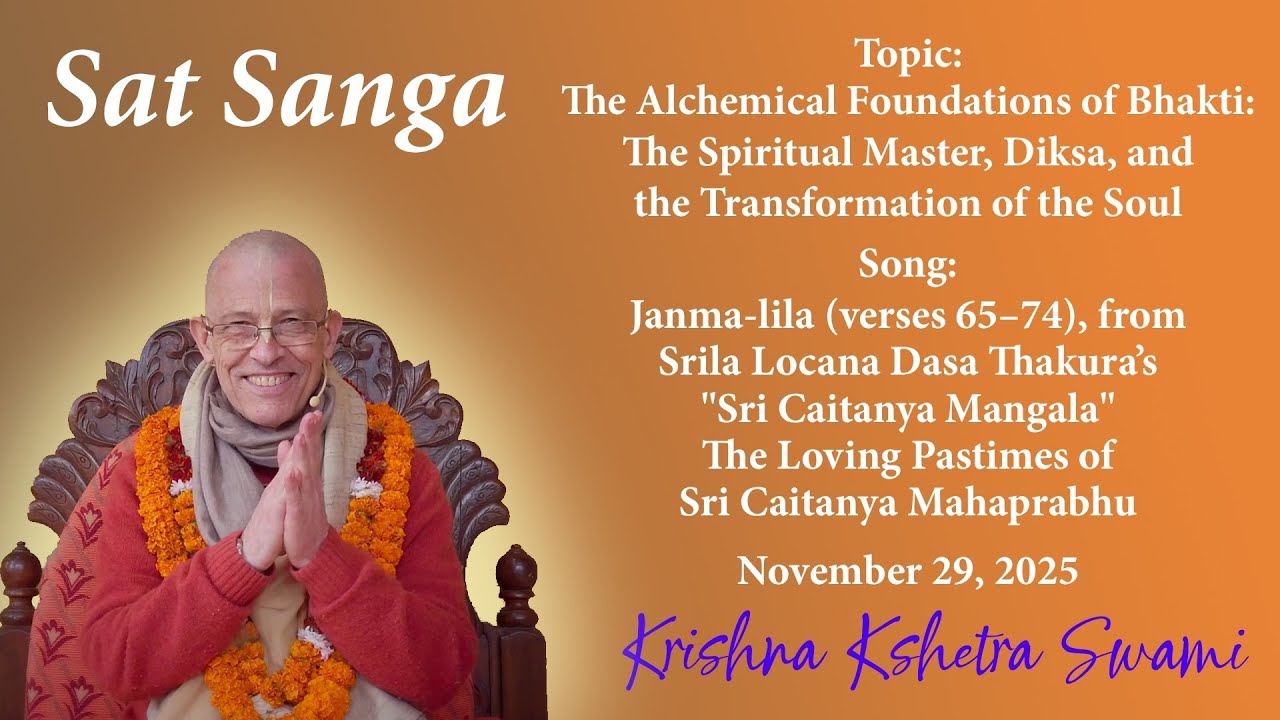
SB 3.20.3 with Nagaraja dasa: Timeless Wisdom from Maitreya–Vidura at ISKCON Alachua (2025)

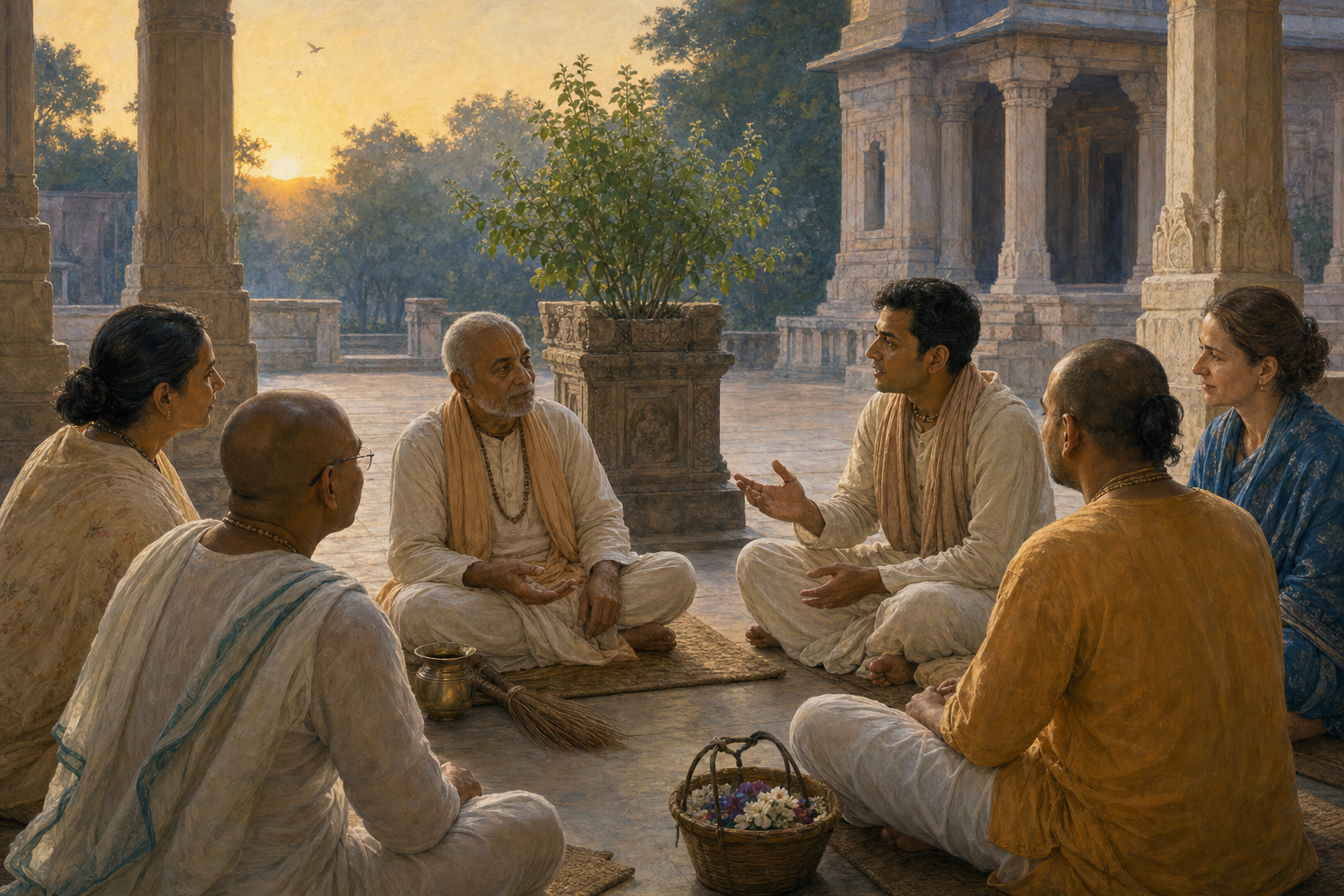
Delivered at the Hare Krishna temple in Alachua on October 31, 2025, this class by Nagaraja dasa explores Srimad-Bhagavatam 3.20.3 as a model for disciplined, compassionate inquiry. It clarifies how the Maitreya–Vidura dialogue blends rigorous reasoning with devotional insight, guiding seekers to approach scripture with humility and purpose. The session draws meaningful bridges across dharmic…
-
Gita Jayanti 2025: Date, Significance, and Inspired Observances on Mokshada Ekadashi

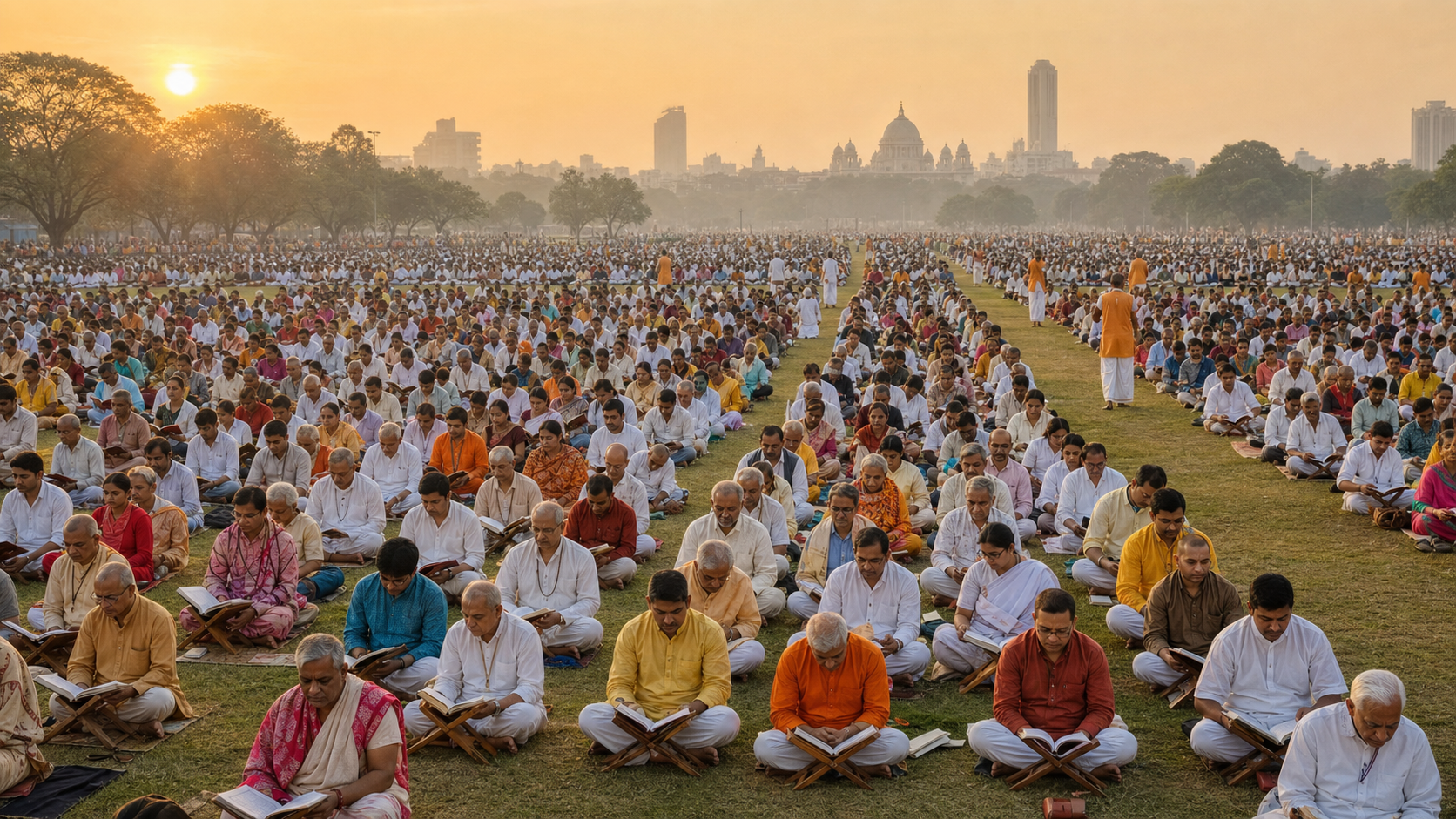
Gita Jayanti 2025 falls on December 1, coinciding with Mokshada Ekadasi during the Margashirsha Shukla Paksha. Recognized as the origination day of the Srimad Bhagvad Gita, it highlights the timeless dialogue that clarifies dharma and ethical action. The observance encourages fasting, recitation, study circles, and community satsangs that make the scripture’s insights practical and uplifting.…
-
Gita Jayanti 2025: December 1 Date, Mokshada Ekadashi Meaning, and Timeless Dharma

Gita Jayanti 2025 falls on December 1, aligning with Mokshada Ekadashi (Shukla Paksha Ekadashi) in the Margashirsha month. The day honors the revelation of the Bhagavad Gita, a unifying scripture of dharma, jnana, bhakti, and karma yoga. Observances include Ekadashi fasting, Gita parayana, japa, satsang, and acts of dana. Practical suggestions—such as studying one chapter,…
-
Decoding Madanaparijata: Vishveshwara Bhatta’s Timeless 14th‑Century Dharmashastra Masterwork

Madanaparijata by Vishveshwara Bhatta (c. 1360–1390 CE) is an extensive Sanskrit digest of Dharmashastra that integrates legal, ethical, and ritual guidance. Set within a medieval Indian courtly milieu north of Delhi, it showcases the sophistication of Hindu legal history and the practical organization of normative conduct. The text’s balanced approach makes complex duties and social…
-
SB 1.2.18: Purify the Heart with Bhagavata Association—From Obstacles to Steadfast Bhakti

Śrīmad-Bhāgavatam 1.2.18 prescribes a proven remedy for inner purification: nityaṁ bhāgavata-sevayā, consistent association with the Bhāgavata through scripture and saintly company. This approach combines disciplined study of the “book bhāgavata” with the transformative influence of the “devotee bhāgavata.” HG Anuttama prabhu’s insights emphasize practical steps—regular classes, reflection, and service—that gradually dissolve mental agitation and cultivate…
-
Sundarakanda Parayana Procedures: A Clear, Devotional Guide to Parayanam Vidhanam for Courage and Grace

This guide presents Sundarakanda Parayana Procedures (Sundarakanda Parayanam Vidhanam) in a clear, flexible format that suits home and community practice. It explains essential preparation—clean space, sankalpa, lamp, and sattvik offerings—and a simple step-by-step sequence for focused recitation and graceful conclusion. Multiple day-wise schedules are outlined, from 1-day to 41-day observances, so practitioners can match pace…
-
Gavamayana Yajna Unveiled: Meaning, Ritual Structure, and Lessons for Dharmic Unity
Gavamayana Yajna, a classical Vedic Sattrayaga, exemplifies collaborative sacrifice in ancient Hinduism where priests also serve as yajamanas. The ritual’s structure, grounded in Shrauta protocols and Vedic recitation, unfolds through coordinated roles and extended phases that emphasize precision and continuity. Symbolically tied to nourishment and well-being, Gavamayana encodes an ethic of reciprocity with the natural…
-
Witness and Wanderer: Muṇḍaka Upaniṣad on Karma, Divine Grace, and the Soul’s Journey

This reflection from ISKCON Delhi presents the Muṇḍaka Upaniṣad’s clear distinction between the Lord as witness and the living entities as experiencers of karmic results. It shows how karma, desire, and grace interweave to guide the soul’s journey across bodies and worlds. CC Madhya Lila 6.162 adds a devotional dimension, highlighting the vital role of…
-
Para Prakriti in the Bhagavad Gita: Unveiling Higher Consciousness and Inner Freedom
This article clarifies the Bhagavad Gita’s teaching on para and apara prakriti, showing how the eightfold apara field relates to body, mind, and ego, while para prakriti points to the living awareness that enlivens experience. It references key verses (7.4–7.5, 15.7) and explains their practical relevance for yoga, meditation, and ethical life. Readers gain a…
-
Gurbani Exegesis and Japji Commentaries: Illuminating Tradition, Unity, and Future Pathways

A webinar hosted by Naad Pargaas Australia explored “Exegesis of Gurbani and the Commentaries on Japji,” emphasizing rigorous yet devotional approaches to Sikh scripture. The discussion balanced linguistic precision, historical context, and lived practice to clarify Japji Sahib’s enduring relevance. Speakers situated Sikh hermeneutics within a wider dharmic landscape, strengthening unity across Hinduism, Buddhism, Jainism,…
-
Surpanakha Unveiled: The Powerful Etymology, Symbolism, and Dharma Lessons in the Ramayana

Names in the Ramayana carry layered meanings that guide ethical understanding, and Surpanakha is a vivid example. This piece explains the Sanskrit etymology of Surpanakha (śūrpa + nakha) and shows how the name functions as narrative symbol and moral cue. It places the episode within the Valmiki tradition while acknowledging later retellings that frame the…
-
Selfless Love Like the Gopīs: Ādi 4.170 and Bhagavad-gītā’s Call at ISKCON Vrindavan

Drawing on Śrī Caitanya-caritāmṛta Ādi 4.170 and the Bhagavad-gītā, this reflection from ISKCON Vrindavan presents a clear, practical path: shift from sense gratification to devoted, selfless service. It explains how duties and relationships become offerings when aligned with the will of the Supreme Lord, following the gopīs’ exemplar of unwavering love. The analysis shows that…
-
Padma, Sovereign of the Nagas: Mahabharata Lessons for Inner Harmony and Unity

Padma, the king of serpents in the Mahabharata, emerges as a model of sovereign wisdom anchored in dharma. Cited in Sabha Parva 9 and Shanti Parva 363–371, his presence signals ethical leadership founded on reflection, restraint, and care for the vulnerable. Serpent symbolism frames Padma as a guardian of life’s sources and a custodian of…
-
Lesser-Known Vanara General Rambha in the Ramayana: Lion-Hearted Commander of Lanka’s Fall

This article explores the lesser-known figure of Vanara General Rambha as portrayed in certain regional and popular retellings of the Ramayana. It clarifies how the Valmiki Ramayana lists other principal leaders, while later traditions sometimes expand the vanara roster to teach enduring virtues. Readers gain a clearer view of textual variation without losing sight of…
-
Brahmavada in the Srimad Bhagavata Purana: Unveiling Non-Dual Wisdom that Unites Dharmic Paths
This essay explores Brahmavada in the Srimad Bhagavata Purana as a non-dual (Advaita) teaching that recognizes Brahman as the Absolute while seeing the world as Brahman’s expression. It clarifies how the Purana harmonizes devotion (bhakti) and knowledge (jnāna), showing them as complementary paths to the same Truth. Readers gain an accessible understanding of Advaita Vedanta…
-
Sibling Bonds in the Ramayana: Timeless, Powerful Lessons on Dharma and Unity in Kaliyuga

The Ramayana’s sibling bonds offer a clear ethical framework for Kaliyuga, modeling fraternal love, duty, and sacrifice through Rama, Bharata, Lakshmana, and Shatrughna. Bharata’s stewardship under Rama’s paduka exemplifies humility and accountability over ambition. Rama and Lakshmana illustrate complementary roles and counsel in crisis, while Shatrughna’s quiet service honors the dignity of unseen labor. These…
-
Srimad Bhagavatam 3.21.32: Unveiling Divine Expansions and the Unity of Dharmic Paths

Srimad Bhagavatam 3.21.32 explains how the Supreme is one yet manifests as many through kalā, svāṁśa, and vibhinnāṁśa. The passage distinguishes viṣṇu-tattva forms like Vāmana, Govinda, and Nārāyaṇa (svāṁśa-kalā) from ordinary living beings (vibhinnāṁśa). This precise vocabulary aids careful study and deepens devotional focus. Readers find that these insights foster humility, compassion, and ethical service…
-
Gajendra Moksha: Lord Vishnu’s Swift Compassion and the Timeless Path to Liberation

This retelling of Gajendra Moksha presents a clear, academically grounded account of Lord Vishnu’s swift response to sincere devotion. It explains the symbolism of the lotus, Garuda, and the Sudarshana Chakra to illuminate how bondage is cut and moksha is revealed. Readers gain practical insights—mindful remembrance, meditation, and service—to navigate modern challenges. The narrative highlights…