Category: Scriptures

  • Essential Guide to Bhakti: Discover Devotion in the Srimad Bhagavata Purana for Moksha

    Essential Guide to Bhakti: Discover Devotion in the Srimad Bhagavata Purana for Moksha

    I share how the Srimad Bhagavata Purana reveals Bhakti as a living, practical path to spiritual liberation. In my experience, devotion is not a ritual but a heartfelt relationship with the Divine that guides everyday choices. The text’s focus on Bhakti as the means to attain moksha makes it timeless and accessible. Through chanting, katha,…

  • The Poetry of Algebra: How India Contributed to the Logic of Indeterminate Equations

    The Poetry of Algebra: How India Contributed to the Logic of Indeterminate Equations

    This blog post explores the contributions of ancient Indian mathematicians Bhaskara, Brahmagupta, and Aryabhata to algebra, highlighting their work on indeterminate equations. It emphasizes the poetic beauty of algebra and its enduring legacy, connecting historical mathematical innovations to modern technology and the development of computers in India.

  • Parliament Of The World’s Religions Features Discussion On Distinguishing The Sacred Swastika From Hitler’s Hakenkreuz

    Parliament Of The World’s Religions Features Discussion On Distinguishing The Sacred Swastika From Hitler’s Hakenkreuz

    The panel at the Parliament of the World’s Religions in Chicago focused on distinguishing the sacred Swastika from Hitler’s Hakenkreuz, featuring representatives from various faiths who highlighted the historical, cultural, and spiritual disparities between these symbols. Emphasizing the Swastika’s ancient origins and positive connotations across Hindu, Buddhist, Jain, and Native American traditions, the discussion clarified…

  • The Heart of Sri Krishna: The Story of Two Gopalas

    The Heart of Sri Krishna: The Story of Two Gopalas

    In the heart of a typical village, where anonymity thrives amidst a self-sufficient hamlet, the Krishna temple stands as a living history book. The tale unfolds with the lineage of Keshava Bhatta, the devout Archaka of the temple, and his son Gopala, who, after a rain-soaked adventure in the forest, discovers an unexpected companion, another…

  • Duryodhana and Karna: Examining the Myth of Friendship

    Duryodhana and Karna: Examining the Myth of Friendship

    In this thought-provoking blog post, the exploration of the myth of the “pure” and “ideal” friendship between Duryodhana and Karna in the context of the Mahabharata challenges the conventional narrative. The authenticity of this friendship is questioned, citing unequal dynamics, political motivations, and a lack of genuine camaraderie between the two characters. The intricate details…

  • Some Protagonists of Sacred Traditions: The Book that Sanctifies Every Hindu Home

    Some Protagonists of Sacred Traditions: The Book that Sanctifies Every Hindu Home

    This blog post introduces the English translation of D.V. Gundappa’s seminal work, “Vaidikadharmasampradāyastharu,” now titled “Some Protagonists of Sacred Traditions.” It pays tribute to both the original work and its insightful author, emphasizing the book’s ability to deliver spiritual wisdom and inner peace. The introduction explores the absence of extensive philosophical quotations, focusing instead on…

  • “Kshatra: The Tradition of Valour in India” — The Book that Must Decorate Every Hindu Home

    “Kshatra: The Tradition of Valour in India” — The Book that Must Decorate Every Hindu Home

    Shatavadhani Dr. R. Ganesh’s ‘The Indian Tradition of Valour’ presents a remarkable exploration of the multifaceted facets of Kshatra (valour) in the context of India’s civilisational, political, social, and cultural history. This unique work delves into the crucial role of Kshatra in safeguarding and preserving Dharma while offering profound insights into the philosophy and essence…

  • Kunti-Gita: The Timeless Roar of a Valorous Hindu Mother

    Kunti-Gita: The Timeless Roar of a Valorous Hindu Mother

    Explore the intricate wisdom of Kunti, a character from the Mahabharata’s Udyoga Parva, and her unwavering commitment to Dharma and heroic principles. In this blog post, Kunti’s interactions with Sri Krishna, her powerful reflections on Kshatra Dharma, and her calls to her sons for valor and retribution are examined. The narrative delves into the fiery…

  • Unveiling the Ancient Ayurvedic Treasure: The Navanītakaṁ Manuscript

    Unveiling the Ancient Ayurvedic Treasure: The Navanītakaṁ Manuscript

    Step into the world of ancient Ayurvedic wisdom with ‘Unveiling the Ancient Ayurvedic Treasure: The Navanītakaṁ Manuscript.’ This fascinating journey takes us back in time to explore the rich heritage of Ayurveda, one of the world’s oldest systems of natural healing. The spotlight shines on the remarkable Navanītakaṁ manuscript, a hidden gem that remained obscured…

  • Parashuram Jayanthi – Tribute to the warrior god that fought for the common good

    Parashuram Jayanthi – Tribute to the warrior god that fought for the common good

    Parashuram Jayanthi is celebrated on the third day of the Hindu month of Vaishaka, which usually falls in late April or early May. This day is dedicated to Lord Parashuram, who is considered the sixth avatar of Lord Vishnu in Hinduism. Lord Parashuram is revered as a warrior god who fought for the common good…

  • The Role of Meditation in Sanatan Dharma

    The Role of Meditation in Sanatan Dharma

    Sanatana Dharma – Hinduism & its various sects, Buddhism, Jainism, and Sikhism; is a vast and ancient spiritual tradition that has its roots in the Indian subcontinent. Despite their differences in rituals, practices, and beliefs, all of these religions share some commonalities, one of which is the emphasis on meditation and self-realization. In this blog…

  • Karma-Siddhanta and its Significance in Sanatana Dharma

    Karma-Siddhanta and its Significance in Sanatana Dharma

    The concept of karma is a fundamental aspect of Sanatana Dharma, which includes Hinduism, Buddhism, Jainism, and Sikhism. Each of these religions has its own unique perspective on karma, but they all share some commonalities. In this blog post, we will explore the concept of karma in each of these religions, its significance, and its…

  • The Worship of Shiva Linga in Sanatan Dharma

    The Worship of Shiva Linga in Sanatan Dharma

    Shiva Linga worship is a practice that has been a part of Hinduism for centuries, and yet it remains a controversial and often misunderstood aspect of the religion. At the heart of this controversy is the idea that the Shiva Linga, a symbol of Lord Shiva, represents the male reproductive organ, and that its worship…

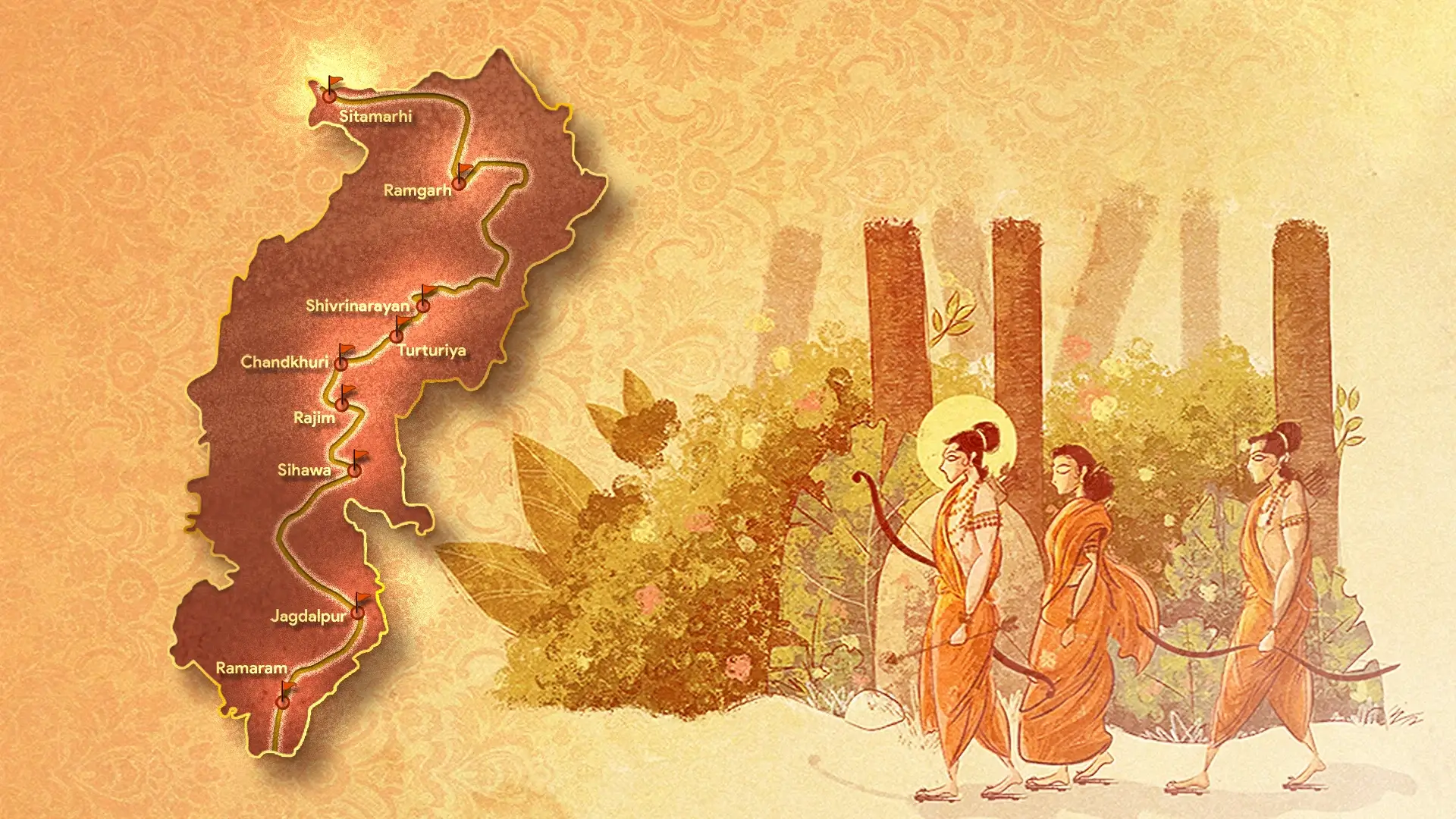
  • Tracing the Route of Lord Shri Ram’s Vanvaas

    Tracing the Route of Lord Shri Ram’s Vanvaas

    In Sanatan Itihaas – Ramayana, Lord Shri Ram is considered one of the most revered and worshipped deities. He is known as the seventh avatar of Lord Vishnu and is believed to have taken birth on Earth to restore Dharma or righteousness. Lord Shri Ram’s life is an inspiring tale of courage, sacrifice, and devotion,…

  • Atman in Karmic Religions

    Atman in Karmic Religions

    atman, (Sanskrit: “self,” “breath”) one of the most basic concepts in Sanatan, the universal self, identical with the eternal core of the personality that after death either transmigrates to a new life or attains release (moksha) from the bonds of existence. As Karmic religions like Hinduism (and its various sects), Jainism, Buddhism & Sikhism arose…

  • Gau Raksha and Indic Unity

    Gau Raksha and Indic Unity

    Cows are considered sacred in Sanatan dharmas because they are believed to embody and represent various virtues and qualities that are valued in Sanatan culture. In Hinduism, the cow is revered as a symbol of wealth, strength, and motherly affection. The Vedas, the oldest Hindu scriptures, refer to the cow as “aghnya,” meaning one that…

  • Japji Sahib Pauri 27 and Civilizational coupling

    Japji Sahib Pauri 27 and Civilizational coupling

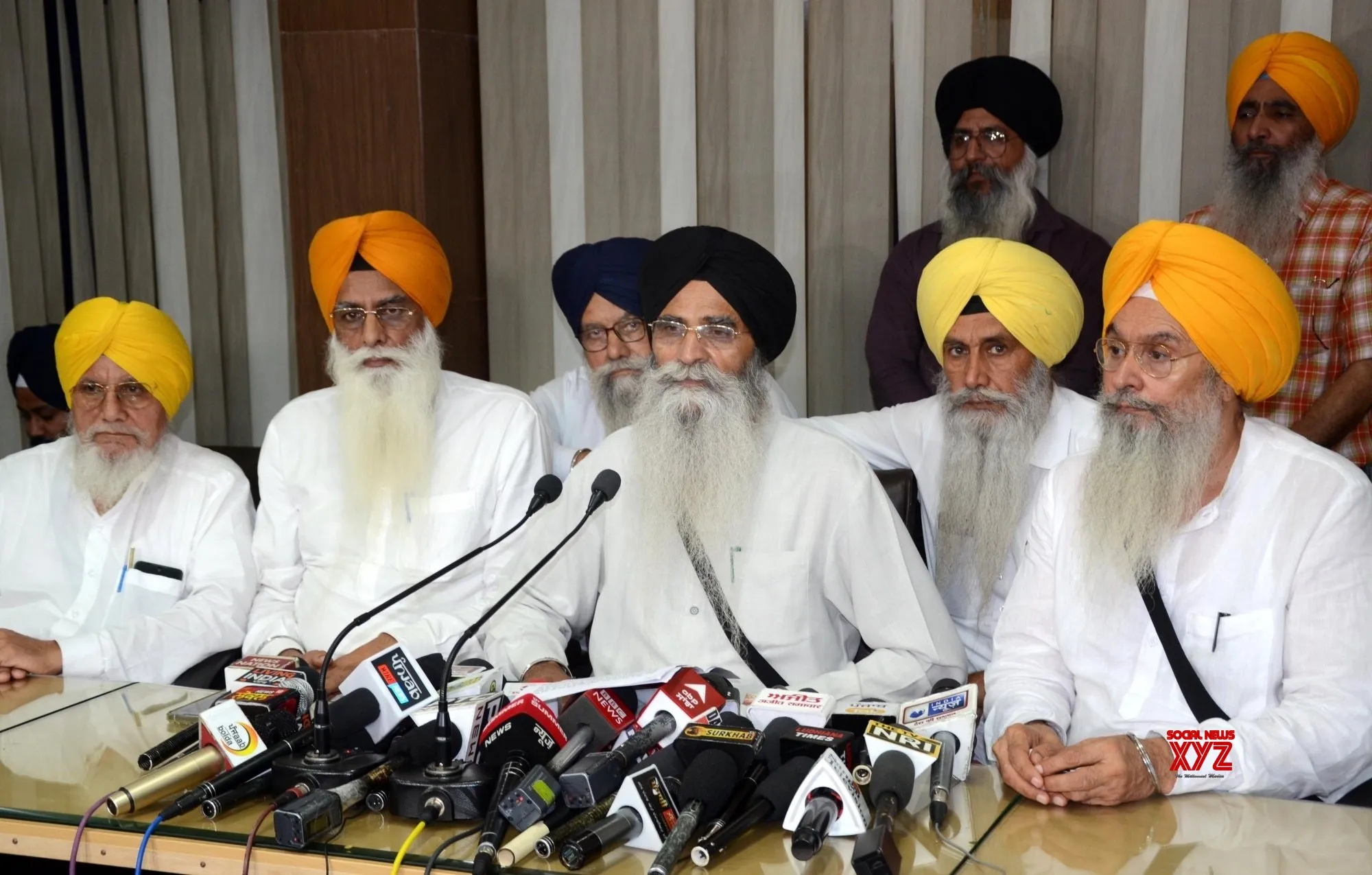
    Recent attempts from SGPC Amritsar to abrahamize Sikhi and reject all Indic & Sanatani roots of Sikshism have been a cause of deep trouble for many. Here is an attempt to provide one of many evidences to show a clear, direct derivation of Skihi from Sanatan by means of Pauri 27 from Japji Sahib.