-
Vasudhaiva Kutumbakam: Embracing One Global Family through Dharmic Unity and Compassion

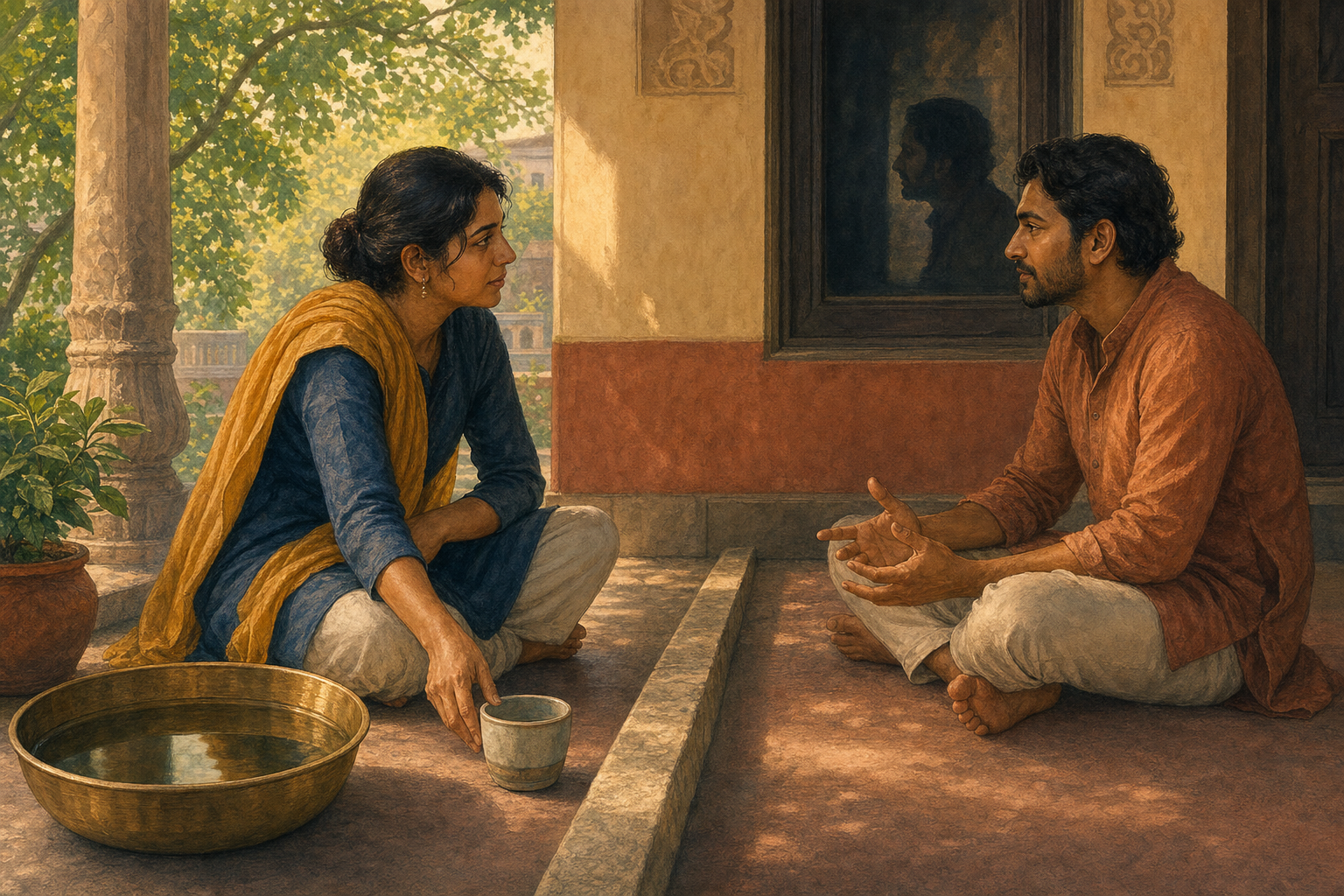
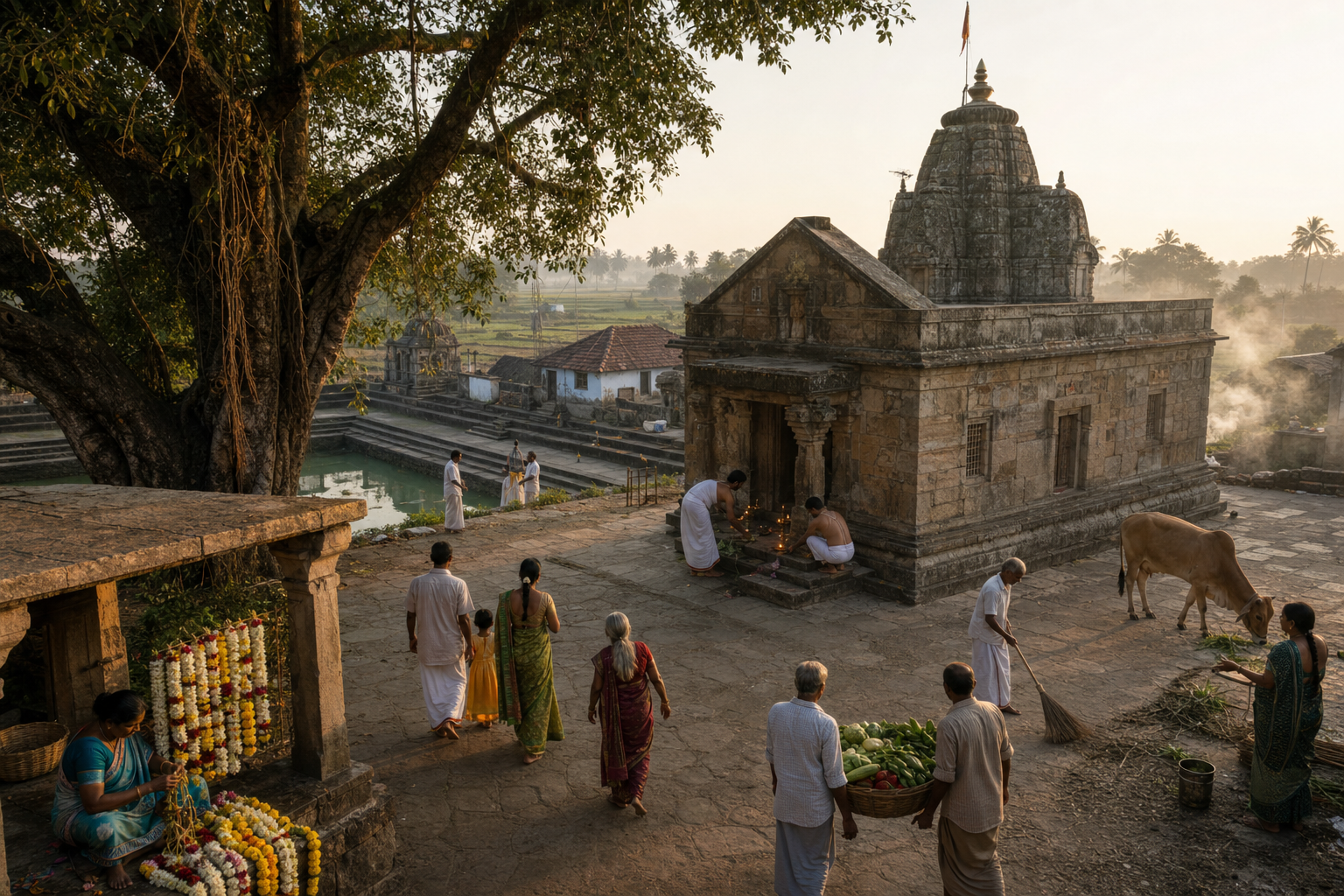
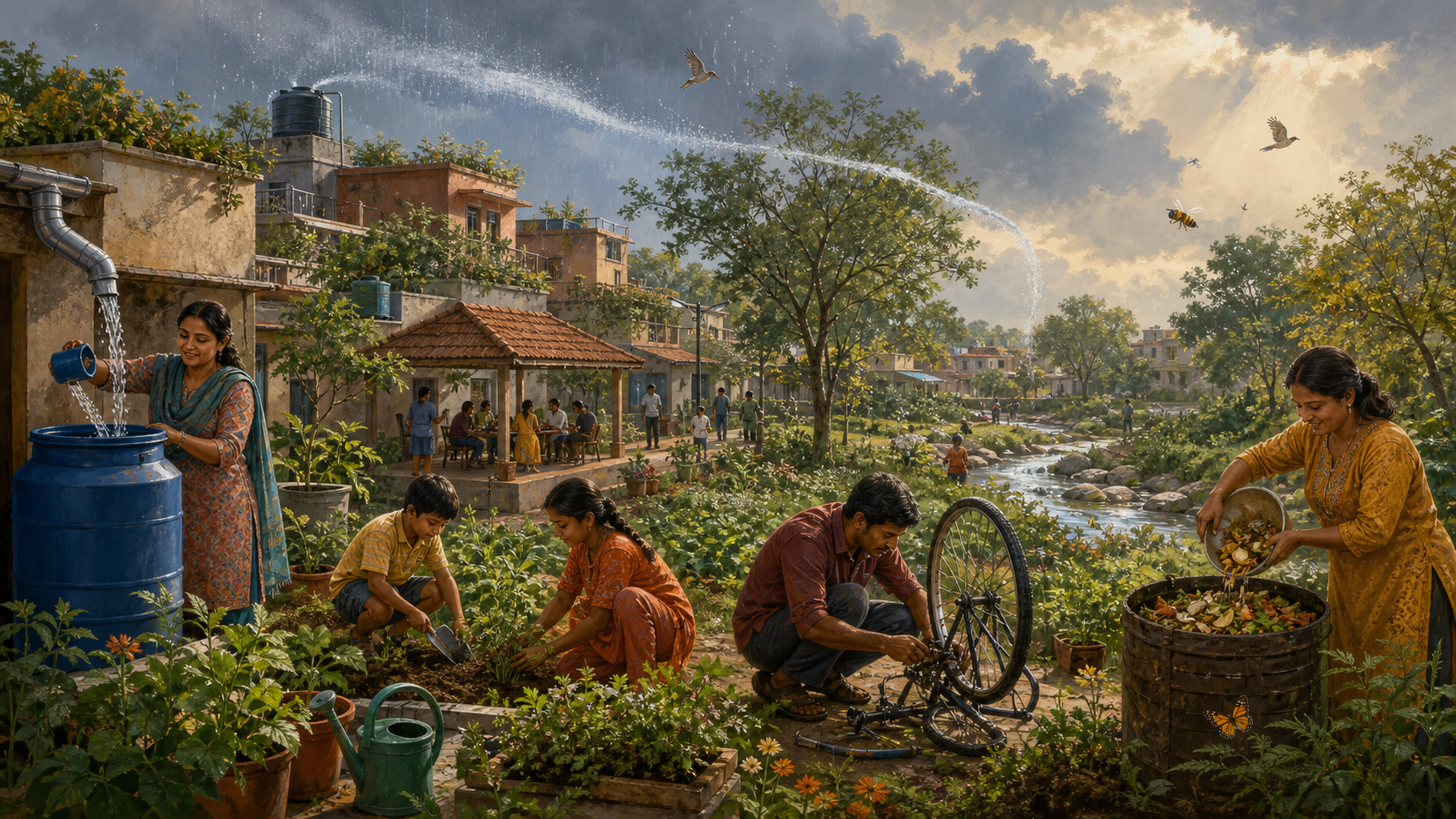
Vasudhaiva Kutumbakam“the whole world is one family”offers a timeless, practical ethic for unity in diversity. Drawing on Hindu, Buddhist, Jain, and Sikh insights, it fosters interfaith harmony, mutual respect, and community cohesion. Audiences often recognize that its spirit already animates family rituals, seva, and inclusive festivals. The principle aligns with ahimsa, anekāntavāda, metta, and sarbat…
-
If Something Changes Your Life, Let It: Dharmic Wisdom to Cultivate Resilience and Grace

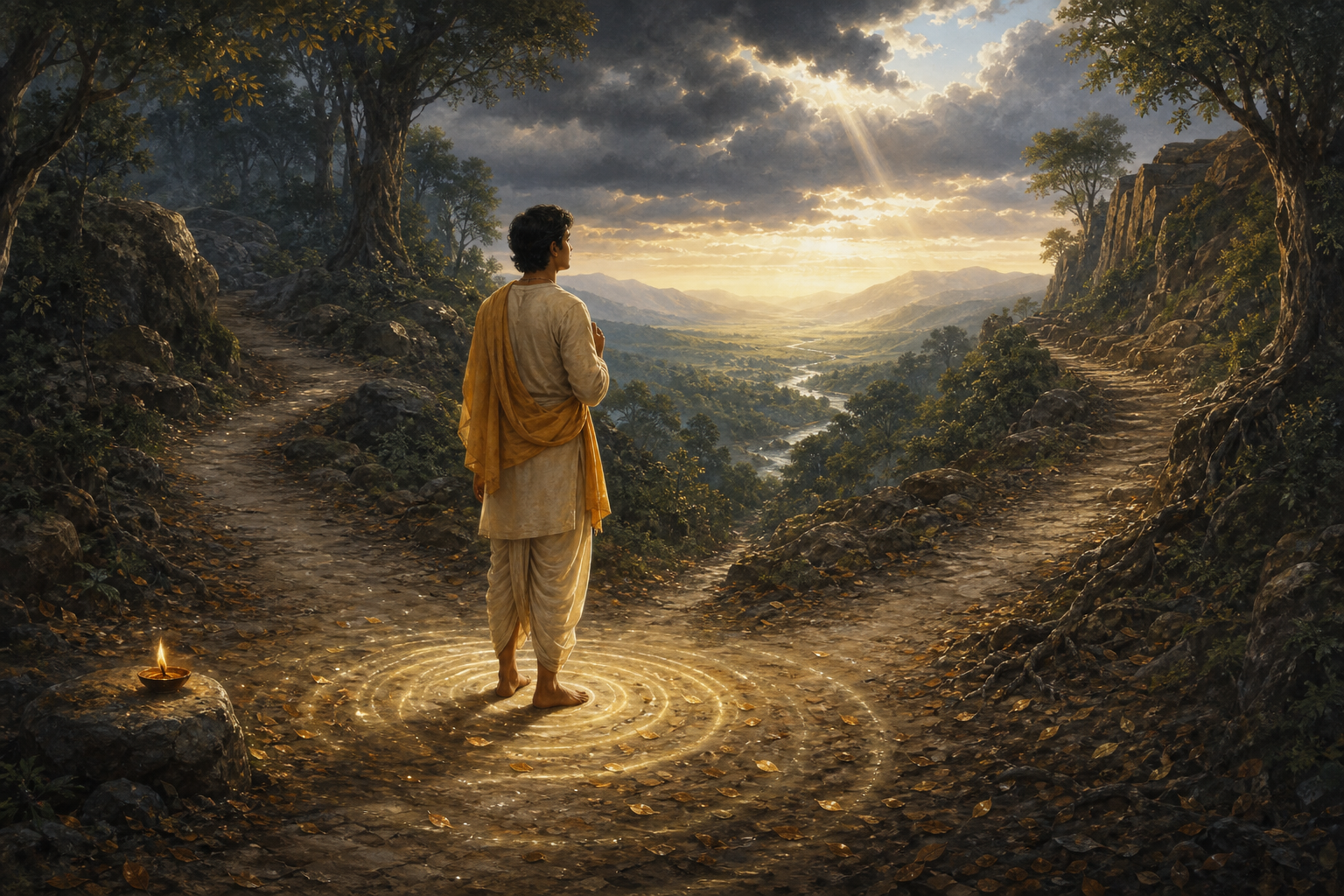
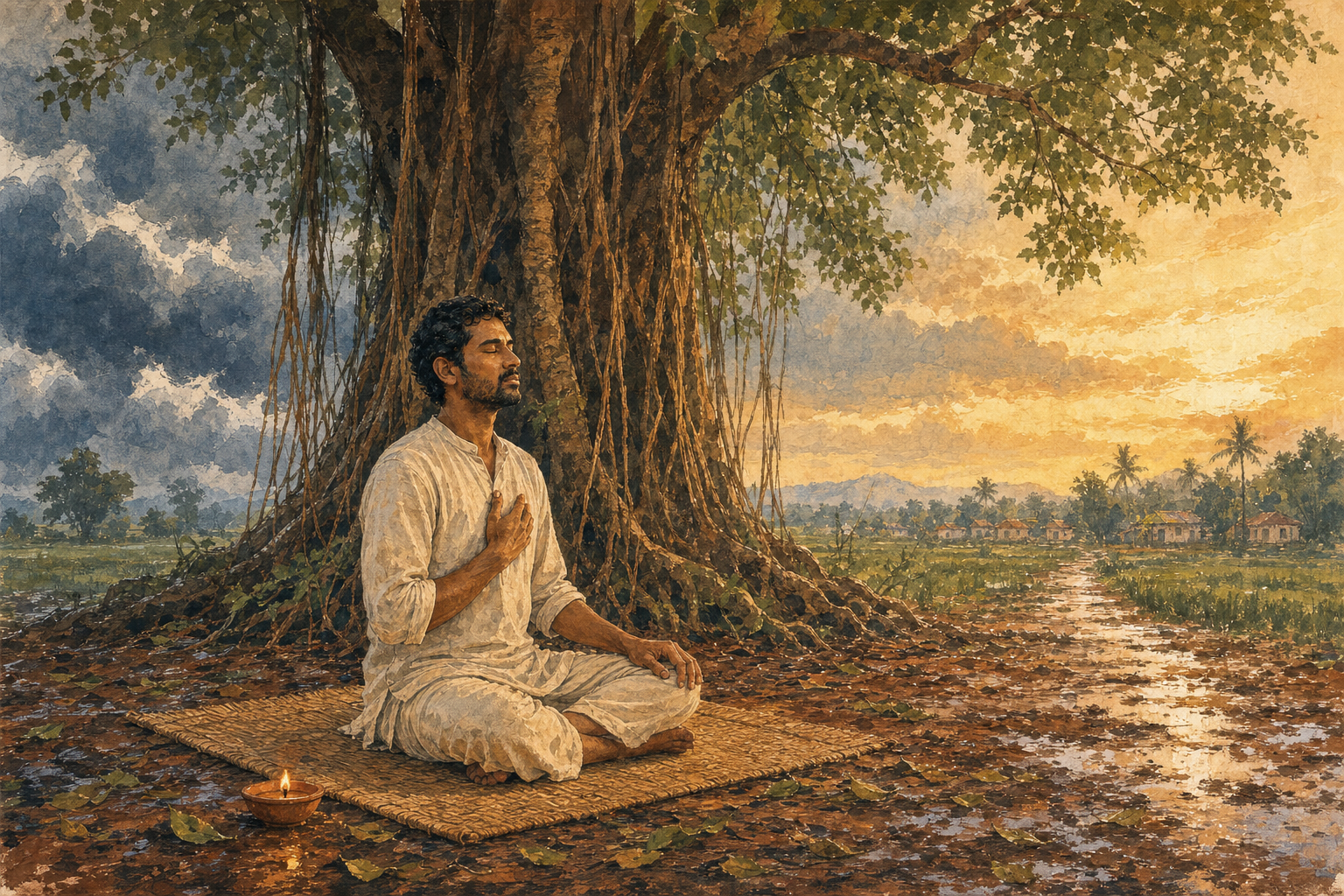
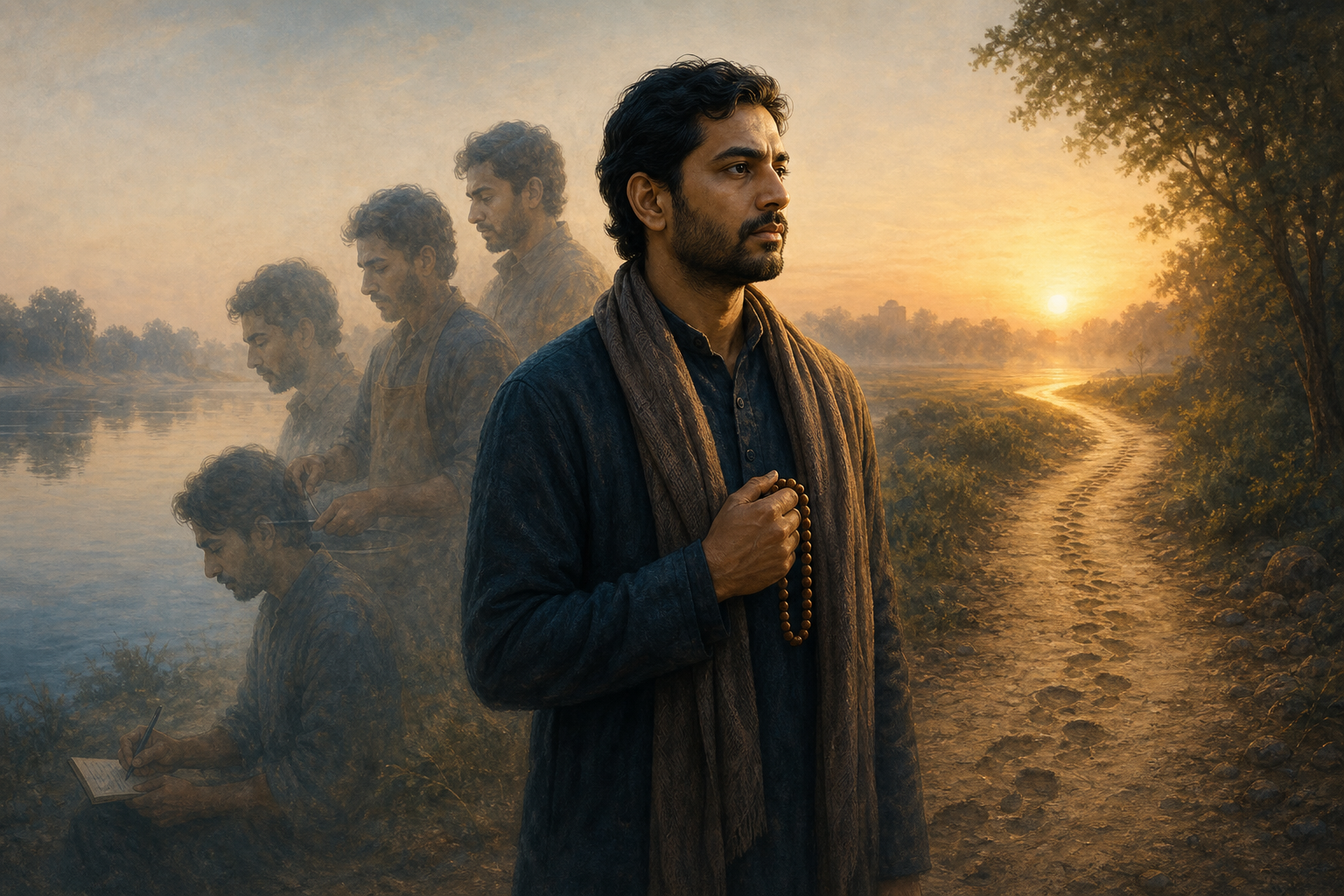
The reflection “If something changes your life, let it” expresses a core dharmic insight shared by Hinduism, Buddhism, Jainism, and Sikhism: change, met with discernment and non-attachment, catalyzes spiritual growth. Drawing from the Bhagavad Gita, Patanjali’s Yoga Sutra, anicca, Anekantavada, Hukam, and Chardi Kala, the post outlines a practical pathpause, breathe, discern, act ethically, reflectto…
-
Enlightenment Meets Dharma: Uniting Dharmic Paths with Krishna-Conscious Compassion

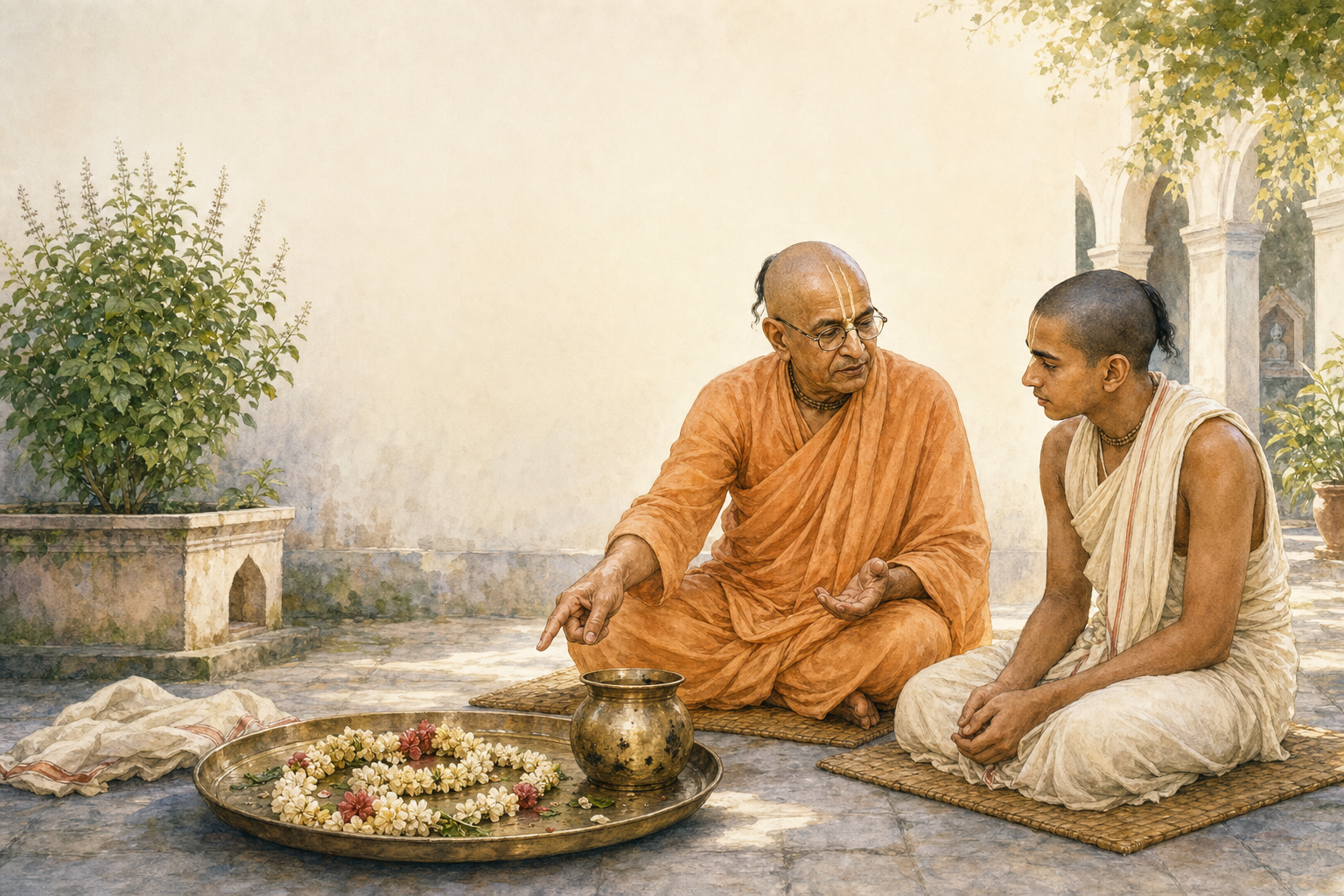
This reflection presents Krishna consciousness as a bridge to universal values that resonate across Hinduism, Buddhism, Jainism, and Sikhism. It explains how Vedic principles harmonize with compassion, dignity, protection of life, and the cultivation of wisdom. The discussion highlights ahimsa, karuna, maitri, and seva as practical, everyday commitments that build social cohesion. It emphasizes ethical…
-
Love Those Who Lift You, Forgive Those Who Hurt: Dharmic Wisdom for Resilient Living

This article explores the dharmic wisdom behind the maxim “Love the people who treat you right, forgive the ones who don’t.” It clarifies how loving support builds sattva, while forgiveness safeguards inner peace without excusing harm. The analysis balances compassion with justice, showing how Dharma requires both accountability and kṣamā. Cross-tradition parallels in Buddhism, Jainism,…
-
Unveiling the True Source of Energy: Matter, Consciousness, and Dharmic Unity

Energy in daily life invites a deeper question: what truly animates matter? Dharmic traditions suggest that matter is latent potential, activated by living energy and ultimately grounded in consciousness. Hindu philosophy and Vedanta speak of Brahman and Shakti; Buddhism emphasizes dependent origination and clarity of awareness; Jainism distinguishes jiva’s inherent energy from material accretions; Sikh…
-
Why Vishnu Rests on Cosmic Waters: Deep Symbolism, Dharmic Unity, and Living Wisdom

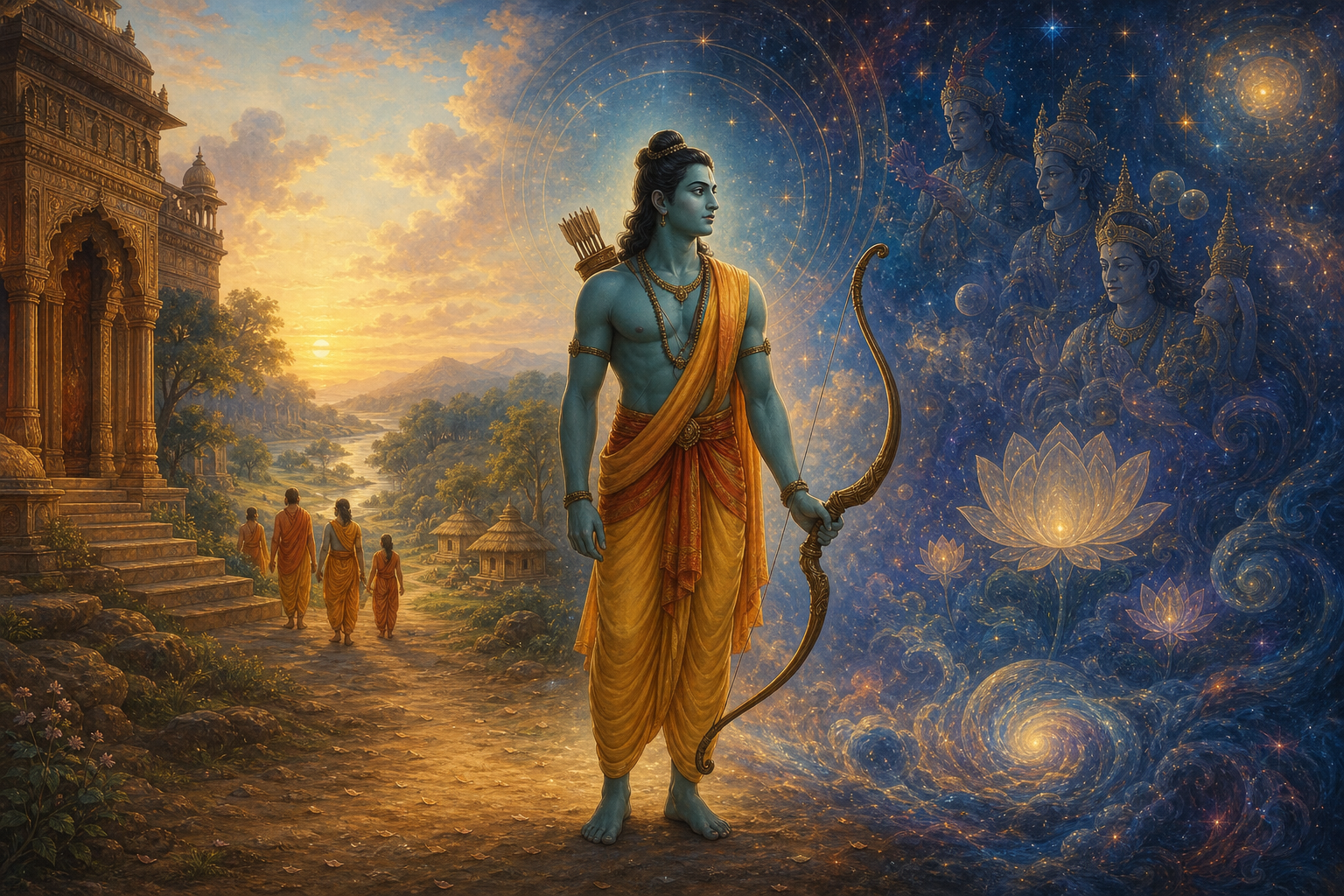
The image of Vishnu reclining on the cosmic waters conveys a complete philosophy of preservation, balance, and conscious repose. Scriptural narratives from the Puranas situate this scene in the primordial ocean, where yoga-nidra, Ananta Shesha, and the lotus of creation converge. Water symbolizes undifferentiated potential, while the lotus represents pure emergence and order. Psychologically, the…
-
Timeless Longings of the Soul: Bhakti’s Divine Dance, Vrindavan, and Loving Seva

This reflection explores three timeless aspirations described in the Bhakti tradition: witnessing the divine rasa dance, entering the eternal realm of Vrindavan, and cultivating loving seva. It presents these aims as a universal spiritual psychology that resonates across Hindu, Buddhist, Jaina, and Sikh paths. Readers gain a clear, inclusive framework that honors each tradition’s language…
-
Unshakeable Resilience in Hindu Dharma: How True Warriors Turn Setbacks into Inner Strength

The statement “True warriors don’t let setbacks define them. They overcome them” resonates with Hindu philosophy as a call to cultivate resilience, courage, and inner strength. Rather than treating adversity as a verdict, dharmic teachings reframe it as an opportunity for growth and self-mastery. The Bhagavad Gita’s emphasis on equanimity, disciplined practice, and ethical action…
-
Before the Final Breath: Mastering Mind and Bhakti for a Peaceful, Dharmic Transition

The Bhagavad Gita teaches that the mind’s final state determines the next destination, making inner training essential rather than optional. A Bhakti-centered disciplinesupported by japa, kirtan, seva, and ethical livingconditions attention to rest in the Divine, so remembrance arises naturally at life’s threshold. Parallel practices across Buddhism, Jainism, and Sikhismmindfulness, anupreksha, and simranaffirm a shared…
-
Unveiling the Supreme Goal: A Dharmic Journey Through Knowledge, Yoga, Service, and Unity

This reflection presents a Dharmic synthesis of the human spiritual journey, grounded in Vaishnava scripture and open to inter-traditional harmony. It explains how knowledge, sacrifice, yoga, austerity, and action converge on the realization of Sri Krsna, the Personality of Godhead. It integrates these insights with the broader spirit of Sanatana Dharma, affirming unity across Hindu,…
-
Empathy Over Control: Dharmic Wisdom for Advice that Respects Autonomy and Dignity

This reflection explores a core dharmic principle: advice should empower, not control. Drawing on the Bhagavad Gita and parallel insights from Buddhism, Jainism, and Sikhism, it shows how empathy, autonomy, and compassion guide ethical counsel. The discussion connects ancient Hindu teachings to modern contextsfamily, workplace, and communitywhere respectful guidance builds trust and accountability. It outlines…
-
Karna’s Locked Room of Loyalty: Mahabharata Lessons on Dharma, Choice, and Courage

Karna’s unwavering loyalty to Duryodhana in the Mahabharata offers a powerful lens on modern ethical dilemmas. This analysis shows how gratitude and honor can become a self-imposed confinement when they eclipse discernment. Drawing on Hindu philosophy and the Bhagavad Gita, it outlines how viveka and non-attachment keep loyalty aligned with dharma. The piece connects these…
-
Upanishads Unveiled: Timeless Sanskrit Wisdom at the Heart of Vedanta and Dharma

The Upanishads, late Vedic Sanskrit texts, crystallize the essence of the Vedas into profound spiritual teachings at the heart of Vedanta. They transform rituals and fire sacrifices into pathways for inner inquiry, clarifying the relationship between ātman and brahman. These Hindu scriptures serve as a backbone of philosophical and ethical reflection, shaping Yoga, meditation, and…
-
Aishvarya and Madhurya Shakti: How Krishna’s Majesty and Sweetness Deepen Devotion and Unity

Aishvarya Shakti and Madhurya Shakti capture Krishna’s transcendence and immanence as majesty and sweetness. The first inspires awe, ethical clarity, and surrender; the second nurtures intimacy, empathy, and joy. Held together, they complete a mature practice of bhakti yoga and deepen Hindu philosophy’s insight into divine relationship. Their harmony echoes Sikh ideas of Nirgun-Sargun, Buddhist…
-
Nurturing Truth Within: A Dharmic Guide to Cultivating the Soul’s Seed of Wisdom

The insight, “Truth’s seed may be sown, but it must be nurtured by the soul,” highlights the difference between knowing truth and living it. Hindu philosophythrough shravaṇa, manana, and nididhyāsanashows how knowledge matures into steady wisdom. The Bhagavad Gita and the Upanishads emphasize that dharma-centered practice, not concept alone, yields Self-Realization. Parallel principles across Buddhism,…
-
Prakritilaya in Hinduism: Discover the Profound Peace of Merging with Prakriti

Prakritilaya“dissolution into Prakriti”describes a contemplative state in Hindu philosophy where awareness becomes deeply absorbed in nature’s living field. This piece clarifies its meaning across Sāṁkhya, Yoga, and Advaita Vedanta, distinguishing Prakritilaya from moksha while honoring its purifying power. Readers gain practical guidance on pratyahara, pranayama, and dhyana, and learn how ethical foundations stabilize insight. Real-world…
-
Why the Puranas Matter Now: Srila Jiva Goswami’s Case for Vedic Truth and Unity

Srila Jiva Goswami’s Sri Tattva-sandarbha argues that the Puranas are indispensable for understanding the unified message of the Vedas. By privileging śabda over perception and inference, this approach presents the Puranas as hermeneutical guides that translate Vedic truths into accessible narratives and practices. The result is clarity: seekers gain a coherent framework that bridges philosophy,…
-
Beyond Dogma: Hindu and Dharmic Wisdom on Religion as a Universal Spiritual Journey
The idea that the soul of religion is a universal journey, not a single doctrine, sits at the heart of Hinduism and aligns with Buddhism, Jainism, and Sikhism. This perspective emphasizes inner transformation, disciplined practice, and ethical living over rigid belief. It is grounded in concepts such as Ishta, anekāntavāda, the Buddhist Middle Way, and…
-
Dhritarashtra’s Blindness as a Mirror to the Mind: A Mahabharata Guide to Moral Clarity

Dhritarashtra’s blindness in the Mahabharata symbolizes a universal human challenge: the mind’s tendency to turn away from uncomfortable truths when gripped by attachment and fear. Anchored in Hindu philosophy, the narrative shows how moha undermines viveka and invites motivated reasoning. Vidura and Sanjaya represent conscience and clarity, offering models for ethical perception that remain relevant…
-
Kauravas vs Pandavas Within: Unmasking Human Nature and the Timeless Dharma Struggle

The Mahabharata can be read as a symbolic map of human nature, where Kauravas and Pandavas represent Adharma and Dharma within. This academic yet accessible lens helps readers recognize envy, pride, and fear alongside conscience, courage, and compassion. The Bhagavad Gita’s counsel to Arjuna becomes a method for clear, disciplined action without attachment to outcomes.…