
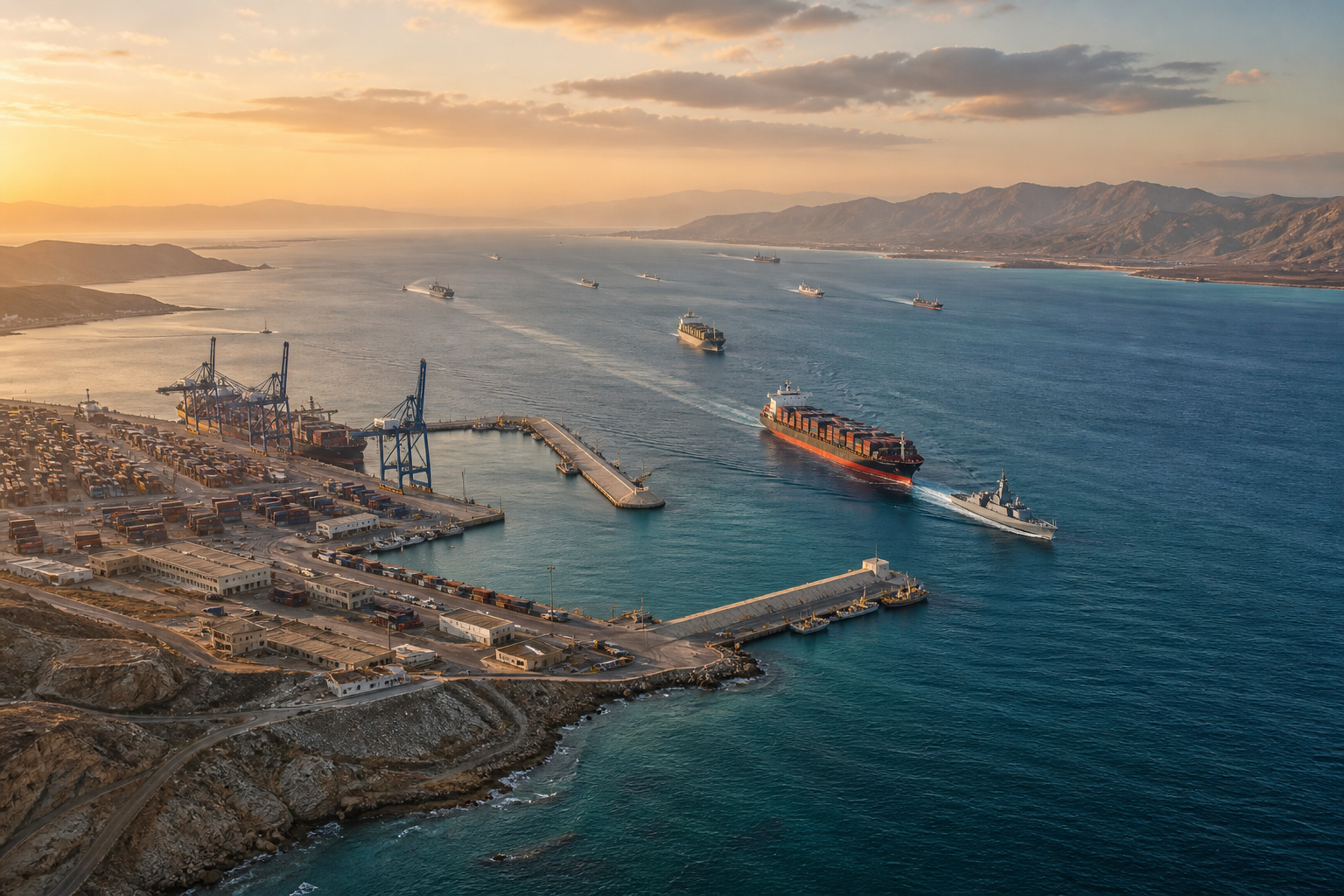
If you are asking whether Bharat should recognise Somaliland, start one step earlier. The immediate decision is whether New Delhi can build useful access, reliable contacts and commercial options on the Gulf of Aden without making recognition the price of every practical conversation.
That distinction matters because maritime insecurity is no longer an abstract concern. The Indian-flagged MSV Faize Noore Oliya sank after an attack near Hodeidah, Yemen, on August 3, 2026. For Bharat, the sensible response is a phased Somaliland policy that improves shipping resilience now while reserving formal recognition for a separate, evidence-based decision.
Key takeaways: engage first, recognise against a clear test
- Somaliland should be treated as a candidate maritime and commercial partner, not as a trophy in someone else’s geopolitical contest.
- Bharat can open official working channels, assess logistics and establish emergency maritime contacts without immediately deciding the recognition question.
- The value of engagement should be measured through performance: reliable communication, usable commercial arrangements, transparent agreements and practical support for Indian shipping.
- Recognition should be considered only if it unlocks a material strategic benefit that lesser forms of engagement cannot provide.
- Competition involving Turkey, Saudi Arabia and Pakistan makes Indian options more important, but it does not justify a hurried or purely reactive commitment.
Why Bab el-Mandeb changes Bharat’s risk calculation
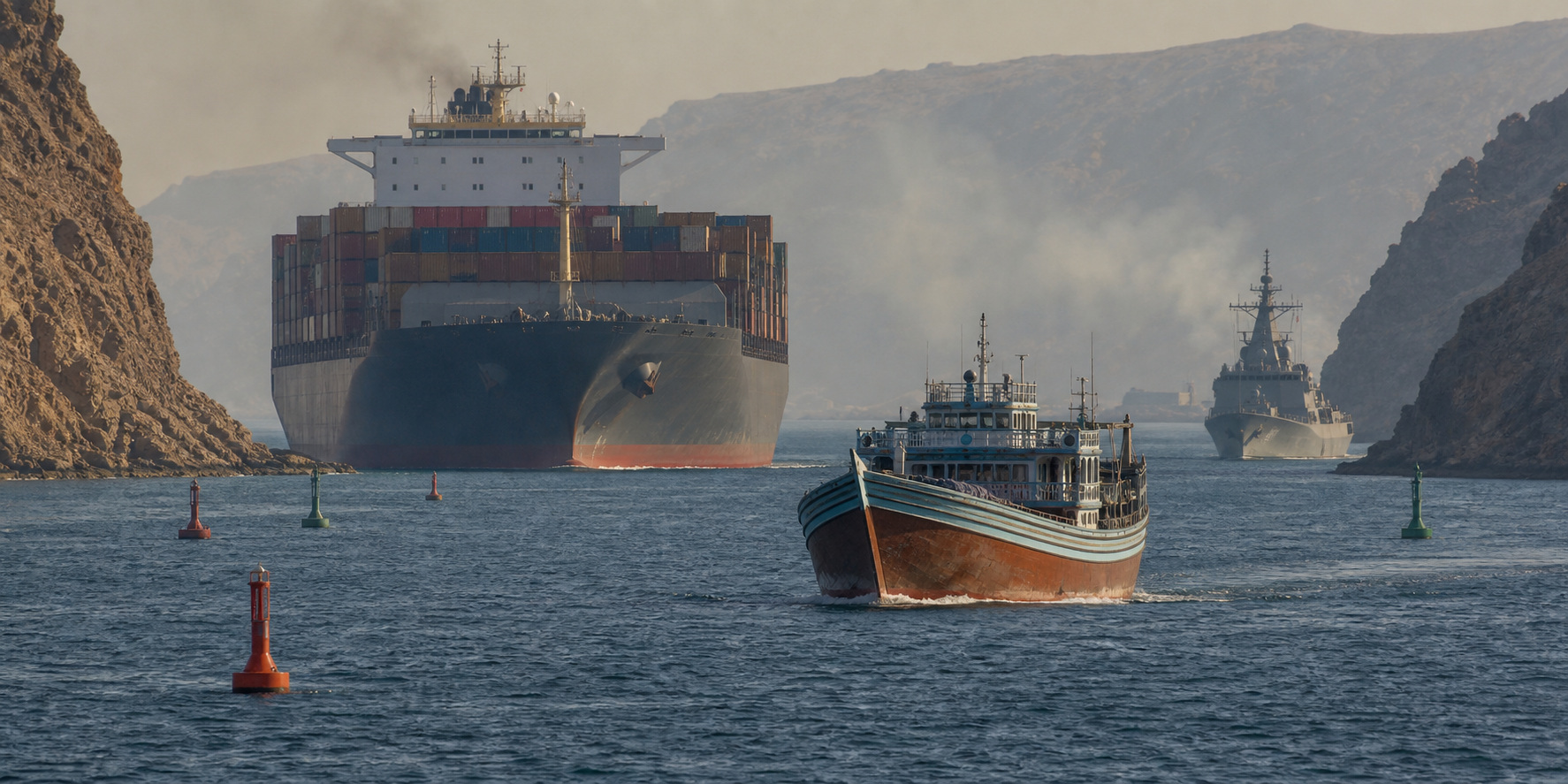
Bab el-Mandeb is a narrow maritime passage connecting the Gulf of Aden with the Red Sea. Trouble near it can expose vessels and crews to attack, force diversions, disrupt schedules and raise the cost of moving goods. Its strategic importance resembles that of the Strait of Hormuz in one decisive respect: a local security crisis can quickly become a commercial problem for countries far beyond the immediate coastline.
The attack on MSV Faize Noore Oliya gives Bharat a concrete planning scenario. When an Indian-flagged vessel is attacked, disabled or forced to divert in this region, which local authority can answer an urgent call? Where can the vessel seek assistance? Which port services are available, under what legal terms, and with what assurance that an agreement will be honoured? If those answers are unclear before a crisis, a naval presence alone cannot fill every gap after one begins.
This is why a serious maritime strategy includes more than deployments. It requires named contacts, current information, assessed facilities, enforceable commercial terms and relationships that have already been tested in ordinary conditions. Somaliland’s position beside the Gulf of Aden makes it worth examining as one part of that network.
You can therefore judge any proposed Bharat-Somaliland initiative by a simple standard: does it reduce the time and uncertainty involved in protecting Indian crews, cargo and commerce? If it produces only declarations, ceremonial photographs or vague promises of strategic access, it has not yet met the test.
Somaliland offers an opening, but recognition is not the opening move
Somaliland presents an unusual diplomatic problem. It operates with many characteristics of an independent country while remaining regarded as part of Somalia. That gap between practical self-government and external status creates both the opportunity for direct cooperation and the risk of treating a complicated political question as if it were a simple exchange of recognition for access.
The Republic of Somaliland’s social-media account has publicly urged India to recognise it and strengthen its position around the Red Sea and Bab el-Mandeb. The invitation is useful because it indicates political interest in closer ties. It is not, by itself, proof that recognition would secure dependable facilities, privileged access or durable cooperation.
Bharat should separate three questions that are too often compressed into one. Can Indian officials communicate directly with Somaliland authorities? Can the two sides build useful maritime and commercial arrangements? Should Bharat extend formal recognition? The first two questions can be explored before the third is answered.
This separation protects Bharat from two mistakes. The first is paralysis: refusing all engagement because recognition is controversial. The second is overcommitment: granting recognition before learning whether the relationship can deliver what Indian strategy actually needs. A capable foreign policy should be able to work between those extremes.
Recognition also carries consequences beyond the bilateral relationship. Before taking that step, New Delhi would need a disciplined assessment of Somalia’s likely response, reactions among other regional partners, the durability of Somaliland’s institutions and the precise benefit that recognition would obtain. The right question is not whether Somaliland deserves attention. It plainly does. The harder question is which diplomatic instrument gives Bharat the greatest practical value at an acceptable political cost.
A phased agenda can turn geographical promise into evidence
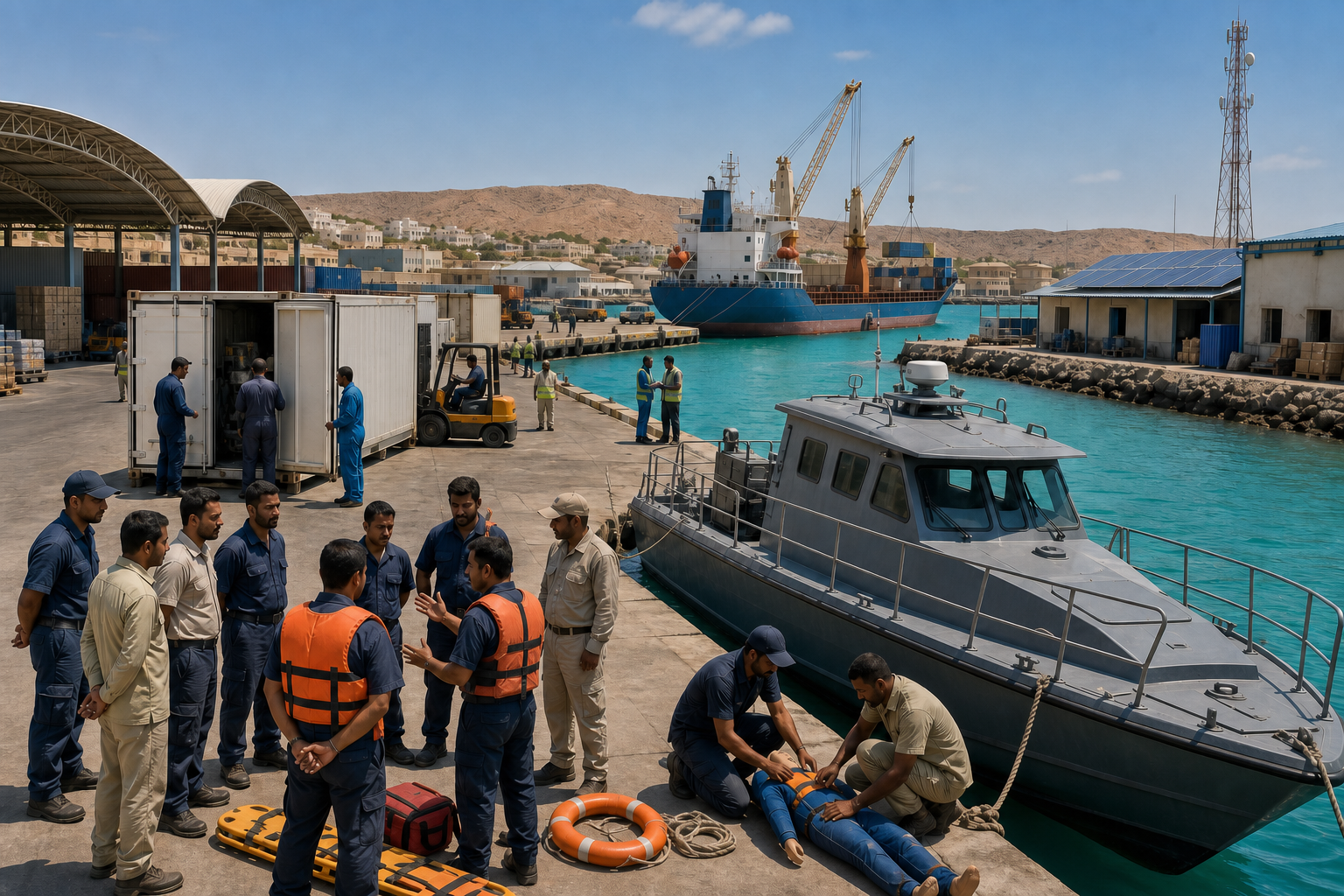
Somaliland’s location creates potential; it does not automatically create capability. New Delhi should test the relationship in stages, with an explicit decision gate between practical engagement and formal recognition.
- Conduct an inter-agency assessment. External-affairs, shipping, commerce and maritime-security officials should map what Bharat would actually need from a Somaliland relationship. The assessment should cover emergency vessel support, local points of contact, port-linked services, commercial procedures and the legal treatment of any agreement. This prevents strategic language from outrunning operational requirements.
- Create a direct working channel. Each side should designate officials responsible for maritime and commercial coordination. Their first task should be modest: establish who communicates with whom when an Indian vessel faces attack, damage, detention, diversion or an urgent need for assistance. The channel should be tested before it is needed in a crisis.
- Verify facilities and contractual conditions. Any proposed logistics or port arrangement should be examined on the ground. Indian decision-makers should verify service availability, cargo procedures, payment arrangements, security responsibilities, insurance implications and dispute terms. Public investment or long commitments should wait until those fundamentals are in writing and independently checked.
- Run limited, reviewable cooperation. A commercial delegation, a shipping-information exchange or a narrowly defined service arrangement can reveal more than a broad memorandum. The purpose of a pilot is to learn whether officials respond promptly, contracts can be performed and Indian operators can work without improvised exceptions.
- Return to recognition only after performance is visible. The final review should ask whether Somaliland has fulfilled its commitments, whether cooperation has materially improved Bharat’s maritime options and whether formal recognition would unlock something unavailable through the existing relationship. If recognition adds only symbolism, the case remains incomplete.
This sequence also gives Somaliland a fair opportunity to demonstrate value. A would-be partner should not be judged only through its constitutional dispute or through promises made on social media. It should be judged through the reliability of its administration, the clarity of its terms and its ability to sustain cooperation when circumstances become difficult.
Bharat should insist on written benchmarks before advancing from one stage to the next. Are emergency contacts reachable? Are customs and access procedures intelligible? Can Indian companies insure their activity and enforce agreements? Do promised services exist in practice? Has the relationship survived disagreement without collapsing? These are less dramatic questions than recognition, but they determine whether a strategic partnership is real.
Commercial engagement deserves particular attention because relations between Bharat and the Somali coast are not historically alien. Indian merchants, sailors and religious travellers knew the ports of the Somali coast before the modern state system. That history should not be romanticised into a claim of present-day influence. It should instead encourage a practical recovery of direct knowledge: Indian businesses and maritime operators need firsthand assessments rather than assumptions made from a distance.
Regional competition is a reason for options, not impulsiveness
The Horn of Africa has long attracted competing external powers. Turkey and Saudi Arabia are important actors in the region, while the Mecca Pact involving Saudi Arabia, Turkey and Pakistan adds another consideration for Indian planners. Bharat cannot assume that other powers’ regional activity will leave its own interests untouched.
But a Somaliland policy built mainly as an answer to Pakistan or any other competitor would begin with the wrong objective. Bharat needs dependable access, commercial resilience and informed relationships. It does not need a symbolic contest in which recognition is announced chiefly to deny another country influence.
Three disciplines should govern the regional strategy. Local utility must come before bloc politics. Civilian and commercial cooperation should establish the foundation before expansive security commitments are considered. Reversible steps should be preferred while Bharat is still learning what Somaliland can reliably provide.
This approach does not mean strategic timidity. It means accumulating choices before a crisis narrows them. Direct contacts in Somaliland, knowledge of available maritime services and tested commercial relationships would give Bharat options whether regional competition intensifies or not. If the relationship later supports a stronger political decision, that decision will rest on demonstrated value rather than geopolitical theatre.
The next useful move is a scoped official-commercial mission with specific questions and authority to establish working contacts. If that process produces credible maritime protocols, transparent terms and workable projects, Bharat should deepen the relationship. If it does not, recognition rhetoric should remain rhetoric. A confident Bharat can say yes to engagement, yes to testing and not yet to a commitment whose strategic return has not been proved.
References
