-
Ram Mandir Donation Theft: A Powerful Case for Transparent Temple Governance

The Ram Mandir donation theft case has become a major test of trust, accountability, and Dharma in Hindu temple governance. This analysis explains why alleged misuse of sacred offerings cannot be treated as a routine financial scandal, because donations represent faith, sacrifice, and seva. It examines the need for independent audits, transparent monthly reporting, secure…
-
Ratnagiri SP’s Strong Flying Squad Pledge After Cow Protection Protest

The Ratnagiri SP’s assurance to form special flying squads after a major protest by cow protectors and Hindu organisations reflects a shift toward preventive enforcement against illegal cow slaughter and cattle smuggling. The issue carries deep cultural and religious significance because the cow is revered in Hindu society as Gau Mata and is closely associated…
-
Chiplun’s ‘Har Ghar Yoddha’ Camp: Powerful Youth Safety and Dharma Training

The Hindu Janajagruti Samiti’s ‘Har Ghar Yoddha’ camp in Chiplun offered youth a practical framework for self-defence, vigilance, spiritual practice, and personal safety. The initiative highlights how martial training can become more meaningful when guided by discipline, restraint, and dharma. It presents youth empowerment not as a slogan, but as a combination of confidence, awareness,…
-
Ram Mandir Donation Probe: Powerful Lessons on Trust, Dharma, and Accountability

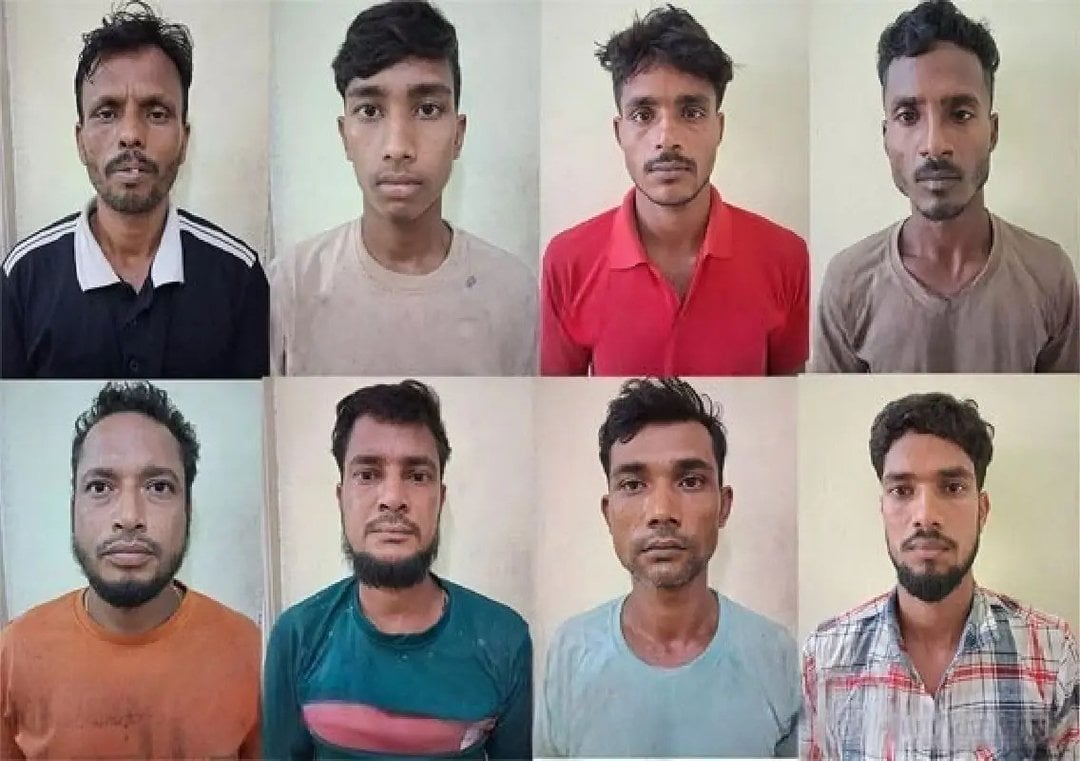
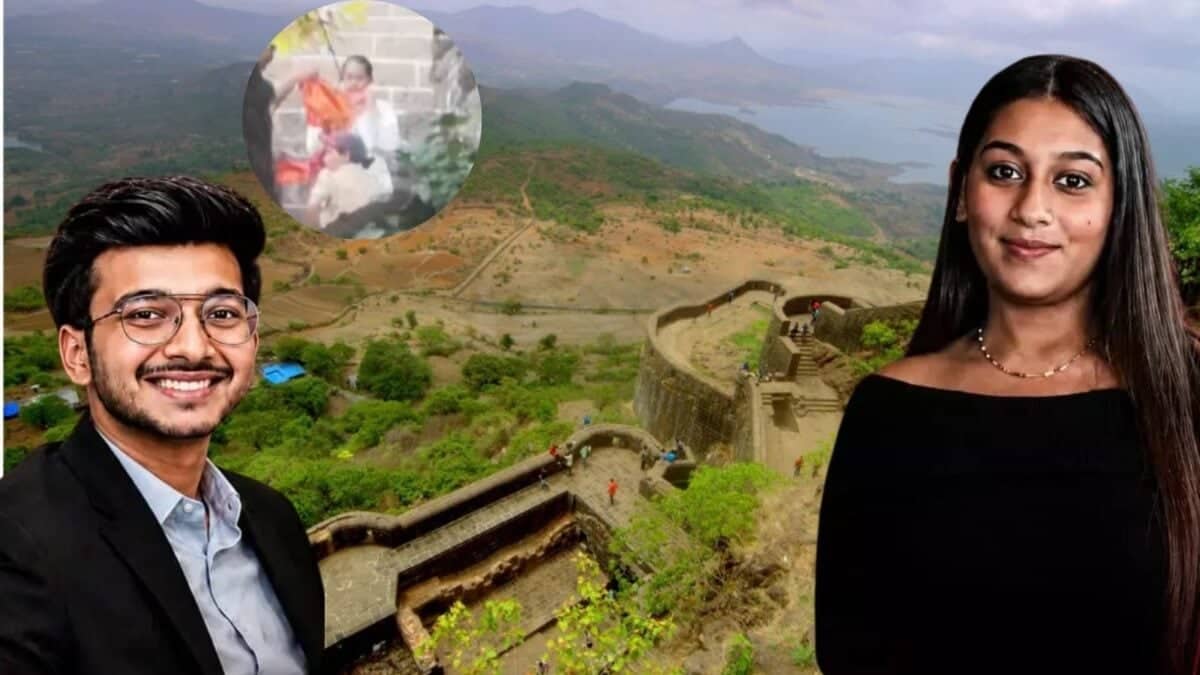
The Ram Mandir donation case has become a major test of transparency, temple governance, and public trust in Ayodhya. Reports indicate that the PMO sought financial records after a complaint, while the Uttar Pradesh government formed an SIT that later led to an FIR against eight named accused. Chief Minister Yogi Adityanath has taken a…
-
Shambhu Gavare’s ‘Matrubhoomi Samman’: A Powerful Moment for Dharma Service

Shri. Shambhu Gavare, Eastern and North-Eastern States Coordinator of the Hindu Janajagruti Samiti, was honoured with the ‘Matrubhoomi Samman’ in Ranchi for his service to the nation, Dharma, and culture. The recognition highlights the importance of cultural preservation, ethical citizenship, and grassroots public engagement. It also draws attention to the complex cultural landscape of Eastern…
-
Ghaziabad Speech Row: Powerful Lessons on Hate Speech and Communal Harmony

A reported speech by Hindutva activist Anil Yadav in Ghaziabad has raised serious questions about hate speech, religious rhetoric, and public responsibility in India. The controversy centered on remarks about Islam, conflict, Partition, and a symbolic interpretation of the number “786”. This rewritten analysis examines the incident in a factual and academic way while avoiding…
-
Vengurla Sakal Hindu Sammelan: Powerful Call for Unity, Dharma and Nation

The Sakal Hindu Sammelan in Vengurla highlighted Hindu unity, patriotism, Dharma, cultural preservation, and social responsibility. The gathering called for an organised Hindu society capable of protecting heritage while contributing to national security and civic stability. Its message is best understood through a constructive Dharmic lens that values discipline, service, knowledge, and harmony. The event…
-
Goa’s ‘Har Ghar Yoddha’ Camp Shows Powerful Lessons in Youth Safety and Dharma

A seven-day ‘Har Ghar Yoddha’ self-protection camp organised by Hindu Janajagriti Samiti concluded successfully at Shri Amriteshwar Mandap in Amona, Goa, with 16 young men and women participating. The camp reflects a wider social focus on youth empowerment, personal safety, discipline, and community responsibility. Its significance lies not only in physical self-protection, but also in…
-
Raniganj Prayer Meet Clash: Crucial Lessons on Conversion, Rights, and Social Trust

The Raniganj prayer meet clash highlights the fragile balance between religious freedom, community concern, and public order in West Bengal. Allegations of coercive conversion deserve lawful investigation, but suspicion cannot justify intimidation or mob action. The episode raises important constitutional questions around freedom of conscience, voluntary religious choice, and the limits of proselytization. It also…
-
Six UBT MPs Join Shinde: A Powerful Turning Point in Maharashtra Hindutva Politics

Six Shiv Sena (UBT) MPs reportedly joined the Eknath Shinde-led Shiv Sena, creating a major political setback for Uddhav Thackeray’s camp. Maharashtra minister Nitesh Rane framed the move as a return to the Hindutva line associated with Balasaheb Thackeray. The MPs named in reports include Sanjay Uttamrao Deshmukh, Sanjay Haribhau Jadhav, Bhausaheb Rajaram Wakchaure, Omprakash…
-
Pune Insurance Harassment Case Exposes an Urgent Corporate Jihad Debate

A Pune-based Hindu woman employee has reportedly accused a senior manager at a Union Bank-linked insurance company of harassment and misconduct, reviving public debate around the phrase “Corporate Jihad.” The case raises serious questions about workplace safety, POSH Act 2013 compliance, corporate governance, and the responsibility of regulated financial institutions. This analysis treats the allegation…
-
Sangli Book Reading Halted: A Revealing Test of Shivaji, Memory, and Civic Dialogue

A proposed reading of Govind Pansare’s Shivaji Kon Hota? in Ishwarpur, Sangli, was reportedly cancelled after protests and police intervention. The incident raises important questions about freedom of expression, public order, and the way modern India engages with Chhatrapati Shivaji Maharaj’s legacy. Rather than treating historical disagreement as hostility, the episode shows the need for…
-
Rajapur Sabha Issues a Powerful Call for Hindu Unity and Dharma Protection

The Hindu Rashtra-Jagruti Sabha held at Rajapur, Maharashtra on 28 March 2026 carried a strong message of Hindu unity, vigilance, and Dharma protection. The event can be understood as part of a wider movement for cultural preservation, temple awareness, and community responsibility in contemporary India. Its significance lies not only in public mobilization but also…
-
Tarun Butolia Holi Killing: What Uttam Nagar Reveals About Communal Justice

The killing of Tarun Butolia in Delhi’s Uttam Nagar during Holi demands a careful, evidence-based discussion rather than a reactive communal narrative. Reported accounts indicate that a minor Holi water-splash incident escalated into a violent attack, leading to Tarun’s death and multiple arrests. This rewritten analysis separates verified reporting from early social-media claims while still…
-
Pune School Tilak Dispute: Powerful Lessons on Religious Freedom and Discipline

The Pune tilak dispute at New English School in Nhavi village raises important questions about religious freedom, school discipline, and cultural dignity. Reports alleged that students wearing tilaks were stopped or asked to remove them, while the headmaster denied any ban and described the matter as a uniform-related discipline issue. The Education Department reportedly sought…
-
Why RSS Centenary Criticism Exposes a Deeper Crisis in Hindu Public Life

The RSS centenary debate has exposed a deep trust deficit within sections of Hindu public life. While supporters see the organisation as a century-old force for discipline, service, and nationalism, critics argue that symbolic rhetoric has not produced enough civilisational security, intellectual clarity, or institutional accountability. This rewritten analysis reframes the anger around #RSS100 in…
-
Doodhpathri, Kashmir: An Immersive Guide to the Valley of Milk’s Meadows, Rivers & Trails

Doodhpathri in Kashmir’s Budgam district offers a serene, high-altitude meadow system shaped by Himalayan weather and a lively river known for its milky froth. The landscape blends ecology and culture: conifer-framed pastures, seasonal wildflowers, and traditional pastoral life. Visitors can expect accessible walking, riverbank contemplation, and ridge viewpoints without strenuous climbs. Seasonal planninglate spring to…
-
The Forgotten Slave Systems of Medieval India: Evidence, Atrocity, and Dharmic Resilience

This long-form analysis surfaces a neglected chapter of South Asian history: the institutionalized slave systems of medieval India under the Delhi Sultanate and related polities. Drawing on K. S. Lal and a range of historians and Persian chronicles, it explains how slavery intersected with warfare, law, markets, and state workshops (karkhanas). It examines the paradox…