-
Shaurya Training Camps empower 325+ youth in Varanasi & Ghazipur under ‘Har Ghar Yoddha’

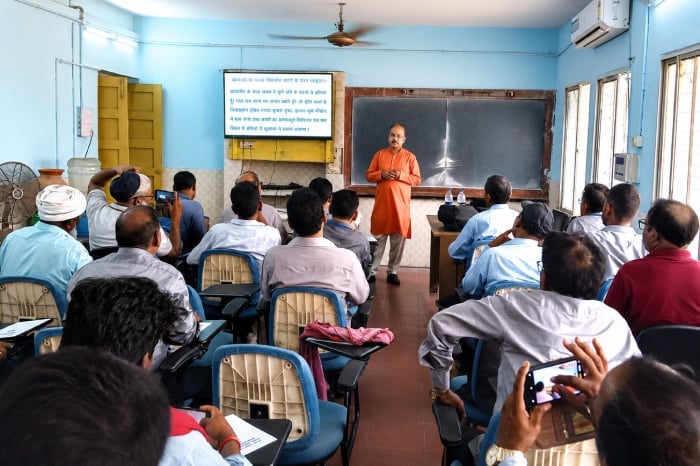
Over 325 young men and women joined ‘Shaurya Training Camps’ in Varanasi and Ghazipur under the ‘Har Ghar Yoddha Campaign’, focusing on integrated physical fitness, mental resilience, and spiritual discipline. Structured around a body–mind–spirit framework, the program combined progressive conditioning, foundational self-defence, and attention training with breath-led meditation. Participants reported stronger confidence, steadier focus, and…
-
Alarming reports of organised conversions in Mumbai trains; HJS urges urgent, lawful probe

Reports indicate an organised religious conversion push inside Mumbai’s local trains, with HJS urging swift but lawful scrutiny. This analysis clarifies the constitutional balance under Article 25protecting the right to propagate religion while prohibiting force, fraud, or inducement as affirmed by Supreme Court jurisprudence. It outlines how railway norms, GRP/RPF roles, and general criminal provisions…
-
HJS Delegation Briefs Nirmala Sitharaman on a Transformative Vision for Dharmic Unity and Welfare

A delegation from the Hindu Janajagruti Samiti (HJS) briefed Union Finance Minister Nirmala Sitharaman on initiatives centered on nation-building, dharma awakening, social welfare, and Hindu unity. The engagement is notable because fiscal and regulatory clarityunder Sections 12A/12AB and 80Gdirectly affects how civil-society organizations scale public-good work. Framed inclusively across Hindu, Buddhist, Jain, and Sikh traditions,…
-
Vashi Hospital Poster Uproar: ‘Beef for infants’ advice and the need for cultural sensitivity

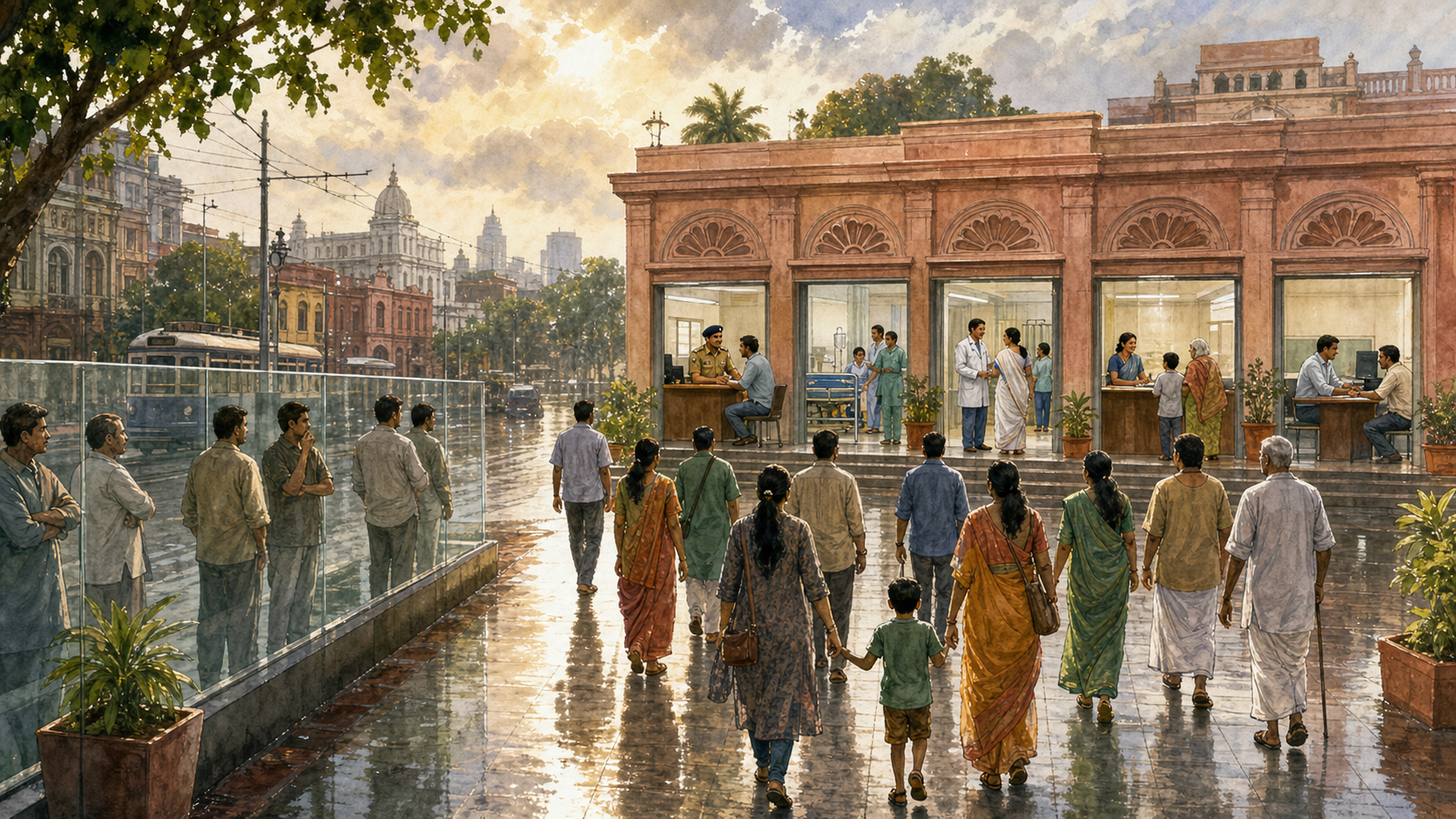
A poster at a Navi Mumbai municipal hospital reportedly advised including beef in infants’ diets, prompting the Vishwa Hindu Parishad (VHP) to seek legal action and raising concerns about hurt religious sentiments. Beyond the immediate controversy, the episode underscores a systemic challenge in India’s public healthcare: pairing scientific guidance with cultural sensitivity across diverse Dharmic…
-
Protecting Devotees’ Trust: Ending Temple Donation Fraud in Ayodhya and Mathura

Questions about donation transparency at major shrines in Ayodhya and Mathura demand a systems-first response grounded in ethics and evidence. This analysis maps common fraud riskshundi tampering, QR-code overlays, counterfeit receipts, and reconciliation gapsand prescribes proven controls from across India’s Dharmic institutions. Readers gain a practical 30-60-90 day roadmap, from dynamic UPI QR and sealed,…
-
Hindu Makkal Katchi’s TN Protest: Ten Demands to CM for Safety, Heritage, and Harmony

On 16 June 2026 in Chennai, Hindu Makkal Katchi (HMK) led by Arjun Sampath announced a statewide protest and submitted a ten-point memorandum to the Tamil Nadu Chief Minister. This analysis frames the development within constitutional rights to peaceful assembly and expression, and outlines criterialegality, proportionality, equity, feasibility, and measurabilityto evaluate any ten-point charter. It…
-
Nagpur Viral Video Spurs Probe: Harrowing Allegations of Rape, Blackmail, Forced Conversion, and Unity

A viral video from Nagpur has prompted an active police probe into allegations of rape, blackmail, extortion, and forced religious conversion, with two suspects reportedly in custody. The discussion situates these claims within India’s updated criminal law framework (BNS/BNSS) and the Information Technology Act’s cyber provisions, emphasizing survivor anonymity, evidentiary rigor, and due process. It…
-
Kerala’s Demographic Crossroads: Natural Growth Turns Negative for Hindus and Christians

Kerala has reached a late-transition demographic milestone: among Hindus and Christians, deaths now outnumber births, a predictable outcome of low fertility, longer lives, and older age structures rather than any abrupt social decline. The analysis explains natural growth, unpacks how age composition and migration shape crude rates, and highlights that Muslims remain younger on average…
-
Delhi court demands ATR on Dhruv Rathee videoimplications for free speech and religious harmony

A Delhi court has sought an Action Taken Report (ATR) on a complaint alleging that a video by YouTuber Dhruv Rathee hurt Hindu sentiments. An ATR is a procedural tool used by magistrates to understand police steps and whether any cognizable offence is disclosed. The legal context commonly involves IPC Sections 295A, 153A, 505(2), and…
-
Worli Tragedy Ignites Dadar Rally: Permanent Sunburn Ban Sought to Protect Maharashtra’s Youth

A Dadar protest by Nasha Virodhi Sangharsh Abhiyan has thrust youth safety at music events into the spotlight, following the reported death of a young attendee at a Worli concert. The piece explains the group’s demand for a permanent ban on the Sunburn Festival in Maharashtra and legal action against organisers and officials. It frames…
-
Muzaffarnagar Eatery Attack: Unraveling Halal, Kanwar Yatra, and Evidence‑Based Peace Steps

A reported attack on a non-vegetarian eatery in Muzaffarnagar, Uttar Pradesh, amid Kanwar Yatra and halal-labeling debates, highlights how pilgrimage-season sensitivities intersect with marketplace practices. This analysis explains the difference between voluntary halal certification and statutory FSSAI food safety rules, and why transparent licensing, signage, and proprietor identification are crucial trust signals. It outlines lawful…
-
Alleged Idol Desecration in Nerul: FIR, Legal Standards, and Paths to Interfaith Harmony

An FIR has reportedly been registered in Nerul, Navi Mumbai after allegations that small idols of Hindu deities were placed near a shoe stand in a hospital, prompting a sensitive investigation. This analysis explains the constitutional and penal law framework (Article 25, IPC Sections 295/295A/298) and why courts require deliberate, malicious intent for criminal liability.…
-
Decoding the ‘Halal Economy’: Law, Markets, and Inclusive Trade Strategies in India

An entrepreneurs’ session in Kolhapur, Maharashtra examined the expanding “Halal economy” within India’s secular constitutional framework. This analysis reframes the debate in terms of economics, law, and supply-chain design to help traders and MSMEs navigate certification-driven markets. It details how Halal, Kosher, vegetarian/vegan, organic, and jhatka assurances can coexist as voluntary, transparent signals. It outlines…
-
Eight booked after Sambhal mosque razing: ‘I Love Mohammad’ posters spark probe, calls for calm

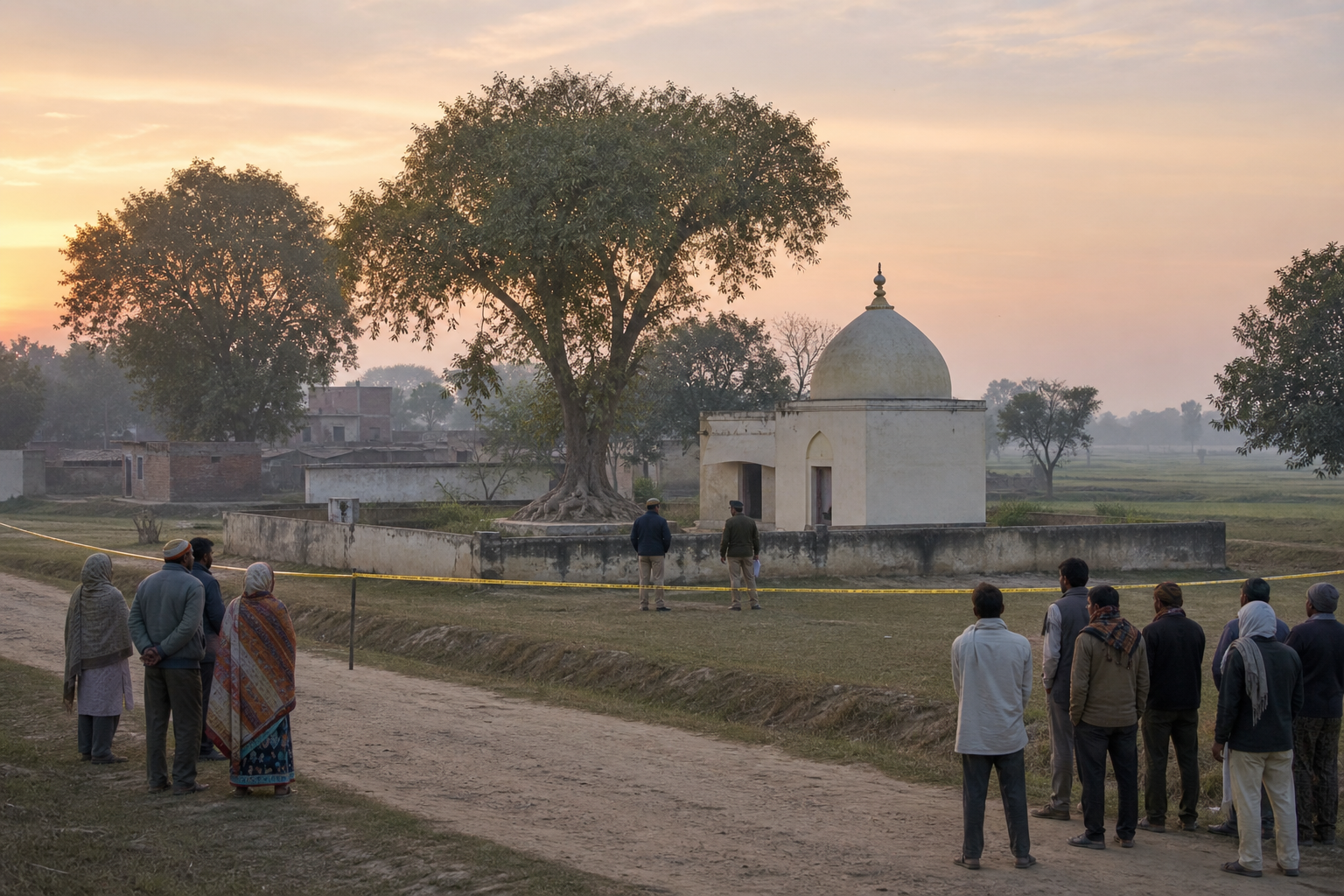
On 10 June 2026, authorities in Sambhal, Uttar Pradesh, demolished an unauthorised structure identified locally as a mosque and registered an FIR against eight individuals after recovering ‘I Love Mohammad’ posters and other printed materials. This analysis explains what happened, the legal framework for clearing illegal religious constructions, and the criminal-law tests that distinguish protected…
-
Halal Certification and India’s Economy: Ensuring Transparency, Consumer Choice, and Unity

This analysis examines halal certification as part of India’s broader marketplace of voluntary trust marks and evaluates its real economic effects through market access, compliance costs, and consumer welfare. It explains the legal context (FSSAI, BIS, Trade Marks Act) and shows how governanceaccreditation to ISO/IEC 17065, financial transparency, and competition safeguardsdetermines whether certification yields net…
-
Arunachal’s Decisive Move: 15 Unauthorised Mosque Sites Sealed to Protect Indigenous Land

On 6 June 2026, the Itanagar Capital Region administration sealed 15 unauthorised mosque sites in Arunachal Pradesh, framing the action as a rule-of-law measure aligned with indigenous land safeguards. This analysis explains how Articles 25–28 protect religious freedom while allowing the State to regulate land, safety, and planning for all places of worship. It situates…
-
After Annamalai’s Exit, Can BJP’s Hindutva Strategy Crack the South? Risks, Data, Paths Ahead

Annamalai’s reported exit tests the BJP’s decade-long southern outreach at a sensitive moment. Durable gains in Tamil Nadu, Kerala, Telangana, Andhra Pradesh, and Karnataka hinge on respectful embedding rather than rhetorical “conquest.” The most resilient pathway blends a dharmic unity frame with programmatic deliverytemple-heritage stewardship, women’s agency, youth employability, urban service discipline, and alliance steadiness.…
-
Ghaziabad Class 11 student killed on Eid: verified facts, arrests, and a path to community unity

A Class 11 student in Ghaziabadidentified in local reports as Surya Chauhanwas allegedly lured over an old dispute and fatally stabbed, prompting swift arrests and a focused police investigation. This analysis consolidates verified facts, outlines the likely legal framework (IPC 302, possible Arms Act provisions, CrPC custody and charge-sheet timelines), and explains how forensic evidence,…
-
Allegations at Wipro Pune ignite debate on religious bias: law, due process, and inclusive fixes

Allegations of religion-based harassment at a Wipro campus in Hinjawadi, Punefollowing earlier controversies in Nashik and Mumbaihave reignited an urgent discussion on how Indian workplaces manage belief and difference. This analysis clarifies what constitutes religious harassment, explains the Indian legal and corporate governance context, and outlines due-process investigations that protect all parties. It highlights data…
-
Narayanpet, Telangana Tragedy: Seeking Justice, Safety, and Communal Harmony After a Teen’s Death

On 2 June 2026, a teenage girl’s death in Narayanpet, Telangana triggered grief, protests, and a swirl of allegations. This analysis separates facts from speculation, explains the applicable legal framework (including Section 306 IPC, POCSO, and cyber-abuse provisions), and outlines best-practice investigative steps that build public trust. It highlights WHO- and Press Council–aligned guidance for…