
-
Chaitra Month 2026 Dates Explained: Sacred Beginnings, Festivals, and Regional Calendars
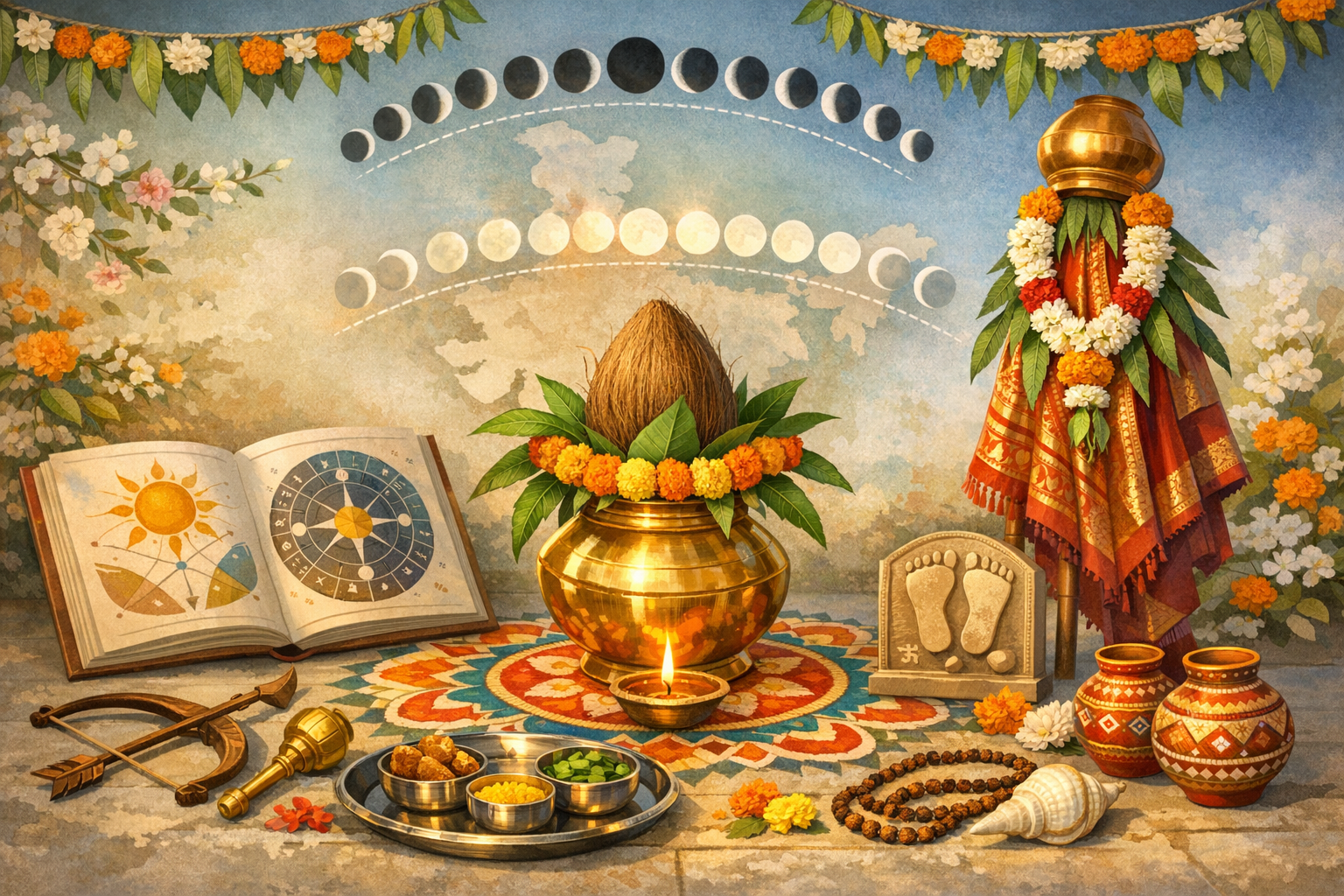
Chaitra Month 2026 in the North Indian Purnimanta calendar runs from March 4 to April 2 (IST), inaugurating the ritual year with spring observances and renewal. The Amanta calendar (used in Maharashtra, Goa, Andhra Pradesh, Telangana, and Karnataka) counts Chaitra from the day after the March new moon through the April new moon, embedding Ugadi…
-
Nori Narasimha Sastry’s Mastery: Research-Rich Telugu Novels that Illuminate Dharma and History
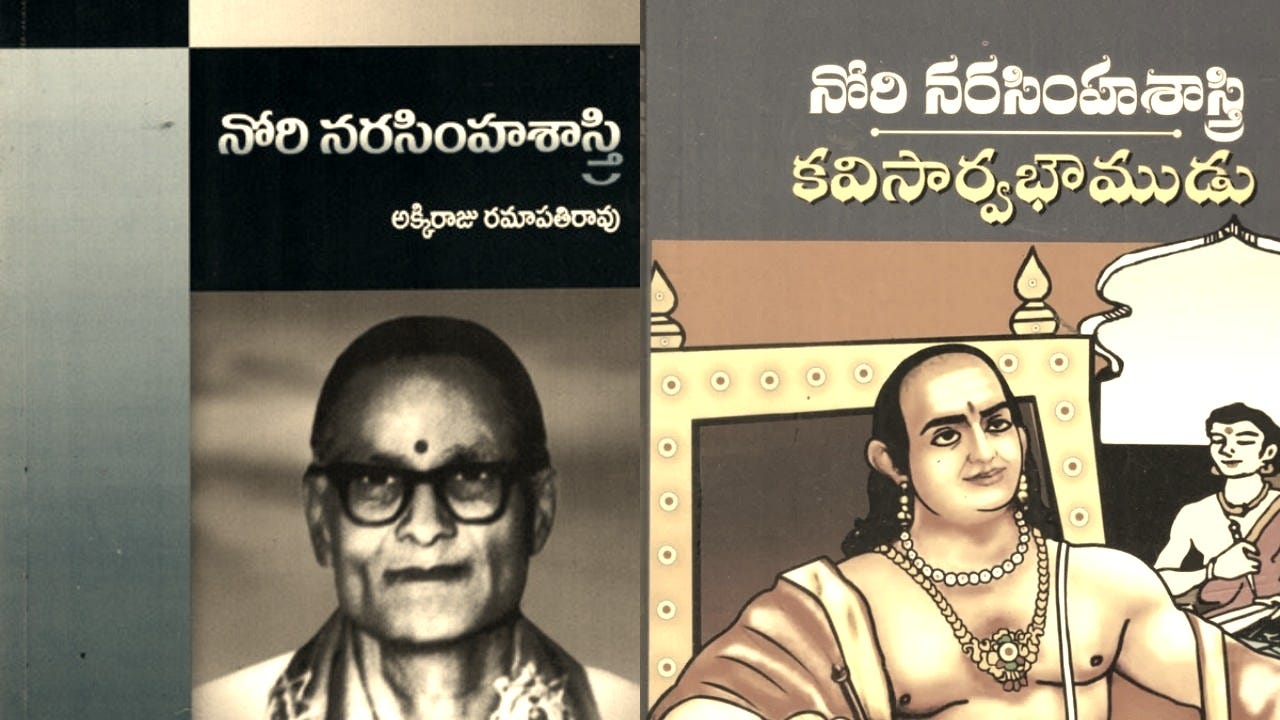
Nori Narasimha Sastry’s historical novels unite rigorous research with the civilizational vision of Sanatana Dharma, earning a readership that places his prose alongside classical Telugu works. By pairing Srinatha with the bhakti poet Potana in Kavidvayamu and portraying Dhurjati within the Vijayanagara milieu, he balances devotional interiority with institutional history. His mature use of Champu,…
-
Decoding Lakshmi’s Lotus: Sacred Symbolism of Prosperity, Purity, and Dharmic Wealth

Goddess Lakshmi’s enduring association with the lotus is a precise theological and ethical statement, not a decorative habit. The lotus models purity-in-engagementthriving in muddy waters yet remaining unstainedmirroring how dharmic wealth should arise and circulate without exploitation. Scriptural memory (Śrī Sūkta, samudra-manthana), iconographic conventions (padma-pīṭha, Gaja-Lakshmi), and temple arts all embed this meaning in public…
-
From Pain to Resilience: Re-examining Medieval Invasions to Foster Dharmic Unity Today

This long-form, evidence-based analysis reframes emotionally charged debates on medieval invasions, conversion, and resistance in South Asia to promote Dharmic unity. It explains how Islam entered the subcontinent through both trade and conquest, why simplistic narratives obscure a complex mosaic of coexistence and conflict, and how to handle contested casualty estimates responsibly. The piece documents…
-
Before Surdas: Periyalvar’s South Indian Bhakti that First Envisioned Child Krishna’s Play
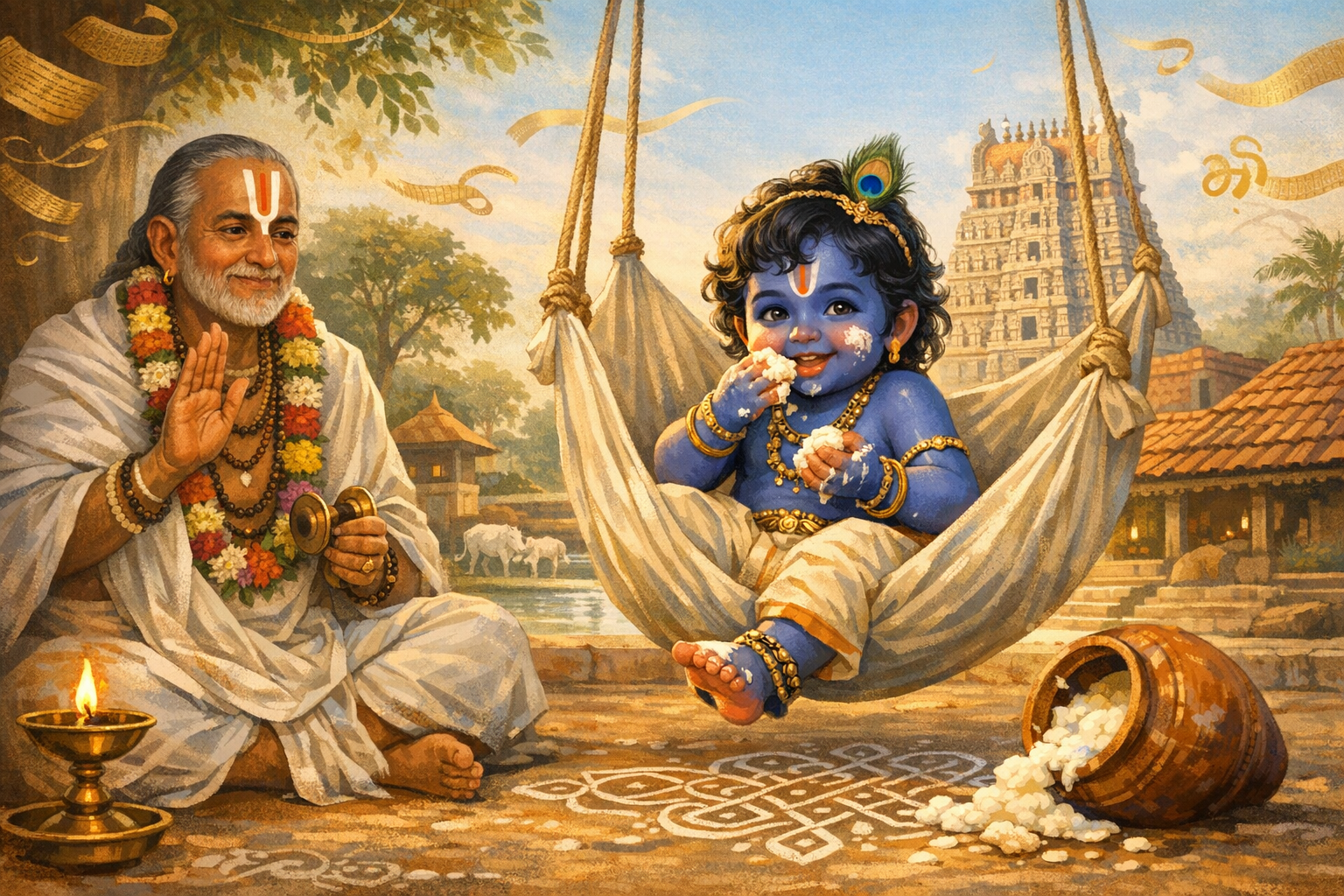
This long-form study maps how Tamil Āḻvar poetryespecially Periyāḻvār’s Tiruppallāṇḍu and Periyāḻvār Tirumoḻipioneered an intimate, vernacular devotion to Krishna as a child centuries before Surdas. It explains the theological innovation of blessing the Lord, the poetic craft that domesticates the divine, and the temple-liturgy networks that diffused these moods northward. The analysis situates Periyāḻvār within…
-
Sri Nilobha Bhaktavar: Timeless Bhakti and Seva Lessons for Family Dharma and Community

Set in the prosperous city of Pimbalam, the account of Sri Nilobha Bhaktavar (also known as Niloba) presents a rigorous, household-centered model of bhakti to Srimannarayana. The narrative highlights disciplined generosity: serving the servant and visiting devotees first, then partaking last, thereby transforming the kitchen into a sanctum of seva and anna-dana. Read theologically and…
-
Kuravi Veerabhadra Swamy Temple Festivals: Sankranti Pallaki Processions and Devotional Unity

Kuravi Veerabhadra Swamy Temple in Mahabubabad, Telangana, observes a rich festival calendar centered on Bhadrakali Sametha Sri Veerabhadra Swamy, with Makara Sankranti as a major highlight. The festival’s special poojas and the Pallaki Procession (Grama Seva) unite cosmic timekeeping with community devotion. This overview explains the astronomical significance of Sankranti, unpacks the role of upacharas…
-
Protecting Energy Without Guilt: Science-Backed Boundaries for Dharmic Compassion

Protecting energy is not selfish; it is a compassionate response to finite human capacity. Drawing on burnout science, allostatic load, and polyvagal-informed insights, this article explains why social withdrawal often reflects physiological triage rather than indifference. It reframes boundaries as conditions for sustainable compassion, aligning evidence with dharmic principles such as prana, ahimsa, metta, aparigraha,…
-
Taguig City’s Sri Sri Radha Madhava Mandir Opens: 24‑Hour Kirtan, Devotion, and Unity

From January 30 to February 1, 2026, Taguig City in Metro Manila marked the opening of the Sri Sri Radha Madhava Mandir with a 24-hour kirtan and a formal ribbon-cutting. The inauguration signaled the formal relocation of the Deities to a permanent spiritual home, strengthening Hindu cultural presence in the Philippines. In Vaishnava practice, such…
-
Vaisnava Sarvabhauma Srila Jagannatha Dasa Babaji: Disappearance Day and Sacred Yoga Pitha Legacy
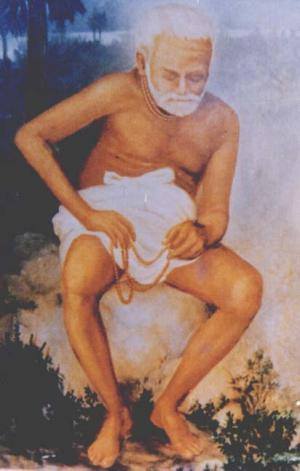
The Holy Disappearance Day of Srila Jagannatha Dasa Babaji is observed as a celebration of enduring guidance rather than an ending, highlighting his role as Vaisnava Sarvabhauma and his profound influence on Gaudiya Vaishnava practice. Traditional accounts preserved in Sri Navadwipa Dhama Mahatmya recount his decisive affirmation of Sri Caitanya Mahaprabhu’s birthplace at Mayapur’s Yoga…
-
Stop Chasing Happiness: Dharmic Science to Light the Inner Cave of Joy and Resilience

The dharmic saying “Seeking happiness outside is like waiting for sunshine inside a deep cave” captures a precise psychology of well-being common to Hinduism, Buddhism, Jainism, and Sikhism. Rather than promising joy through acquisition, these traditions direct attention to the hṛdaya-guhathe cave of the heartwhere clarity and resilience abide. Vedanta, the Yoga Sutra, Buddhist insight,…
-
Revealing the Pandavas’ Durga Worship in the Mahabharata: Virata Parva’s Earliest Shakta Trace
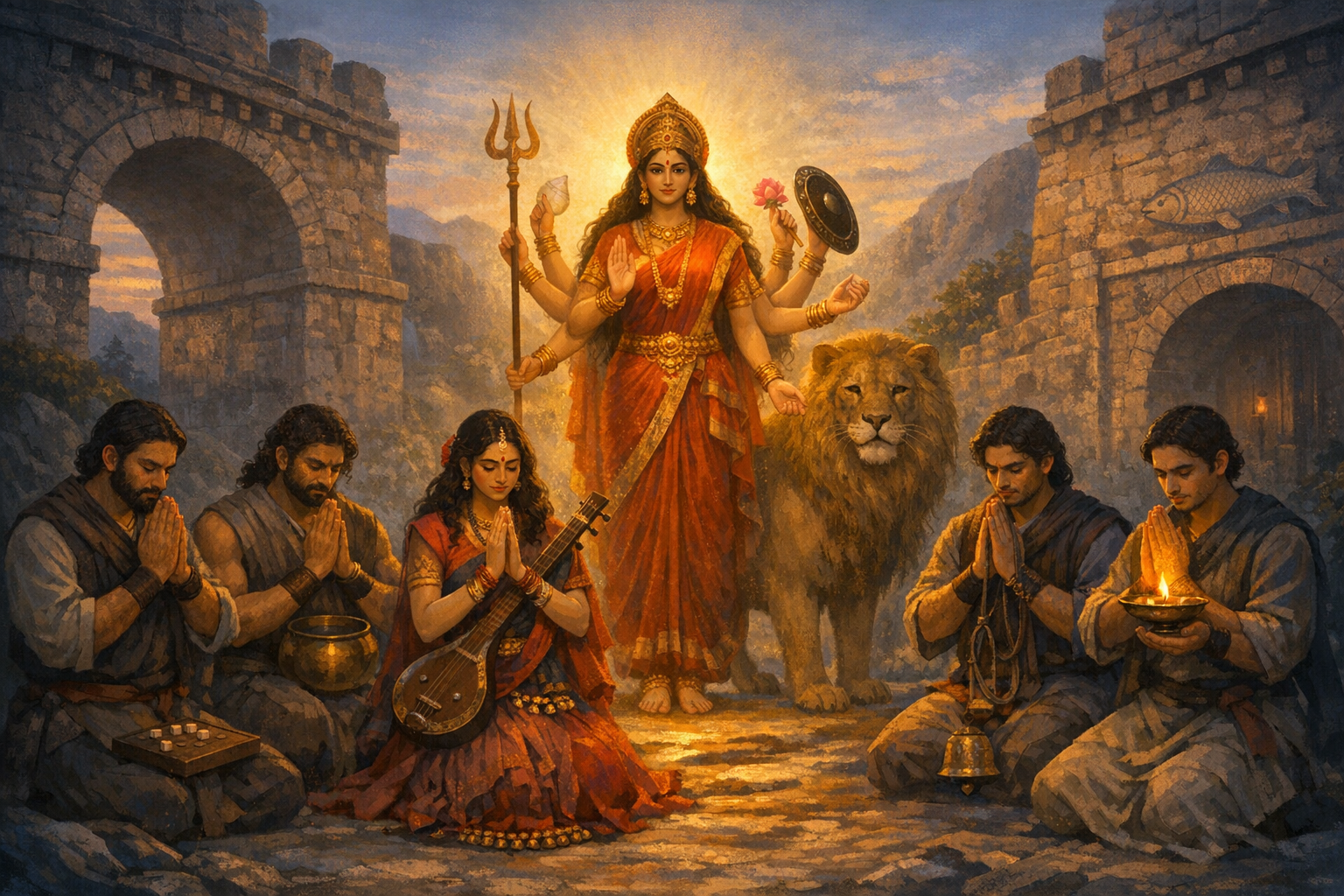
This study traces one of the earliest epic references to Goddess Durga in the Mahabharata’s Virata Parva, where the Pandavas invoke Shakti before their perilous year in disguise. It situates the hymnnaming Durga, Katyayani, Bhadrakali, and Mahishasuramardiniwithin the narrative hinge between exile and restoration. Attention is given to manuscript variation and critical edition debates while…
-
Pocahontas, Conversion, and Empire: Unmasking Myth, Missionary Zeal, and Colonial Power

{ “title”: “Pocahontas, Conversion, and Empire: Unmasking Myth, Missionary Zeal, and Colonial Power”, “content”: “ Few episodes illuminate the entanglement of Christian conversion, imperial competition, and national mythmaking as sharply as the story commonly told about Pocahontas. Read against charters, company directives, and colonial correspondence, this narrative reveals how evangelization, resource extraction, and propaganda worked…
-
Why Ganesha Wears Red: Auspicious Energy, Shakti, and Victory Over Darkness
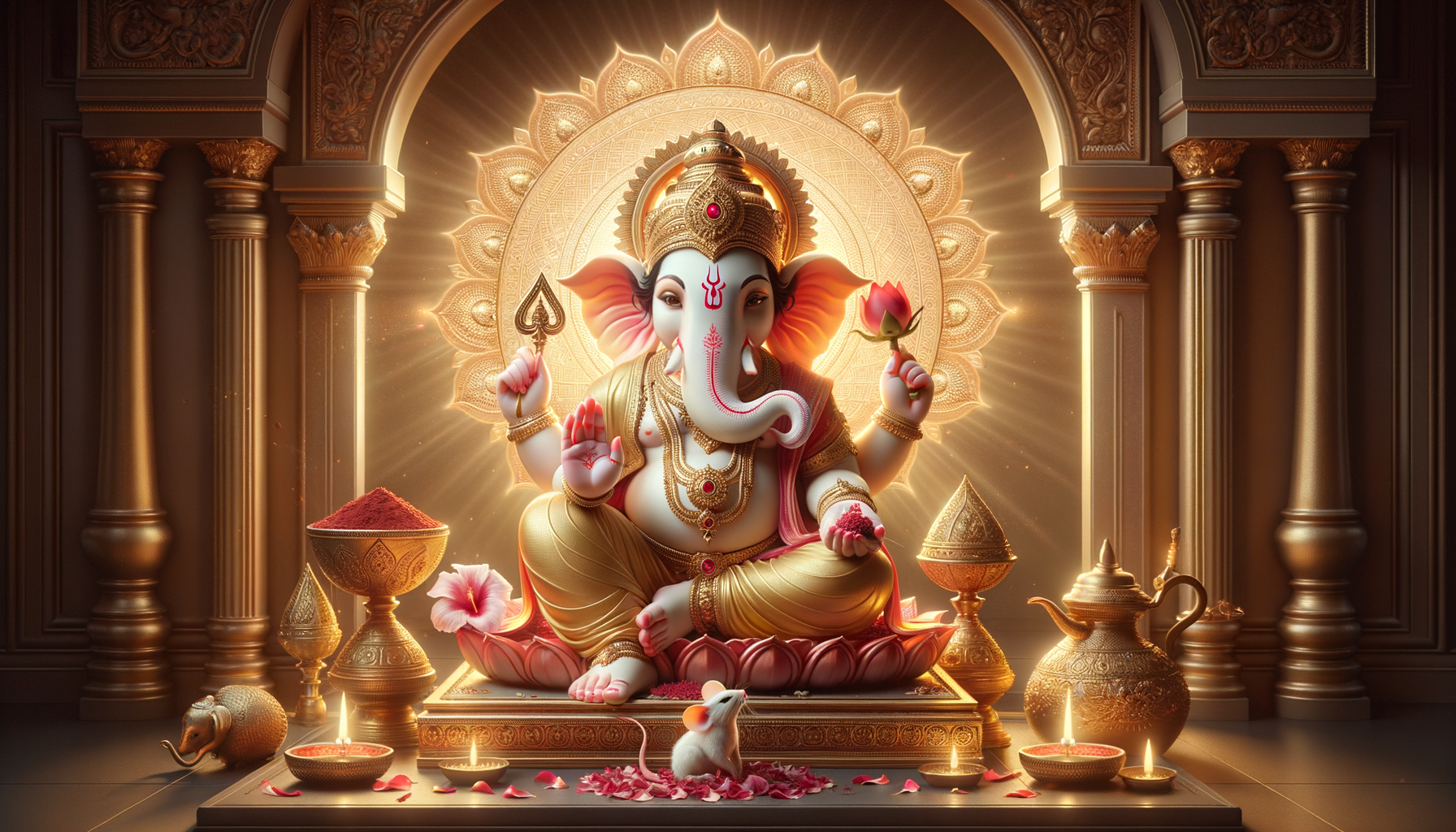
The sacred red of Ganesha is not decoration but a precise visual theology that communicates Shakti, auspiciousness, and the courage to begin well. Rooted in Agamic and iconographic traditions, vermilion (sindoor), kumkum, and red flowers activate Ganesha’s obstacle-clearing grace at personal and communal thresholds. The color aligns with the Muladhara chakra, reinforcing stability and decisive…
-
Surabhi (Kamadhenu): Emblem of Abundance, Health, and Compassion Across Dharmic Traditions

Surabhi, also known as Kamadhenu and revered as Gomatha, is celebrated in Hinduism as the celestial cow symbolizing abundance, health, and dharma. While rarely worshipped as a standalone deity, her presence thrives in household reverence, ethical living, and community service. Puranic literature portrays her as a benevolent, wish-fulfilling source of auspiciousness linked to sages and…
-
Hadapsar’s Hindu Rashtra-Jagruti Sabha Draws 150+ Participants, Ignites Dharmic Unity
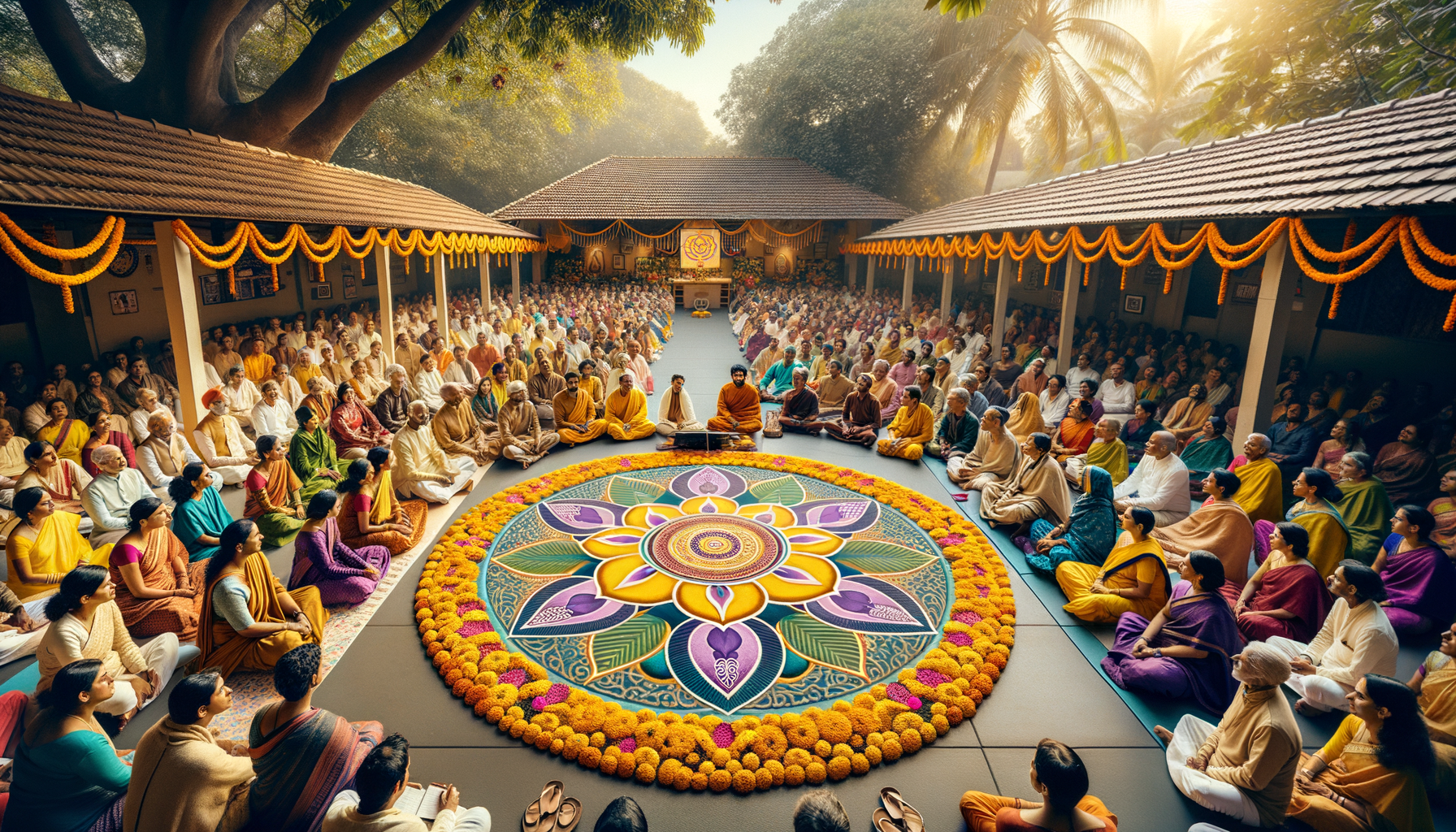
A well-attended Hindu Rashtra-Jagruti Sabha at Mahadevwadi in Hadapsar, Pune, drew more than 150 participants, reflecting robust community engagement in Maharashtra. The gathering fostered respectful dialogue among families, youth, and elders, reinforcing cultural continuity and ethical citizenship. Its values resonated across dharmic traditionsHinduism, Buddhism, Jainism, and Sikhismthrough an emphasis on compassion, non-violence, and seva. Participants…
-
Tripuranthakeswara Temple at Tripuranthakam: Sacred Gateway to Srisailam and Shakti
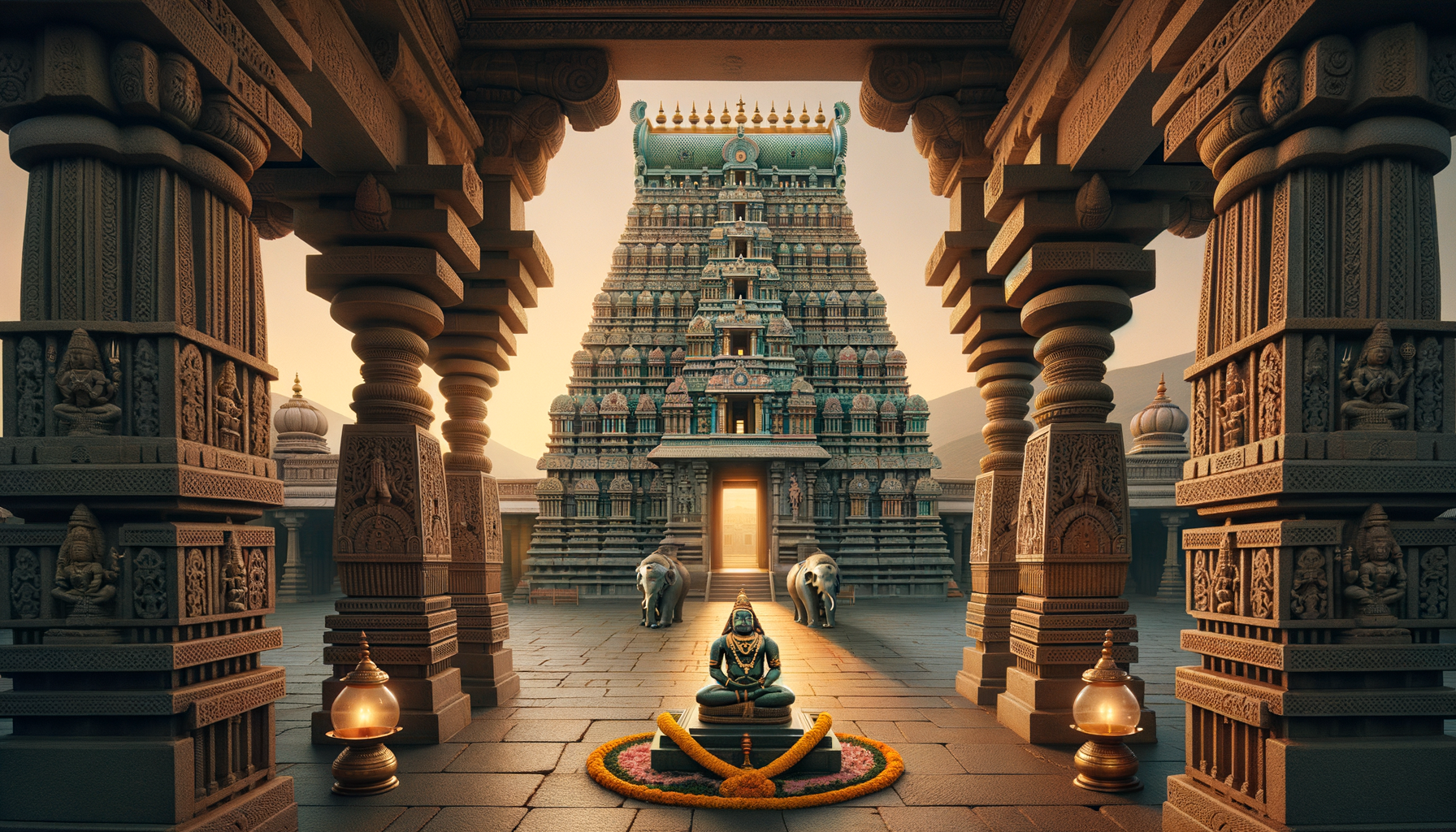
Tripuranthakeswara Temple at Tripuranthakam is an ancient Shiva shrine in Andhra Pradesh, revered as the eastern gateway to Srisailam. The twin sanctums of Tripuranthakeswara Swamy and Tripura Sundari Devi reflect the harmonious unity of Shiva and Shakti. Rooted in Puranic lore, the site commemorates Shiva’s manifestation after the destruction of Tripura, embodying the triumph of…
-
Bisu 2026 (Tuluva New Year): April 14 Date, Rituals, and Solar New Year Joy in Karnataka

Bisu 2026, the Tulu New Year in Tulunadu, falls on April 14 and follows the Souramana Panchanga (Solar calendar). The day begins with the Bisu Kani, symbolizing prosperity and clarity for the year ahead. Families observe oil baths, home purification, temple visits, and festive meals that highlight Tulu culinary traditions. As a Solar New Year…
-
Kamala Kamini Durga: Compassionate Two-Armed MotherIconography, Symbolism, Story

Kamala Kamini Durga presents a compassionate, two-armed manifestation of Goddess Durga that emphasizes rescue, reassurance, and inner restoration over outward conquest. The lotus symbolism of Kamala conveys purity and auspicious resilience, while the two hands often reflect abhaya and varada mudras. This form aligns naturally with shared dharmic values of daya, ahimsa, karuna, and seva,…
-
Timeless Guidance from Srila Bhaktisiddhanta on Devotion, Tolerance, and United Dharma
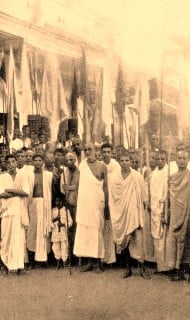
Srila Bhaktisiddhanta Sarasvati Thakura’s guidance centers on “param vijayate Sri-Krishna -Sankirtanam,” presenting chanting as a shared Dharmic bridge to inner clarity and social harmony. The teachings encourage humility, tolerance, and one-pointed devotion, while affirming unity in spiritual diversity across Hindu, Buddhist, Jain, and Sikh traditions. Scattered religiosity is reframed as a call for coherent purpose,…