
-
March 12, 2026 Panchang Guide: Krishna Paksha Navami Tithi, Auspicious Muhurtas, Nakshatra & Rashi
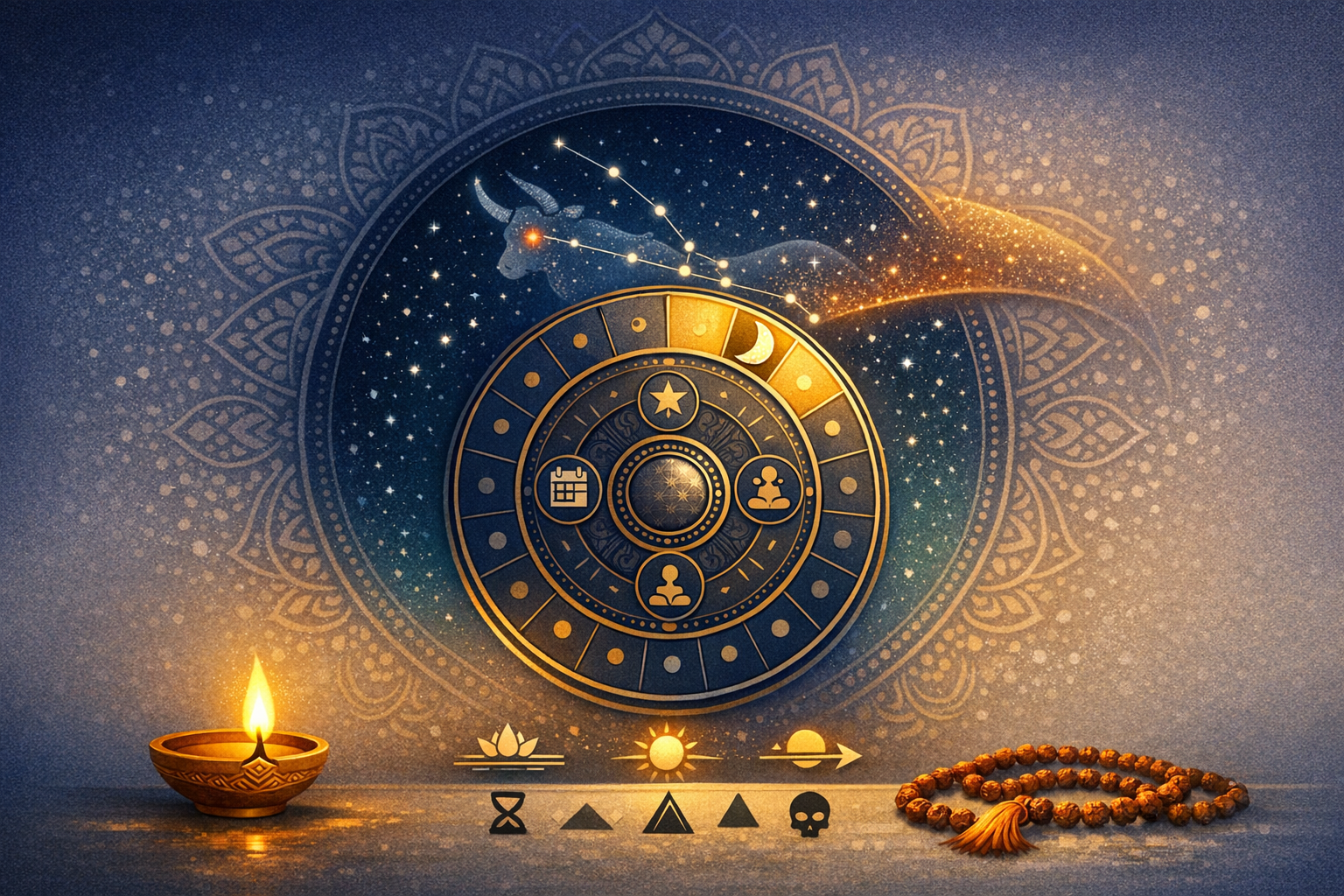
Thursday, March 12, 2026 transitions from Krishna Paksha Ashtami (ending at 02:17) to Krishna Paksha Navami for the remainder of the day. The guide explains how to use Panchang fundamentalsTithi, Nakshatra, Rashi, Yoga, Karanato plan effectively without sacrificing accuracy. It outlines dependable Shubh Muhurat choices such as Brahma Muhurta, Abhijit Muhurat, and the afternoon Vijaya…
-
For 24 Years, a Human Chain Has Kept Khadakwasla Reservoir Safe and Clean on Dhulivandan
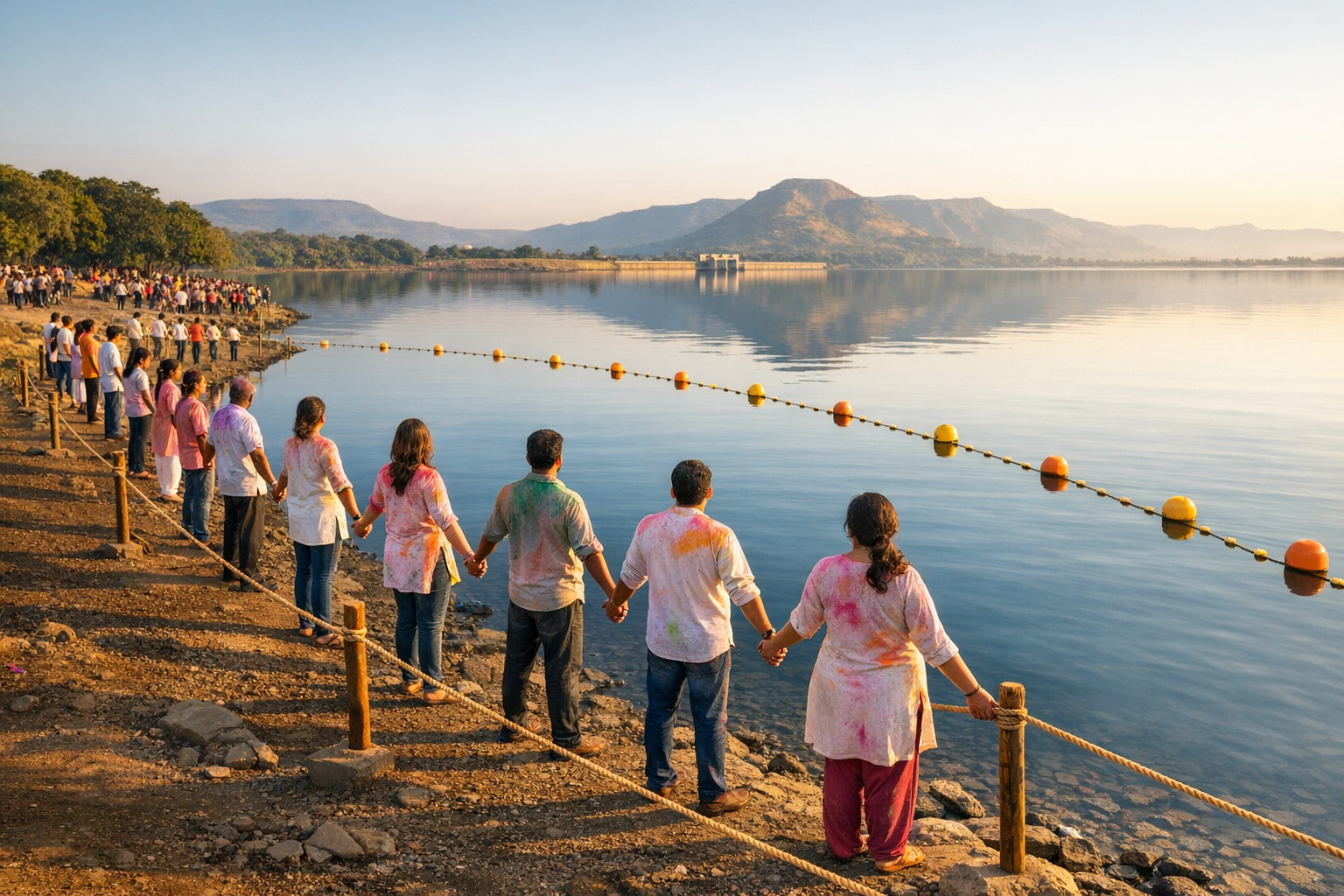
Now in its 24th year, the Khadakwasla Reservoir Protection Campaign kept celebrants out of the water during Dhulivandan through a volunteer human chain of over 200 citizens. This simple, citizen-led perimeter prevented pollution at the source and reduced safety risks without dampening festive spirit. By protecting a critical drinking water asset for Pune, the initiative…
-
Swift Action at Ratnagiri Hospital: Unauthorised Banners Removed to Ensure Safety and Harmony
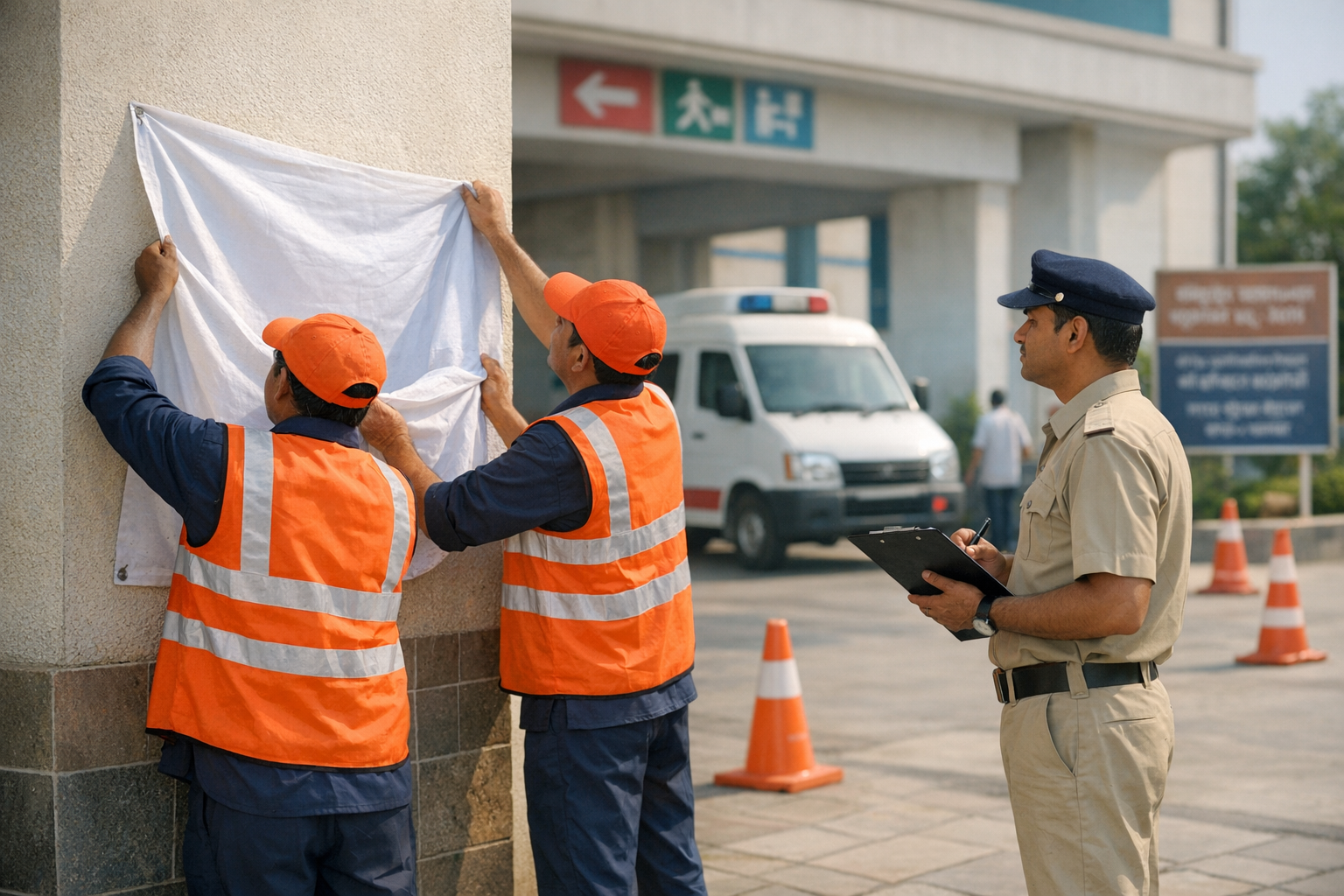
Unauthorised banners were removed from Ratnagiri’s District Government Hospital after a formal citizen representation, highlighting the importance of neutrality and safety in public health institutions. The action aligns with the Bombay Prevention of Defacement of Property Act, 1995 and standard municipal by-laws governing signage on public property. By keeping clinical areas free from non-sanctioned displays,…
-
March 2026 Sacred Pujas at Kanchi Kamakoti Peetham: Tithi Highlights, Rituals, Devotee Guide
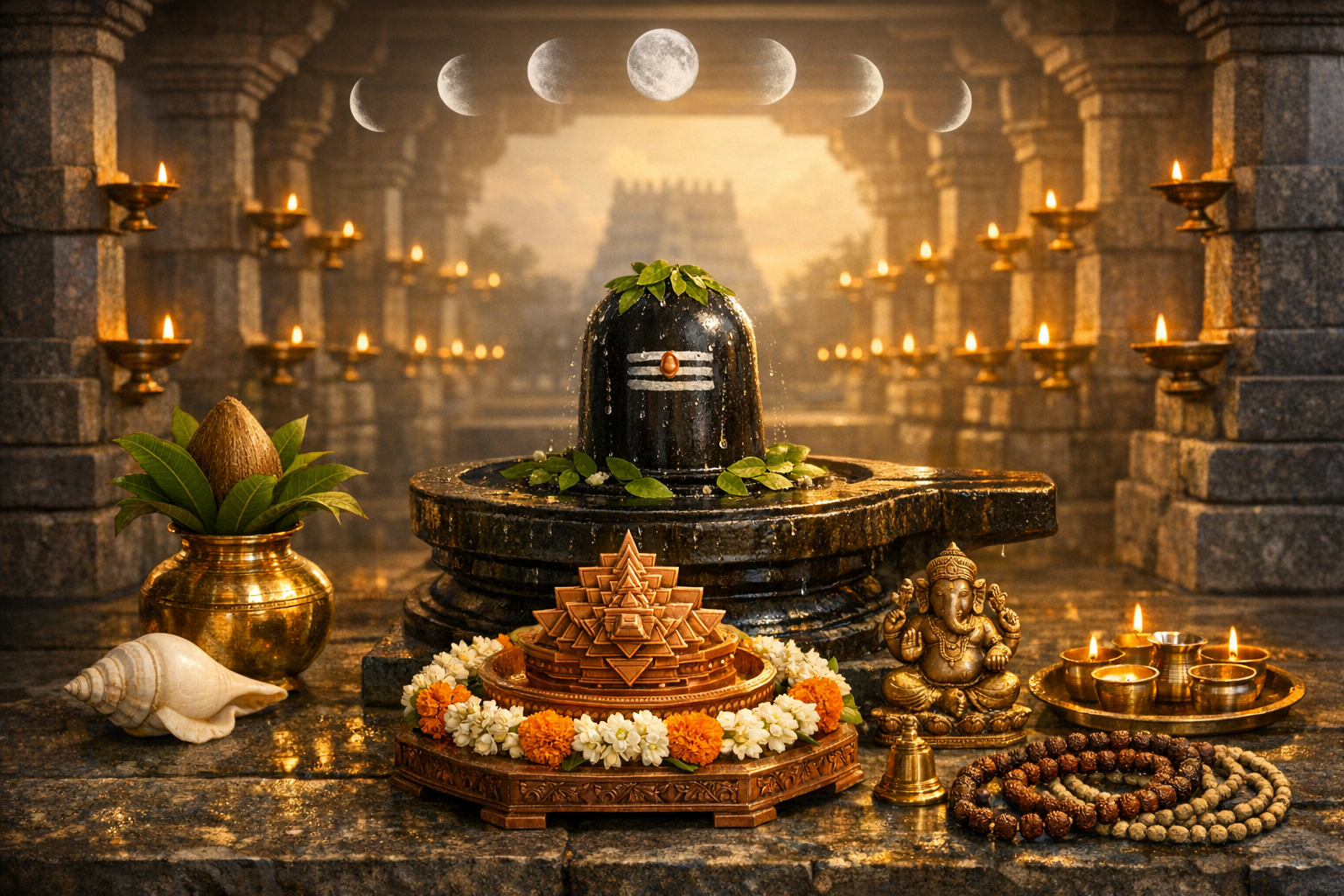
March 2026 at Kanchi Kamakoti Peetham in Kanchipuram spans Falgun Maas – Chaitra Maas (North), Phalguna Masam – Chaitra Masam (Telugu, Kannada, Marathi, Gujarati), Falgun Mash – Chaitra Mash (Bengali), and Tamil Masi – Panguni. The month’s rhythm is set by tithiEkadashi, Pradosham, Purnima, Amavasya, and Sankashtirather than fixed solar dates, so devotees should consult…
-
Kubera’s Jewel‑Spitting Mongoose: Decoding a Dharmic Icon of Wealth, Generosity, and Grace
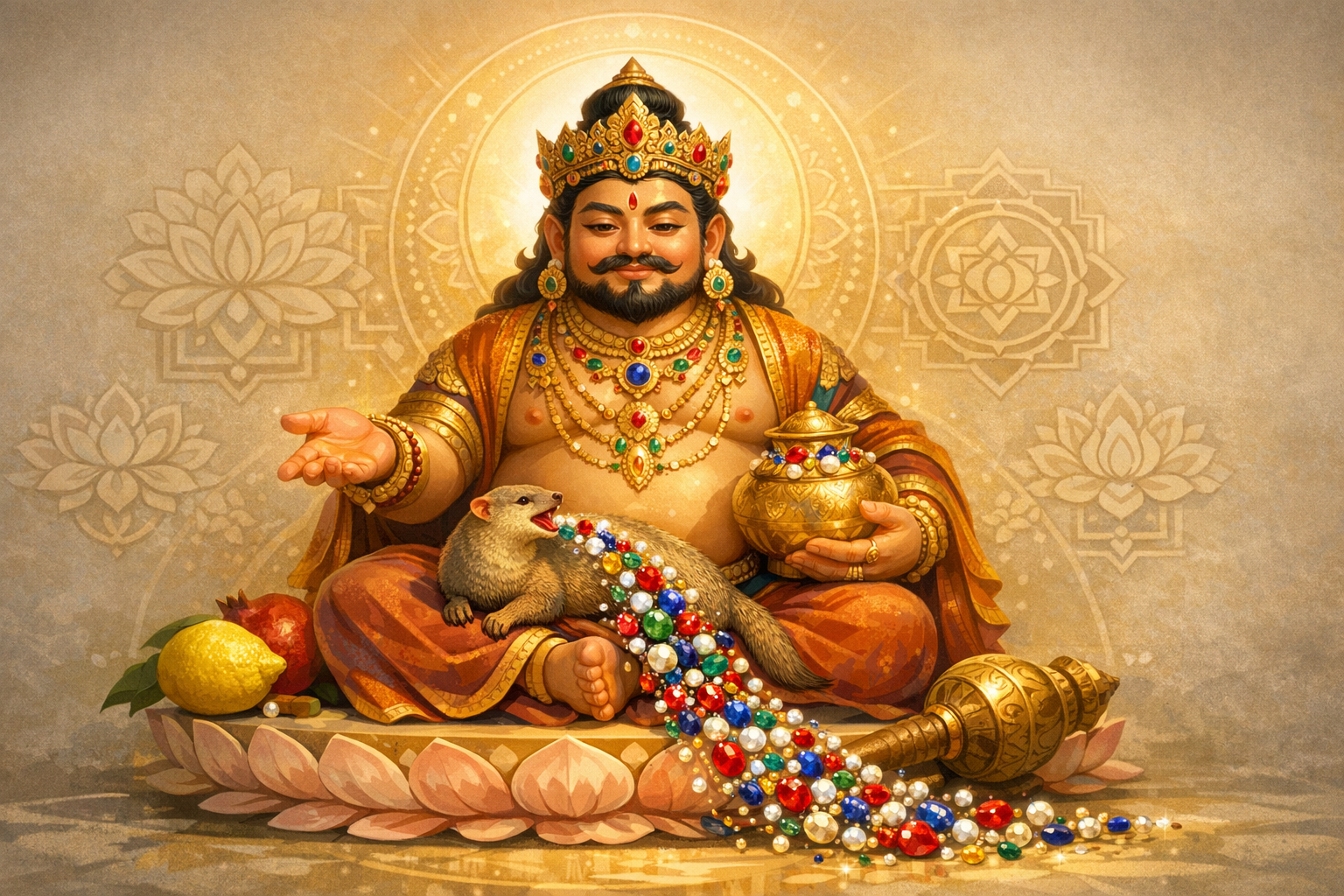
Kubera’s mongooseoften shown resting on his lap or spitting jewelsencodes a complete dharmic ethic of wealth: fearless guardianship, disciplined stewardship, and compassionate distribution. This long-form analysis decodes the iconography across Hinduism, Buddhism, and Jainism and shows how it resonates with Sikh ethics of seva. It explains why the mongoose signifies victory over hoarding and the…
-
Shocking Misuse of Icons: Shivaji Maharaj and Maharani Padmini as Toilet Signs in Haryana

Reports from Sikri, Haryana, indicate that portraits of Chhatrapati Shivaji Maharaj and Maharani Padmini were used as toilet signage in a banquet hallan act widely perceived as disrespectful. This analysis explains why such placement violates heritage ethics, drawing on semiotics, constitutional duties, and best-practice design standards. It situates Shivaji Maharaj and Maharani Padmini within India’s…
-
Rishyasringa and Vibhandaka’s Enchanted Lake: How Ascetic Power Shaped Destiny in the Ramayana

An evocative Ramayana tradition recalls an enchanted lake near Kishkindha, created by Vibhandaka to safeguard Rishyasringa’s brahmacharya by transforming the gender of any intruder. This protective magic becomes the hinge on which Anga’s drought ends, Rishyasringa weds Śāntā, and Daśaratha’s Putrakameshti ushers in the birth of Rama. The narrative integrates geography (Hampi–Anegundi), ritual science, and…
-
Atma Shraddha at Gaya Janardan Temple: Definitive Guide to Self Pind Daan for Ancestral Peace

Gaya Janardan Temple in Gaya, Bihar is widely cited as the only temple where Atma Shraddhaself Shradh and Pinda Daan performed while livingcan be undertaken with full ritual authority. This guide explains what Atma Shraddha is, why Gaya holds unparalleled standing for ancestral rites, and how the temple’s location on Bhasma Koot Mountain near Mangala…
-
Unshakable Calm in Life’s Storms: Vedantic Truth and Dharmic Resilience Across Traditions

This essay examines the adage, “Storms will be ever present in life, and the best anchor is knowledge of Supreme Truth,” through Hindu philosophy and related dharmic traditions. It clarifies how Advaita Vedanta, the Upanishads, the Bhagavad Gita, Buddhism, Jainism, and Sikhism converge on a practical, verifiable path from instability to resilience. Readers gain a…
-
The World as a Roadside Inn: A Dharmic Guide to Impermanence, Detachment, and Freedom

This essay explores the classic dharmic metaphor of the world as a roadside inn to clarify impermanence, detachment, and ethical action. A teaching story of a mendicant and a king introduces the theme, which is then examined through the Bhagavad Gita, Upanishads, Patanjali’s Yoga Sutra, and Jain, Buddhist, and Sikh perspectives. Readers learn how anitya…
-
Sharabha Jayanti 2026 (Vaishakh Purnima): Sacred Date, Puja Guide, Symbolism, Temple Insights

Sharabha Jayanti 2026, also known as Sharabheshwara Swamy Jayanti, falls on 1 May and coincides with Vaishakh Purnima in the traditional Hindu calendar. The festival honors Lord Sharabha as a protective, pacifying manifestation of Shiva and emphasizes transforming fierce energy into compassionate guardianship. Regional calendars index the observance differently, with Tamil and Malayalam solar months…
-
When Life Shatters the Script: Reframing Expectations, Grief, and Resilience with Dharmic Wisdom

Life scripts often feel reliable until an unpredictable event shatters the plan. This analysis follows a young widow’s experience to show how grief includes both the loss of a loved one and the collapse of anticipated futures. It explains why rigid expectations amplify suffering, drawing on cognitive science, bereavement research, and shared dharmic wisdom across…
-
Maha Shivaratri 2026 Lingodbhava Kalam: Midnight Muhurat, Ritual Guide, Calendar Science

Maha Shivaratri 2026 will be observed on the night of Sunday, 15 February, with Lingodbhava Kalamthe most auspicious Maha Shivaratri Muhuratoccurring around local midnight and extending into the early hours of Monday, 16 February, by the Gregorian calendar. Rooted in the Krishna Paksha Chaturdashi tithi and anchored in Nishita Kaal, this midnight window aligns ritual…
-
Gajasurasamhara: Shiva’s Elephant‑Demon Dance, Symbolism, Ego, and Inner Liberation
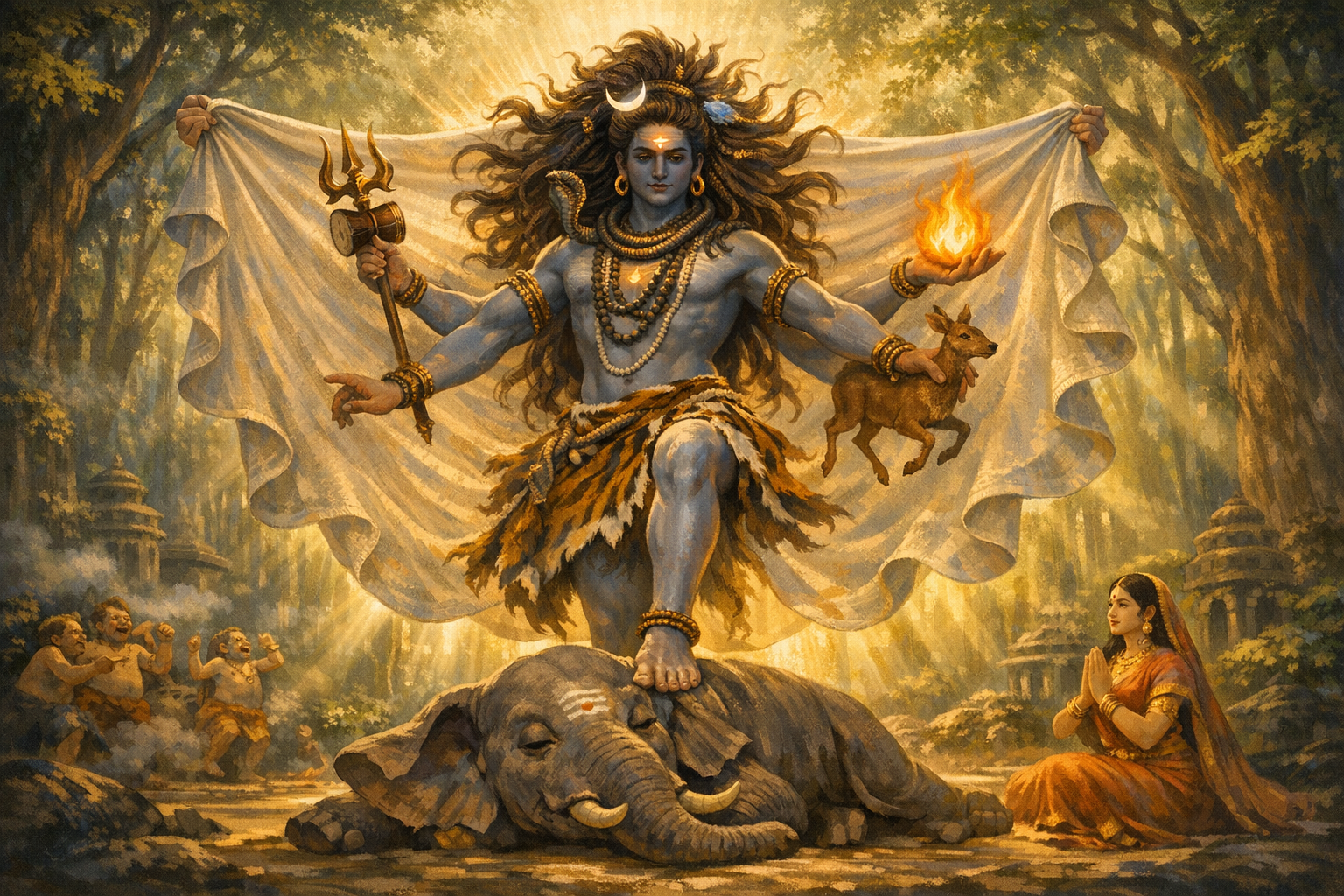
Gajasurasamhara, Shiva’s slaying of the elephant‑demon in Darukavana, encodes a rigorous spiritual map: the destruction of ego and ignorance as the ground of inner freedom. This long‑form analysis situates the myth within Purana and Agama traditions, unpacks its iconography from the damaru to the trishula, and clarifies why the elephant hide signifies the unveiling of…
-
Vṛtrāsura, Indra, and Ṛta: Timeless Dharmic Lessons on Leadership, Anarchy, and Renewal

This rigorous reading of the Vṛtrāsura cyclespanning the Ṛg Veda, the Mahabharata and Ramayana, and the Purāṇasunpacks how the myth encodes a timeless governance and ethics playbook. It clarifies Indra’s moral complexity (Brahmahatyā-dōṣa and Tapas), the leadership caution of Nahusha’s ascent and fall, and the systemic anatomy of anarchy when Ṛta is disturbed. Readers gain…
-
Unbroken Sacred Bonds of Bharatavarsha: Living Sanatana Dharma and India’s Cultural Unity
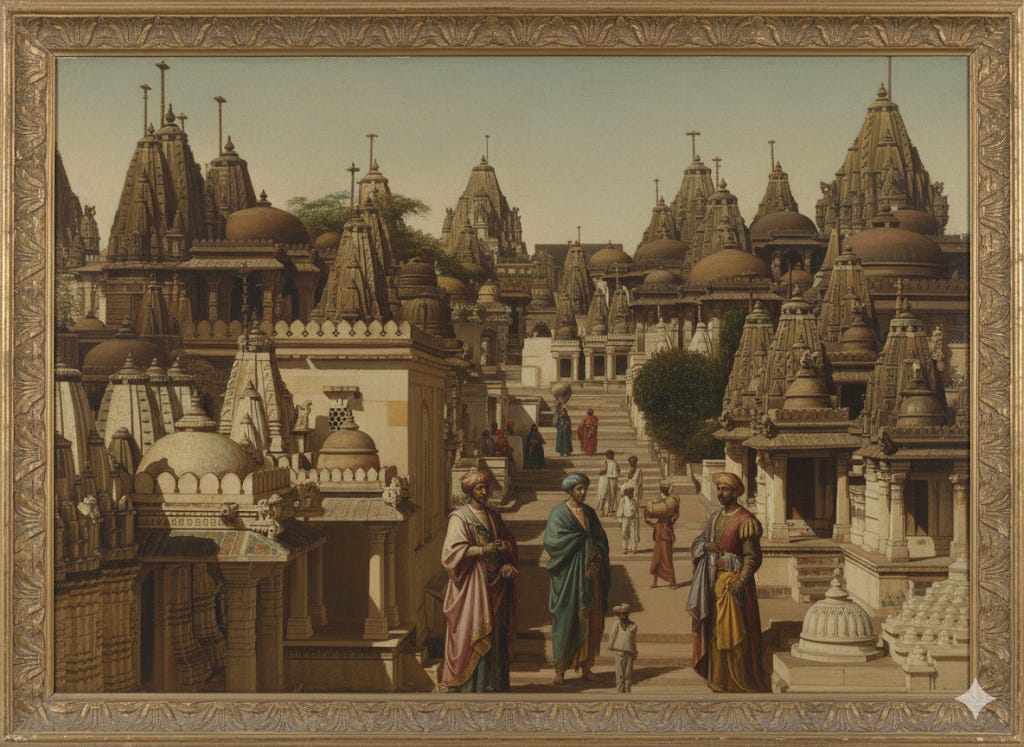
This essay examines how the cultural unity of Bharatavarsha endures through lived Sanatana Dharmawhere sacred geography, pilgrimage, arts, and scholarship weave Hindus, Buddhists, Jains, and Sikhs into a shared civilizational fabric. It highlights the continuing vitality of Adi Sankara’s mathas, Sanskrit-centered scholarly debate, and inclusive canons such as the Guru Granth Sahib. It traces interregional…
-
Karadaiyan Nombu 2026: Exact Muhurat, Ritual Guide, and the Spirit of Devotional Unity

Karadaiyan Nombu 2026 occurs on 14 March, with the ideal time in India for breaking the fast and wearing the sacred thread between 7:30 PM and 8:30 PM IST. This Tamil vrata to Goddess Shakti/Kamakshi honors the Savitri–Satyavan ideal of devotion, courage, and family well-being. The guide outlines key ritualssankalpa, deepam, Karadai adai offerings with…
-
Decoding Andal’s Parrot (Shuka): Vaishnava Iconography of Love, Voice, and Divine Bhakti Power
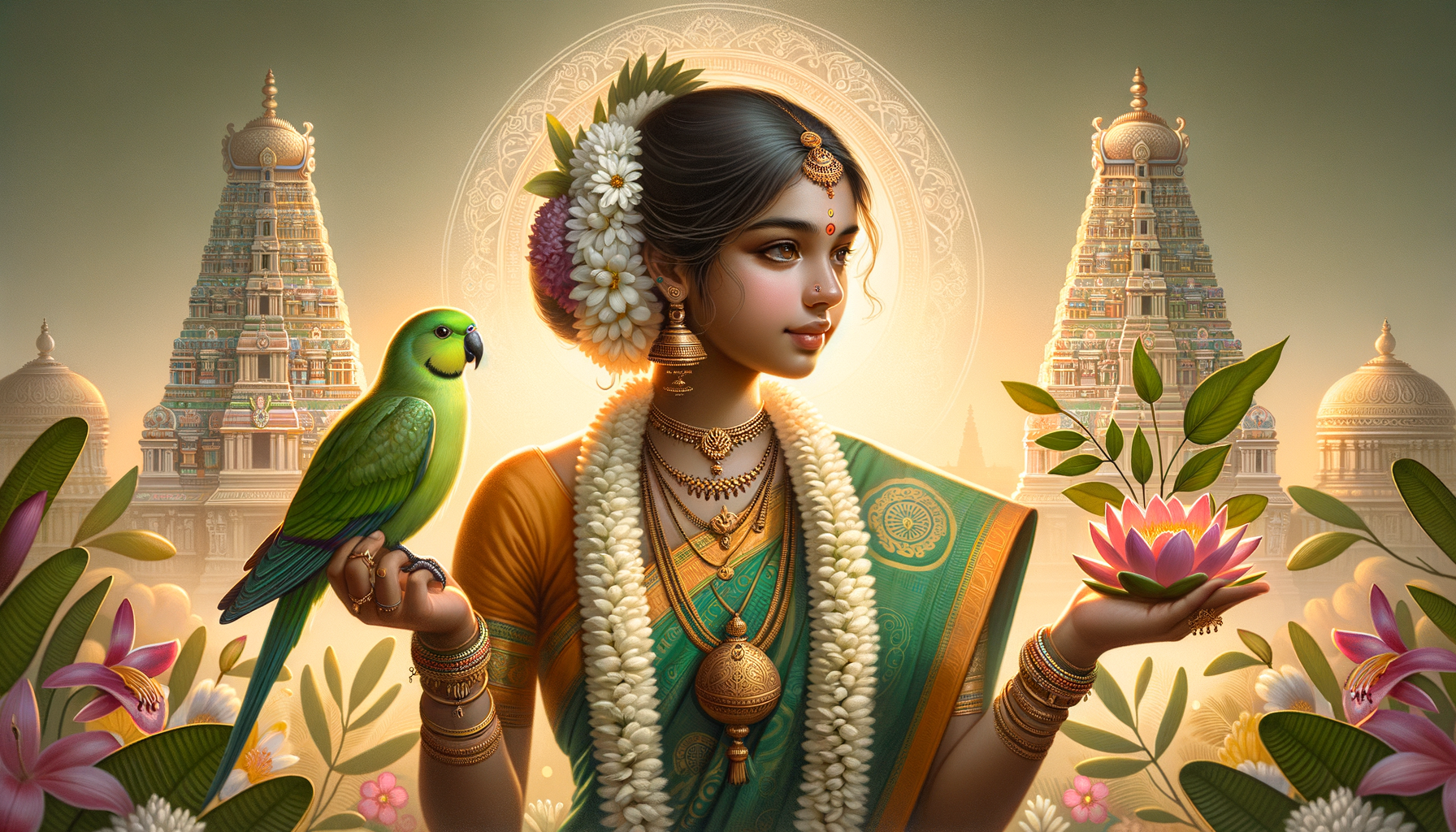
Andal’s parrot (Shuka) is a potent Vaishnava symbol that unites love, voice, and sacred memory in a single, graceful image. The iconography presents Andal as a serene, poetic devotee whose companion bird evokes messenger-love central to Tamil Bhakti. The Shuka’s association with mantra and nama-sankirtana highlights how disciplined speech transforms echo into wisdom. By recalling…
-
Varanasi Dharma-Jagruti Sabha: Rajan Keshari’s powerful call for Dharmic unity and Hindu Rashtra
At the Hindu Dharma-Jagruti Sabha in Baradih, Varanasi, Hindu Janajagruti Samiti (HJS) presented a values-centered call for Hindu Rashtra as a plural, dharmic framework rooted in Sanatana Dharma. The address by Rajan Keshari emphasized unity among Hinduism, Buddhism, Jainism, and Sikhism, advocating ethical governance, seva, and non-violence. Framed as civic responsibility rather than theocracy, the…
-
Durga’s Sacred Mace (Gada): A Powerful Emblem of Strength, Justice, and Living Dharma

The gada (mace) in Goddess Durga’s hands signifies ethical strength guided by justice and compassion. Rooted in the Devi Mahatmya, it recalls how Yama endowed Durga with the power to restore order against adharma. The mace symbolizes grounded resolve, impartial accountability, and the stabilizing force of dharma in public and personal life. Beyond martial imagery,…