
-
Compassionate Destroyer: Kinnara Shiva, Divine Healer Who Burns Away Disease and Suffering

This study interprets Kinnara Shiva as a compassionate destroyer and divine healer within Hindu worship, framing disease and suffering through Shiva’s dual symbolism of purifying fire and cooling grace. It situates the epithet historically and doctrinally, clarifying that “Kinnara Shiva” functions as a living, vernacular honorific while grounding the healing theology in Sri Rudram and…
-
Ram Navami 2026 Live Darshan: Profound Rituals and Memories at Sri Sri Krishna Balram Mandir
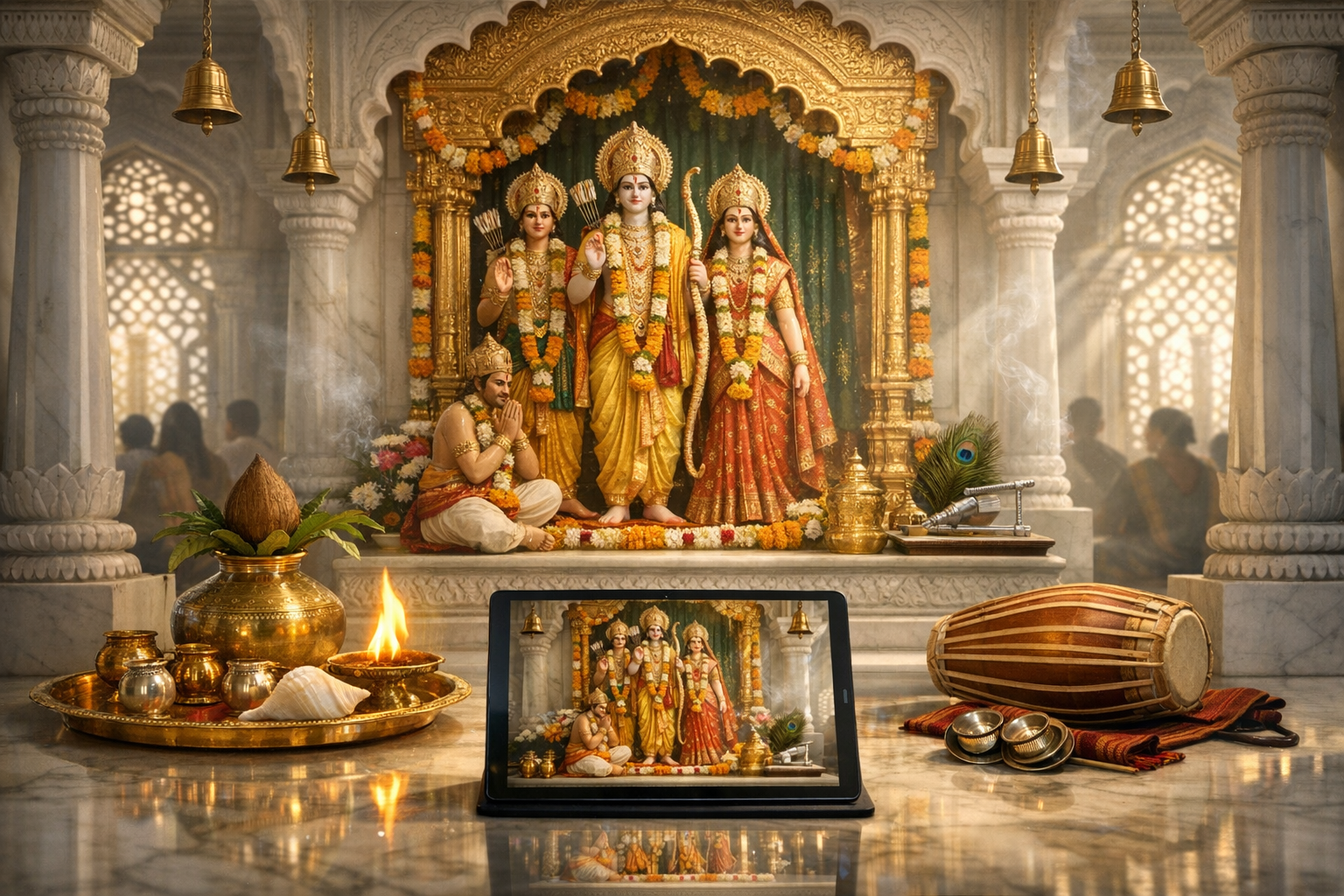
Observed on 27 March 2026 (Chaitra Shukla Navami), this Ram Navami Live Darshan feature explains the tithi-based timing, outlines key temple rituals, and preserves memories from the grand opening of Sri Sri Krishna Balram Mandir. Readers gain a clear, Panchang-grounded understanding of Madhyahna observances, abhishekam, aarti, and kirtan within Gaudiya Vaishnavism and the wider Bhakti…
-
Decoding the Sacred: How Sanatana Dharma Explains, Verifies, and Integrates Divine Experiences

This essay clarifies how Sanatana Dharma interprets divine experiences through a rigorous, compassionate framework. It explains how pramana (direct experience, inference, and trustworthy testimony) aids discernment, and how practices in Bhakti, Jnana, Raja, and Karma Yoga shape reliable transformation. Readers learn practical integration methodsdaily discipline, reflective journaling, scriptural study, and sevathat convert brief insights into…
-
Ajati in Advaita Vedanta: Radical Non-Birth, Mandukya Karika, and Deep Clarity

AjatiAdvaita Vedanta’s doctrine of non-birthasserts that ultimate reality never truly originates or changes, while preserving everyday causality and ethics at the empirical level. Rooted in the Mandukya Upanishad and Mandukya Karika, it culminates in the recognition of turīya, the ever-present awareness. By distinguishing absolute from empirical standpoints, Ajati avoids nihilism and affirms a positive, non-dual…
-
Uragas vs. Nagas in Hinduism: Origins, Scriptural References, and Sacred Symbolism

Hindu texts distinguish clearly between uragas and nāgas. Uraga is a generic Sanskrit term for serpentsa poetic synonym alongside sarpa, ahi, and bhujaṅgawhile nāga denotes a semi-divine class with genealogy, kingship, and realm (nāga-loka). Epic and Purāṇic narratives feature named nāga personages such as Śeṣa, Vāsuki, and Takṣaka, whose roles in cosmology and ethics far…
-
The Blessed Step of Pandharpur: Namdev Chi Payari and the Transformative Power of Bhakti

Pandharpur’s famed Namdev Chi Payari is more than a stone step; it is a living threshold where the Bhakti of Sant Namdev meets the grace of Lord Vitthal. This comprehensive account situates the payari within the Warkari Sampradaya, explains its ritual role before darshan, and explores its deep symbolic meaning in temple architecture and spiritual…
-
Paada Shani for Vrishabha Rashi: Master Saturn’s Last 2.5 Years in Gemini

Paada Shani is the final 2.5-year phase of Shani Sadesati for Vrishabha Rashi, occurring when Saturn transits Gemini (the second house from the Moon). This period rigorously examines speech, family cohesion, and accumulated wealth, while rewarding discipline, truthfulness, and financial order. Technical interpretation highlights Saturn’s aspects from Gemini to Leo, Sagittarius, and Pisces, activating the…
-
Agra on Alert: Suspected Bovine Remains Spark Protests as Police Fortify Security, Appeals for Calm
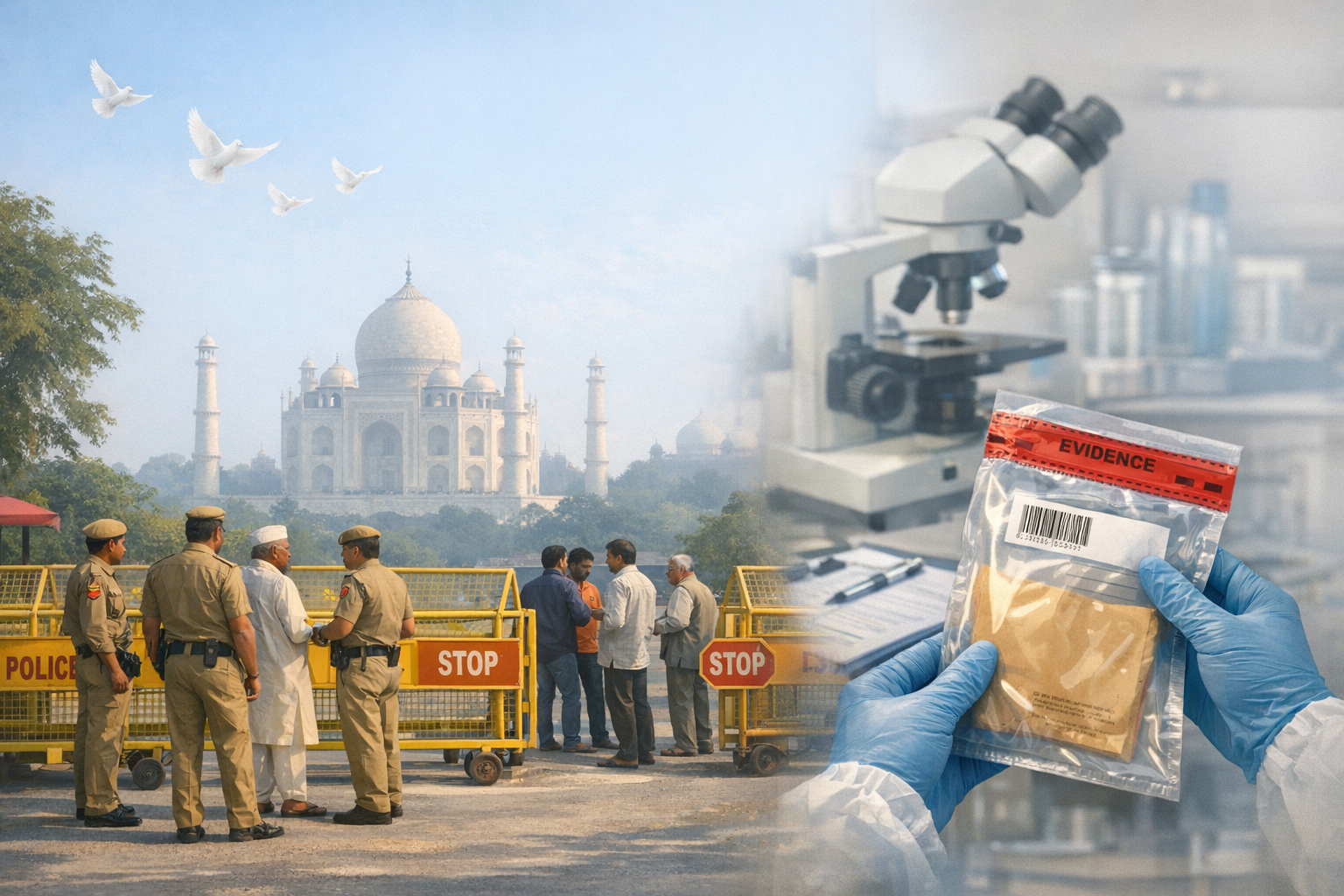
Agra entered a period of heightened alert in March 2026 after suspected bovine remains were discovered, prompting protests and increased police deployment. This analysis explains what is known, what requires forensic confirmation, and why waiting for laboratory results is crucial. It outlines how species identification workshistology, DNA barcoding, and immunoassaysand why chain of custody and…
-
Decoding Nityānuvāda in Pūrva Mīmāṃsā: How Reiteration Shapes Vedic Meaning and Practice

Nityānuvāda, a core device in Pūrva Mīmāṃsā, explains why the Veda sometimes reiterates what is already known. Rather than creating new duties, it safeguards constant associations and stabilizes practice, complementing vidhi (injunction) without competing with it. Recognizing nityānuvāda helps readers avoid inflating obligations and dissolves apparent scriptural contradictions. The distinction from restrictive vidhis is precise:…
-
Beyond Marks and Robes: Recognizing True Sanatana Dharma by Conduct and Consciousness

The dharmic traditions of the Indian subcontinent teach that true spiritual identity is recognized through conduct and consciousness, not through marks, robes, or ritual display. Sanatana Dharma and its sister pathsBuddhism, Jainism, and Sikhismconverge on ethical and contemplative maturity as the most reliable signatures of practice. Scriptural anchors such as the Upanishads, the Bhagavad Gita,…
-
Transform Harsh Self-Judgment into Self-Compassion: Research-Backed Steps to Quiet the Inner Critic

Many extend compassion to others yet reserve harsh self-judgment for themselves. This research-grounded exploration explains why the inner critic gains powerthrough negativity bias, perfectionism, conditional approval, and traumaand how to counter it without weakening accountability. Drawing on psychology, neuroscience, and dharmic wisdom from Hinduism, Buddhism, Jainism, and Sikhism, it presents seven trainable steps to cultivate…
-
Not So Salient: Exposing Caste Stereotypes and Defending Hindu American Civil Rights

Harvard’s “The Brahminist Veto” casts Hindu Americans as a theocratic fringe, but the evidence points elsewhere: routine civic advocacy, due process in high-profile investigations, and a consistent demand for equal respect in academic settings. The record shows that caricatures of Hindu theologythrough misreadings of texts like Manusmriti and the Purusha Suktaignore scholarly consensus and historical…
-
Shattering the Illusion of Chains: Advaita Vedanta’s Guide to the Ever‑Free Self
Advaita Vedanta proposes a radical clarity: in ultimate truth there is neither bondage nor liberation; the Self (Atman) is ever-free, and only ignorance creates the sense of captivity. This article explains the logic of avidya and adhyasa, distinguishes empirical from absolute perspectives, and shows how moksha functions as recognition rather than attainment. Drawing on the…
-
Chandan Yatra 2026 at Puri Jagannath: Akshaya Tritiya rituals, history, and sacred darshan guide

Chandan Yatra 2026 at Puri Jagannath Temple begins on Akshaya Tritiya, 20 April 2026 (Vaishakha Shukla Tritiya), inaugurating both the summer cooling rites and the formal start of Rath Yatra preparations. The 42-day observance unfolds in two phases21 days of Bahara Chandan at Narendra Pokhari with evening boat processions, followed by 21 days of Bhitara…
-
Kailash Giri Pradakshina: Definitive, Soul-Stirring Guide to Manasarovar Yatra and Parikrama

Mount Kailash, beside Lake Manasarovar and Lake Rakshastal, is revered across Hinduism, Buddhism, Jainism, and Bon, making the Kailash Manasarovar Yatra a living emblem of dharmic unity. This comprehensive guide explains the spiritual grammar of circumambulationpradakshina, parikrama, Girivalam, and korawhile detailing the three-day, ~52 km Outer Kora from Darchen over Drolma La Pass. Practical sections…
-
Inside the Kapalikas: Fierce Tantric Shaivism, Bhairava Devotion, and Charnel-Ground Rites

This in-depth overview situates the Kapalikas within Tantric Shaivism and early medieval Indian history, explaining why the ‘skull-people’ carried kapala bowls and worshipped Shiva as Kala Bhairava. It clarifies how cremation-ground observances, bone ornaments, and fierce offerings served a disciplined non-dual soteriology rather than mere spectacle. Readers gain a careful separation of polemic and practice…
-
Hupari Mobilizes: Hindu Rashtra-Jagruti Andolan Urges Relentless Action on Drug Trade in Kolhapur

Hupari in Kolhapur district witnessed a Hindu Rashtra-Jagruti Andolan demanding strict police action against drug peddlers and a full investigation into wider narcotics supply networks. This analysis situates the event within India’s NDPS legal framework and highlights best-practice enforcement that is both effective and rights-respecting. It outlines a ten-point community safety plan for Huparicovering intelligence…
-
Healthy Jiva Seminar Insights: Harnessing Vedic Wisdom for Body–Mind–Atma Harmony and Resilience
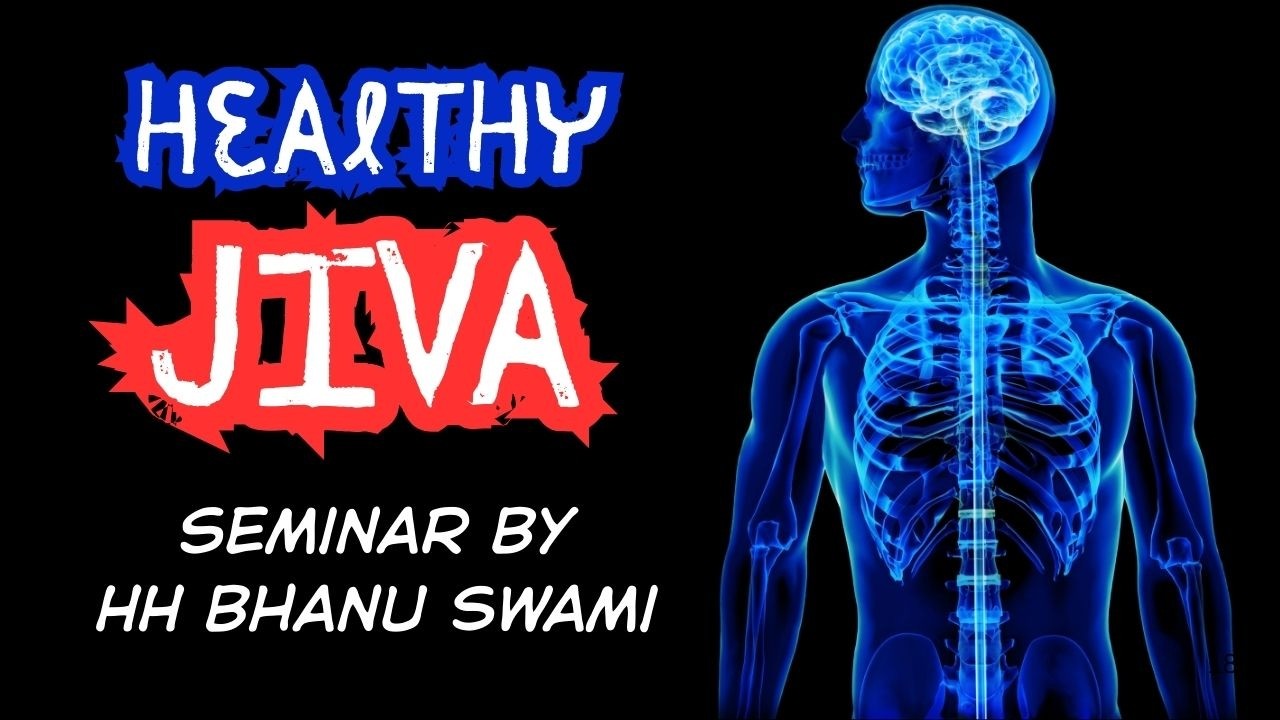
The “Healthy Jiva” seminar by HH Bhanu Swami (Fri 06 Mar 2026) distilled a Vedic, evidence-aligned model of health that integrates the gross body, the subtle body, and the atma. It explained how imbalances propagate across layers, clarifying why mind-body practices such as asana, pranayama, meditation, and bhakti stabilize well-being. Drawing on tri-sharira, pancha-kosha, and…
-
Navya Nyaya Meets Alankara: Srinatha’s Triumphant Debate with Dindima in Vijayanagara

Set in the vibrant scholastic world of the Vijayanagara court, this episode traces how Kavi-sārvabhauma Srinatha out-argued the logician-poet Dindima within a rigorously constituted sabha. It explains why the panel privileged Alankara Sastra and grammar, under Mimamsa oversight, when adjudicating a poetics question. Readers gain a clear view of classical pramana granthas, the role of…
-
Kapalini: Shakti’s Terrifying Grace and the Awe-Filled Storm that Seeds Creation Cycles

Kapalini, the skull-bearing form of Goddess Shakti, stands at the threshold where dissolution gives birth to creation. Set against the awe-filled storm of pralaya, Kapalini carries the Brahma-substancethe causal seed from which new worlds emergeoffering a precise map of Hindu cosmology. The narrative clarifies the five cosmic acts, types of pralaya, and the role of…