
-
Rongali (Bohag) Bihu 2026: Vibrant Assamese New YearDate, Seven-Day Cycle, Traditions

Rongali (Bohag) Bihu 2026 marks the Assamese New Year on 15 April, synchronizing with Mesha Sankranti and the first day of Bohag. The festival’s living heritage unfolds through a three-day coreGoru Bihu, Manuh Bihu, and Gosai Bihuwithin a broader seven-day cycle still observed in many communities. Readers gain a clear understanding of the festival’s calendar…
-
Saptatori on Kojagari: Bengal’s Banana-Boat (Kolar Nouko) Ritual to Honor Lakshmi

Kojagari Lakshmi Puja in Bengal features the Saptatori traditionseven miniature Kolar Nouko (banana-boats) floated under the Sharad Purnima moon as offerings to Goddess Lakshmi. Each eco-friendly boat, crafted from banana trunk and leaves, carries grains, turmeric, vermilion, a coin, and a diya, symbolizing ethical prosperity and household well-being. The ritual’s timing aligns with cultural astronomy…
-
Gaudapada’s Asparshayoga Explained: The Fearless Non-Contact Path to Advaita Bliss

This essay unpacks AsparshayogaGaudapada’s “non-contact yoga” in Advaita Vedantaas a knowledge-centered recognition that dissolves the subject–object split. It explains why the bliss of the Self is intrinsic rather than a peak produced by sensory contact, grounding the discussion in the Mandukya Upanishad’s map of Turiya. It clarifies how Asparshayoga differs from Patanjali’s technique-driven approach while…
-
Andhatāmisra Unveiled: Inside Hinduism’s Blinding Hell of Deceit, Karma, and Justice

Andhatāmisra, the purāṇic “realm of blinding darkness,” illuminates Hinduism’s precise view of karmic retribution for deceit, cruelty, and willful ignorance. Drawing on sources such as the Garuḍa Purāṇa and the Bhāgavata Purāṇa, it explains how Naraka functions as a purgative, finite state aligned with Dharma and Adharma. The imagery of darkness serves as both cosmic…
-
Beyond the Mirror: A Wedding Dress Metaphor for Unshakable, Authentic Leadership

A bridal studio offers an unexpected lens on authentic leadership: selection is less about universal approval and more about precise alignment. This long-form analysis translates a wedding dress metaphor into actionable principles for values-based leadership, emotional resilience, and psychological safety. It distinguishes healthy adaptability from self-abandonment and explains why excellence without congruence erodes influence. Drawing…
-
Honoring Senior Devotees: Cultivating Humility, Strength, and Unity in Dharmic Life

Appreciating senior devotees is a disciplined expression of Vaisnava etiquette that advances purification and steadies bhakti. Seen through the lens of the Guru-Shishya Relationship, respect for elders functions as sadhana by transmitting lived virtues through satsanga and seva. Early arrogance often stems from ignorance of history; understanding the sacrifices of senior devotees, including those who…
-
Inside the Narasimha Purana: The Maya Sita Mystery behind Ravana’s Abduction

This essay explores a Puranic reinterpretationattributed to the Narasimha Puranaof the Ramayana episode in which Ravana kidnaps Sita, proposing that he abducted a divinely fashioned “Maya Sita.” It explains how Agni shelters the true Sita, reframing the Agni-pariksha as a public revelation of truth rather than a punitive ordeal. Readers gain a clear, technical understanding…
-
Goddess Jogadya Durga of Bengal: Unveiling Adya Shakti, Yoga, and a Timeless Shakta Legacy

Goddess Jogadya (Yogadya) is Bengal’s intimate manifestation of Durga, uniting the yogic discipline of attention with the primordial Adya Shakti. This in-depth guide explains her theology, iconography, and ritual grammar, situating Jogadya within Bengal’s sacred geography and festival calendarfrom Charak Sankranti in Chaitra to Sharadiya Navaratri in Ashwin. Readers learn how daily worship follows Panchopachara…
-
Seeing Govinda Everywhere: The mahabhagavata’s Transformative Path of Exclusive Bhakti (SB 7.7.55)
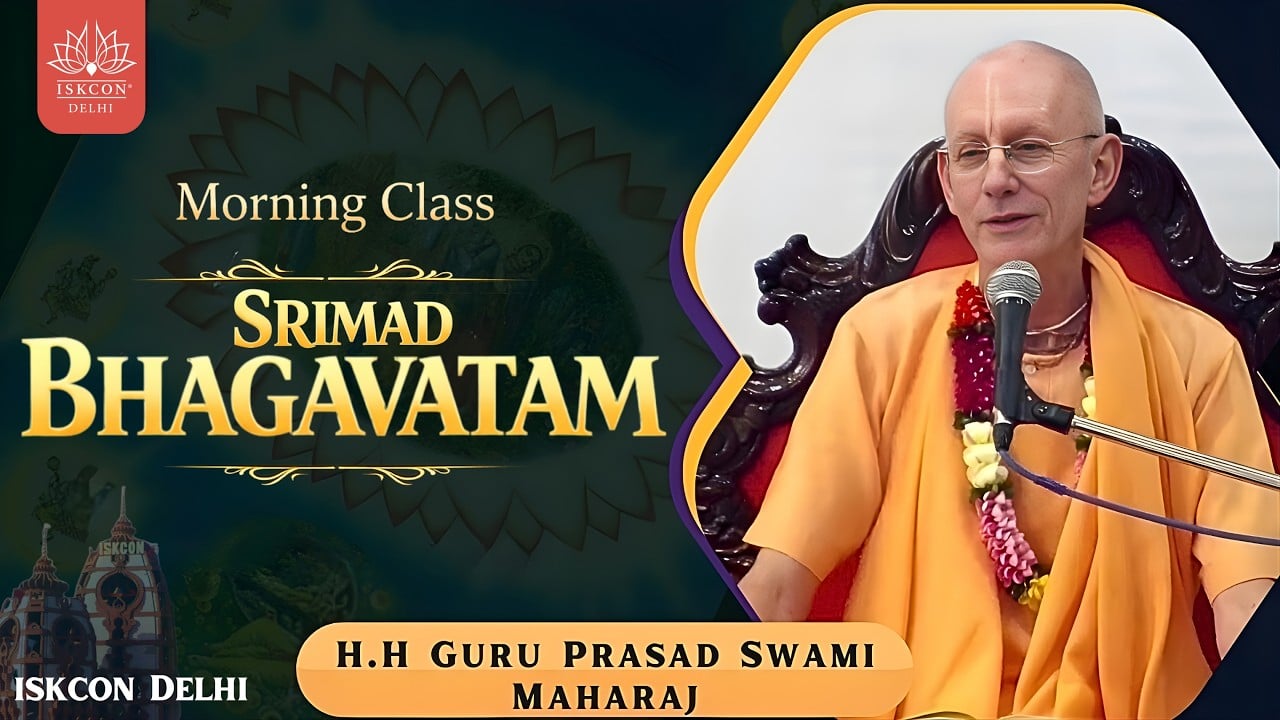
This analysis of SB 7.7.55, as explored in a morning Srimad Bhagavatam class by HH Guru Prasad Swami Maharaj at ISKCON Delhi, explains why the ultimate goal of life is exclusive devotion to Govinda and how mature realization expresses itself as seeing the Divine everywhere. It clarifies the mahabhagavata’s vision within Gaudiya Vaishnava theology (acintya-bheda-abheda)…
-
Simha Rashi 2026–2027: Comprehensive Leo Moon Sign Vedic Astrology Forecast & Remedies

Simha Rashi 2026–2027 presents a two-speed year for Leo Moon sign natives: early 2026 supports gains through networks and formal recognition, while mid-2026 to mid-2027 emphasizes introspection, cost optimization, and spiritualization. Ashtama Shani promotes disciplined governance and patience; Guru’s shift from the 11th to the 12th house redirects energy from expansion to prudent consolidation. Relationship…
-
Shiva Dolotsavam on Gauri Tritiya: Sacred Swing Ritual for Fertility, Harmony, and Hope (2026)

Shiva Dolotsavam on Gauri Tritiya (Chaitra Shukla Tritiya) is a refined Shaiva swing ritual integrated with the Sowbhagya Gauri Vrata, traditionally undertaken by childless women and families seeking harmony and progeny. In 2026, the observance falls on March 21, with timing anchored to the Tritiya tithi and adapted to local panchangam guidance. This comprehensive guide…
-
Safeguard Manchar’s Pandava-era barav: heritage at risk amid disputed dargah, Waqf claim

A historic barav (stepwell) in Manchar, Pune district, faces a sensitive dispute involving a recently built dargah and a reported Waqf claim. This analysis explains how to navigate the issue lawfully, drawing on India’s heritage statutes, the Waqf Act, and local development controls to protect culture and maintain harmony. It outlines evidence-based stepssite documentation, revenue…
-
Siddhidata Ganesha’s Right‑Coiled Trunk: Sacred Discipline, Temple Protocols, and Home Guidance
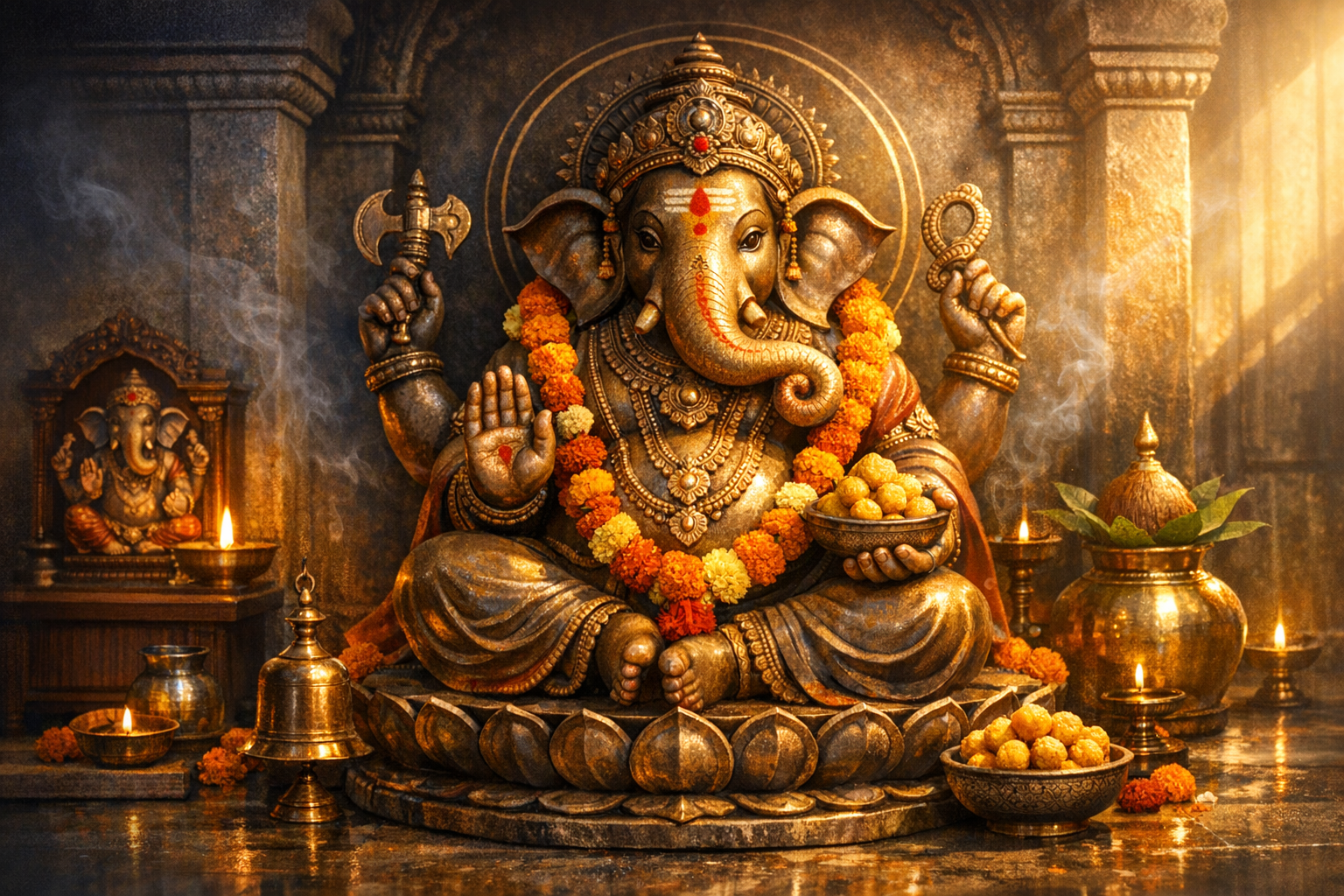
Siddhidata Ganesha’s right‑coiled trunk (dakshinavarti) carries a potent, solar symbolism that calls for strict, temple‑grade discipline. This long‑form guide explains why many traditions advise keeping such forms in temples or in homes only where steady nitya‑puja and satvika living are realistically sustained. It clarifies the pranic rationale (Ida–Pingala–Sushumna), summarizes Shilpa Shastra and Agama perspectives, and…
-
Krishna’s Transformative Grace: From Nigranta to Devotional Service (SB 1.7.10)

This article explores how attraction to Krishna, as discussed in commentarial treatments of SB 1.7.10, draws any soulregardless of birth, wealth, or educationinto devotional service. It clarifies the analytical use of the term nigranta and reframes it inclusively, showing that spiritual eligibility in bhakti depends on sincerity rather than status. The transformation of Mṛgāri the…
-
Decoding Garuda’s Sacred Footwork: Awe-Inspiring Iconography in Hindu Temple Sculpture
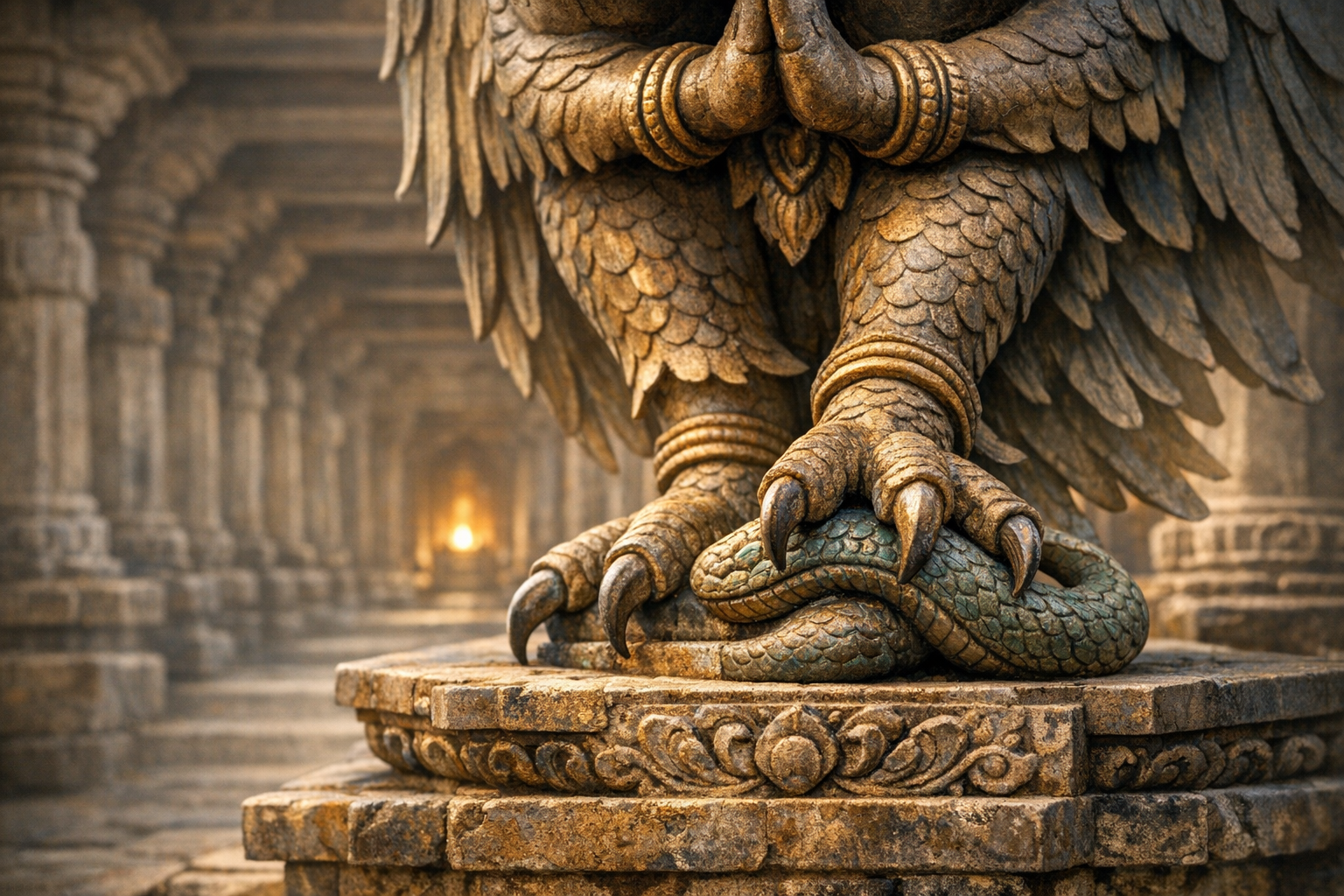
Garuḍa’s distinctive footwork in Hindu temple sculpture is a concentrated language of devotion, protection, and poised service. Guided by Śilpa-śāstra canons and Nāṭya-śāstra foot positions, sculptors use soles, arches, and talons to encode humility before Viṣṇu, readiness for action, and sovereignty over nāgas. Regional workshopsfrom Chola bronzes to Kalinga stone and Hoysala carvingstranslate these themes…
-
Sonth (Chaitra Sankranti) 2026: Meaning, Timing, and Rituals for Kashmir’s Spring Renewal

Sonth (Chaitr Sankrat) inaugurates the Chaitra month in the Kashmiri Hindu Saptarshi Panchang and falls on 14 March 2026 in India. This comprehensive guide explains the calendar science behind Chaitra Sankranti, why it occurs in mid-March, and how Sonth relates to the closely following Navreh. It details the dawn thaal traditioncurating grains, dairy, a coin,…
-
Relativity, Interconnectedness, and Impermanence in Sikh Philosophy: Clarity for Dharmic Unity

This long-form exploration clarifies how Sikh philosophy integrates relativity, interconnectedness, and impermanence under Ik Oankar and hukam. It explains why perspective-awareness enhances, rather than weakens, commitment to Truth, and how interconnectedness turns metaphysics into concrete seva for sarbat da bhala. It shows how impermanence frees the heart from clinging without collapsing into nihilism, orienting life…
-
March 15, 2026 Panchang: Krishna Paksha Ekadashi, Dwadashi Shift & Auspicious Timings Guide

Sunday, March 15, 2026 aligns with Krishna Paksha Ekadashi until 6:58 AM, after which Dwadashi prevails. The note explains how Tithi works, why transitions can occur at any hour, and how to fix observances accurately using local sunrise and Panchang data. It outlines practical methods to compute Rahu Kalam, Yamaganda, and Gulika through daylight segmentation,…
-
The Charismatic Harinama: ‘Jai Shri Rama’, Ram Setu, and the Dharmic Science of Naam

Harinama, the sacred practice of chanting the Divine Name, is explored through the Ramayana’s setu narrative, where ‘Jai Shri Rama’ symbolizes devotion’s power to bridge the impossible. The discussion grounds Harinama in scripture, citing the Bṛhan-nāradīya Purāṇa and the Kali-santarana Upaniṣad, and explains nāma-tattvathe non-difference of Name and Named. It highlights inter-dharmic resonances with Sikh…
-
Chaitra Masam Unveiled: Sacred New Year Significance, Comprehensive Puja Guide, and Spring Festivals

Chaitra Masam marks the Hindu New Year in many regions and is revered as the day of cosmic creation, aligning households with an auspicious cycle of renewal. This long-form guide explains the calendrical science behind Chaitra, including tithi-based computation, amanta and purnimanta month systems, and the Indian National Calendar’s Śaka Samvat. It maps the rich…