
-
Colors of Hindu Mantras: Mapping Sacred Sound to Chakras, Deities, and Transformative Energy

Hindu traditions present mantras as living vibrations that can also be contemplated as subtle color and light, a synthesis that steadies attention and enriches meditation. This long-form exploration explains how color associations arise from chakras, tattvas, iconography, and Jyotisha while acknowledging legitimate variations across lineages. It clarifies widely used mappings, such as lam with red…
-
Antariya Unveiled: The Sacred Lower Garment Shaping Hindu Sculpture and Symbolism
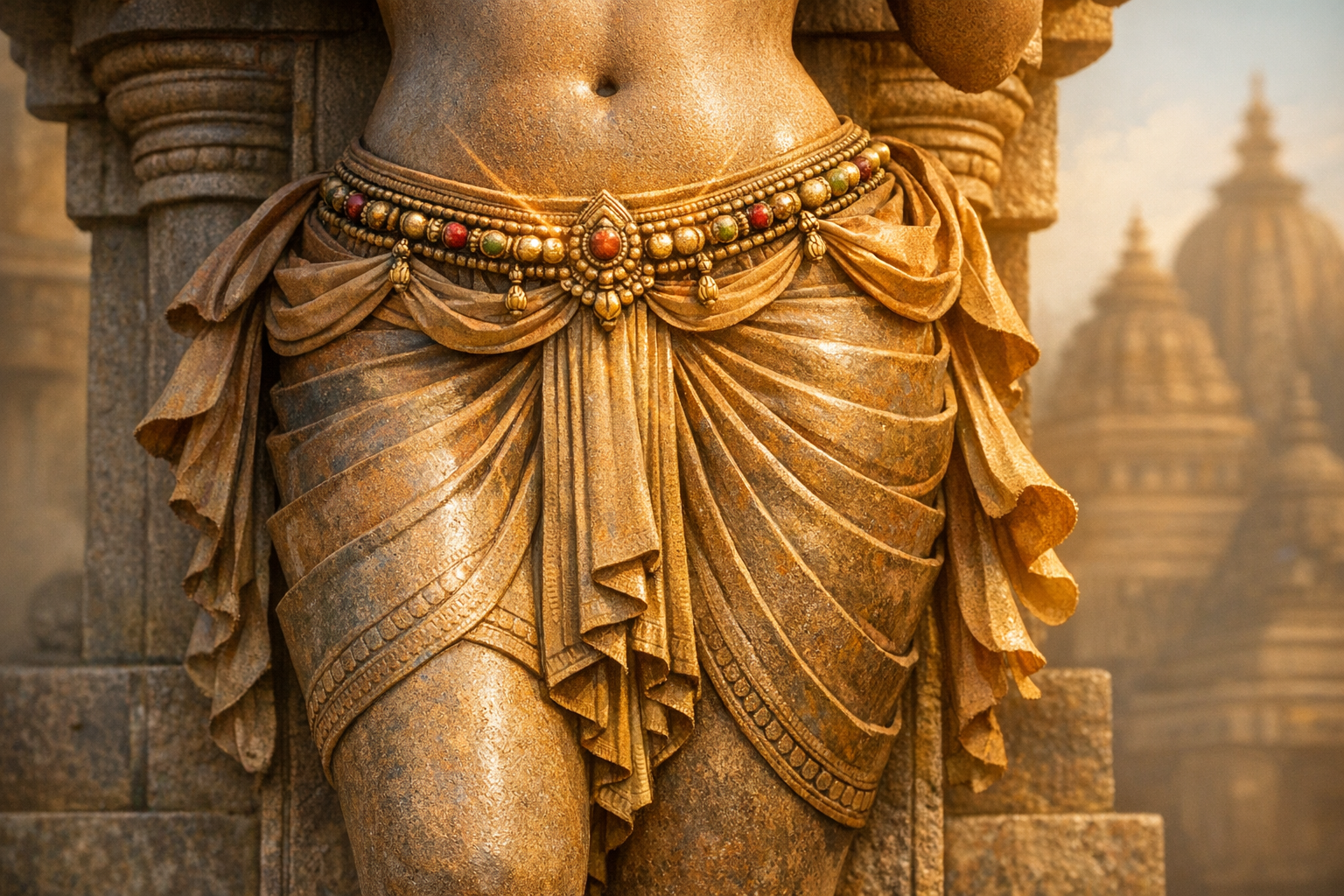
Antariyathe unstitched lower garment secured by a mekhalais the foundational drape of Hindu sculpture and iconography, predating later dhoti forms. This long-form guide explains how to identify antariya in stone and bronze through pleat geometry, knots, and belt types, and how these features assist in dating and attributing works from Bharhut and Sanchi to Gupta…
-
Satara memorandum: Hindu organisations demand zero‑tolerance, tougher sentences to protect women and children

A delegation of Hindu organisations in Satara submitted a memorandum urging zero‑tolerance and tougher sentences for crimes against women and children. The appeal aligns with India’s strengthened legal framework under POCSO and the Bharatiya Nyaya Sanhita while highlighting gaps in implementation. The analysis underscores that certainty and speed of punishment, coupled with survivor‑centric care, drive…
-
Dissolving Trishna’s Hidden Fire: Timeless Dharmic Strategies to Transform Craving into Freedom

This long-form, research-driven exploration explains trishna (craving) as the subtle energy that precedes actionthe “root before the root.” It integrates Hindu, Buddhist, Jain, and Sikh perspectives to present a unified Dharmic framework for transforming craving into clarity and freedom. Readers gain a technical map (kleśas, vāsanās, vedanā, dependent arising), scriptural anchors (Yoga Sutra, Bhagavad Gita,…
-
Landmark relief for commuters: Maharashtra to cap private bus fares, regulate online aggregators

Maharashtra has announced a landmark plan to cap private bus fares and regulate online travel aggregators, responding to Surajya Abhiyan’s sustained advocacy. The initiative leans on strong legal foundations under the Motor Vehicles Act, 1988, and complementary consumer protection and IT rules. Expected provisions include fare bands with indexation, caps on algorithmic surge, upfront all-in…
-
From Cosmic Ocean to Cosmic Web: How Scientific Cosmology Can Enrich Dharmic Faith
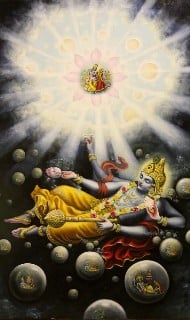
This evidence-based reflection shows how the Srimad-Bhagavatam’s image of a “cosmic ocean” aligns, at the level of metaphor, with the cosmic web mapped by modern astronomy. It explains what science reliably says about origins and possible endingsBig Bang, dark matter, dark energy, and competing end-of-universe scenarioswhile clarifying where responsible uncertainty remains. It places these insights…
-
Best Days for Hanuman Puja: Auspicious Nakshatras, Tithis, and a Practical Muhurta Blueprint

This in-depth guide presents a practical, evidence-informed blueprint for choosing the best days for Hanuman Puja using Nakshatras, Tithis, and classical Panchanga logic. It explains why Tuesday and Saturday are reliable pillars, how to use the Nanda–Bhadra–Jaya–Rikta–Purna Tithi cycle for devotional timing, and why Pushya Nakshatraespecially noted in Chaitra Monthis universally auspicious. It outlines how…
-
Decoding ‘One in a Million’ Knows God: A Vedantic Blueprint for Rare Realization

The ancient saying that “one in a million knows God in reality” is best read as a diagnostic of depth rather than an exclusionary claim. Grounded in Bhagavad Gita 7.3 and clarified by Upanishadic methods, it highlights why direct realization is rare: the path requires exacting qualifications, disciplined practice, and tested guidance. This article unpacks…
-
Beyond Chant and Dance: The Transformative Science of Nama, Naam Simran, and Scriptural Hearing
Chanting the Holy Name stands supreme in Sri Caitanya Mahaprabhu’s teaching, yet it flourishes when supported by hearing, reflection, and ethical alignment. Drawing on Srimad-Bhagavatam’s ninefold path of devotion, this article explains why sravana (hearing) provides the sambandha-jnana that turns sound into a living relationship with Krishna (Krsna). It clarifies the difference between mere “shadow…
-
Maharashtra’s Devasthan Land Transfer Row: Legal Risks, Community Fears, and a Sensible Way Forward

The Maharashtra Mandir Mahasangh has warned of a statewide agitation against a proposed law enabling transfers of Devasthan lands, citing fears of land mafia capture and erosion of sacred trusts. This analysis maps the constitutional guardrails (Articles 25, 26, and 300A), the statutory framework of the Maharashtra Public Trusts Act, 1950, and key Supreme Court…
-
Avatar vs Prophet: Decoding Sacred Roles, Divine Presence, and Dharma Across Faiths

This in-depth analysis explains the core difference between a Hindu avatāra and an Abrahamic prophet by examining ontology, revelation, soteriology, and ritual life. It shows how the avatāra is the Divine Presence entering the world to restore dharma, while the prophet is a human messenger who conveys God’s guidance. The piece nuances the comparison by…
-
Seeking the Supreme: An Academic Exploration of Hindu Pluralism, Ishta, and One Reality
Many seekers raised in temple-centered Hindu life wrestle with two enduring questions: Why so many gods, and who is the Supreme? Hindu philosophy answers with a precise synthesis: the One Reality (Brahman) is accessible both without attributes (nirguna) and with attributes (saguna), and Ishta-devata personalizes that access without denying unity. Rig Veda’s “Ekam sat vipra…
-
Inside Los Angeles’ Srila Prabhupada Festival: Kirtan, Bhakti, and Community in Action
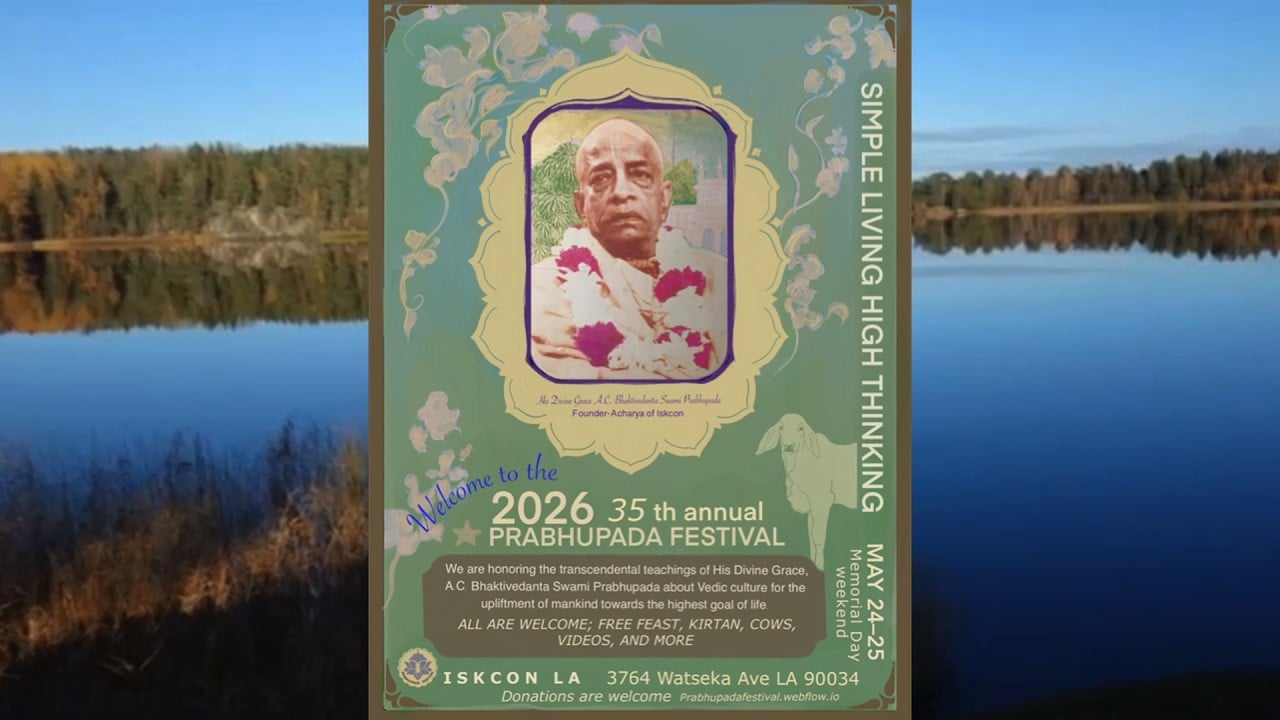
The 35th Annual Srila Prabhupada Festival in Los Angeles showcases a living tradition of kirtan, devotion, community, and remembrance centered on the legacy of His Divine Grace A.C. Bhaktivedanta Swami Prabhupada. Set within ISKCON’s New Dvaraka community, the event integrates philosophy, ritual, aesthetics, and hospitality into an accessible pedagogy of bhakti-yoga. Kirtan’s call-and-response structure, rhythmic…
-
Ponnakalva Utsavam 2026: Chitra Pournami Procession at Govindaraja Swamy Temple, Tirupati
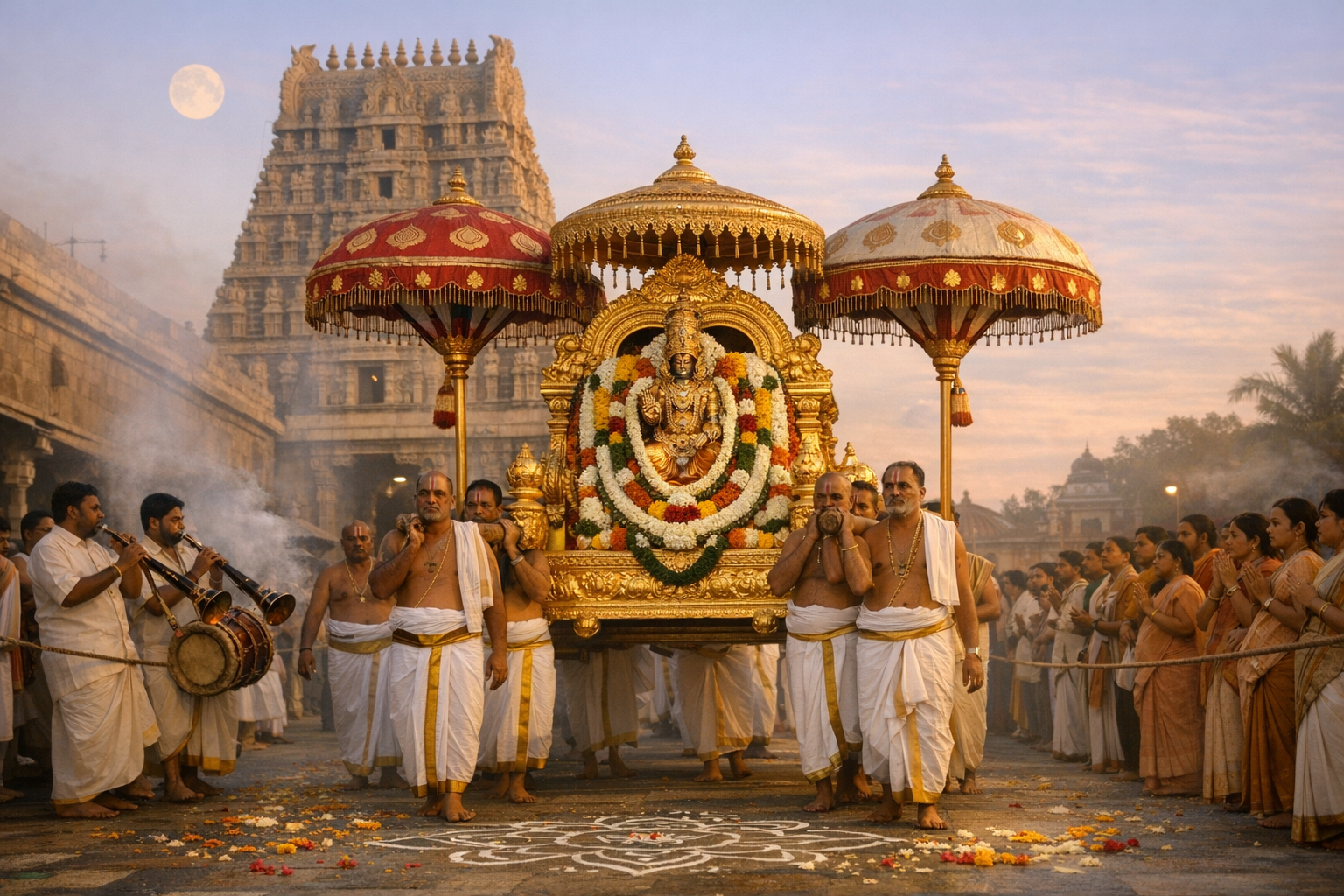
Ponnakalva Utsavam in Tirupati will be observed on Chitra Pournami (1 May 2026), beginning with a 6:00 AM departure of Sri Govindaraja Swamy’s utsava murti and a Snapana Tirumanjanam at Ponnakalva Mandapam, before arriving at Sri Padmavathi Ammavari Temple, Tiruchanoor, around 5:00 PM. This long-standing Vaishnava procession links two major TTD-managed shrines, underscoring inter-shrine coherence…
-
When Panic Feels Dangerous: Retrain the Nervous System with Breathwork, Science, and Dharma

Panic feels dangerous because the body’s alarm system is loud, not because the body is failing. This long-form, research-informed guide explains how the autonomic nervous system creates the fight-or-flight surge and how understanding this physiology breaks the fear-of-fear loop. Readers learn a practical breathing protocol (four-six breathing), sensory grounding, and gentle exposure skills that retrain…
-
Lakuti Dakshinamurti Unveiled: Tantric Iconography, Sacred Symbols, and Living Wisdom
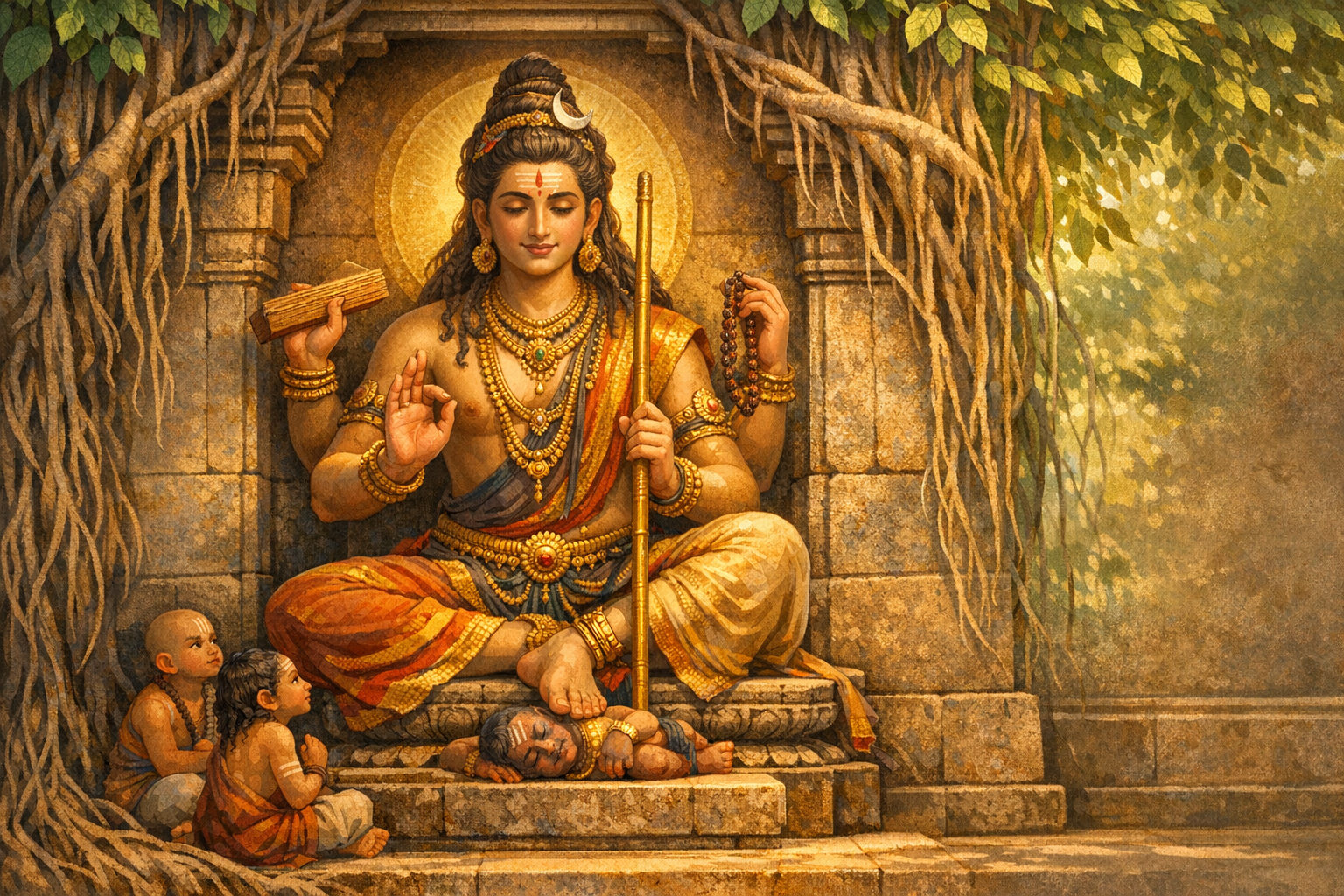
This in-depth exploration unveils Lakuti (Lagudi) Dakshinamurti as the south-facing Adi Guru whose staff encodes sovereignty, discipline, and the subtle spinal axis of awareness. Readers gain a clear, textually grounded understanding of how this staff-bearing variant fits within the broader Dakshinamurti quartet set out in Agamas and Shilpa Shastra. The article decodes each attributechinmudra, akshamala,…
-
Already Enough: Dharmic Wisdom on Love, Self-Acceptance, and Living Authentically Today

The post argues that love and acceptance are not earned through perfection but revealed through authentic living, aligning with core insights of Hinduism, Buddhism, Jainism, and Sikhism. It explains Atman, anatta, anekantavada, and Ik Onkar as complementary lenses for intrinsic worth and compassionate action. Drawing on the Bhagavad Gita and Upanishads, it reframes perfectionism as…
-
Timeless Union: The Transformative Power of Jnana and Yoga for Moksha in Hindu Philosophy

This long-form exploration shows how Jnana and Yoga converge in Hindu philosophy to deliver both liberating knowledge and lived stability. It clarifies Vedantic epistemology alongside Patanjali’s practical method, demonstrating why insight requires disciplined cultivation. It maps ethical foundations shared across Hinduism, Buddhism, Jainism, and Sikhism, highlighting a profound unity among dharmic traditions. It offers a…
-
Eighteen Parvas of the Mahabharata: Sacred Architecture, Dharma, and Timeless Symbolism

The Mahabharata’s division into eighteen Parvas is a sacred architecture that encodes as much meaning as the verses themselves. Eighteen recurs across the traditionParvas, war days, akshauhinis, and the Gita’s chapterssignaling a deliberate design that integrates nature and human faculties under dharma. Organized in arcs from origins and diplomacy (Udyoga Parva) to war (Bhishma to…
-
Sacred Shields of Dharma: 7 Hindu Protection Symbols to Conquer Bhaya and Adversity
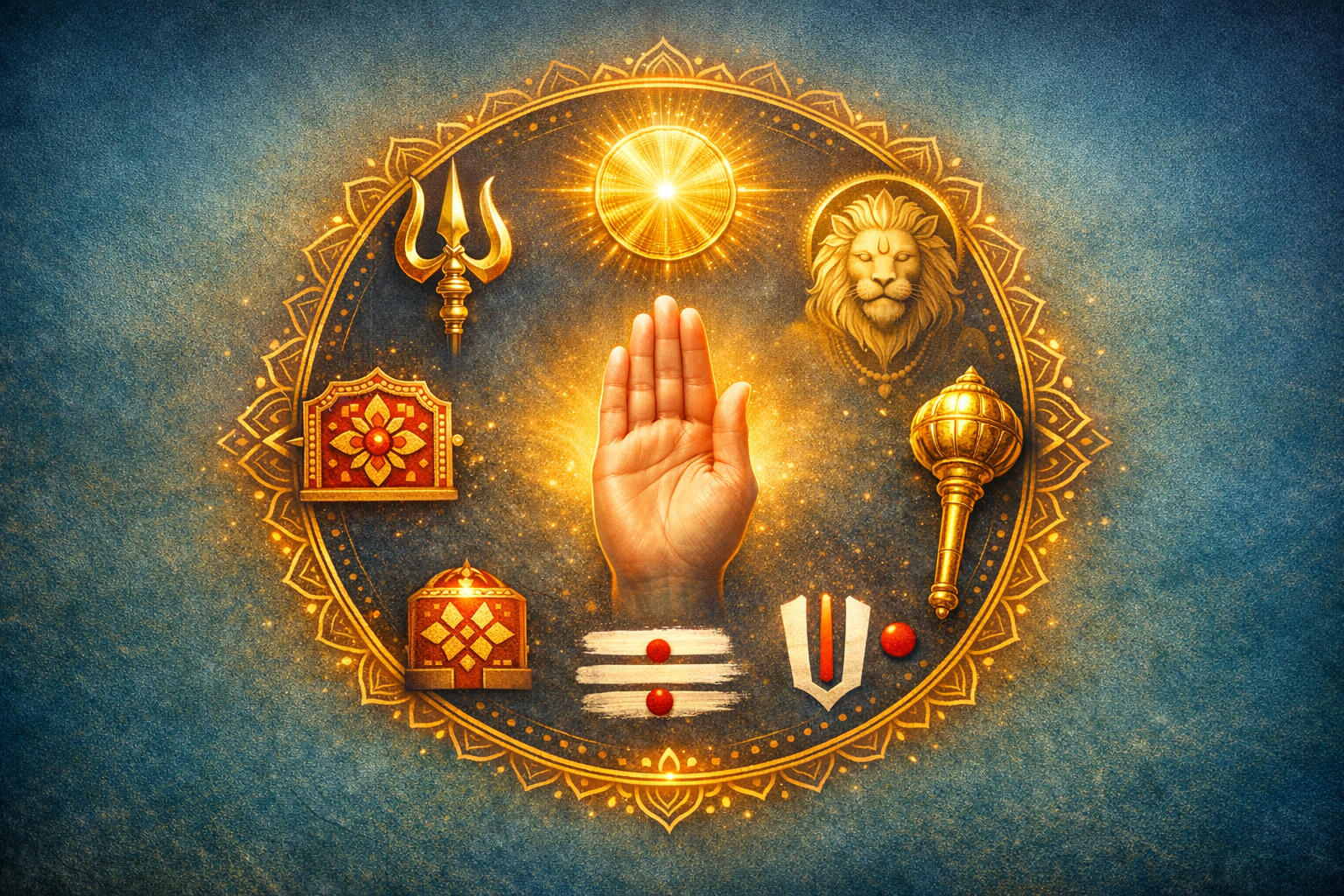
Anxiety, understood in Hindu thought as bhaya, can be transformed through symbols that encode ethics, cosmology, and contemplative method. This long-form guide examines seven Hindu protection symbolsAbhaya Mudra, Trishula, Sudarshana Chakra, Narasimha, Hanuman’s Gada, the Svastika, and Tilaka/Tripundra/Urdhvapundratracing their scriptural grounding, iconographic form, and practical application. Each symbol functions as a performative technology of calm,…