
-
Hinkara in Vedic Sacrifices: The Transformative Power of ‘Him’ in Sama Veda Chanting
Hinkara, the intentional chanting of the syllable “Him,” serves as the invocation that inaugurates Sama Veda recitation during Vedic sacrifices. Located just before the Prastava and followed by the Udgitha, it marks the exact transition from silence to sacred sound. As a stobha syllable, Hinkara aligns breath, pitch, and attention, demonstrating the technical and contemplative…
-
Arjuna’s Path of Mastery: Harmonizing Effort and Grace for Transformative Learning
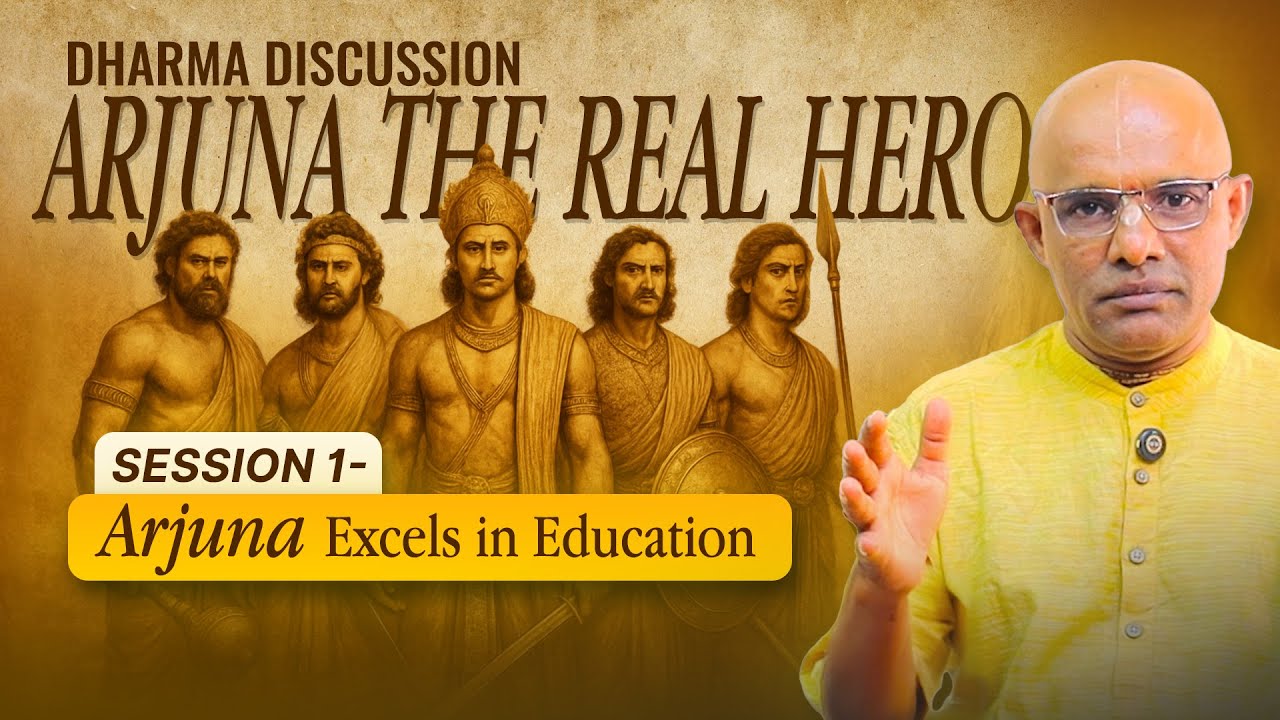
Arjuna exemplifies the union of disciplined effort and divine dependence, offering a powerful model of transformative learning. Drawing on the Mahabharata and the Bhagavad Gita, this discussion shows how mastery requires both rigorous practice and humility. Educationally, Arjuna’s formation reflects the guru–shishya tradition, integrating attentive study, reflection, and internalization. Practically, readers can translate these principles…
-
Piercing Shunya: Kashi’s ‘Pagal Baba’ on Effulgent Truth and the Infinite Void
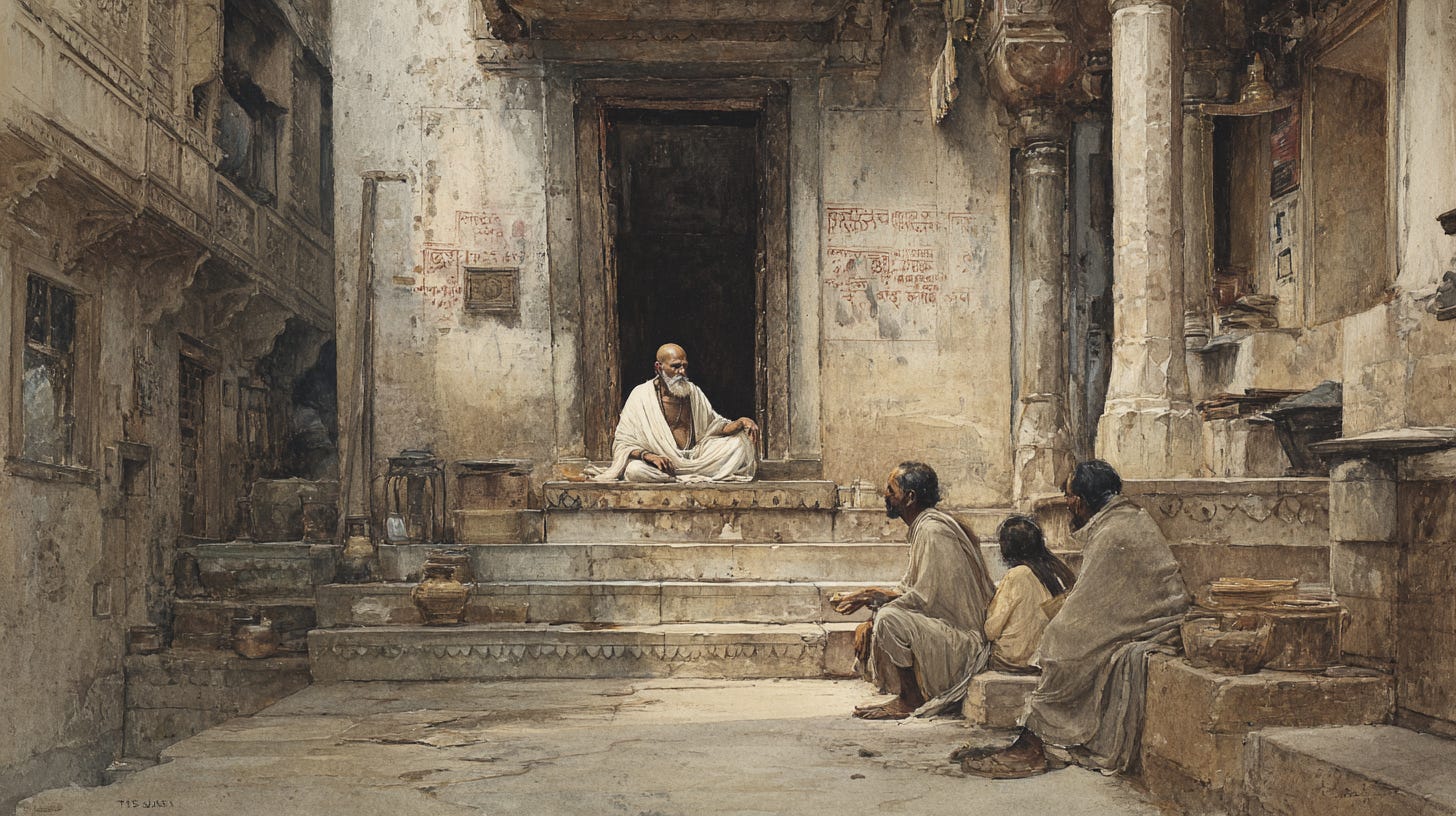
This rigorously documented Kashi encounter presents the profound teachings of the saint known as the “Pagal Baba,” framed within a careful, comparative dharmic lens. It maps a structured ascent through Jagat-Surya, Praṇava, Bindu, and luminous Jyotis toward the elusive Nirañjana Jyoti. The discussion of Shunyalayered, vast, and culminating in Ananta Shunyaoffers rare clarity on the…
-
Seval Kodi: Murugan’s Rooster Emblem and the Triumphant Conquest of Maya’s Illusion

Seval Kodi, the rooster emblem on Murugan’s banner, symbolizes the victory of awakened consciousness over Maya. Rooted in Tamil tradition and Skanda narratives, it encodes vigilance, clarity, and the ethical transmutation of hostile forces into good. The emblem complements the vel, where piercing insight is proclaimed as triumphant by the rooster’s dawn-cry. Devotees describe relatable,…
-
Safeguarding Dharmic Values in Modern Schooling: A Practical Guide for Hindu Parents

This guide offers a calm, research-informed roadmap for Hindu families navigating modern schooling and social media without losing Dharmic values. It explains how early classroom narratives shape identity and why supplementary home learning improves confidence and critical thinking. It shows how adolescents can approach “woke” and other ideological labels with evidence-based analysis rather than polarization.…
-
Shimla Protest Over Sanjauli Site: Upholding Rule of Law, Safeguarding Communal Harmony

A major peaceful protest in Shimla highlights concerns over administrative delays in carrying out a court-ordered demolition related to the Sanjauli site. The gathering emphasizes the rule of law, transparency, and non-violence as essential pillars of democratic engagement. Community members across dharmic traditions stress that lawful enforcement and social dignity must go hand in hand.…
-
Thousand Hands of Kartaviryarjuna: A Powerful Symbol of Ambition, Dharma, and Restraint

Kartaviryarjuna (Sahasrabahu Arjuna) embodies a profound Hindu symbol: the “thousand hands” as a metaphor for vast capability, desire, and duty. The Puranic narrativehis rise under Dattatreya’s grace, his famed prowess, and the ethical turning point culminating in Parashurama’s retributionillustrates the line between dharma and adharma. Interpreted across dharmic traditions, the motif aligns with Buddhist compassion…
-
Guru Tegh Bahadur’s Supreme Martyrdom: Defending Freedom of Conscience and Harmony

Guru Tegh Bahadur Ji’s martyrdom in 1675 stands as a defining moment for religious freedom and interfaith harmony in India. Set amid Aurangzeb’s reign, his decision to defend Kashmiri Pandits affirmed the universal right to conscience beyond sectarian lines. The account highlights how his sacrifice resonates across Hindu, Buddhist, Jain, and Sikh traditions, strengthening unity…
-
Mata Sahib Devan’s Sacred Journey: From Rohtas to Anandpur Sahib and the Khalsa’s Spiritual Motherhood

Mata Sahib Devan’s journey from Rohtas to Anandpur Sahib is a cornerstone of Sikh history and a bridge to shared Dharmic values. Set within the cultural landscape of Punjab, the narrative reveals how personal devotion matures into public service. Her sanctification of Amrit with patashe symbolizes a lasting ethicstrength framed by compassion. Read in an…
-
Why the Gauripatta Faces North: Sacred Geometry of the Shivling and Temple Vastu

The Gauripatta (yoni/Argha) at the base of the Shivling is traditionally oriented toward the north, uniting symbolism, ritual function, and Vastu principles. North evokes stability, prosperity, and ascentlinked to Dhruva, Kubera, and the Himalaya, the realm of Pārvatī. This orientation channels abhisheka offerings through the Somasutra without disrupting the Nandi–Linga darshan line, preserving sanctity and…
-
Decoding Gopurams: Three Awe-Inspiring Gateway Types That Shape South Indian Temple Space

Gopuramsmonumental gateways of South Indian templesshape how devotees and visitors experience sacred space. This article explains three principal types by position and scale: the inner gopuram for quiet orientation, the intermediate gopuram for communal rhythm, and the raja gopuram as a civic and spiritual landmark. Tracing their historical evolution from Chola clarity to Vijayanagara–Nayaka grandeur,…
-
Prakritilaya in Hinduism: Discover the Profound Peace of Merging with Prakriti

Prakritilaya“dissolution into Prakriti”describes a contemplative state in Hindu philosophy where awareness becomes deeply absorbed in nature’s living field. This piece clarifies its meaning across Sāṁkhya, Yoga, and Advaita Vedanta, distinguishing Prakritilaya from moksha while honoring its purifying power. Readers gain practical guidance on pratyahara, pranayama, and dhyana, and learn how ethical foundations stabilize insight. Real-world…
-
Raja Bhaiya joins Baba Bageshwar’s Sanatan Hindu Ekta Padyatra, a symbolic push for Dharmic unity
Raghuraj Pratap Singh (Raja Bhaiya) joined Baba Bageshwar’s Sanatan Hindu Ekta Padyatra in a move that blends political timing with a message of cultural unity. The event’s core emphasis on Sanatan Dharma reframed participation as community service and social harmony rather than sectarian signaling. By aligning with Dhirendra Krishna Shastri’s widely attended platform, the outreach…
-
Why Words Fail the Divine: Dharmic Wisdom on Embracing the Infinite with Humility
The statement “to capture God in words is to diminish the Infinite” articulates a core dharmic insight: ultimate reality surpasses language. Hindu philosophy’s neti, neti, Buddhism’s emphasis on direct insight, Jainism’s Anekantavada, and Sikhism’s reverence for Ik Onkar collectively affirm the limits of speech and the value of humility. This perspective fosters interfaith respect, ethical…
-
Majestic Steps to Timeless Devotion at the Ahalyeshvara Mahadeva Mandir, Māheśvara
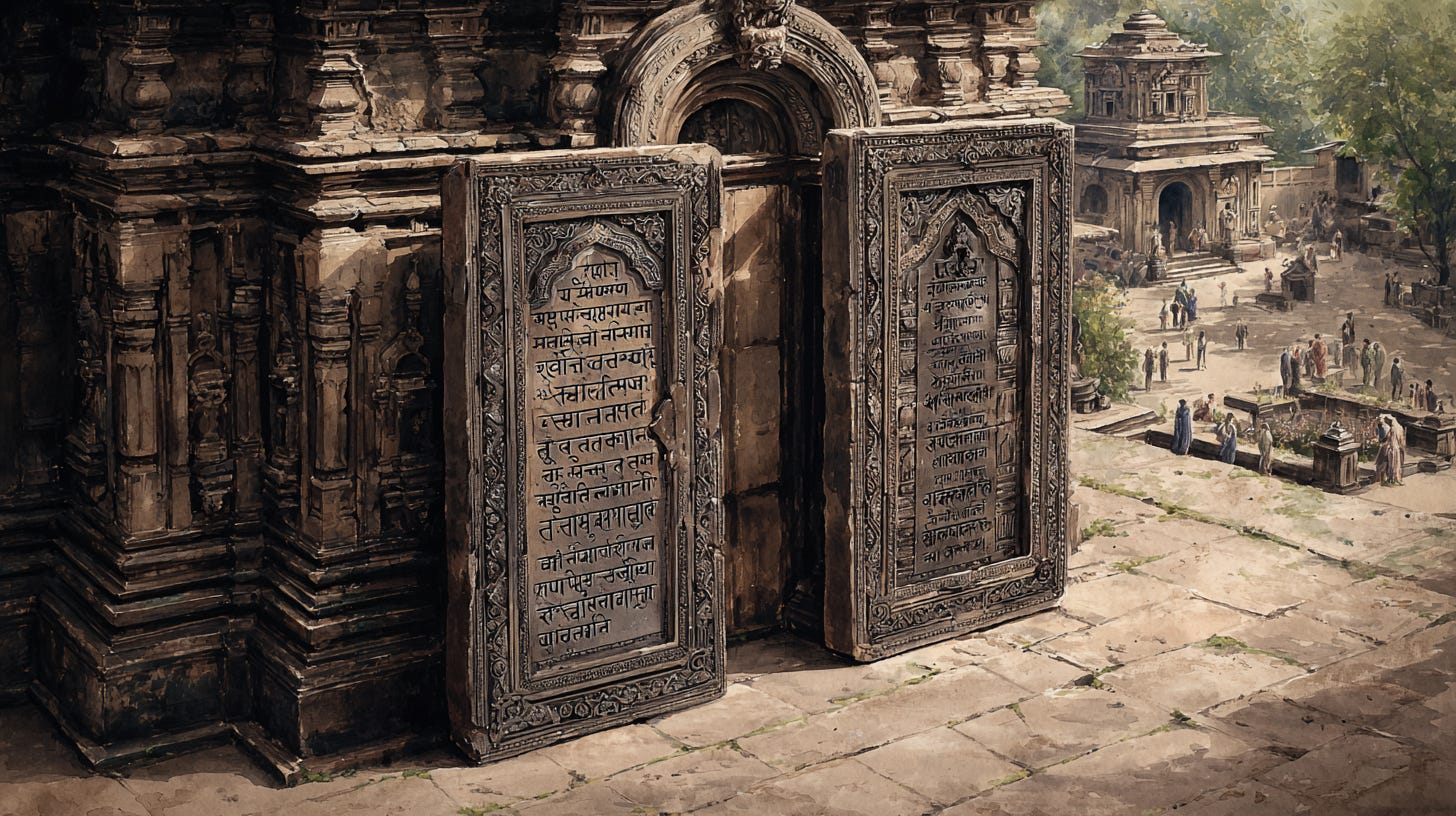
From the Ghats of Puṇyanadi Narmada, the ascent to the Ahalyeshvara Mahadeva Mandir in Māheśvara offers an elegant prelude to sacred space. Two smooth black stones set into the doorway, each about 3½ by 1½, preserve a thirty-seven-line narrative in refined Dēvanāgari. These inscriptions anchor the temple’s devotion in traceable history, enriching both pilgrimage and…
-
When Grief Strikes: Finding Sacred Shelter and Resilience Through Dharmic Compassion

A grieving family sought solace after the sudden loss of their eighteen-year-old son, and the temple community responded with quiet compassion rooted in dharmic wisdom. The encounter highlights how inner orientationnot circumstancescan transform the experience of suffering. Drawing from Hindu, Buddhist, Jain, and Sikh traditions, the narrative emphasizes unity through practices like japa, mindfulness, ahimsa,…
-
Diwali in Basingstoke: A Powerful Ramayan Performance Unites Community and Heritage
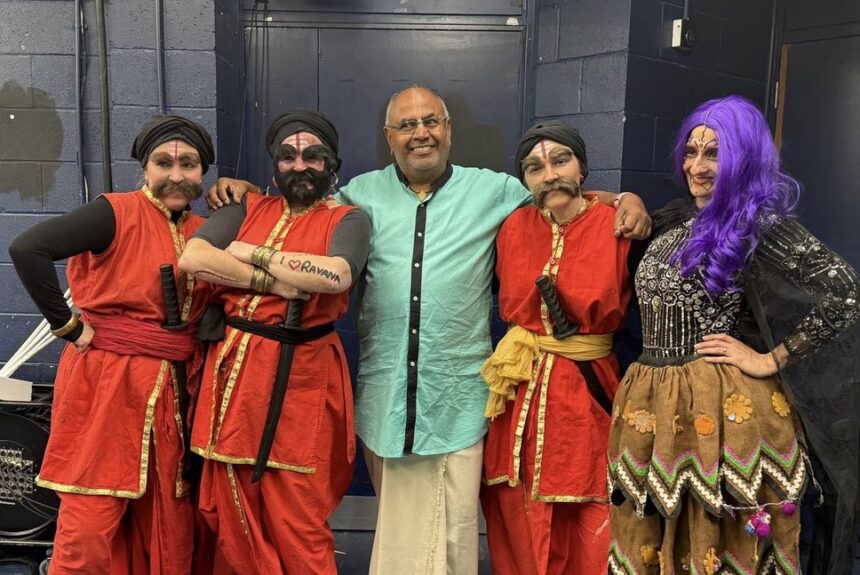
A Diwali-themed cultural event in Basingstoke showcased a special Ramayan performance by the Bhaktivedanta Players at Queen Mary’s College, marking their 40th anniversary. The production emphasized dharma, devotion, and compassion through clear storytelling that engaged both families and students. Collaboration between local devotees and Bhaktivedanta Manor strengthened community ties and intergenerational learning. The program highlighted…
-
Lal Kitab Remedies for Venus in the 8th House: Timelines, Cautions, and Harmonious Upāyas
Lal Kitab views Venus in the 8th house as a sensitive placement that benefits from ethical conduct and simple, compassionate upāyas. Traditional guidance notes heightened care until the 11th year of life, with additional sensitivity around ages 27, 34, and 39–45. Readers will learn practical Friday observances, charitable acts with white items, and daily disciplines…
-
Dharma as Living Ethics: A Compassionate Path to Spiritual Elevation and Unity

Dharma is a Sanskrit concept that defies exact translation, often approximated as righteousness, virtue, or moral law. It is best understood as living ethics: principles applied in daily life that elevate both the individual and society. This applied wisdom aligns personal responsibility with the common good, balancing svadharma and Lokasangraha. Across Hinduism, Buddhism, Jainism, and…
-
Tamil Nadu’s Quiet Bhakti Resurgence: Grassroots Devotion Reframes Dravidian Politics

A vivid scene on the steps of Sholingur’s Yoga Narasimha Swamy Temple reveals how everyday Bhakti remains deeply woven into Tamil life. Set against centuries of cultural pressuresfrom missionary inculturation to modern linguistic-political movementsTamil Nadu’s temple traditions display remarkable resilience. The 2019 Atti Varadarajaswamy festival in Kanchipuram, with its forty-eight days of worship once every…