
-
Bombay HC Quashes Final Charges in 2006 Malegaon: Landmark Reaffirmation of Due Process

Bombay High Court has quashed the remaining charges against the last four individuals in the 2006 Malegaon blast case, leaving no trial-ready defendants in that docket. The ruling underscores that terrorism prosecutions must rest on admissible, corroborated evidence and strict procedural compliance, not communal narratives or political shorthand. It explains what quashing of charges means…
-
Unmasking Hyderabad’s Independence Myth: Evidence-Rich History from Asaf Jah I to 1948
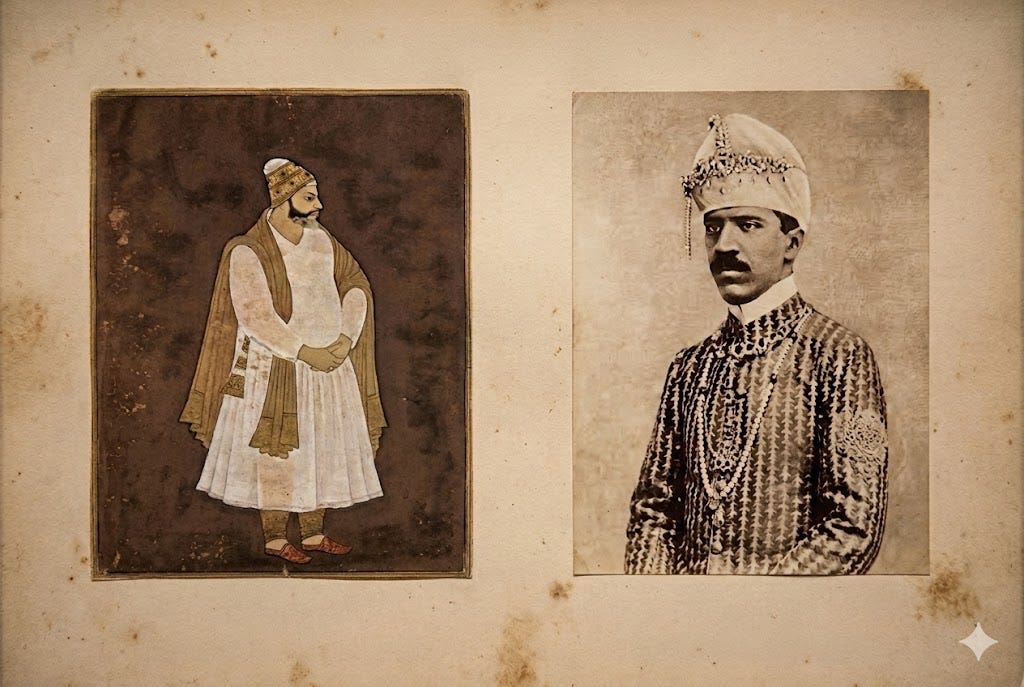
This evidence-driven analysis dismantles the myth that Hyderabad was ever an independent state by tracing its legal position from Asaf Jah I through British paramountcy to 1948. Drawing on Jadunath Sarkar’s core insights and British Residency records, it shows that Hyderabad possessed internal autonomy but lacked external sovereigntydefense, foreign affairs, and treaty-makingthroughout its history. Eyewitness…
-
Shankara Jayanthi 2026 (Adi Shankaracharya Jayanti): Date, Panchang, Rituals, and Dharmic Unity
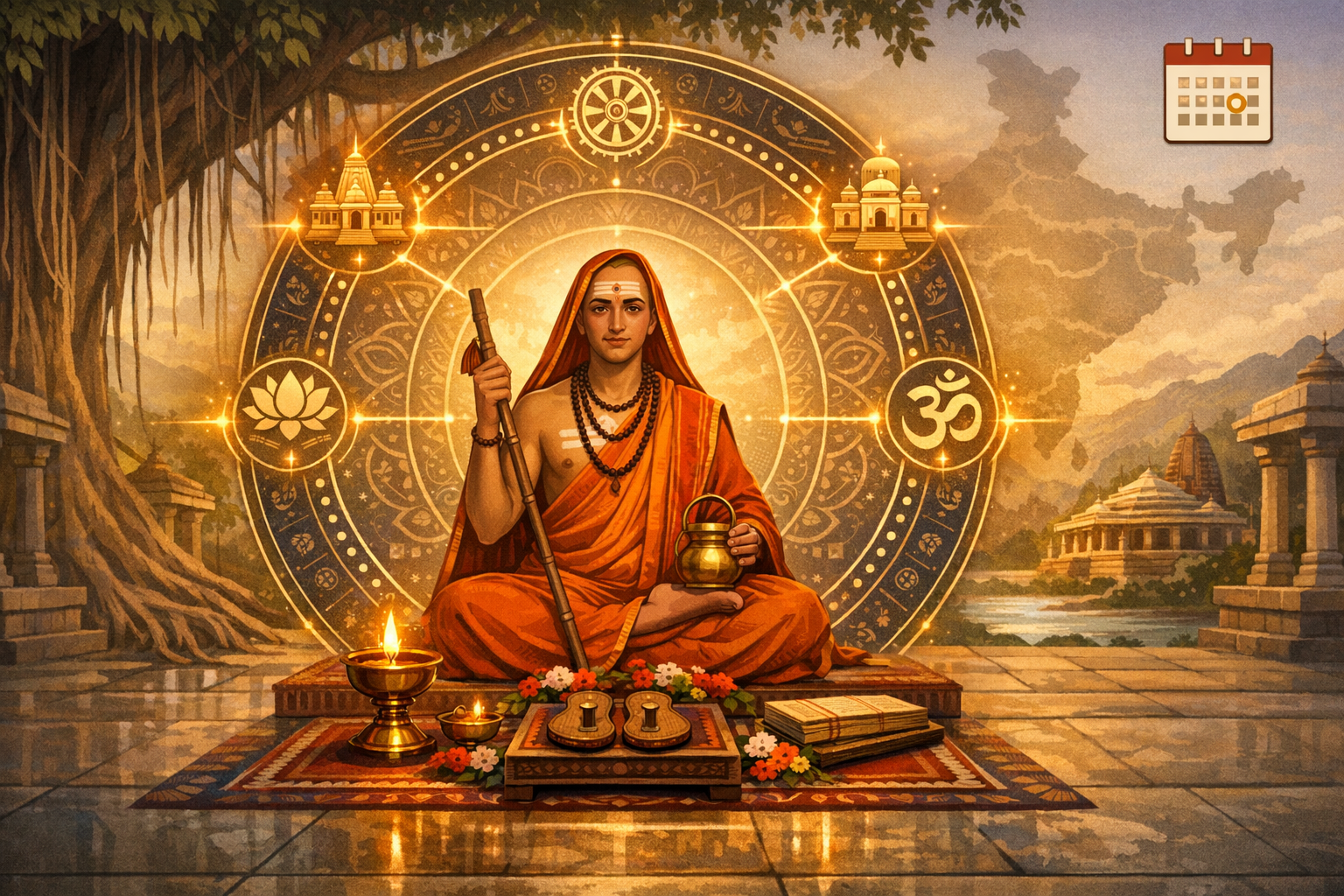
Shankara Jayanthi (Shankaracharya Jayanti) in 2026 falls on Tuesday, 21 April, observed on Vaisakha Shukla Panchami as per the Hindu calendar. This guide explains the calendrical basis of the date, notes possible regional and time-zone variations, and outlines temple and home observances. It summarizes Adi Shankaracharya’s life, his Advaita Vedanta, and the enduring role of…
-
Desire and Dharma: Unmasking the Hidden Engine of Action from Freud to Srimad Bhagavatam
Does sexual desire really drive much of human behavior? This analysis bridges Freud’s libido theory with Srimad Bhagavatam’s diagnosis of kama as the seed of material striving. It clarifies how Hindu philosophy situates desire within the purusharthas and how the Bhagavad Gita frames its psychological dynamics. Drawing parallels from Buddhism, Jainism, and Sikhism, it shows…
-
Criminal Complaint Against Prakash Raj Over Ramayana Video Ignites Legal and Social Firestorm

Reports indicate a criminal complaint has been filed against actor Prakash Raj after a video linked to the Ramayanaperceived by some as mocking Prabhu Shri Ramwent viral. The case spotlights India’s legal thresholds for speech touching religion, especially Section 295A IPC, and Supreme Court precedents that demand proof of deliberate and malicious intent. It also…
-
Mind Dissolved in Śiva: Technical Pathways to Recognition, Inner Freedom, and Immortality

This long-form exploration clarifies what “dissolution of mind in Śiva” means in classical Śaivism: not nihilistic blankness, but the quieting of compulsive mentation and recognition of universal Consciousness. Grounded in the Nadabindu Upaniṣad, it outlines Śaiva ontology (tattvas and malas), the epistemology of pratyabhijñā (recognition), and the practical upāyas that mature into samādhi. It surveys…
-
Lenskart Dress Code Controversy: Evidence-Based Roadmap for Inclusive, Rights-Aligned Workplaces

Allegations in April 2026 that Lenskart circulated an “anti-Hindu” dress code underscore a broader national need for inclusive, rights-aligned uniform policies in retail. This analysis avoids polarisation and instead offers an evidence-based roadmap grounded in India’s constitutional guarantees, ILO Convention 111, and the UN Guiding Principles on Business and Human Rights. It synthesizes court signals…
-
The Day-One Blunder Ravana Signed: A Proud Pact That Crippled Lanka’s Ramayana War Strategy

This analysis examines the opening day of the Ramayana’s Lanka campaign and the strategic pact that shaped it. By consenting to daylight, rules-based fighting and initial restraint on deception, Ravana muted Lanka’s natural advantages in night warfare and illusion. The study situates this decision within dharma-yuddha norms, Arthashastra categories of open versus concealed war, and…
-
New Vrindaban Leadership Intensive: Practical, Compassionate Management for Dharmic Service

Over four days in New Vrindaban, more than forty devotees completed a Leadership & Management Course led by Anuttama Dasa that participants described as simple, practical, and grounding. The program’s emphasis on leading and serving with clarity and care aligns with dharmic principles of seva, satya, and ahimsa. This analysis distills research-backed frameworksRACI for role…
-
The Most Vital Duty: Restoring Devotees Through Vaisnava Seva, Trust, and Dharmic Solidarity

The Vaisnava tradition emphasizes a clear responsibility: when a devotee falters, the community uplifts them through selfless service with Krishna at the center. This Krishna-centered seva cultivates trust, and trust nourishes love, forming the thread that binds all on the necklace of bhakti. Practical stepsgentle noticing, compassionate presence, structured reintroduction to kirtan, japa, scripture, and…
-
Yearning for Vṛndāvana, Choosing Wisdom: Caitanya-caritāmṛta Madhya 16.220–237 Unpacked

Caitanya-caritāmṛta, Madhya-līlā 16.220–237 presents a nuanced portrait of devotional longing guided by prudent counsel. Drawing on Śrīla Bhaktivinoda Ṭhākura’s Amṛta-pravāha-bhāṣya, the passage shows how Rāmānanda Rāya and Sārvabhauma Bhaṭṭācārya safeguarded Śrī Caitanya Mahāprabhu’s journey to Vṛndāvana by aligning desire with timing and public welfare. The narrative also notes the third annual pilgrimage of Bengali devotees…
-
Vaisakhi Through Sikh Art: An Invitation to the VillaA Powerful Blueprint for Unity

This exhibition blueprint frames Vaisakhi as an academic and community-centered journey through Sikh art within an intimate villa setting. It traces the Khalsa’s founding at Anandpur Sahib, highlights Gurmukhi calligraphy and manuscript traditions, and situates paintings, textiles, and martial regalia within rigorous historical context. Preventive conservation, ethical display practices, and bilingual interpretation ensure scholarly integrity…
-
Why Questioning Is Sacred in Hinduism: A Deep Dive into Dharmic Philosophy and Pluralism

This article examines why questioning is sacred in Hinduism and the wider dharmic traditions, showing how inquiry anchors both philosophy and spiritual practice. It explains how the Upanishads, the Bhagavad Gita, and the classical darshanas institutionalize rigorous debate, evidence, and contemplative verification. Readers learn practical tools from pramana theory to navigate misinformation, and from disciplines…
-
From Turmoil to Tranquility: SB 3.28.10 on Yogic Breathing and the Power of Chanting
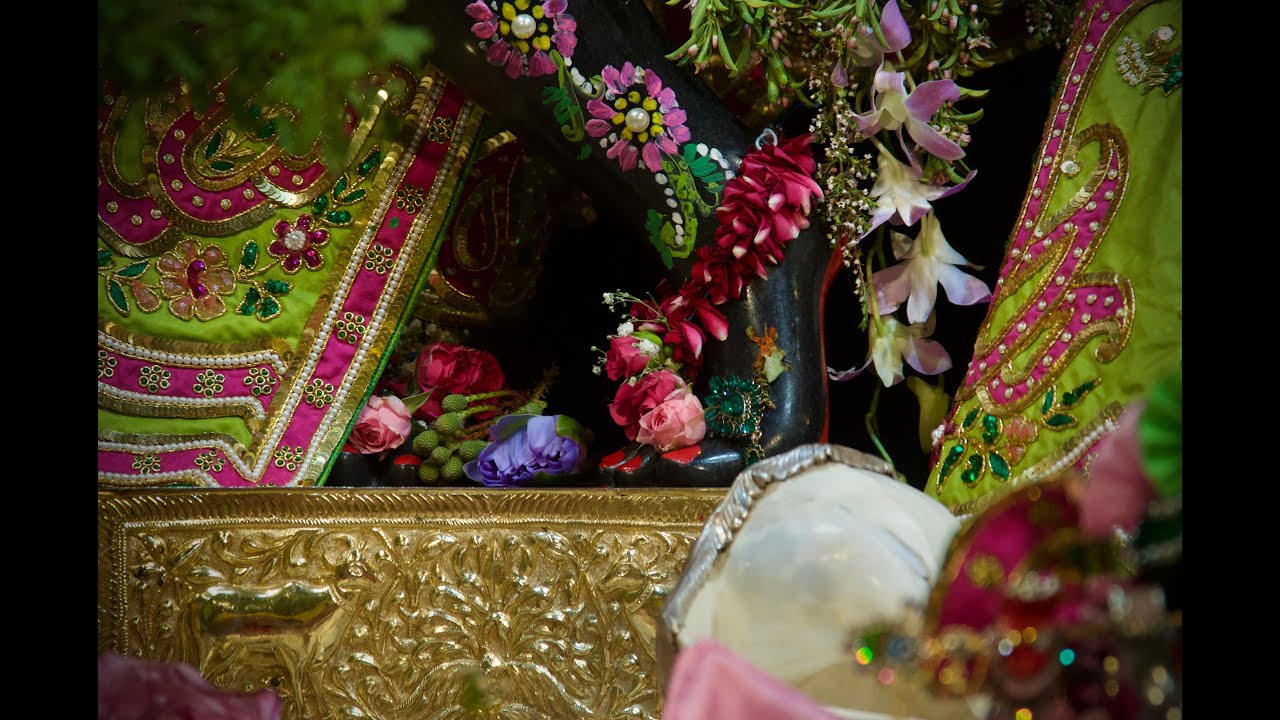
Srimad-Bhagavatam 3.28.10 presents a precise blueprint for mental purification: disciplined attention (the fire) and regulated breath (the air) refine the mind as heat and fanning purify gold. Framed by HH Ramai Swami’s exposition, the verse aligns with modern findings on vagal tone, heart-rate variability, and the calming effects of slow, coherent breathing. Lord Caitanya’s recommendation…
-
Srivari Pournami Garuda Seva 2026: Full-Moon Dates, Ritual Significance & Planning Tips
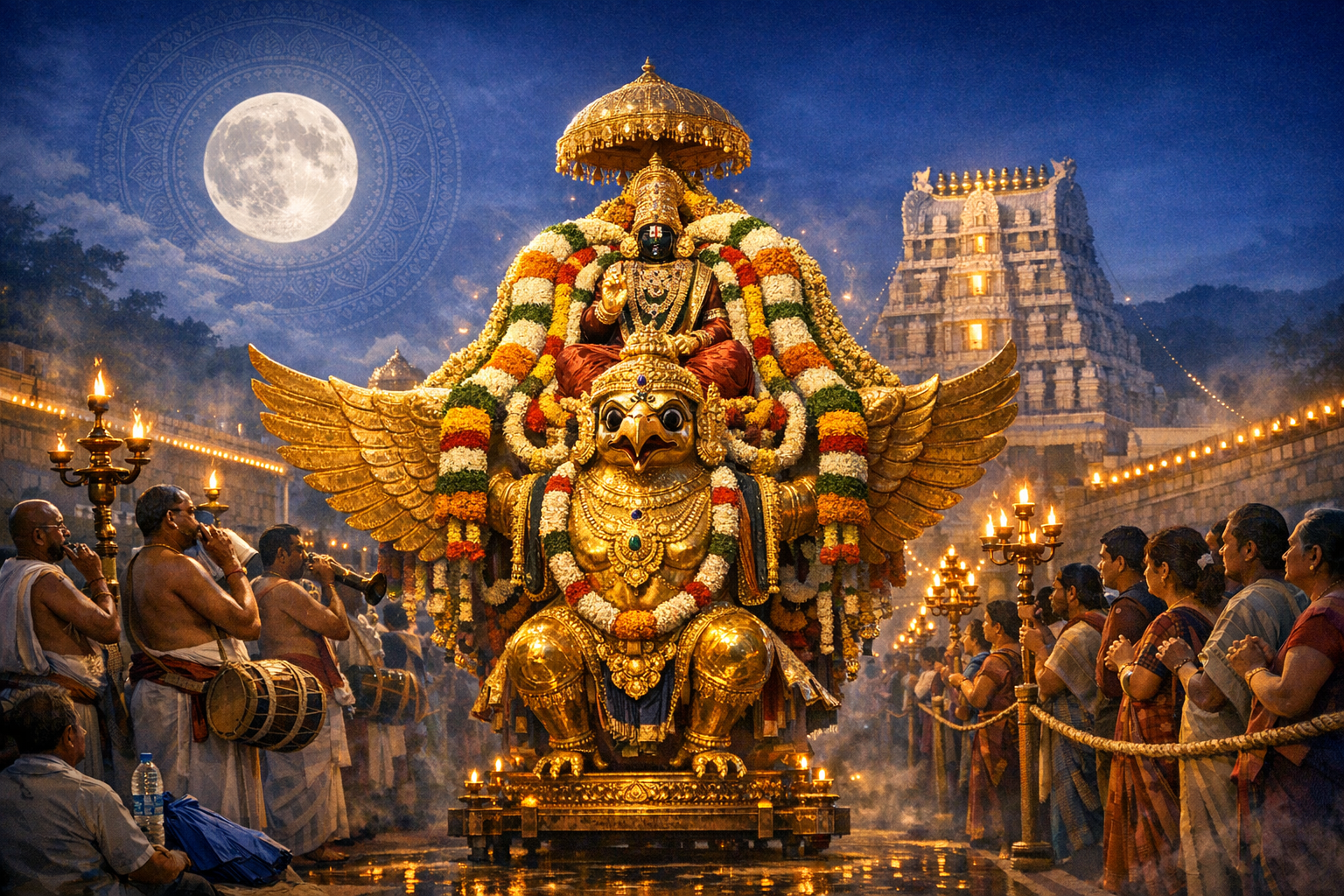
Srivari Pournami Garuda Seva at Tirumala is a full-moon procession of Sri Venkateswara Swamy on the Garuda Vahanam, drawing thousands for an uplifting darshan. For 2026, the Purnima-based dates in IST are projected as 1 May, 31 May, 29 June, 29 July, 28 August, 26 September, 26 October, 24 November, and 24 December, subject to…
-
Arjuna’s Dilemma and the Power of Svadharma: Choosing Authentic Duty Over Escapism

The Mahabharata’s portrayal of Arjuna reveals why authentic duty (svadharma) outperforms artificial renunciation over the long term. By aligning action with intrinsic disposition (svabhava) and practicing karma yoga, individuals gain inner steadiness, ethical clarity, and resilience. This insight, far from endorsing aggression, exemplifies Dharma-Yuddhaprotective duty guided by compassion, proportionality, and the common good. Parallel teachings…
-
Nilasukta Unveiled: Nila Devi’s Compassionate Radiance in a Vedic Hymn of the Taittiriya Samhita

Nilasukta (Nila Sukta) is a Krishna Yajurveda hymn linked to the Taittiriya Samhita that venerates Nila Devi, the compassion-aspect of Vishnu’s shakti. Drawing on the cosmic symbolism of Surya, Chandra, and Agni, it frames compassion as ethical clarity, serene poise, and transformative warmth. The article clarifies its textual transmission, triadic theology (Sri–Bhu–Nila), and ritual use…
-
Decoding Rasa and Tattva in Srimad Bhagavatam 11.3.8: Timeless Love, Ultimate Truth, and Kāla
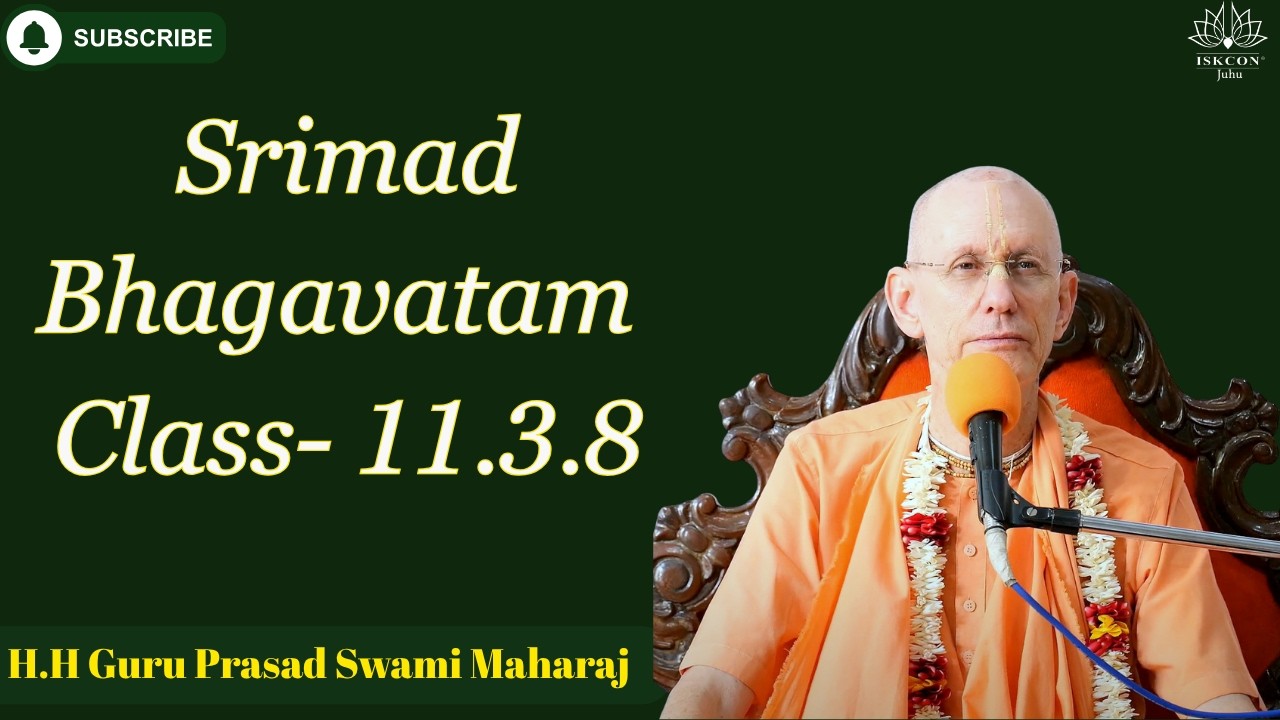
This essay distills H.H. Guru Prasad Swami’s class on Srimad Bhagavatam 11.3.8 into a rigorous yet accessible exploration of two “unlimiteds”: rasa, the ever-fresh devotional experience of Krishna, and tattva, the limitless architecture of philosophical truth. It clarifies how the Bhagavata Purana aligns accurate seeing (tattva-darśana) with transformative tasting (rasa-āsvāda), while kāla (time) governs the…
-
Ramayana’s Powerful Blueprint: Dharma vs. Disorder and the Quest for Just Leadership

This essay examines how the Ramayana confronts humanity’s enduring paradox: the quest to draw order from chaos without promising utopia. It analyzes dharma as a multi-layered systemcosmic, social, and personaland shows how Rama’s choices model rule-bound leadership (rajadharma) under real-world constraints. Readers gain a technically grounded framework for just decision-making: prioritize norms, exhaust diplomacy before…
-
How Rama and Lakshmana Overcame Viradha’s Boon: A Defining Battle in Aranya Kanda

Set in the early sargas of the Aranya Kanda, the encounter with Viradha in Valmiki’s Ramayana demonstrates how Rama and Lakshmana combine disciplined courage with lawful ingenuity to defeat a rakshasa protected by a boon. The episode transforms a battlefield into a seminar in applied ethics: honor the letter and spirit of law, adapt strategy…