
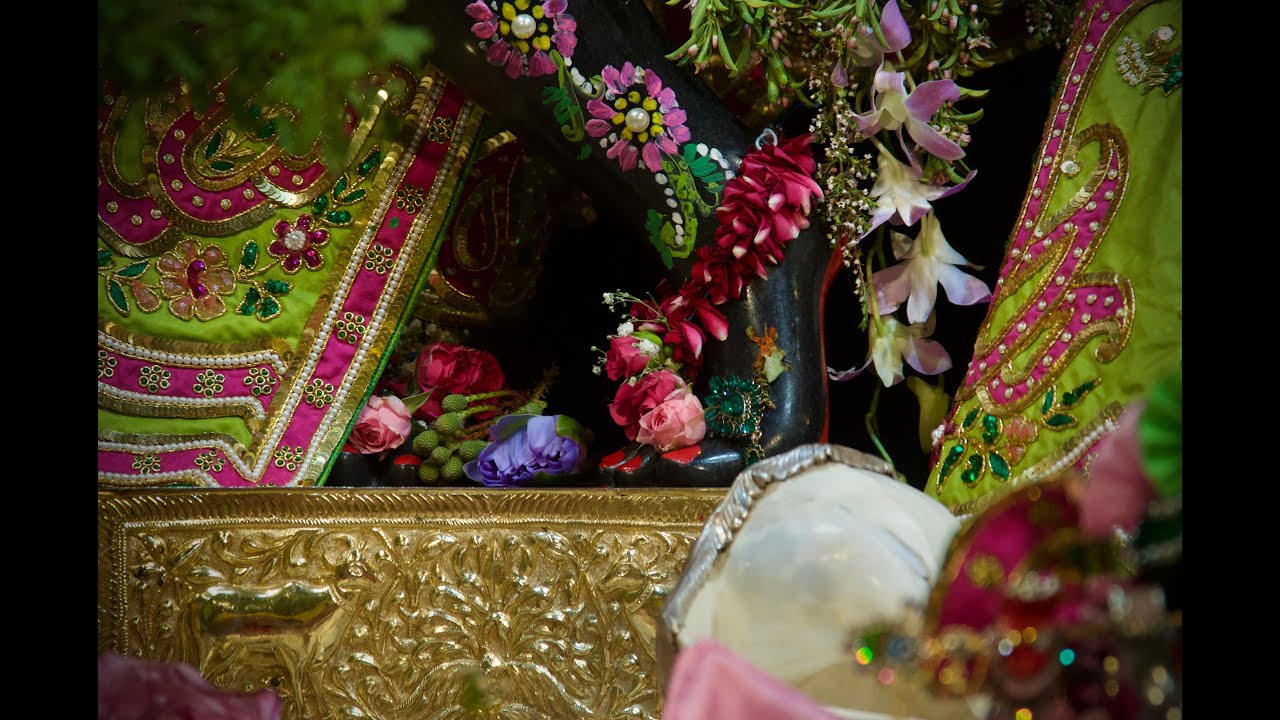
Srimad-Bhagavatam 3.28.10 presents a lucid principle of yogic transformation: “The yogīs who practice such breathing exercises are very soon freed from all mental disturbances, just as gold, when put into fire and fanned with air, becomes free from all impurities.” In teachings attributed to HH Ramai Swami, this image of gold refined by heat and air functions as a precise map of practice: disciplined tapas (the fire of effort) and skillful breath regulation (the fanning air) purify the mind’s disturbances, yielding clarity and composure.
The metaphor is exacting rather than poetic alone. Fire signifies the transformative intensity of attention and steady discipline; air indicates regulated prāṇa through conscious breathing. As heat removes dross from ore, sustained practice burns away reactive patterns, while measured airflowbreathoptimizes and stabilizes the process. The result is not suppression but refinement: the mind’s luminosity emerges as agitation subsides.
Classical yoga describes this in the vocabulary of yogic anatomy: prāṇa-vāyu orchestrates life processes through a network of nāḍīs; when the system is noisythrough stress, distraction, or unsteady habitsmental fluctuations increase. Breath awareness and breath control (prāṇāyāma) harmonize vāyus, quieten sensory overdrive (pratyāhāra), and support meditative steadiness (dhyāna). Traditional language of sūkṣma śarīra finds a modern parallel in neurophysiology without reducing one to the other.
In contemporary terms, slow, coherent breathing engages the parasympathetic branch of the autonomic nervous system via vagal pathways, raises heart-rate variability (HRV), and normalizes CO₂-O₂ dynamics. Breathing near the resonance frequency (about 5–6 breaths per minute for many adults) can synchronize cardiovascular and respiratory rhythms, a reliable pathway to downshift the body’s stress response. Such effects help explain why, as the text states, well-guided breathing exercises can free practitioners “very soon” from agitationphysiology is recruited in the service of contemplative poise.
Research across psychophysiology and contemplative science has repeatedly associated slow breathing and alternate-nostril techniques with improved emotional regulation, lowered anxiety, and better sleep. While methodologies differ, convergent findings point to practical mechanisms: baroreflex engagement, enhanced chemosensitivity balance, and improved interoceptive accuracy. In short, properly instructed breathing exercises are not merely symbolic; they are reproducibly effective.
The purport connected to the verse also emphasizes a complementary pathway: Lord Caitanya recommends purifying the mind through nāmaspecifically, the chanting of “Hare Kṛṣṇa.” This instruction, embedded within the Bhakti Tradition, works through rhythmic sound, affect, intention, and shared participation. Chanting recruits breath in a structured cadence while engaging attention and emotion, thereby harnessing mind-body connection in a manner parallel to prāṇāyāma.
Mantra recitation and kīrtana have been correlated in modern studies with reduced mind-wandering, decreased self-referential rumination, and markers of stress reduction. Repetition of sacred syllables couples respiratory rhythms to phonation, promotes gentle lengthening of exhalation, and supports vagal tone. In Gaudiya practice, the communal dimension of kīrtana further amplifies emotional regulation through synchrony, positive affect, and meaning-makingall conducive to mental clarity.
Viewed together, the verse’s gold-in-fire image captures an integrated method: heat is steadfast discipline and focused attention; air is measured breath; and the chant is the sonic crucible that stabilizes and sweetens the process. Balanced as a whole, these tools offer complementary entry points for different temperaments within Sanatana Dharma.
Importantly, this principle of purification through breath and sound resonates across dharmic traditions. Buddhism’s ānāpānasati trains refined breath awareness and calm-abiding; Jain samayik employs steady posture and breath-centered composure for equanimity and self-scrutiny; Sikh simran and kirtan cultivate remembrance of the Divine Name synchronized with gentle, coherent breathing. While metaphysics, liturgy, and philosophical emphases vary, the shared insight is striking: breath awareness and sacred sound are reliable means to quiet disturbances and uncover clarity. Such convergences embody unity in spiritual diversity without erasing distinctive paths.
A practical framework can translate SB 3.28.10 into daily life. First, prepare a quiet, well-ventilated space. Sit with an aligned spine, shoulders soft, jaw unclenched. Begin with breath awareness: 2–3 minutes observing natural inhalation and exhalation without altering it. This orients attention inward and stabilizes interoception.
Next, adopt coherent breathing at roughly 5–6 breaths per minute: for example, inhale gently for 5 seconds through the nose, exhale softly for 5 seconds through the nose. Continue for 5–10 minutes. If comfortable and appropriate, transition to nāḍī-śodhana (alternate-nostril breathing) without force, maintaining smooth, silent airflow. Early stages should avoid ambitious breath retentions (kumbhaka); add light, brief holds only under competent guidance and medical suitability.
Layer mantra. For those practicing Bhakti, softly or mentally repeat “Hare Kṛṣṇa,” allowing the mantra to ride the exhale, then the inhale, in a natural cadence. Others may employ their tradition’s sacred syllables, simran, or silent name remembrance. Sustain this for 5–15 minutes, letting attention return to sound and breath whenever thoughts proliferate. Conclude with 2–3 minutes of quiet observation.
Safety and discernment are essential. Avoid over-breathing or forceful techniques that induce dizziness or tingling; the aim is steadiness, not intensity. Those with cardiovascular, respiratory, or neurological conditions, or those who are pregnant, should consult qualified professionals and avoid prolonged retentions. The mind’s purification is cumulative; consistency and moderation outpace sporadic intensity.
Progress can be tracked via simple markers: perceived calm during and after sessions, sleep quality, responsiveness rather than reactivity in daily stressors, and ability to sustain gentle attention. When accessible, noninvasive metrics such as resting heart rate trends or HRV from validated devices can complement subjective observation, though they are aids rather than goals.
Ethically, classical yoga places breath and mantra within yama and niyamanon-harm, truthfulness, moderation, contentment, and disciplined practice. This ethical container functions like the crucible for gold: it holds the process together. In lived experience, practitioners across vocationshouseholders, students, professionalsrepeatedly observe that the steadiness cultivated on the cushion ripples outward into more considerate speech, thoughtful action, and resilient equanimity.
SB 3.28.10 thus offers a layered synthesis. Conscious breathing (prāṇāyāma) and sacred sound (nāma) act as twin regulators of body and mind, technically sound and experientially accessible. Framed through the shared insights of Hindu, Buddhist, Jain, and Sikh practices, the teaching affirms unity in diversity: a family of methods converging on the purification of disturbance and the discovery of untroubled clarity. In this way, the verse’s promise becomes practicalrefined attention, regulated breath, and resonant chanting transmute agitation into insight, much as heat and air refine gold to brilliance.
Inspired by this post on Dandavats.
