
-
From Heartbreak to Resilience: How Facing Fear Powered Breakup Recovery and Purpose

A structured Year of Fearone deliberately chosen challenge per monthbuilt the psychological flexibility and self-efficacy needed to navigate job loss, bereavement, and a painful breakup. Through graduated exposure, mindfulness meditation, and values-based action, avoidance gave way to agency and durable emotional resilience. The narrative shows how reframing rejection as decision-useful data, not a verdict on…
-
Narayaneeyam: A Soul-Stirring, Scholarly Guide to the Bhagavata Purana in 100 Dasakas

Nārāyaṇīyam (Narayaneeyam) condenses the Srimad Bhagavatham into 100 daśakas and just over a thousand ślokas, uniting poetry, philosophy, and devotion. Composed in 16th‑century Kerala by Melpathur Nārāyaṇa Bhaṭṭathiri at Guruvayur, it offers a structured path from cosmology and avatāras to Krishna’s intimate līlās and a culminating meditative vision. This guide clarifies its history, architecture, meters,…
-
Shani Sade Sati for Tula Rashi: Viraya (Vyaya) Shani Effects, Timing, RemediesA Deep-Dive Guide

Shani Sade Sati for Tula Rashi begins when Saturn enters Virgo, launching the first 2½-year phase known as Viraya (Vyaya) Shani. This period emphasizes 12th-house mattersexpenditure, seclusion, sleep, and the dissolution of attachmentsframed by Saturn’s discipline and Virgo’s analytic rigor. The analysis explains how Saturn’s special aspects from Virgo shape communication, partnerships, and career through…
-
Neo‑Vedanta Unveiled: A Powerful Modern Synthesis Bridging Dharmic Wisdom and Pluralism

This article examines Neo‑Vedanta as a rigorous, modern synthesis of Vedāntic wisdom grounded in the Prasthanatraya (Upanishads, Bhagavad Gita, Brahmasutras). It traces historical catalysts in nineteenth‑century India and explains how Sri Ramakrishna and Swami Vivekananda anchored a plural, practice‑oriented vision. Readers gain a clear understanding of Ishta as a principle of respectful diversity and see…
-
Hindu Views on Love: A Scholarly Guide to Bhakti, Dharma, and the Heart’s Awakening
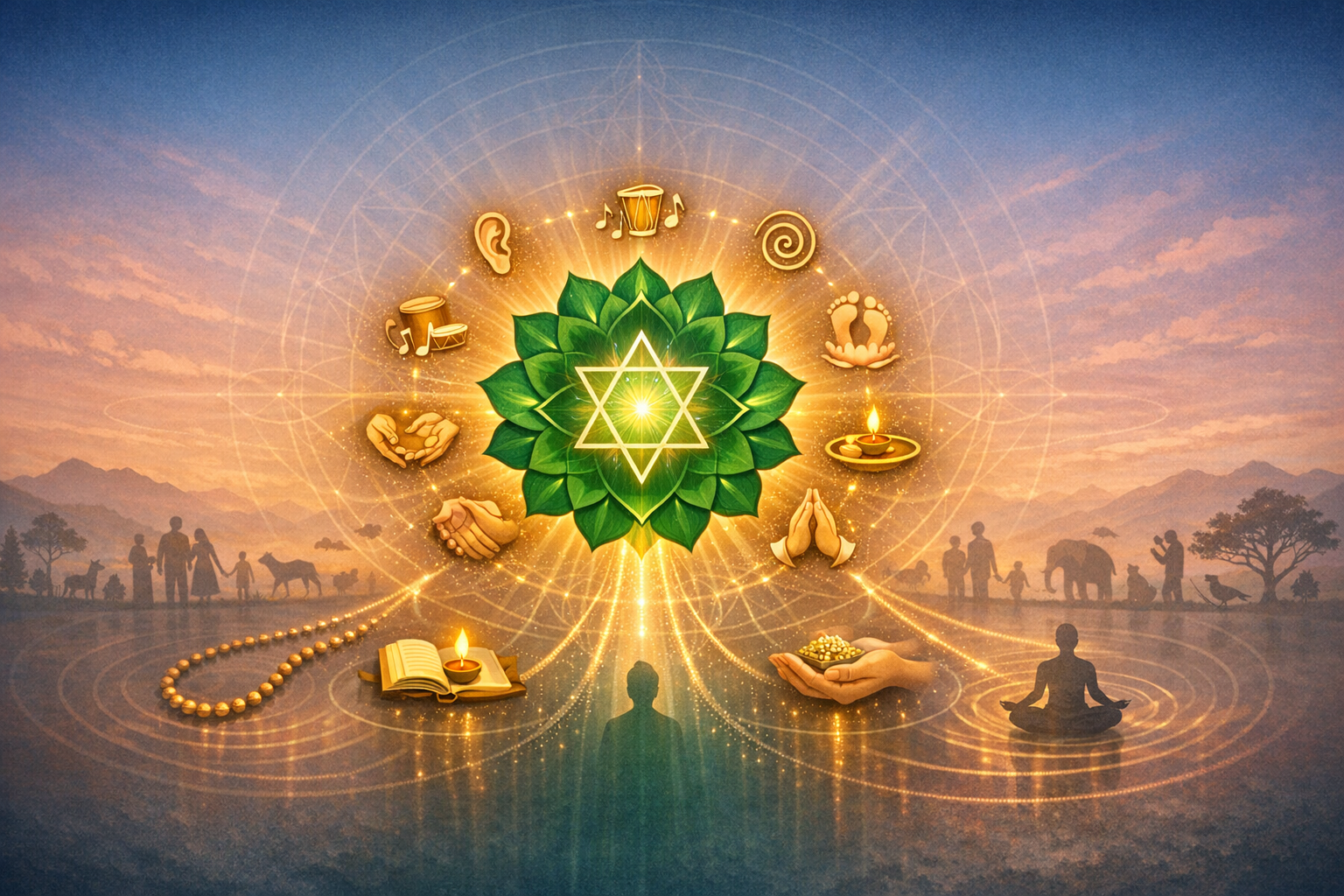
This in-depth guide explains love (prema) in Hinduism as both a metaphysical principle and a cultivated virtue, drawing on the Upanishads, the Bhagavad Gita, and classical bhakti theology. It clarifies distinctions between kāma, sneha, maitri, karuṇā, and prema, and shows how love matures through Bhakti, Jñāna, Karma, and Rāja Yoga. Readers gain practical exercisesjapa, mindful…
-
May 20, 2026 Panchang: Shukla Chaturthi to PanchamiAuspicious Timings, Expert Ritual Guide

On Wednesday, May 20, 2026, Shukla Paksha Chaturthi prevails until 3:56 PM and then transitions to Shukla Paksha Panchami. This comprehensive Panchang guide explains how to compute good times using the universal eight-part daylight method and how to avoid Rahu Kalam, Yamaganda, and Gulika Kalam for new beginnings. It highlights the strength of Abhijit Muhurta…
-
CC Madhya 4.112–123: Madhavendra Puri, Kshirachora Gopinatha, and the Power of Devotional Humility
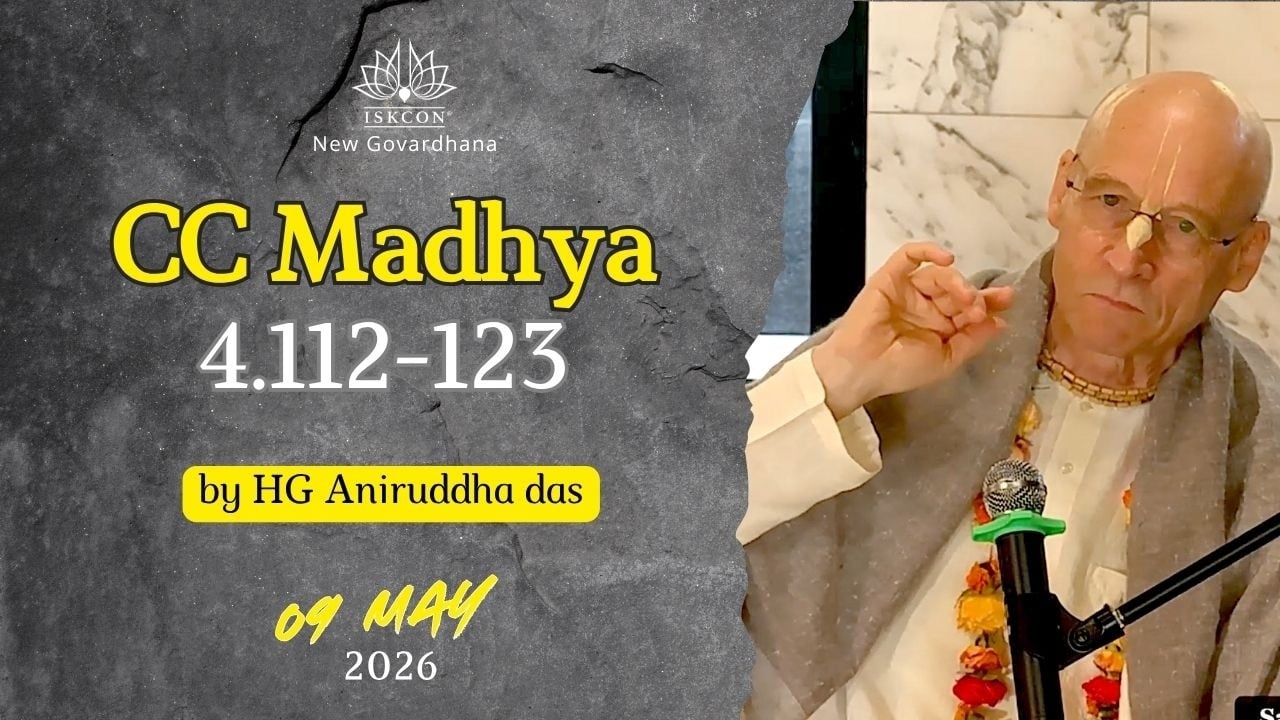
This analysis distills the core teachings of CC Madhya 4.112–123 as presented at ISKCON New Govardhana Temple on Sat 09 May 2026 by HG Aniruddha das. It explains how the Kshirachora Gopinatha narrative reveals the Lord’s intimate reciprocity with Madhavendra Puri while modeling uncompromising humility. The piece clarifies key Gaudiya Vaishnava doctrinesarcha-vigraha, prasada-tattva, and the…
-
Bhudharaya Bhairava: The Unmoving Ground of Being for Stability, Courage, and Clarity
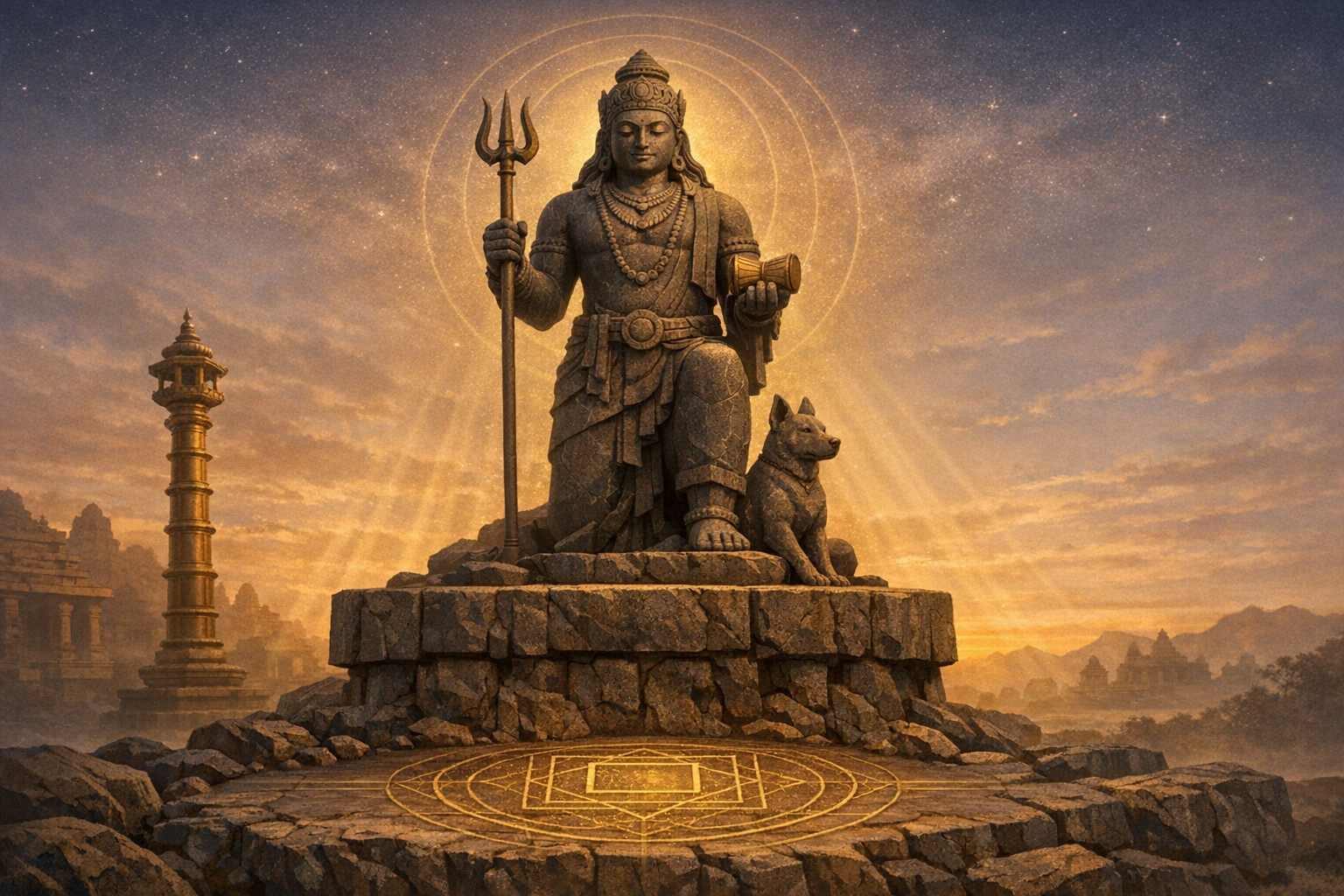
Bhudharaya, a revered name in the Bhairava sahasranama, proclaims Bhairava as the immovable ground of existence the adhara that sustains all. This essay clarifies the term’s etymology and scriptural roots, linking Skanda Purana narratives and stotra traditions to a coherent Shaiva metaphysics. It explores how prithvi-tattva, Mūlādhāra, and tantric practices like bhūta-śuddhi translate the idea…
-
May 15, 2026 Panchang: Trayodashi to Chaturdashi, Auspicious Timings, Nakshatra, Rashi
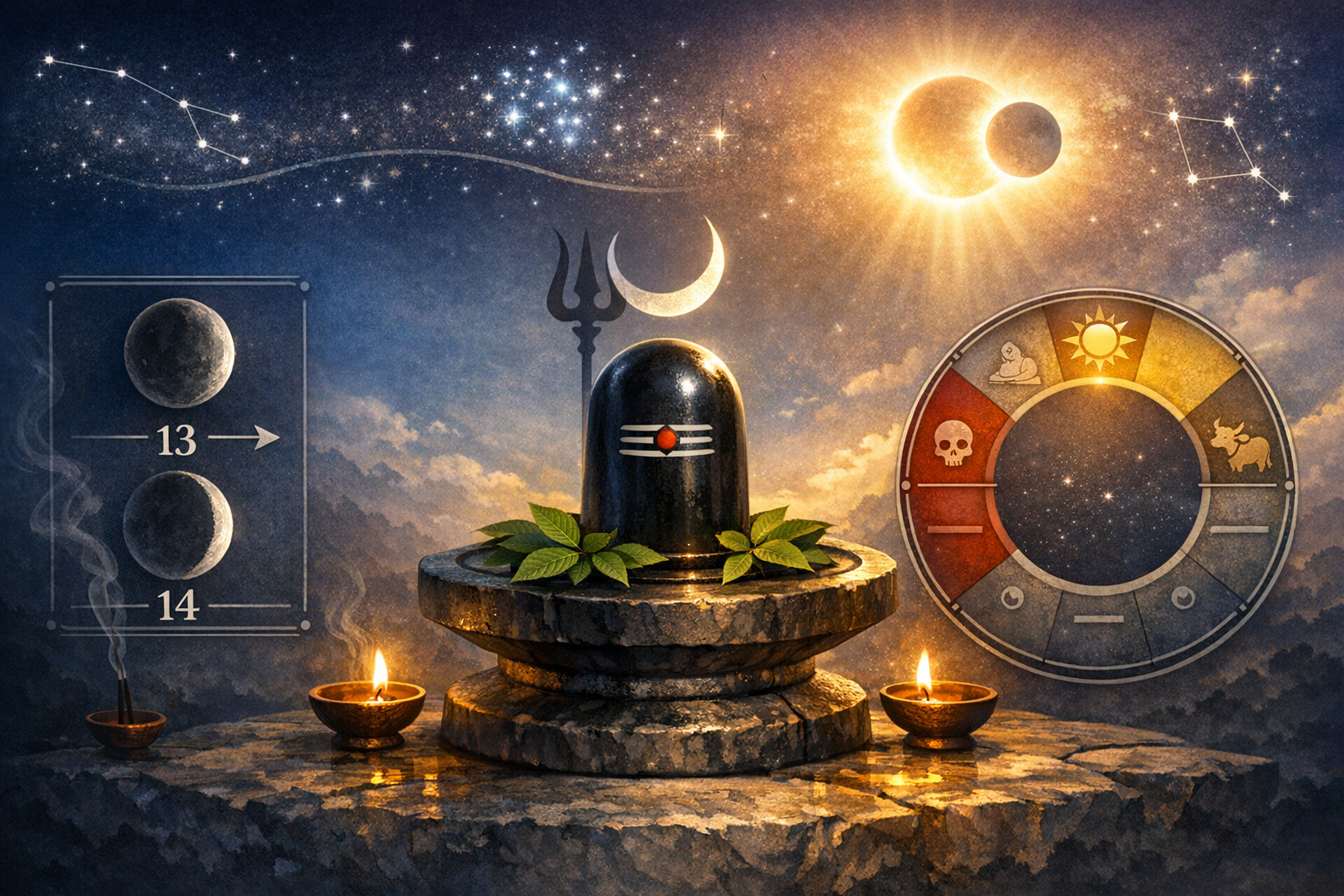
May 15, 2026 (Friday) marks the transition from Krishna Paksha Trayodashi to Chaturdashi, with Trayodashi ending at 05:52 IST across most Indian regions. Because Trayodashi does not coincide with evening twilight, Pradosh is not observed on this calendar date; instead, monthly Shivaratri falls during the late night of May 15–16 (verify Nishita Kaal locally). The…
-
Japa Mala’s Sacred Power: Practice, Science, and Dharmic Unity to Cultivate Focus and Peace

Japa mala (prayer beads) is a precise contemplative tool shared across Hindu, Buddhist, Jain, and Sikh traditions to focus the mind, steady the breath, and nurture devotion. Drawing on classical sources such as the Yoga Sutra and the Bhagavad Gita, the practice unites mantra, rhythm, and touch to cultivate calm attention. The guide explains mala…
-
How Free Are We, Truly? Karma, Neuroscience, and Moral Choice across Dharmic Paths

Are human choices truly free or fixed by forces beyond control? This analysis surveys determinism, libertarianism, and compatibilism; integrates current neuroscience on readiness potentials, predictive decoding, and conscious veto; and then synthesizes insights from Hinduism, Buddhism, Jainism, and Sikhism. Readers gain a clear, practical model of bounded freedom grounded in karma, dependent origination, Anekantavada, and…
-
Odisha Balasore Cattle-Transport Blaze: Anatomy of a Reported Mob Attack, Law, and Harmony

A reported arson attack on a cattle-transport vehicle in Balasore, Odisha, spotlights the intersection of public safety, lawful commerce, and communal harmony. This analysis clarifies what is known and not yet verified, then maps the legal architecture governing cattle movement and mob-prevention in India. It distills Supreme Court guidance on curbing vigilantism, outlines robust compliance…
-
May 10, 2026 Panchang: Definitive Guide to Tithi Shift, Shubh Muhurat, Nakshatra & Rashi

On Sunday, May 10, 2026, Krishna Paksha Ashtami lasts until 10:06 AM and is followed by Krishna Paksha Navami. This academic guide explains how to align daily practice with the tithi shift, including Kala Ashtami observances in the morning and steady routines under Navami thereafter. It outlines how to choose a Shubh Muhurat using Abhijit…
-
Beyond Ashes: Dharmic Wisdom on Death, Rebirth, and Why Restraint Sustains Our World

Modern discourse often assumes that death ends consciousness. Dharmic traditionsHinduism, Buddhism, Jainism, and Sikhismoffer a rigorous alternative: the body returns to elements while awareness continues in accordance with karma. This article explains the classical Vedic framework (sthula, sukshma, and karana sharira), unpacks the memorable triad of the body’s material endstool, ashes, or earthand situates it…
-
Unraveling Nrsimhadev’s Missing Jewels: Sacred Trust, Heritage Security, and Hope

A sudden, disorienting phone call while abroad“heart attack”captures the vulnerability communities feel when sacred jewels of Nrsimhadev are reported missing. This analysis reframes the mystery as a call to stewardship, integrating ritual integrity with modern heritage preservation and temple security. Readers gain a practical blueprint: clear governance and SOPs, meticulous inventories with high-resolution documentation, conservative…
-
Tukdoji Maharaj Jayanti 2026: Date, Gramgeeta’s Vision, and Inspiring Village Action Guide
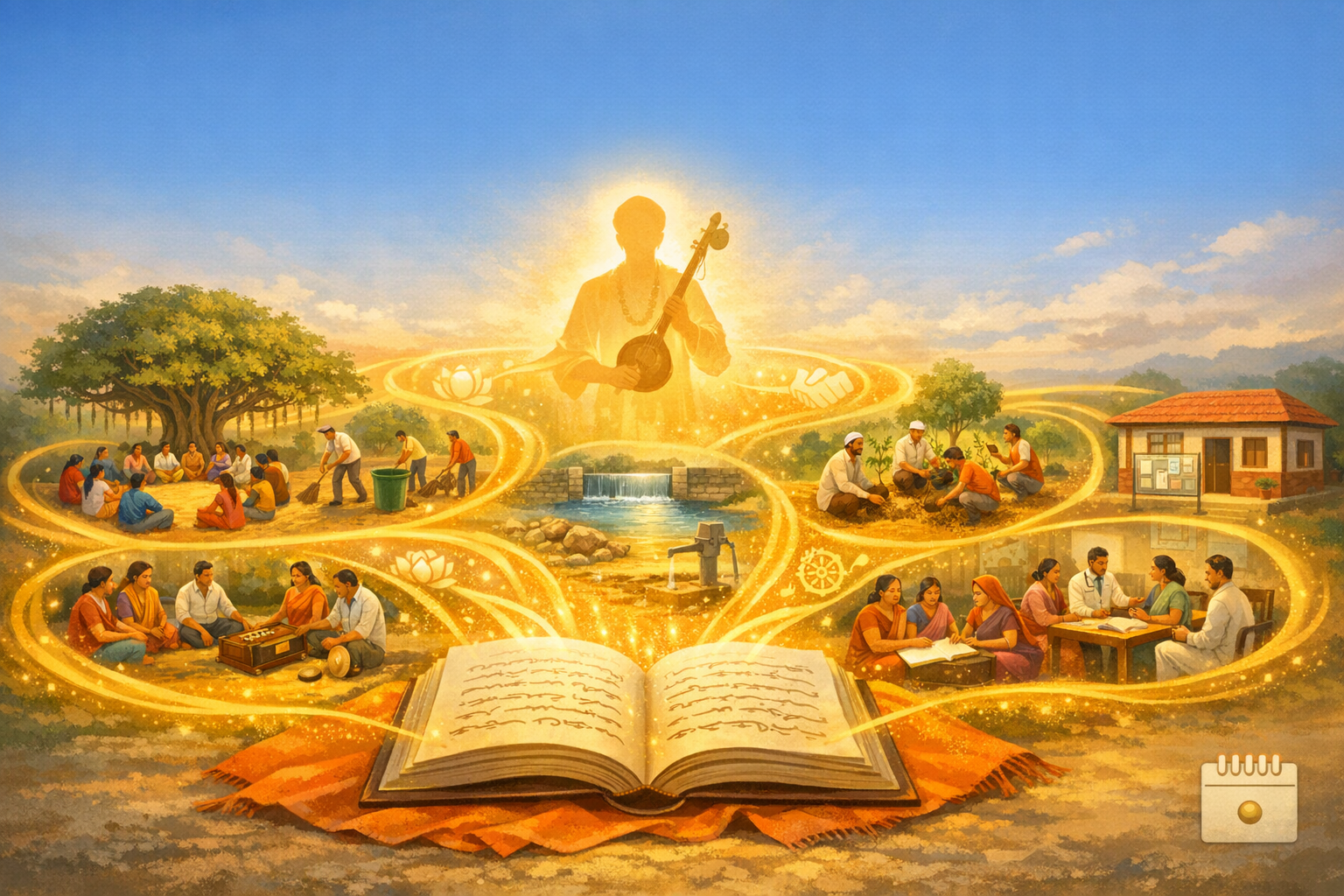
Tukdoji Maharaj Jayanti 2026 falls on April 30 and honors the Maharashtrian sage celebrated for uniting bhakti with seva. Anchored in his Gramgeeta, the day spotlights practical village developmentsanitation, water management, cooperative institutions, and ethical governance. Communities mark the occasion with readings, kirtans, cleanliness drives, and inclusive gram sabhas that translate spiritual insight into measurable…
-
Kolkata Police Constable Suspended After Viral Pre-Poll Video: Neutrality, Law, and Communal Harmony

A Kolkata Armed Police constable was suspended after a politically charged video went viral ahead of a WB Assembly Election 2026 polling phase, spotlighting the non-negotiable imperative of police neutrality under the Model Code of Conduct. The episode illustrates how service conduct rules, Supreme Court jurisprudence, and departmental SOPs converge to restrict partisan advocacy by…
-
18 Research-Backed Facts about Ganesha: Iconography, Mantras, Festivals, and Global Legacy

This comprehensive, research-grounded guide presents 18 essential facts about Ganeshahis Puranic origins, rich iconography, mantras, and threshold role as Prathama Pujya. Readers will learn how symbols such as the goad, noose, modaka, and the mouse vahana communicate psychological discipline and ethical intent. The overview explains the eight incarnations (Mudgala Purana), monthly observances like Sankatahara Chaturthi,…
-
Unveiling Yajur Veda’s Goat-Faced Icon: Sacred Symbolism in Hindu Temple Art
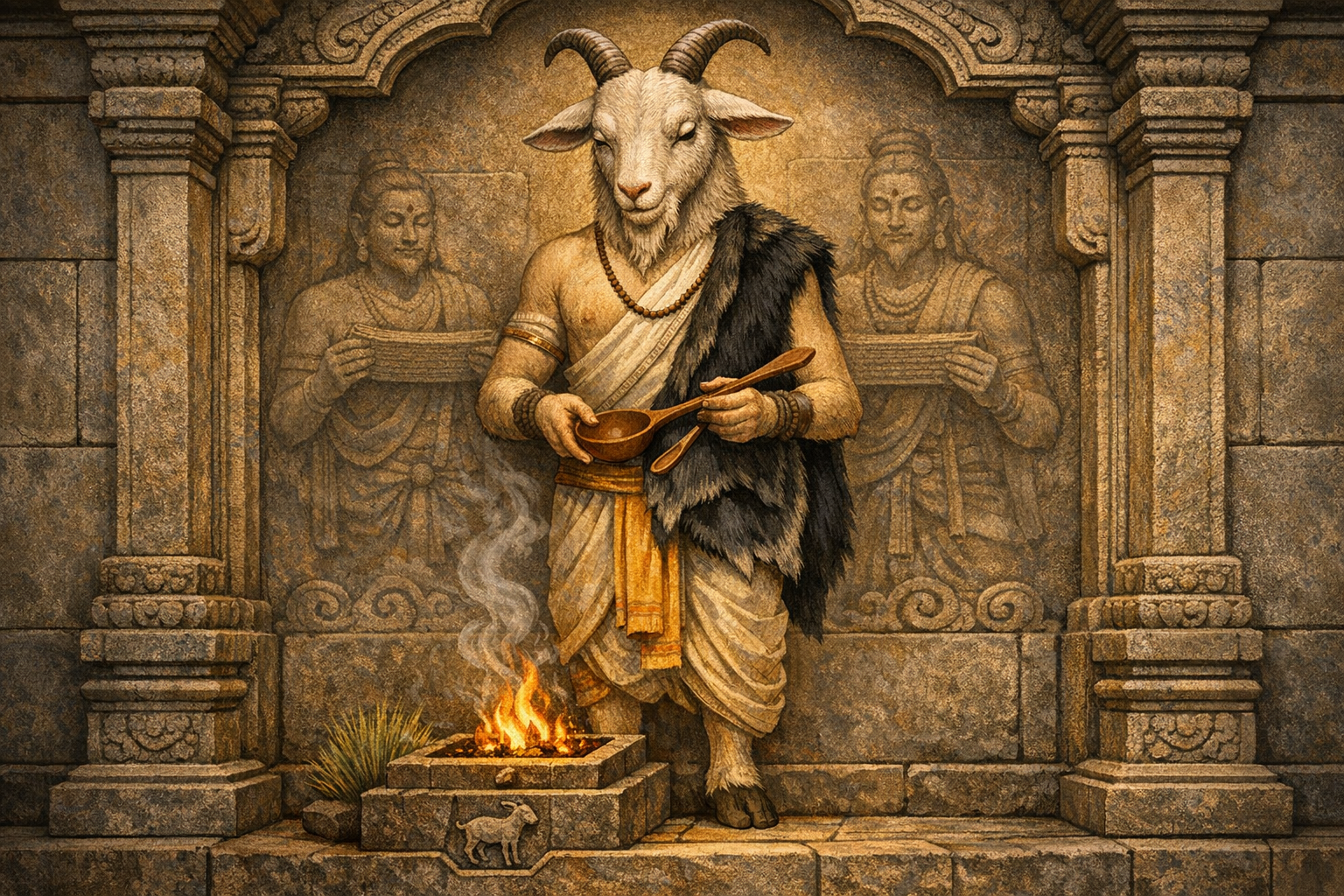
Hindu temple art often personifies the Vedas as living, intentional presences called veda-purushas, and the Yajur Veda is sometimes shown with a goat-faced form. This article explains why: it links ritual practice (yajna), philology (aja as both “goat” and “unborn”), and the Adhvaryu’s tools to a coherent iconographic language. It also clarifies common confusions with…
-
Why Temples Have Doors: Sacred Thresholds that Protect, Purify, and Deepen Darshan

Temple doors are sacred thresholds, not mere barriers. In Hindu temple architecture grounded in Vastu-shastra and Agama-shastra, doors regulate ritual cycles, pace darshan, and uphold sanctity in the garbhagriha. They serve conservation needs by stabilizing microclimates, managing acoustics, and protecting murtis, textiles, and paintings from dust, humidity, and light. Doors also secure community-held heritage such…