
-
Aadi Chevvai 2026: Sacred Tuesdays for Goddess ShaktiDates, Puja Guide, Temple Insights

Aadi ChevvaiTuesdays in the Tamil month of Aadicenters on Goddess Shakti through focused temple and home observances. For 2026 in India, the commonly observed dates are 21 July, 28 July, 4 August, and 11 August, with some regions also including 18 August depending on local month reckoning. This guide explains why Tuesday (Chevvai/Sevvai, linked to…
-
Varuna and Makara in the Matsya Purana: Deep Iconography, Water Symbolism, and Dharmic Unity

The Matsya Purana offers an exacting iconographic portrait of Varuna, the Vedic guardian of waters and moral law, seated on the composite Makara. This long-form analysis clarifies Varuna’s attributesconch-white complexion, lotus ornaments, and the distinctive pāśawhile explaining how the Makara’s hybrid, amphibious form symbolizes liminality, fertility, and disciplined flow. By correlating the Matsya Purana with…
-
Comprehensive June 18, 2026 Panchang Guide: Shukla Chaturthi, Auspicious Timings, Nakshatra and Rashi

Thursday, June 18, 2026 transitions from Shukla Paksha Tritiya at 01:40 to Shukla Paksha Chaturthi for the remainder of the day, making it a strong date for Vinayaka Chaturthi observances. This guide explains tithi mechanics, how Panchang elements (nakshatra, rashi, yoga, karana) are computed, and why civil dates can host multiple tithis. It outlines practical…
-
Beyond Blood and Bond: Krishna’s Universal Love as Cosmic Law, Bhakti, and Living Dharma

This long-form exploration argues that in Krishna’s life and theology, love functions as a cosmic law that reorganizes reality beyond birth, contract, or duty. Drawing on the Bhagavad Gita, the Bhagavata Purana, the Narada Bhakti Sutra, and bhakti-rasa theory, it explains how diverse devotional relationshipsvatsalya, sakhya, dasya, and madhuryareveal universal paths to the Divine. The…
-
Pisacha Mochini Chaturdashi: Sacred Rites for Ancestral Peace on Margashirsha Shukla Chaturdashi

Pisacha Mochini Chaturdashi (Pishach Mochan Chaturdashi) is observed on Margashirsha Shukla Chaturdashi to pacify and liberate restless ancestral spirits and to establish Pitru-śānti. Rooted in sources such as the Garuda Purana and the Skanda Purana’s Kashi Khanda, the observance emphasizes tilodaka, tarpana, pinda-dāna, deepa-dāna, mantra recitation, and charitable giving. Families consult the local panchang for…
-
Kamakhya & Guhyeshwari: Unveiling the Yoni–Garbha Continuum of Shakti Across the Himalaya

Kamakhya in Assam and Guhyeshwari in Kathmandu together reveal a single Shakta continuum: yoni as gateway and garbha as womb. The article synthesizes textual references, architectural features, and living ritual to show how these Shakti Peethas express one metaphysical current across the Himalaya. Readers gain a clear overview of the Sati–Shakti Peetha tradition, Kamakhya’s Ambubachi…
-
Ashadha Purnima (Guru Purnima) 2026: Date, Rituals, Vyasa Puja Guide & Dharmic Unity

Ashadha Purnimaalso known as Guru Purnima or Veda Vyasa Purnimafalls on 29 July 2026 and honors the Guru-Shishya Tradition across the dharmic family. The festival venerates Bhagavan Veda Vyasa and the transpersonal Guru principle that links knowledge with ethical living. This long-form guide explains the lunar calendar basis of the observance, regional variations, and the…
-
Apādāna in Sanskrit Grammar: A Definitive Deep-Dive into the Ablative and Dharmic Unity
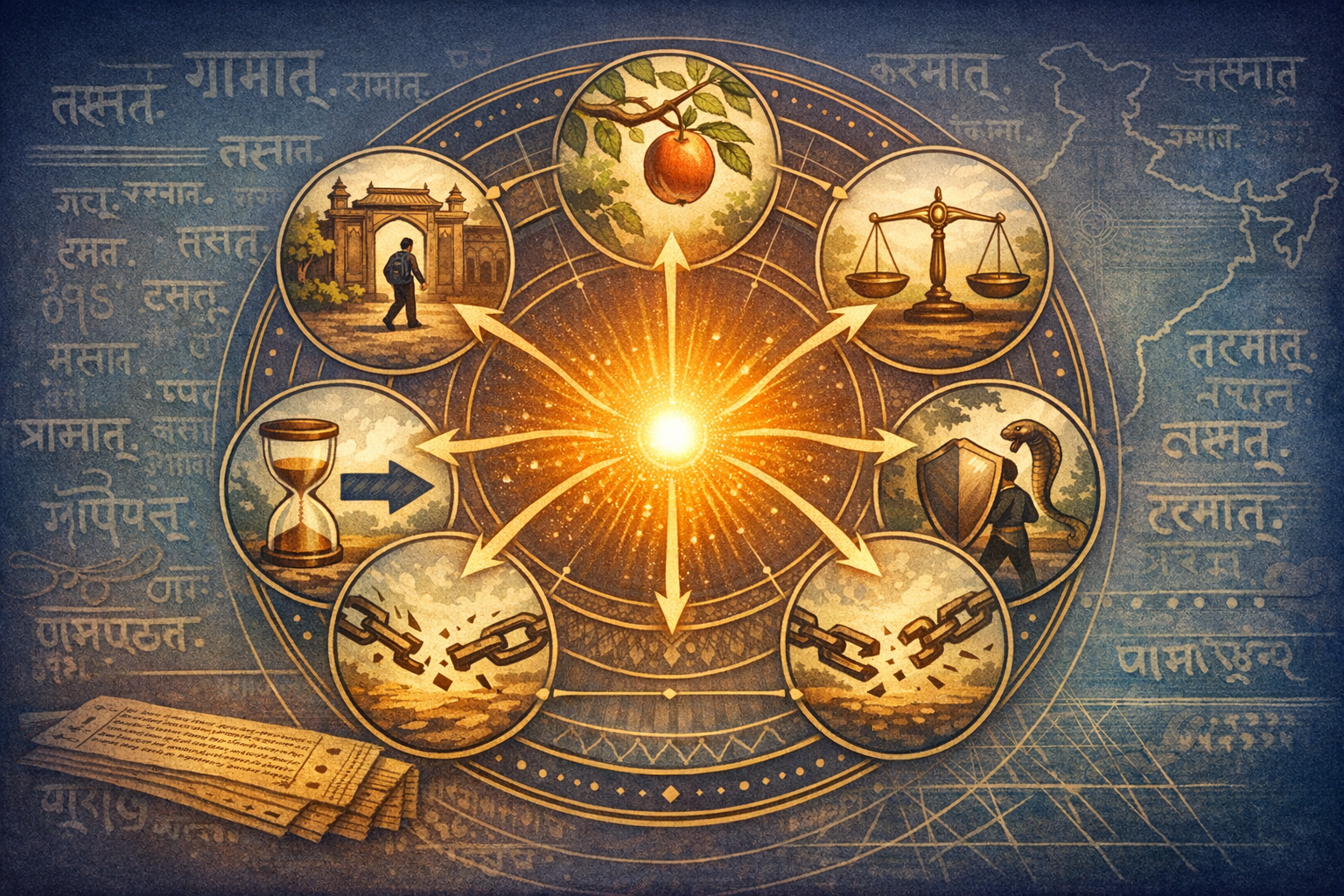
Apādāna in Sanskrit grammar names the semantic role of source or separation, most canonically marked by the ablative (pañcamī) case. This deep-dive clarifies how apādāna functions beyond mere motion, covering comparisons, fear/protection, deprivation, temporal inception, and causal nuance. It distinguishes the semantic role (kāraka) from the case ending (vibhakti), explains key morphological patterns across declensions,…
-
Ferrari Luce, LoveFrom, and the Meme Storm: A technical look at design, UX, and brand risk

Ferrari’s all-electric Luce launched with LoveFrom’s design input and immediately sparked a global meme storm that praised its physical controls but questioned the exterior. This analysis documents that cultural moment and explains why EV packaging and aero-first constraints can make heritage proportions feel unfamiliar. It examines why tactile HMI often outperforms touchscreens for safety and…
-
When Life Finds Balance: The Dharmic Science of Harmony in Hinduism, Buddhism, Jainism, Sikhism

This in-depth exploration shows how balancedefined as dynamic homeostasis guided by dharmaproduces well-being, clarity, and social harmony across Hinduism, Buddhism, Jainism, and Sikhism. Drawing on puruṣārtha, guna theory, Panchakosha, the Bhagavad Gita, Patanjali’s Yoga, and Ayurveda, it explains why moderation is a rigorous discipline, not a compromise. Parallels with the Buddhist Middle Path, Jain Anekantavada,…
-
Sumali’s Grand Design: How a Cunning Patriarch Forged Ravana and Reshaped the Ramayana

This article re-centers Sumali, the rakshasa patriarch and grandfather of Ravana, as a decisive strategist whose marriage diplomacy and counsel shaped the Ramayana’s political and ethical arc. Drawing on the Valmiki Ramayana (Uttara Kanda) and later traditions, it maps the genealogical fusion of Kaikesi and Vishrava that enabled Lanka’s transfer from Kubera to Ravana. The…
-
Align Body, Mind, and Heart in Chanting (Japa): A Proven Framework for Deep Focus and Grace
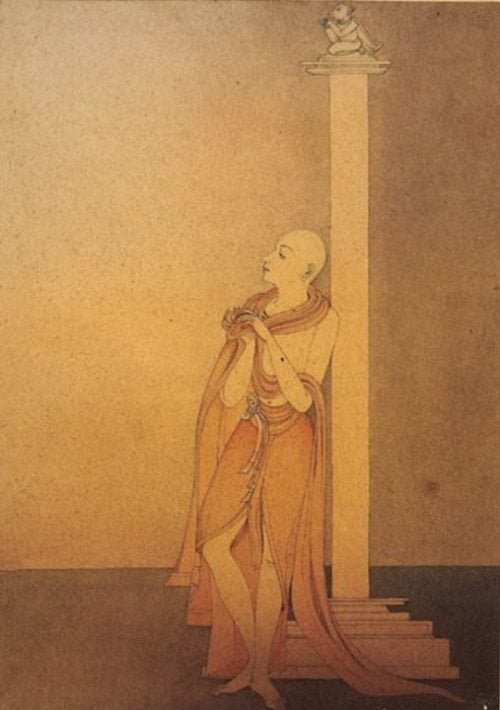
This research-informed guide distills mantra chanting (japa) into a practical three-part alignment of body, mind, and heart shared across Hinduism, Buddhism, Jainism, and Sikhism. It details posture, pronunciation, and environment to support precise articulation and a steady cadence. An onset-focused attentional methodreturning to the first “Hare”rapidly recovers attention after distraction and sustains presence across each…
-
Unveiling Goddess Kaveri in Hindu Sculpture: Iconography, Ritual Power, and Sacred Geography

Goddess Kaveri, revered as a living river and divine mother, is rendered in Hindu sculpture through a precise visual grammar that blends Shilpa Shastra canons with the lived rhythms of sacred geography. This essay explains how to recognize her iconography, from kumbha and lotus attributes to makara-toranas and gentle mudras, and shows where she commonly…
-
Acharya Periyavachanpillai and the ‘Dull-Headed’ Disciple: When Guru’s Grace Unlocks Genius

This essay explores a classic Sri Vaishnava teaching storyAcharya Periyavachanpillai guiding a so-called “dull-headed” devoteeto illuminate how Guru’s Blessings align with disciplined effort to unlock understanding. It situates the episode within the Ramanujacharya lineage, drawing out doctrinal themes such as śabda-pramāṇa, bhakti, and prapatti. It then shows how mantra, seva, and structured study purify the…
-
Srila Prabhupada Festival, Los Angeles: 35 Years of Simple Living, High Thinking
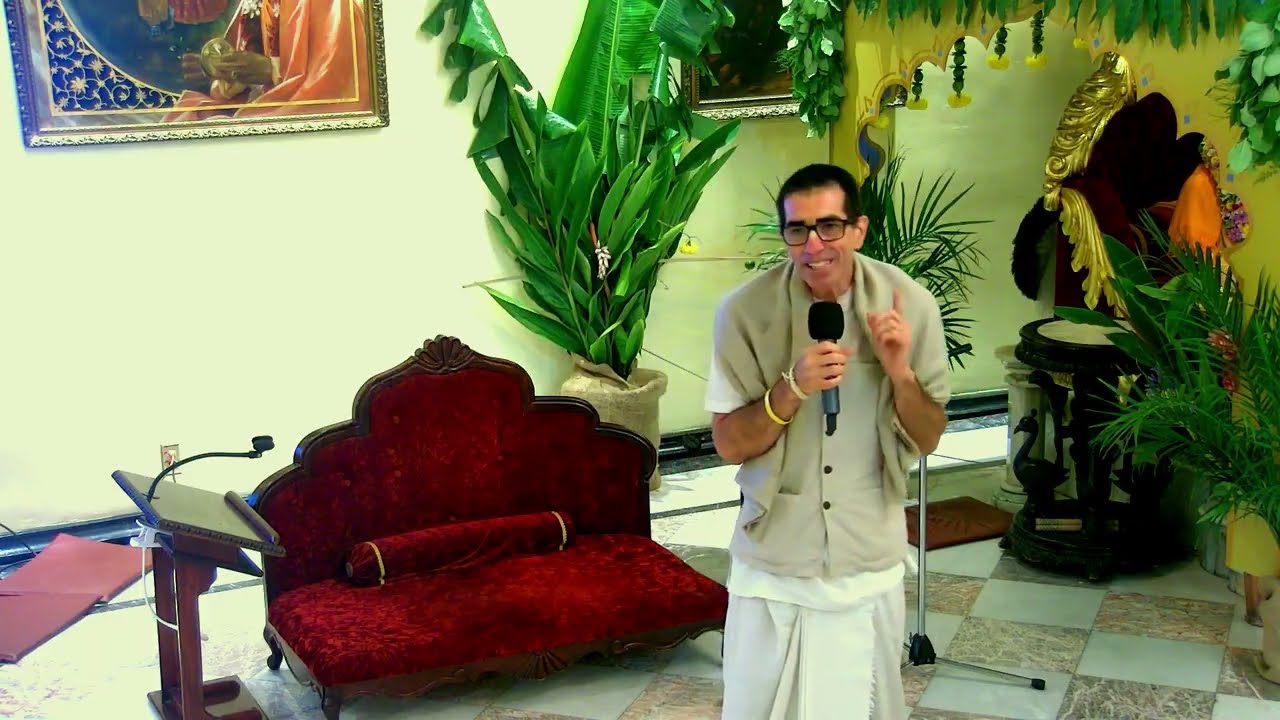
The Srila Prabhupada Festival in Los Angeles marks thirty-five years of gratitude at New Dwarka Temple, uniting the community around the guiding principle “Simple Living, High Thinking.” Anchored in the Bhagavad Gita and Gaudiya Vaishnava teachings, the event integrates devotional arts, kirtan, textual study, and service as a coherent pathway for inner growth and social…
-
Bhairava’s Untamed Jata: Shiva’s Tantric Iconography, Cosmic Fire, and the Discipline of Time

Bhairava’s untamed jataoften described as a “matted flame”is a precise iconographic language rather than a dramatic flourish. Drawing on Agamic and Purāṇic traditions (including the Skanda Purāṇa’s Kāśī Khaṇḍa), the flame-like hair encodes tapas (ascetic heat), the governance of time (kāla), and the ethics of vigilant guardianship. Read through a yogic lens, it symbolizes the…
-
The Fragrance of Truth: Why Dharmic Spiritual Wisdom Must Never Be Bought or Sold

A flower does not sell its fragrancethis classical metaphor explains why authentic spirituality in Hinduism, Buddhism, Jainism, and Sikhism cannot be commodified. Drawing on the Upanishads, the Bhagavad Gita, and core dharmic values such as aparigraha, seva, and anekantavada, this analysis distinguishes stewardship from sale and gratitude from price. It shows how guru–shishya pedagogy, dhamma-dana,…
-
Mahabharata Wisdom on the True Gift: Markandeya’s Guide to Nishkama Dāna and Seva

This long-form exploration distills Sage Markandeya’s Mahabharata teaching on the nature of the true gift (dāna) and explains why intention, not magnitude, confers ethical value. It maps dāna to the Bhagavad-Gita’s guṇa framework, clarifying the difference between sāttvika, rājasa, and tāmasa giving. Through the exemplar of King Śibi, it highlights abhayadāna (the gift of fearlessness)…
-
Nandagopa, Krishna’s Foster-Father: A Powerful Study in Dharma, Adoption, and Love Beyond Blood

NandagopaNanda Maharaja of Vrajaembodies a dharmic model of fatherhood defined by nurture rather than blood. Drawing on the Bhagavata Purana and allied traditions, this analysis situates him as Krishna’s foster-father who performs samskaras, protects the child, and leads the Gopa community with ethical clarity. The study explores adoption and kinship in Dharmashastra, shows how bhakti…
-
Divine Geometry of the Shivling: Six Sacred Components, Agamic Ratios, and Alignment

The manmade Shivling follows a six-part sacred architecture codified in Shaiva Agamas and Shilpa Shastra: a foundation slab, a yoni-pitha with drainage channel, and a triune bana comprising Brahma-, Vishnu-, and Rudra-bhaga. This article explains the function, symbolism, and geometry of each component, with practical notes on proportions, materials, and orientation in the garbhagriha. Readers…