
-
Curiosity as Sacred Practice: How Hinduism Champions Inquiry, Dialogue, and Self-Realization

This article presents a rigorous, accessible account of why Hinduism treats curiosity as a sacred discipline. It traces the spirit of inquiry from the Upanishadic dialogues and Bhagavad Gita to Nyaya logic, Mimamsa hermeneutics, Vedanta inquiry, and Yoga’s epistemology. It explains pramanavalid means of knowledgeand shows how disciplined questioning is bound to ethics, humility, and…
-
The War They Could Not Win, Part 3: How Dharmic Pluralism Defied Empire and Ideology
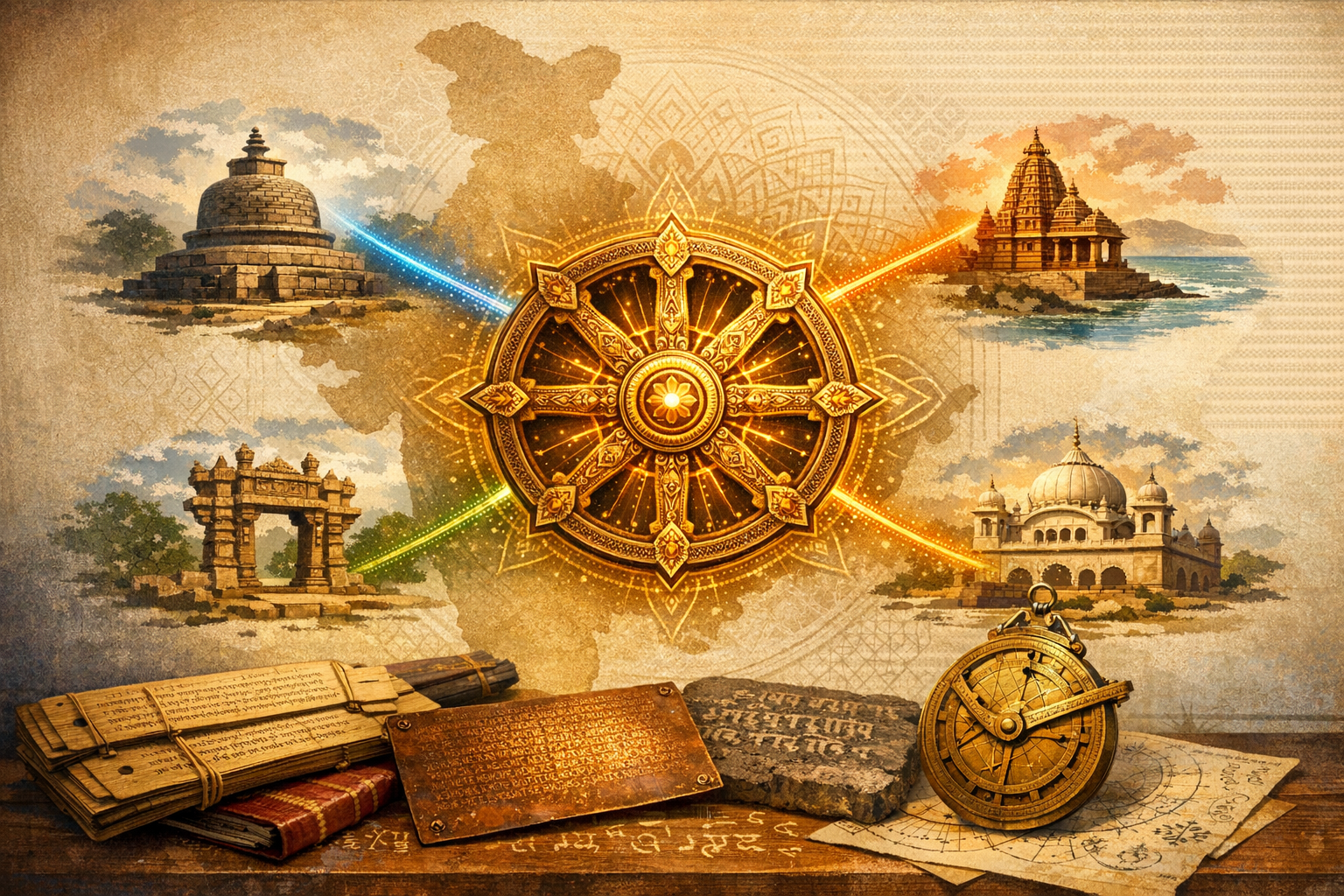
This installment analyzes why attempts to homogenize the subcontinent’s diverse religious and cultural life repeatedly failed. It shows how dharmic pluralismIshta in Hindu Dharma, Anekantavada in Jainism, upāya in Buddhism, and seva in Sikhismfunctioned as a civilizational architecture of resilience. The discussion traces colonial knowledge projects, legal codification, and endowment management, and explains how communities…
-
Encountering Mahaperiyava: A scholarly, soul-stirring journey with the Sage of Kanchi

Shri Chandrashekarendra Saraswati Swamigal (Mahaperiyava), the 68th Jagadguru of the Kanchi Kamakoti Peetham, united rigorous Advaita Vedanta with a lived ethic of compassion and service. This academically grounded reflection explains how his padayatra, pedagogy, and daily austerities shaped an enduring model of spiritual leadership. Readers gain a clear overview of his scriptural method, practical household…
-
Rajabazar Tension in Kolkata After Jumma Namaz Road Block: Upholding Law, Peace, and Pluralism

A brief dispute over Jumma Namaz on a public road in Kolkata’s Rajabazar highlighted a familiar urban challenge: balancing freedom of worship with the right to movement and livelihood. This analysis outlines the constitutional framework (Article 25 and Article 19), relevant judicial principles on the non-occupation of public ways, and Kolkata’s practice of permission-based, time-bound…
-
Aim Hrim Klim: Unlock the Sacred Triad of Shakti and the Three States of Consciousness

Aim Hrim Klim – the revered triad of bīja mantras – unites knowledge, compassionate power, and loving attraction into a single, practical discipline in Hindu spirituality. Drawing on classical mantra-śāstra and living lineages, the article explains how Aim clarifies cognition, Hrīṁ integrates heart-intelligence, and Klīṁ refines desire into dharmic will. It maps the triad to…
-
Hare Kṛṣṇa as a Heartfelt Cry: Surrender, Bhakti, and Dharmic Unity in Practice
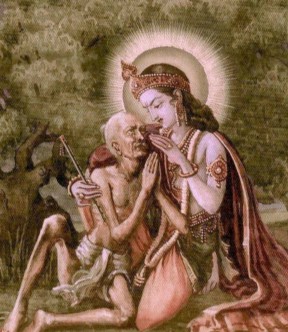
The mantra Hare Kṛṣṇa, Hare Kṛṣṇa can be read as a concise theology of surrender: “O the energy of the Lord, O the Lord, please accept me.” Situated within the bhakti tradition, this cry for acceptance aligns with Lord Caitanya’s emphasis on humility and constant kīrtana. The piece explores how śaraṇāgati in the Bhagavad Gītā,…
-
West Bengal BJP’s decisive push: anti-smuggling crackdown, smart border fencing, welfare

Recent public reporting outlines a three-pillar agenda in West Bengal: a decisive crackdown on cattle smuggling and syndicate networks, accelerated India–Bangladesh border security with fencing and smart surveillance, and a welfare rollout for vulnerable border communities. The approach integrates legal enforcement under the Customs Act and related statutes with inter-agency coordination among state police, BSF,…
-
Unveiling Prishni: The Speckled Celestial Mother of the Maruts in Rigvedic Cosmology

Prishni, the “speckled” celestial mother of the Maruts in the Rigveda, illuminates how Hindu scriptures bind natural phenomena to sacred meaning. This analysis clarifies her etymology, traces her presence in Vedic hymnody, and examines her relationship to Indra, Rudra, and the storm-host. Readers gain a precise understanding of how “speckling” functions as Vedic symbolism for…
-
Krishna’s Heart in Kali Yuga: How Jagannath Puri Safeguards Compassion and Unity
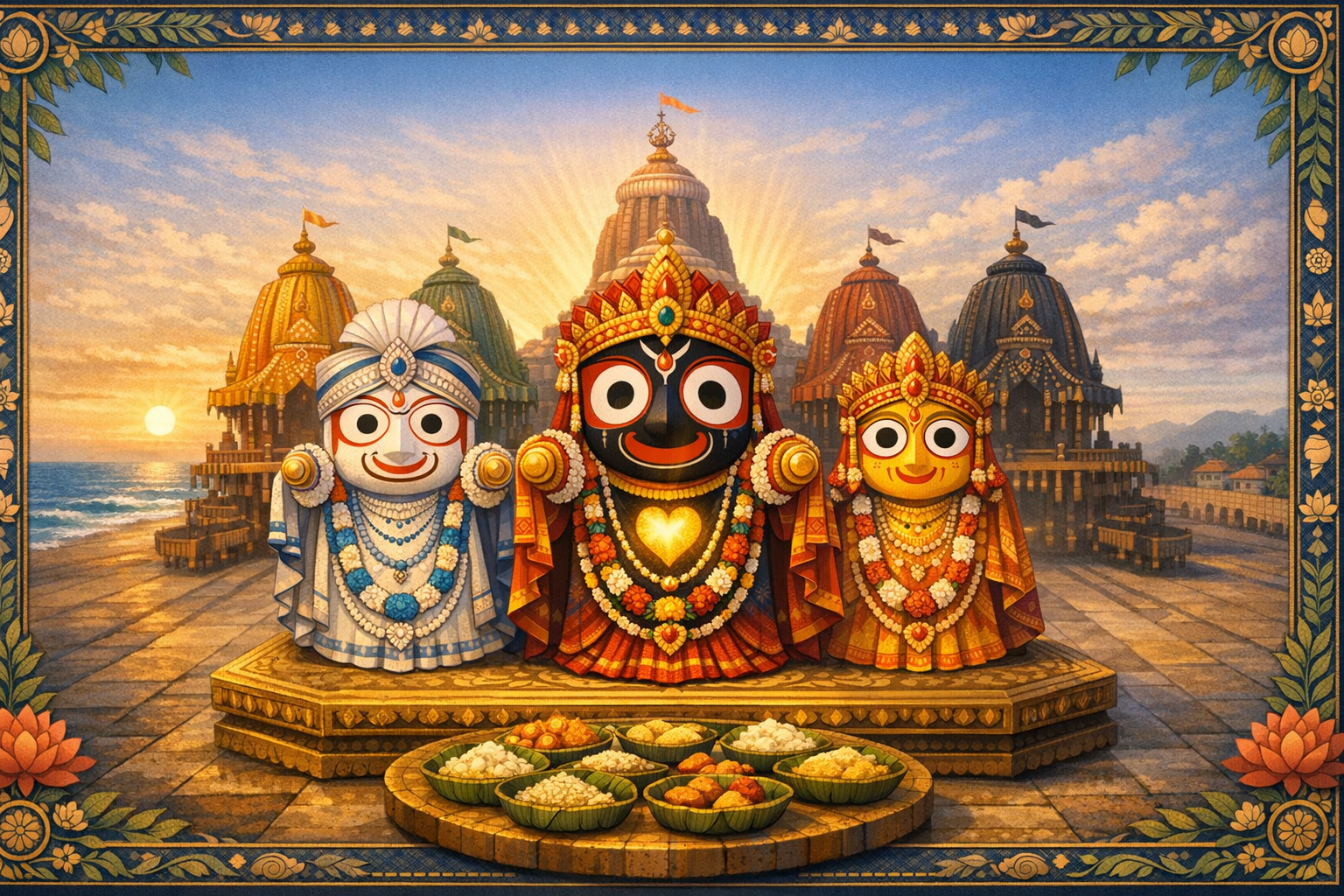
This article explores the Jagannath tradition at Puri as the living repository of Bhagavan Sri Krishna’s heart, identified in temple lore as the Brahma Padartha. Drawing on the Skanda Purana (Purushottama-khanda), it explains how Purushottama-kshetra was destined to anchor compassion and accessibility in Kali Yuga. Readers will learn the technical contours of Nabakalebara, the secret…
-
Dvaita vs Advaita in Hinduism: A Clear, Compassionate, Research‑Backed Guide to Vedanta

This research-backed guide clarifies the real differences between Dvaita and Advaita without reducing either system to caricature. It explains Advaita’s non-dual Brahman, Dvaita’s theistic realism, and why both accept the same core scriptures yet read them through distinct hermeneutics. Readers learn how Advaita’s three levels of reality and Dvaita’s Panchabheda lead to different, but equally…
-
Beyond Heaven and Hell: Karma, Consciousness, and Self-Reward in Dharmic Philosophy

This essay explains, in clear academic terms, why Dharmic traditions reject an externalized reward-and-punishment model after death while affirming a rigorous moral universe. It clarifies karma-phala using concepts like sanchita, prarabdha, and agami, and links Mimamsa’s apurva and Nyaya–Vaisheshika’s adrishta to a self-executing moral order. Hindu philosophy, Buddhism, Jainism, and Sikhism are presented in harmony:…
-
HG Daivi Shakti Mataji on Srila Prabhupada Lilamrita: Unveiling a Transformative Gaudiya Legacy
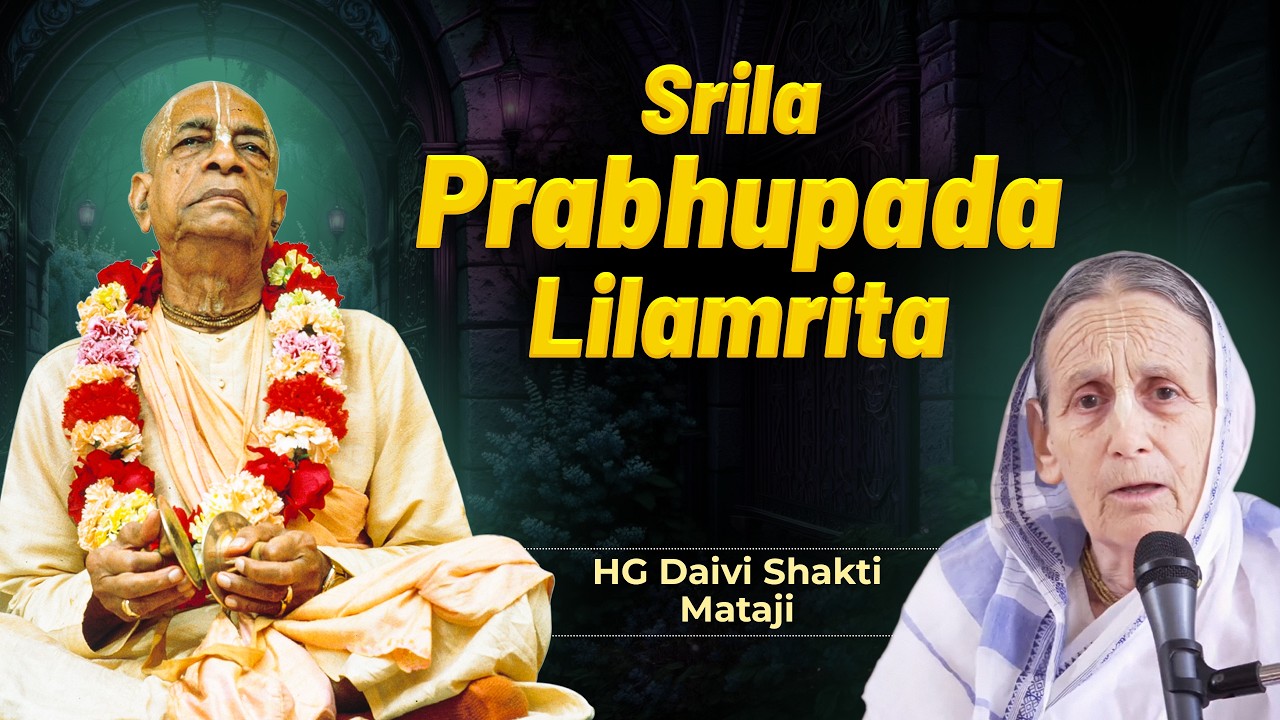
This analysis situates HG Daivi Shakti Mataji’s focus on Srila Prabhupada Lilamrita within a rigorous, source-aware approach to Gaudiya Vaishnavism. It explains how the biography blends archival research, oral histories, and textual study to illuminate Srila Prabhupada’s life, teachings, and institution-building. Readers gain a clear framework for studytriangulating letters, interviews, and BBT records while appreciating…
-
Hinduism’s ‘330 Million Gods’ Demystified: Unity, Ishta, and the Logic of Many Paths

Why Hindus follow many gods is not a contradiction but a cornerstone of Sanatan Dharma. This essay clarifies the famous “330 million gods” as a later linguistic and devotional interpretation of the Vedic 33 categories (koti) of deities, grounding the discussion in the Vedas, Upanishads, and the Bhagavad Gita. It explains Ishta-devata as a rigorous,…
-
Why Karthikeya Has Six Heads: Puranic Origins, Iconographic Meaning, and Dharmic Unity
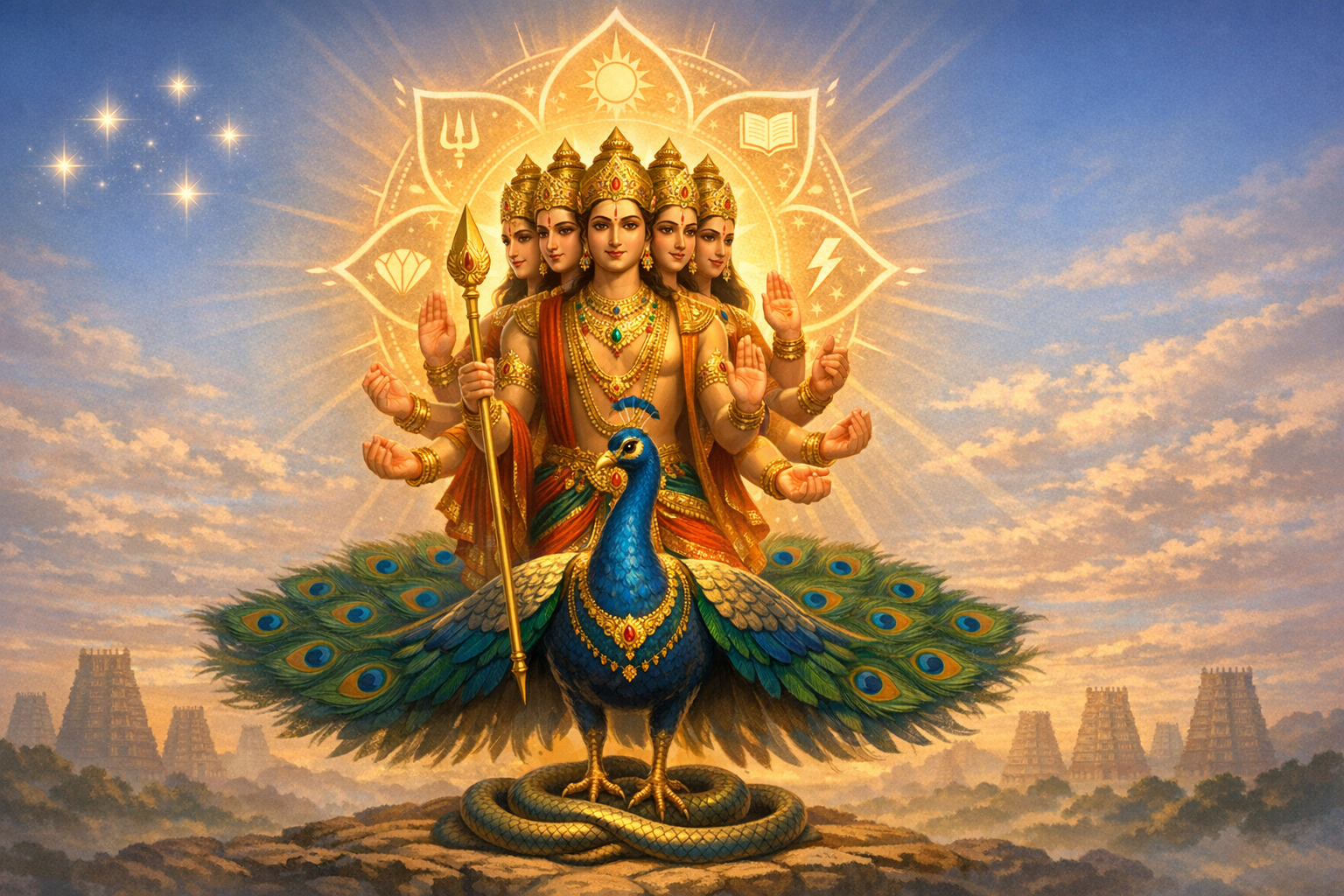
Karthikeya’s six headsShanmukhaare not an artistic flourish but a layered pedagogy rooted in scripture, philosophy, yoga, and living festival practice. Puranic narratives explain the six-faced form through the Krittikas and Parvati’s embrace, while martial symbolism emphasizes omnidirectional awareness for a divine commander. Liturgical traditions map the six faces to the Saravana-bhava mantra; philosophers read them…
-
Inside Mumbai’s ‘corporate jihad’ debate: actionable safeguards, unity, and policy reforms

An awareness programme in Mumbai on ‘corporate jihad’ was reframed into a practical, rights-respecting agenda to prevent the misuse of corporate structures by any coercive or extremist network. The discussion emphasized due process, interfaith harmony, and unity among dharmic traditions while focusing on measurable corporate safeguards. Key takeaways include actionable AML/KYC and third-party controls, stronger…
-
Toxic Counsel and Fallen Crowns: Leadership Lessons from Shakuni–Duryodhana in the Mahabharata

The Mahabharata’s Shakuni–Duryodhana alliance is a precise study of toxic counsel, ego-driven decision-making, and the predictable collapse that follows when dharma yields to manipulation. By tracing key episodesfrom the rigged dice game in Sabha Parva to the failed peace in Udyoga Parva and ethical breaches during the Kurukshetra Warthe analysis shows how short-term spectacle corrodes…
-
Cox’s Bazar Hindu Priest Found Dead: Urgent Call for Justice, Rule of Law, and Minority Safety
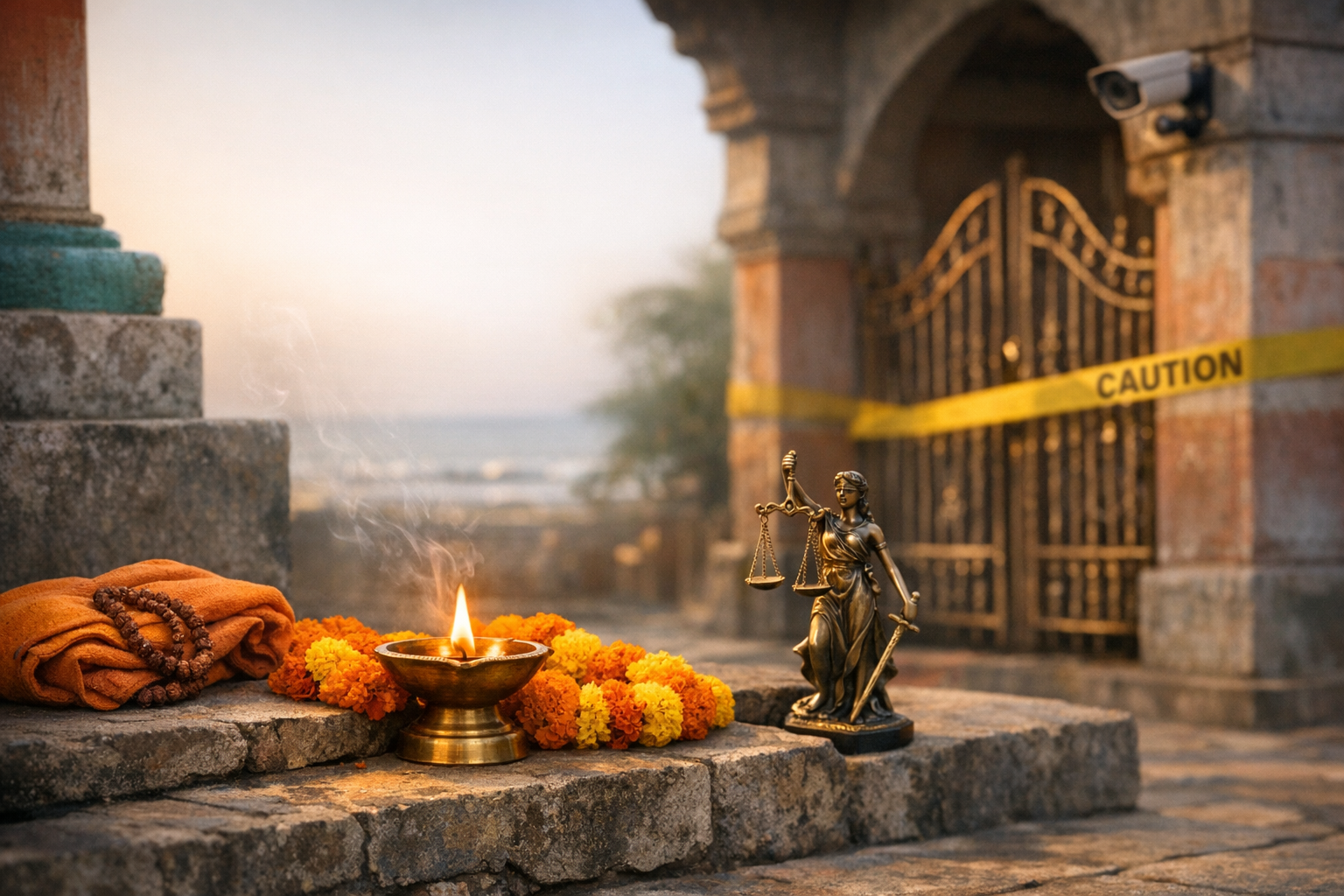
A 40-year-old Hindu priest and temple caretaker in Cox’s Bazar, Bangladesh, was found dead after going missing, prompting urgent calls from minority-rights and interfaith groups for a transparent, time-bound investigation. This analysis explains how the Constitution of Bangladesh, the Penal Code, and the Code of Criminal Procedure together mandate an impartial process, from inquest and…
-
Karna’s Elephant-Chain Banner: Fate, Dharma, and the Unyielding Spirit of Kurukshetra

The Mahabharata’s standards were a battlefield lexicon, distilling each warrior’s identity and philosophy into potent symbols. Within this system, tradition associates Karna with an elephant-chain emblem, a motif that fuses material realismcontrol of war elephantswith moral allegorypower managed by duty. While not uniformly attested across all recensions, the emblem appears in parts of the textual…
-
May 3, 2026 Panchang: Auspicious Guide to Krishna Paksha Dwitiya, Good Times, Nakshatra, Rashi

On Sunday, May 3, 2026, most regional Hindu Panchangs mark Krishna Paksha Dwitiya tithi for the entire day, ending at 12:57 AM on May 4, when Krishna Paksha Tritiya begins. The guide explains how to read the day through Tithi, Nakshatra, and the Moon’s Rashi, and how to select Good Time (Shubh Muhurat) using Choghadiya.…
-
Yuga Dharma of Unity: How Collective Chanting Heals Divisions Across Dharmic Paths

This article examines Yuga Dharma as a unifying principle for the present age and explores why collective chanting and shared service provide an academically credible, historically grounded path to dharmic unity. Drawing on Gaudiya Vaishnavism’s emphasis on sankirtana and parallel practices in Sikhism, Jainism, and Buddhism, it shows how sacred sound strengthens cohesion without erasing…