
-
Unattached Like the Sun: Dharmic Wisdom on the Divine Light That Impartially Illumines All

This article examines the Hindu aphorism that the Divine is like the sunilluminating all without attachmentand shows how this insight unifies the Dharmic traditions of Hinduism, Buddhism, Jainism, and Sikhism. Drawing on scriptural anchors such as the Bhagavad Gita (13.33; 5.10; 9.9; 15.6; 15.12) and the Upanishads, it explains why Brahman/Īśvara is described as nirlepa…
-
Kerala’s Vishu Poster Uproar: Multiple FIRs, Arrests, and a Roadmap for Interfaith Harmony
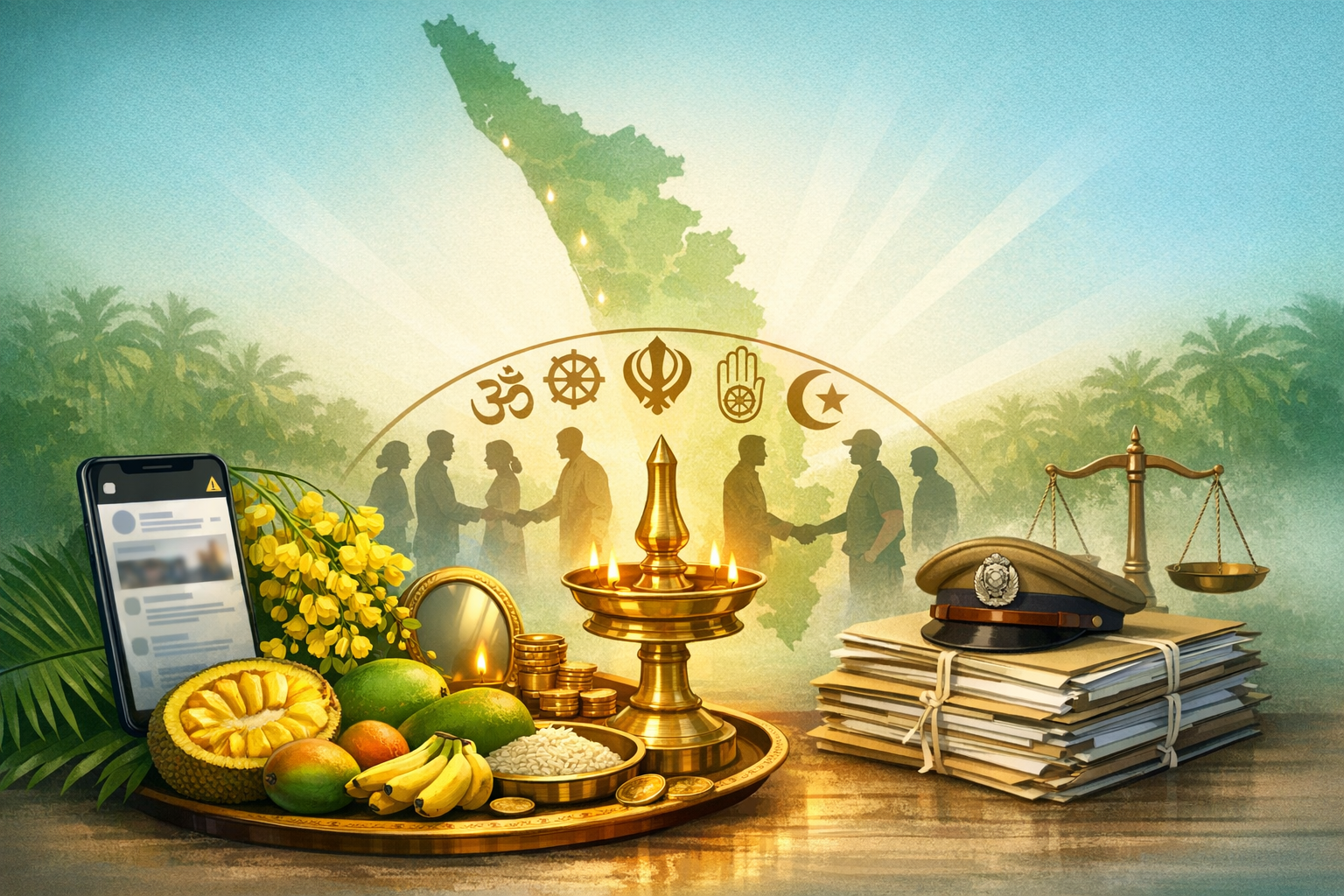
Kerala’s Vishu poster controversy began in Alappuzha and spread to other districts, including Malappuram, after an advertisement depicted Lord Krishna with a non-vegetarian dish. Multiple FIRs were registered and three individuals were arrested as police opened investigations into potential offences concerning religious sentiments and public order. This analysis situates the episode within India’s constitutional framework,…
-
Indratva vs Nidratva: Kumbhakarna’s Boon, Ambition, and the Lost Science of Balance

Kumbhakarna’s story in the Ramayana, often reduced to a trope of excess, encodes a precise philosophy of balance through the dialectic of Indratva (unbounded agency) and Nidratva (overpowering inertia). Read across Valmiki and later retellings, the episode becomes a systems lesson in regulating rajas and tamas under sattva’s guidance. The analysis connects dharmic psychology with…
-
Ahilyabai Holkar Jayanti 2026: Punyashlok Ahilyadevi’s Legacy of Temples and Dharma
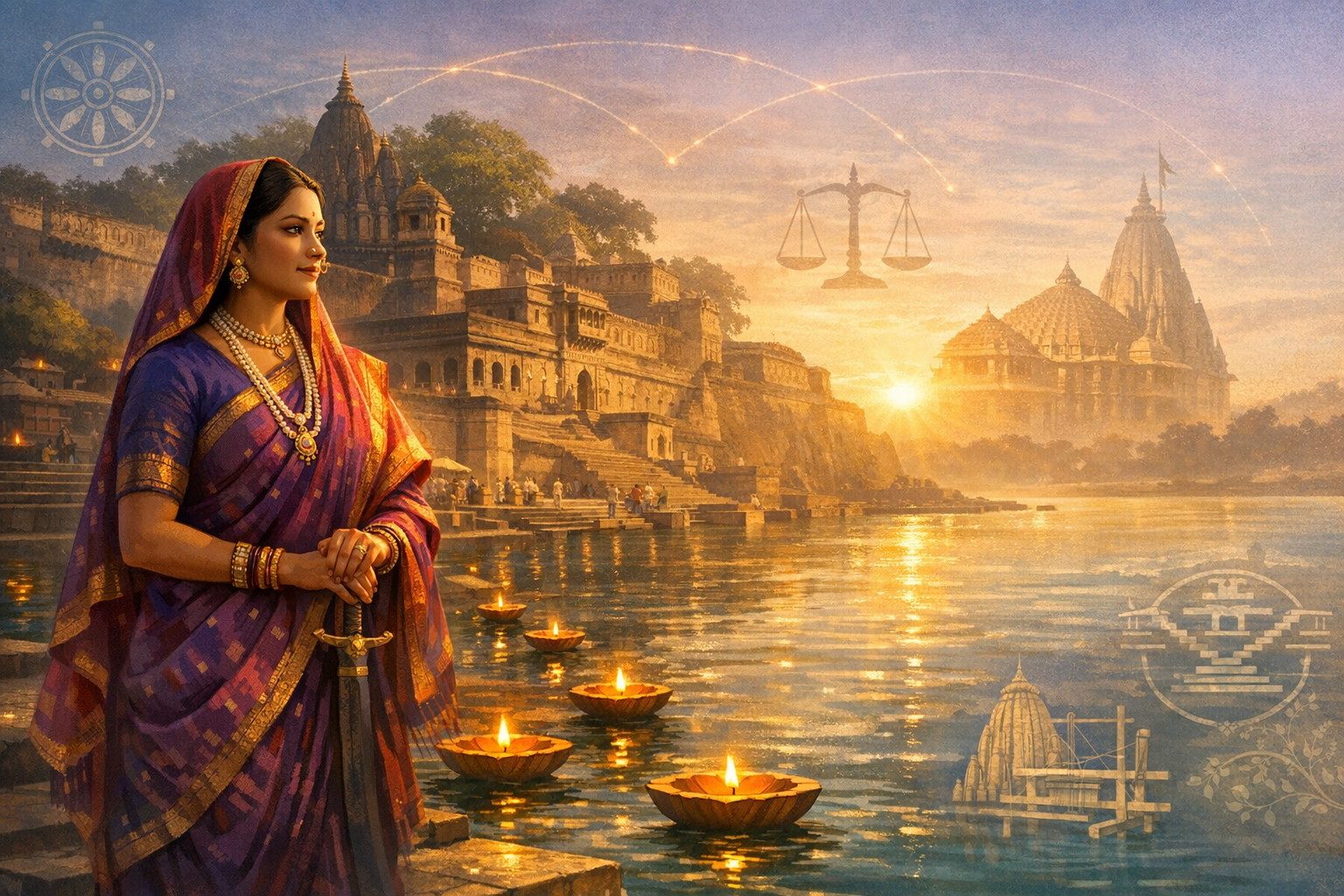
Ahilyabai Holkar Jayanti 2026 (31 May 2026) commemorates Punyashlok Ahilyadevi Holkar, the visionary Maratha sovereign whose governance and temple-building reshaped India’s sacred geography. The observance highlights her reconstruction of Kashi Vishwanath (1780) and Somnath (1783), the development of Maheshwar as a capital, and a justice-centered administrative ethos. Readers gain a historically grounded understanding of her…
-
Raksha Kali: Fierce Protector of DharmaIconography, Mantras, Ritual Practice, Living Devotion
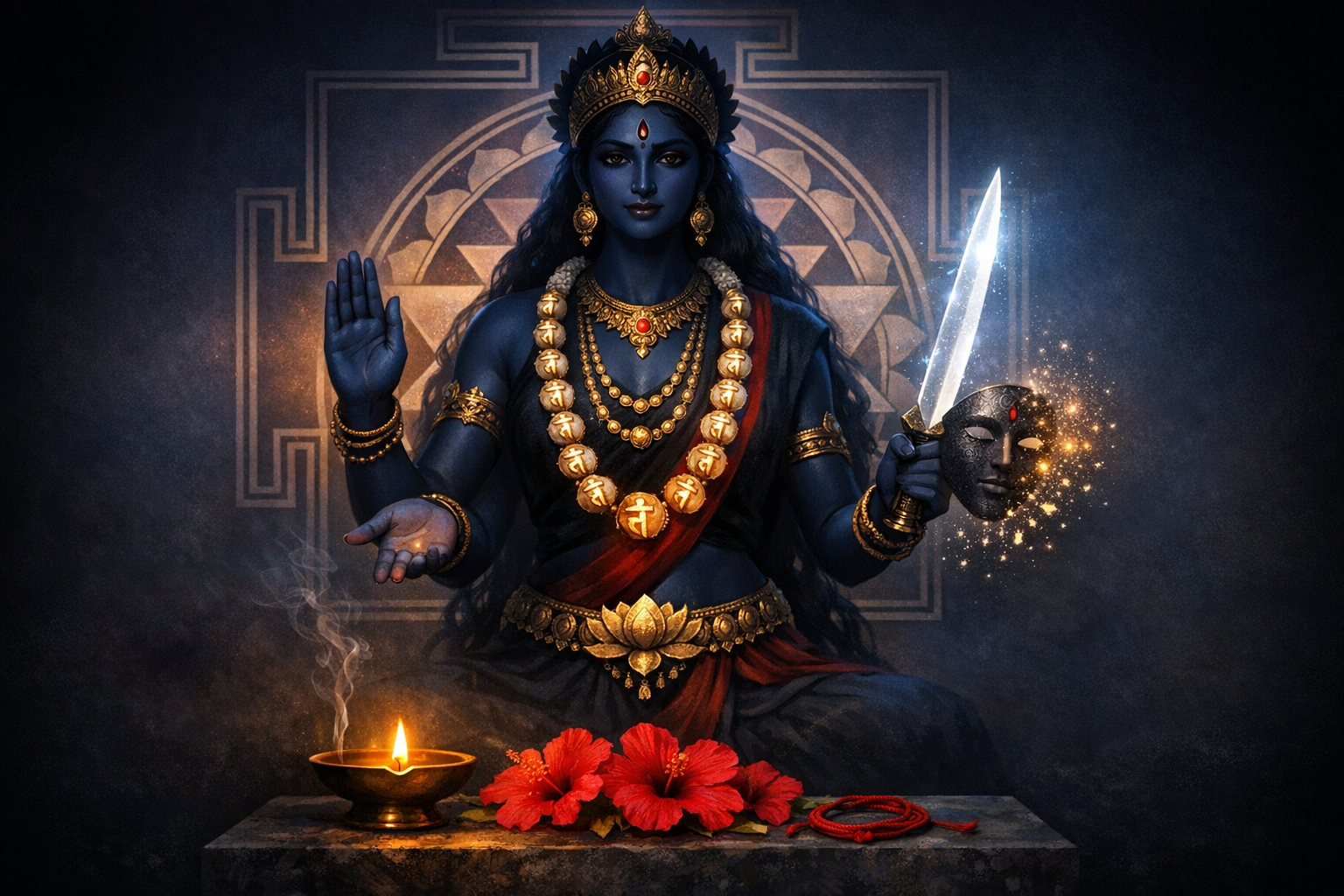
Raksha Kali is revered in Shakta Tantra as the Divine Protector, an aspect closely aligned with Dakshina Kali that amplifies compassionate guardianship. The name “raksha” (protection) captures her role in safeguarding devotees and sustaining dharma, a function expressed through powerful iconographyabhaya and varada mudras, the sword of discernment, and symbols of ego-transcendence. The article explains…
-
When She Leads, She Builds: Shakti Leadership Uniting Hindu, Buddhist, Jain, and Sikh Paths
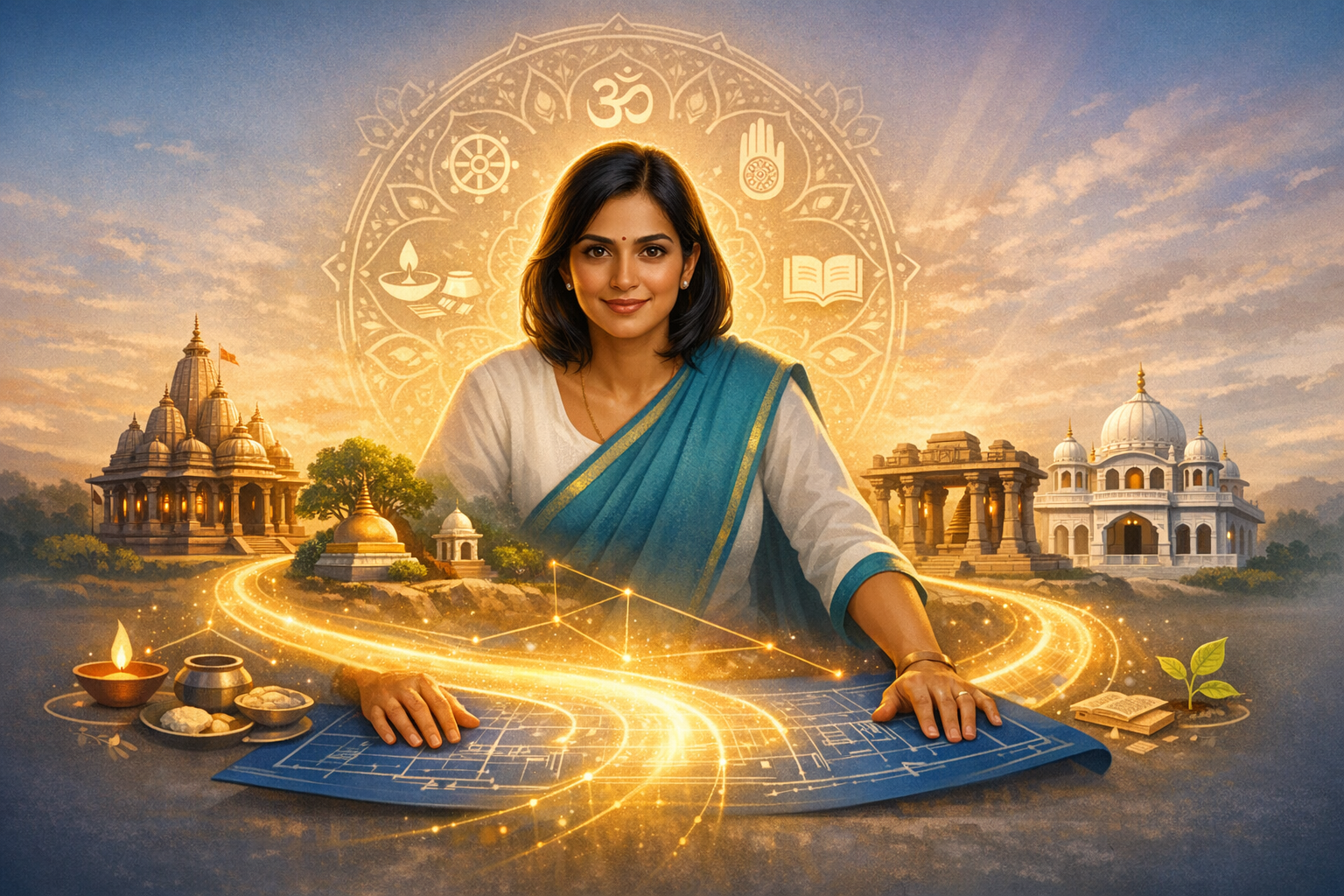
This essay examines Shakti-centered leadership across Hinduism, Buddhism, Jainism, and Sikhism, showing how women-led initiatives have historically built enduring institutionstemples, viharas, basadis, and gurdwarasthat function as knowledge commons and care infrastructures. It maps Journey and Destination across traditionsmoksha, nirvana, kevala jñāna, and muktihighlighting how aligned methods shape aligned outcomes. Case studies from Gargi and Maitreyi…
-
Why #BoycottLenskart Erupted: Outrage Over Alleged Dress Code Bias Against Dharmic Symbols

A nationwide #BoycottLenskart trend spotlighted alleged disparities in an internal dress code said to allow the hijab while prohibiting dharmic identifiers such as the bindi, tilak, and kalawa. This analysis explains why asymmetrical exemptions can amount to indirect discrimination and outlines a neutrality-first approach that is fair, lawful, and culturally literate. Readers will find a…
-
Ramayana in Brief: A Powerful, Immersive Summary of Lord Rama’s Epic, Dharma, and Legacy
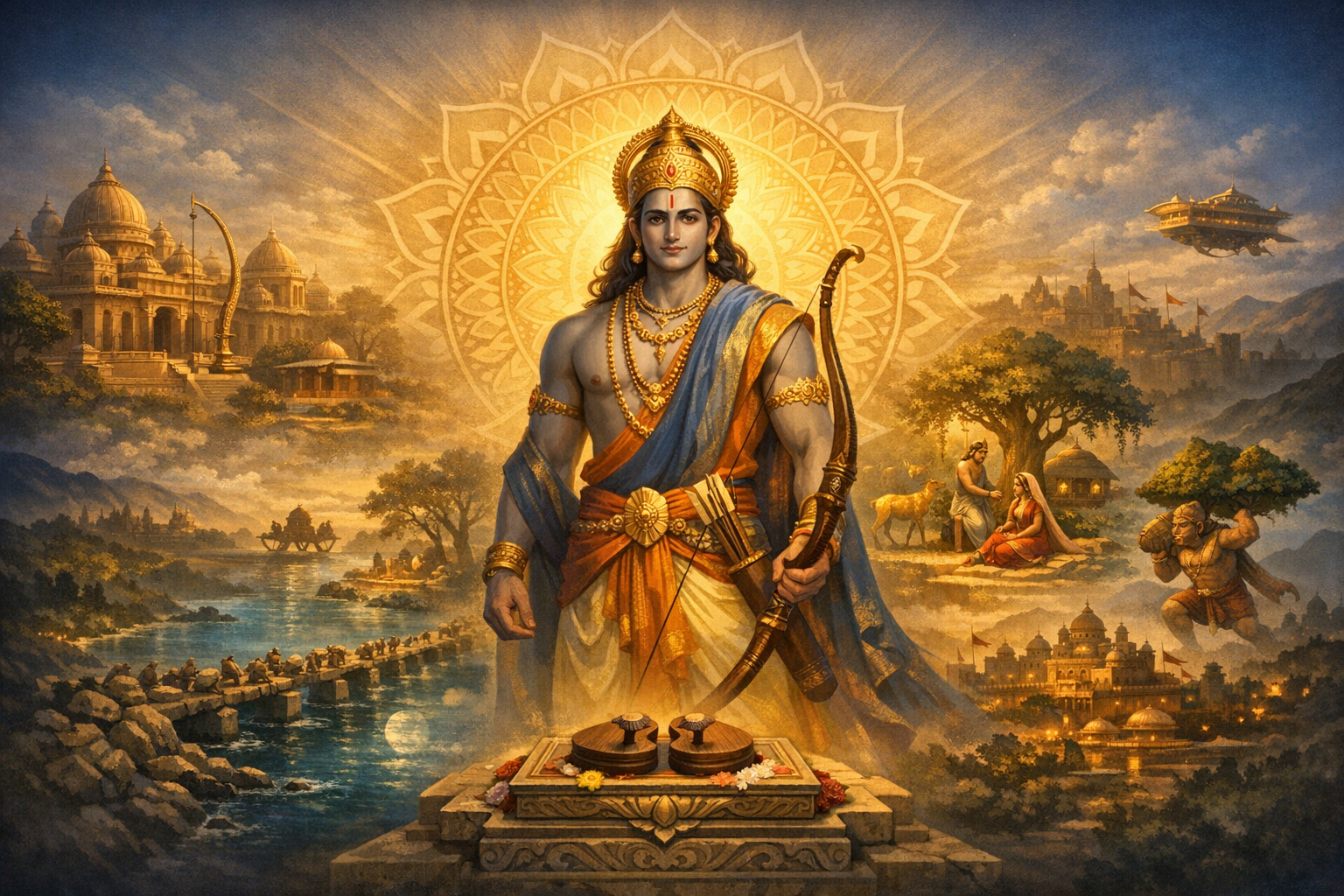
This academically grounded Ramayana in Brief presents a lucid, kāṇḍa-by-kāṇḍa Summary of Ramayana, highlighting Lord Rama’s ethical leadership, Sita’s steadfastness, Hanuman’s service, and the triumph of dharma. It carefully situates the Valmiki Ramayana within its seven-part structure, notes key textual traditions, and clarifies how themes like maryada, rajadharma, and dharma-yuddha shape the story. Readers gain…
-
Ishwara in Mimamsa: A Rigorous, Compassionate Guide to God, Karma, and Vedic Ritual
Mimamsa offers a precise, text-first account of dharma that clarifies how Vedic ritual, karma, and Ishwara interrelate without requiring a creator-God to ground moral order. By treating the Veda as apaurusheya and elevating shabda as an independent pramana, it shows why divine authorship is unnecessary for scriptural authority. Its law-like explanation of apurva/adrishta preserves ritual…
-
April 19, 2026 Panchang: Shukla Dwitiya→Tritiya, Shubh Muhurat, and Vedic Guidance

Sunday, April 19, 2026 features a mid-day tithi transition: Shukla Paksha Dwitiya lasts until 13:01 local time in most regions, after which Shukla Paksha Tritiya prevails. This detailed Panchang overview explains how tithi is calculated from the Sun–Moon angular separation and why changes can occur at any clock time. It outlines how to select Shubh…
-
End People‑Pleasing: Evidence‑Based Practices to Rebuild Self‑Trust and Calm Your Nervous System

This analysis explains why people-pleasing often begins as a nervous-system strategy to stay safe and how it quietly erodes self-trust, agency, and joy. It presents evidence-based practicesinteroceptive scanning, breath-led regulation, and low‑stakes exposure to voicing preferencesthat rebuild inner guidance without overwhelming the system. It clarifies the difference between healthy cooperation and self‑abandonment, and offers language…
-
Beloved Utah Krishna leader Christopher ‘Caru’ Warden, 79, dies after Springville crash
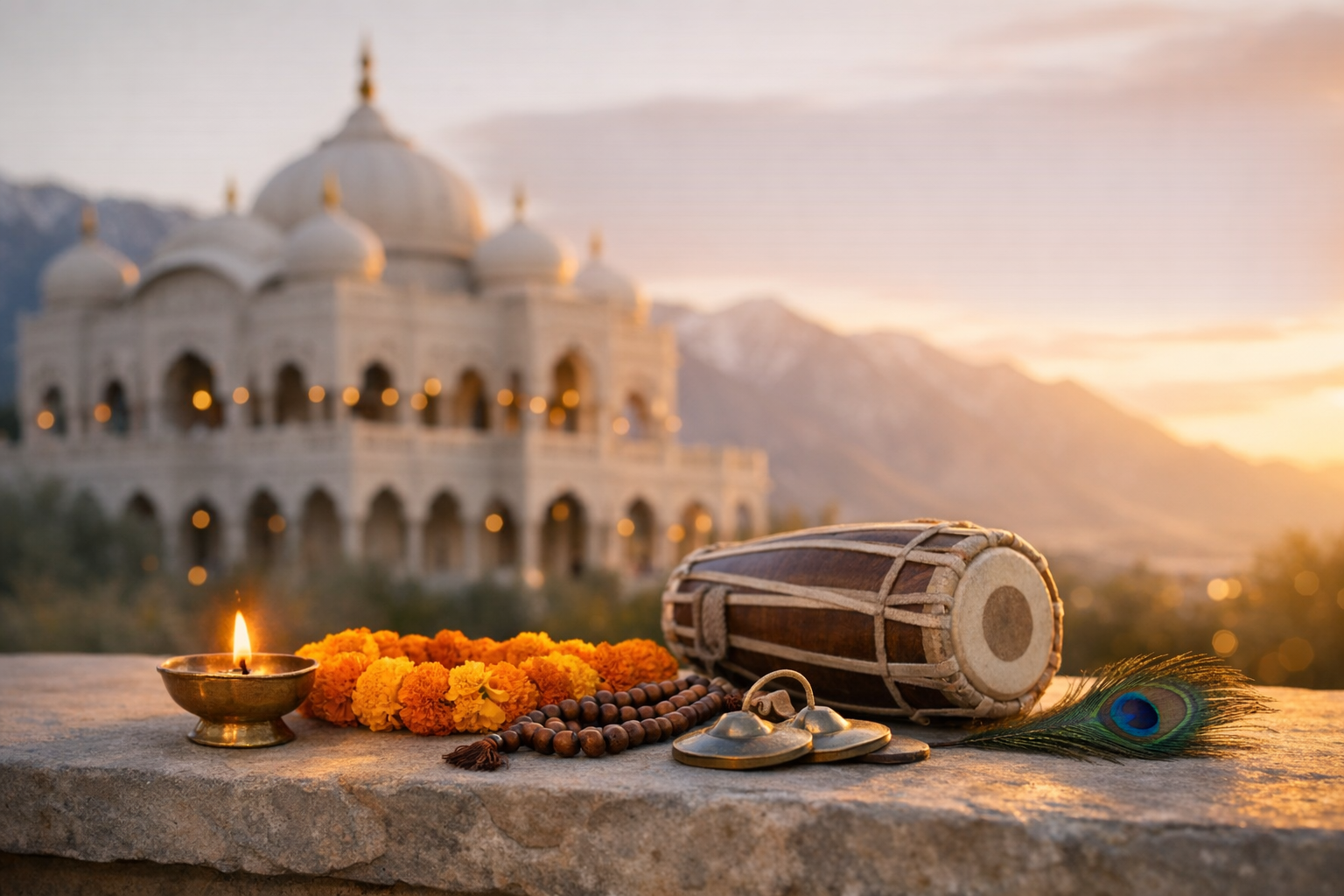
Springville Police reported that Christopher Caru Warden, 79widely known as Caru Dasdied after a collision in Springville, Utah, in which others sustained non-life-threatening injuries. The preliminary account indicates his vehicle moved into oncoming traffic near 1400 North on Main Street; the investigation is ongoing. This article provides clear, respectful reporting of the known facts while…
-
Akshaya Tritiya Mantras, Prayers & Stotras: An Auspicious, Timeless Puja Guide

Akshaya Tritiya (Akha Teej) is celebrated as a day of imperishable merit, ideal for Lakshmi Puja, Gauri Puja, Parashurama Jayanti Puja, and Chandan Puja to Lord Krishna. This long-form, practitioner-friendly guide presents accurate mantras and stotrasŚrī Sūkta, Om Śrīṁ Mahālakṣmyai Namaḥ, Sarva Maṅgala Māṅgalye, Om Namo Bhagavate Vāsudevāya, and the Parashurama Gāyatrītogether with practical ritual…
-
Rama Rajya, Then and Now: A Timeless Blueprint for Justice, Welfare, and Unity

Rama Rajyaalso known as Rama Rajyampresents a rigorous, non-sectarian blueprint for ethical governance rooted in the Ramayana and allied texts. Its coreRajadharmabalances rule of law, welfare with dignity, ecological stewardship, and accountable leadership. The tradition’s portrait of Ayodhya under Sri Rama, supported by Lakshmana, Bharata, Shatrughna, Hanuman, and a wise council, functions as a normative…
-
Five Timeless Dharmic Principles for Hard Times: Evidence‑Based Paths to Calm and Clarity

Hard times compress competing demands and can leave anyone feeling overwhelmed and alone. This article distills five dharmic principlesequanimity, breath awareness, compassion, many‑sided understanding, and purposeful actionshared across Hinduism, Buddhism, Jainism, and Sikhism. Each principle is paired with evidence‑informed mechanisms from psychology and neuroscience, including autonomic regulation, cognitive reappraisal, and behavioral activation. Practical applications are…
-
Kali Yuga and Immediate Karma: A Clear, Cross-Dharmic Guide to Action, Reaction, and Dharma
This essay explains why the belief that actions trigger swift, sometimes near-immediate consequences in Kali Yuga is both philosophically coherent and practically observable. It situates the claim within Hindu cosmology and classical karma theory (sanchita, prarabdha, kriyamana; drishta/adrishta-phala). It shows how social and technological conditions of Kali Yuga create faster feedback loops for both harm…
-
Banda ‘Ghar Wapsi’: Voluntary Homecoming, Vedic Rites, and India’s Religious Freedom
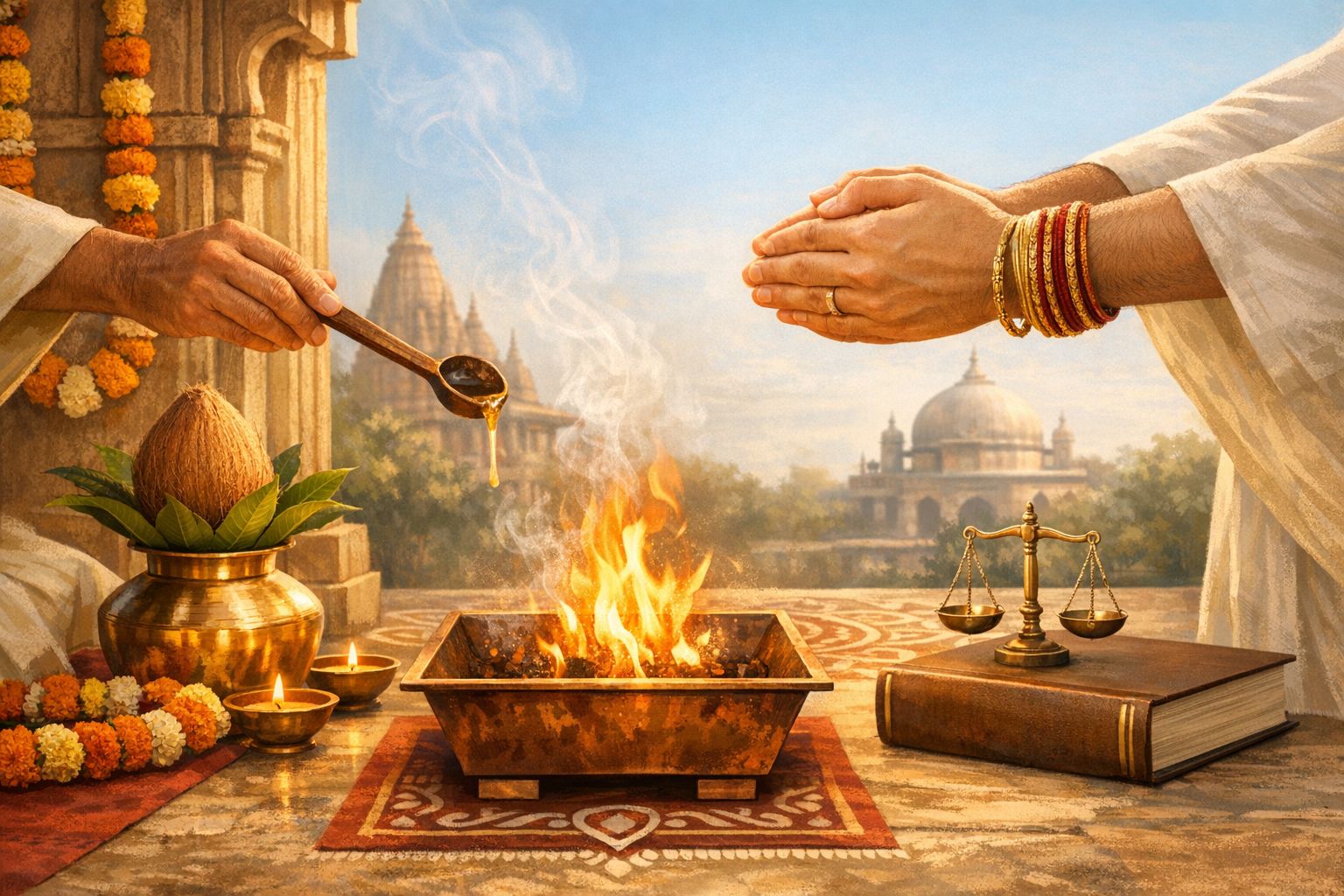
Local media from Banda (UP) reported a consensual Ghar Wapsi on 2 April 2026, where a Muslim family returned to the Hindu fold through Vedic rites. This analysis clarifies how India’s constitutional frameworkespecially Article 25protects freedom of conscience while enabling states to curb conversions by force, fraud, or undue influence. It explains the pastoral and…
-
Akshaya Tritiya’s Eternal Blessings: Scriptural Events, Shared Dharma, and Timeless Charity

Akshaya Tritiya, observed on Vaishakha Shukla Tritiya, is celebrated across dharmic traditions as a day of inexhaustible merit and compassionate action. Hindu scriptures connect it with Parashurama Jayanti, the Akshaya Patra narrative in the Mahabharata, Annapurna’s alms to Shiva, and the traditional commencement of Vyasa’s dictation to Ganesha. Popular associations also include the spirit of…
-
April 8, 2026 Panchang: Precise Tithi Timings, Shubh Muhurats, Nakshatra & Rashi Guide

On Wednesday, April 8, 2026, Krishna Paksha Sashti prevails until 4:09 PM (IST), after which Krishna Paksha Saptami begins. The day sits in Chaitra across much of the Hindu calendar, with Surya still in Meena Rashi (sidereal) ahead of Mesha Sankranti. Sashti’s nurturing, protective quality (Nanda class) suits family worship and steady tasks, while Saptami’s…
-
Nava Veeras of Muruga: Origins, Iconography, and Living Traditions of Nine Divine Guardians
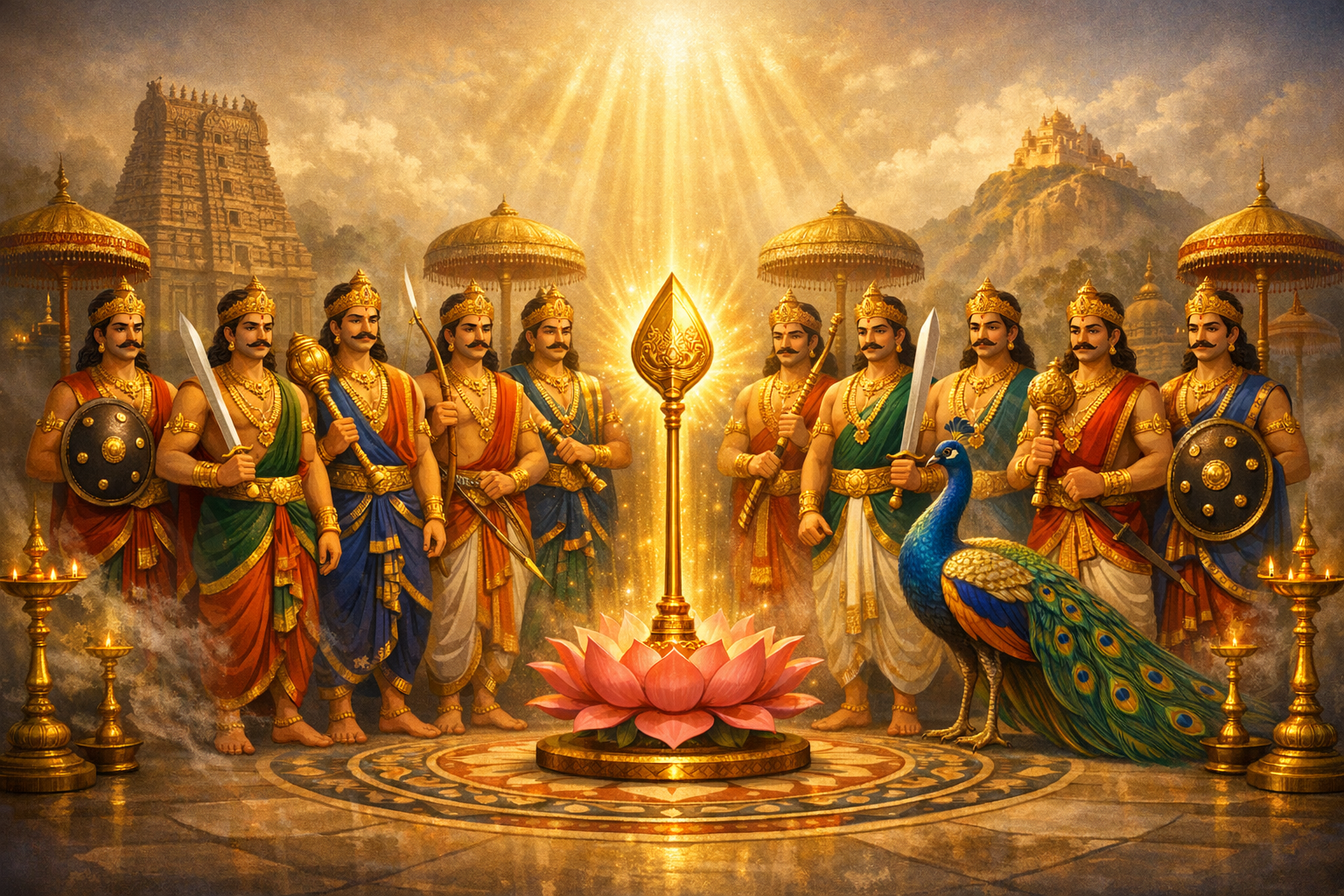
This article explores the Nava Veerasthe nine divine guardians of Lord Murugaas living embodiments of Parvati’s Shakti and exemplars of disciplined courage in service of dharma. It situates their origins within the Skanda Purana/Kanda Puranam tradition, explains their roles in the Soorasamharam cycle, and examines how regional temple practices shape their iconography and worship. Readers…