
-
Cut Through the Noise: Yoga Vasistha’s Radical Call for Direct Experience over Debate

Yoga Vasistha confronts the overload of modern discourse with a precise remedy: shift from argument to direct experience. Framed as a dialogue between Vasishta and Rama, this classical Hindu scripture privileges aparoksha-anubhutiimmediate realizationover conceptual accumulation. It maps a practical path through dispassion, inquiry, meditation, and ethical alignment, showing how transformation is verified in everyday equanimity…
-
When Knowledge Feels Hollow: Hindu Philosophy on Reuniting Intellect and Spirit

Modern life often shapes keen intellects while leaving many with a quiet sense of hollowness. Hindu philosophy explains this as a split between buddhi (intellect) and adhyatma (spiritual orientation), and prescribes integration through the four YogasJnana, Bhakti, Karma, and Raja. Drawing on the Upanishads, the Bhagavad Gita, Patanjali’s Yoga, and the Pancha Kosha model, this…
-
April 14, 2026 Panchang: Exact Tithi Timing, Auspicious Muhurat, Nakshatra, and Rashi Guide

Tuesday, April 14, 2026 aligns with Krishna Paksha Dwadashi until about 9:05 PM (IST), transitioning thereafter to Krishna Paksha Trayodashi in most Indian regions. The overview explains Tithi calculations within the fivefold Panchang and clarifies how Dwadashi guides Ekadashi Parana timing. It outlines the standard rule for observing Pradosh on the date when Trayodashi coincides…
-
Vishu Kani Darshanam 2026 at Sabarimala: Auspicious Timings, Rituals, and Travel Insights
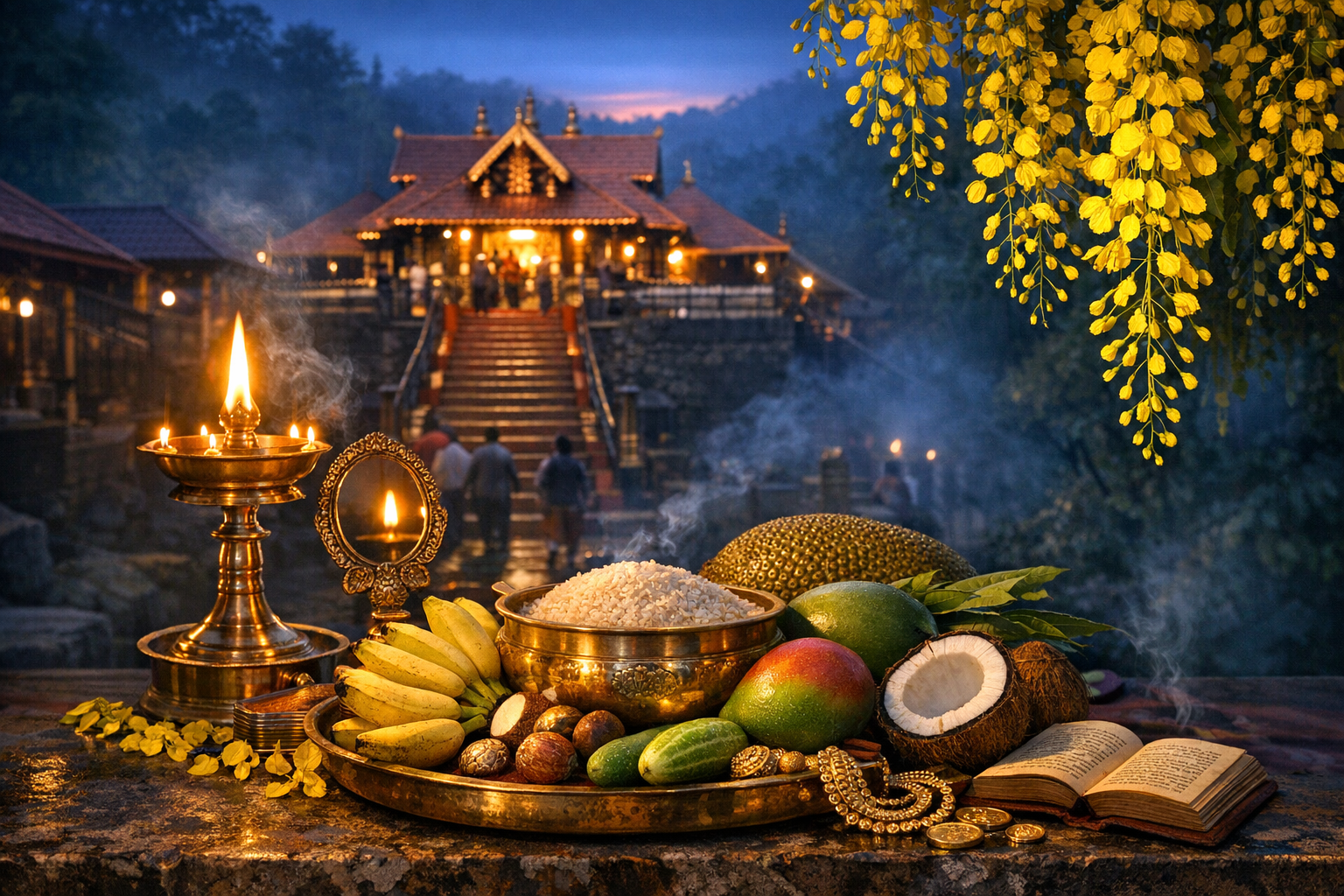
Vishu Kani Darshanam at Sabarimala aligns Kerala’s New Year with the pre-dawn sanctity of the first blessed sight. Vishu 2026 falls on 14 April, with the Kani window expected around 4:00–6:00 IST, subject to final Travancore Devaswom Board confirmation. The ritual centers on a sacred arraylamp, mirror, grains, fruits, gold, deity image, and kani konna…
-
Ramanuja Jayanthi 2026: Date, Rituals, and Vishishtadvaita Legacy of Sri Ramanujacharya

Ramanuja Jayanthi 2026 falls on 22 April, aligning with Chaitra Shukla Panchami and, in several traditions, the Tiruvadirai (Ardra) Nakshatra. The observance honors Sri Ramanujacharya’s Vishishtadvaita Vedanta and his inclusive Sri Vaishnava legacy that unites devotion, knowledge, and service. Temples at Srirangam, Sriperumbudur, Melkote, and Tirumala typically conduct parayanam, special alankara, and annadanam, while households…
-
Nrusimha Navaratri 2026: Auspicious Dates, Puja Vidhi, Vrat Rules, and Protective Grace

Nrusimha Navaratri 2026 will be observed from April 22 to April 30 in Vaishakh Month, culminating in Narasimha Jayanti on Vaishakha Shukla Chaturdashi. The festival honors the protective and compassionate power of the Narasimha Avatara of Lord Vishnu across nine sacred nights. This guide explains accurate dates, tithi considerations, and why local panchang alignment matters.…
-
Rama Rajyam Reimagined: Timeless Dharmic Statecraft for Just, Compassionate Governance

Rama RajyamRama Rajyaoffers a rigorous, values-based model of good governance that unites Dharma with modern constitutional practice. This long-form analysis clarifies its textual roots, unpacks its ethical and administrative pillars, and demonstrates how justice, welfare, decentralization, and environmental stewardship align with contemporary policy design. It synthesizes kindred ideals from Buddhism, Jainism, and SikhismDasa Raja Dharma,…
-
Muni Shukadeva Jayanti 2026: Date, Amavasya Tithi, Puja Vidhi, and Bhagavata Wisdom

Muni Shukadeva Jayanti in 2026 is on Friday, 17 April, observed on Amavasya tithiVaishakh Amavasya in the North Indian Purnimant calendar and Chaitra Amavasya in Amavasyant regions. The day venerates Śukadeva Muni, son of Bhagavan Veda Vyasa, whose seven-day exposition of the Srimad Bhagavatham to King Parikshit shaped the Hindu katha tradition. Observances typically include…
-
Simhachalam’s Gandham Amavasya: A Timeless, Sacred Prelude to Akshaya Tritiya Nijaroopa Darshanam
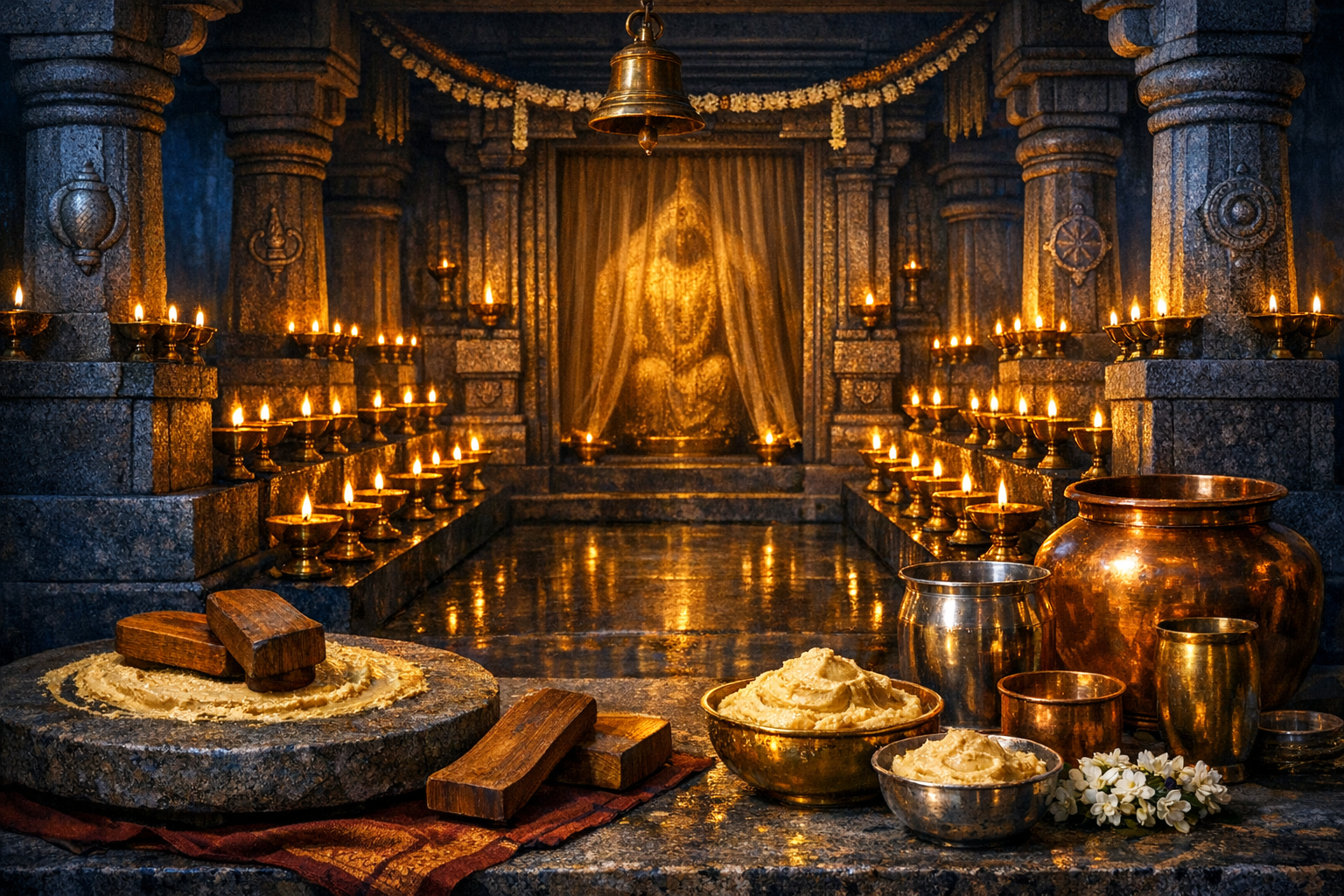
Gandham Amavasya at Simhachalam in 2026 falls on 17 April, aligning with Chaitra Amavasya and occurring three days before Akshaya Tritiya. This observance inaugurates the temple’s preparations for Chandanotsavam and the rare Nijaroopa Darshanam of Varaha Lakshmi Narasimha Swamy. By initiating ritual purification and material readiness, Gandham Amavasya links the introspection of the new moon…
-
Surdas Jayanti 2026: Date, Panchang, Rituals and the Timeless Bhakti Legacy of Krishna’s Poet

Surdas Jayanti 2026 will be observed on 21 April, aligning with Vaishakh Shukla Paksha Panchami in the North Indian Hindu calendar. The day honors SurdasKrishna’s beloved Bhakti poetwhose Braj Bhasha padas shaped devotional literature, temple music, and community kirtan across North India. Devotees typically celebrate with Krishna puja, recitation from the Sursagar, congregational singing, and…
-
Maharishi Parashara Jayanti 2026: Sacred Date, Timeless Vedic Legacy, and Jyotisha Impact

Maharishi Parashara Jayanti 2026 falls on April 18, coinciding with Vaishakh Shukla Paksha Pratipada in North Indian (Purnimanta) calendars. The observance honors Parashara Maharshi’s far-reaching legacy across Purana theology, dharma discourse, and Jyotisha, especially through Vishnu Purana, Parāśara Smṛti, and the foundational Brihat Parashara Hora Shastra. Devotees observe the day with guru-vandana, parayana, study, dhyana–japa,…
-
Parashurama Jayanti 2026 on Akshaya Tritiya: Auspicious Date Rules, Muhurta, Puja, and Meaning
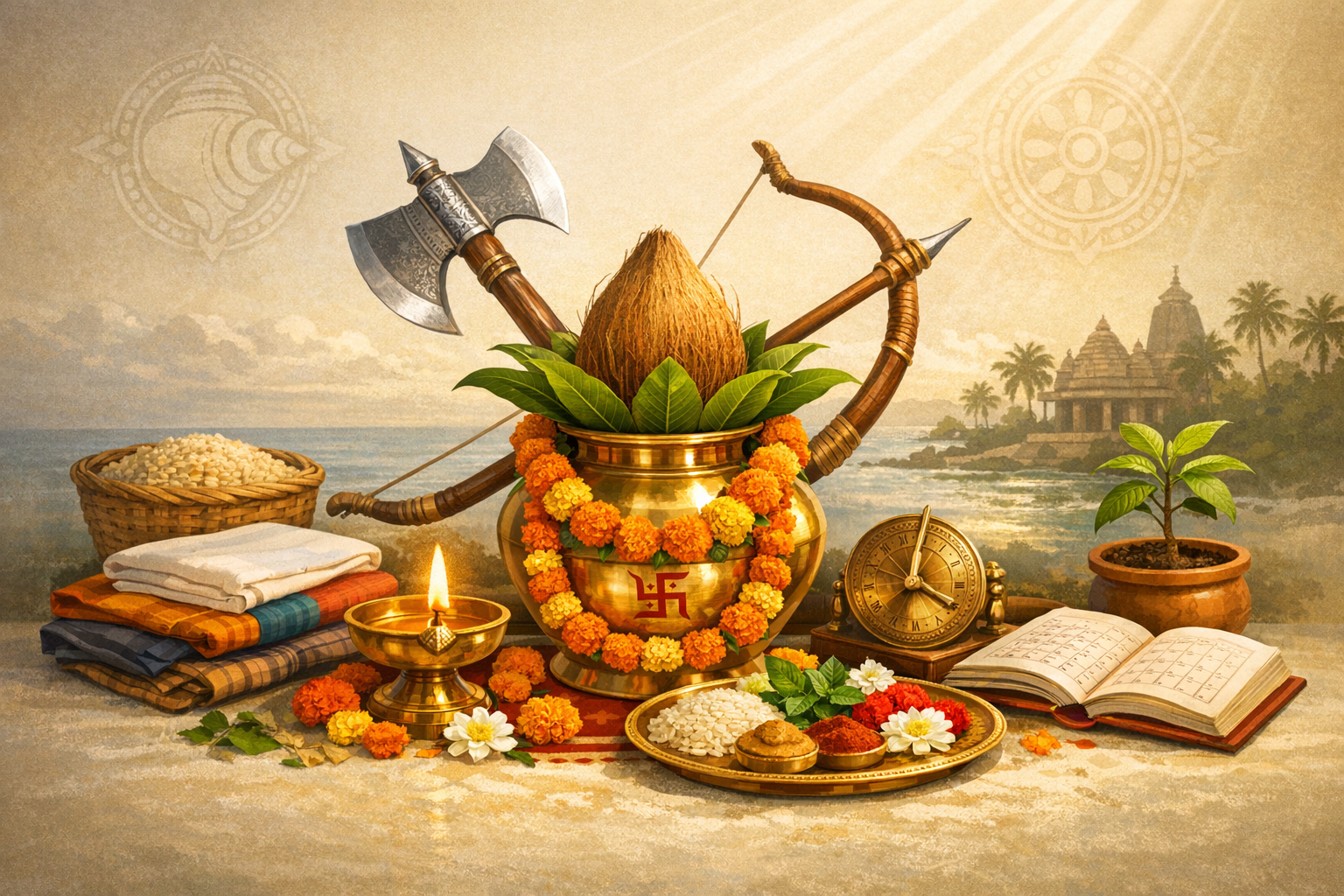
Parashurama Jayanti 2026 coincides with Akshaya Tritiya, observed on Vaishakh Shukla Tritiya, and is dedicated to Lord Parashurama, the warrior-sage avatar of Lord Vishnu. Because the Tritiya tithi can overlap civil dates and time zones, traditions may choose the day based on sunrise or Madhyahna, so local Panchang consultation is essential. The day’s core practices…
-
Protecting Goa’s Inquisition-Era Memory: Preserve ‘Hat Katro Khamba’ and Confront the Past
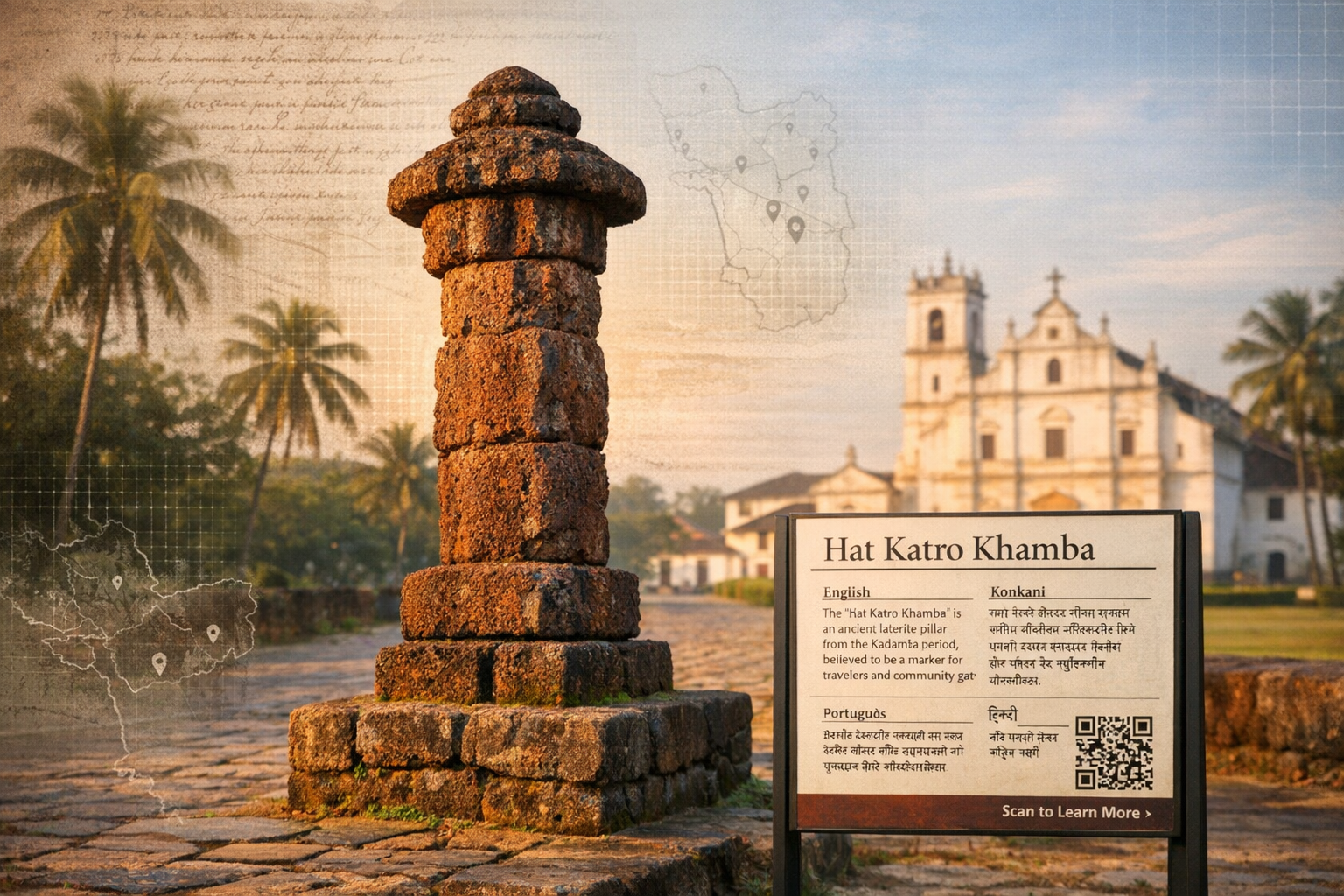
Hindu Raksha Maha Aghadi has urged the Goa Government to retain the historical name ‘Hat Katro Khamba’ and to protect Inquisition-era evidence through rigorous, public-facing interpretation. The debate underscores why toponyms are historical sources that anchor social memory and guide research. Global conservation principles recommend documentation, context, and consultation rather than nominal erasure through renaming.…
-
Grinding Memory: Mumbai’s Kolhu Reenactment Reawakens the Brutal Realities of Kala Pani
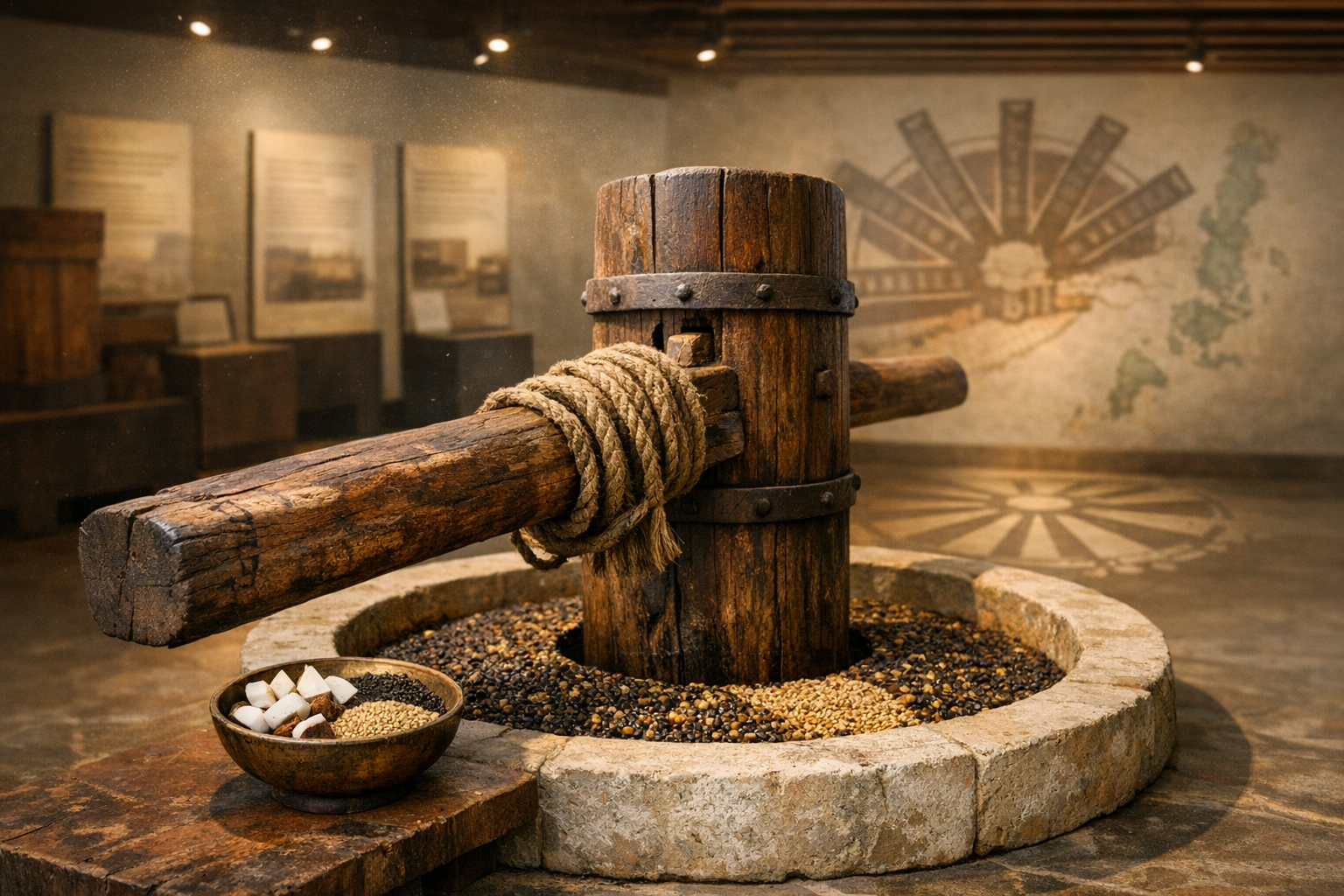
A live kolhu demonstration at the Swatantryaveer Savarkar Rashtriya Smarak in Mumbai recreated the oil-press labor once forced upon freedom fighters at the Cellular Jail (Kala Pani) in the Andamans. By translating archival testimony into an embodied experience, the exhibit made the mechanics and cruelty of colonial punishment legible to contemporary audiences. The kolhu’s simple…
-
Lambakarna Bhairava: Long-Eared Guardian of Avanti Shakti Peetha and Ujjain’s Sacred Power

Lambakarna Bhairava, the long-eared guardian of Ujjain’s Avanti Shakti Peetha, embodies a pan-dharmic symbolism of deep listening and compassionate protection. The name‘Lamba’ (long) and ‘Karna’ (ears)encodes a pedagogy of attentive hearing central to Hindu, Buddhist, Jain, and Sikh paths. Situated within Ujjain’s sacred network of Mahakaleshwar, Harsiddhi Mata, and Bhairava shrines, Lambakarna functions as kṣetrapāla,…
-
Bihar Madrassa Sealed After Arms Haul; Andhra Links Probed as Authorities Urge Calm and Unity
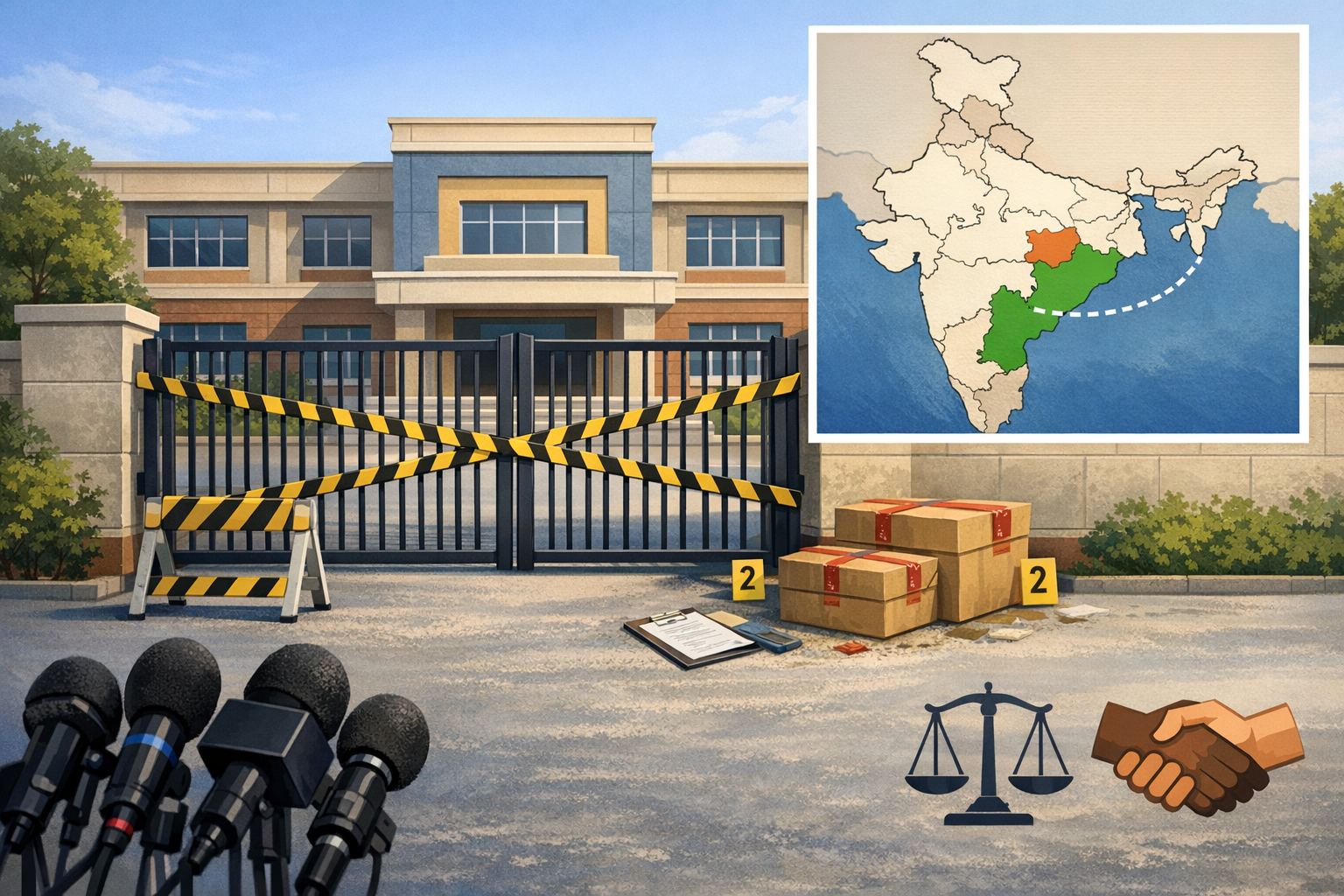
Bihar Police sealed a madrassa in West Champaran on April 6, 2026, after an arms recovery, detaining three individuals for questioning and probing possible links to Andhra Pradesh. This analysis explains how Indian counterterrorism investigations proceed under the Arms Act, UAPA, and the NIA framework, highlighting forensic protocols and chain-of-custody safeguards. It emphasizes the presumption…
-
Five Timeless Dharmic Principles for Hard Times: Evidence‑Based Paths to Calm and Clarity

Hard times compress competing demands and can leave anyone feeling overwhelmed and alone. This article distills five dharmic principlesequanimity, breath awareness, compassion, many‑sided understanding, and purposeful actionshared across Hinduism, Buddhism, Jainism, and Sikhism. Each principle is paired with evidence‑informed mechanisms from psychology and neuroscience, including autonomic regulation, cognitive reappraisal, and behavioral activation. Practical applications are…
-
HRĪṂ, the Māyā Bīja: Definitive Guide to Shakta Power, Heart Awakening, and Mantra Science
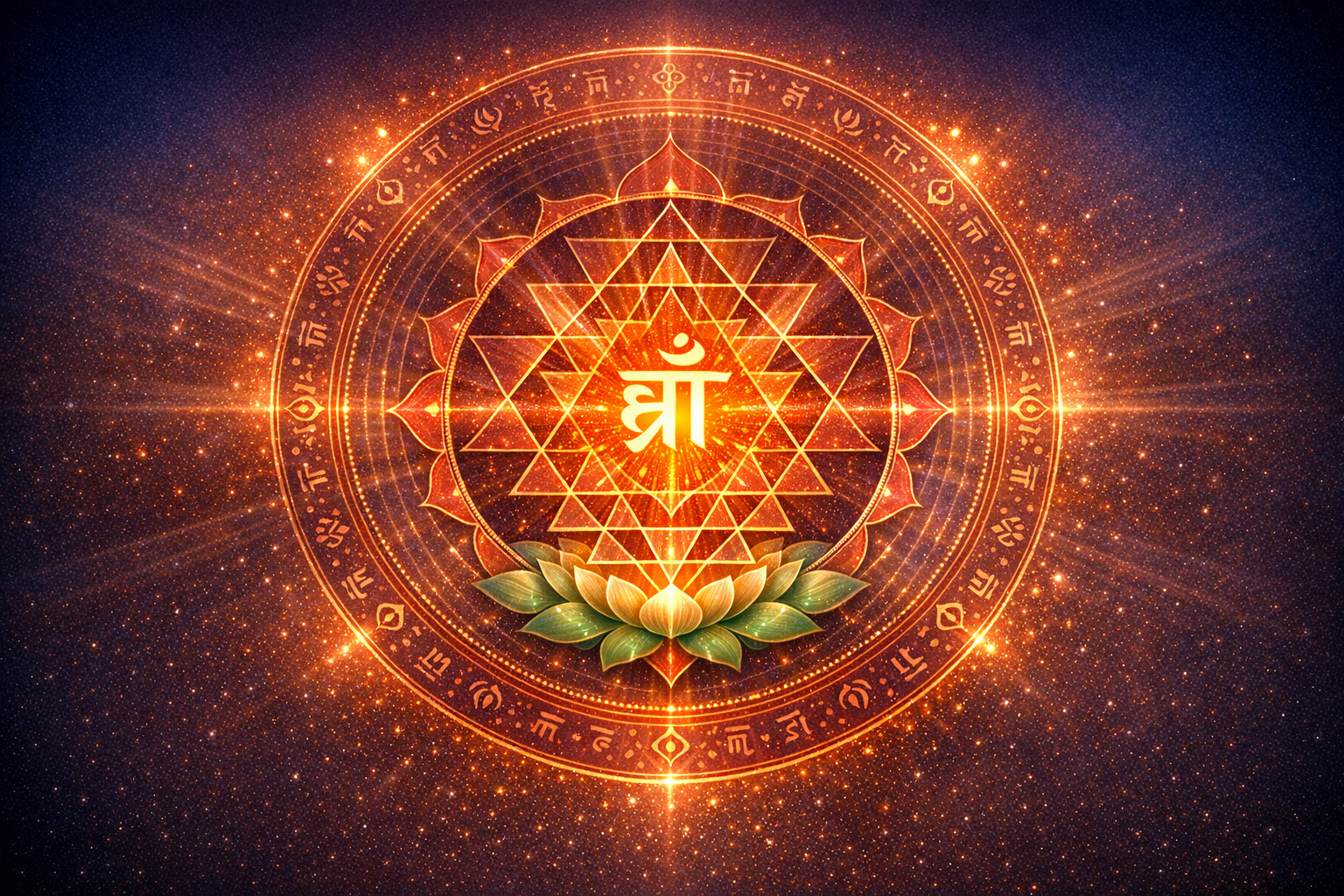
This long-form guide unpacks HRĪṂ (Hrim/Hreem), revered in Shākta traditions as the Māyā bījathe primordial seed syllable of Mahāśakti. It explains the bīja’s phonetic anatomy (ha–ra–ī–ṁ), why it is called the ‘Māyā’ seed, and how its psychoacoustic arc mirrors manifestation and dissolution. Readers learn where HRĪṂ appears in practice (Navārṇa, Śrī Vidyā Pañcadaśī), how it…
-
Pratyaksha in Mimamsa Darsana: Unlocking the Power of Direct Perception in Dharma and Reason
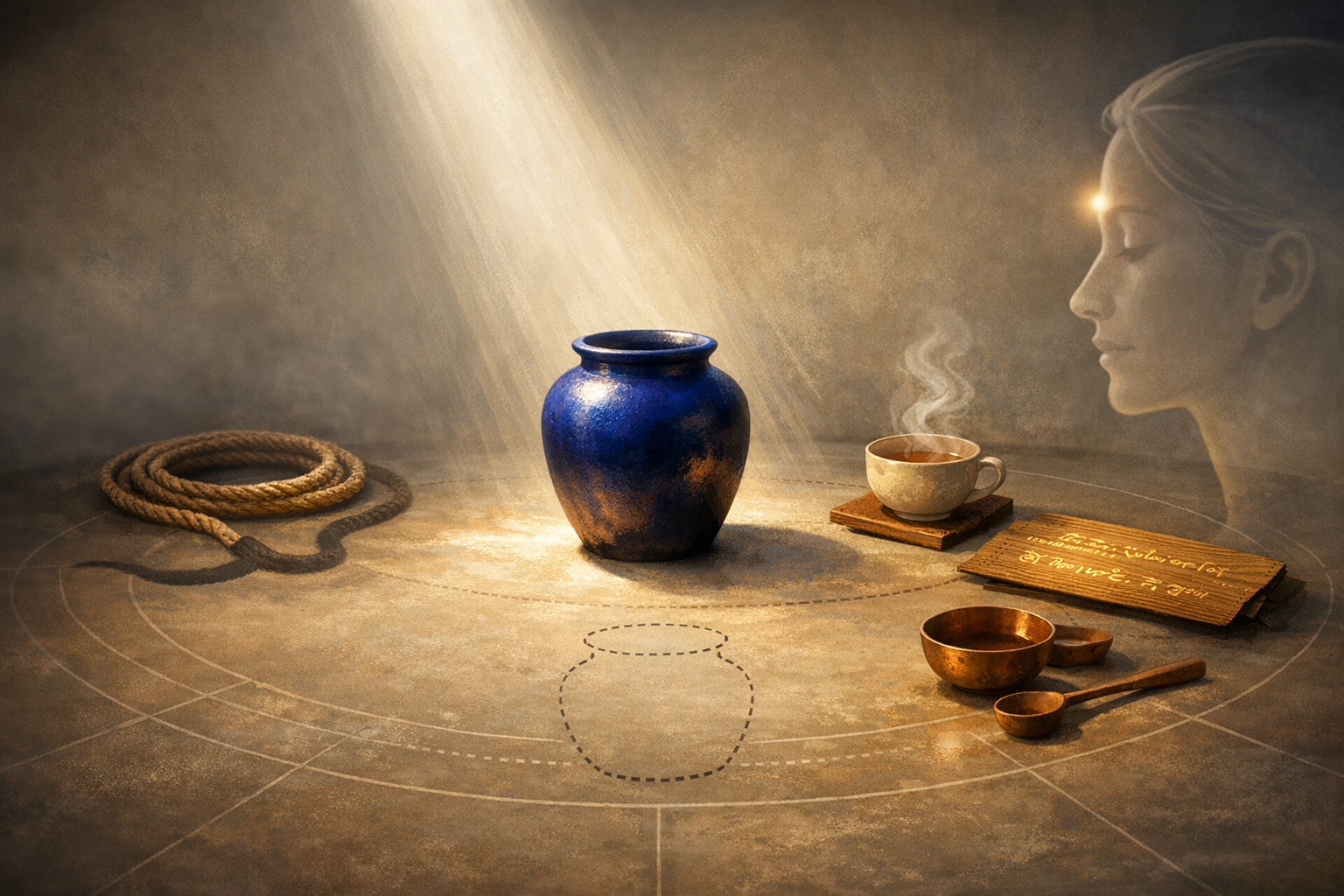
Pratyaksha in Mimamsa Darsana presents a rigorous, experience-centered account of how direct perception functions as a trustworthy pramana. It clarifies the two-phase structure of perception (from indeterminate to determinate), the role of the mind in perceiving inner states, and the conditions that distinguish valid perception from illusion. The article explains how Mimamsa integrates perception with…
-
Compassion in Vaishnava Culture: Practical Ahimsa that Prevents Harm and Fosters Harmony

Compassion in Vaishnava culture operates as a precise, practical ethic rather than mere sentiment. A classic Gaudiya Vaishnava teaching storyplacing a basin of rice to deter rats from damaging costly clothillustrates how non-harm and foresight can protect both beings and livelihoods. Grounded in the Bhagavad Gita’s calls for equal vision and friendliness to all beings,…