
-
Debt of the Deep: Karma, Rta, and Dvaraka’s Fate from Treta to Dvapara Yugas

This essay reads the Ramayana and the Mahabharata together through the shared grammar of Karma and Rta, showing how avatars work within cosmic order rather than above it. It revisits Rama’s petition to Samudra Deva and the calm that enabled Rama Setu, then turns to Dvaraka’s submergence in the Mausala Parva and Bhagavata Purana as…
-
Upamana in Mimamsa Darshana: Unlocking How Comparison Becomes Valid Knowledge in Hindu Epistemology

Upamāna, or comparison, is treated in the Mimamsa Darsana as a disciplined source of valid knowledge that aligns testimony, perception, and relevant similarity. Rather than a loose metaphor, it is a technical pramāṇa with clear conditions: credible prior śabda, relevance of features, and the absence of defeaters. Classical debatesespecially with Nyāyaclarify whether comparison yields the…
-
Love Conquers All: Bhakti’s transforming power, Gita-guided compassion, Dharmic unity

This essay examines the proposition “Love conquers all” through the lens of bhakti, situating Virgil’s maxim alongside Bhagavad-gita teachings on equal vision and empathy. It clarifies how Sri Krishna and Srimati Radharani are interpreted in Gaudiya Vaishnava theology as complementary expressions of the Divinelove’s object and love’s essencewithout imposing exclusivist claims. It explains Puranic cosmology’s…
-
Vishu Kani Darshanam 2026 at Sabarimala: Auspicious Timings, Ritual Guide, and Pilgrim Tips

Vishu Kani, the centerpiece of Kerala’s Malayalam New Year, will be observed at Sabarimala Ayyappa Temple with a pre-dawn darshan window expected between 04:00 and 06:00 IST on Tuesday, 14 April 2026. Rooted in Mesha Sankramam and the Kolla Varsham solar calendar, the ritual emphasizes an auspicious first sight framed by light, scripture, and abundance.…
-
Sri Ramanujacharya Jayanti 2026: Date, Puja Guide, and the Timeless Vishishtadvaita Legacy
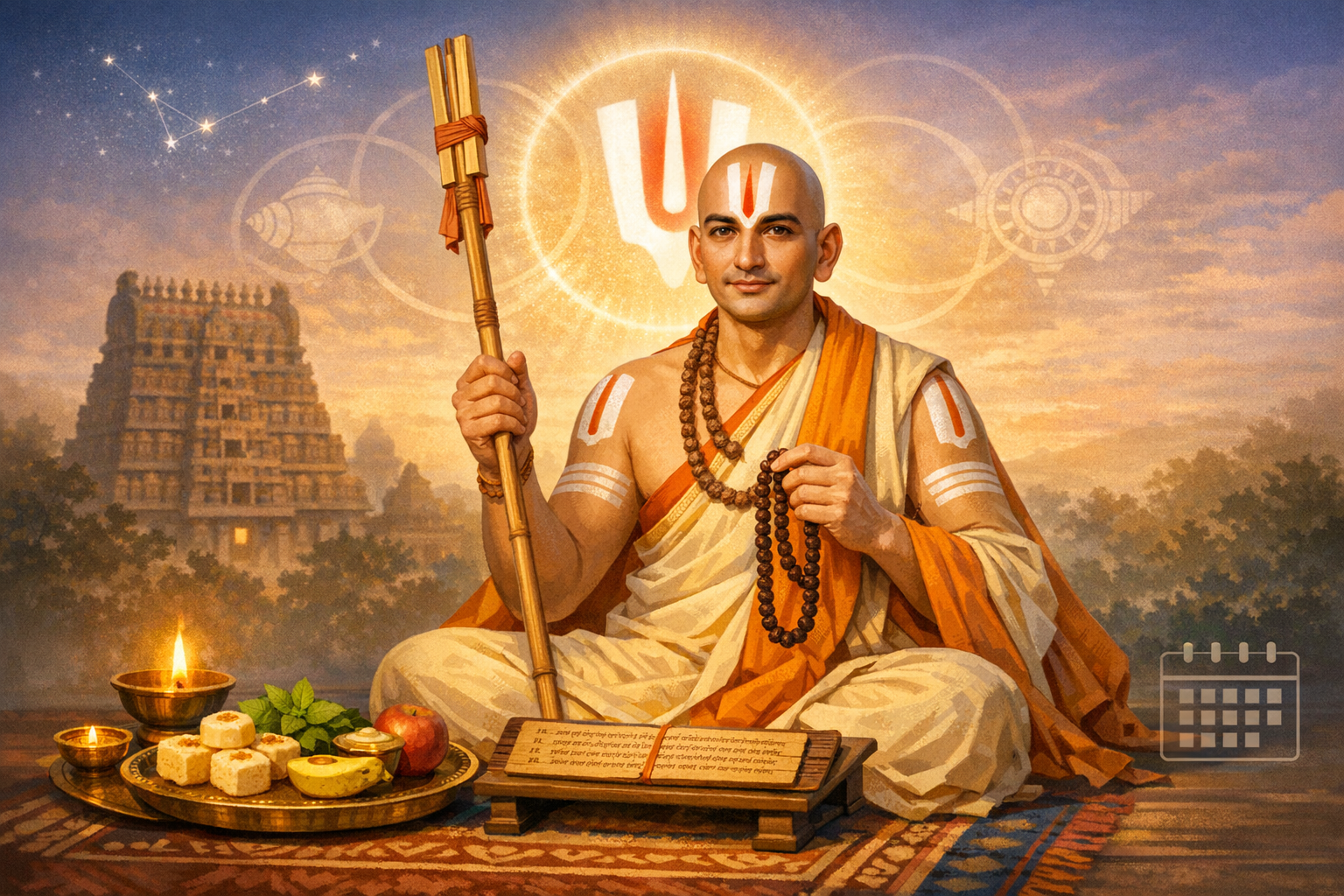
Sri Ramanujacharya Jayanti 2026 will be observed on 22 April 2026, honoring the birth anniversary of the foremost exponent of Vishishtadvaita Vedanta. The guide explains how the date arises from the Hindu calendar and why regional observances may track either the Chaitra Shukla Paksha tithi or Thiruvadirai (Ardra) nakshatra in Chithirai Masam. It outlines temple…
-
Nrusimha Navaratri 2026: Definitive Dates, Daily Puja, Muhurtas, and Narasimha Jayanti Insights
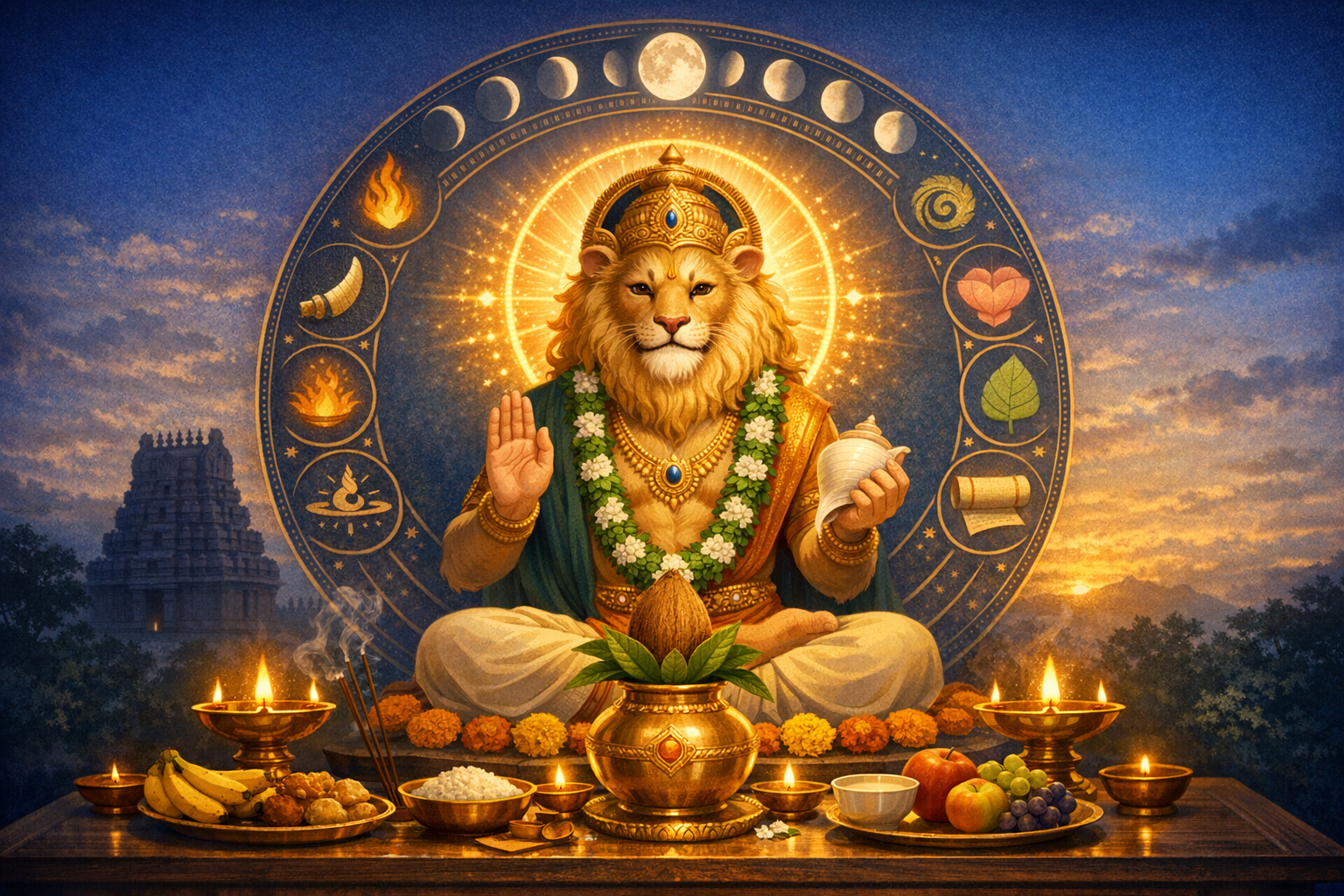
Nrusimha Navaratri 2026 runs from 22 to 30 April, concluding with Narasimha Jayanti on Vaishakha Shukla Chaturdashi. This guide explains the lunar-tithi basis of the festival, how to align worship with local Panchang, and when to choose madhyahna or pradosha muhurta. It outlines a complete home puja vidhi, widely recited mantras and stotras, and practical…
-
Rama Rajya, Then and Now: A Timeless Blueprint for Justice, Welfare, and Unity

Rama Rajyaalso known as Rama Rajyampresents a rigorous, non-sectarian blueprint for ethical governance rooted in the Ramayana and allied texts. Its coreRajadharmabalances rule of law, welfare with dignity, ecological stewardship, and accountable leadership. The tradition’s portrait of Ayodhya under Sri Rama, supported by Lakshmana, Bharata, Shatrughna, Hanuman, and a wise council, functions as a normative…
-
Muni Shukadeva Jayanti 2026: Sacred Date, Ritual Guide, and Timeless Bhagavata Wisdom
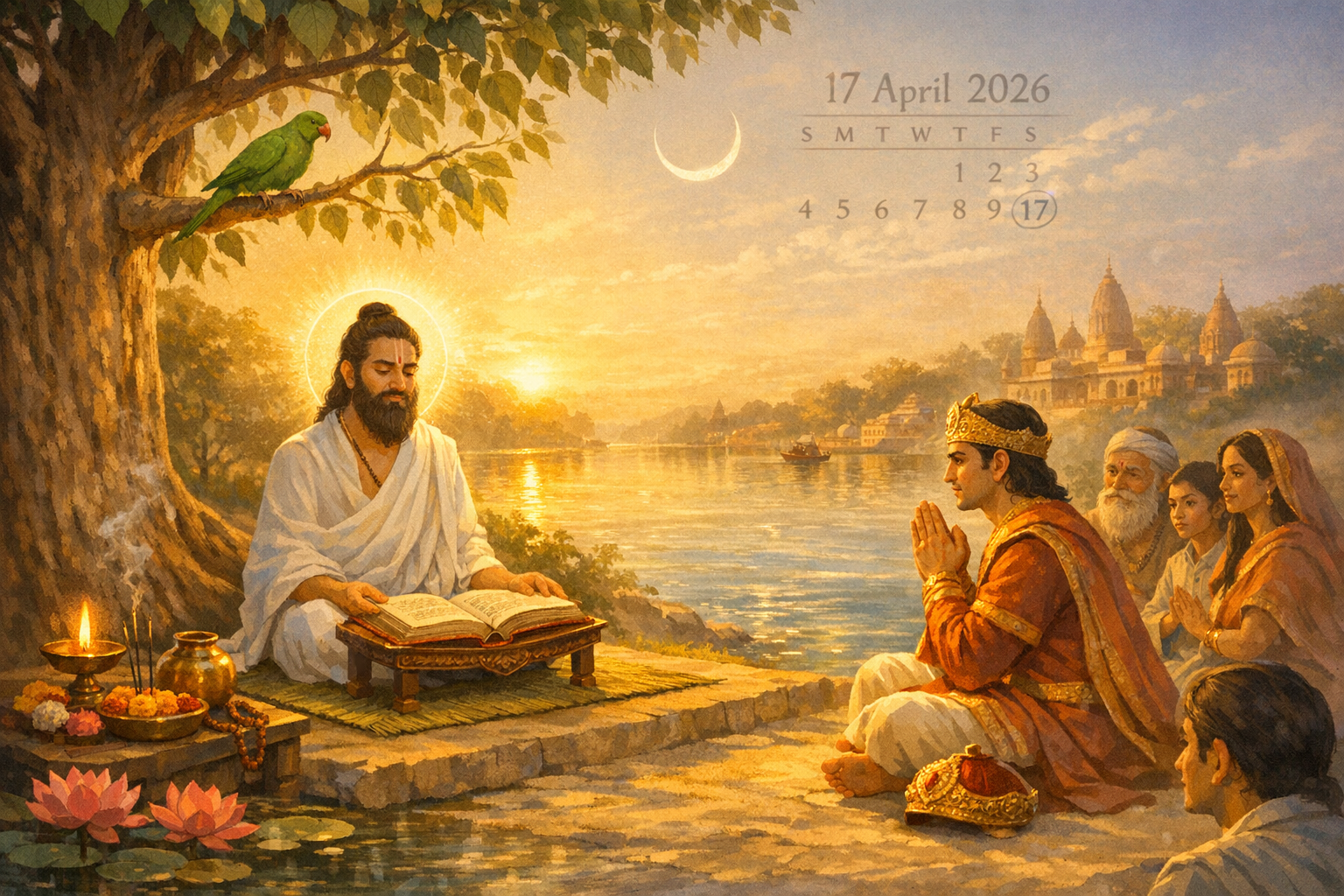
Muni Shukadeva Jayanti 2026, honoring the son of Sage Veda Vyasa and the primary narrator of the Bhagavata Purana, falls on Friday, 17 April. The observance aligns with Vaishakh Amavasya in the Purnimanta (North Indian) system and with Chaitra Amavasya in Amavasyant calendars, reflecting legitimate regional diversity in the Hindu calendar. The day invites devotees…
-
Gandham Amavasya 2026 at Simhachalam: Sacred Sandalwood Rites Before Nijaroopa Darshanam

Gandham Amavasya at Simhachalam initiates the sacred sandalwood preparation that culminates in Chandanotsavam on Akshaya Tritiya. In 2026, it falls on 17 April, three days before Nijaroopa Darshanam on 20 April. The temple’s unique tradition keeps the moola vigraha covered in chandan year-round, removing it only on Akshaya Tritiya for rare darshan. Rituals are conducted…
-
Surdas Jayanti 2026: Vaishakh Shukla Panchami Date, Puja Traditions, and Bhakti Legacy
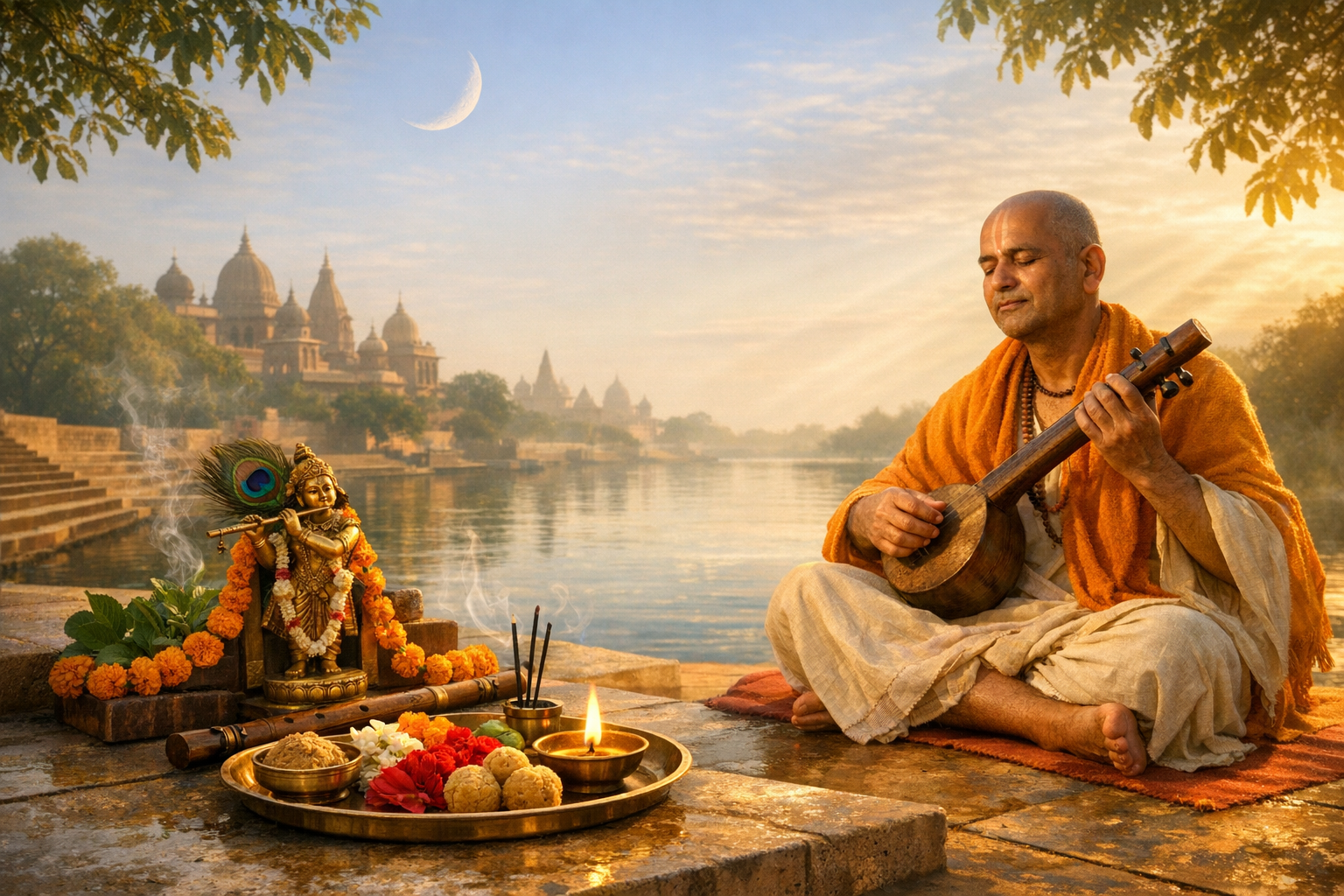
Surdas Jayanti 2026 will be observed on April 21, aligned with Shukla Paksha Panchami in Vaishakh Month according to the North Indian Purnimanta calendar. The day honors Surdas, a seminal Vaishnava Bhakti poet whose Braj Bhasha compositions shaped early modern Hindi literature and the musical life of temples and homes. Traditions vary on his chronology,…
-
Amavasya April 2026 (17 Apr, IST): Vaishakh/Chaitra Significance, Rituals and Panchang Guide

Amavasya in April 2026 falls on 17 April (IST). In the North Indian Purnimant calendar this is Vaishakh Amavasya; in the Amanta systems of Maharashtra, Gujarat, Karnataka, Telangana, and Andhra Pradesh it is Chaitra Amavasya. This guide explains the Purnimant–Amanta difference, defines Amavasya astronomically, and clarifies how Udaya Tithi and the tithi window shape vratas,…
-
Maharishi Parashara Jayanti 2026: Date, Vedic legacy, observance guide and dharmic unity

Maharishi Parashara Jayanti 2026 is observed on April 18, aligned with Vaishakh Shukla Pratipada as per the Hindu calendar. The day honors Parashara MaharshiVedic seer, teacher of Maitreya, father of Veda Vyasa, and the traditional source for Vishnu Purana, Parashara Smriti, and the Brihat Parashara Hora Shastra. Communities mark the Jayanti at sunrise when Shukla…
-
Parashurama Jayanti 2026 Definitive Guide: Akshaya Tritiya Date, Puja Vidhi, Significance
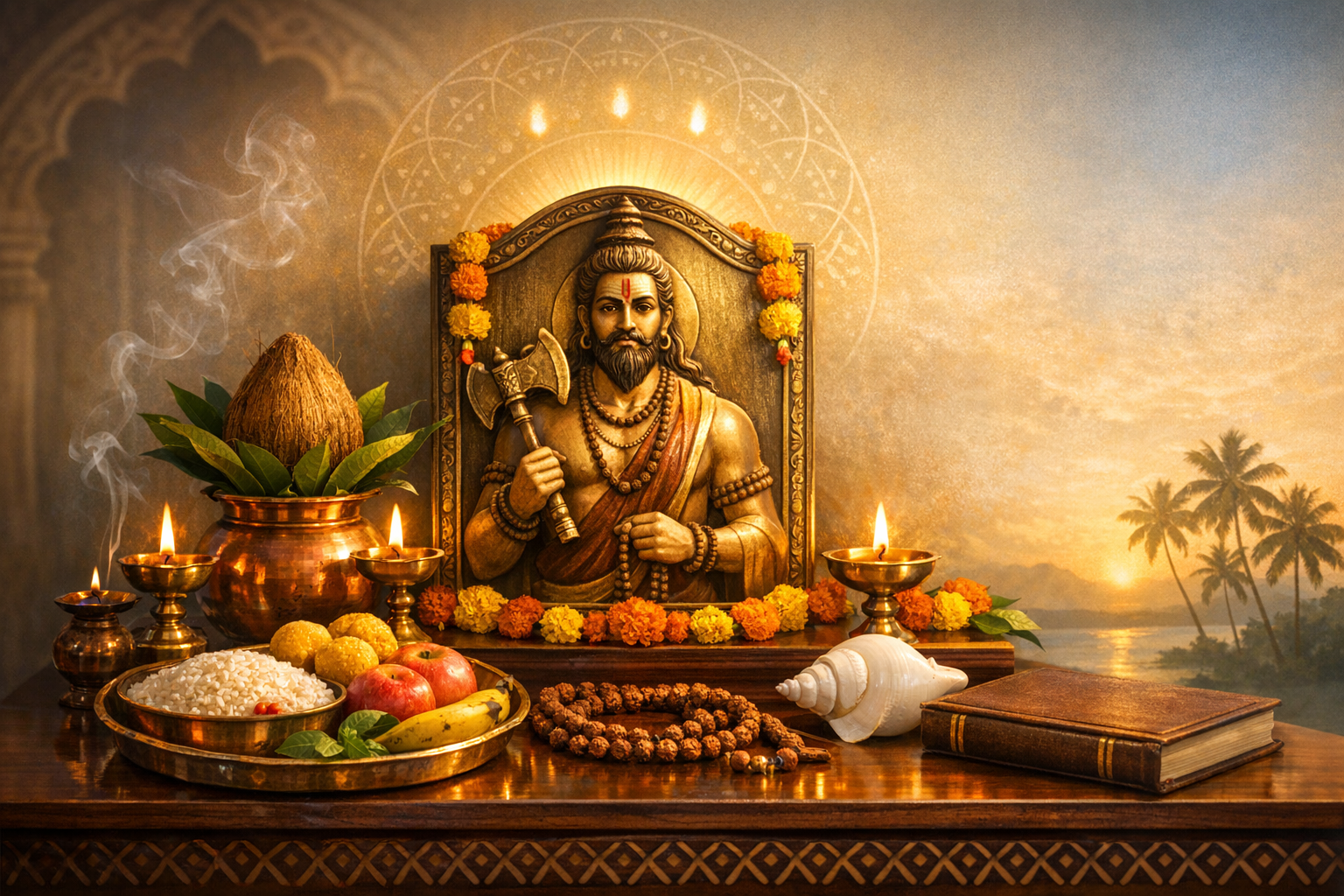
Parashurama Jayanti 2026 coincides with Akshaya Tritiya, the auspicious Vaishakh Shukla Tritiya that symbolizes inexhaustible merit. This definitive guide explains why some regions observe the festival on Dvitiya when Tritiya does not prevail at sunrise, clarifying panchang differences and time-zone effects. It explores Parashurama’s theology as a Vishnu avatar, his role in restoring dharma, and…
-
Hubballi-Dharwad Showdown: Karnataka Police, Gyms, and a Calm, Lawful Path to Communal Harmony

Karnataka Police convened gym owners in Hubballi-Dharwad after protests linked to “Love Jihad” put fitness centers under an intense spotlight. Moving beyond rhetoric, the meeting focused on lawful, practical steps to de-escalate tensions and protect fundamental rights. Police emphasized non-discrimination, PoSH and POCSO compliance, privacy-aware CCTV practices under the Digital Personal Data Protection Act, and…
-
Śrīmad-Bhāgavatam 4.4.29–35: Dakṣa’s Pride Unveiled and Practical Lessons in Humility
Śrīmad-Bhāgavatam 4.4.29–35 provides a rigorous ethical and spiritual analysis of Dakṣa’s conduct, showing how pride and ego distort judgment at the very heart of sacred duty. The passage underscores that neglect of basic respect and hospitality is not a minor lapse but a systemic failure that corrodes communal harmony. Verse 29 in particular crystallizes the…
-
Hubballi gym case ignites outcry: calls for NIA probe, survivor protection, and harmony

The reported Hubballi gym exploitation case has sparked public outcry, a visit by the Ranaragini wing of Hindu Janajagruti Samiti (HJS), and calls for an NIA-led investigation. This analysis explains the legal thresholds for NIA involvement, outlines applicable state and central statutes, and details a victim-centric investigative roadmap. It highlights digital, physical, and financial forensics,…
-
From Turmoil to Tranquility: SB 3.28.10 on Yogic Breathing and the Power of Chanting
Srimad-Bhagavatam 3.28.10 presents a precise blueprint for mental purification: disciplined attention (the fire) and regulated breath (the air) refine the mind as heat and fanning purify gold. Framed by HH Ramai Swami’s exposition, the verse aligns with modern findings on vagal tone, heart-rate variability, and the calming effects of slow, coherent breathing. Lord Caitanya’s recommendation…
-
Sage Jaratkaru and the Serpent Princess: Dharma, Destiny, and the Rescue of the Nagas

This study of Sage Jaratkaru’s marriage to the serpent princess Jaratkaru situates the tale within the Mahabharata’s Adi Parva, where their destined son Astika averts Janamejaya’s snake sacrifice and rescues the Naga race. It analyzes the sage’s tension between asceticism and pitru-rna, showing how ancestral duty and spiritual striving can be harmonized without collapsing either.…
-
Anumana in Mimamsa Darsana: Mastering Rigorous Inference to Unlock Vedic Dharma and Meaning

Anumāna (inference) in Mīmāṁsā Darśana is a disciplined method of knowing that integrates reason with Vedic hermeneutics to guide dharma. This long-form exploration defines the technical structure of inferencepakṣa, sādhya, hetu, vyāptiand explains how anvaya–vyatireka, upādhi analysis, and tarka establish reliability. It clarifies differences between inference and arthāpatti (postulation), outlines the Bhāṭṭa–Prābhākara debate on anupalabdhi…
-
Divine Birth of the Vanaras: Devas Forge Rama’s Celestial Warriors for Dharma-Yuddha

This in-depth exploration of the Ramayana’s Vanara creation explains why Brahma commanded the devas to generate heroic allies for Sri Rama and how this act upheld dharma within cosmic law. Readers learn the widely attested genealogies of key VanarasHanuman (Vayu), Vali (Indra), Sugriva (Surya), Nala (Vishwakarma), Nila (Agni), Mainda and Dvivida (Ashvins), and Jambavan (Brahma)and…