
-
From Darkness to Insight: SB 3.25.8 on the Guru’s Grace and Compassionate Japa Discipline

Srimad-Bhagavatam 3.25.8 frames spiritual progress as a movement from ignorance to insight through the grace that comes via authentic guidance and disciplined japa. Anchored in the Kapila–Devahūti dialogue, it clarifies the guru–śiṣya relationship and situates mantra practice as a technical means of refining perception. This article translates that vision into compassionate community normsencouraging audibility sufficient…
-
Transforming Conflicts with Dharma: Inside ISKCON Resolve’s Foundation Course (Apr 5)
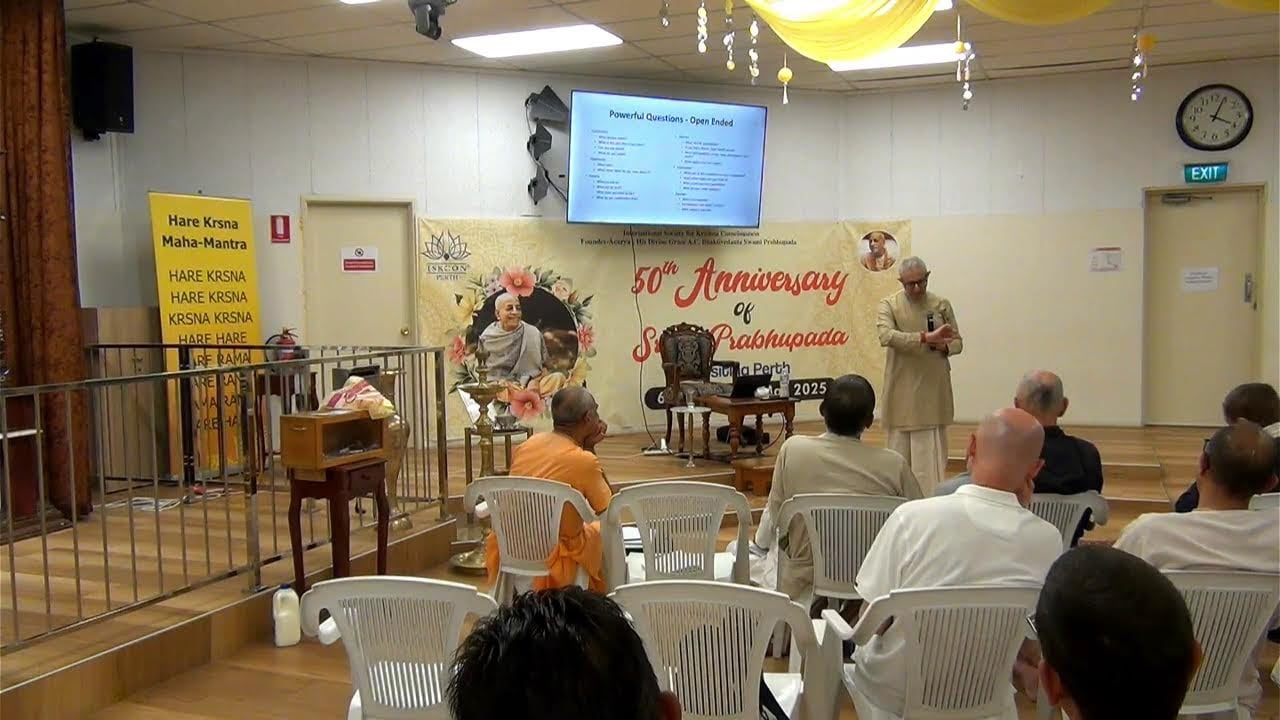
ISKCON Resolve’s Foundation Course led by HG Vraj Vihari Prabhu (Apr 5) introduces a dharmic, evidence-informed approach to mediation and dialogue inside the International Society for Krishna Consciousness. Participants learn conflict literacy, active listening, interest-based negotiation, and restorative practices aligned with Srila Prabhupada’s emphasis on cooperative service. The program’s ombuds-style design safeguards confidentiality, neutrality, and…
-
Krishna’s Absolute Plan and Sharanagati: Profound, Practical Insights from SB 11.1.2
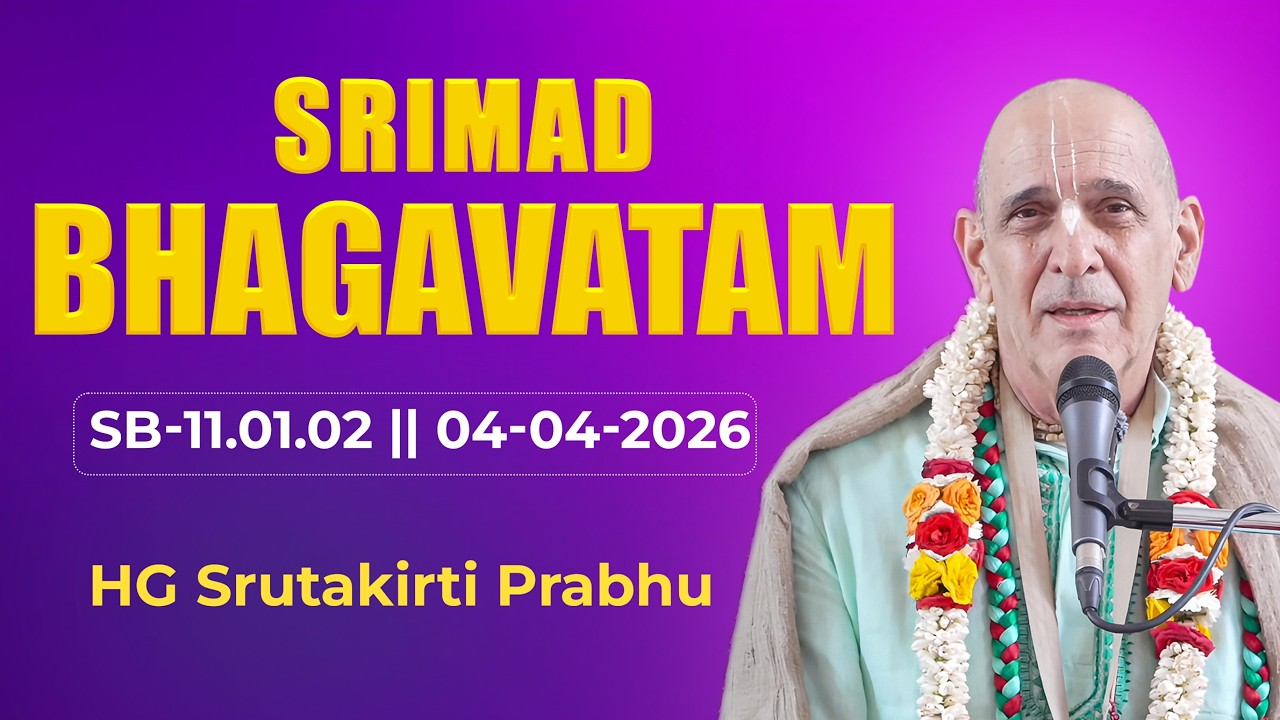
This analysis, inspired by HG Srutakirti Prabhu’s reflection on Srimad Bhagavatam 11.1.2, examines why surrender and service to Krishna under authentic guru-guidance constitute the operative core of spiritual life. It clarifies how the Bhagavata Purana reads even painful, large-scale disruptions as part of a benevolent divine order that educates and purifies. The piece explains sharanagati’s…
-
Ashes of Lanka: Subaltern Ramayana Insights on Dharma, Civilians, and War Ethics

This essay reframes the burning of Lanka in Sundara Kanda through a subaltern, ethically rigorous lens that centers the ordinary people of the golden city. It retains reverence for Hanuman’s strategic brilliance and Sri Rama’s cause while probing the moral costs of urban fire on artisans, traders, elders, and children. Drawing on Dharmayuddha norms and…
-
Vidura of the Mahabharata: Unyielding Integrity and the Timeless Power of Vidura-niti
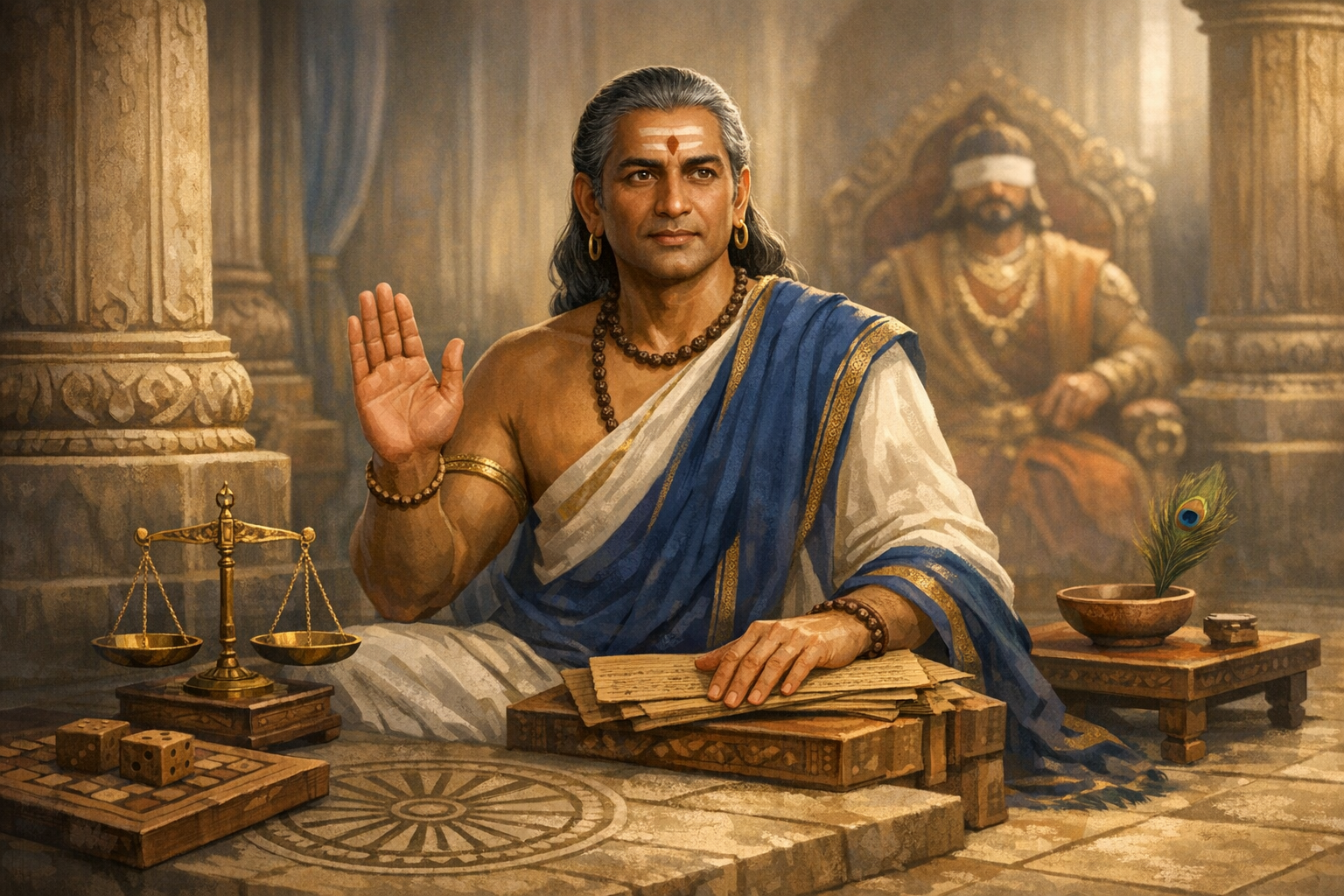
Vidura stands in the Mahabharata as Hastinapura’s moral conscience, a statesman whose Vidura-niti fuses ethical clarity with practical statecraft. His counsel in Udyoga Parva details sense-control, just taxation, impartial justice, and prudent diplomacy, offering a durable template for governance. Key episodes the lacquer house rescue, denunciation of the dice-game injustice, and principled withdrawal from court…
-
Ego’s Illusion of Difference: Dharmic Wisdom on Avidya, Unity in Diversity, and Healing

This essay examines why humans manufacture differences where none ultimately exist, using a dharmic framework drawn from the Upanishads, the Bhagavad Gita, Yoga Sutra, Anekantavada, Buddhist anatta, and Sikh teachings on Ik Onkar. It explains how avidya and ahankara harden provisional distinctions into identity, and how sama-darshana resists that process. It integrates classical Indian logic…
-
Kali Yuga and Immediate Karma: A Clear, Cross-Dharmic Guide to Action, Reaction, and Dharma

This essay explains why the belief that actions trigger swift, sometimes near-immediate consequences in Kali Yuga is both philosophically coherent and practically observable. It situates the claim within Hindu cosmology and classical karma theory (sanchita, prarabdha, kriyamana; drishta/adrishta-phala). It shows how social and technological conditions of Kali Yuga create faster feedback loops for both harm…
-
Powerful Vikata Sankashti Chaturthi, 5 April 2026: Moonrise 9:50 PM, Puja and Vrat Guide

Sankashti Chaturthi in April 2026 occurs on Sunday, 5 April 2026, as Krishna Chaturthi in Chaitra and is observed as Vikata Sankashti Chaturthi. Moonrise for concluding the fast is noted at 9:50 PM IST, with local variations to be confirmed via a reliable Panchang. The vrata emphasizes disciplined worship of Shri Ganeshaofferings of durva, modak,…
-
April 12, 2026 Panchang Guide: Tithi Change, Auspicious Timings, Nakshatra & Rashi Insights

Sunday, April 12, 2026 in most Hindu Panchangs is Krishna Paksha Dashami until 9:19 PM, after which Krishna Paksha Ekadashi begins. This guide explains how tithi is computed, why a tithi can span two civil dates, and why most Ekadashi observers will fast on Monday, April 13, 2026. It outlines how to use Abhijit Muhurta…
-
Haridra Dam to Vijayanagara: Field Evidence, Inscriptions, and Karnataka’s Fading Shrines

A field-based reading of Devarabelakere, near Davanagere in Karnataka, reveals how a modern check dam overlays the footprint of the medieval Haridra Dam attributed to the early Vijayanagara era under Devaraya I. Inscriptions documented by the ASI at Harihara in 1902, along with a 2003 survey by Dr. Jagadisha, help relocate the lost basin of…
-
Paralakhemundi’s Hidden Durga Temple: Sacred Seclusion and the Navratri-Only Opening

The Paralakhemundi Durga Temple in Odisha’s Gajapati district practices a remarkable discipline: it opens to the public only during Navratri, preserving a Shakta tradition of sacred seclusion while intensifying the experience of darshan. Situated on Dandumala Street near Dola Tank Road, the shrine honors Dandu Maa (also known in Telugu as Goddess Dandu Maramma), reflecting…
-
Swaha’s Fiery Warning to Ravana: A Ramayana Lesson on Dharma, Consent, and Sacred Power

This essay examines the lesser-known Ramayana strand in which Swaha, consort of Agni, curses Ravana, framing Lanka’s burning as karmic consequence for transgressing consent and ritual sanctity. It clarifies Swaha’s role in Vedic ritual as the mantric seal that legitimizes offerings, showing why an affront to the sacred feminine implies ethical and ritual collapse. Cross-references…
-
Bhopal Hanuman Jayanti Row: Viral Speech Sparks Legal Scrutiny and Dharmic Harmony Call

A viral video from a Hanuman Jayanti rally in Bhopal has intensified debate over public speech, alleged slaughterhouse illegality, and online misinformation. This analysis explains the constitutional boundaries of expression, the penal provisions that may apply when rhetoric crosses the line, and the administrative protocols that govern religious processions. It also summarizes the licensing and…
-
Sita’s Sacred Resolve: Why Only Rama Could Rescue Herand What It Teaches About Dharma

Why did Sita insist that only Rama rescue her, even when Hanuman could have carried her to safety? This long-form analysis of Sundara Kanda shows how her decision unites maryada, kshatra-dharma, reputation, and tactical prudence into a single, coherent ethic. Drawing on Valmiki Ramayana and key regional traditions, it explains why justice in the Ramayana…
-
Knower of the Field: Cutting-Edge Insights into Consciousness, Experience, and Dharmic Unity

This essay examines consciousness through the Bhagavad-Gita’s kshetra–kshetrajna lens and connects it with current neuroscience and philosophy of mind. It clarifies arousal versus awareness, reviews global neuronal workspace and integrated information theory, and explains how predictive and recurrent processing shape experience. Drawing on cell biology, it traces how neuronal excitability, glial modulation, and plasticity ground…
-
Person or Energy? Find Clarity in a Dharmic Synthesis across Vedanta, Buddhism, Jainism, Sikhism

This essay clarifies whether the Divine is best understood as Person or Energy by synthesizing perspectives from Vedanta, Buddhism, Jainism, and Sikhism. It defines key terms (Brahman, purusha, shakti, prana) and shows how saguna–nirguna, nirgun–sargun, and anekantavada converge in a coherent framework. Readers gain a precise yet accessible model that honors both devotional intimacy and…
-
Arjuna’s Dilemma and the Power of Svadharma: Choosing Authentic Duty Over Escapism

The Mahabharata’s portrayal of Arjuna reveals why authentic duty (svadharma) outperforms artificial renunciation over the long term. By aligning action with intrinsic disposition (svabhava) and practicing karma yoga, individuals gain inner steadiness, ethical clarity, and resilience. This insight, far from endorsing aggression, exemplifies Dharma-Yuddhaprotective duty guided by compassion, proportionality, and the common good. Parallel teachings…
-
Shraddha in the North: Hare Krishna at Sweden’s Almvik FarmCommunity, Ecology, Devotion

Sweden’s Almvik Farm demonstrates how Hare Krishna (ISKCON) devotion can thrive within a Scandinavian context, uniting Shraddha (faith), daily sadhana, and ecological stewardship. The community’s schedule of kirtan, japa, and scriptural study provides a stable frame for attention and inner calm. Sustainable food practices and careful resource management translate reverence into measurable environmental care. Festivals…
-
Hanuman’s Humility in Ashoka Vatika: Assamese Ramayana’s Powerful Lesson on Dharma and Consent

The Assamese Ramayana preserves a compelling motif of Hanuman pausing in Ashoka Vatika to seek permission before tasting its fruit, transforming a moment of reconnaissance into a study in dharma. Framed within Sundara Kanda, the episode fuses courage with humility, presenting consent as a devotional discipline rather than a legal formality. The emphasis aligns with…
-
Pure Mind Beyond Desire: A Rigorous Path to Moksha in the Gita, Upanishads, and Yoga

This article offers a rigorous, text-anchored exploration of the Hindu ideal of a pure mind free from desire, linking it to moksha in the Bhagavad Gita, the Upanishads, and Patanjali’s Yogasutra. It clarifies the difference between eliminating compulsive craving and nurturing dharma-aligned intention, avoiding the common pitfall of suppression or nihilism. Readers gain a practical…