-
The Sacred Black of Goddess Kali: Profound Symbolism, Unity, and Inner Awakening

Goddess Kali’s blackness is a precise spiritual symbol, pointing beyond physical color to the infinite and unmanifested. In Hindu philosophy and Tantra, it signifies the absorptive wholeness that dissolves ego and form while nurturing clarity and courage. Practitioners often report calm and resilience when contemplating Kali, suggesting a lived integration of psychological and contemplative insight.…
-
Achyuta Unveiled: Meaning, Symbolism, and the Imperishable Grace of Vishnu

Achyuta—meaning “the unfallen”—is a profound Sanskrit name of Lord Vishnu and Sri Krishna that conveys imperishability and unwavering grace. Scriptural anchors such as Bhagavad Gita 1.21 and the Vishnu Sahasranama highlight its theological depth and devotional relevance. The name’s symbolism nurtures steadiness, moral clarity, and resilience, guiding practitioners through uncertainty. Its core intuition of a…
-
Muktakeshi—Kali’s Disheveled Hair: A Fearless Symbol of Liberation, Compassion, and Power

Muktakeshi—“one with disheveled hair”—illuminates the fearless, compassionate power of Goddess Kali. Unbound hair signifies boundaryless śakti, autonomy, and the dissolution of fear and attachment. Shakta and Tantric readings frame this iconography as a metaphysical lesson in freedom, courage, and renewal rather than mere aesthetic. Devotees engage the symbol as a meditative cue to loosen rigid…
-
Vrindavan Wisdom with HG Gopinath Acharya Prabhu: How Remembrance Unlocks Nectar

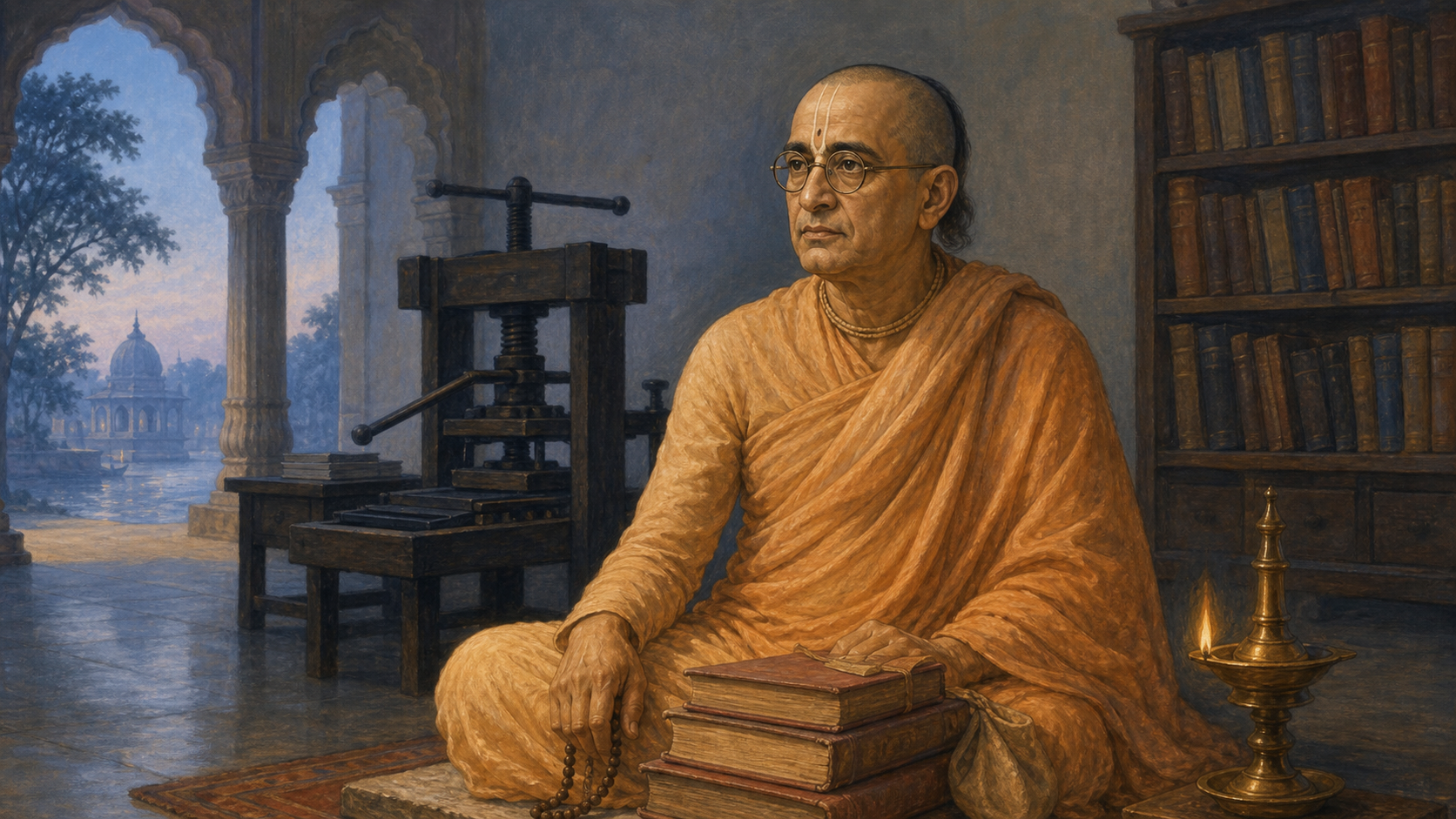
This Vrindavan reflection, associated with HG Gopinath Acharya Prabhu, clarifies a core teaching of the Srimad-Bhagavatam: constant remembrance of Krishna leads to the same Supreme Truth that yogic disciplines seek. It highlights how unwavering focus—through bhakti or yoga—transforms consciousness and grants access to the ‘nectar’ of divine grace. The discussion draws parallels with Buddhist mindfulness,…
-
Srimati Radharani-Inspired Devotional Baking: H.G. Purnima Mataji’s Sattvic Masterclass (17 Dec 2025)

This devotional baking masterclass, held on 17 December 2025 and dedicated to Srimati Radharani, presented two accessible, vegetarian preparations under the guidance of H.G. Purnima Mataji. The first recipe detailed a fragrant, eggless nut cake using Maida, Khoya, Ilaychee Powder, and nuts, with clear measurements for reliable results. The second introduced Idli DHOKLA with Suji…
-
Nārada’s Grace and the Guru’s Gift: Insights from HH Guru Prasad Swami on SB 7.7.16

This morning reflection on Srimad Bhagavatam 7.7.16, guided by HH Guru Prasad Swami, explores how Nārada’s grace preserved Prahlāda’s remembrance of sacred teachings. The analysis reframes the verse to emphasize inclusive, dharmic values and the transformative power of a guru’s blessing. Listeners gain practical methods—daily reading, meditation, gratitude, and satsanga—to convert inspiration into long-term memory…
-
When Desires Multiply, Clarity Fades: A Dharmic Path to Focus, Peace, and Purpose

The principle that multiplying desires breeds ambiguity is a shared insight across Hinduism, Buddhism, Jainism, and Sikhism. Hindu philosophy links scattered aims with cognitive dispersion and recommends abhyasa, vairagya, and aparigraha to restore clarity. The Bhagavad Gita underscores one-pointed understanding, while Yoga Sūtras provide a method for stabilizing attention. Parallel teachings in Buddhism (mindfulness), Jainism…
-
Beyond Circumstances: The Transformative Hindu Truth of Inner Freedom and the Ever-Free Self

This essay explains a core Hindu philosophical insight: true freedom is inner and independent of circumstance. Drawing on the Upanishads and the Bhagavad Gita, it clarifies how bondage stems from misidentification and how moksha is the recognition of the ever-free Self. It outlines practical pathways—Karma, Bhakti, Jnana, and Raja Yoga—that cultivate equanimity and clarity in…
-
December 25, 2025 Panchang Guide: Shukla Paksha Panchami → Sashti, Auspicious Timings & Insights

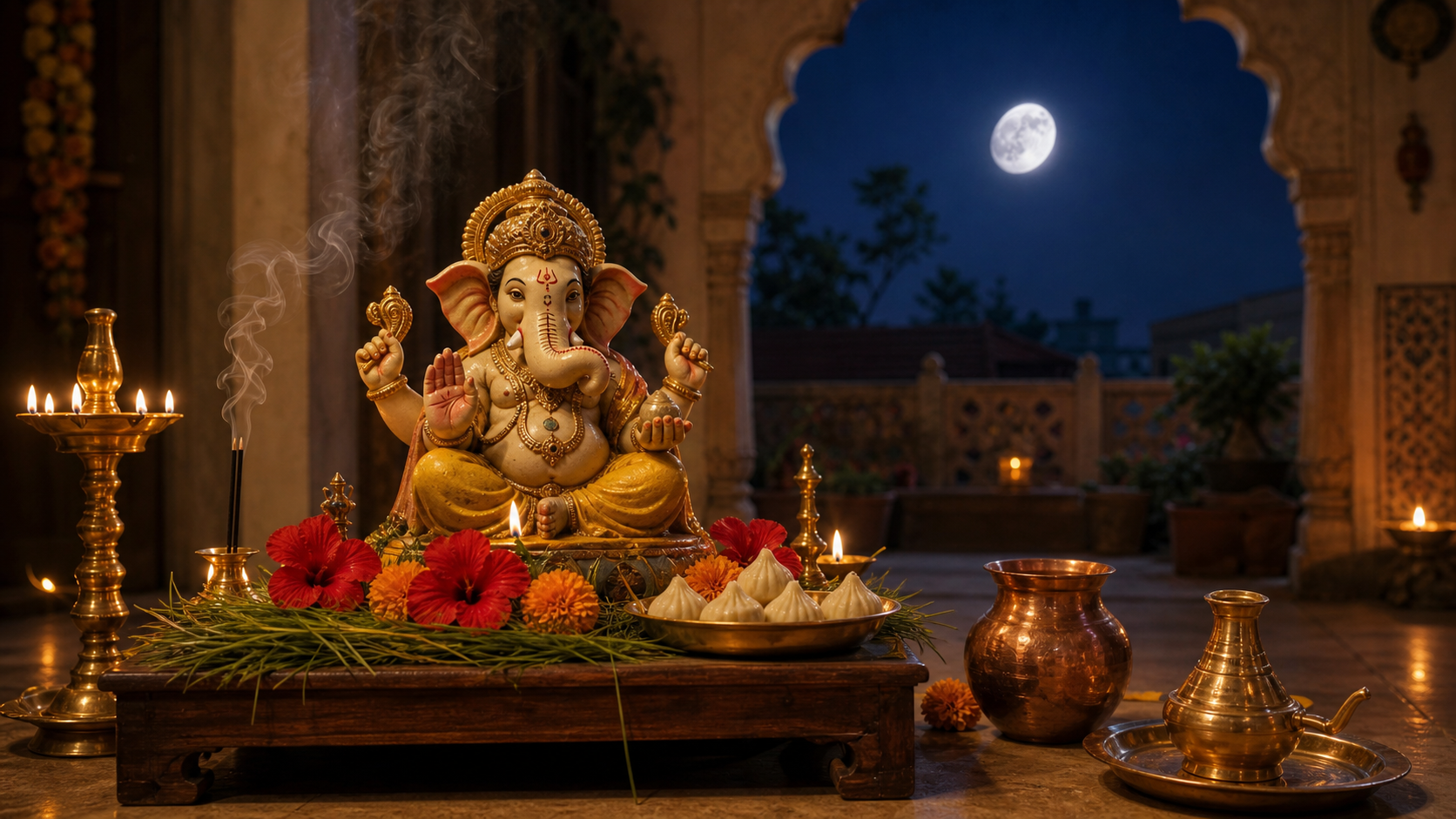
On Thursday, December 25, 2025, the Hindu Panchang notes Shukla Paksha Panchami until 10:41 AM, transitioning to Shukla Paksha Sashti afterward in most regions. The waxing moon supports reflective effort early in the day and purposeful action later. Readers gain clear, time-specific guidance without overgeneralization, with reminders to consult a local Panchang for exact Shubh…
-
Shani Sade Sati for Karka Rashi: Master the First 2½ Years of Viraya Shani Wisely

Shani Sade Sati for Karka Rashi begins with Viraya Shani, the 12th-house phase emphasizing outflow, reflection, and disciplined restructuring. Readers learn how to identify typical patterns—rising expenses, solitude, travel, and logistical duties—and respond with budgeting, process discipline, and ethical steadiness. The piece highlights inward growth through dhyana, seva, daana, and aparigraha, resonating across Hindu, Buddhist,…
-
Janma Shani in Karka Rashi: Navigate the Intense Middle Sade Sati with Clarity and Grace

Janma Shani—the middle phase of Shani Sade Sati in Karka Rashi—traditionally signals a period of sober self-reflection and patient restructuring. Relationships may feel tested, yet honest communication and steady empathy can deepen trust. Career progress favors discipline and consolidation over speed, turning consistent effort into durable results. Emotional steadiness improves through simple routines and contemplative…
-
Shani Sade Sati for Karka Rashi: Navigate the Powerful Paada Shani Final 2½ Years

As Shani enters Simha Rashi, Karka Rashi reaches the final 2½ years of Shani Sade Sati—known as Paada Shani, Pata Shani, or Foot Shani. This concluding phase emphasizes discipline, responsibility, and emotional steadiness rather than fear. Practical focus areas include simplifying routines, honoring duties, prudent decisions, and consistent spiritual practice. Shared dharmic values across Hinduism,…
-
Vayudeva Mahatmyam: Unveiling the Power, Grace, and Living Legacy of Vayu Bhagavan

Vayu Bhagavan, the wind god of Hindu scriptures, embodies the cosmic prana that sustains life and guides conscious action. The Vayudeva Mahatmyam highlights his lineage from Rishi Kashyapa and Aditi, and his enduring legacy through Hanuman and Bhima, whose service to Lord Rama and Lord Krishna exemplifies strength, humility, and devotion. By linking Vayu’s power…
-
Vaastu Bhagawan Explained: Harness Sacred Architecture for Peace, Protection, and Prosperity

Vaastu Bhagawan is honored in Hinduism as the guardian of structures, invoked to protect homes and sacred spaces. When Vastu Shastra principles are followed, spaces are believed to gain safety, peace, and prosperity through alignment with the Pancha Mahabhuta and cardinal directions. The deity is described as embodying aspects of the Trimurtis and the Tridevis,…
-
The Quiet Power of Listening: Patience and Presence that Transform a Barbershop—and Life

This piece demonstrates how active listening, patience, and mindful presence can outperform advice in creating trust and emotional safety. Through real barbershop encounters, it shows how attention to nonverbal cues, calm silence, and empathy can de-escalate frustration and invite genuine connection. The narrative highlights how allowing learners to struggle productively fosters ownership and confidence. It…
-
Power and Tapas in Kalidasa: Tagore on Raghuvamsha and Kumarasambhava’s Lesson

Rabindranath Tagore’s reading of Kalidasa reveals a profound dialogue in Sanskrit literature between worldly power and inner discipline. Raghuvamsha maps the ascent born of tapas and the decline that follows indulgence, using dawn-and-dusk imagery to frame a moral architecture. Kumarasambhava then proposes the remedy: harmonize renunciation and enjoyment so that strength is born from balance.…
-
Master the Mind, Transform Reality: Dharmic Wisdom for Inner Freedom and Resilient Living

Dharmic wisdom teaches that mental mastery, not circumstances, determines freedom. The Bhagavad Gita, the Upanishads, the Dhammapada, Jain disciplines, and Sikh teachings converge on a shared insight: inner clarity transforms how reality is experienced. Practical methods such as breath awareness, mindfulness meditation, japa or simran, ethical restraint, and seva stabilize attention and soften reactivity. This…