-
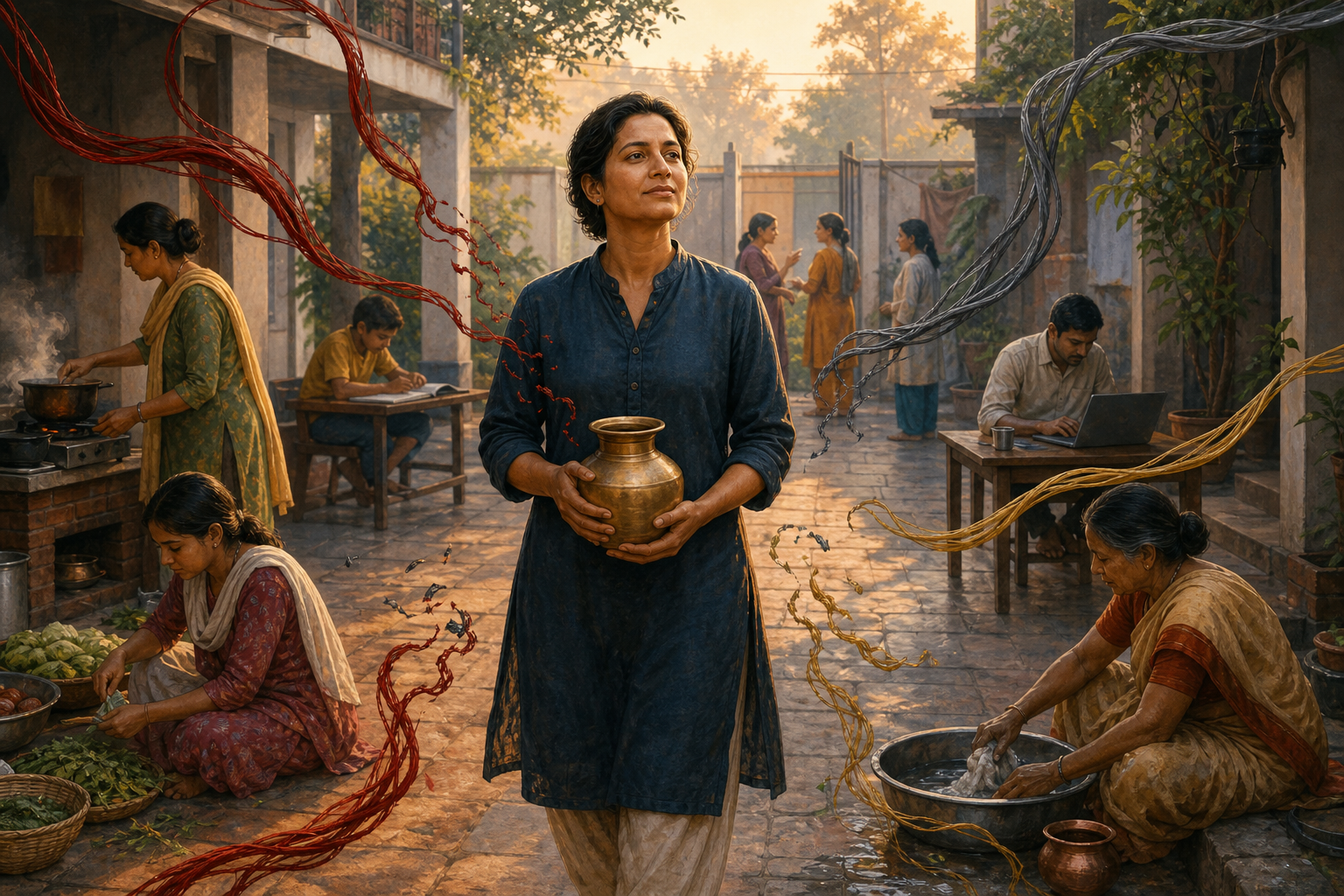
Grieving the Parents You Needed: Heal Childhood Wounds with Compassion, Boundaries, and Peace

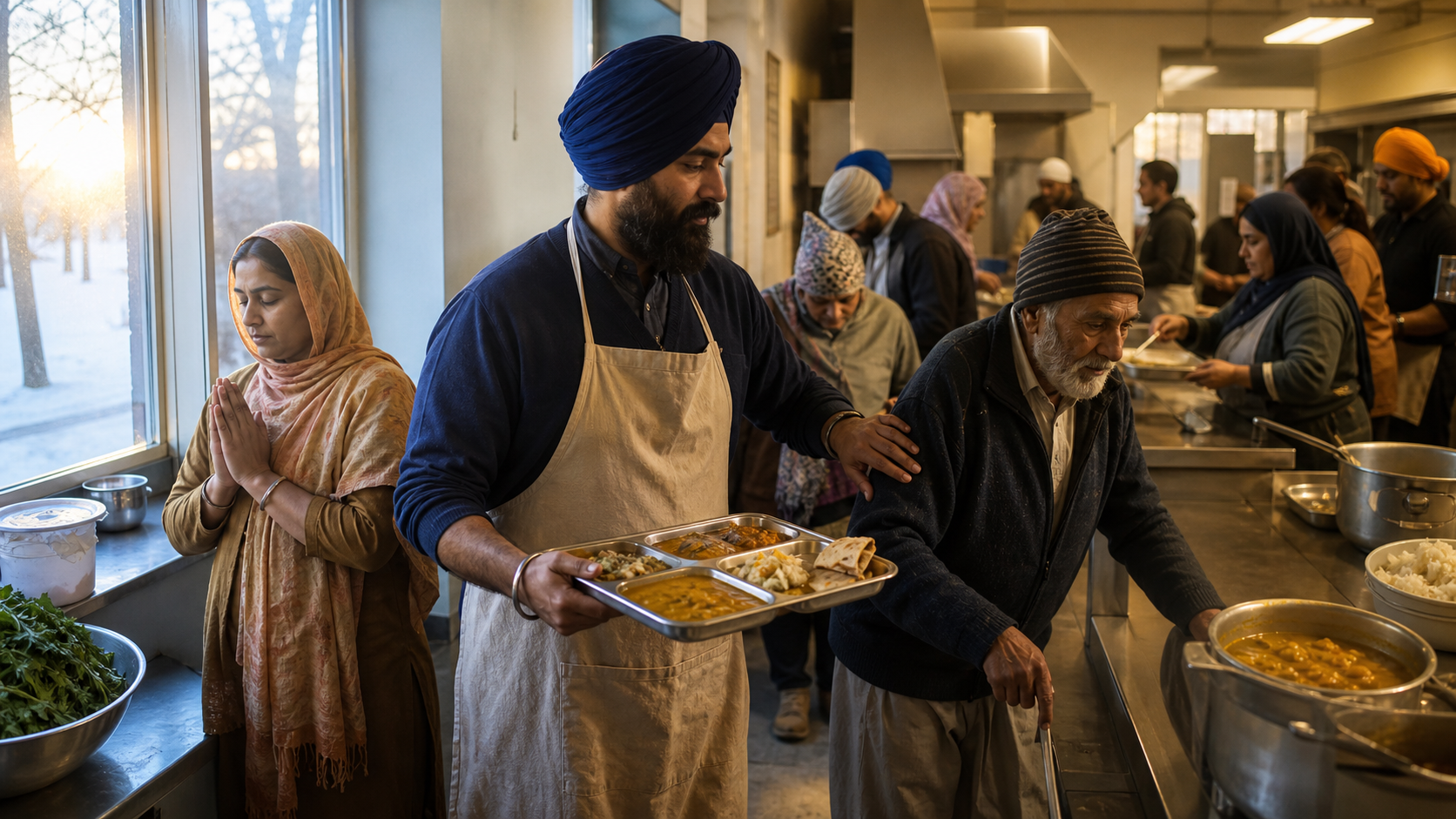
This reflection presents a clear, research-informed path for healing emotional neglect: accept parental limits without excusing harm, grieve unmet needs, and cultivate self-compassion. It explains how inner child work, reparenting, and boundaries reduce shame and interrupt old patterns. Readers gain practical scripts and routines for soothing difficult emotions and building an emotional vocabulary. The approach…
-
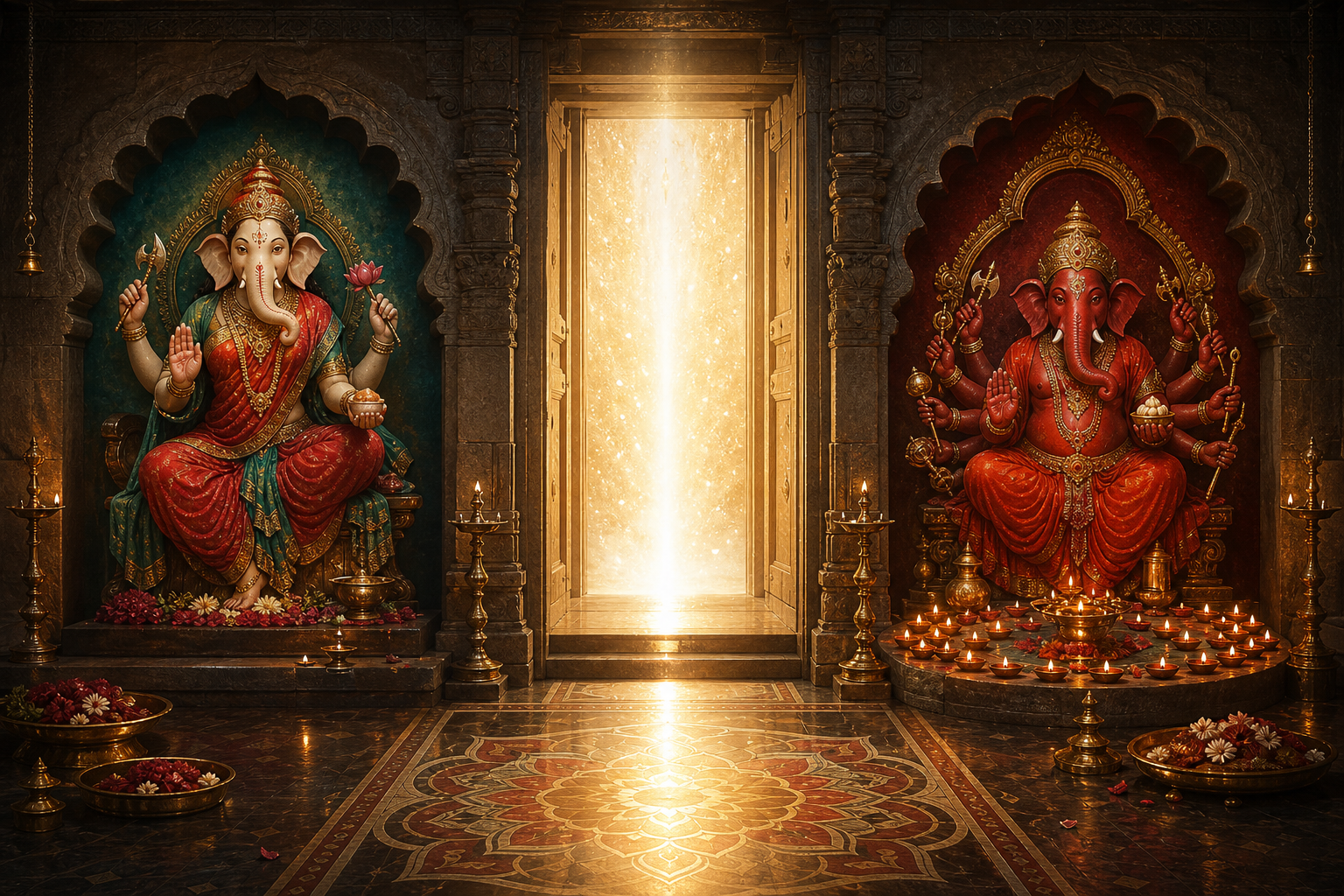
Hanuman’s Trimurti Teaching: Healing Grief by Living the Present with Brahma, Vishnu, Shiva

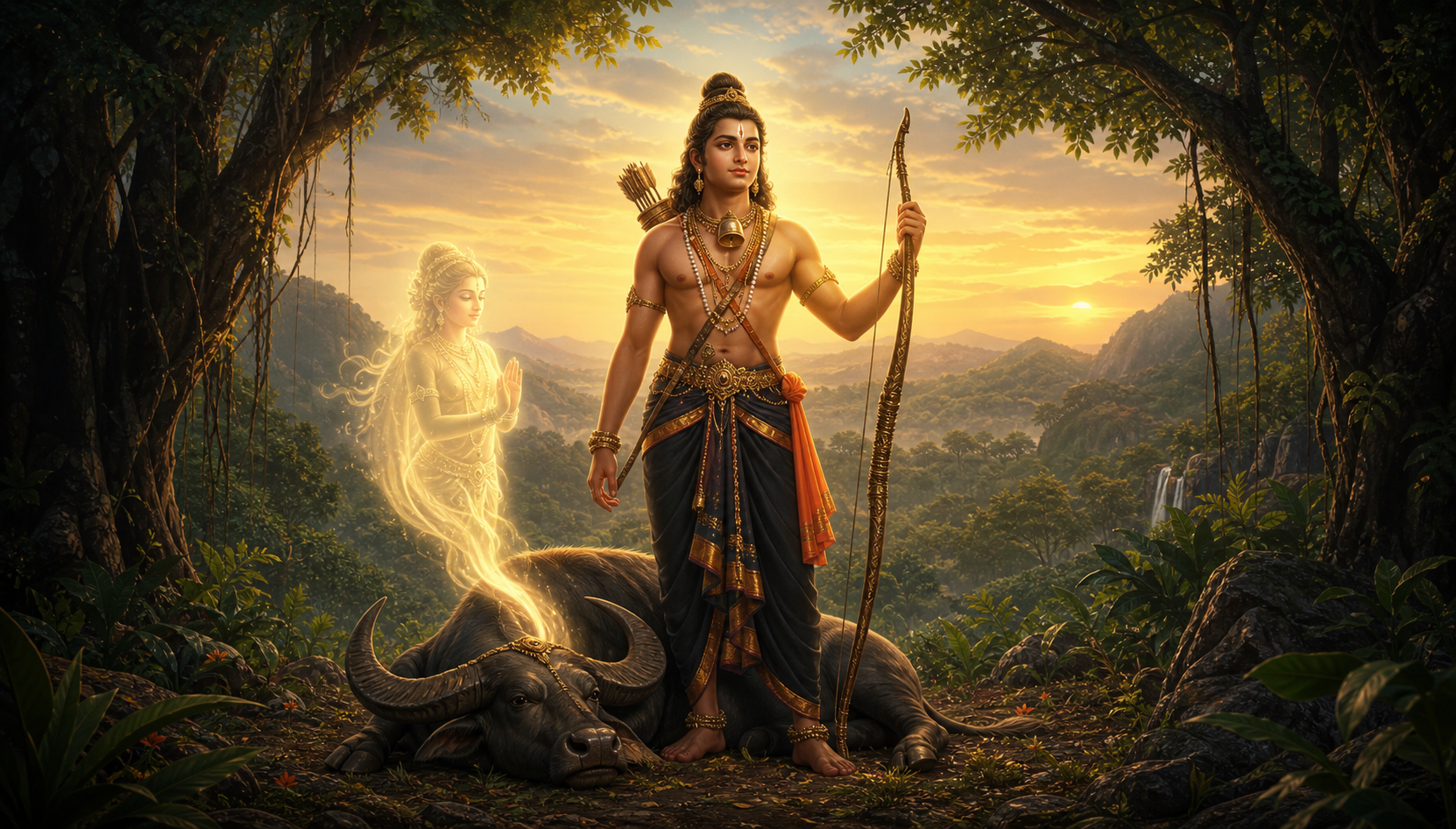
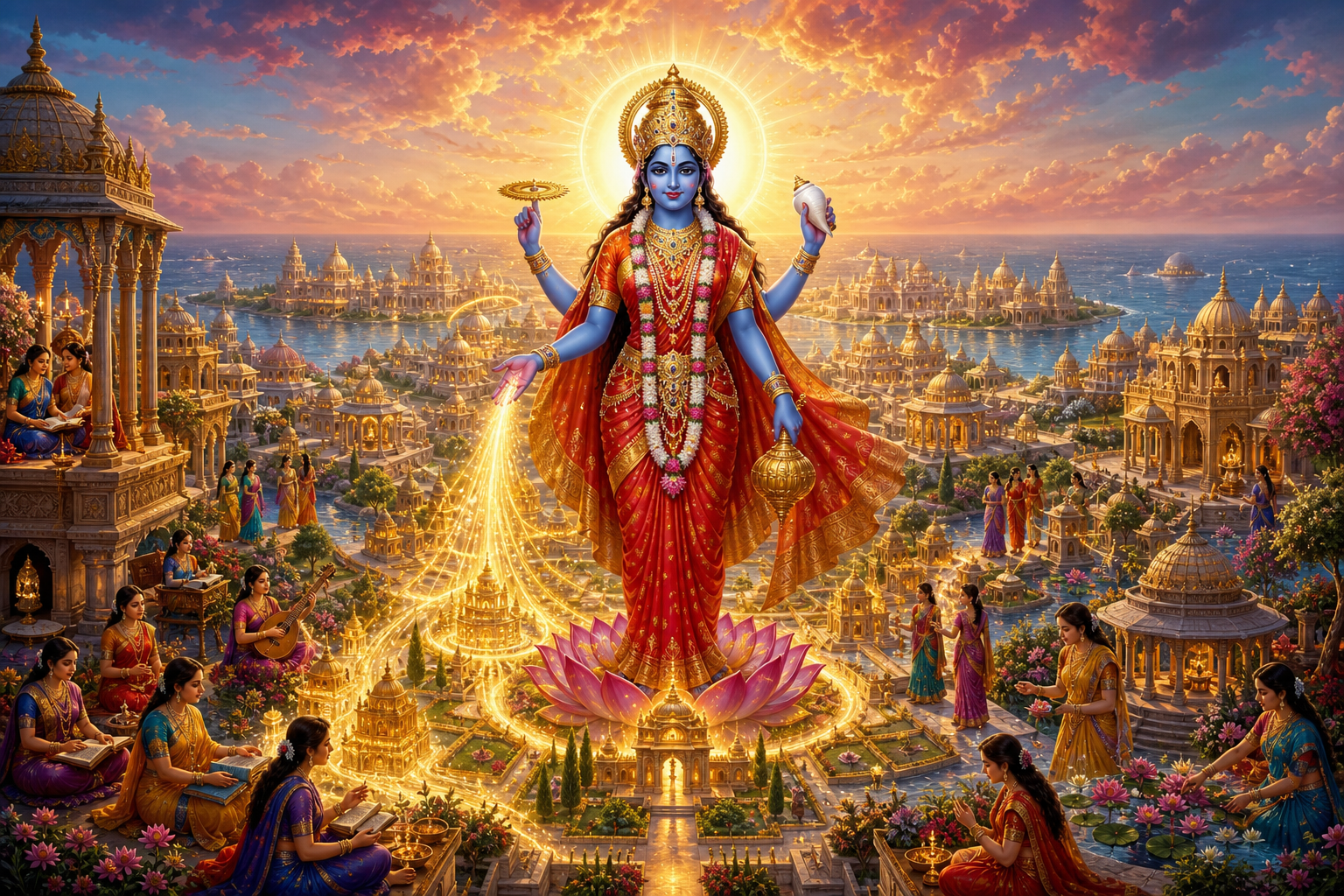
This article explores a lesser-known Ramayana narrative in which Hanuman meets Sage Kandu, grieving the loss of his sixteen-year-old son, to illuminate a practical teaching on the Trimurti—Brahma, Vishnu, and Shiva. It explains how living in the present harmonizes creation, preservation, and transformation without denying the depth of sorrow. Readers gain a clear, actionable framework:…
-
Kalpanagaurava Unveiled: Master Tarka’s Antidote to Excessive Imagination in Debate

Kalpanagaurava (कल्पनागौरव) identifies the burden of excessive assumptions in reasoning within Hindu philosophy’s tarka tradition. Recognized as one of the eleven varieties of tarka, it cautions against arguments that lean on imaginative postulates rather than evidence. By favoring economical explanations, it strengthens clarity and doubt-resolution in debate. Readers will find this principle intuitively useful in…
-
Nirvāṇa Through Bhakti-Yoga: Expanding Transcendental Bliss and Dharmic Unity

Śrīmad-Bhāgavatam (ŚB) 4.13.8–9 depicts liberation (nirvāṇa) as freedom from bodily bondage through deepened knowledge of the Supreme Brahman. The text frames transcendental bliss as a stable, ever-expanding condition made possible by continual practice of bhakti-yoga. This vision aligns with dharmic concepts such as moksha, nirvāṇa, kevala jñāna, and union with the Divine, highlighting unity across…
-
Beyond Liberation: Why Devotees Decline Moksha—Śrīmad-Bhāgavatam 9.4.67, CC Ādi 4.208

Śrīmad-Bhāgavatam 9.4.67, cited in CC Ādi-līlā 4.208, presents a profound principle of the Bhakti Tradition: genuine devotees do not seek liberation or time-bound pleasures because loving service to the Divine is itself complete fulfillment. Set against the narrative of Durvāsā Muni and Mahārāja Ambarīṣa, the verse clarifies why bhakti transcends both material enjoyment and even…
-
RSS at 100: Mohan Bhagwat warns against ‘BJP lens’, urges dharmic unity and service

At the RSS 100 Vyakhyan Mala in Kolkata (Dec 21, 2025), Mohan Bhagwat warned that “viewing RSS through BJP lens is a ‘huge mistake’,” clarifying the Sangh’s identity as a socio-cultural movement focused on seva, character-building, and social cohesion. The address urged observers to avoid reductionist, partisan frames and to assess civil-society institutions by their…
-
Upanishadic Wisdom and the Profound Oneness of Life: A Call to Spiritual Solidarity

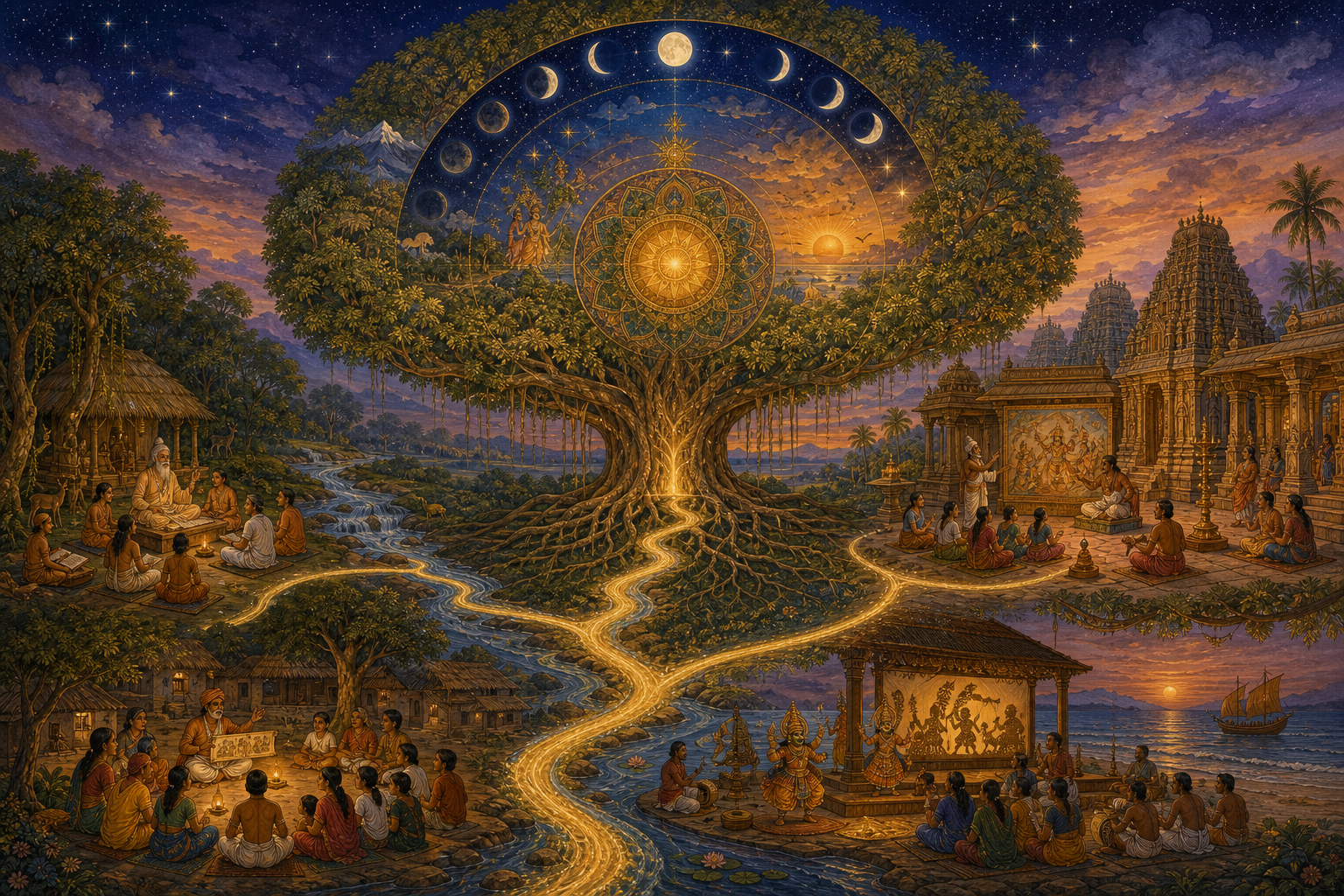
The Upanishads present a clear and compelling teaching: all life is fundamentally one. By illuminating the non-dual relationship between ātman and Brahman, these scriptures ground ethics in spiritual unity and inspire compassion in action. Their inclusive approach honors multiple paths—jñāna, bhakti, karma, and dhyana—supporting religious pluralism and interfaith harmony. Resonating with Buddhism, Jainism, and Sikhism,…
-
See the World Anew: Krishna’s Test of Duryodhana and Yudhishthira on Perception and Dharma

A classic teaching from the Mahabharata tradition, guided by Sri Krishna’s wisdom, shows how perception shapes reality. In the story, Duryodhana sees faults everywhere while Yudhisthira discerns redeeming qualities in all, revealing the inner lens each brings to the world. Read alongside the Bhagavad Gita’s discipline of equanimity (samatva), the lesson becomes a method for…
-
Manthanabhairavatantra: Unveiling Kubjika’s Shakti and the Western Kaula’s Living Wisdom

The Manthanabhairavatantra is a monumental Shakta scripture centered on Goddess Kubjika and Bhairava, anchoring the Western Kaula tradition. It presents a unified vision of energy and awareness, integrating mantra, ritual, and meditation with a nuanced map of consciousness and kundalini awakening. The churning metaphor makes complex metaphysics vivid and emotionally resonant, offering readers an accessible…
-
Mastering the Senses in Bhakti: Narayani Devi Dasi on Srimad Bhagavatam 4.29.11

On December 19, 2025, ISKCON Brisbane hosted a thoughtful class by HG Narayani Devi Dasi on Srimad Bhagavatam 4.29.11, focusing on sense gratification and the purposeful engagement of the senses in Krishna Consciousness. The session clarified that sense control is not suppression but skillful redirection toward seva. Practical methods—śravaṇa, kīrtana, association, and regulated habits—were presented…
-
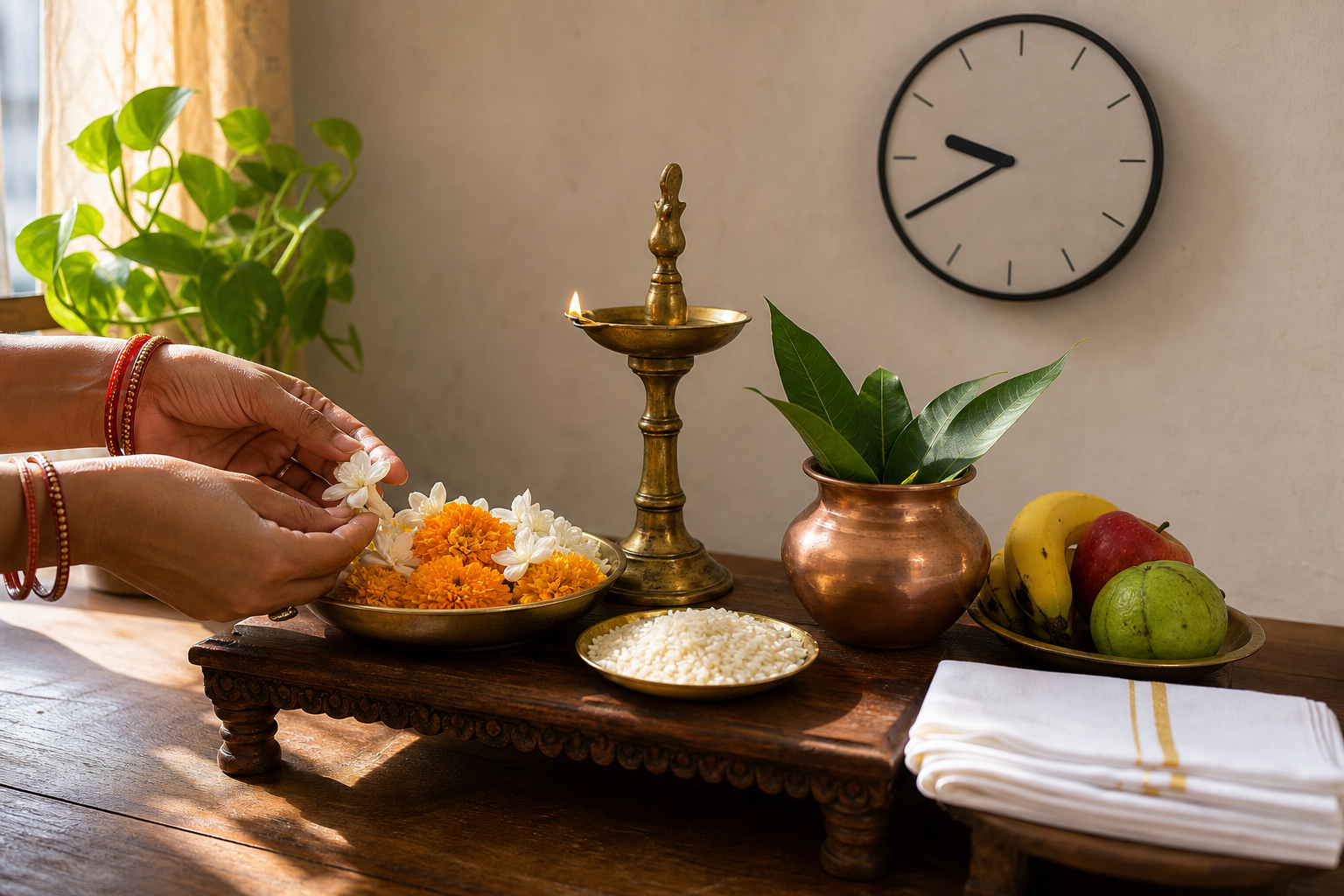
Bhogi Festival Explained: Significance, Bhogi Mantalu, Bhogi Pallu, and Pongal Traditions

Bhogi is the first day of the South Indian Sankranthi season and is observed as Bhogi Pongal among Tamil communities. The festival emphasizes renewal and gratitude through rituals such as Bhogi Mantalu (a sacred pre-dawn bonfire) and Bhogi Pallu (a blessing ceremony for children). Homes are cleansed and decorated with muggulu/kolam, gobbemmalu, and mango-leaf torans,…
-
Sri Andal Kalyanam at Srirangam on Bhogi Pongal 2026: Date, Rituals, and Sacred Significance

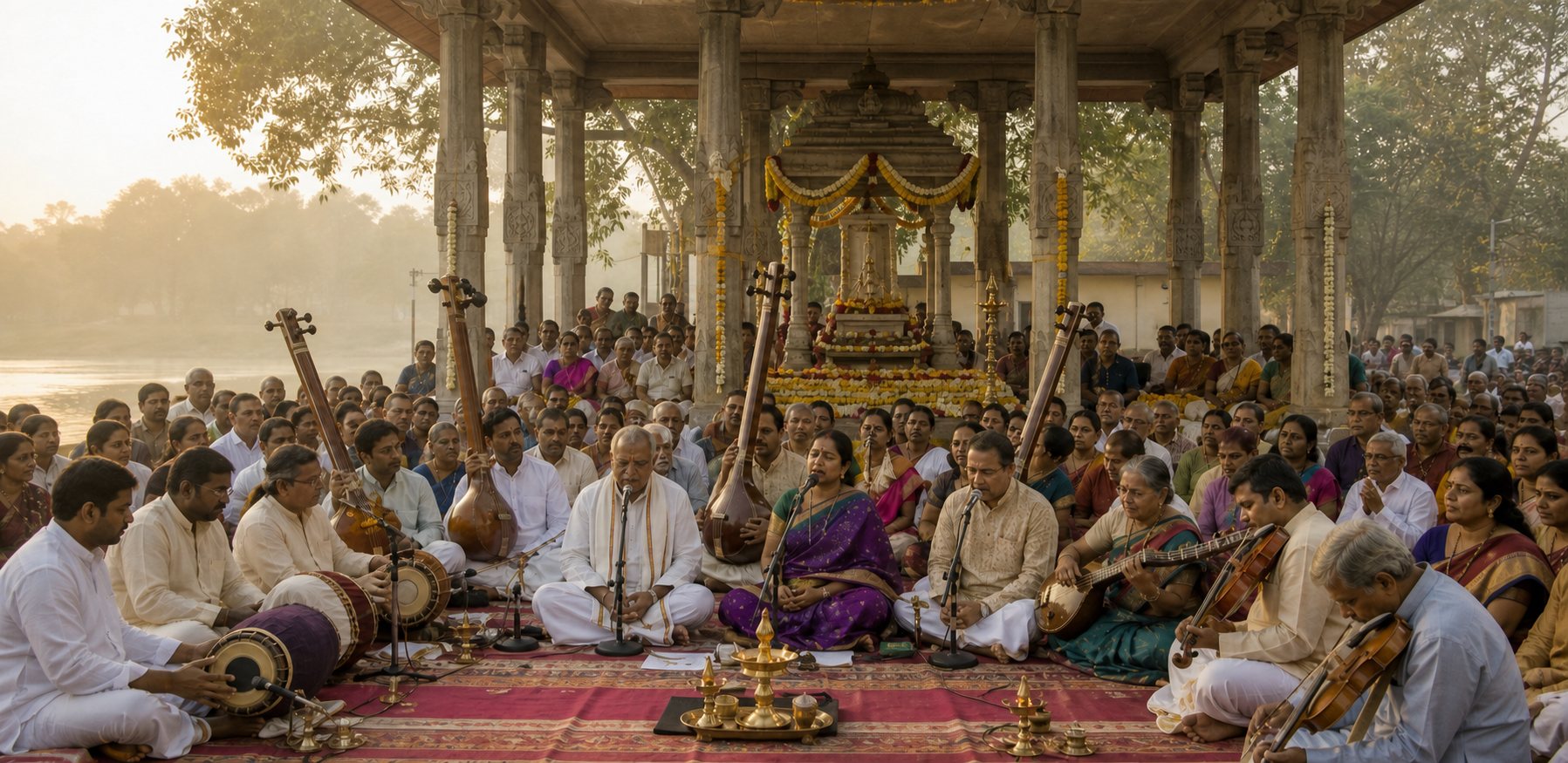
Sri Andal Kalyanam at Srirangam is observed on Bhogi Pongal, concluding the Dhanurmasam cycle, and in 2026 it falls on January 14. The ritual commemorates Goddess Andal’s Paavai Nombu (in Margali masam) and her sacred union with Lord Ranganatha. Devotees experience a deeply moving celebration through Vedic chants, alankaram, and the formal kalyanotsavam. The festival…
-
Adhik Maas 2026 (Purushottam Maas): Double Jyeshtha, Significance, Rituals, Dates

Adhik Maas (Adhika Masam, Mala Maas, Purushottam Maas) occurs in the Hindu lunisolar calendar during Parabhava Nama Samvatsara (2026–2027). In 2026, Jyeshta Masam arrives twice—first as Adhika Jyeshta (Pratham Jyeshta) and then as Nija Jyeshta—maintaining alignment between lunar months and the solar year. The month is dedicated to intensified sadhana, including japa, daana, vrata, and…
-
Makara Sankranti 2026 Date, Rituals, and Regional Names: A Joyous Start to Uttarayana

Makara Sankranti 2026 falls on January 14, marking the Sun’s transit into Makara Rashi and the start of Uttarayana Punyakalam. Observed nationwide under names like Pongal, Lohri, Uttarayan, and Magh Bihu, it unites communities through gratitude, ethical action, and celebration. Core rituals include Makara Sankramana Snan, Surya Arghya, Daan (particularly sesame and jaggery), and vibrant…
-
Gangasagar Mela 2026: Dates, Sacred Ganga Snan on Makar Sankranti, Complete Guide
Gangasagar Mela 2026, the largest fair in West Bengal, will be observed from 13 to 15 January on Sagar Island, with the principal Ganga Snan on 14 January (Makara Sankranti). The pilgrimage centers on the sacred confluence of the Ganga and the Bay of Bengal, where devotees seek purification and renewal. The mela’s rituals, community…
-
December 29, 2025 Panchang: Navami to Dashami Shift, Auspicious Timings and Panchang Insights

On Monday, December 29, 2025, the Panchang indicates a tithi shift: Shukla Paksha Navami ends at 5:33 AM, after which Shukla Paksha Dashami prevails for the day. The waxing phase favors clarity, constructive action, and steady progress. Readers can use pre-dawn and midday windows for meditation, study, and focused tasks. Because tithi timings are location-dependent,…
-
Justice for Dipu Chandra Das: A Hard Look at Bangladesh’s Mob Violence and Accountability Gap

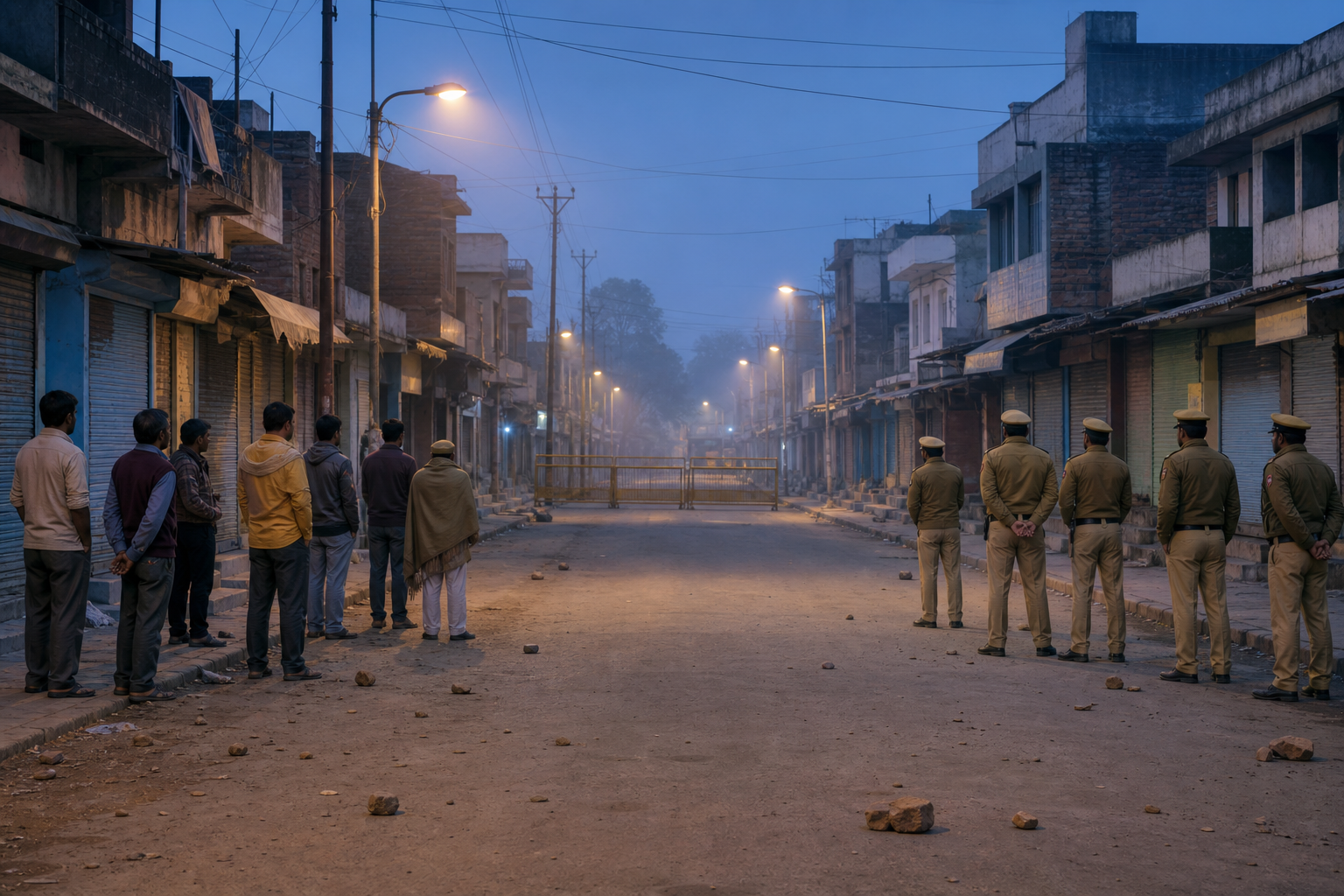
The lynching of Dipu Chandra Das has focused attention on Bangladesh’s ability to prosecute mob violence impartially and transparently. This analysis clarifies legal standards, highlights the absence of consolidated conviction data, and explains why identity-blind accountability is essential to public trust. It outlines concrete reforms—public case tracking, fast-track courts, and witness protection—to close the accountability…
-
Reclaiming Joy: A Dharmic Guide to Defining Personal Happiness with Mindful Freedom

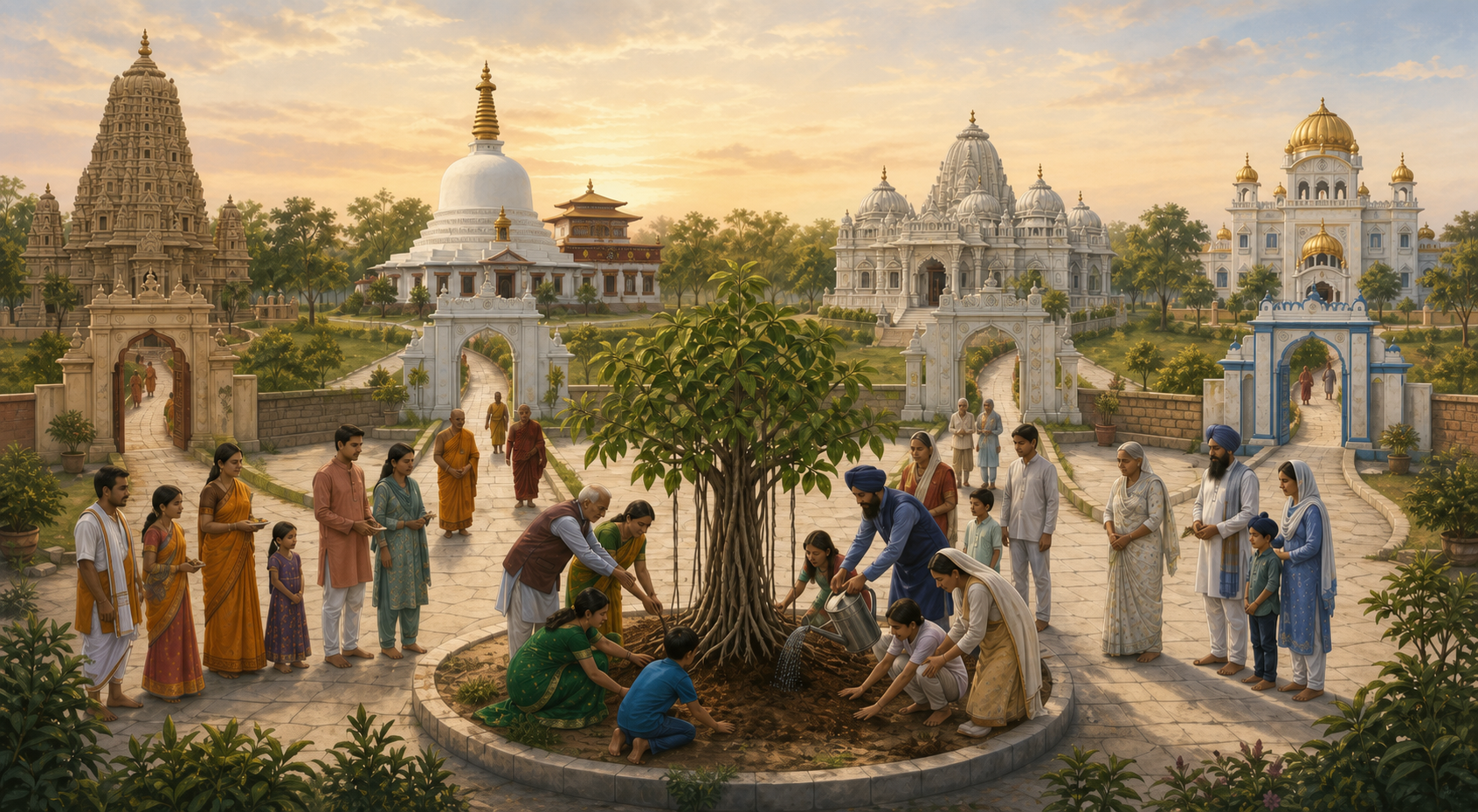
Happiness is not a one-size-fits-all formula; it flourishes when individuals claim the freedom to define joy from within. Drawing on dharmic traditions—Hinduism, Buddhism, Jainism, and Sikhism—this piece shows how Mindfulness, non-attachment, seva, and Karma Yoga cultivate Self-awareness and Inner peace. It explains why chasing approval leads to hollowness and how values-based alignment sustains meaningful contentment.…