
-
11 Root Causes of Dejection (Part 2): A Dharmic Framework for Resilience and Joy
This Part 2 deep-dive completes a unified, dharmic map of dejection by examining six Yoga Sutra obstaclesillness, stagnation, doubt, heedlessness, laziness, and over-attachmentthrough the shared wisdom of Hinduism, Buddhism, Jainism, and Sikhism. Readers learn how these factors interlock, why they amplify heaviness of heart, and how to respond with integrative practices grounded in the Bhagavad…
-
Revival at Govardhan Ecovillage: A Powerful Short Film on Sustainable Living and Bhakti
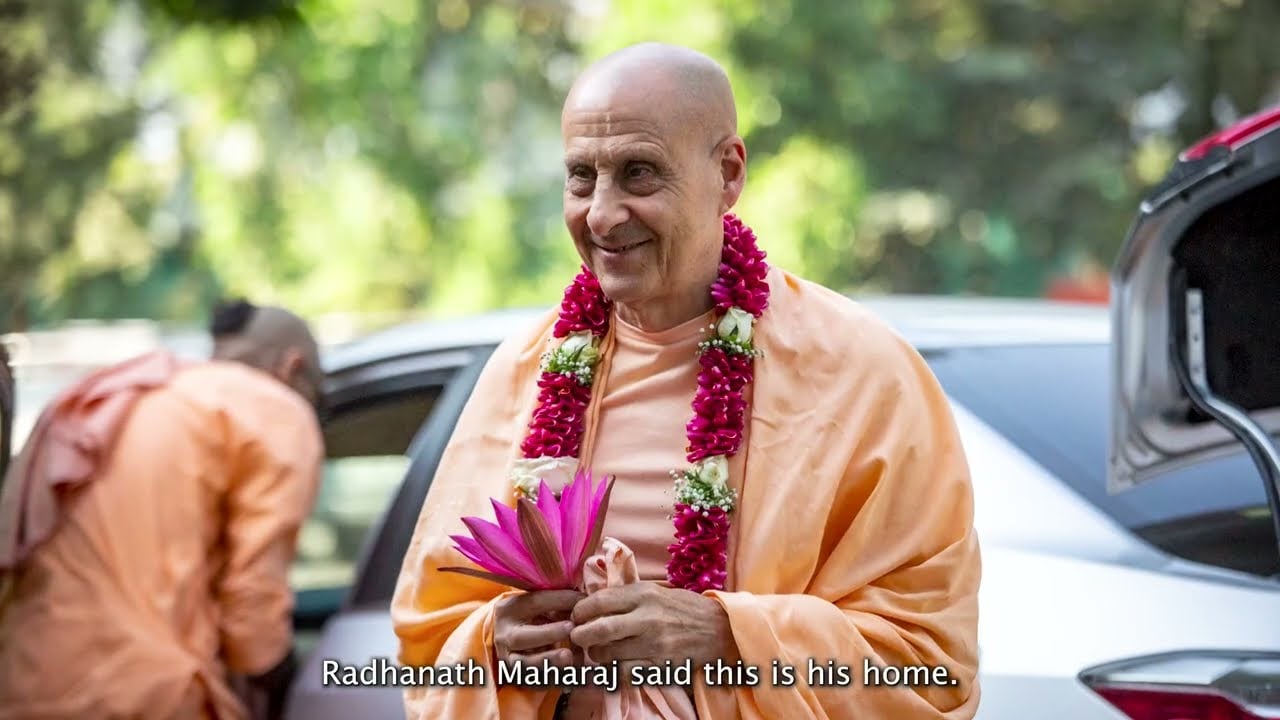
This short film review examines Revival – Govardhan Eco Village Short Film, which documents how Govardhan Ecovillage (Maharashtra) unites sustainable living with bhakti-driven spiritual practice. The narrative highlights vernacular architecture, rainwater harvesting, solar energy, biogas, circular waste systems, and organic agriculture as interlocking loops of a circular economy. It frames spiritual disciplines such as kirtan,…
-
Unlocking Laghava in Yoga: The Science of Lightness via Pranayama, Asana, and Ethics

Laghavalightness of body and mindis a reliable sign of yogic progress that arises from steady pranayama, intelligent asana, and ethical foundations. It correlates with smoother pranic flow, improved autonomic balance, and a practical reduction in perceived effort during movement and meditation. Practitioners often notice calmer alertness, better posture with less strain, and brighter digestion as…
-
Slow Growth That Sticks: Evidence-Based Habits and Dharmic Wisdom for Real Change

This article reframes personal growth as disciplined maintenance rather than dramatic reinvention. It follows a decade-long arc in which small, repeatable habits compound into durable change while anxiety gradually loses influence. Readers gain evidence-based methodshabit design, implementation intentions, boundary-setting, and emotion regulationintegrated with dharmic wisdom from Hinduism, Buddhism, Jainism, and Sikhism. The piece explains how…
-
When Life Finds Balance: The Dharmic Science of Harmony in Hinduism, Buddhism, Jainism, Sikhism

This in-depth exploration shows how balancedefined as dynamic homeostasis guided by dharmaproduces well-being, clarity, and social harmony across Hinduism, Buddhism, Jainism, and Sikhism. Drawing on puruṣārtha, guna theory, Panchakosha, the Bhagavad Gita, Patanjali’s Yoga, and Ayurveda, it explains why moderation is a rigorous discipline, not a compromise. Parallels with the Buddhist Middle Path, Jain Anekantavada,…
-
International Yoga Day 2026: Science-Backed Ways to Heal, Focus, and Unite Dharmic Traditions

International Yoga Day on 21 June 2026 marks a global invitation to well-being and unity, formally recognized by the United Nations in Resolution 69/131. The observance highlights science-backed benefits of yoga, including improved flexibility, posture, stress regulation, and heart rate variability, with promising evidence for chronic back pain, anxiety, and balance. An eight-limbed framework integrates…
-
Burning for Power or Truth? Asuric vs Human Tapas in Hindu Dharma, with Scriptural Insights

Tapas in Hindu Dharma is a double-edged heat: it can fuel domination or refine awareness. Drawing on the Bhagavad Gita, Yoga Sutra, Upanishads, and Purāṇic narratives, this analysis distinguishes asuric austerity (ambition, harm, display) from sattvic human tapas (truth, non-harm, integration). It maps these paths onto the guṇa framework, shows how intention and method determine…
-
Become the Witness: Rise Above Matter and Realize Consciousness with Timeless Dharmic Wisdom

This long-form, academically grounded essay explains why over-identification with matter creates volatility and how dharmic traditions teach a precise, trainable alternative: witness-consciousness (sakṣi-bhāva). Drawing from Sāṅkhya–Yoga, Advaita Vedānta, the Bhagavad Gītā, Buddhist mindfulness, Jain anekāntavāda, and Sikh practices such as Naam Simran, it shows the deep unity of Hinduism, Buddhism, Jainism, and Sikhism. Readers gain…
-
From Reactivity to Freedom: Dharmic Wisdom on Maya, Attention, and Inner Mastery

Modern life conditions people to react incessantly; dharmic traditions explain this reflex as a misperception of appearancesMaya in Hinduism, avidyā and dependent origination in Buddhism, mithyātva and kashāyas in Jainism, and the pull of Maya away from Naam in Sikhism. Rather than denying experience, these lineages teach methods to recalibrate perception and lengthen the gap…
-
Forge Unshakable Students: Aashishta, Balishta, Driddhishta as the Pillars of Mastery

This article distills a timeless triad for student developmentAashishta (complete faith), Balishta (integrated strength), and Driddhishta (stability)into a practical, research-aligned roadmap. It defines each quality, shows their interdependence, and aligns them with shared values across Hinduism, Buddhism, Jainism, and Sikhism to support unity in diversity. Readers will find implementable school practices: mentorship circles inspired by…
-
Unlocking Innate Bliss: A Cross-Dharmic Guide to the Self and the Veils of Matter

Human beings everywhere seek happiness because, as Vedanta-sutra affirmsanandamayo ‘bhyasatconsciousness is intrinsically blissful. This essay maps the beginning of spiritual knowledge across Hinduism, Buddhism, Jainism, and Sikhism, showing how each tradition diagnoses the veils of matter and mind and prescribes ethical and contemplative methods to remove them. Readers learn the shared language of gross and…
-
Overcoming Self‑Sabotage: How the Brain Mistakes Safety for Threatand What Actually Works

A subtle form of self-sabotage often emerges not as dramatic collapse but as micro-avoidances that appear rational in the moment. This long-form analysis explains why the brain can misread calm and success as threats, drawing on predictive processing, allostatic load, attachment patterns, and approach–avoidance conflict. It translates evidence-based methodsgraded exposure, implementation intentions, WOOP, and self-compassioninto…
-
Beyond Policing: Evidence-Backed Sankirtana and Dharmic Chanting for Crime Prevention

Laws deter but do not transform the inner impulses that fuel crime. Drawing on dharmic psychology and contemporary behavioral science, this article explains how Sankirtanacollective devotional chantingdirectly trains attention, calms arousal via vagal pathways, and strengthens social bonds that underpin community safety. Unified across Hindu, Buddhist, Jain, and Sikh traditions, chanting circles cultivate ahimsa, empathy,…
-
Escaping Samsara: Why Dharmic Traditions Urge Freedom from Rebirth and End Suffering

Life’s recurrent conflicts and losses point to a systemic feature of samsara rather than isolated misfortune. Dharmic traditionsHinduism, Buddhism, Jainism, and Sikhismconverge on a technical diagnosis: ignorance and craving generate karma that sustains rebirth, while disciplined ethics, meditation, wisdom, and service interrupt the cycle. This essay synthesizes Upanishadic, Yogic, Vedantic, Buddhist (paṭicca-samuppāda), Jain (samvara–nirjara and…
-
Prakamya Siddhi Explained: How Focused Intention Turns Inner Vision into Tangible Reality

Prakamya Siddhi in Hinduism is the disciplined capacity by which a clear, dharma-aligned inner intention becomes an outward result. Distinguished from mere desire or casual “manifestation,” it integrates ethical foundations, focused attention (samyama), embodied action, and surrender. Classical yoga, Vedanta, tantra, and bhakti converge to present prakamya as a lawful and ethical maturation of will,…
-
The Quiet Architecture of Grief: Evidence-Based Ways Small Rituals and Memories Sustain Love

Grief seldom ends; it changes form. Using a clear case of companion‑animal loss, this piece explains how routine, memory, and community support help sustain love after bereavement without minimizing sorrow. Readers will learn key frameworks from contemporary bereavement scienceContinuing Bonds Theory, the Dual Process Model, disenfranchised grief, and post‑traumatic growthand how these map onto everyday…
-
Alidhasana Unveiled: The Warrior Stance Powering Hindu Iconography and Yoga

Alidhasana (Alīḍha/Ālīḍha) is the subcontinent’s signature warrior stance, a diagonal lunge that encodes heroic intent in Hindu iconography, dance, and yoga. Grounded in the Nāṭyaśāstra and Śilpa-śāstra, it appears in temple sculpture for Durgā, Bhairava, and Vīrabhadra to signal protective, dharmic power. The same geometry informs Bharatanatyam karaṇas, kalaripayattu lunges, and modern haṭha alignments akin…
-
Spirituality of Nature: Dharmic wisdom and science for resilient, unshakable inner strength

This long‑form exploration presents a rigorous, Dharmic view of nature as a living revelation of consciousness, uniting Hinduism, Buddhism, Jainism, and Sikhism around interdependence, non‑harm, disciplined awareness, and service. It clarifies how Upanishadic, Buddhist, Jain, and Sikh insights translate into ecological ethics and everyday practices. Evidence from psychology and physiology shows why slow breathing, awe,…
-
Sharpening the Inner Compass: Trusting Intuition on the Dharmic Path with Clarity and Courage

Trustworthy intuition in Hinduism is not impulse but disciplined, dharma-aligned insight that integrates perception, reason, and sacred testimony. This article clarifies how the inner compass relates to Atman, the Upanishads, and the Bhagavad Gita, while showing convergences with prajñā in Buddhism, anekāntavāda in Jainism, and hukam in Sikhism. Readers learn practical tests for discernmentahiṃsā, satya,…
-
Spirituality of Nature: Sacred Dharmic Wisdom, Science-Backed Healing, Inner Resilience

This long-form guide presents an academic yet accessible exploration of the spirituality of nature across Hinduism, Buddhism, Jainism, and Sikhism. It grounds ecological reverence in the Upanishads and the Bhagavad Gita, links practices like mindfulness and pranayama to measurable health benefits, and shows how Ahimsa and Aparigraha become daily Environmental stewardship. Readers gain a stepwise…