
-
From Doubt to Serenity: Vedic Wisdom, Mantra Chanting, and the Assurance of Divine Order

A short visit became a deeper exploration as Vedic wisdom revealed a structured and meaningful view of reality. The ancient Vedas ground practices like chanting the Hare Krishna mantra and deity worship in a disciplined, philosophical context. Vedic cosmology’s cycles of creation and dissolution offer a reasoned framework that replaces anxiety with intellectual clarity. The…
-
Unveiling the Real Source of Energy: Matter, Consciousness, and the Dharmic View

This essay explores the real source of energy through a dharmic lens, clarifying why matter alone lacks creative power without the organizing presence of consciousness and prana. It synthesizes insights from Hinduism, Buddhism, Jainism, and Sikhism to show a shared recognition of an enlivening principle beyond mere material aggregation. Practical analogies—like electricity requiring both a…
-
Unlock House Strength in Vedic Astrology: Kendra, Tricona, Dhushta, Upachaya Explained

Vedic astrology evaluates House strength through four key groups—Kendra, Tricona, Dhushta, and Upachaya—each illuminating stability, purpose, challenge, and growth. Kendra Houses (1, 4, 7, 10) anchor life’s foundations, while Tricona Houses (1, 5, 9) highlight insight and good fortune. Dhushta Sthana (6, 8, 12) point to transformative challenges that cultivate resilience and compassion. Upachaya Houses…
-
Sage Kapila: Vishnu’s Fifth Avatar and the Transformative Power of Sāṁkhya Wisdom

Sage Kapila, revered as the fifth avatar of Vishnu, anchors Sāṁkhya’s profound vision of consciousness and nature. This account distinguishes purāṇic narrative from the classical philosophical school, clarifying Kapila’s teachings in the Bhāgavata Purāṇa and the later scholastic texts like the Sāṁkhya-kārikā. Readers gain a concise map of core concepts—Purusha, Prakriti, gunas, and the tattvas—alongside…
-
Mind, Intelligence, and Yoga in Srimad Bhagavatam: Aniruddha’s Grace and Dharmic Unity

This Srimad Bhagavatam (Canto 3, Chapter 26) exploration by HH Mukunda Goswami examines mind, intelligence, and yoga through Srila Prabhupada’s purports and the Gaudiya Vaishnava tradition. It clarifies the mind’s identification with Lord Aniruddha, the ruler of the senses, translating sensory mastery into sacred practice. The session presents a practical, integrated yoga—yama-niyama, pratyahara, dhyana, and…
-
Rta and the Rhythm of Nature: A Dharmic Blueprint to Avert Humanity’s Collapse

Humanity stands at a civilizational crossroads: either realign with nature’s rhythm or accelerate ecological collapse. Hindu thought expresses this alignment as Rta—the cosmic order that sustains balance—manifested practically as Dharma. A dharmic ethic reframes sustainability as disciplined reciprocity with nature, not a slogan. Unity among Hinduism, Buddhism, Jainism, and Sikhism offers a coherent ecological blueprint…
-
Hinduism’s Fearless Quest for Truth: Rational Inquiry, Pluralism, and Dharmic Unity

Hinduism champions a fearless quest for truth grounded in rational inquiry, from the Upanishads’ probing dialogues to the darshanas’ robust epistemology. Its knowledge systems assess claims through perception, inference, and reliable testimony, integrating rigorous method with experiential practice in yoga and meditation. The tradition’s shastrartha debates exemplify intellectual humility and accountability. In unity with Buddhism,…
-
Unveiling Prajapati in the Bhagavad Gita: Cosmic Creator and the Sacred Bond of Yajna

Prajapati, the “Lord of living beings,” anchors the Bhagavad Gita’s profound teaching on yajna—sacred reciprocity that sustains both cosmic order and human society. Etymologically and theologically rich, Prajapati points to a creation suffused with ethical responsibility and gratitude. The Gita reframes yajna beyond ritual as selfless action, aligning intention with the common good through Karma…
-
At Death the Mind Shapes Destiny: Insights from Srimad Bhagavatam 10.1.36–45
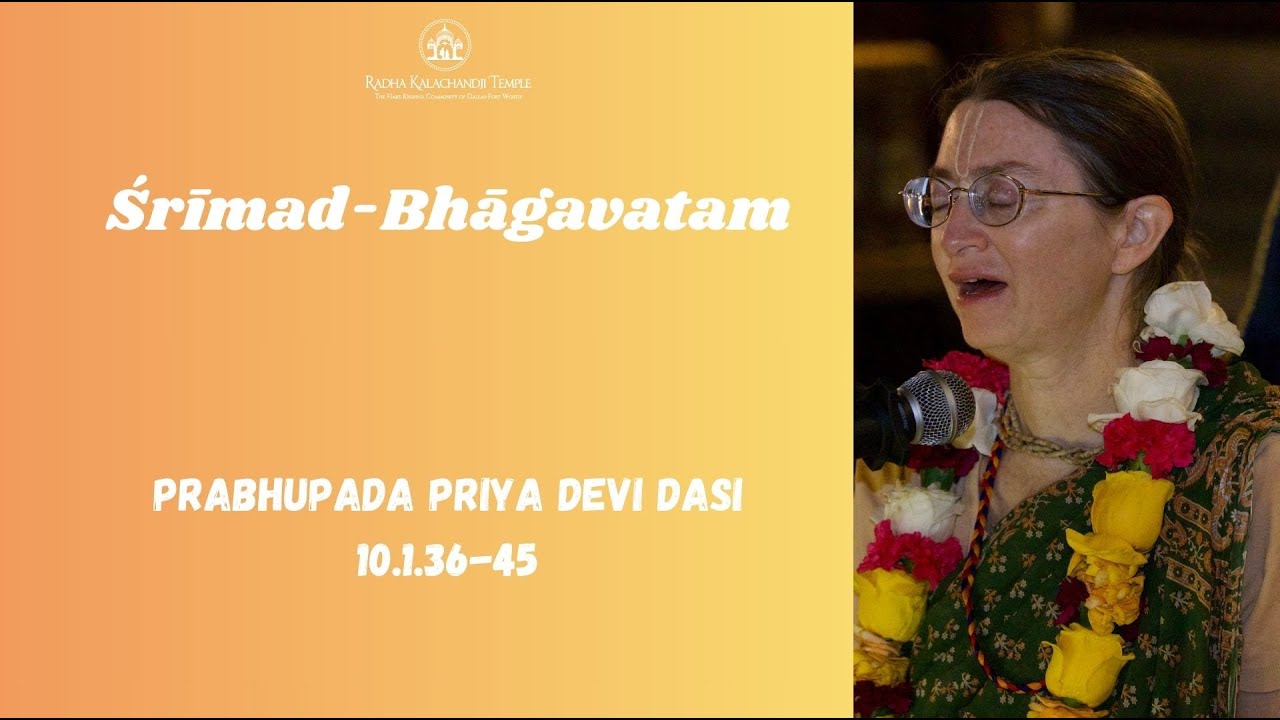
Srimad Bhagavatam 10.1.36–45 teaches that the mind’s thinking, feeling, and willing at death direct the next embodiment. The principle links karma with a moral psychology in which habits and intentions shape destiny. Readers gain a practical framework: daily remembrance, scriptural study, meditation, and service stabilize attention and prepare consciousness for a peaceful transition. The message…
-
Conquering Fear through Vedic Wisdom: SB 10.87.32 on Māyā, Time and Liberation

Srimad-Bhagavatam 10.87.32 presents a clear Vedic pathway from discerning Māyā to cultivating devotion and attaining fearlessness. It frames the wheel of time as a constant force, inviting a shift from anxiety to service-oriented steadiness. Read alongside the Upanishads, the verse underscores how insight (vidyā) and bhakti mutually reinforce liberation. Parallels across Buddhism, Jainism, and Sikhism…
-
Conquering Death through Devotion: SB 10.87.27, Vedic Wisdom, and Dharmic Unity

SB 10.87.27 teaches that devotion to the Supreme, the shelter of all beings, confers fearlessness and purifies the heart, while scholarship without humility can bind the mind. The passage underscores a Vedic philosophy emphasis on realized wisdom over mere textual mastery. Its insight aligns with the Bhakti Tradition and resonates with Upanishadic teachings and the…
-
Kalpataru’s Wish-Fulfilling Wisdom: Amalananda on Bhamati and Advaita Vedanta

Kalpataru, the 13th-century Advaita Vedanta commentary by Amalananda, illuminates Bhamati’s nuanced exposition of Śaṅkara’s Brahma-sutra-bhashya with remarkable clarity. It models meticulous Sanskrit scholarship—dialectic, hermeneutics, and precise definitions—while guiding readers from scriptural sentences to non-dual insight. Set within a living chain of commentaries that includes Vacaspati Mishra and Appaya Dikshita, Kalpataru shows how Indian philosophy evolves…
-
Transforming Global Environmental Management: Vedic Triguna Wisdom for Sattvic Stewardship
Global environmental decline is widely acknowledged, yet its root causes and solutions remain contested. A Vedic Triguna lens—sattva, rajas, and tamas—clarifies how mindsets shape ecological behavior, policy, and sustainability outcomes. A research initiative at the University of Tasmania applied this framework to examine the quality of consciousness among environmental scientists, bridging modern science with Vedic…
-
Vedic Knowledge Reimagined: Dharmic Epistemology for a Reliable Path to Truth

Veda, from the Sanskrit root ‘vid’—to know—presents a holistic vision of knowledge that is both empirical and spiritual. Dharmic traditions converge on three pramāṇas: perception, inference, and reliable testimony, each balancing the limits of the others. Classical critiques identify four defects in human cognition—limited senses, illusion, mistaken inference, and a cheating propensity—calling for humility and…
-
Supersoul and Free Will: How Krishna Guides Choices, Karma, and Spiritual Growth

Hindu philosophy holds that Krishna as the Supersoul (Paramatma) guides from within while fully honoring human free will. When intentions lean toward material aims, inner guidance equips practical intelligence for success, while karmic responsibility remains. When the focus turns spiritual, discernment and compassion deepen, aligning choices with dharma and lasting well-being. Practices across dharmic traditions—japa…
-
Kalachakra in Pancaratra: Decoding Vishnu’s Six-Spoked Wheel of Time and Cosmic Order

This article explores Kalachakra—the six-spoked wheel of time—in the Pancaratra teachings of Vaishnavism, showing how it frames time as a sacred, ordered reality upheld by Bhagavan Vishnu. It explains how the spokes are read through six seasons, six transformations, or six existential waves, each illuminating the rhythm of change and renewal. The piece outlines Pancaratra’s…
-
SB 10.87.03 Unveiled by HH Bhakti Anugraha Janardan Swami: Paramparā and Inner Freedom
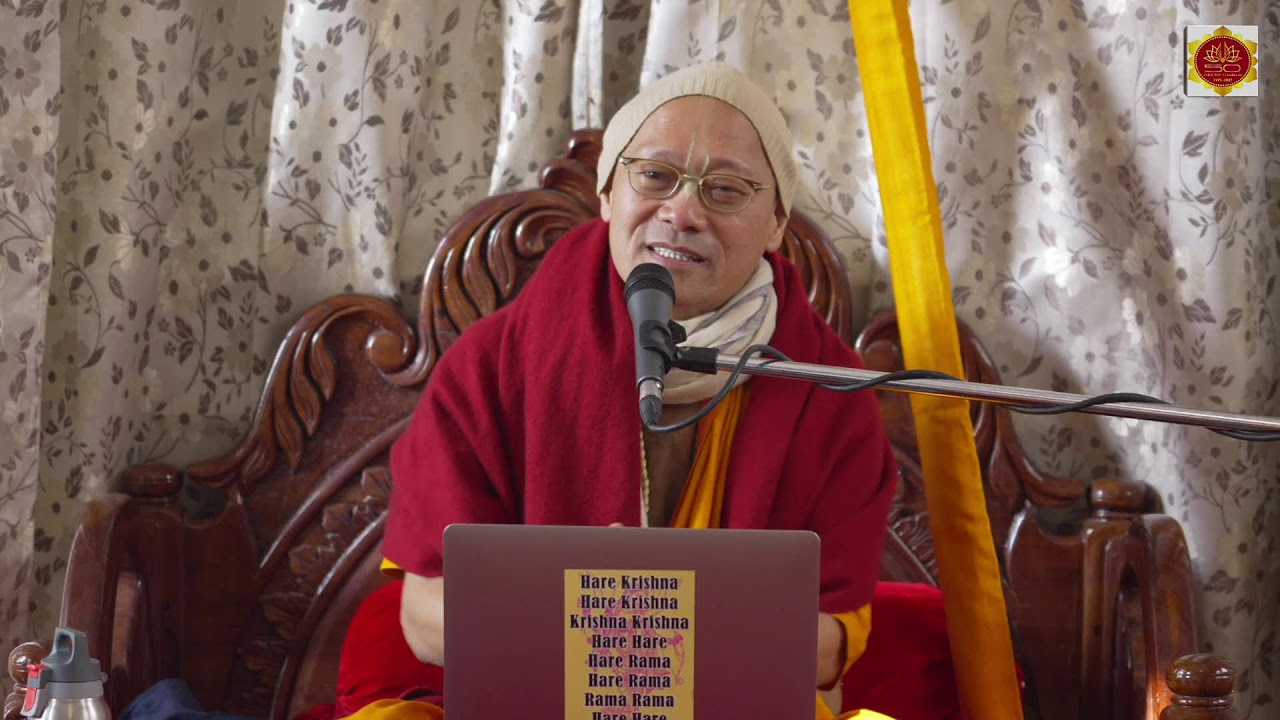
This reflection on Srimad-Bhagavatam 10.87.03, presented at ISKCON Vrindavan on 03.12.2025 by HH Bhakti Anugraha Janardan Swami, explains why knowledge of the Absolute Truth is trustworthy when received through authentic paramparā. It encourages disciplined reverence over fruitive ritualism and unanchored speculation, guiding practitioners to relinquish upādhis—false designations—and cultivate inner freedom. The analysis situates the teaching…
-
Mastering Purushaartha: A Transformative Guide to Dharma, Artha, Kaama & Moksha

Purushaartha offers a complete framework—Dharma, Artha, Kaama, and Moksha—for a life that is ethical, prosperous, joyful, and inwardly free. Rather than rejecting wealth or desire, it refines them through Dharma so they support higher clarity. Practical steps include right livelihood, generosity, mindful restraint, and steady yoga-meditation practice. The Bhagavad Gita and the Upanishads inform a…
-
Vrishabha Lagna (Taurus Ascendant): Grounded Traits for Timeless Calm and Daily Harmony

Vrishabha Lagna (Taurus Ascendant) is the second of the twelve Lagnas in Hindu Astrology and is traditionally linked with steadiness, aesthetic sensibility, and reliability. Classical sources describe medium stature, a plump build, a broad forehead, a stout neck, and bright eyes as common physical markers. Mentally, this Venus-ruled ascendant favors patience, pragmatism, and harmony, while…
-
Srimad Bhagavatam 3.21.32: Unveiling Divine Expansions and the Unity of Dharmic Paths

Srimad Bhagavatam 3.21.32 explains how the Supreme is one yet manifests as many through kalā, svāṁśa, and vibhinnāṁśa. The passage distinguishes viṣṇu-tattva forms like Vāmana, Govinda, and Nārāyaṇa (svāṁśa-kalā) from ordinary living beings (vibhinnāṁśa). This precise vocabulary aids careful study and deepens devotional focus. Readers find that these insights foster humility, compassion, and ethical service…