
-
Festivals Under Strain: Evidence-Based Ways to Defuse Communal Tensions Across Three States
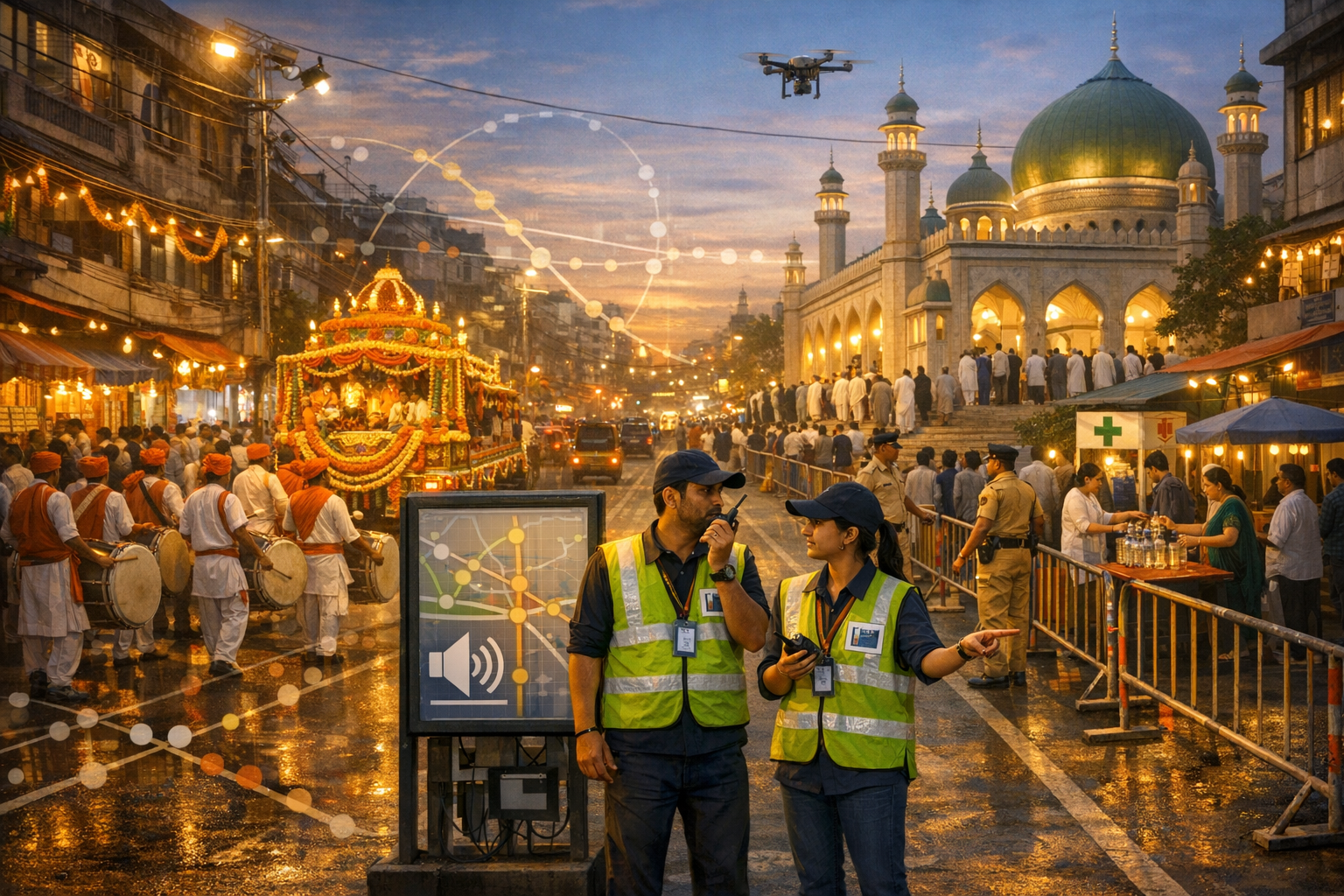
Reports from three Indian states indicate short-duration confrontations during overlapping Shivaji Jayanti and Ramzan observances, with police restoring order swiftly. This analysis explains how route alignment, soundscapes near prayer venues, and chokepoint congestion can become flashpoints without effective risk controls. It outlines event-safety principles, the role of the Incident Response System, and the importance of…
-
Reimagining ISKCON Governance: A Federated Affiliate Model Rooted in Unity-in-Diversity
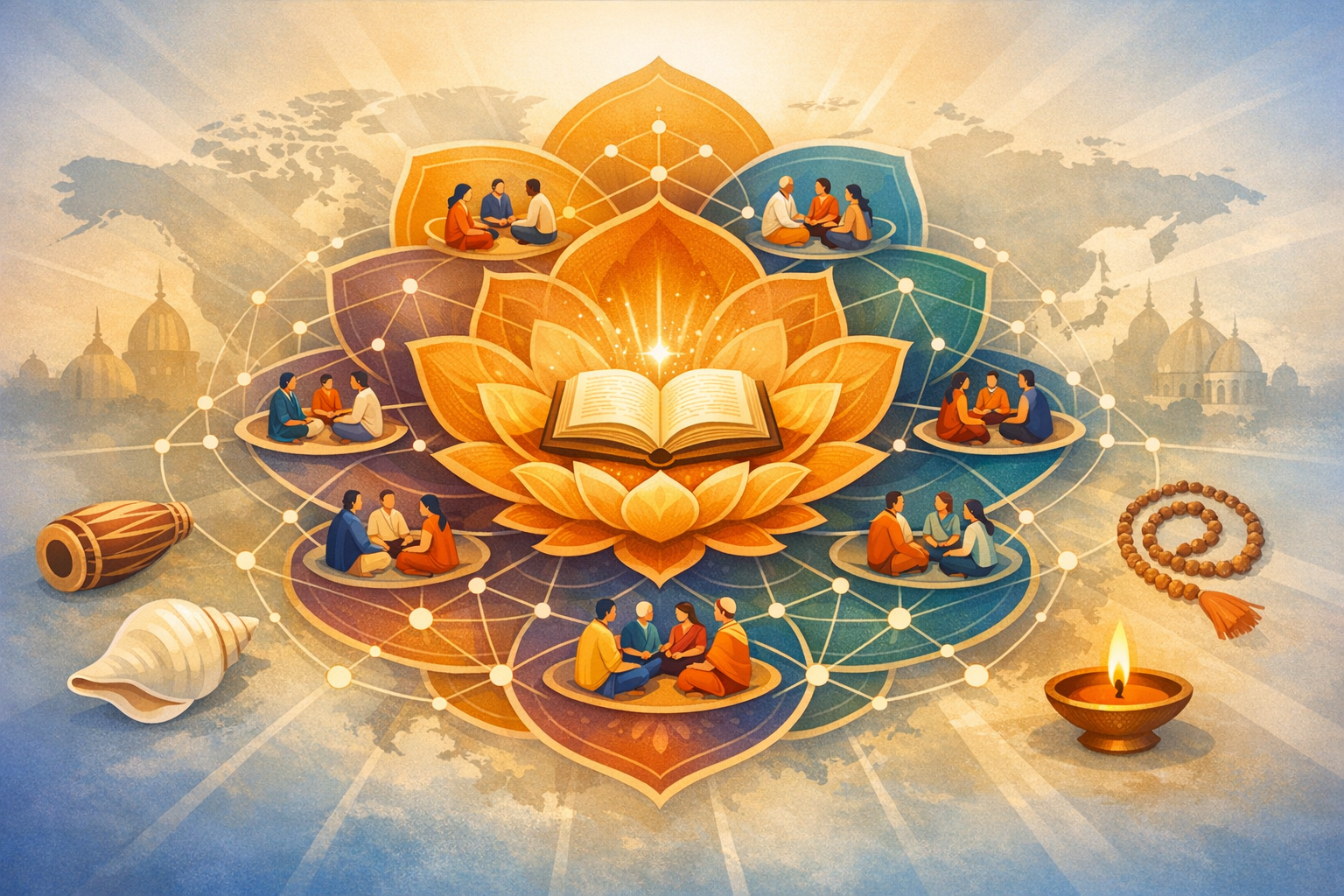
This analysis outlines a federal affiliate model for ISKCON that safeguards Gaudiya Vaishnava siddhanta while empowering regional adaptation in line with Srila Prabhupada’s principle of unity in diversity. It assigns the GBC custodianship over non-negotiablesdoctrine, sadhana standards, ethics, safeguarding, and brand integritywhile delegating cultural and operational adaptations to accredited regional councils. The framework emphasizes subsidiarity,…
-
Jalgaon Class 12 Attire Row: Protecting Dignity and Equal, Lawful Treatment for All Students
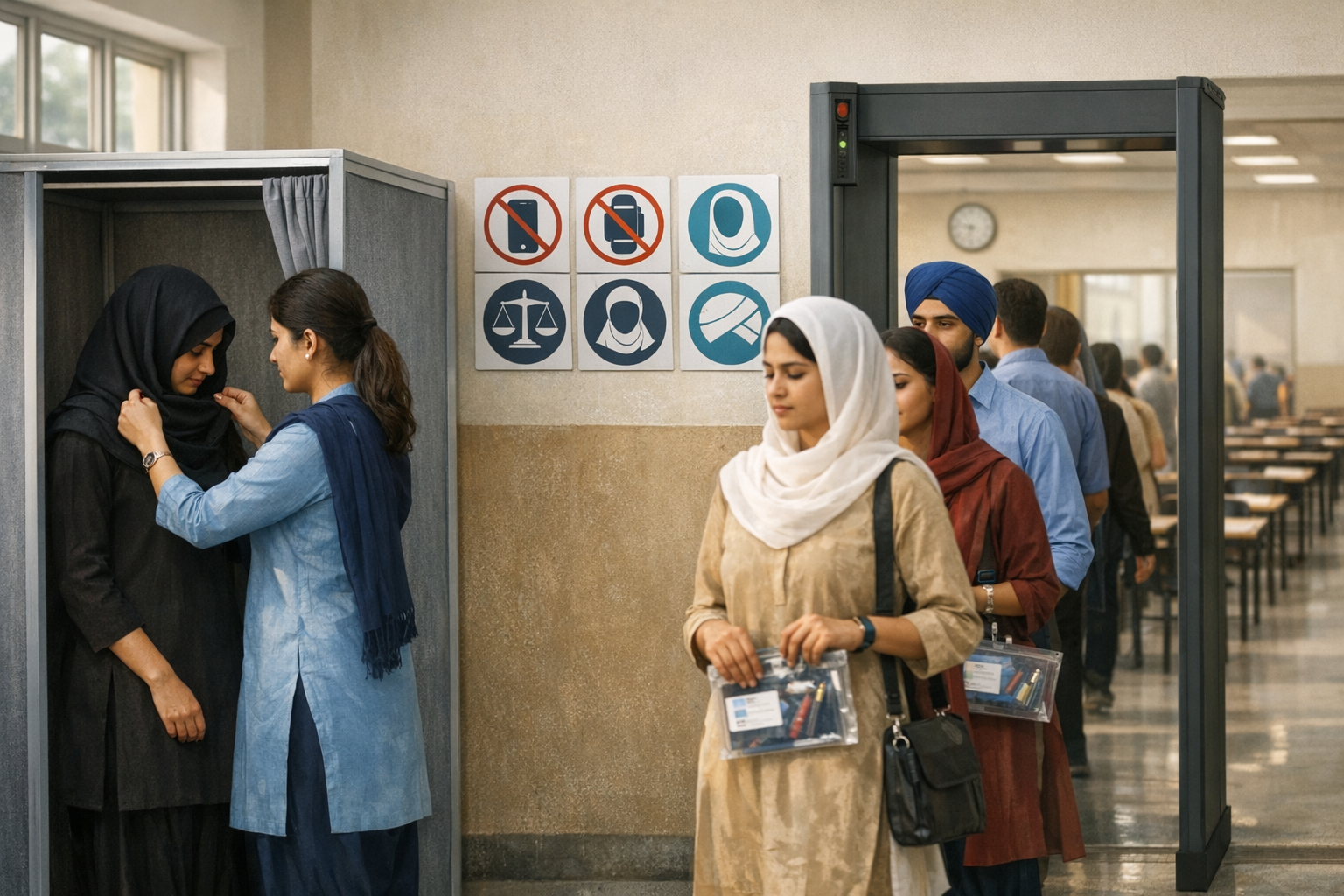
Reports from Jalgaon suggest that some Hindu candidates were asked to remove dupattas during Class 12 exams while students in burqas and hijabs were allowed to proceed, prompting a memorandum to the College Principal and District Collector. The issue highlights the need for a religion‑neutral, gender‑sensitive approach to exam hall dress codes that balances integrity…
-
Break Free from Fragmentation: Seeking the Whole in Vedanta and Dharmic Paths for Inner Peace

This article unpacks the insight that suffering arises from fragmentation and shows how Vedanta and the broader dharmic traditions offer a precise remedy by seeking the whole. It explains avidya through the Upanishads and the Bhagavad Gita, connects Yoga’s kleshas and eightfold discipline to integration, and brings in Buddhist, Jain, and Sikh perspectives that converge…
-
Taguig City’s Sri Sri Radha Madhava Mandir Opens: 24‑Hour Kirtan, Devotion, and Unity

From January 30 to February 1, 2026, Taguig City in Metro Manila marked the opening of the Sri Sri Radha Madhava Mandir with a 24-hour kirtan and a formal ribbon-cutting. The inauguration signaled the formal relocation of the Deities to a permanent spiritual home, strengthening Hindu cultural presence in the Philippines. In Vaishnava practice, such…
-
Amit Shah’s Reverent Visit to ISKCON Mayapur: Honoring TOVP, Heritage, and Dharmic Unity

Hon’ble Home Minister Shri Amit Shah’s visit to Śrīdhām MāyāpurISKCON’s global headquarters and home to the Temple of the Vedic Planetariumspotlights how sacred sites sustain India’s living cultural heritage. The piece explains Māyāpur’s historical significance in Gaudiya Vaishnavism, its connection to Nabadwip’s scholastic traditions, and ISKCON’s global contributions to seva, education, and cultural preservation. It…
-
Holashtak 2026: Sacred 8‑Day Pause Before HoliExact Dates, Ritual Guidance, and Regional Traditions

Holashtak 2026 spans February 24 to March 3, marking an eight-day North Indian observance from Falgun Shukla Ashtami to Purnima during which auspicious functions are deferred. This academically grounded guide explains dates, tithi logic, and regional variations, and clarifies how Holika Dahan follows Purnima (after Bhadra) with color play anticipated the next day. It outlines…
-
Puttur’s Hindu Rashtra-Jagruti Sabha Proceeds Peacefully, Reaffirming Unity and Rights

On 15 February in Puttur, the Hindu Rashtra-Jagruti Sabha organized by HJS proceeded as scheduled despite SDPI’s objection that the event was unconstitutional and divisive. HJS stated the programme complied with legal requirements and affirmed that similar meetings, including one in Bantwal, will continue. This analysis explains the constitutional frameworkArticle 19 freedoms and their reasonable…
-
Herath 2026: Kashmiri Pandits’ Shivaratri on TrayodashiDate, Ritual Science, and Living Heritage

HerathShivaratri as preserved by Kashmiri Panditswill be observed on 15 February 2026, in accordance with the rule that the tithi present at Nishita Kaal (midnight) governs the vrata. Unlike the pan-Indian practice on Chaturdashi, Herath follows Trayodashi when Chaturdashi does not prevail at Nishita, a principle attested in classical dharma digests. The article explains this…
-
Mahashivaratri Night Vigil Explained: Scriptural Roots, Profound Benefits, Practical Guide

Why remain awake on Mahashivaratri? The night-long jagaran is a carefully structured sadhanarooted in Purana and Agamacombining four prahar abhishekas, mantra japa, meditation, and upavasa to cultivate clarity and devotion. Scriptural narratives, including the Lubdhaka episode, affirm that vigilant remembrance invites Shiva’s anugraha. Practically, aligning with nishita kala and prahar timings preserves continuity with temple…
-
Timeless Dharmic Debate: From Vada to AnekantavadaA Fearless Path to Truth and Unity

Constructive, unbiased debate sits at the heart of Hindu philosophy as a disciplined path to knowledge and self-realization. Grounded in pramana theory and refined by Nyaya’s robust logic, classical shastrartha privileges clarity over conquest. The Upanishads, the Bhagavad-Gita’s samvada, and traditions across Buddhism, Jainism, and Sikhism model dialogue that is rigorous, ethical, and inclusive. Practices…
-
396th Birth Anniversary Tribute: Shivaji’s Compassion, Ecology, and Moral Courage for Dharmic Unity
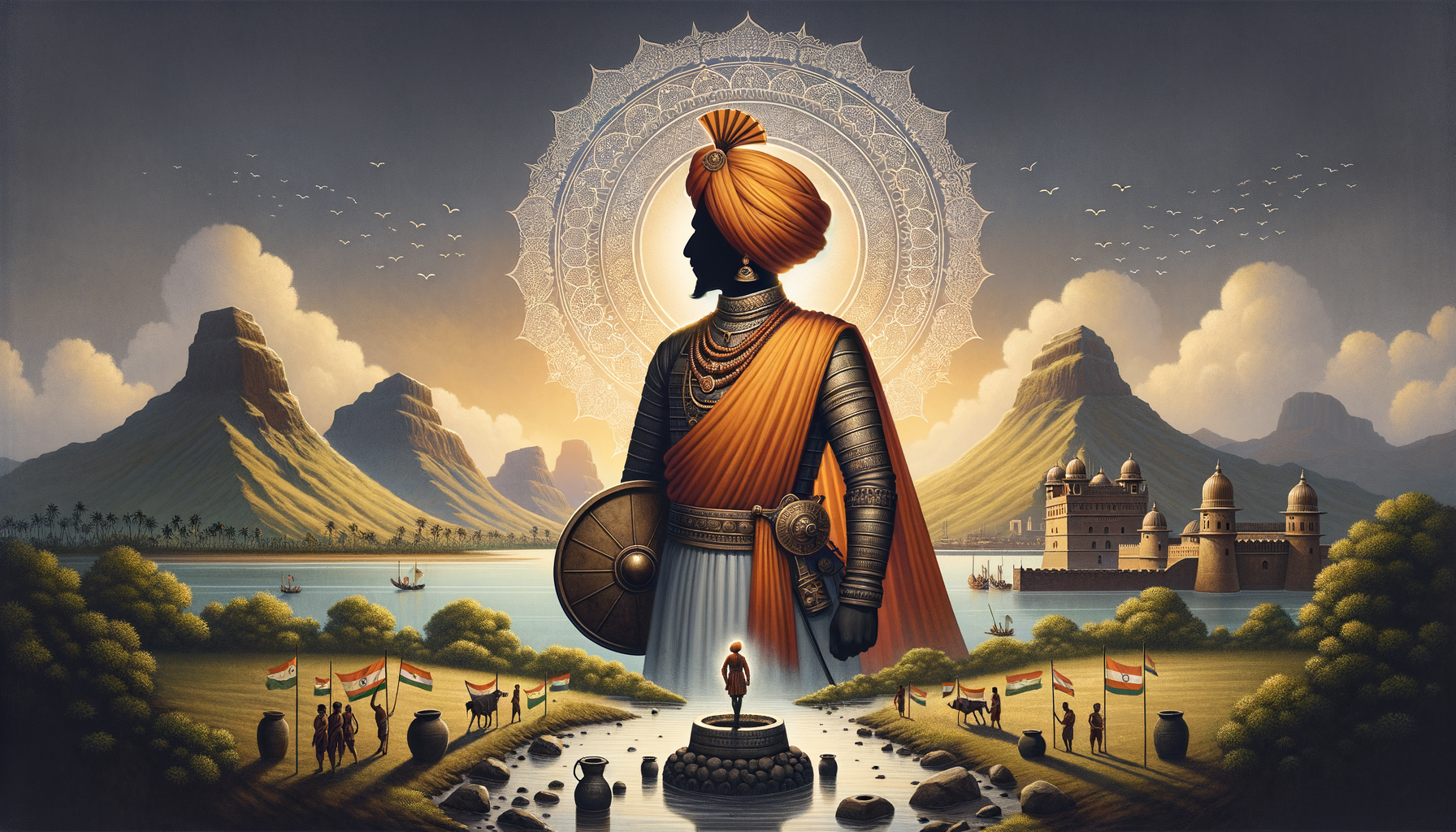
Commemorating the 396th birth anniversary of Chhatrapati Shivaji, this essay examines compassion, ecology, and moral courage as a coherent dharmic framework for governance and social harmony. It shows how ethical restraint toward non-combatants, plural endowments to sacred institutions, and climate-resilient fort design together model a humane and sustainable public ethic. Cross-dharmic resonances in ahimsa, karuṇā,…
-
From Many Forms to One Reality: Unifying Dharmic Paths to Universal Divinity

This reflection reframes “from many gods to one” as a unifying dharmic philosophy rather than a call for uniformity. It explains how Hindu Ishta, Buddhist Dharmakaya, Jain Anekantavada, and Sikh Ik Onkar converge on one universal reality through diverse practices. Readers gain a clear, academic framework for understanding religious pluralism and unity in spiritual diversity.…
-
Timeless Deity Worship in the Vedic Tradition: Yuga‑Wise Paths and Dharmic Unity

This article clarifies a common misconception: Deity worship (murti-puja) in the Vedic Tradition is not a recent innovation but part of an ancient, continuous heritage. It explains how each yuga recommends distinctive practicesmeditation in Satya-yuga, yajna in Treta-yuga, Deity worship in Dvapara-yugawhile showing that these disciplines persist across ages. For Kali-yuga, it highlights why mantra…
-
Delhi ‘Ghar Wapsi Sammelan’ Backs Inclusive Resolution to Intensify Dharmic Reconnection
A ‘Ghar Wapsi Sammelan’ in New Delhi adopted a resolution to intensify the ‘ghar wapsi’ campaign across Bharat. Representatives from more than 25 organisations attended, signaling broad civic involvement. The resolution centers voluntary, lawful, and dignified reconnection with ancestral dharmic identities, emphasizing unity among Hinduism, Buddhism, Jainism, and Sikhism. Deliberations prioritized inclusive outreach, heritage education,…
-
Flower Festival Discourse at ISKCON Chowpatty: HH Radhanath Swami on Ramayana, Gita, and Inner Joy

Delivered during the Flower Festival at ISKCON Chowpatty, HH Radhanath Swami’s discourse presented an academically clear and emotionally resonant reading of the Ramayana and Bhagavad-gita. It underscored that the Supreme Truthknown as Krishna and by other sacred namesguides humanity through timeless teachings across ages. Listeners were reminded that authentic happiness begins with self-understanding beyond the…
-
GBC AGM 2026 Day 6: Inspiring Awards, Stronger Child Protection, Smarter Proposals

Day Six of the GBC AGM 2026 delivered focused progress on responsible governance and care. Inspiring awards honored sustained seva that strengthens community cohesion and unity in diversity. Child protection initiatives advanced with improved training, clear reporting, and survivor-centered support grounded in ahimsa and karuna. A rigorous proposals review prioritized feasibility, accountability, and measurable community…
-
Delhi Conference Rallies 25+ Groups for Dharmic Unity and Voluntary ‘Ghar Wapsi’ Outreach
A New Delhi resolution on February 10, 2026 convened over twenty-five organizations to coordinate a voluntary ‘Ghar Wapsi’ outreach framed as a dharmic unity and cultural renewal effort. The initiative emphasizes informed choice, constitutional religious freedom, and respect for pluralism across Hinduism, Buddhism, Jainism, and Sikhism. Leaders including Upananda Brahmachari, Dr Charudatta Pingale, Rahul Dewan,…
-
Awaken Dharma Shakti for National Renewal: Ramesh Shinde urges an inclusive Ramrajya
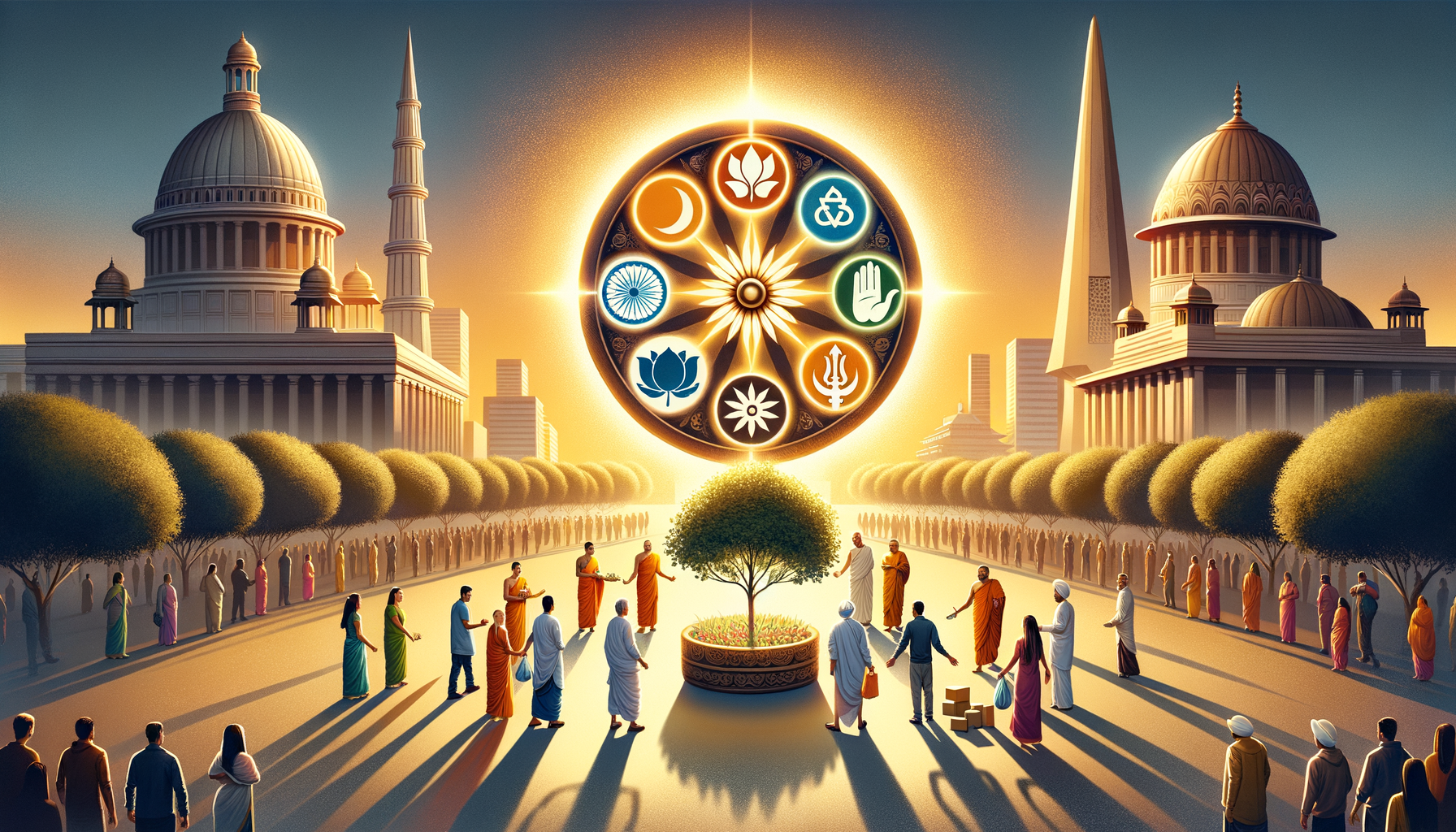
A guidance session in Saharanpur by Ramesh Shinde (HJS) spotlighted the need to awaken Dharma Shakti as a unifying force for national harmony. The address framed ‘Ramrajya’ as ethical, inclusive governance rooted in justice, compassion, and the rule of law. Emphasizing unity in diversity, it highlighted the shared dharmic values of Hinduism, Buddhism, Jainism, and…
-
Judge by Their Ideals: Swami Vivekananda’s Transformative Call to Empathy and Dharmic Unity
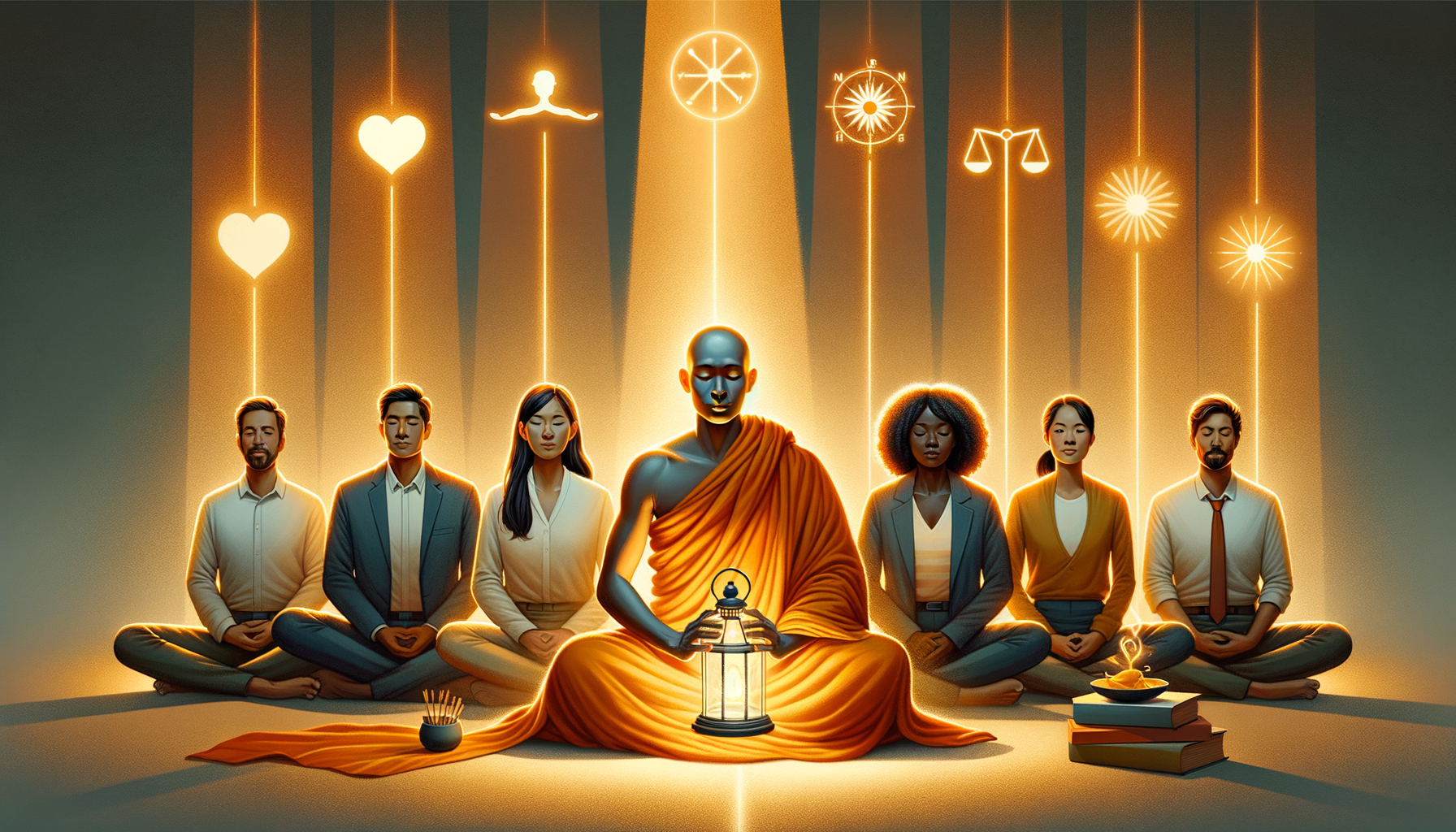
Swami Vivekananda’s teaching urges a shift from judging others by personal standards to understanding them by their own ideals, fostering empathy and fairness. Rooted in dharmic pluralism, this principle resonates with Ishta in Hinduism, compassion in Buddhism, Anekantavada in Jainism, and seva in Sikhism. Applied to work, family, and public discourse, it reduces polarization and…