
-
Chardi Kala and Bhana: Sikh Ideals for Unshakable Joy, Resilience, and Surrender to Hukam

“Chardi Kala and Bhana” distills a Sikh way of life into two powerful ideals: resilient optimism and loving acceptance of hukam. Chardi Kala sustains an ever-rising spirit through simran, seva, and sangat, transforming adversity into purposeful compassion. Bhana aligns the heart with Divine Will, encouraging ethical action without attachment to outcomes. Together, they balance courage…
-
Planting Hope Together: Bhaktivedanta Manor Joins Tu BiShvat to Strengthen Interfaith Unity
A local Tu BiShvat tree-planting ceremony brought civic leaders, faith representatives, and community members together in a shared act of environmental stewardship. Bhaktivedanta Manor’s participation, represented by Dr Diviash Thakrar and Nilesh, highlighted constructive interfaith dialogue grounded in service, responsibility, and respect. The event’s inclusive format advanced unity in diversity while honoring cultural heritage and…
-
Resounding Call for Dharmic Unity: VHP’s Hindu Sangam in Karnataka Spurs Weekly Satsang

VHP’s ‘Hindu Sangam’ events across Karnataka issued a strong, practical call for weekly community gatherings to strengthen unity and social resilience. Guided by HJS State Coordinator Shri. Guruprasad Gowda, the emphasis on Dharmacharan framed Dharma as lived practice in daily ethics, seva, and intergenerational learning. Attendees observed that regular satsangs and study circles improve community…
-
Shantadurga of Kelshi: Sacred Konkan Legacy from Parashurama to Gaur Saraswat Devotion
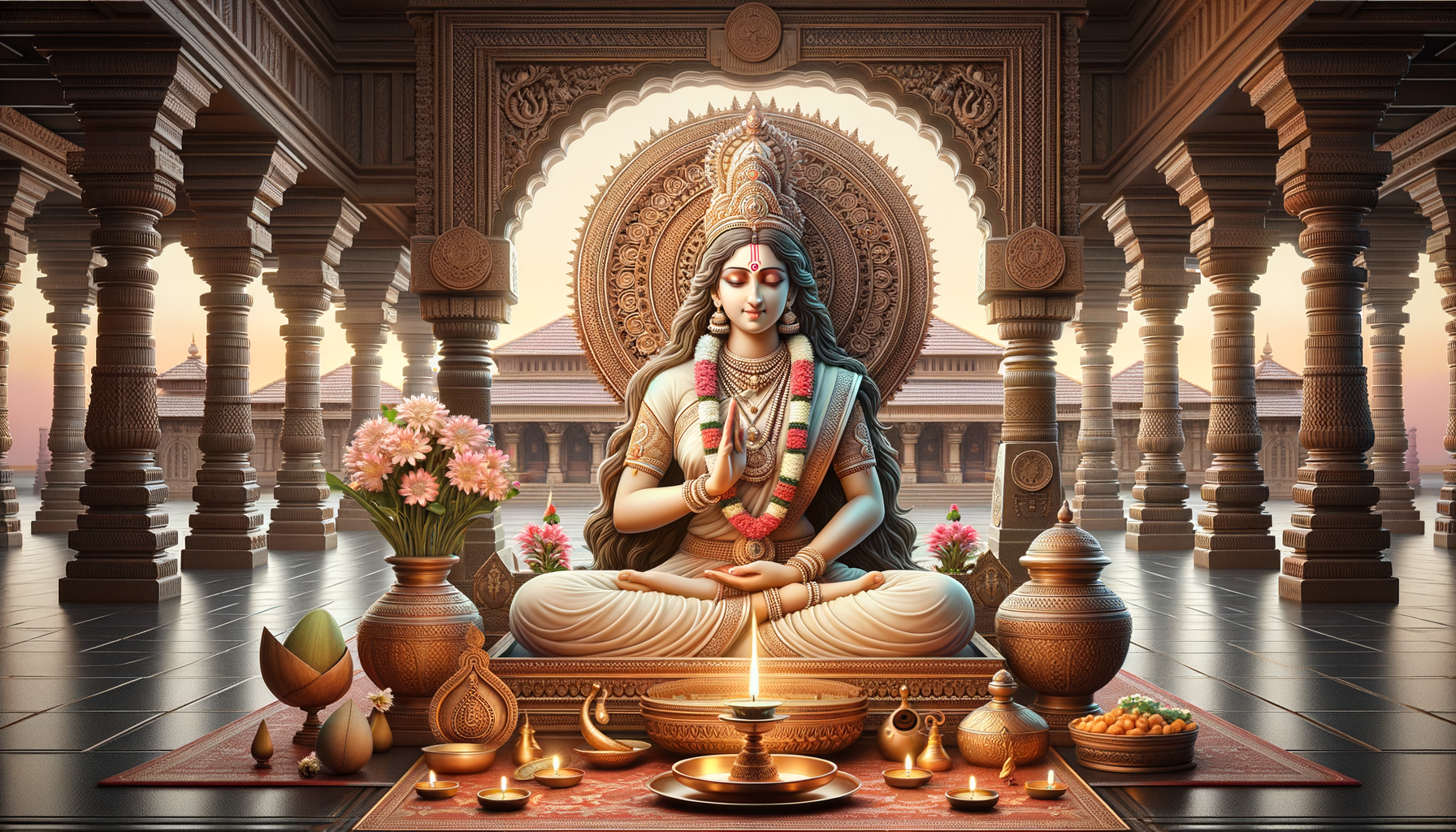
Shantadurga of Kelshi illuminates the sacred geography of Parashurama’s Konkan, where the Sahyadri meets the sea and Devi’s peaceful power endures. This account situates Kelshi within Purāṇic tradition, highlighting Shantadurga’s role as a reconciler and guardian. It explores how Gaur Saraswat Brahmin families sustain devotion across generations, transforming the temple into a living archive of…
-
GBC AGM 2026 Day 4: Organizational Reforms, ISKCON Constitution Milestones, and TOVP Honors

Day Four of the GBC AGM 2026 showcased concrete progress in governance, education, and service. The Organization Development Committee presented reforms to strengthen roles, training, and accountability across regions. Updates on the ISKCON Constitution clarified implementation paths and affirmed a new Constitution Dissemination Committee focused on multilingual, inclusive education. Attendees emphasized that transparency and gratitude…
-
Vishnupathi Punyakalam on 13 February 2026: Auspicious Timings, Meaning, and Devotional Guidance
Vishnupathi Punyakalam occurs on 13 February 2026, with the auspicious muhurta from 01:30 to 10:30 IST. Rooted in the Sun’s transit and aligned with Kumbha Sankranti, this sacred window is ideal for Lord Vishnu worship, mantra-japa, and charitable acts. Families can observe at home or in temples through simple practices like Vishnu Sahasranama recitation, tulasi…
-
After Day-Long Protest, JnU Hindu Students Symbolically Begin Central Temple, Urge Campus Harmony
Hindu students at Jagannath University in Dhaka staged a day-long, peaceful protest to highlight the need for a designated Central Temple on campus. Their symbolic “inauguration” sought to draw attention to administrative inaction while affirming religious freedom and cultural identity. Participants emphasized non-violence, unity in diversity, and interfaith respect aligned with campus harmony. The episode…
-
Dakshineshwari Stuthi: Timeless Praise of Shakti, Consort of Lord Dakshinamurthy

Dakshineshwari Stuthi honors Ma Dakshineshwari Mata as Shakti and as the consort of Lord Dakshinamurthy, the Guru form of Shiva. The hymn reveres her as the foremost Sanyasini, aligning renunciation, wisdom, and compassion in a single spiritual ideal. Devotees approach the stuthi with mindful breath, clear intent, and measured recitationoften during auspicious observances like Navaratri,…
-
Kaliyuga Ramayana: Timeless Dharma, Courage, and Compassion for Today’s World

Kaliyuga Ramayana offers a contemporary, ethical reading of the Ramayanaset in the Treta Yugaapplied to modern challenges. It distills lessons from Lord Rama, Mata Sita, Lakshmana, Bharata, and Shatrughna into practical guidance for leadership, family duty, and social harmony. The text’s symbolsRavana as ego, the vanara sena as collective service, and the bridge to Lanka…
-
Find Lasting Peace: The Transformative Hindu Teaching of Not Looking at Others’ Faults

A time-tested teaching in Hindu philosophy states, “If you want peace, do not look into anybody’s faults.” Grounded in the Bhagavad Gita, the Upanishads, and Yoga, this practice transforms attention from judgment to self-reflection, acceptance, and mindful speech. Dharmic perspectivesAnekantavada in Jainism, mindfulness and Right Speech in Buddhism, and humility with seva in Sikhismconverge to…
-
GBC AGM 2026 Day 2: Chairman’s Address, Global Gratitude, and Strategic Succession Updates

Day Two of the GBC AGM 2026 featured the Chairman’s Annual Address by Govardhan Prabhu, setting a thoughtful, strategic tone for the year ahead. The review of 2025 highlighted steady governance, resilient communities, and the value of coordinated global support. Expressions of gratitude to ISKCON leaders and devotees worldwide underscored unity in diversity and a…
-
Chhatrapati Shivaji Maharaj Jayanti 2026: Tithi, Legacy, and How to Celebrate
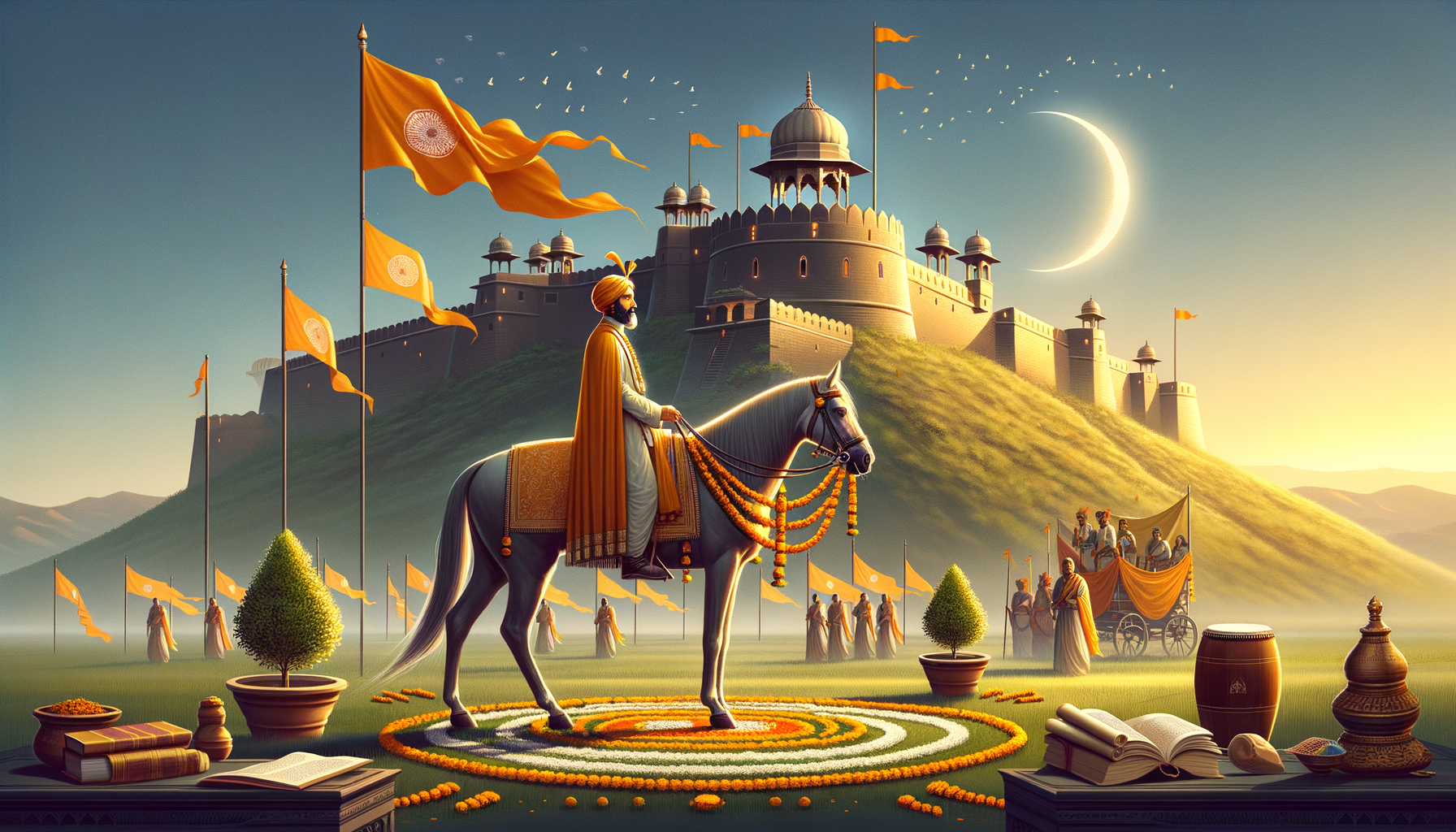
Chhatrapati Shivaji Maharaj Jayanti 2026 commemorates the birth of a visionary leader whose legacy blends historical insight with contemporary relevance. Tithi anusar, the Jayanti aligns with Phalgun Krishna Paksha Tritiya, while many communities also observe 19 February 2026 as the civic date. Readers will find clarity on date and tithi, guidance to consult local Panchang…
-
Mamankam Reborn on Kerala’s Nila: A Dharmic Kumbh Uniting Faith, Peace, and Prosperity

Mamankam’s revival on the Bharathapuzha (Nila) functions as Kerala’s own Kumbh-like gathering, renewing a historic festival through inclusive, dharmic values. The event reframes heritage as a living practiceprioritizing peace, prosperity, and unity across Hinduism, Buddhism, Jainism, and Sikhism. Readers gain clear historical context, a sense of the festival’s rituals and symbolism, and insight into how…
-
Bhai Vir Singh: The Sixth River of Punjab and a Bridge Uniting India’s Dharmic Traditions

Bhai Vir Singh stands as the “sixth river” of Punjaba poet and thinker whose work renews Punjabi literature and deepens ethical life. His celebrated writings, including Rana Surat Singh, Sundari, and Satwant Kaur, weave devotion with courage and civic responsibility. Grounded in Sikh spirituality, his vision resonates with shared dharmic values across Hinduism, Buddhism, and…
-
Jalgaon’s Historic Sabha Sparks Dharmic Unity: Thousands Pledge Harmony, Heritage, and Seva

Jalgaon hosted a historic Hindu Rashtra-Jagriti Sabha where thousands gathered to celebrate Hindu unity and reaffirm a shared dharmic ethos. The event emphasized an inclusive vision of “Rashtra” as a moral community grounded in dharma rather than a narrow political claim. Attendees highlighted Ahimsa, Anekantavada, and seva as practical pathways to strengthen social cohesion. The…
-
Global Signature Drive for Kashmiri Hindus: Justice, Homeland Restoration, Time‑Bound Action

A global mass signature appeal led by Youth for Panun Kashmir calls for parliamentary recognition of the Kashmiri Hindu genocide, the establishment of Panun Kashmir as a secure homeland, comprehensive rehabilitation with dignity, and a time-bound implementation commitment from the Government of India. The initiative situates justice within India’s constitutional framework and emphasizes civilisational justice…
-
Prana Prathistha Unveiled: Sacred Energy, Living Idols, and Dharmic Unity in Temples
Prana Prathistha is the consecration rite through which prana (vital energy) is ritually invited into a murti, transforming an image into a living focus of worship. The aagama literature and Vedic procedures detail purification, mantra nyasa, homa, and kumbhabhisheka, explaining why the sanctum’s deity becomes the heart of temple worship. Many visitors describe a distinct…
-
Shakti-Putra Shivaji: Strategic Genius, Dharmic Virtue, and a Timeless Blueprint for Just Power
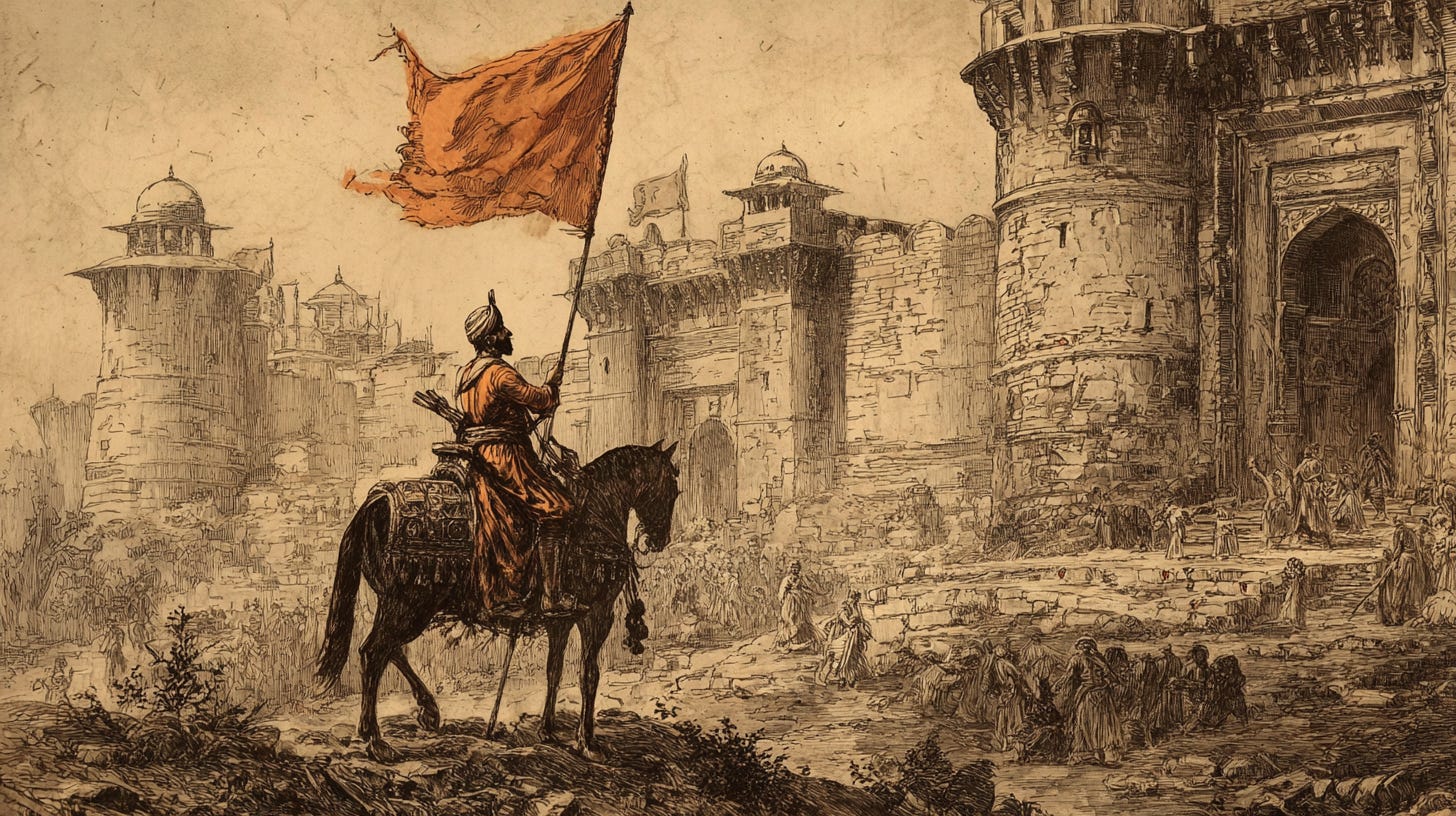
Chhatrapati Shivaji’s legacy emerges as a rare fusion of strategic brilliance and dharmic virtue. Positioned alongside Chandragupta Maurya and Skandagupta, he exemplifies the Shakti-putra idealuniting shakti (force) and yukti (strategy) to redirect history. His conduct in victoryprotecting civilians, honoring women, and respecting places of worshipshows a plural, ethical framework consonant with Sanatana Dharma and shared…
-
From Doubt to Clarity in Krishna Consciousness: Navigating Vedic Proofs with Confidence

Seeking certainty in matters of truth is natural, especially within Krishna Consciousness. Vedic philosophy organizes valid knowing into three pramanaspratyaksa, anumana, and sabdaso doubt can mature into clarity. The Brahma-Madhva-Gaudiya Sampradaya emphasizes sabda, operationalized through guru, sastra, sadhu, while still valuing perception and reason. This balanced approach aligns with broader dharmic traditions: Buddhism’s experiential insight,…
-
Hindu Wisdom on Human Nature: Why Grand Reforms Fail Without Inner Transformation

Hindu thought explains why many global reforms falter: they overlook the depth of human conditioning shaped by avidya, samskara, and the three gunas. Sustainable change emerges when inner transformation precedes institutional redesign, aligning personal ethics with public policy. A dharmic, three-layer approachself, community, and systemsintegrates nishkama karma, seva, and accountability to support lokasangraha. This perspective…