
-
Why God Means Many Things: Hinduism’s Profound Inclusivity and Dharmic Unity, Explained
Hinduism presents a spacious, many-sided understanding of the Divine, where God may be personal and impersonal, with form and beyond form. Anchored in the Upanishads and the Bhagavad Gita, it honors multiple authentic paths through the concept of Ishta in Hinduism. Philosophical streamsAdvaita, Viśiṣṭādvaita, and Dvaitamap different facets of one spiritual landscape without contradiction. This…
-
Panchmukhi Hanuman Unveiled: Powerful Symbolism of Five Divine Directions and Protection
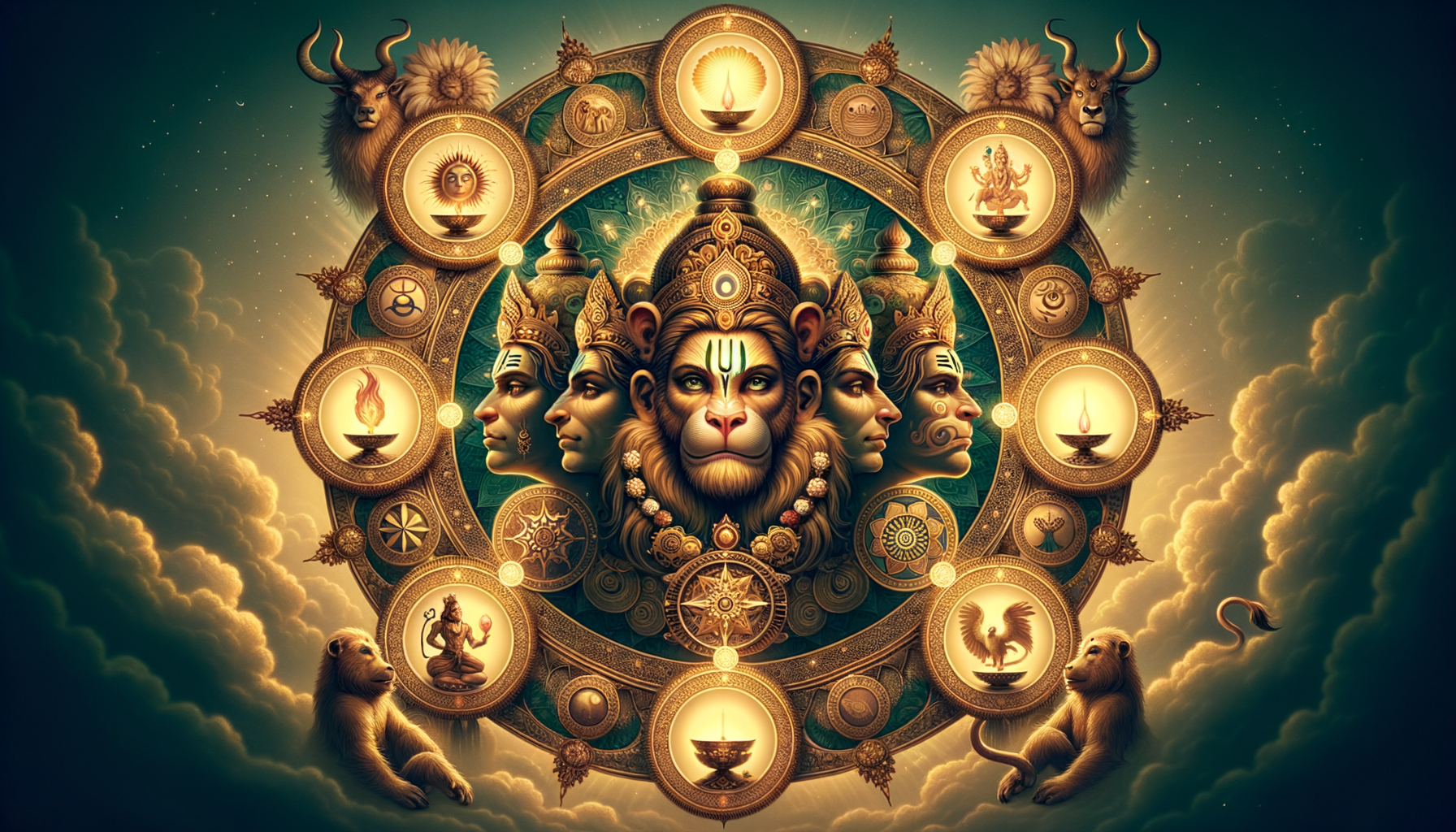
Panchmukhi Hanuman, the five-faced form of Hanuman, symbolizes protection and guidance across the five directions while uniting devotion, courage, vigilance, stability, and knowledge. Each faceHanuman, Narasimha, Garuda, Varaha, and Hayagrivaembodies a distinct spiritual energy that supports daily practice and contemplative focus. The form resonates with core Indic ideas such as the five elements, five vital…
-
Threads of Oneness: How Hinduism Inspires Unity in Diversity Across Dharmic Traditions

Hinduism’s core insight is that life is fundamentally interconnected, and this truth is expressed through diverse forms of worship, philosophy, and community ritual. By honoring Ishta and multiple yogic paths, it sustains unity in diversity without demanding uniformity. Ethical commitments such as ahimsa and seva translate this vision into daily conduct and social responsibility. Related…
-
Shivpratap Din, Kolhapur: Powerful Training Shibir to Empower and Safeguard 1,000+ Women

Kolhapur will host a grand Shaurya Jagruti Prashikshan Shibir on 7 December, bringing together more than a thousand women for empowerment and safety. The event aligns with Shivpratap Din, echoing the legacy of Chhatrapati Shivaji and the values of preparedness, dignity, and community protection. Such shibirs typically combine awareness on personal safety and legal literacy…
-
Khanuja Sikh Art Gallery: Timeless Sikh Heritage and a Bridge Across Dharmic Traditions
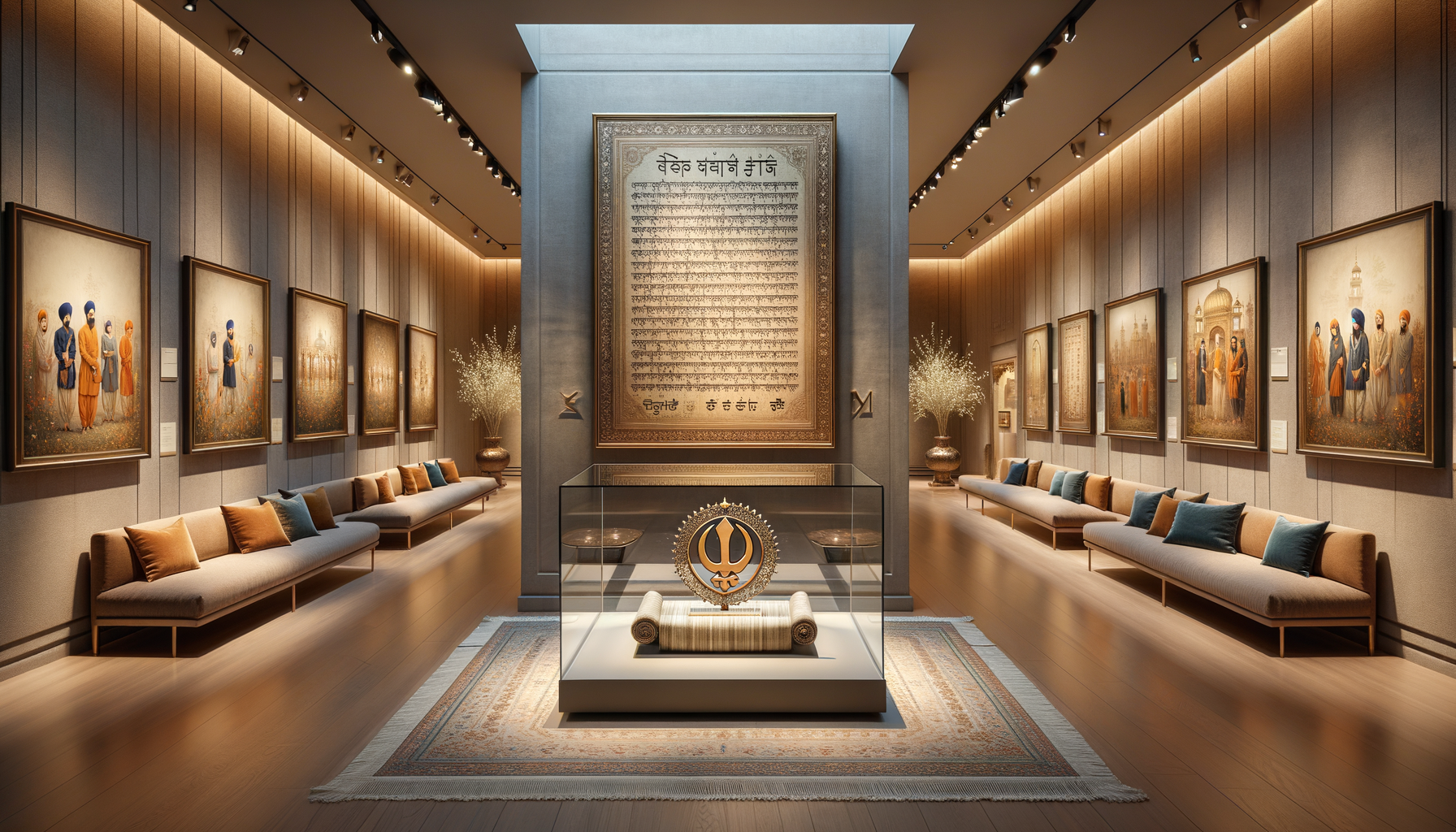
Khanuja Sikh Art Gallery offers a rigorous yet welcoming introduction to Sikh heritage through carefully curated artworks and contextual interpretation. Led by Dr. Parvinderjit Singh Khanuja, the gallery situates Sikh aesthetics within the broader dharmic traditions, highlighting shared values without blurring distinct identities. Exhibitions emphasize thematic coherenceseva, kirtan, ethical couragewhile educational programs foster cultural literacy…
-
Why Gentle Guidance Works: Building Trust and Unity with a Counselor System in ISKCON

This reflection outlines a compassionate, experience-based case for a counselor system in ISKCON, emphasizing guidance rooted in empathy rather than institutional authority. It explains why top-down “hammering” rarely opens hearts and how gentle, consistent support strengthens trust and spiritual well-being. The counselor model fosters peer mentorship, early conflict resolution, and shared accountability. It aligns naturally…
-
Like a Phoenix: How Hinduism’s Resilient Spirit Reimagines Challenges into Renewal

Hinduism is often likened to a phoenix because it repeatedly transforms adversity into renewal. This piece explains how Sanatana Dharma’s pluralism and philosophical flexibility sustain resilience across centuries. It highlights how households, temples, and learning traditions preserve living culture even under pressure. The narrative situates Hinduism within the broader dharmic familyBuddhism, Jainism, and Sikhismemphasizing shared…
-
Protecting Dharmic Heritage in Education: HJS’s Appeal and Minister’s Positive Response
At the Yuva Warkari Parishad in Pune, Shri Sunil Ghanwat of HJS urged the Education Minister to protect Hindu traditions in education, receiving a positive response. The appeal linked cultural preservation with constitutional values and pluralist pedagogy. Proposed directions emphasized accurate representation, teacher sensitization, and consultative mechanisms with scholars and civil society. Such measures can…
-
Shankhu Chakradhari Brahma: Decoding a Rare, Awe-Inspiring Icon of Sudarshana and Shankhu
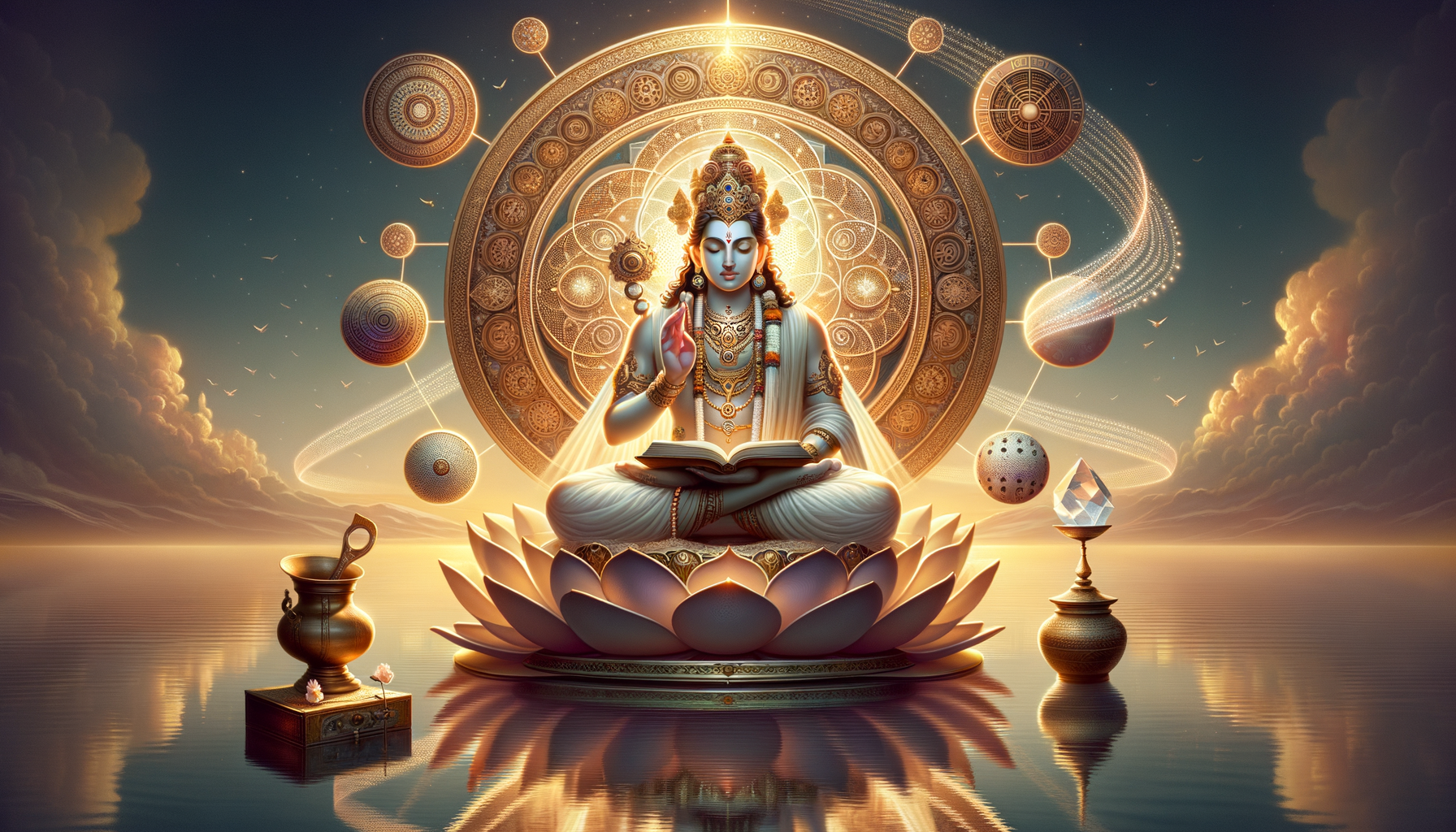
This exploration decodes the rare icon of Shankhu Chakradhari Brahma, where Lord Brahma bears the Sudarshana Chakra and Shankhu. Readers gain a clear understanding of how this iconography aligns creation with preservation within Sanatana Dharma. The symbolism of the chakra (order, time, discernment) and conch (primordial sound, prāṇa) is explained in an accessible, academic style.…
-
Sati and Daksha Yagya: A Powerful Puranic Tale of Honor, Dharma, and Spiritual Unity

This Puranic account explains why Sati relinquished her life after Daksha excluded Lord Shiva from a grand yagya. The narrative moves from humiliation to ethical resolve, then from consequence to reconciliation, illustrating the moral architecture of dharma. It highlights dignity, humility, and restorative justice, while warning against pride and exclusion in sacred and social spaces.…
-
Hinduism’s Holistic Vision: Purusharthas and Ashramas for a Balanced, Ethical Life
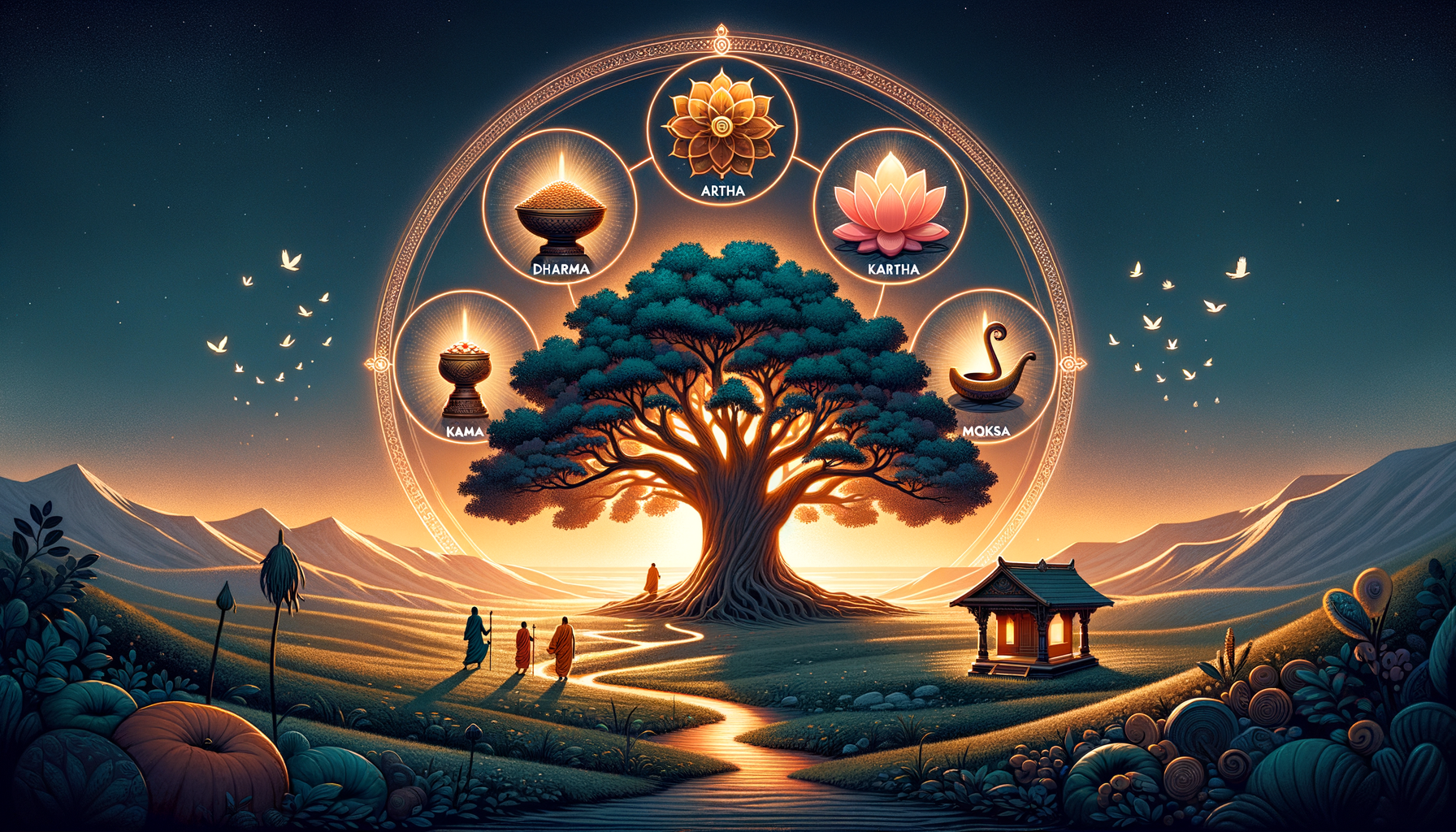
Hinduism offers a holistic, pragmatic model for living through two complementary frameworks: the Purusharthas (dharma, artha, kama, moksha) and the Ashramas (Brahmacharya, Grihastha, Vanaprastha, Sannyasa). These principles balance ethical clarity, material stability, meaningful enjoyment, and spiritual liberation. They also map a realistic life rhythm in which responsibilities evolve with time. Applied to modern challenges, this…
-
Historic Ayodhya Ram Temple Flag Hoisting: PM Modi says old wounds healing, dharmic unity

Prime Minister Narendra Modi’s flag hoisting during the Ayodhya ‘Dhwaj Arohan’ ceremony on 25 November 2025 marks a symbolic milestone in the completion of the Ram Mandir. The saffron dhwaj underscores heritage, sacrifice, and service while signaling a broader movement from grievance to reconciliation. The ceremony’s core message encourages healing, constitutional respect, and social cohesion…
-
World’s Largest Nagar Kirtan: Khalsa College Amritsar Inspires Faith, Service, and Unity

Anchored by students of Khalsa College, Amritsar and guided by the Khalsa College Governing Council, the world’s largest Nagar Kirtan exemplifies living Sikh heritage in the public square. The procession fuses devotion and service, turning city streets into shared spaces of reflection and renewal. Student leadership showcases how academic institutions can cultivate responsibility, teamwork, and…
-
Guru Nanak’s Timeless Guidance: Seven Life‑Changing Teachings for a Fractured World
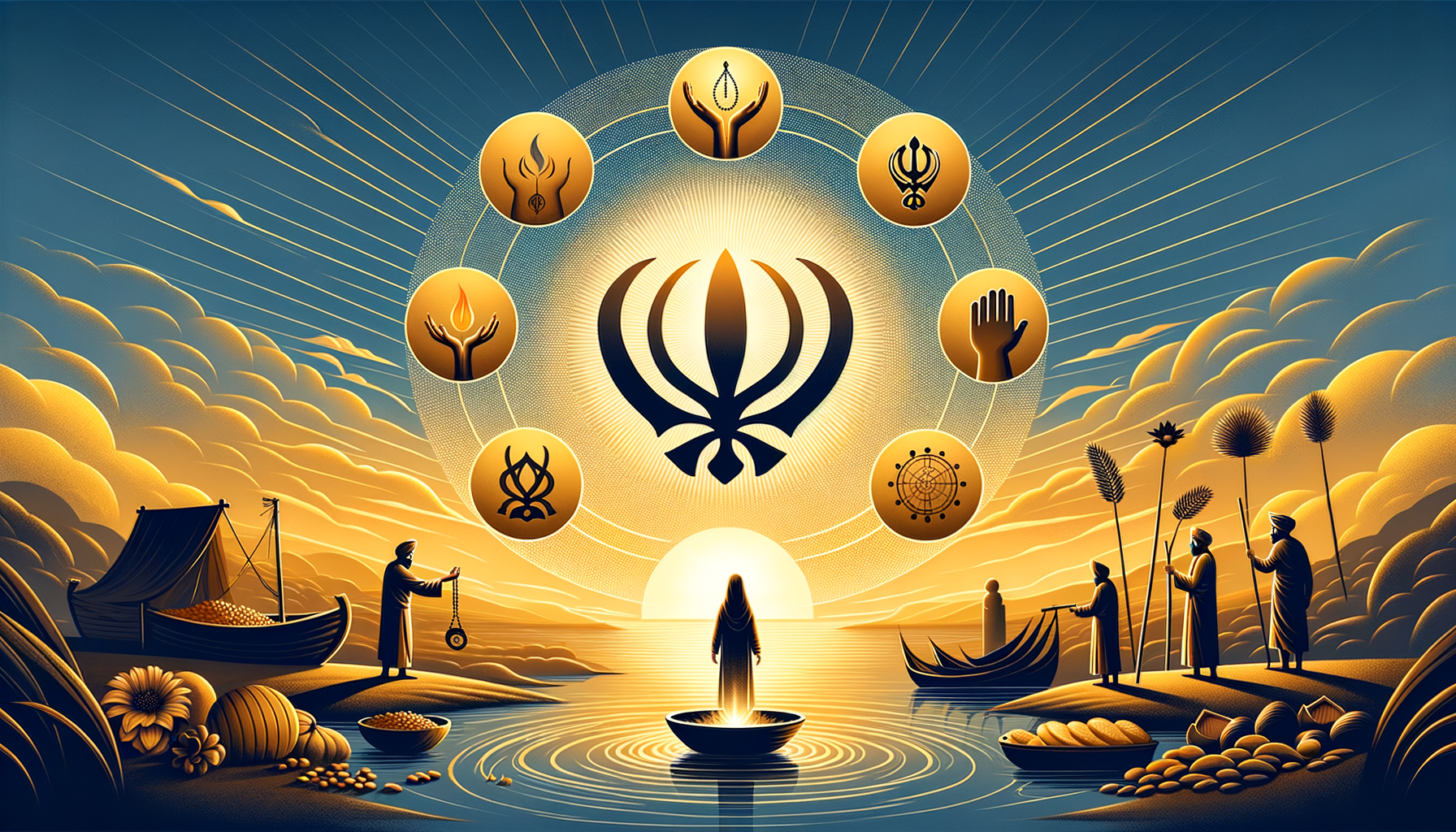
Guru Nanak’s teachings offer a precise, compassionate framework for modern life while aligning with the shared dharmic values of Hinduism, Buddhism, Jainism, and Sikhism. Naam Japna establishes inner steadiness; Kirat Karo restores dignity in ethical work; and Vand Chhako converts private success into public resilience. Sarbat da Bhala widens compassion to the whole community, while…
-
Honoring Guru Tegh Bahadur Ji: 350 Years of Courage, Conscience, and Religious Freedom
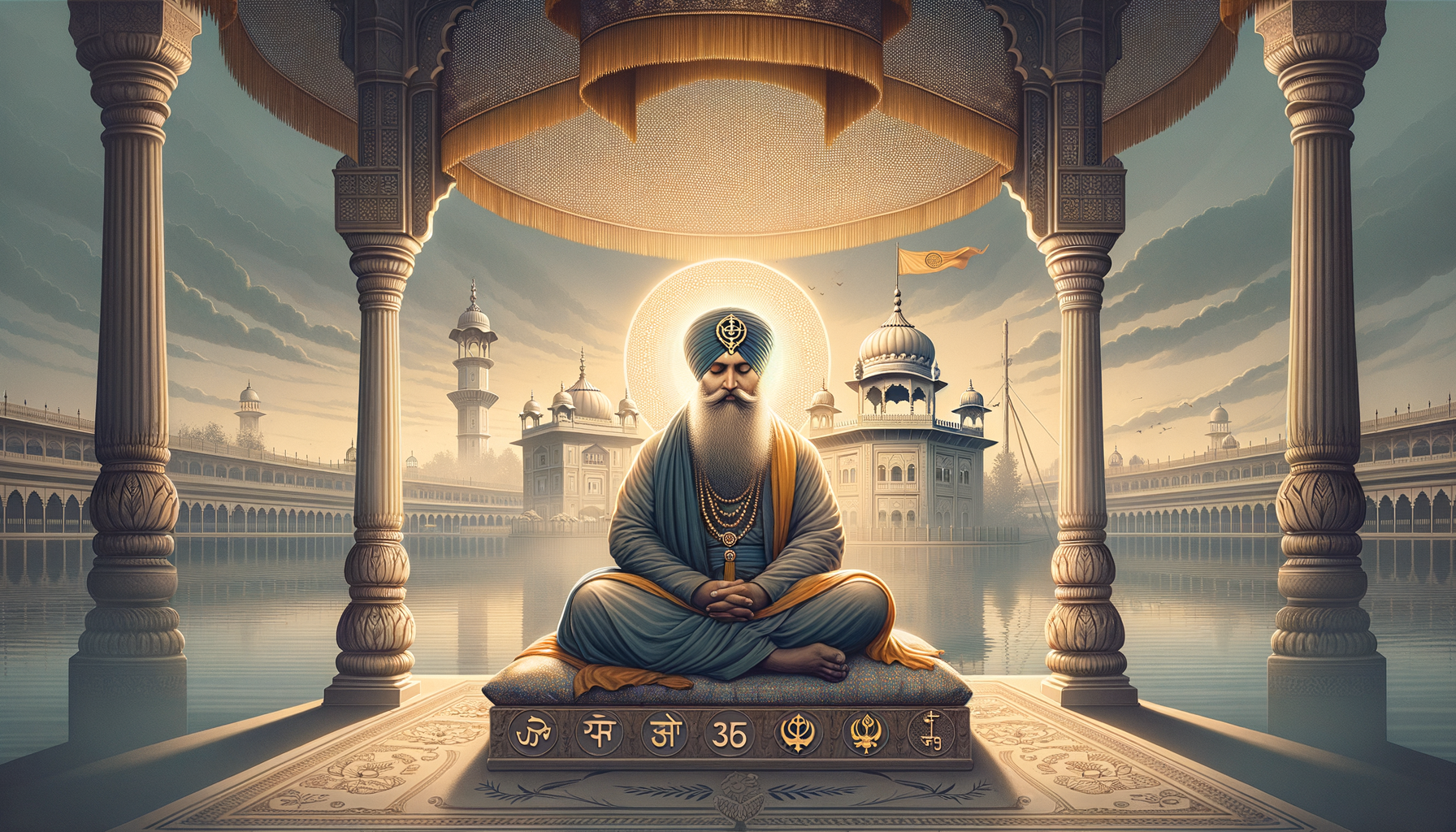
The 350th anniversary of Guru Tegh Bahadur Ji’s martyrdom offers a moment to recall a defining act of moral courage in Indian history and the Sikh tradition. His sacrifice in 1675 affirmed Religious Freedom and protected the spiritual autonomy of people across communities. The tribute highlights how his example advances Interfaith Dialogue, the Harmony of…
-
Rajnath Singh’s Sindh Remark Sparks Diplomatic Firestorm as Pakistan Revives ‘Expansionist’ Charge

Pakistan’s Ministry of Foreign Affairs condemned remarks attributed to India’s Defence Minister Rajnath Singh referencing Sindh, calling them evidence of a ‘Hindutva mindset’ and reviving the ‘expansionist’ charge. The controversy highlights how rhetoric can escalate Indo-Pak Relations and complicate confidence-building measures. Situating the issue within South Asian Geopolitics, the analysis emphasizes the need to distinguish…
-
Devotee Care in Practice: Proven Steps to Build Compassionate, Accountable Dharmic Communities

This pragmatic framework translates devotee care into consistent, measurable community practice. Regular seminars led by proven practitioners ground learning in real-world experience. Newsletters and visible quotes sustain awareness across temples, viharas, mathas, and gurdwaras. A dedicated team with clear roles ensures continuity, while peer learning visits accelerate adoption of best practices. Story-sharing during classes and…
-
You Are Already That: Effortless Realization of Infinite Pure ConsciousnessA Dharmic Perspective

This article clarifies a core Vedantic insight: infinite pure consciousness is not something to attain but to recognize. It explains how Hindu philosophy, especially Advaita Vedanta and the Upanishads, frames self-realization as effortless recognition rather than forced achievement. It highlights convergences with Buddhism, Jainism, and Sikhism, reinforcing unity in spiritual diversity. Practical guidance shows how…
-
Siddaramaiah Signals Landmark Repeal Drive for Anti-Cow Slaughter, Anti-Conversion Laws in Karnataka

Karnataka Chief Minister Siddaramaiah has indicated that the government will begin the process to repeal the state’s Anti-Cow Slaughter and Anti-Conversion laws. This potential shift aims to align policy with constitutional guarantees, religious freedom, and communal harmony while addressing concerns about enforcement and livelihoods. Observers across Hinduism, Buddhism, Jainism, and Sikhism emphasize that ahimsa and…
-
Endure the Challenge: Timeless Hindu Wisdom for Modern Resilience and Steady Mind

This reflection explores the Bhagavad Gita’s teaching on sthithaprajnasteady wisdomas a practical guide to modern resilience. Rooted in Chapter 2 (Verses 55–72), it emphasizes equanimity as the basis for ethical action and emotional balance, not detachment from life. The discussion connects Hindu insights with related ideas in Buddhism (upekkha), Jainism (sāmāyika), and Sikhism (Sehaj and…