
-
When Murugan Faded from the North: A Powerful Historical Imagination of Lost Worship

This historically grounded imagination traces how Murugan (Kartikeya, Skanda, Subrahmanya) seemed to recede from public worship in Northern India without disappearing from the wider Hindu tradition. Drawing on Gupta-era markers, Mathura sculpture, and regional epigraphy, it reframes the shift as a plural, adaptive process rather than a rupture. Readers gain a nuanced view of sacred…
-
Confronting Violent Extremism: Why Ideology, Not Poverty, Demands a Dharmic Response

Recent security investigations underscore a decisive insight: violent extremism stems from ideology more than poverty. Recognising this shifts the focus from generic economic claims to targeted, evidence-based counterterrorism. A Dharmic frameworkgrounded in ahimsa, karuṇa, anekāntavāda, and sarbat da bhalaoffers practical tools to disarm absolutist narratives without stigmatising communities. The approach prioritises critical thinking education, interfaith…
-
Mohan Bhagwat’s ‘Same DNA’ Thesis: Unifying ‘Hindu’ and Bharat Under a Shared Culture

RSS chief Mohan Bhagwat’s renewed assertion‘Bharat and Hindu are synonymous’ and ‘Muslims and Christians are Hindu if they love and respect India and its cultural legacy’is analyzed as a civilizational, not confessional, framing. Read inclusively, it situates ‘Hindu’ as a cultural umbrella that welcomes diverse faiths while honoring distinct religious identities. The piece outlines how…
-
Guru Tegh Bahadur’s Supreme Martyrdom: Defending Freedom of Conscience and Harmony

Guru Tegh Bahadur Ji’s martyrdom in 1675 stands as a defining moment for religious freedom and interfaith harmony in India. Set amid Aurangzeb’s reign, his decision to defend Kashmiri Pandits affirmed the universal right to conscience beyond sectarian lines. The account highlights how his sacrifice resonates across Hindu, Buddhist, Jain, and Sikh traditions, strengthening unity…
-
Vaishno Devi Medical Institute Row Spurs Soul-Searching on Merit, Harmony, and Healthcare

A public controversy around SMVDIME and the Shri Mata Vaishno Devi Narayana Superspeciality Hospital has prompted concerns about fairness in admissions and hiring. The analysis explains how NEET-based merit, recruitment norms, and constitutional guarantees of equality frame institutional decision-making. It emphasizes patient-first care, transparency, and due process as the most effective responses to public doubts.…
-
When Scriptures Go Viral: How to Protect Sacred Wisdom from Digital-Age Distortions

In the digital age, sacred texts from Hinduism, Buddhism, Jainism, and Sikhism are often decontextualized and repackaged into viral slogans. This academic reflection explains how algorithmic amplification and selective translation fuel misinterpretations of the Bhagavad Gita, Upanishads, Dhammapada, Jain Agamas, and Guru Granth Sahib. Drawing on Hindu hermeneutics, Jain Anekantavada, Buddhist Right Speech, and Sikh…
-
Heartfelt Health Update: HH Niranjana Swami’s Angiography Reveals Triple Arterial Blockage

This update confirms that HH Niranjana Swami underwent coronary angiography in Kolkata, which revealed significant blockage in three arteries. The information is verified and limited to the confirmed results at this time. Clear context is provided so readers understand that clinical decisions will follow the guidance of the attending medical team. The post encourages a…
-
Love Those Who Lift You, Forgive Those Who Hurt: Dharmic Wisdom for Resilient Living
This article explores the dharmic wisdom behind the maxim “Love the people who treat you right, forgive the ones who don’t.” It clarifies how loving support builds sattva, while forgiveness safeguards inner peace without excusing harm. The analysis balances compassion with justice, showing how Dharma requires both accountability and kṣamā. Cross-tradition parallels in Buddhism, Jainism,…
-
Foiled Babri Anniversary Plot: Probing Alleged Network Links and a Path to Communal Harmony
An exclusive report on Nov 16, 2025 described a foiled plot allegedly linked to Jaish-e-Mohammad and timed to the Babri demolition anniversary. The analysis emphasizes sober, fact-based assessment over sensationalism to safeguard public trust. It underscores due process, inter-agency coordination, and community outreach as pillars of effective counterterrorism. The discussion cautions against conflating individuals’ actions…
-
Unshakeable Resilience in Hindu Dharma: How True Warriors Turn Setbacks into Inner Strength
The statement “True warriors don’t let setbacks define them. They overcome them” resonates with Hindu philosophy as a call to cultivate resilience, courage, and inner strength. Rather than treating adversity as a verdict, dharmic teachings reframe it as an opportunity for growth and self-mastery. The Bhagavad Gita’s emphasis on equanimity, disciplined practice, and ethical action…
-
Champa Sashti 2025: Six Sacred Days of Khandoba’s Victory, Devotion, and Community
Champa Sashti 2025 is observed in Maharashtra from November 21 (Shukla Paksha Pratipada) to November 26 (Sashti) in the Margashirsha Month. The six-day festival commemorates Lord Khandoba’s victory over Mani and Malla, symbolizing dharma’s triumph over adharma. Devotees engage in fasting, abhishekam, aarti, and bhajans, with special reverence at temples such as those in Jejuri.…
-
How to Choose the Right MLA/MP: A Practical, Dharma-Centered Checklist for Indian Voters
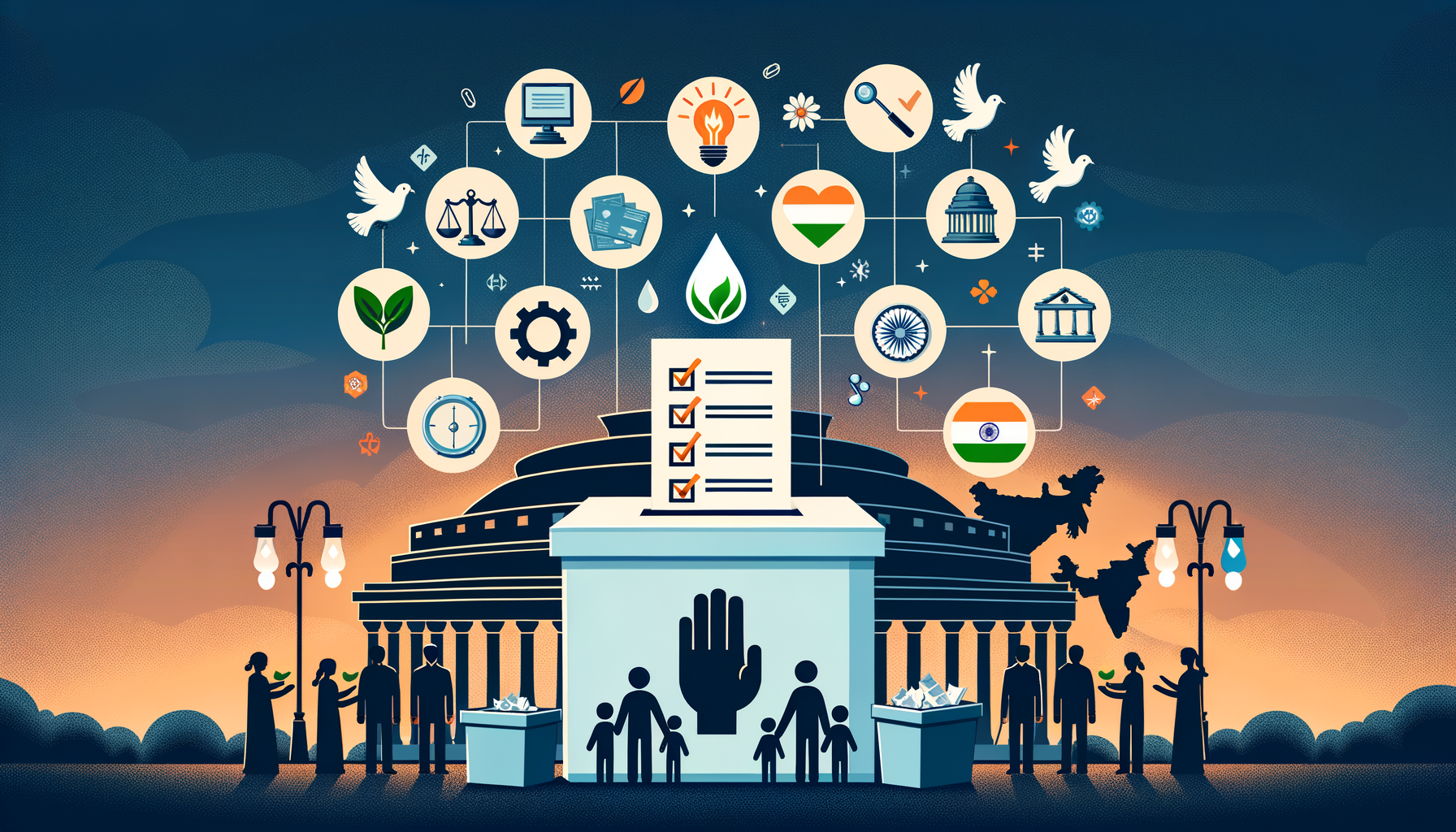
Voters often feel every candidate looks the same; this guide offers a clear, dharma-centered method to choose an MLA or MP. It draws on shared values from Hinduism, Buddhism, Jainism, and Sikhismtruth, non-violence, compassion, and serviceand translates them into democratic criteria. The checklist emphasizes integrity, proven public service, policy competence, inclusivity, accessibility, and financial ethics.…
-
November 18, 2025 Panchang Guide: From Trayodashi to Chaturdashi for Peaceful, Auspicious Rituals

Tuesday, November 18, 2025 begins with Krishna Paksha Trayodashi tithi and shifts to Krishna Paksha Chaturdashi at 7:02 AM in most regions. The day’s arc supports contemplation, simple observances, and steady sadhana aligned with the waning moon. Households can plan puja, study, and charity by consulting local Panchang details for Nakshatra, Rashi, and muhurat. Abhijit…
-
Sanatana Dharma Unveiled: Living the Eternal Philosophy of Unity, Duty, and Harmony
Sanatana Dharma is presented as an eternal, living philosophy that prioritizes ethical action over mere belief. It unites Hinduism, Buddhism, Jainism, and Sikhism around shared values such as compassion, self-discipline, and respect for diverse paths. The philosophy emphasizes daily practicestruthfulness, non-violence, generosity, and servicethat strengthen personal integrity and social cohesion. Concepts like Ishta and loka-saṅgraha…
-
‘Vande Mataram’ at 150: Kolhapur’s stirring mass rendition inspires dharmic unity
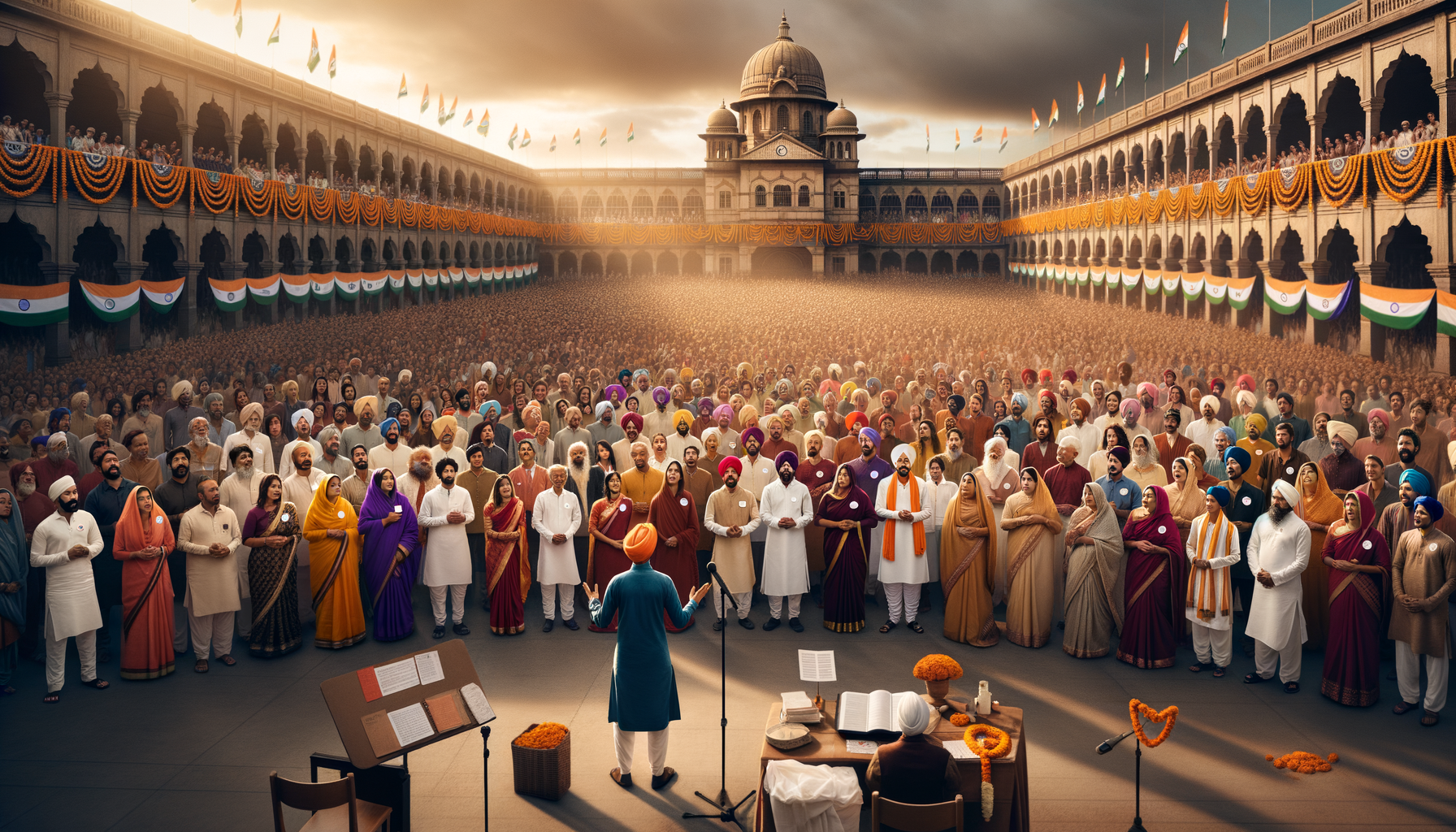
Kolhapur marked the 150th anniversary of ‘Vande Mataram’ with a disciplined, inclusive mass rendition organized by the Hindu Janajagruti Samiti in alignment with the Union Government’s nationwide initiative. The event highlighted how cultural symbols can cultivate civic pride without exclusion. Participants reported a strong sense of belonging as voices converged in a shared expression of…
-
Sakat Chauth 2026: Date, Rituals, and Magha Traditions for Protection and Prosperity

Sakat Chauth in 2026 falls on January 6, observed on Magha Krishna Paksha Chaturthi in the North Indian Hindi calendar. The vrata is devoted to Goddess Sakat, with many also honoring Shri Ganesha as Vighnaharta for obstacle removal and family welfare. Celebrated widely in Uttar Pradesh, Madhya Pradesh, and Himachal Pradesh, it features fasting, sesame…
-
Vaikuntha Kamalaja: Half Vishnu–Half Lakshmi Form and Its Powerful Message of Harmony
Vaikuntha Kamalaja, the half Vishnu–half Lakshmi form known as Lakshmi-Narayana, reveals a deep synthesis of preservation and prosperity. Echoing the Ardhanarishvara paradigm, it unites divine masculine and feminine energies without conflict. The iconographyVishnu’s shankha and chakra alongside Lakshmi’s lotussignals interdependence and balance. Theologically, it affirms the inseparability of Sri and Narayana while illuminating a path…
-
Lal Kitab Remedies for Venus in the 8th House: Timelines, Cautions, and Harmonious Upāyas
Lal Kitab views Venus in the 8th house as a sensitive placement that benefits from ethical conduct and simple, compassionate upāyas. Traditional guidance notes heightened care until the 11th year of life, with additional sensitivity around ages 27, 34, and 39–45. Readers will learn practical Friday observances, charitable acts with white items, and daily disciplines…
-
Vande Mataram at 150 (1875–2025): The stirring anthem that forged India’s unity

On 7 November 2025, India commemorates 150 years of Vande Mataram, the National Song that inspired the Indian independence movement and affirmed a shared civilizational identity. Composed by Bankim Chandra Chattopadhyay and later sung by Rabindranath Tagore, the hymn’s ethical vocabulary aligns with the values of Hinduism, Buddhism, Jainism, and Sikhism. Sri Aurobindo’s translation deepened…
-
Unveiling the Sacred Bond: Why Leeches Symbolize Dhanvantari’s Timeless Ayurvedic Purification
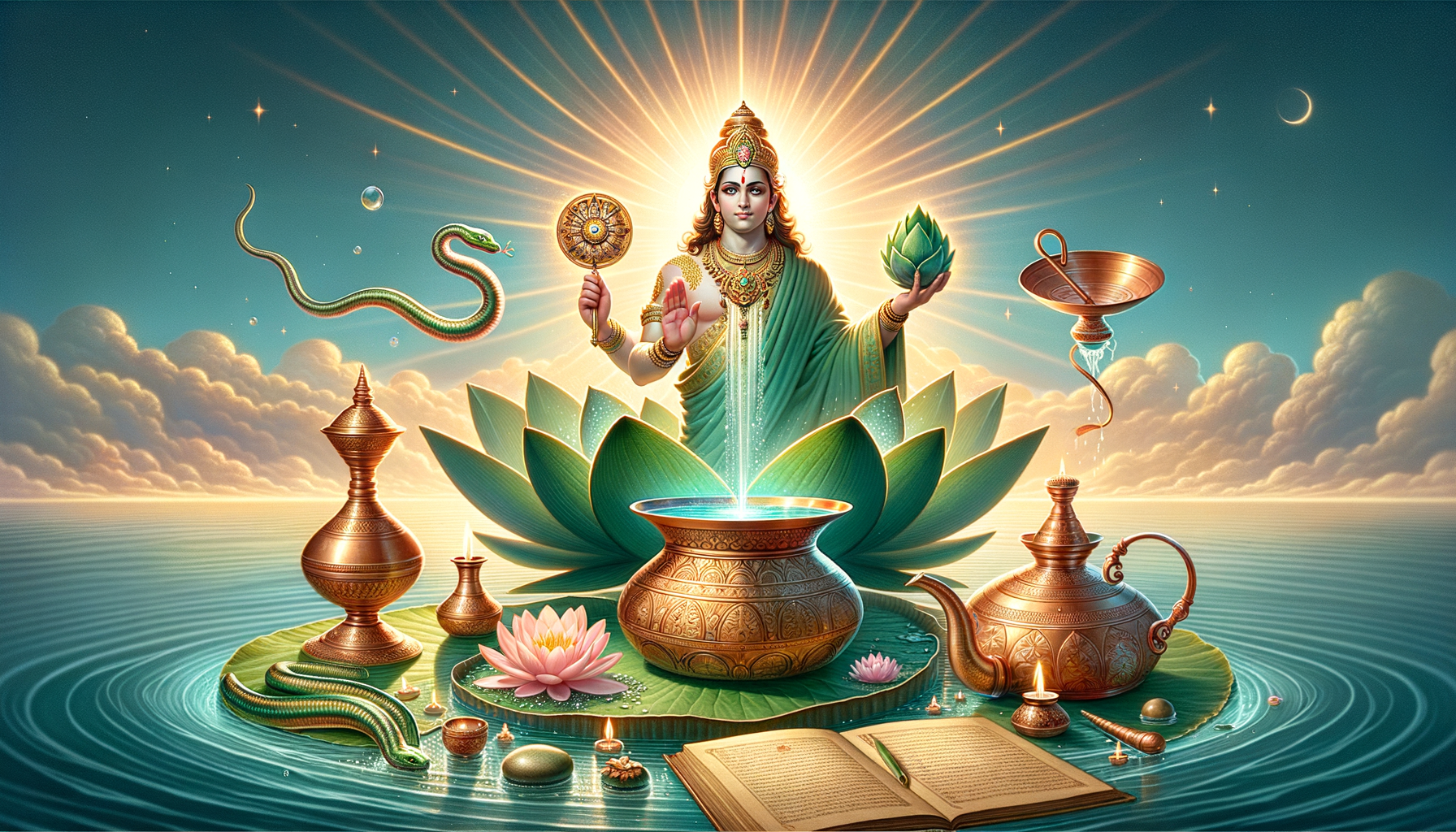
This article explores why leeches are associated with Lord Dhanvantari in Ayurveda, blending historical, clinical, and symbolic perspectives. It explains Jalaukavacharana (leech therapy) as a gentle method of Rakta Mokshana described in the Sushruta Samhita. Readers learn how leeches reduce inflammation and venous congestion while reflecting the Ayurvedic ideal of compassionate, low-harm care. The discussion…