
-
Garudasana in Temple Iconography: Awe-Inspiring Symbolism of Garuda Bearing Bhagavan Vishnu
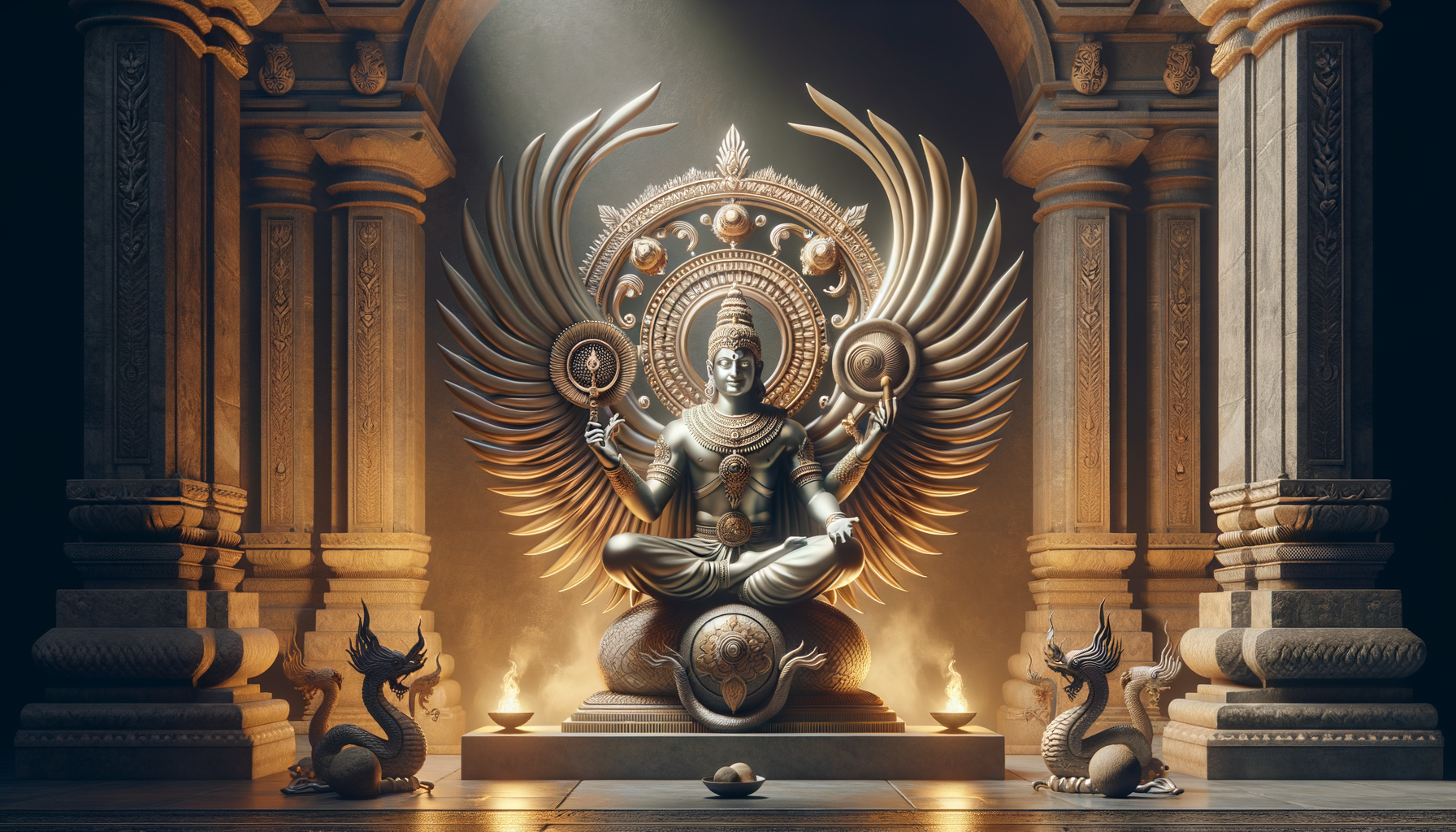
Garudasana, the temple iconographic posture of Garuda bearing Bhagavan Vishnu, is a visual theology of devotion and service. Rooted in Puranic narratives and guided by Agama shastras, it communicates humility, vigilance, and courage through codified mudras and stances. The wings, anjali mudra, and poised form collectively symbolize strength offered in service to dharma. Temple features…
-
Ekapada Shiva Unveiled: The One‑Footed Cosmic Axis in Ancient Hindu Temple Iconography
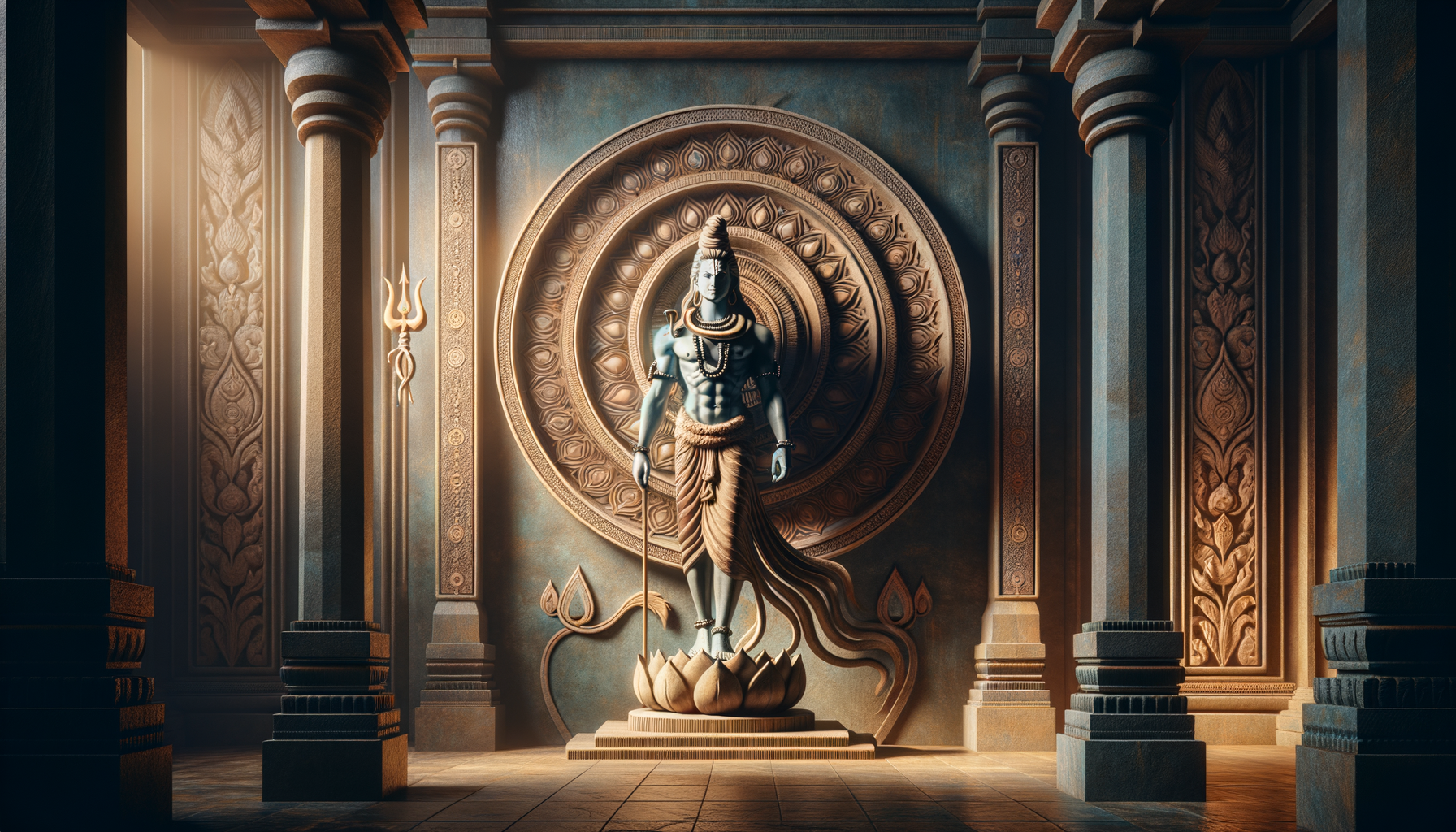
Ekapada Shiva (Ekapada Murthy) embodies Lord Shiva as the one-footed axis that sustains cosmic order. The single leg symbolizes the skambha, conveying steadiness, one-pointed concentration, and the yogic ideal of inner stillness. Found in select templesespecially in Odishaand a few ancient Shiva sites across India, this rare icon deepens understanding of Hindu temples and sacred…
-
Daivatha Linga: Unveiling Shiva’s Sacred Emblem and the Universe’s Return to Source

This article explores the Daivatha Linga as the consecrated heart of Shiva temples and a profound symbol of the Supreme Powersummarized by “liyate asmin iti lingah.” It clarifies the difference between chala (movable) and achala (immovable) lingas and explains how prana-pratishtha and abhisheka shape temple worship. Readers gain a clear view of the linga’s philosophical…
-
Explore the Free TOVP 2026 Calendar: A Visual Journey from Kutir to Mandir (1971–2025)

The TOVP 2026 calendar is available free online as a viewable, downloadable, and shareable flipbook. The theme, “The TOVP Story 1971–2025, From Kutir to Mandir,” presents a clear visual timeline of the Temple of the Vedic Planetarium’s evolution. Monthly images highlight architectural progress, institutional milestones, and the continuity of a vision inspired by Srila Prabhupada…
-
When Stone Smiled: Nataraja’s Timeless Grace at Gangaikonda Cholapuram Reveals Chola Genius
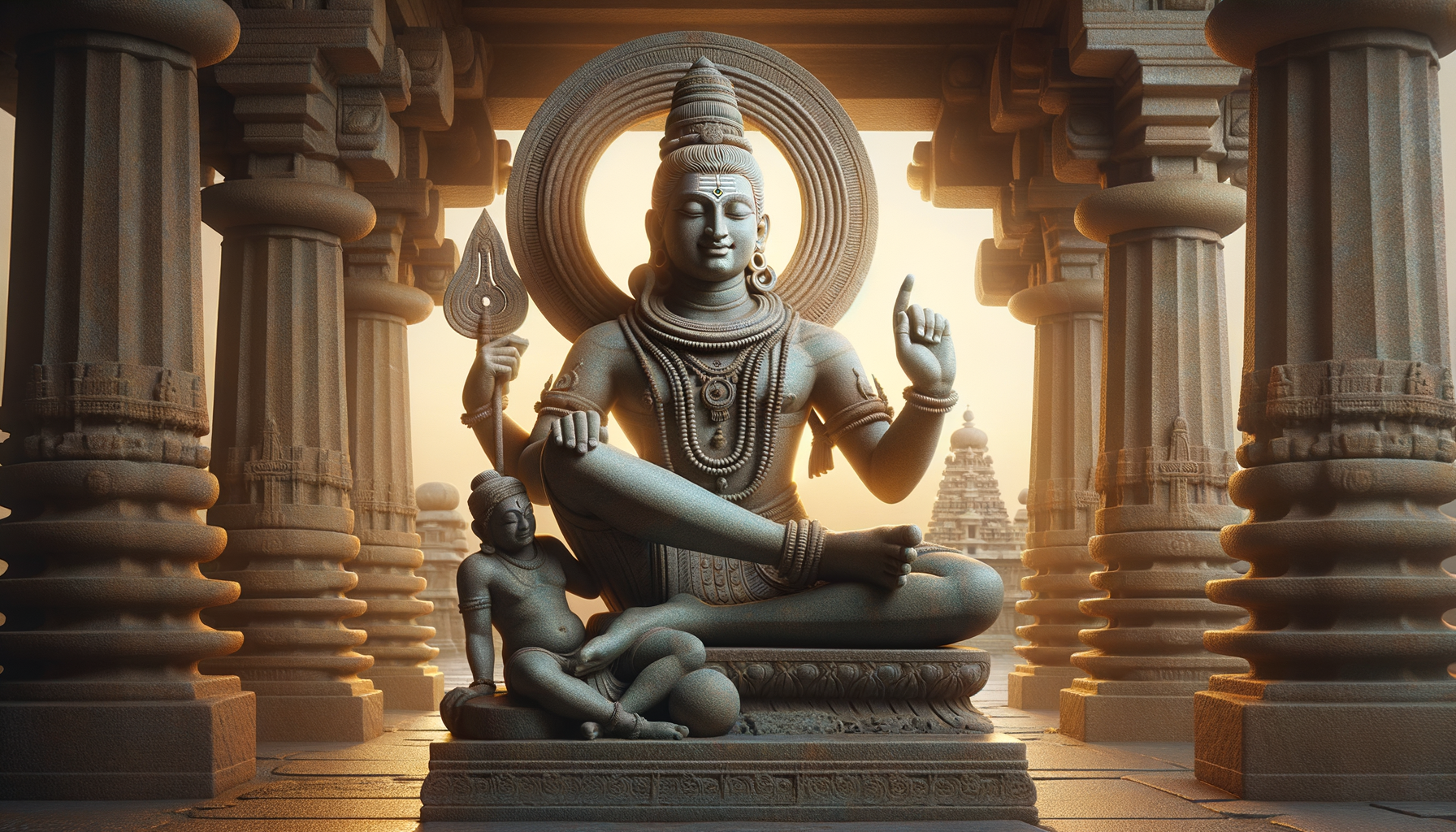
Long before the Renaissance, Chola sculptors in Tamil Nadu carved a serene, lifelike smile into granite at Gangaikonda Cholapuram. The Gangaikondacholeesvarar Temple, built by Rajendra Chola I and part of a UNESCO World Heritage Site, integrates sculpture, space, and light to reveal Nataraja’s ananda with astonishing subtlety. The icon’s technical precisionguided by shilpa shastrasturns stone…
-
Singhanath Temple, Odisha: Awe-Inspiring Kalinga Architecture and Shaiva–Vaishnava Harmony
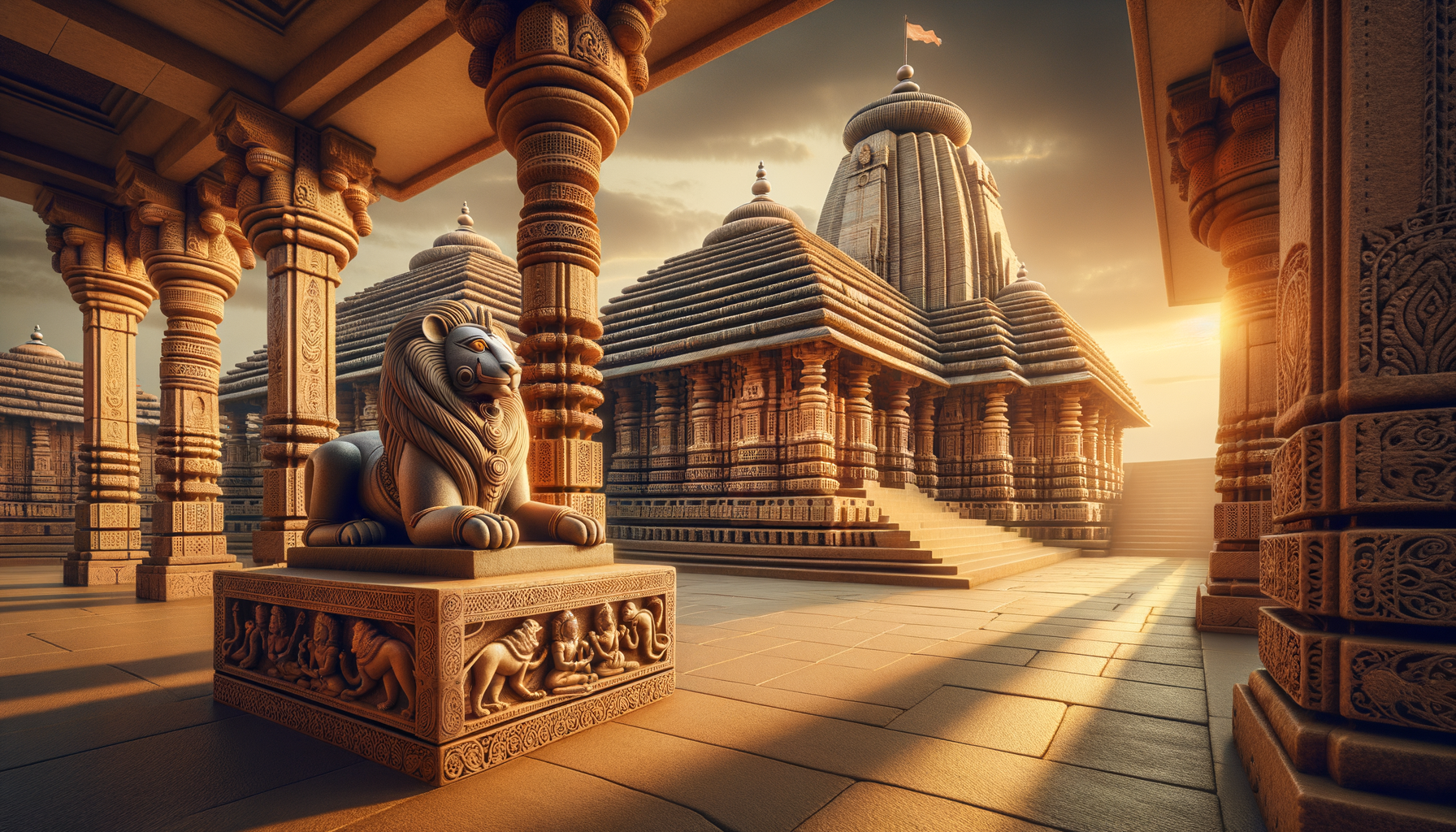
Singhanath Temple in Gopinathpur, Baramba (Badamba), Cuttack, Odisha, is a remarkable shrine where Shiva is venerated alongside the narrative of Narasimha’s devotionan elegant symbol of Shaiva–Vaishnava harmony. The temple’s rekha deula and terraced-roof jagamohana exemplify the classical Kalinga architectural order. Visitors often experience a serene, contemplative ambiance that encourages close attention to sculptural details and…
-
Decoding Shiva’s Timeless Jata Mukuta: Kaumudi, Kapala, Sarpa and Dharmic Unity

Shiva’s Jata Mukuta, adorned with Kaumudi – Kapala – Sarpa, distills a deep program for inner clarity, ethical grounding, and courageous transformation. The crescent moon cools the mind and aligns attention to nature’s rhythms; the skull teaches humility through impermanence; the serpent awakens vigilant, protective awareness. Early Chalukya sculptures at Badami preserve this iconographic triad…
-
Makara and the Deep: Ancient India’s Powerful Memory of Gigantic Ocean Beings

This article explores how the Makara embodies Ancient India’s enduring memory of gigantic ocean beings across Hindu, Buddhist, and Jain traditions. It explains the Makara’s roles in temple architecture and sacred symbolismvahana of Ganga and Varuna, emblem of thresholds, and guardian of liminal spaces. Readers gain context from Puranic and epic narratives, including Samudra Manthan…
-
Vaastu Bhagawan: Sacred Guardian of Space, Harmony, and Prosperity in Dharmic Homes

Vaastu Bhagawan is revered in Hinduism as the guardian of built space, blessing dwellings with safety, peace, and prosperity when Vaastu Shastra principles are observed. By embodying the attributes of the Trimurti and Tridevi, this divine presence frames the home as a sacred field of ethical living and well-being. The Vastu Purusha Mandala aligns a…
-
Vaastu Bhagawan Explained: Harness Sacred Architecture for Peace, Protection, and Prosperity

Vaastu Bhagawan is honored in Hinduism as the guardian of structures, invoked to protect homes and sacred spaces. When Vastu Shastra principles are followed, spaces are believed to gain safety, peace, and prosperity through alignment with the Pancha Mahabhuta and cardinal directions. The deity is described as embodying aspects of the Trimurtis and the Tridevis,…
-
Discover the Timeless Pillars of Hinduism: Temples, Saints, and Living Pluralism

Hinduism’s enduring features include a global network of Hindu temples, a lineage of rishis and saints, and historic royal patronage that nurtured sacred architecture and social welfare. Its core principlesdharma, karma, ahimsa, and mokshasupport multiple valid paths such as Bhakti, Jnana, Karma, and Yoga. This religious pluralism aligns naturally with the broader dharmic family of…
-
Kalluru Mahalakshmi Temple, Raichur: Sacred Splendor and Living Heritage in Karnataka

Kalluru Mahalakshmi Temple in Raichur, Karnataka, is a revered site often compared to the “Kolhapur Mahalakshmi Temple.” Housing the idols of Mahalakshmi and Lord Venkateshwara, it offers a rare devotional pairing that symbolizes prosperity and divine protection. Tradition associates its founding with the Madhwa scholar Sri Lakshmikanta Acharya, lending theological depth to the temple’s living…
-
Adi Kumbeswarar Temple Kumbabhishekam in Kumbakonam: Timeless Rituals, History & Spiritual Renewal

The Adi Kumbeswarar Temple Kumbabhishekam in Kumbakonam renews the sanctity of one of Tamil Nadu’s foremost Shiva temples through a meticulous sequence of Vedic rites, consecrated waters, and ritual anointments. The temple venerates Lord Shiva as Adi Kumbeswarar and Mangalambigai Ammanrevered as “MA KUMBESWARINI”within a Dravidian architectural setting shaped by Chola and Nayak legacies. The…
-
Arupadai Veedu Unveiled: The Profound Wisdom and Valor Behind Murugan’s Six Abodes

Arupadai Veeduthe six sacred abodes of Lord Muruganform a complete spiritual journey in Tamil Nadu’s sacred geography. Grounded in Skanda Purana narratives and Tamil bhakti traditions, each temple embodies a distinct milestone: initiation, righteous victory, renunciation, sacred knowledge, reconciliation, and inclusive grace. Readers gain a clear map of the Six Abodes and their themes, along…
-
Thousand Pillar Temple, Hanamkonda: Kakatiya-era Rudreshwara Trikutalaya and Living Heritage

The Thousand Pillar Temple in Hanamkonda (Rudreshwara Swamy Temple) is a Kakatiya-era Trikutalaya dedicated to Shiva, Vishnu, and Surya. Its renowned field of carved pillars and refined ornamentation embody the technical mastery and aesthetic poise of medieval Telangana. Visitors frequently note a contemplative atmosphere shaped by light, stone, and ritual continuity. The triadic sanctum plan…
-
Thousand Pillar Temple, Hanamkonda: Timeless Kakatiya Splendor and Sacred Trikuta Harmony

The Thousand Pillar Temple (Rudreswara/Rudreshwara Swamy Temple) in Hanamkonda, Warangal, is a 12th-century Kakatiya masterpiece renowned for its Trikutalaya plan dedicated to Shiva, Vishnu, and Surya. Its dense colonnades, lathe-turned pillars, and exquisite friezes create an immersive play of light and shadow. Visitors commonly note the temple’s contemplative atmosphere and the precision of its stonework,…
-
Trishunda Mayureshwar Ganpati, Pune: Unveiling the Three-Trunk Ganesha’s Symbolic Power

The Trishunda Mayureshwar Ganpati Temple in Somwar Peth, Pune, presents a rare three-trunk form of Ganesha riding a peacock, locally known as Moreswar. This Peshwa-era shrine blends refined stone architecture with distinctive iconography that symbolizes tri-guṇa, tri-kāla, and tri-loka harmonized in one image. The Mayureshwar aspect recalls Purāṇic narratives in which Ganesha, mounted on a…
-
Govind Dev Ji Temple, Jaipur: A Soul-Stirring Krishna Shrine in the City Palace Complex

Situated within Jaipur’s City Palace complex, Govind Dev Ji Temple is a renowned Krishna shrine where living bhakti shapes daily life. Historically installed by Maharaja Sawai Jai Singh II, the deity’s presence reflects a seamless integration of devotion and civic identity. The temple’s Rajput–Mughal aesthetics, open courtyards, and axial alignments exemplify Jaipur’s heritage planning. Daily…
-
Vajramukha: The Fearless Guardian of Hindu Temples and Shiva’s Ego-Devouring Grace

Vajramukha, often identified with Kirtimukha, crowns Hindu temple gateways as a sacred guardian linked to Śiva’s myth of ego-devouring grace. This concise guide explains its origin, meaning, and role as a threshold protector that transforms anxiety into reverence. Readers discover where to find the guardian in Dravidian and Nagara architecture and how its fierce visage…
-
Inside TOVP Progress: November 2025 Main Wing Construction Milestones and Structural Advances
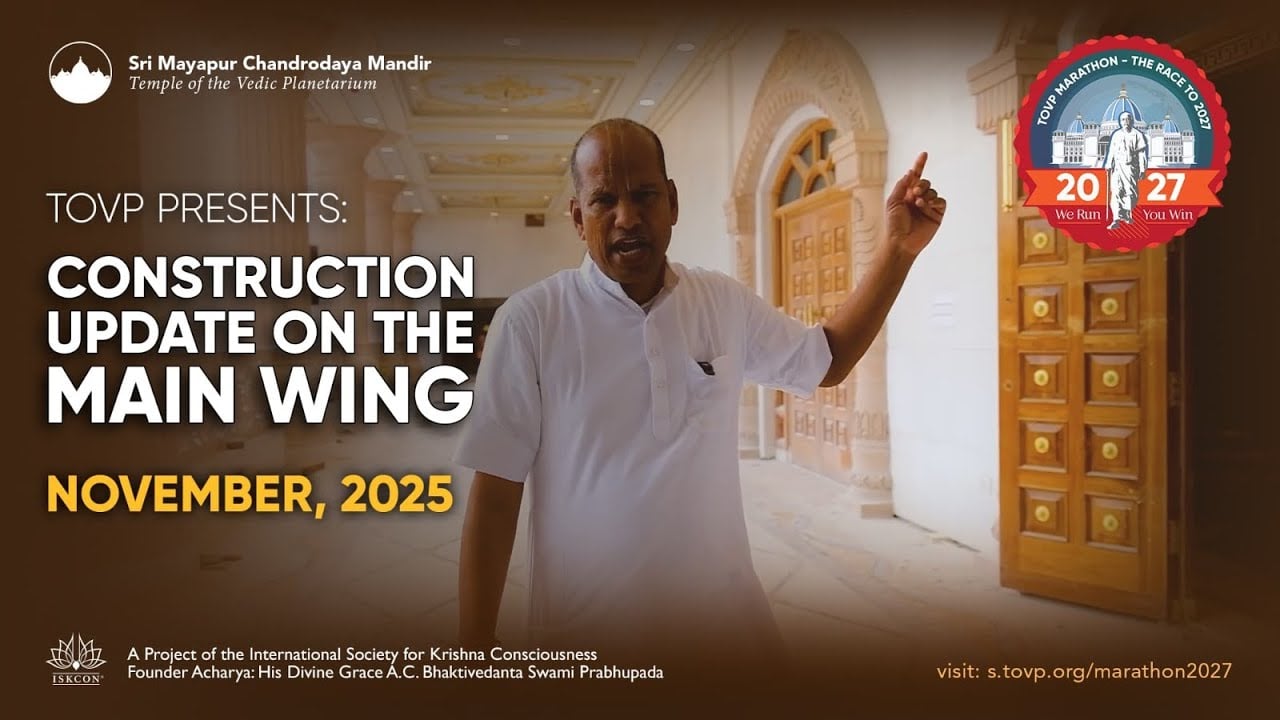
The Temple of the Vedic Planetarium (TOVP) shares a structured November 2025 update on Main Wing construction. Guided by H.G. Braja Vilasa prabhu, the presentation highlights ongoing developments, structural advancements, and clearly defined milestones. The walkthrough emphasizes durability, precision, and quality assurance alongside adherence to the temple’s architectural vision. It serves as a transparent progress…