
-
Vyanjan Dwadashi 2025 (Dec 2): Sacred Significance, Khichdi Bhog, and Krishna Temple Rituals

Vyanjan Dwadashi 2025 (Dec 2) falls on Margashirsha Shukla Dwadashi and is marked by the ‘Khichdi bhog’ offering to Sri Radharaman Dev. The observance emphasizes sattvic simplicity, anna-dana, and collective devotion in Krishna temples and ISKCON centers. Families value the warmth of preparing and sharing khichdi as prasada, linking seasonal nourishment with spiritual practice. The…
-
Partha and Pārthiva Revealed: Profound Symbolism of the Mortal Seeker in Gita Chapter 1

Bhagavad Gita 1.25 uses “Pārtha” to frame Arjuna not merely as a warrior but as a mortal seeker grounded in lineage, responsibility, and dharma. The cognate “pārthiva”—earthly, princely—deepens this symbolism, suggesting rulership over the self as the heart of ethical action. Krishna’s selective use of names functions as pedagogy, stabilizing Arjuna amid Kurukshetra’s tumult and…
-
Hrishikesha: Why Sri Krishna Is the Lord of the Senses and Guide to Inner Harmony

“Hrishikesha” reveals Bhagavan Sri Krishna as the Lord of the Senses—an insight central to Yoga, bhakti, and ethical action in the Bhagavad Gita. The Mahabharata deploys this epithet at decisive moments, highlighting composure, clarity, and mastery in the midst of conflict. Etymology and Upanishadic symbolism—especially the charioteer allegory—clarify how sense-discipline fosters inner harmony. This principle…
-
Hari Sauri Prabhu at ISKCON Vrindavan: Gopīs Reveal Kṛṣṇa’s Divinity—Love and Paradox
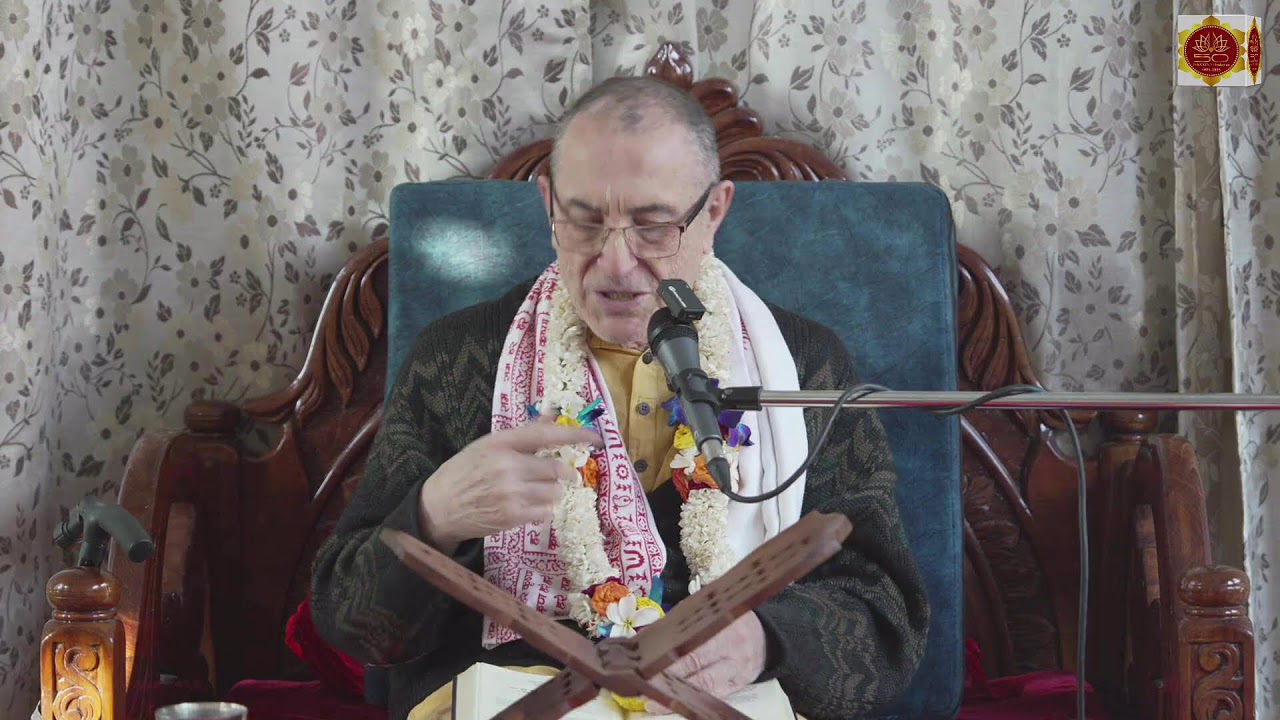
Presented in ISKCON Vrindavan on 08.11.2025, this Śrīmad-Bhāgavatam reflection explores Śrīla Viśvanātha Cakravartī’s portrayal of the gopīs recognizing Kṛṣṇa’s divinity. The dialogue—“if this is true, I must be God”—reveals how divine love discloses theological truth through rasa and līlā. Readers gain a clear, academic perspective on Gaudiya Vaiṣṇava hermeneutics while connecting with relatable experiences of…
-
Akhanda Dwadashi 2025: Date, Meaning, and Vaishnava Vratam Insights for Inner Peace

Akhanda Dwadashi 2025, also called Dwadasha Aditya Vratam and Margasira Dwadasi Vratam, falls on 2 December during the Shukla Paksha of Margashirsha. Dedicated to Sri Krishna within the Vaishnava tradition, the observance emphasizes unbroken devotion and is often described in three phases over a year. Common practices include fasting, Krishna puja with tulsi, chanting, and…
-
Akhanda Dwadashi 2025 (Margasira Dwadasi): Sacred Vratam, Puja Steps, and Deeper Meaning
Akhanda Dwadashi (Dwadasha Aditya Vratam) is observed on the bright-fortnight Dwadashi of Margashirsha; in 2025 it falls on 2 December 2025. The vrata, dedicated to Lord Krishna and aligned with contemplative study in this month, emphasizes steady devotion, ethical restraint, and charity. Traditionally structured in three phases across a year, it supports a sustained, practical…
-
Gita Jayanti 2025: December 1 Date, Mokshada Ekadashi Meaning, and Timeless Dharma

Gita Jayanti 2025 falls on December 1, aligning with Mokshada Ekadashi (Shukla Paksha Ekadashi) in the Margashirsha month. The day honors the revelation of the Bhagavad Gita, a unifying scripture of dharma, jnana, bhakti, and karma yoga. Observances include Ekadashi fasting, Gita parayana, japa, satsang, and acts of dana. Practical suggestions—such as studying one chapter,…
-
Kartik Deep Daan in Sri Dham Mayapur: Luminous Devotion and Dharmic Unity on Day 25
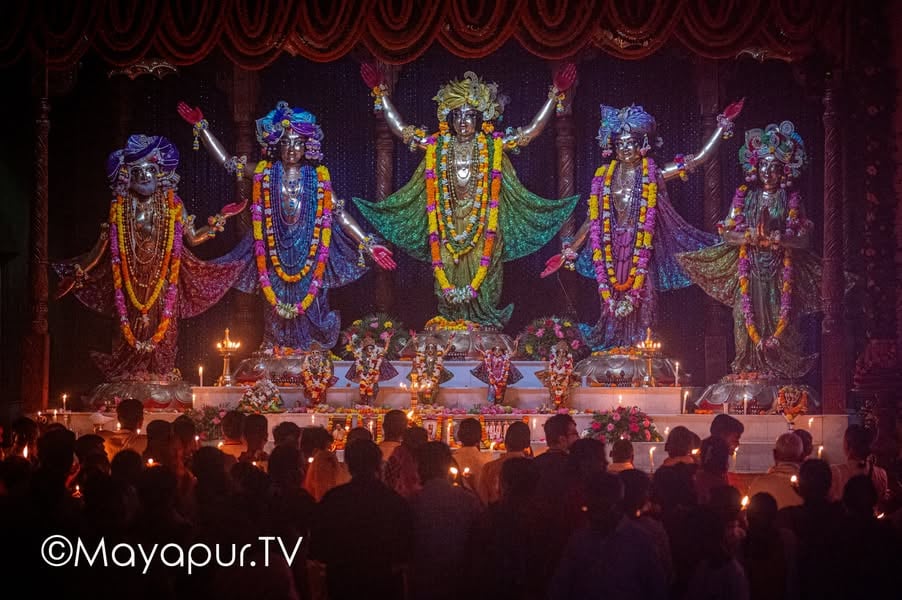
Day 25 of Kartik Deep Daan in Sri Dham Mayapur reveals a serene ocean of lamps offered to Lord Damodara, embodying the Bhakti Tradition in practice. The ritual unfolds during the sacred Damodar Month of Kartik (Karthika masam), aligning with the spirit of Diwali/Deepavali. Attendees describe a quiet, contemplative atmosphere shaped by disciplined devotion, kirtan,…
-
Seeing the One in All: Krishna’s Universal Form and the Transformative Ethics of Equality

This article explores how Sri Krishna’s revelation of the Universal Form in the Bhagavad Gita grounds a rigorous ethic of equality. It clarifies key verses such as 9.4, 6.29, and 5.18 to show how oneness translates into samadarshana—equal regard for all beings. It connects Hindu insights with shared dharmic values across Buddhism, Jainism, and Sikhism,…
-
Praise the Living, Not Just the Departed: Humility, Bhakti, and Dharmic Unity

Communities often praise devotees only after they pass, yet spiritual maturity calls for timely appreciation anchored in humility. Drawing on Siksastakam 3 and Lord Caitanya Mahaprabhu’s example, this reflection shows how praise can be offered responsibly—highlighting dharmic qualities rather than inflating egos. It reconciles the counsel to neither praise nor criticize with the need to…
-
Humbled Before the Infinite: Brahma’s Insight on Ego, Service, and Krishna’s Grace

Witnessing Krishna’s boundless opulence, Brahma’s humility reveals a transformative spiritual principle: true clarity emerges when one compares personal capacity with the vastness of the Divine. This ‘Law of Contrast’ dismantles ego and reframes ability as entrusted power. The perspective aligns with bhakti and Vedic philosophy while resonating across Buddhism, Jainism, and Sikhism through shared values…
-
Kartik’s Playful Grace: Krishna’s Disguise in Gokula and the Transformative Power of Bhakti
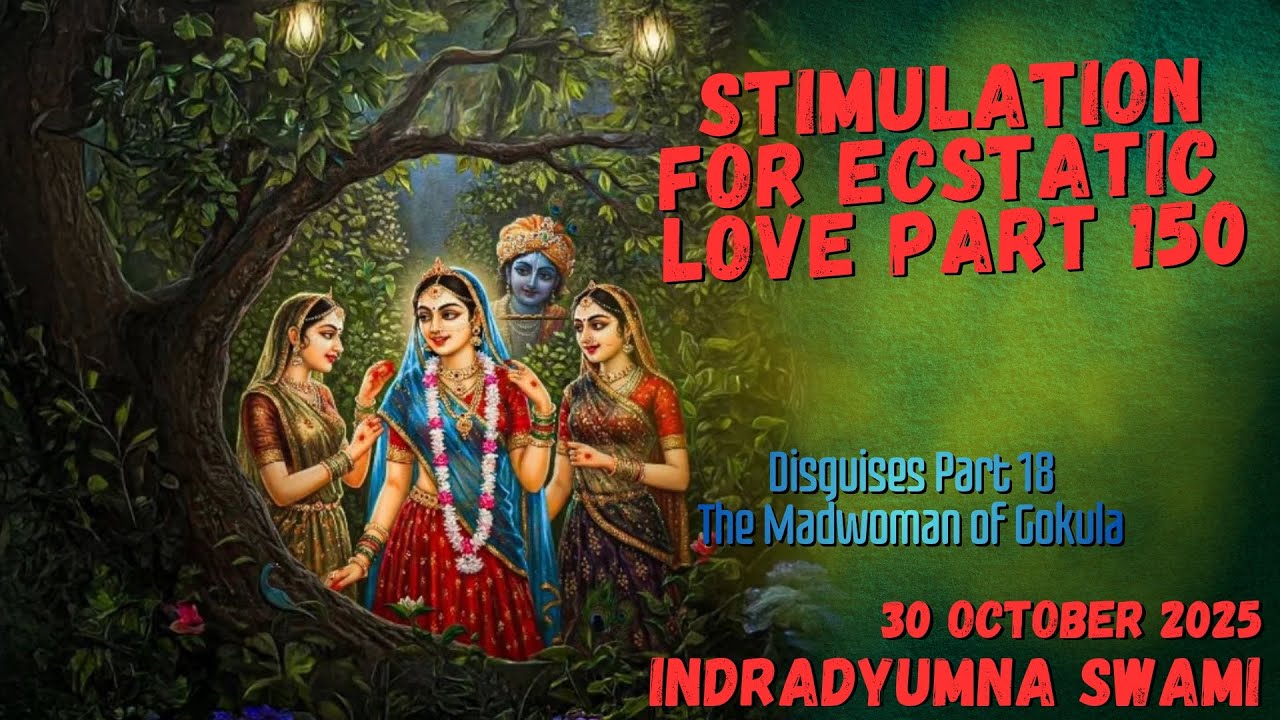
Set in Gokula during the sacred month of Kartik, this lecture explores a playful lila where Krishna disguises himself as the son of the elder gopi Pavati to evade punishment for stealing butter. The episode’s gentle humor reveals deep theological insights in the Bhakti Tradition, especially vatsalya-bhava—parental love that transforms judgment into tenderness. Butter becomes…
-
Srimad Bhagavatam 3.21.32: Unveiling Divine Expansions and the Unity of Dharmic Paths

Srimad Bhagavatam 3.21.32 explains how the Supreme is one yet manifests as many through kalā, svāṁśa, and vibhinnāṁśa. The passage distinguishes viṣṇu-tattva forms like Vāmana, Govinda, and Nārāyaṇa (svāṁśa-kalā) from ordinary living beings (vibhinnāṁśa). This precise vocabulary aids careful study and deepens devotional focus. Readers find that these insights foster humility, compassion, and ethical service…
-
When Surrender Feels Hard: Transforming Inner Resistance with Bhakti to Sri Krishna

Surrender to Sri Krishna often feels compelling yet strangely difficult, revealing a universal tension in the spiritual journey. The Bhakti Tradition explains this resistance as the mind’s habit of bargaining for personal gain, while devotion operates through grace, not transaction. A song by Purandara Dasa clarifies that even an imperfect offering benefits the giver by…
-
Kartik Yatra 2025 Day 7 at Govardhan: Transformative Bhakti with HH Radhanath Swami
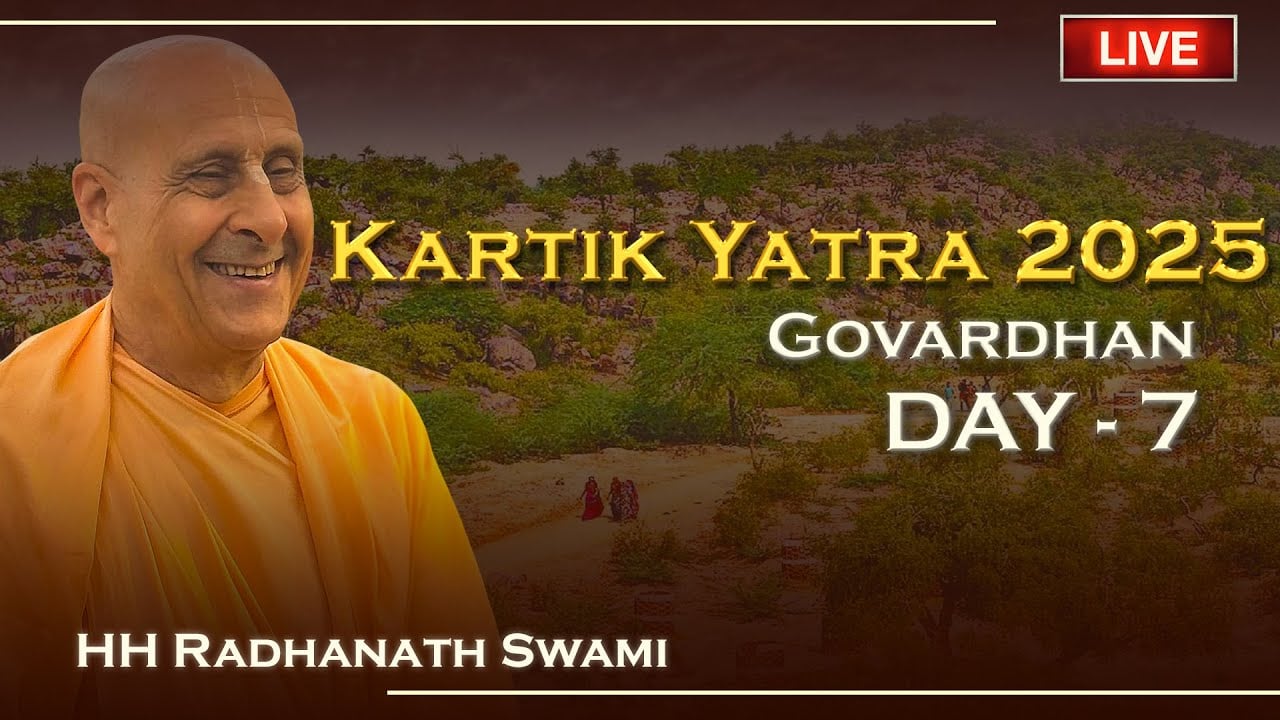
Day 7 of the ISKCON Chowpatty Kartik Yatra 2025 at Govardhan in Vrindavan emphasized sustained devotion through prayer, kirtan, and satsang under the guidance of HH Radhanath Swami. The Damodara month magnified the mood of gratitude and humility, inviting participants to deepen remembrance of Sri Krishna. Govardhan’s sacred geography offered a contemplative space where parikrama…
-
Essential Gopashtami 2025: Discover the Complete Vrata Significance, Date, and Rituals

Gopashtami 2025 falls on October 30, observed on Kartik Shukla Ashtami as Goshtashtami vrata. The festival commemorates Krishna and Balarama’s first day herding cows, symbolizing stewardship, humility, and service. Devotees perform Gau Puja, adorn cows, offer sattvic naivedya, and engage in goshala seva. The vrata encourages chanting, reading Krishna-lila, and cultivating compassion-centered ethics. Its message…
-
Essential Insight into Bali’s Prayer (SB 10.85.45): Discover Kṛṣṇa’s Proven Path to Liberation

Śrīla Viśvanātha Cakravartī’s explanation of SB 10.85.45 shows Bali asking Śrī Kṛṣṇa for freedom from material entanglement, choosing inner liberation over external gain. The verse reframes benediction as detachment, revealing a distinctly bhakti vision of refuge at the Lord’s lotus feet. This insight offers readers a practical template for cultivating focus, simplicity, and resilience in…
-
Discover Rukmini’s Secret Letter: A Complete, Insightful Retelling of Krishna’s Daring Rescue

This academically grounded retelling presents the celebrated narrative of Princess Rukmini and Sri Krishna as preserved in Vaishnava literature. Readers discover how devotion (bhakti), ethical agency, and righteous action intersect in a culturally formative episode. The summary clarifies the political backdrop—Rukmi’s alliance with Shishupala—and Rukmini’s secret letter that reframed the “kidnapping” as a protective rescue…
-
Complete Insights on the Gopīs’ Selfless Love—Master Devotional Aesthetics in Bhakti
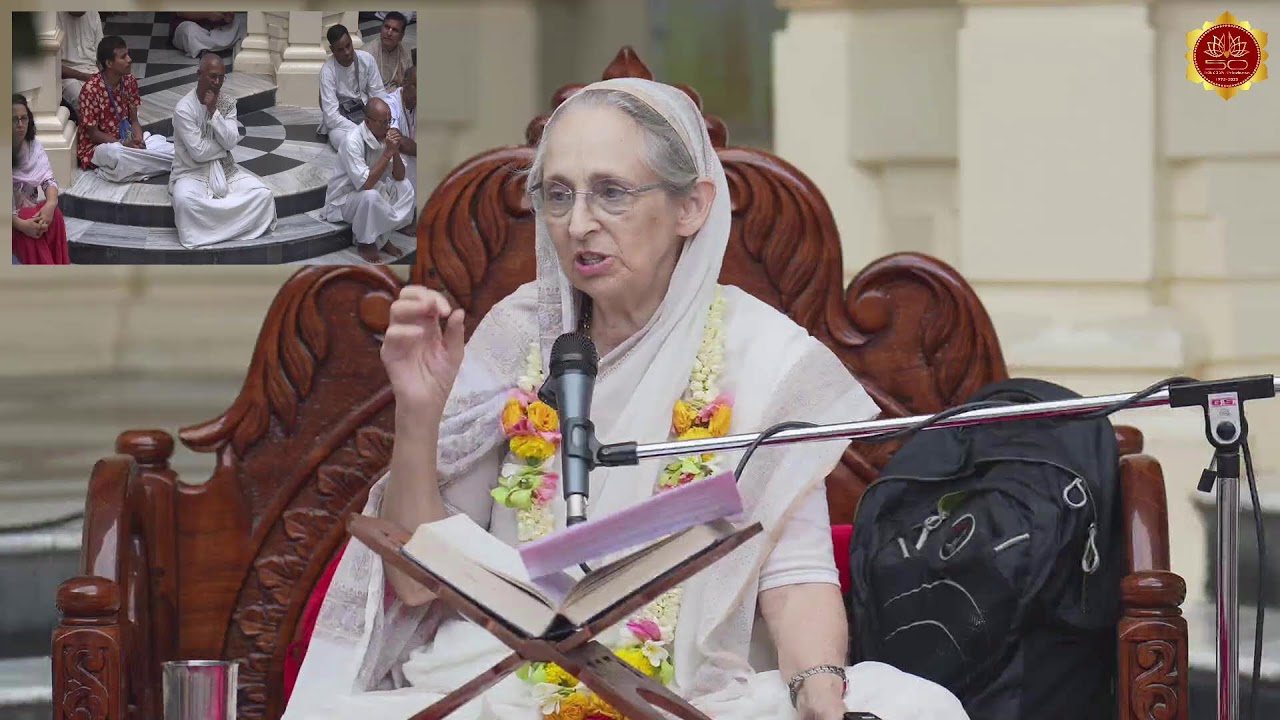
CC Adi-līlā 4.181 presents the gopīs’ selfless love as the gold standard of bhakti, where personal adornment is not vanity but sevā intended to delight Kṛṣṇa. This reframes beauty as devotion—an intentional aesthetic aligned with prema rather than ego. Readable and practical, the reflection shows how intention transforms routine actions into worship. It also highlights…
-
Complete Bhakti Breakthrough: How a 1960s Melody Transformed into a Krishna Offering

A recurring 1960s melody prompted a deliberate act of devotional reframing, guiding the composition toward Krishna consciousness while preserving its emotive core. The decision to retain the first verse balanced historical texture with spiritual clarity, aligning with the Bhakti Tradition and the Guru–Shishya Tradition. This creative process reflects a broader dharmic pattern in which familiar…