
-
Dharma as Cosmic Law: A Timeless Path of Harmony, Responsibility, and Dharmic Unity

Dharma is presented as the cosmic law that sustains life and nurtures harmony across individuals, societies, and species. It is dynamic rather than rigid, aligning personal duty with universal values and linking ethical action to spiritual aims such as Karma and Moksha. The dharmic traditionsHinduism, Buddhism, Jainism, and Sikhismconverge on compassion, responsibility, and pluralism, making…
-
No Life Is Lesser or Greater: A Transformative Dharmic Insight on Sacred Equality

This article explores the Hindu philosophical teaching that no life is inferior or superior, grounding sacred equality in Atman and the unity of all existence in Brahman. It clarifies how this insight becomes an ethical imperative through Ahimsa and Dharma, encouraging compassionate, responsible action. Readers gain a clear understanding of sama-darśana in the Bhagavad Gita…
-
Krishna–Arjuna’s Sacred Friendship: Choosing Companions Who Challenge and Elevate the Soul
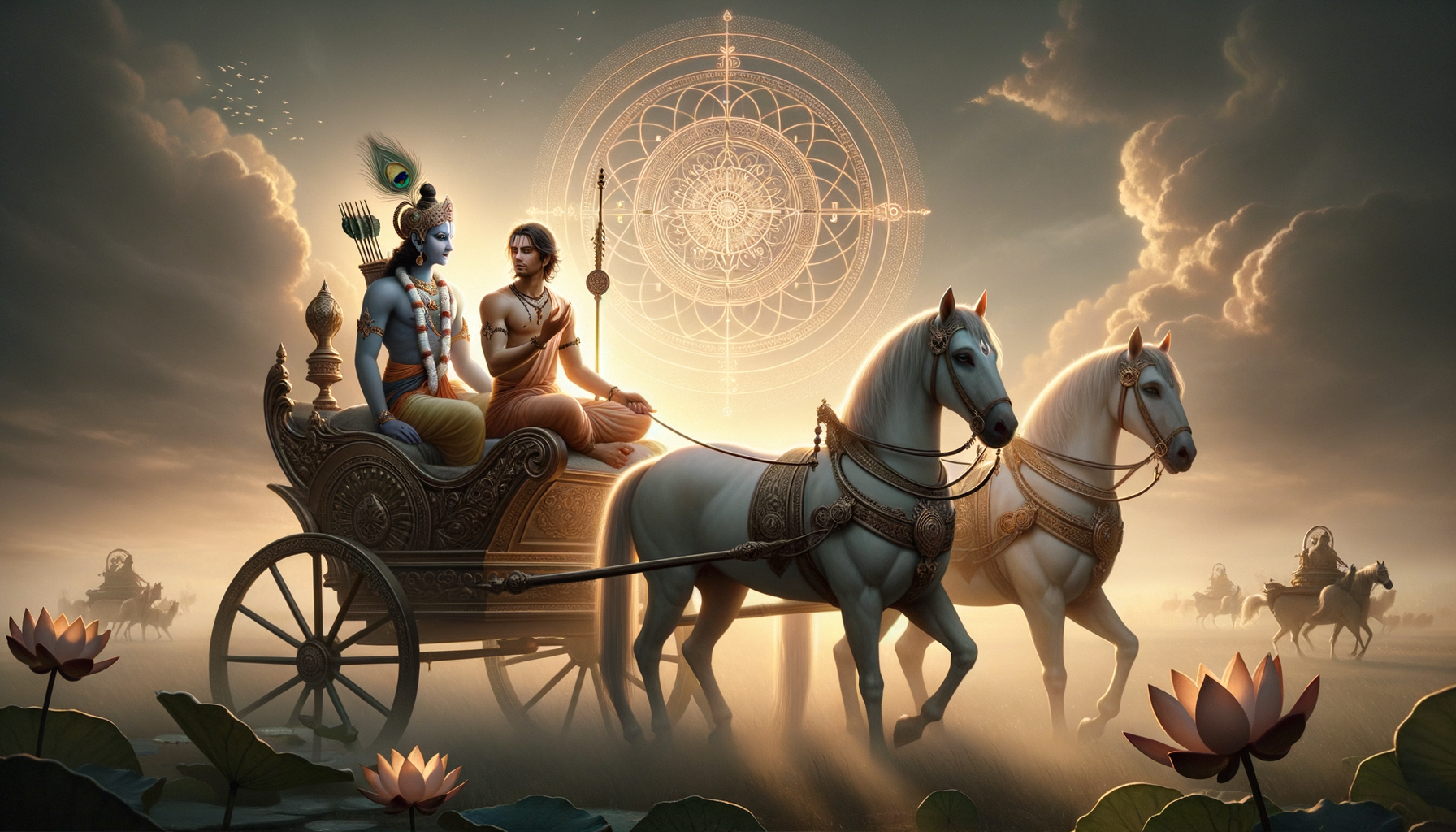
The Krishna–Arjuna friendship in the Mahabharata showcases how authentic companionship challenges, clarifies, and elevates. It models truth with empathy, accountability without humiliation, and steadfast alignment with dharma. The same ideal appears across dharmic traditions: kalyāṇa-mitra in Buddhism, sādhu-saṅgha in Jainism, and sangat in Sikhism, alongside Hinduism’s satsang and Bhakti Tradition. Readers gain practical criteria for…
-
How Gen Z Ignites a Dharmic Cultural Renaissanceand Why Older Generations Should Cheer

A spirited debate on X has reframed Gen Z’s cultural choices as a dharmic renaissance rather than a turn to rigid orthodoxy. The emerging pattern shows young Indians reclaiming and modernising traditions across Hinduism, Buddhism, Jainism, and Sikhismthrough music, clothing, pilgrimage, and service. Earlier generations preserved culture defensively under Westernized narratives; Gen Z is now…
-
Master the Mind, Transform Reality: Dharmic Wisdom for Inner Freedom and Resilient Living

Dharmic wisdom teaches that mental mastery, not circumstances, determines freedom. The Bhagavad Gita, the Upanishads, the Dhammapada, Jain disciplines, and Sikh teachings converge on a shared insight: inner clarity transforms how reality is experienced. Practical methods such as breath awareness, mindfulness meditation, japa or simran, ethical restraint, and seva stabilize attention and soften reactivity. This…
-
Honoring Guru Tegh Bahadur’s 350th Shaheedi: Courage, Gurbani in Action, and Religious Freedom

The 350th Shaheedi of Guru Tegh Bahadur Sahib Ji invites communities to honor a historic stand for freedom of conscience by living Gurbani through collective reflection and compassionate action. This piece outlines how remembrance can move beyond ceremony into sevathrough sangat-led dialogues, interfaith collaboration, and ethical education. It highlights shared dharmic values across Sikhism, Hinduism,…
-
From Disposable Bonds to Enduring Freedom: Dharmic Wisdom for Modern Relationships
Modern society’s disposable culture often extends to human bonds, eroding trust and meaning. Drawing on dharmic wisdom, this reflection explores how Hindu principlesdharma, viveka, vairagya, ahimsa, and aparigrahacan restore depth to relationships without endorsing indifference. It highlights convergences across Buddhism (anicca, karuṇā), Jainism (aparigraha, ahimsa), and Sikhism (seva, sarbat da bhala) to model unity in…
-
Baba Atal Rai, Son of Guru Hargobind: A Radiant Legacy of Wisdom, Devotion, Compassion

Baba Atal Rai, the young son of Guru Hargobind, is celebrated for embodying wisdom, devotion, humility, and compassion in Sikh history. His legacymemorialized by Gurdwara Baba Atal Sahib in Amritsaroffers a lasting ethical framework where compassion is guided by humility and aligned with Divine Will (hukam). Readers gain a clear, fact-based understanding of his narrative…
-
Gagan Mai Thaal: Guru Nanak’s Cosmic Aarti and the Living Unity of Dharmic Traditions

“Gagan Mai Thaal” portrays the cosmos as a living Aarti, aligning Sikh devotion with a universal reverence for creation. The hymn’s imagerysky as platter, sun and moon as lampstranslates complex metaphysics into an accessible contemplative experience. It resonates with Vedic order, the Gita’s cosmic vision, Buddhist interdependence, and Jain ahiṃsā, affirming Religious Pluralism and Unity…
-
The Sikh Spectrum Unveiled at Khalsa College, Amritsar: A Landmark for Dharmic Unity

“The Sikh Spectrum” was released at Khalsa College, Amritsar, in a setting renowned for scholarship and community leadership. The book presents Sikh history and philosophy through rigorous, accessible analysis and situates Sikhism in dialogue with Hindu, Buddhist, and Jain traditions. Attendees noted both intellectual depth and an atmosphere of calm reflection, emphasizing relevance to ethical…
-
A Beginner’s Path to Inner Peace: Understanding Sikhi’s Wisdom for Everyday Harmony

This reflective guide introduces beginners to Sikhi as a practical path to inner peace and everyday harmony. It explains Ik Onkar and the pillars of Naam Simran, Kirat Karni, and Vand Chhakna, showing how they cultivate mindfulness, ethical living, and compassionate sharing. Readers learn how Sangat, Langar, and Seva build belonging and resilience, while Miri-Piri…
-
Why Desires Persist in Kali Yuga: A Dharmic Roadmap to Master Craving, Age, and Satiety
Desire often outlives satiety and age in Kali Yuga, a pattern recognized across Hinduism, Buddhism, Jainism, and Sikhism. Dharmic teachings trace this persistence to avidya, samskaras, and ego, rather than mere lack of fulfillment. The Bhagavad Gita, Upanishads, Buddhist suttas, Jain ethics, and Sikh Gurbani converge on a practical cure: ethics, contemplation, and service. This…
-
Rama–Sita and Shiva–Shakti: Sankhya’s Purusha–Prakriti and the Promise of Wholeness

Sankhya’s vision of Purusha (consciousness) and Prakriti (primordial nature) is illuminated by the sacred unions of Rama–Sita and Shiva–Shakti. These symbols present wholeness as a harmonious interplay rather than a clash of opposites. The essay connects Ardhanārīśvara, Maryāda-Puruṣottama, and Shakti’s resilience to psychological integration and ethical balance. Parallels from Buddhism (prajñā–upāya), Jainism (jīva–ajīva and the…
-
Walking the Sikh Path: How Faith and Reason Forge Inner Calm, Service, and Dharmic Unity

This reflection presents how the Sikh path unites faith and reason into a disciplined, compassionate way of life. Grounded in Ik Onkar, it shows how practices like Naam Simran, Seva, and Sangat build inner calm and social responsibility. The approach welcomes questions, aligning devotion with critical discernment and ethical conduct. It resonates with Hindu darshanas…
-
The Legendary Blue-Turbaned Lion: Sardar Sant Singh Tegh’s Timeless Legacy of Unity

The epithet “Blue-Turbaned Lion of the Mountains” captures the moral courage and protective spirit associated with Sardar Sant Singh Tegh. Remembered through the sant-sipahi ideal, his legacy blends spiritual depth with disciplined service to community. The blue turban, resonant with Sikh history, symbolizes readiness anchored in compassion rather than conquest. This narrative situates his reputation…
-
Living Liberation Now: Hindu Moksha (Jivanmukti) and Parallels in Buddhism, Jainism, Sikhism
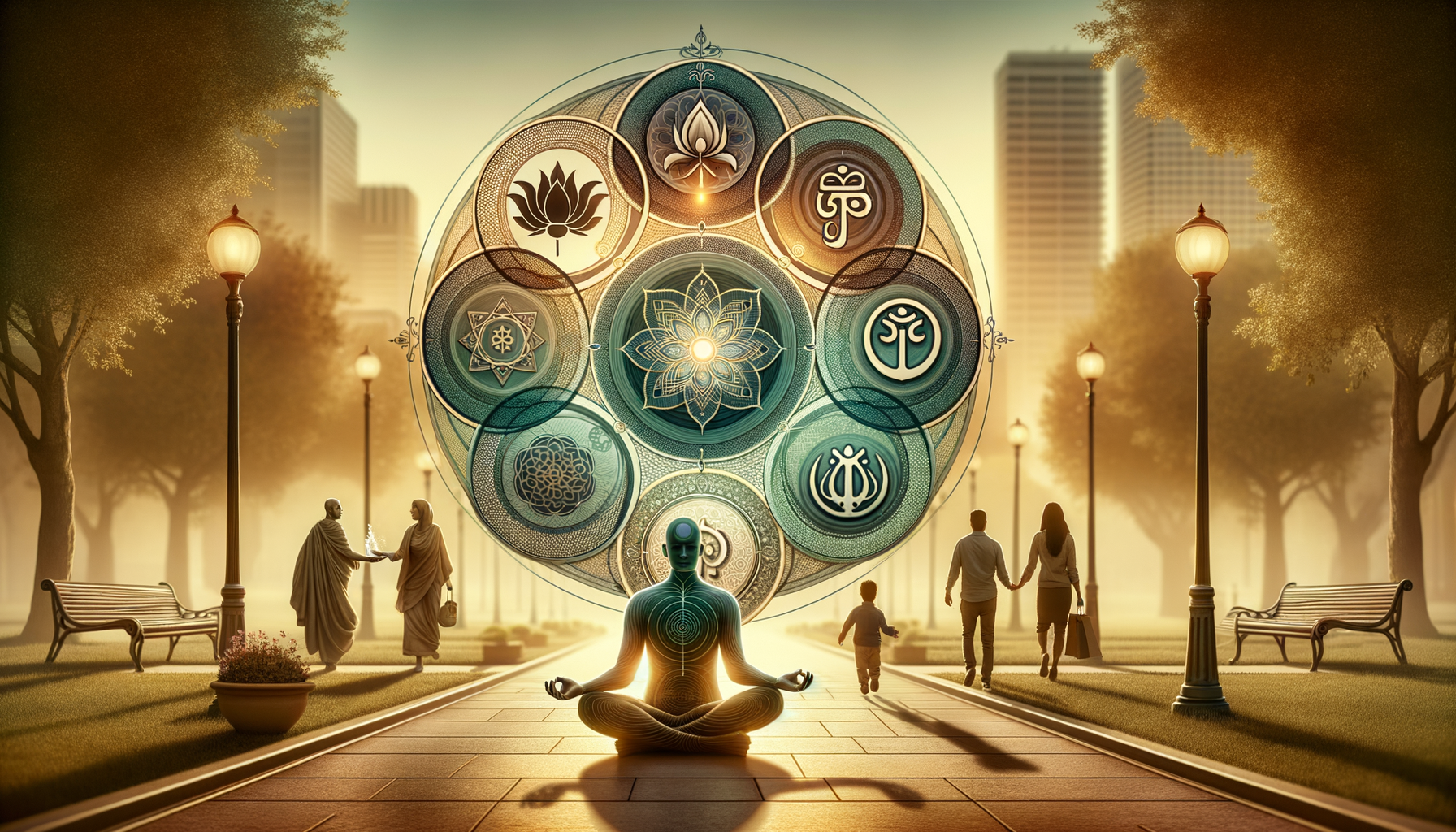
Hindu thought presents moksha as jivanmuktiliberation achievable in this lifetimegrounded in the Upanishads and the Bhagavad Gita. This living freedom is described as a state beyond pleasure and pain, where equanimity and compassion guide daily action. Multiple pathwaysjnana, bhakti, karma, and raja yogaoffer complementary means to stabilize insight. The vision aligns with dharmic parallels: Buddhist…
-
Why People‑Pleasing Fails: Dharma‑Aligned Priorities Prevent Chronic Disappointment

Trying to please everyone guarantees disappointment because competing priorities cannot all be met at once. An academic, dharmic perspective reframes the issue: action should follow values and context, not approval‑seeking. Principles shared across Hinduism, Buddhism, Jainism, and Sikhismdharma, Karma Yoga, ahimsa, aparigraha, Right Action, and sevaoffer a coherent framework. The result is clearer boundaries, compassionate…
-
From ‘Miracle’ to Menace: Dharmic Wisdom to Curb Plastic Pollution and Restore Balance
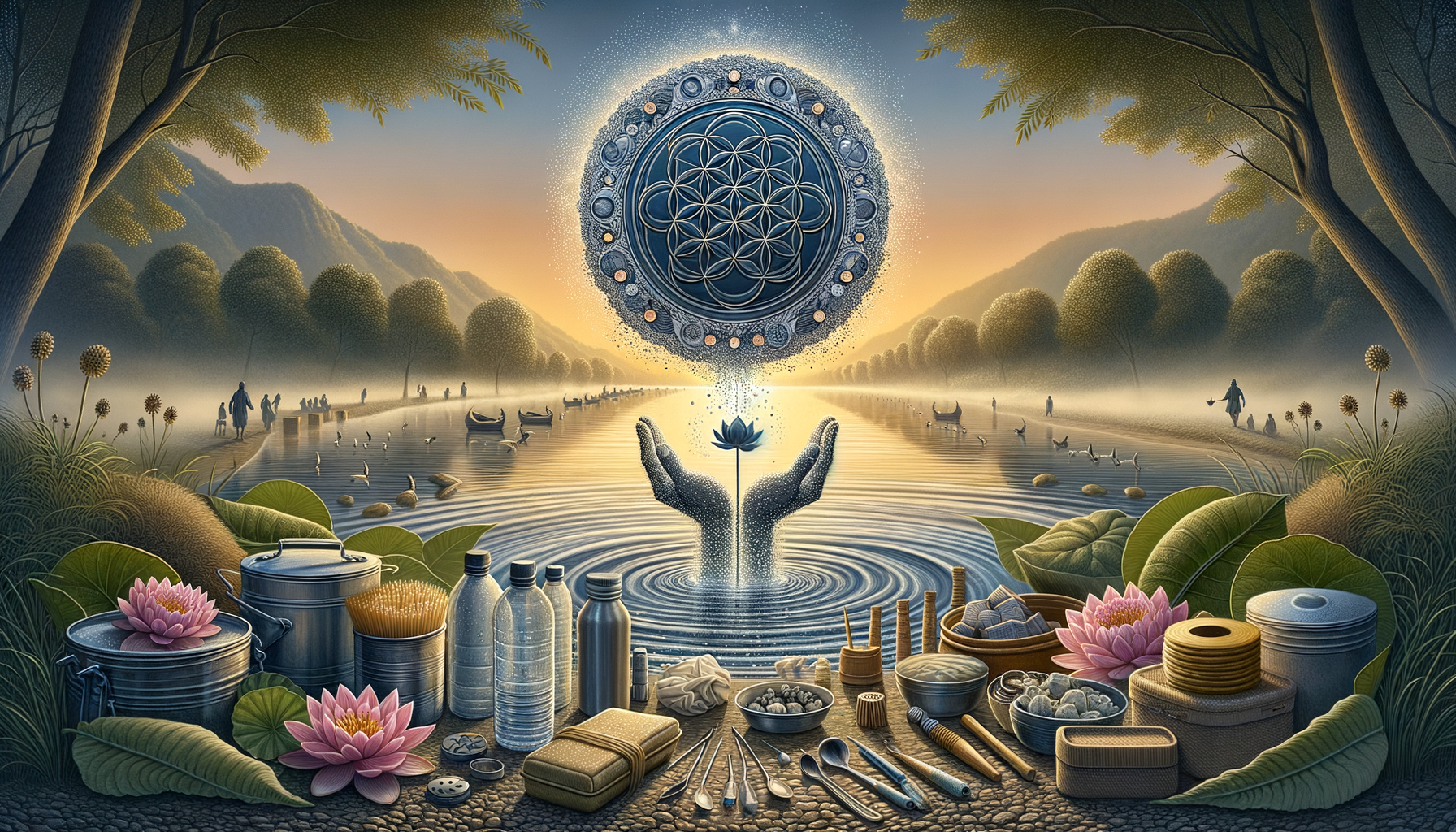
Plastic’s promise has turned perilous, with microplastics degrading ecosystems and health. This piece unites Hindu, Buddhist, Jain, and Sikh wisdom to frame a practical, compassionate response. It explains how Dharma, Ahimsa, Aparigraha, and seva align with circular economy solutions such as repair, reuse, and waste reduction. Readers gain actionable steps for Sustainable livingfavoring durable, repairable…
-
Dhritarashtra’s Locked Room: A Powerful Dharmic Lesson on Attachment, Denial, and Freedom

The Mahabharata’s portrait of Dhritarashtra reveals how attachment (moha) and denial create a self-made prison that undermines ethical judgment. This analysis clarifies the difference between ignorance and active refusal to see, mapping the locked-room metaphor onto everyday life, leadership, and responsibility. It highlights convergence across Hinduism, Buddhism, Jainism, and Sikhism on freeing oneself from clinging…
-
How the Sahibzaade’s Martyrdom Ignited Two Teens’ Inner Mission and Lifelong Courage

Two teenagers discovered a practical path to courage and clarity after studying the Sahibzaade’s martyrdom in a youth workshop. The narrative of Guru Gobind Singh’s sonsset around Anandpur Sahib, Chamkaur, and Sirhindbecame a framework for daily discipline. By linking seva, simran, and small vows (anuvrat) to study habits, the teens improved focus and reduced anxiety.…