
-
Gallant Final Stand in Malaya: 5/11 Sikh Regiment’s World War II Bravery and Resolve

The 5th Battalion, 11th Sikh Regiment distinguished itself in the Malaya Campaign of 1941–42 through disciplined rear-guard actions and principled courage. Operating under intense pressure, the battalion protected withdrawing formations and civilians, illustrating how tactical patience can shape strategic outcomes. Their conduct reflects a dharmic ethicduty, compassion, and kshatrathat unites Hindu, Buddhist, Jain, and Sikh…
-
Echoes of Devotion: Hazoori Ragi Sarabjeet Singh ‘Laad on Shabad Kirtan, Seva, and Unity

This interview with Hazoori Ragi Bhai Sahib Sarabjeet Singh ‘Laad, conducted by Bhupinder (Bo) Singh, explores the discipline and devotion at the heart of shabad kirtan. The discussion highlights how Gurmat Sangeet unites musical rigor with scriptural fidelity to guide the sangat toward contemplation. It emphasizes seva as a lived ethic that strengthens Sikh community…
-
Guru Tegh Bahadur’s Supreme Martyrdom: Defending Freedom of Conscience and Harmony

Guru Tegh Bahadur Ji’s martyrdom in 1675 stands as a defining moment for religious freedom and interfaith harmony in India. Set amid Aurangzeb’s reign, his decision to defend Kashmiri Pandits affirmed the universal right to conscience beyond sectarian lines. The account highlights how his sacrifice resonates across Hindu, Buddhist, Jain, and Sikh traditions, strengthening unity…
-
If Something Changes Your Life, Let It: Dharmic Wisdom to Cultivate Resilience and Grace

The reflection “If something changes your life, let it” expresses a core dharmic insight shared by Hinduism, Buddhism, Jainism, and Sikhism: change, met with discernment and non-attachment, catalyzes spiritual growth. Drawing from the Bhagavad Gita, Patanjali’s Yoga Sutra, anicca, Anekantavada, Hukam, and Chardi Kala, the post outlines a practical pathpause, breathe, discern, act ethically, reflectto…
-
Mata Sahib Devan’s Sacred Journey: From Rohtas to Anandpur Sahib and the Khalsa’s Spiritual Motherhood

Mata Sahib Devan’s journey from Rohtas to Anandpur Sahib is a cornerstone of Sikh history and a bridge to shared Dharmic values. Set within the cultural landscape of Punjab, the narrative reveals how personal devotion matures into public service. Her sanctification of Amrit with patashe symbolizes a lasting ethicstrength framed by compassion. Read in an…
-
From Worry to Wisdom: Reflecting on Guru Nanak Dev Ji’s Timeless Guidance Today

Marking the 556th Birth Anniversary of Guru Nanak Dev Ji, this reflection explores how Naam Japna, Kirat Karni, and Vand Chakna guide a practical journey from worry to wisdom. It explains how hukam offers a stable orientation amid uncertainty and why seva and sharing transform private anxiety into communal resilience. The piece highlights Ik Onkar…
-
Guru Nanak’s Transformative Journeys: Across Lands, Uniting Hearts and Dharmic Traditions

This post explores Guru Nanak’s transformative journeys as living dialogues that fostered unity among Hinduism, Buddhism, Jainism, and Sikhism. It situates the travels within historical contexts, draws on janamsakhi traditions with scholarly care, and highlights core teachings such as Ik Onkar, Naam-simran, and sarbat da bhala. The narrative shows how music (kirtan) and langar embodied…
-
Guru Nanak Sahib in Kufa: A Historic Moment of Interfaith Dialogue and Dharmic Unity

Traditions recall Guru Nanak Sahib’s presence in Kufa during his visit to Iraq, situating his journey within a renowned hub of Islamic scholarship. This remembrance reinforces the Sikh ethos of interfaith dialogue and the dharmic ideal of unity in diversity. By highlighting oneness (Ik Onkar) alongside Sufi contemplative insights, it models respectful encounter across religious…
-
Love Those Who Lift You, Forgive Those Who Hurt: Dharmic Wisdom for Resilient Living

This article explores the dharmic wisdom behind the maxim “Love the people who treat you right, forgive the ones who don’t.” It clarifies how loving support builds sattva, while forgiveness safeguards inner peace without excusing harm. The analysis balances compassion with justice, showing how Dharma requires both accountability and kṣamā. Cross-tradition parallels in Buddhism, Jainism,…
-
Guru Ladho Re! Bhai Makhan Shah’s Daring Search and the Discovery of Guru Tegh Bahadur Ji
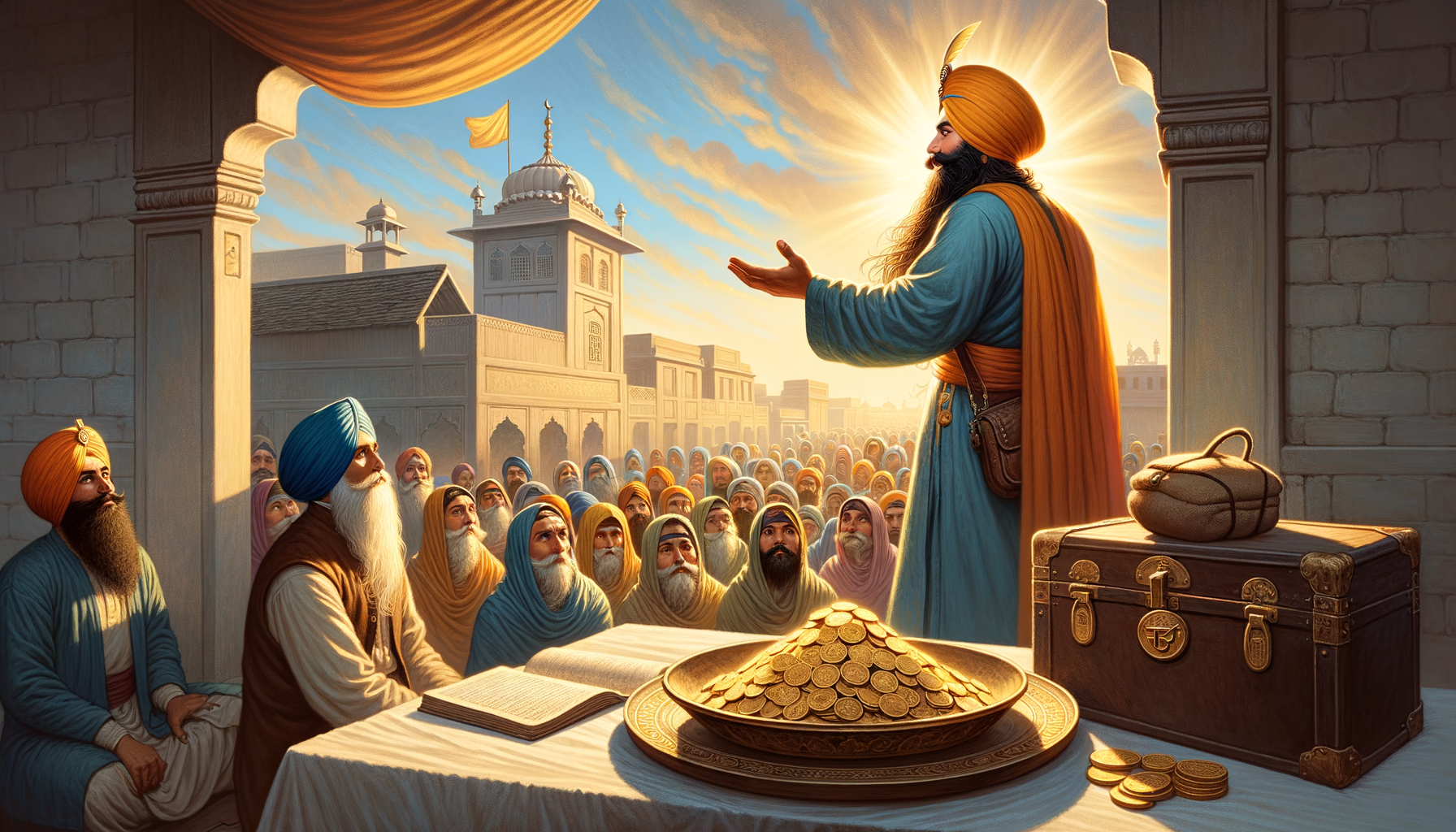
“Guru Ladho Re!” captures the pivotal moment when Bhai Makhan Shah Lubana identified Guru Tegh Bahadur Ji at Baba Bakala, restoring unity amid competing claims. Anchored in Sikh history, the episode showcases discernment, fidelity to vows, and ethical leadership. It offers a relatable model for navigating crisis, testing truth with humility, and affirming authenticity. The…
-
Padma’s Sacred Power: How the Divine Lotus Unites Hindu, Buddhist, Sikh, and Jain Paths

Padma, the divine lotus, is a shared sacred symbol across Hinduism, Buddhism, Sikhism, and Jainism that embodies purity, resilience, and spiritual awakening. In Hindu practice, it serves as the seat of Mata Lakshmi Devi and is offered in puja to Lord Vishnu and Ma Lakshmi, signifying prosperity and auspiciousness. Buddhist teachings present the lotus as…
-
Lagna and the 1st House Explained: A Transformative Guide to the Ascendant in Vedic Astrology

Lagna (Ascendant) is the Vedic astrology anchor of the 1st House, linking the soul’s entry into life with identity, vitality, and direction. Classical guidance, including Sarvartha Chintamani (II.5), affirms that a house gains strength when occupied by its own lordan insight crucial for interpreting Lagna. Assessing dignity, aspects, Shadbala, and vargas (notably Navamsa) clarifies health…
-
Arjuna’s Battlefield Anxiety: A Timeless Guide to Dharma, Mental Resilience, and Action

The Bhagavad Gita’s opening presents Arjuna in acute distresstrembling, disoriented, and morally tornoffering a precise portrait of battlefield anxiety. Rather than pathologizing, the text frames his vishada as the starting point for ethical clarity and inner steadiness. Krishna’s counsel models a pragmatic sequence: reframing, values-based duty, equanimity, breath regulation, and focused attention. These principles map…
-
Enlightenment Demystified: Clear Signs, One Essence, and a Unified Dharmic Path to Peace

Across Hinduism, Buddhism, Jainism, and Sikhism, realization is singular while pedagogical stages vary. Signs of enlightenment commonly include steady equanimity, spontaneous compassion, ethical ease, and a quieting of egoic narratives. Emptiness (śūnyatā) is one essence taught for different purposes, dissolving clinging and opening fearless presence. Traditions use diverse skillful meansethics, meditation, devotion, and insightto mature…
-
Gurbani Exegesis and Japji Commentaries: Illuminating Tradition, Unity, and Future Pathways
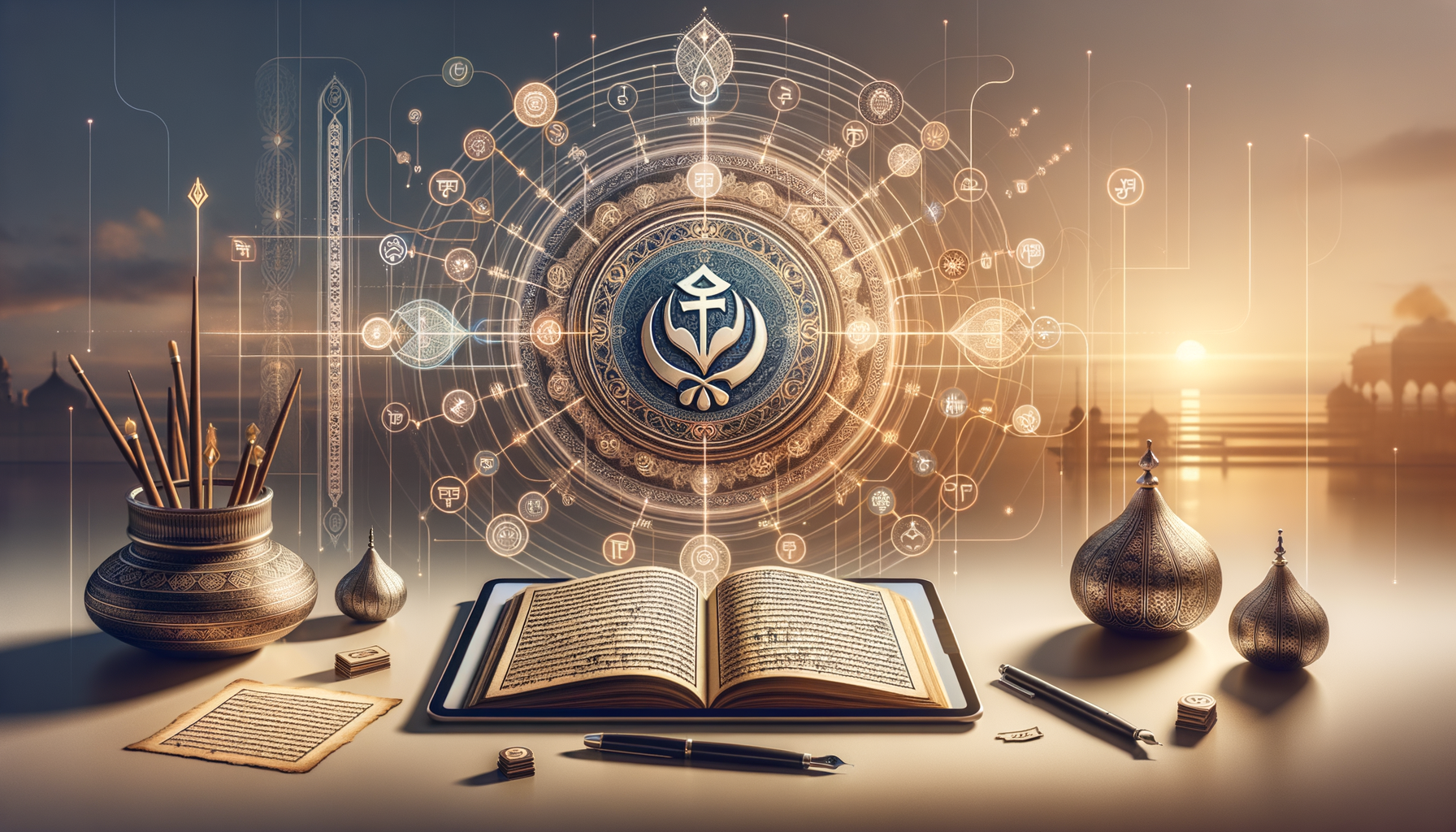
A webinar hosted by Naad Pargaas Australia explored “Exegesis of Gurbani and the Commentaries on Japji,” emphasizing rigorous yet devotional approaches to Sikh scripture. The discussion balanced linguistic precision, historical context, and lived practice to clarify Japji Sahib’s enduring relevance. Speakers situated Sikh hermeneutics within a wider dharmic landscape, strengthening unity across Hinduism, Buddhism, Jainism,…
-
Right Thinking, Real Change: Hindu Dharma’s Timeless Tools to Transform Self and Society

Ancient Hindu wisdom teaches that the quality of thoughts shapes realityan insight echoed across the Bhagavad Gita, the Upanishads, and yogic psychology. This post outlines practical tools such as mindfulness, breath awareness, and values-aligned intention to cultivate clarity and compassion. It highlights how right thinking extends beyond personal wellness to strengthen social trust and community…
-
Rajasthan’s Anti-Conversion Law: Prior Permission, Ghar-Wapsi, and Religious Freedom

Rajasthan’s anti-conversion law requires prior Government permission for any change of religion, while exempting ‘ghar wapsi’a return to one’s original faith. The policy distinguishes new affiliation from reversion, aligning the latter with continuity of identity. For families, the process encourages clarity and documentation, while institutions may benefit from greater transparency. Reactions vary: some see safeguards,…
-
Mystic Echoes Review: Luminous Sikh Stories Bridging Dharmic Wisdom and Daily Life

Mystic Echoes (Stories Rooted in Sikh Spiritual Realms) is reviewed as a contemplative collection that translates Sikh spirituality into lived, everyday ethics. The narratives highlight Naam, Seva, Sangat, and Hukam as accessible pathways to clarity, courage, and compassion. A calm, precise style makes complex ideas readable without diluting spiritual depth. The review underscores how these…
-
Dharamsal Gurudwara San Antonio Turns 10 in 2025: Celebrating Seva, Community, and Peace
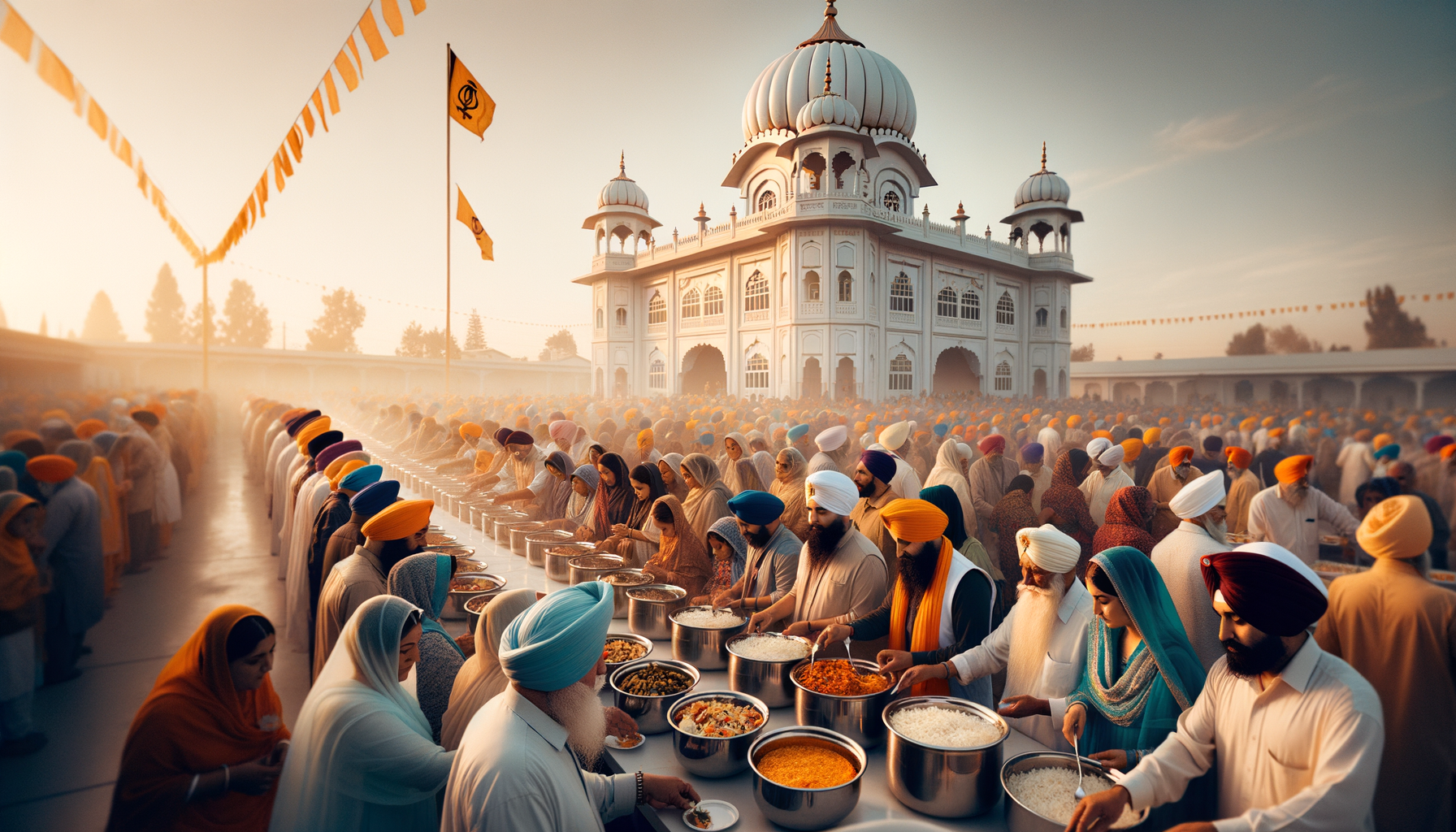
Dharamsal Gurudwara San Antonio completes its first decade in 2025, highlighting a sustained commitment to seva, kirtan, ardas, and langar. The milestone underscores shared dharmic values that connect Hinduism, Buddhism, Jainism, and Sikhism through compassion, dignity, and service. As a community anchor, the Gurudwara fosters inclusion, intergenerational learning, and cultural continuity in San Antonio. Its…
-
Why Materialism Fuels Endless Anxiety: Hindu Wisdom on Desire, Aparigraha, and Peace

Hindu wisdom explains why unchecked materialism intensifies anxiety by fueling attachment and craving. It reframes prosperity within dharma so possessions serve purpose rather than define identity. Aparigraha, shared across Hinduism, Buddhism, Jainism, and Sikhism through allied principles like santokh and dana, offers a practical antidote to compulsive desire. Readers gain a clear model for balancing…