
-
Nishan Sahib Etiquette: How Gurudwaras Maintain, Honor, and Protect the Sacred Sikh Flag
The Nishan Sahib stands as a global emblem of Sikh identity, seva, and equality, maintained with care in Gurudwaras worldwide. This guide explains its symbolism, daily respect, and the ceremonial renewal often performed during Vaisakhi or Gurpurabs. Readers learn practical maintenance protocols, from fabric selection and chola wrapping to lightning protection and responsible lighting. It…
-
Awakening to a Living, Intelligent Universe: Dharma’s Cosmic Order vs Human Greed and Avidya

Hindu philosophy describes the universe as a living, intelligent reality governed by Rta or Dharma. This cosmic law sustains balance and harmony, shaping everything from galaxies to human thought. Parallel insights in Buddhism, Jainism, and Sikhismthrough Dhamma, Ahimsa, Aparigraha, and Hukamaffirm a shared moral order across dharmic traditions. When greed and Avidya prevail, ecological, social,…
-
Jaap Sahib Unveiled: Critical, Compassionate Insights into Guru Gobind Singh’s Universal Hymn
Jaap Sahib, a foundational Sikh hymn in the Dasam Granth, is a rigorous and compassionate celebration of the One beyond name and form. This study clarifies its historical setting in Anandpur Sahib, its multilingual poetics, and its role in Nitnem. The analysis shows how its rhythmic invocations cultivate steadiness, courage, and ethical clarity in daily…
-
Shiva–Parvati as Yin–Yang Archetypes: A Timeless Guide to Balance, Unity, and Grace

Shiva and Goddess Parvati embody a powerful archetype of complementary balance in Eastern philosophy, comparable to yin and yang. Their union models non-duality: awareness and energy co-arise to sustain harmony. The same insight appears across dharmic traditionsBuddhism’s Middle Way, Jainism’s Anekantavada, and Sikhism’s integration of temporal and spiritual lifeaffirming unity in spiritual diversity. Readers gain…
-
Ohio Honors Hindu Heritage Month: Nearly 20 City Proclamations and a State Proclamation

Ohio marked a standout October 2025 for Hindu Heritage Month, with nearly 20 city proclamations and a formal state proclamation from Governor Mike DeWine. The recognitions highlight the contributions of Hindu Americans across education, healthcare, engineering, business, and the arts. They also affirm core dharmic valuesdharma, compassion, inclusivity, and universal respectshared across Hinduism, Buddhism, Jainism,…
-
Speak Less, Hear More: Dharmic Wisdom on Silence, Empathy, and Transformative Communication

Modern life rewards loudness, yet dharmic wisdom teaches that silence and attentive listening create deeper connection, clearer thinking, and ethical speech. Hinduism’s shravana–manana–nididhyasana frames listening as a disciplined path to knowledge, complemented by the Gita’s guidance on truthful, beneficial, and gentle speech. Parallel insights in Buddhism, Jainism, and Sikhismnoble silence, anekantavada and samayik, and Suni-aiconverge…
-
Shaheedi Asthan of Baba Banda Singh Bahadur: A Moving Tribute to Courage and Dharma
The Shaheedi Asthan of Baba Banda Singh Bahadur offers a powerful encounter with Indian history and Sikh heritage. It commemorates a principled leader whose life exemplified dharma, courage, and service. The memorial contextualizes Mughal–Sikh interactions while honoring Indian martyrs. Visitors experience a contemplative environment shaped by shabad kirtan, ardas, and living heritage. The site models…
-
Empowering Sikh Applicants: A Blueprint for Mentorship, Equity, and Dharmic Unity

Many Sikh applicants face avoidable barriers in admissions and early careersfrom limited mentorship to uncertainty about articles of faith in institutional contexts. This blueprint proposes a practical program featuring mentorship networks, cultural and legal accommodation toolkits, application labs, scholarship directories, and well-being cohorts. It translates seva, leadership, and cultural contributions into strong portfolios while equipping…
-
Seven Daily Practices to Cultivate Wismad for Calm, Clarity, and Dharmic Unity
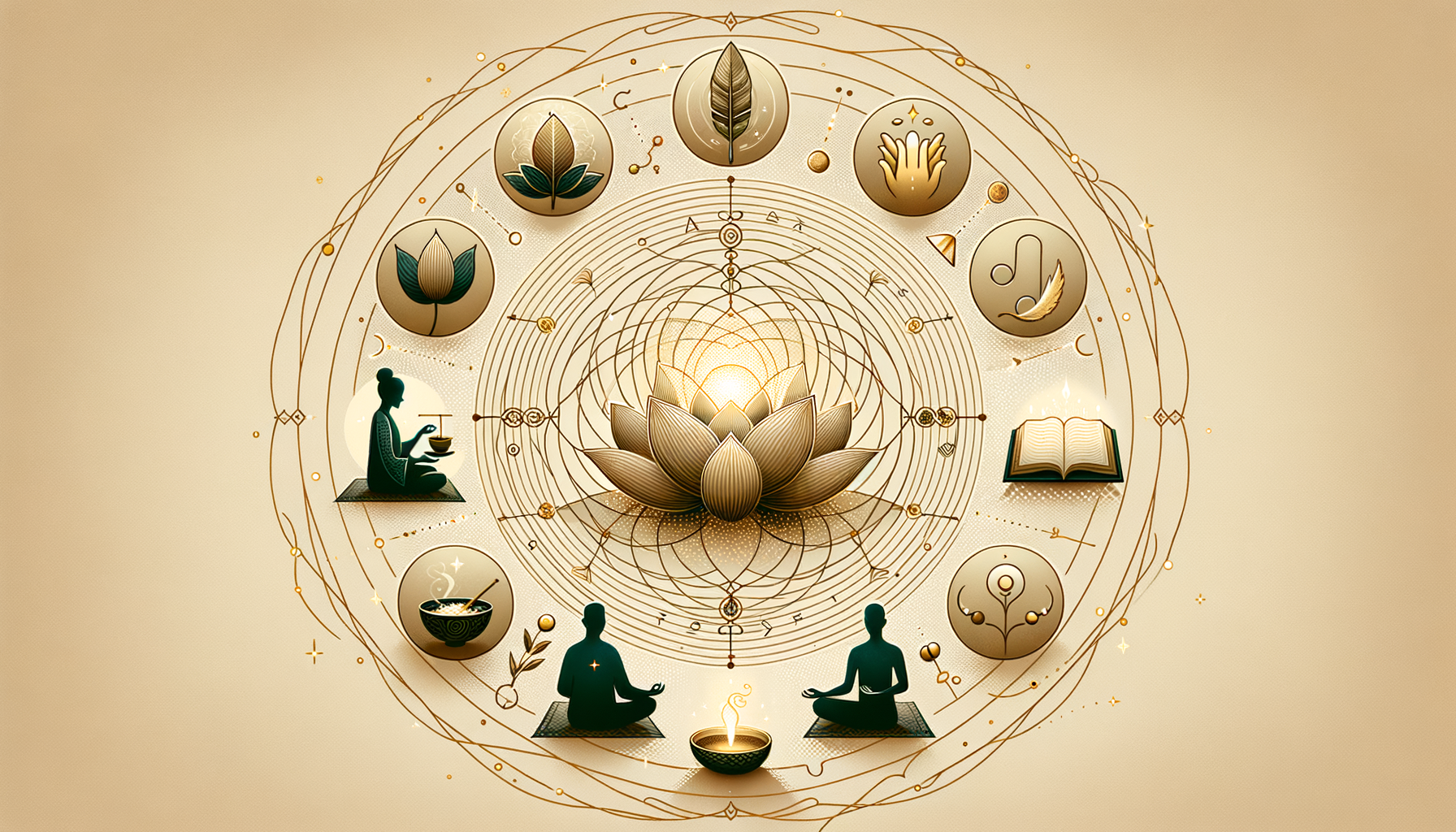
This guide presents seven daily practices to cultivate Wismadan awe-filled awareness recognized across Hinduism, Buddhism, Jainism, and Sikhism. It begins with simple breathwork to calm the nervous system and prepare the mind for ethical action. Short, contemplative study fosters humility and integrative understanding through Anekantavada. Compassion-in-action turns mindfulness into service, while mindful speech and listening…
-
योग साधना द्वारा जीवन विकास: Transform Daily Life with Practical Yoga, Calm, and Clarity

Yoga is often misunderstood as an ascetic pursuit, yet it serves as a practical method for everyday life development. Rooted in shared dharmic values, it unites Hindu, Buddhist, Jain, and Sikh perspectives through ethics, breath awareness, and meditation. A simple, consistent routinebrief asana, breathing techniques, and reflective practicebuilds emotional resilience and steady focus. Ethical principles…
-
Destiny vs. Free Will: How Karma and Choices Shape Our Future Across Dharmic Traditions

Is the future predetermined, or do choices genuinely shape outcomes? Drawing on Hinduism, Buddhism, Jainism, and Sikhism, this piece clarifies how karma names conditions from the past while puruṣārtha preserves present agency. The Bhagavad Gita’s Karma Yoga, Buddhism’s emphasis on intention, Jainism’s ethical discipline, and Sikhism’s balance of Hukam and effort converge on responsible freedom.…
-
When Harm Returns Home: Dharmic Wisdom on Ahimsa, Karma, and Inner Well-Being

The maxim “In injuring others you really injure yourself” expresses a shared dharmic truth: harm rebounds upon the doer through the natural interplay of karma and dharma. Across Hinduism, Buddhism, Jainism, and Sikhism, ahimsa, compassion, and seva sustain both inner calm and social trust. Practical experience confirms this lawhurtful conduct unsettles the mind, while ethical…
-
Beyond the Five Senses: Hinduism’s Profound Insight into Why Perception Misleads

Human perception is inherently limited, a point Hinduism has articulated for centuries and modern science increasingly affirms. The five indriyas capture only a fraction of reality, making errors of judgment likely without disciplined methods of knowing. Hindu epistemology balances pratyaksha (perception), anumana (inference), and shabda (authoritative testimony) to refine understanding. Concepts like Maya and Avidya…
-
Blood-Stained Chapters in Sikh History: Remembering Martyrdom, Resilience, and Dharmic Unity
Sikh history contains blood-stained chapters that demand both scholarly accuracy and compassionate remembrance. This analysis examines the martyrdoms of Guru Arjan and Guru Tegh Bahadur, the formation of the Khalsa under Guru Gobind Singh, the trials of the eighteenth century, the tragedies of Partition, and the wounds of 1984. Emphasizing Religious Pluralism and Interfaith Dialogue,…
-
Poh’s Quiet Fire: Separation, Remembrance, and Inner Awakening across Dharmic Paths

Poh, corresponding to the Poush Month of the Hindu calendar, arrives with the Winter Solstice and encourages quiet reflection. Across Sikh, Hindu, Buddhist, and Jain traditions, it frames a threefold journey: separation as restorative pause, remembrance as ethical memory, and inner awakening as steady practice. Observances such as simran, japa, dhyana, samayik, and mindful reading…
-
Light and Shadow in the Heart: Dharmic Wisdom on Human Duality and Inner Harmony

Dharmic traditions view the human heart as a dynamic interplay of light and shadow, emphasizing growth through accountability rather than moral absolutism. Hindu scriptures describe the guṇas and the contrast of daivī and āsurī qualities, while the Upanishads situate clarity in the Self beyond mental fluctuation. Buddhism’s Middle Way, Jainism’s Anekantavada, and Sikh reflections on…
-
Paradox of Progress: Why Discontent and Violence Riseand Dharmic Ways to Peace

Scientific advancements have brought unprecedented capabilities, yet discontentment and violence continue to rise. This article interprets the paradox through a dharmic lens, highlighting avidyā, restless desire, and information overload as drivers of inner turmoil. It presents unifying insights from Hinduism, Buddhism, Jainism, and Sikhismdharma, ahiṁsā, karuṇā, and sewaas complementary solutions. Readers gain practical guidance in…
-
Guru Gobind Singh Ji’s 360th Parkash Aagman: Timeless Courage, Seva, and Unity

The 360th Parkash Aagman of Guru Gobind Singh Ji (born 22 December 1666 at Patna Sahib) offers a timely occasion to revisit the sant–sipahi ideal and its enduring relevance. Observed across diverse calendars, the commemoration centers on Akhand Paath, kirtan, Nagar Kirtan, and inclusive langar at sacred sites and in diaspora communities. Guru Gobind Singh…
-
Naam, Daan, Ishnaan: A Transformative Threefold Path to Clarity, Compassion, and Calm

This reflection explores how Naam (attentive remembrance), Daan (ethical generosity), and Ishnaan (purification) form a practical threefold path across Hinduism, Buddhism, Jainism, and Sikhism. It shows how brief, consistent practicessuch as early-morning simran or japa, mindful ishnan, and everyday sevatranslate inner steadiness into social good. Readers learn accessible ways to integrate the triad into modern…
-
Guardian of Sikh Heritage, Trailblazer in Conservation Science: A Life of Seva and Stewardship

This profile presents a rigorous yet compassionate model that unites conservation science with Sikh heritage stewardship. Readers gain a clear framework for protecting sarovars, Gurdwaras, manuscripts, and intangible practices such as kirtan, langar, and seva. The approach pairs ecological surveys and preventive conservation with oral histories and community training, making care both evidence-based and accessible.…