
-
Datta Navratri 2026 Dates: Auspicious Magha Observance from Rath Saptami to Purnima
Datta Navratri 2026 dates run from January 25 (Rath Saptami) to February 1 (Magh Purnima), aligning this nine-day observance with Magha Masam in the Hindu calendar. The period emphasizes devotion to Lord Dattatreya and invites reflection on knowledge, detachment, and compassion. Families and communities can plan temple visits, bhajans, and home worship with clarity and…
-
Raja Matangi on Shyamala Navaratri Day 9 (Magh): Sovereign of Speech, Arts, and Mantras
Rāja Mātaṅgī (Rāja Śyāmalā, Mantrīṇī) is honored in the Śrī Vidyā tradition as the tantric mantrī of Lalitā Tripurasundarī, governing mantras, speech, arts, and creative knowledge. Many traditions observe her worship on the 9th day of Śyāmala Navarātri in Magh, focusing on clarity in expression and excellence in the arts. Drawing on the Lalitopākhyāna (Brahmāṇḍa…
-
Saraswati Puja 2026: Dates, Traditions, and the Joy of Learning in Sharad Navratri

Saraswati Puja (Saraswati Triratra Vrata) during Sharad Navratri will be observed in 2026 from October 16 to October 19 across Andhra Pradesh, Telangana, Kerala, Karnataka, Tamil Nadu, Maharashtra, and Gujarat. The final three days focus on Goddess Saraswati, celebrating wisdom, learning, music, and the arts. Families honor books, instruments, and tools of learning, while communities…
-
Navratri 2026 Dates & Schedule: Definitive Guide to Shardiya Navratri, Kalash Puja, Rituals

Navratri 2026also known as Maha Navratri, Durga Navratri, Devi Sharan Navratri, and Sharadiya Navratrifalls in Ashwin Month (Ashwayuja Masam) and begins with Kalash Puja (Ghatasthapana). Exact Navratri 2026 dates and muhurat depend on regional panchangs, so confirming local timings ensures accurate observance. The nine nights honor the Goddess in nine forms, culminating in Vijayadashami (Dussehra),…
-
Shyamala Navaratri 2026: Dates, Pooja Guide, and the 9 Nights of Knowledge & Harmony

Shyamala Navaratri 2026 will be observed from 19 January to 27 January, corresponding to Shukla Paksha Pratipada through Shukla Paksha Navami in Magha. Also known as Magha Navaratri, this Gupta Navaratri honors the Shyamala aspect of the Divine Mother, emphasizing wisdom, eloquence, and the arts. The guide outlines a clear, home-friendly pooja flowsankalpa, dhyana, Panchopachara…
-
Kushmanda: Unveiling the Cosmic Creative Power of Durga and Its Life-Shaping Symbolism
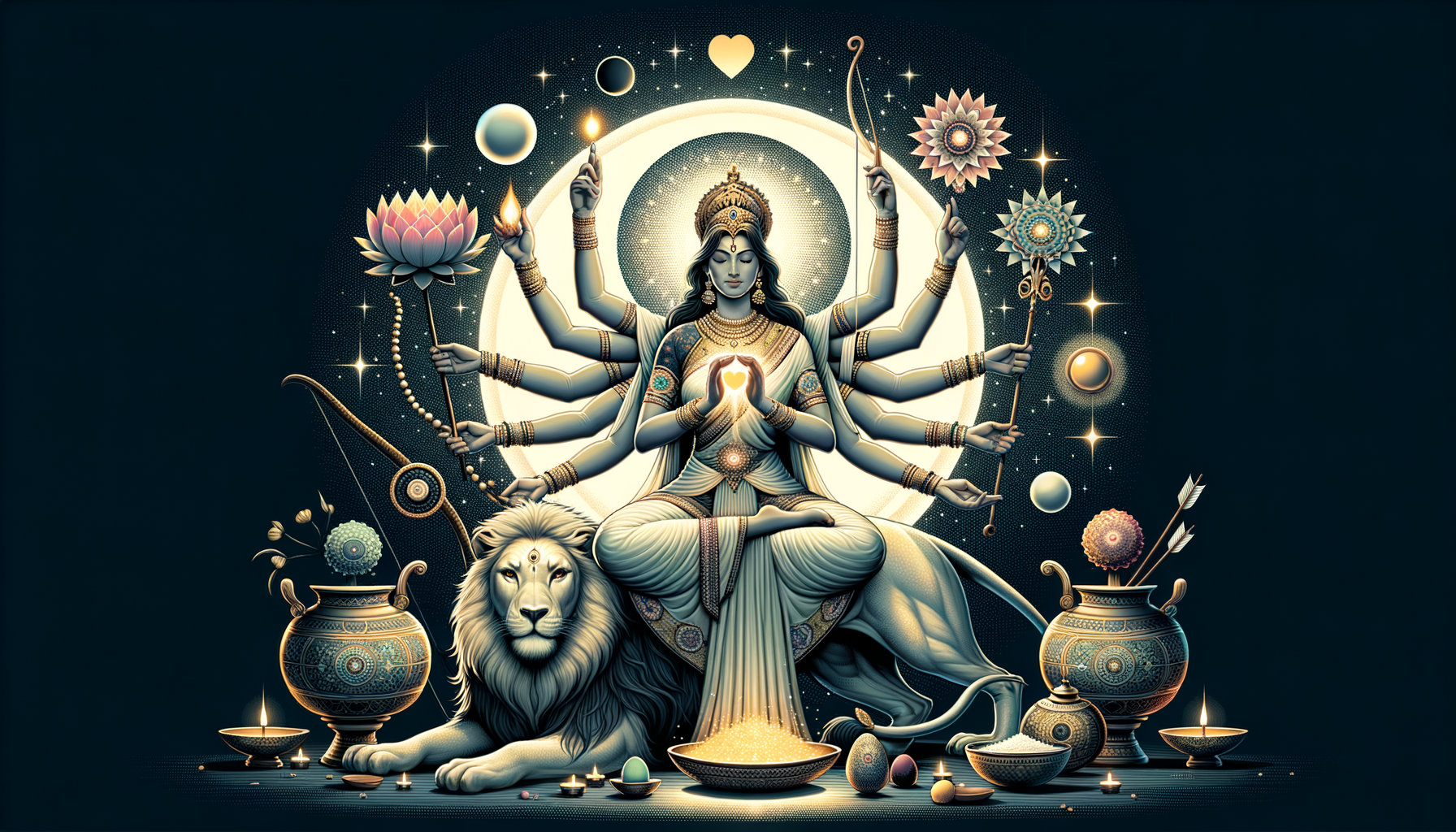
Kushmanda, the fourth manifestation of Goddess Durga, is honored as the creative force that brings the universe into being. Her name evokes the primordial warmth that animates the cosmic egg (Brahmanda), linking metaphysical insight with practical devotion. In Navaratri worship, Kushmanda symbolizes new beginnings, inner vitality, and disciplined compassion. Iconography portrays her as Ashtabhuja, radiating…
-
Gupt Navratri 2026 (Magha): Sacred January Dates, Rituals, and Spiritual Insights
Gupt Navratri 2026 (Magha) will be observed from 19–27 January 2026 during the Shukla Paksha of Magha maas. This nine-night festival of Goddess Shakti emphasizes inward sadhana, disciplined vrat, and daily puja. Families often perform Ghatasthapana on Pratipada and conclude with special prayers on Navami, supported by recitation of Durga Saptashati or Lalita Sahasranama. The…
-
Sixteen Sacred Days in Jharkhand: An Immersive Guide to Navratri and Durga Puja Heritage

Jharkhand observes a distinctive sixteen-day Navratri and Durga Puja that extends devotion beyond the familiar nine days, aligning with Mahalaya and culminating on Vijayadashami. The longer cycle deepens spiritual focus through Kalash Sthapana, Akhanda Deepa, and Devi Mahatmyam recitations, while showcasing regional arts, eco-conscious idols, and Sal Tree motifs. Community-led prasad distribution and cultural programs…
-
Magh Navratri 2026 Dates & Ritual Guide: Experience Gupt Navratri’s Sacred Nine Nights
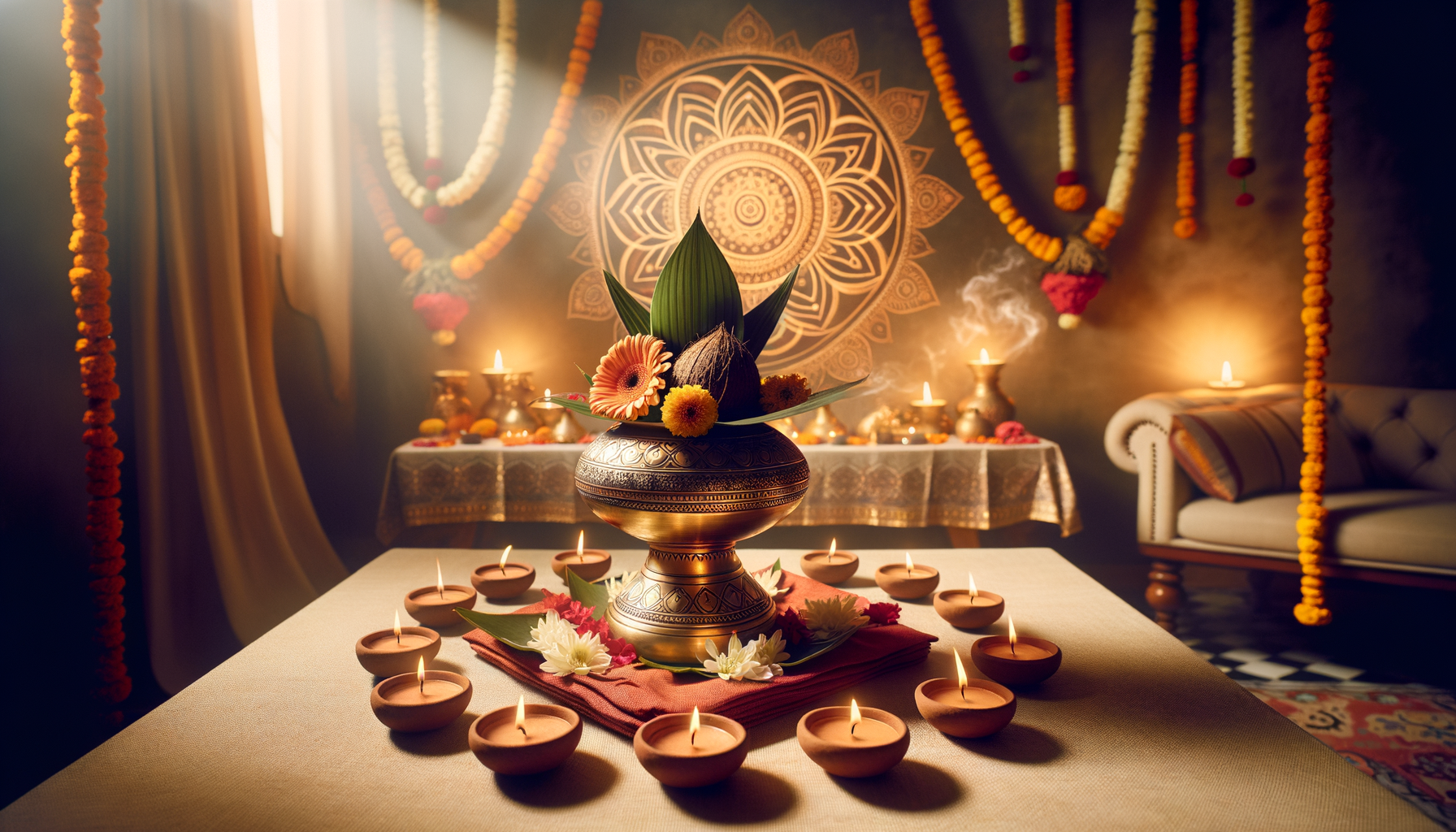
Magh Navratri (Magha Navaratri), also known as Gupt Navratri, will be observed from January 19 to January 27, 2026. The festival unfolds during the Shukla Paksha of Magha maas and honors Goddess Shakti over nine sacred nights. Many households follow the Navadurga sequence, balancing devotion with inner sādhanā characteristic of Gupt Navratri. Simple practicesvrata, diya…
-
Shakambari Jayanti 2026: Celebrating the Nourishing Goddess on Navaratri’s Sacred Finale

Shakambari Jayanti 2026, observed on January 3, marks the auspicious finale of Shakambari Navaratri (Pausha Navaratri). The day venerates Goddess Shakambari as the provider of sustenance, symbolized by offerings of green leafy vegetables and fruits. Celebrations across Madhya Pradesh, Rajasthan, Karnataka, Tamil Nadu, and the Himalayan region blend devotion with ecological awareness and community service.…
-
Shakambari Purnima 2026: Date, Sacred Significance, and Eco-Devotional Practices
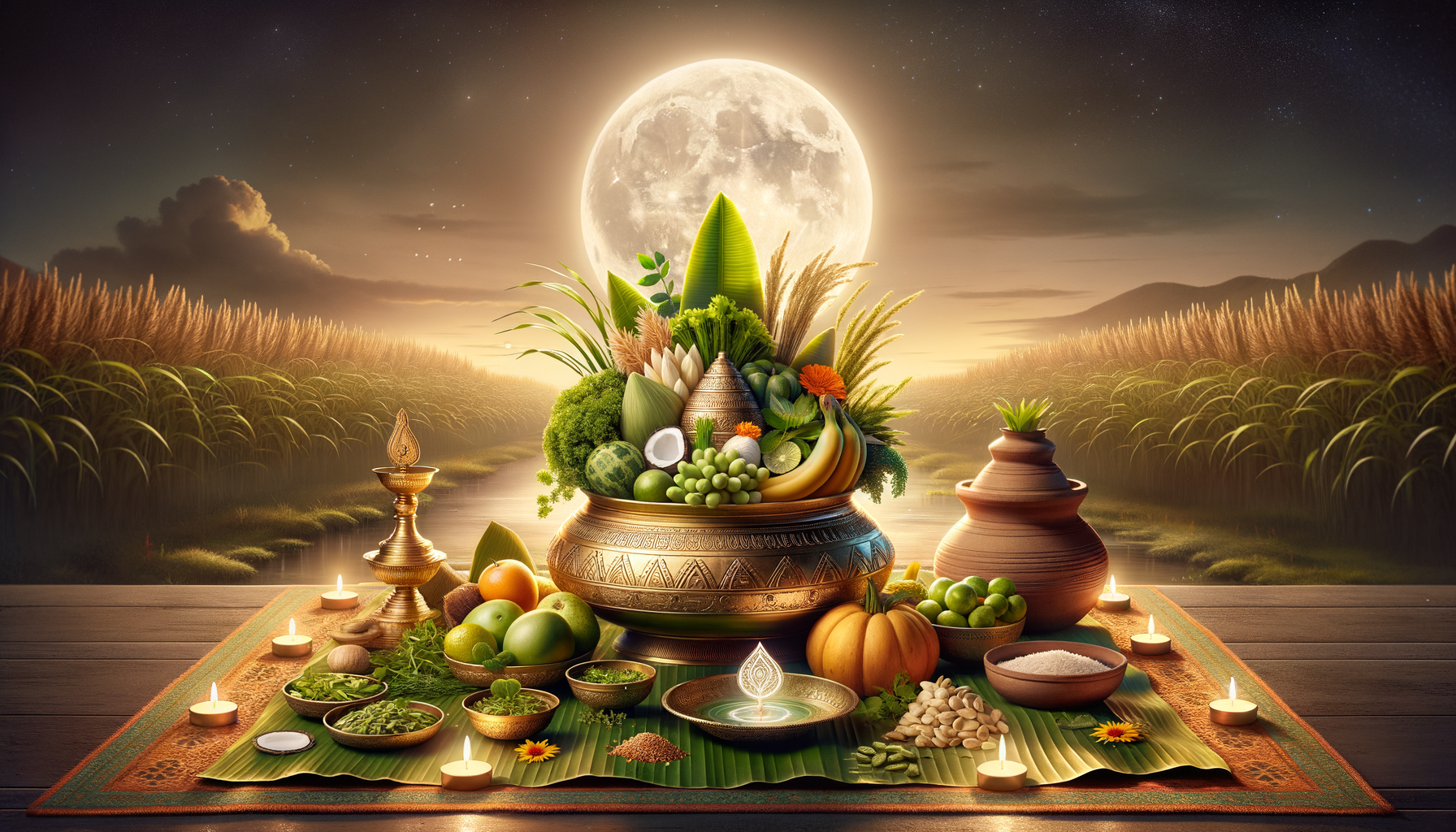
Shakambari Purnima in 2026 falls on 3 January, marking the conclusion of Shakambari Navratri and honoring Goddess Shakambari, the ‘Bearer of the Greens’. The observance celebrates nourishment, ecological balance, and the sanctity of sharing food (annadāna). Devotees offer seasonal vegetables, grains, and greens, emphasizing sattvic living and gratitude for nature’s bounty. Communities often organize produce-sharing…
-
Angalamman Kavacham: Powerful Protective Prayer for Strength, Inner Courage, and Navaratri

Angalamman Kavacham is a revered protective prayer to the guardian mother goddess Angalamman, celebrated as Devi Shakti within Tamil traditions. It is commonly chanted for protection from harm, removal of obstacles, and cultivation of inner strength, particularly during Navaratri. Devotees often experience emotional resilience and calm through mindful, rhythmic recitation. The hymn’s salutations to the…
-
Kanchi Kamakshi Temple: A Timeless Shaktipeetham and Living Devi Heritage of Kanchipuram
Kanchi Kamakshi Temple (Kanchi Shaktipeetham) in Kanchipuram is a premier center of Shaktism in South India, revered for its living worship of Goddess Kamakshi and its Dravidian architectural grandeur. Tradition associates the sanctum with a Sri Chakra installation by Adi Shankaracharya, underscoring an integration of ritual and philosophy. Recognized in many traditional lists of the…
-
Dasha Mahavidyas Explained: Transformative Shakti Archetypes for Everyday Life and Inner Peace
Dasha Mahavidyasten archetypal forms of the Divine Motheroffer practical guidance far beyond ritual worship. This article explains how each Mahavidya maps to a daily-life virtue: courage, compassion, harmony, spacious awareness, disciplined effort, selfless transformation, wisdom in pauses, neutralizing negativity, ethical expression, and auspicious abundance. It outlines simple practices for meditation, mindful speech, and seva that…
-
Discover the Complete Symbolism of Jagadhatri’s Elephant Head: From Devi Mahatmya to Bengal
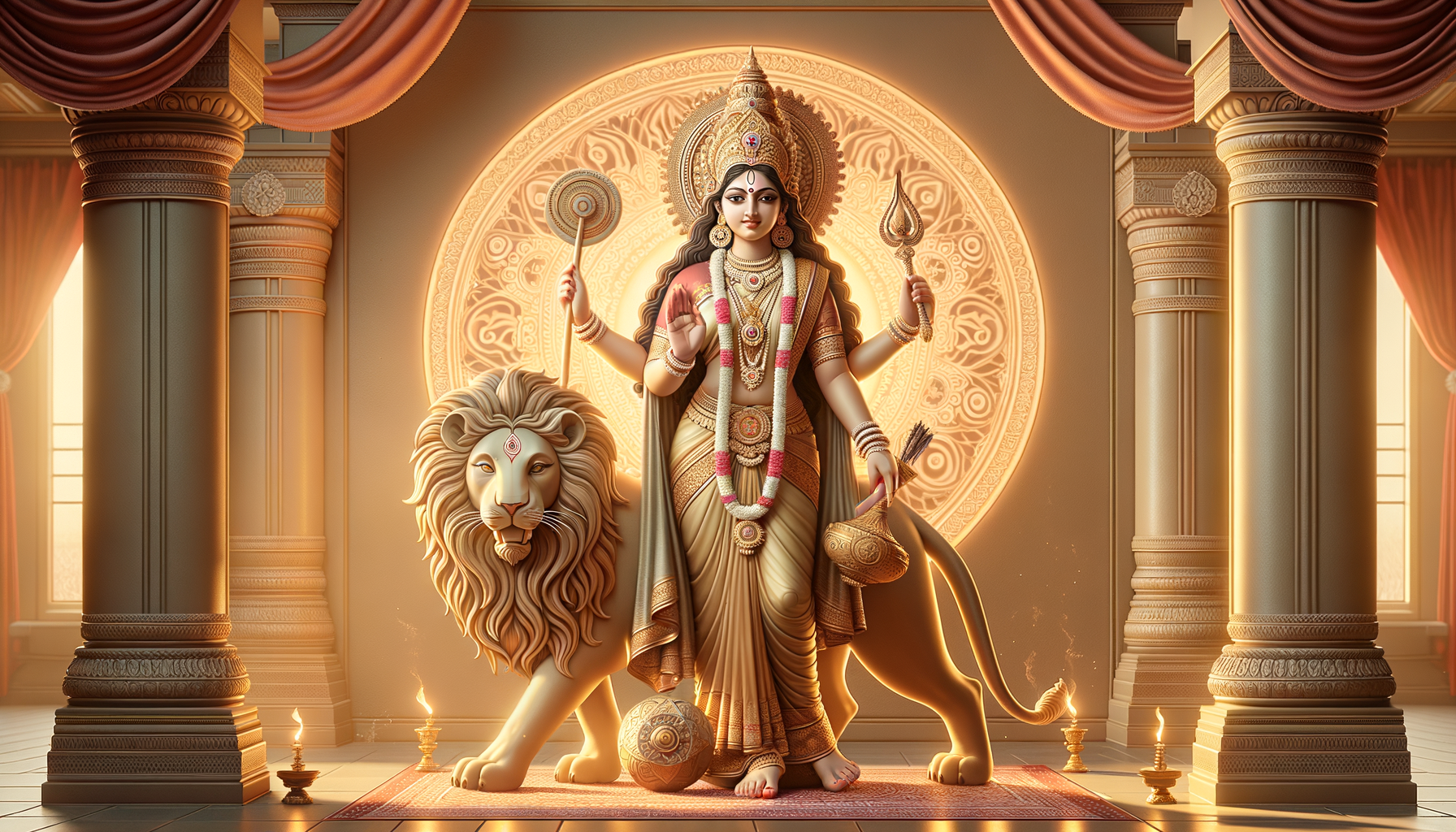
The elephant head beneath Goddess Jagadhatri’s feet is not an incidental detail; it is a direct reference to Devi Mahatmya, where Mahishasura assumes multiple illusory forms, including an elephant, before being subdued by the Goddess. Bengal’s Jagadhatri Puja translates this scriptural moment into vivid iconography: serene divinity above, restrained illusion below. The motif teaches mastery…
-
Jagadhatri Unveiled: The Complete Guide to Durga’s Ego-Transforming, Protective Form

Jagadhatri (Maa Jagaddhatri) is honored as a serene yet powerful manifestation of Devi Durga, especially in West Bengal and Odisha. A central narrative shows her humbling the devas’ pride and restoring balance, offering a clear lesson on overcoming ego with humility. Her iconographycalm presence, lion mount, and traditional emblemscommunicates courage, ethical action, and inner composure.…
-
Complete Navaratri–Diwali Guide: Discover Dharma’s Transformative Light, Shakti, and Advocacy

This analysis explores how Navaratri and Diwali function together as a complete seasonal teaching on dharma, Shakti, and ethical action. Readers discover the symbolism of Garba, the centrality of the Divine Feminine, and the humility exemplified by Shri Ram through devi upasana. The narrative connects festival devotion with constructive advocacy, including the significance of Ram…
-
Beyond Garba Nights: Discover Proven Ways Hindu Youth Reclaim the Dharmic Core of Festivals

Hindu youth are revitalizing the festival season by reconnecting celebration with the Dharmic core of devotion, learning, and service. This article documents proven, real-world practicesfrom campus pujas following Shodashopachara to youth-led study circlesthat make rituals accessible without demanding perfection. Readers discover practical steps to build confidence in conducting pujas, engaging Bhakti poetry, and integrating simple…
-
Discover Kola Bou’s Secret: The Complete Guide to Navapatrika and Shakti’s Transformative Power
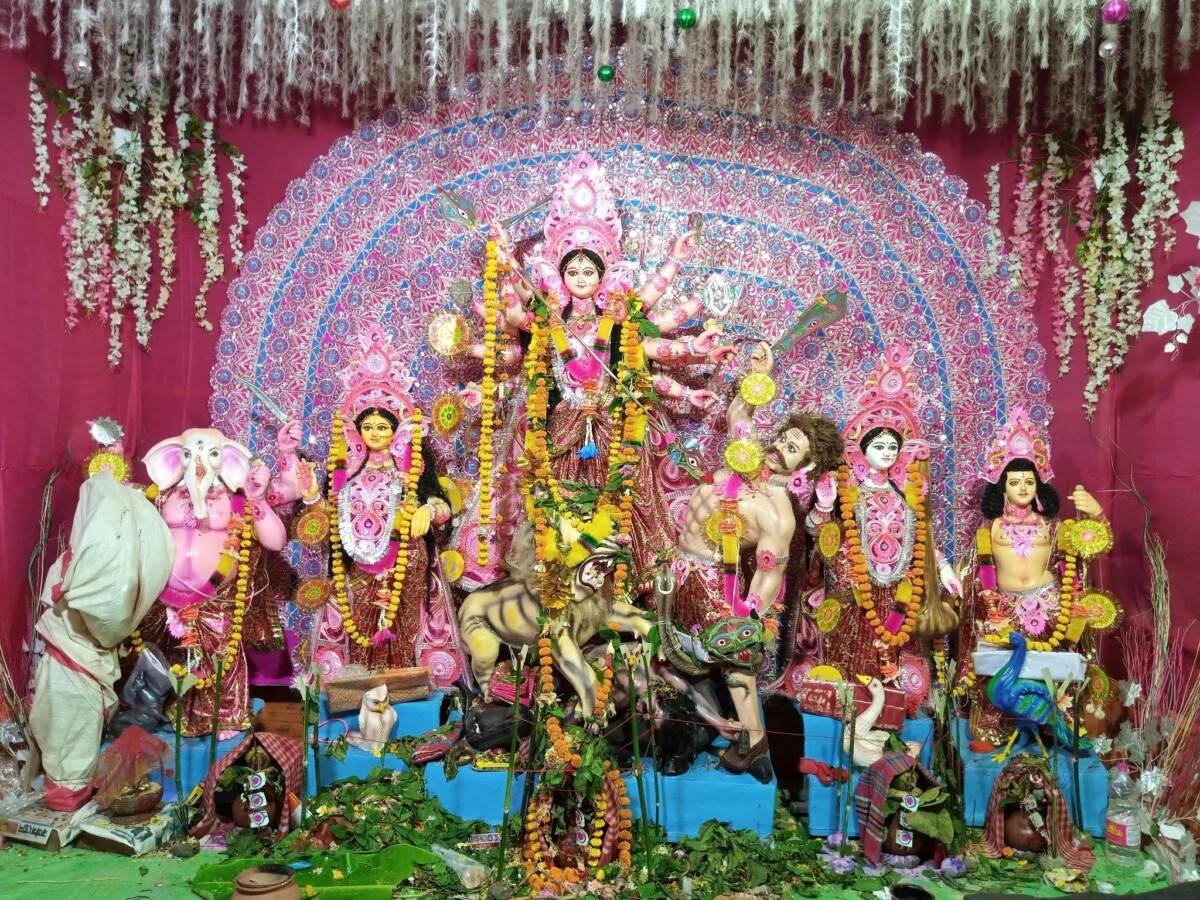
Kola Bou, the saree-clad banana plant seen beside Ganesha during Durga Puja, encodes the Navapatrika ritual where nine sacred plants embody Shakti as nourishing nature. By honoring Kola Bou first, communities ceremonially invite this energy into the icon of Durga and her divine household. The juxtaposition of Durga’s martial power with Kola Bou’s quiet grace…
-
Vijaya Dasami Insights: Discover the Dharma Uniting Hindu, Buddhist, Jain and Sikh
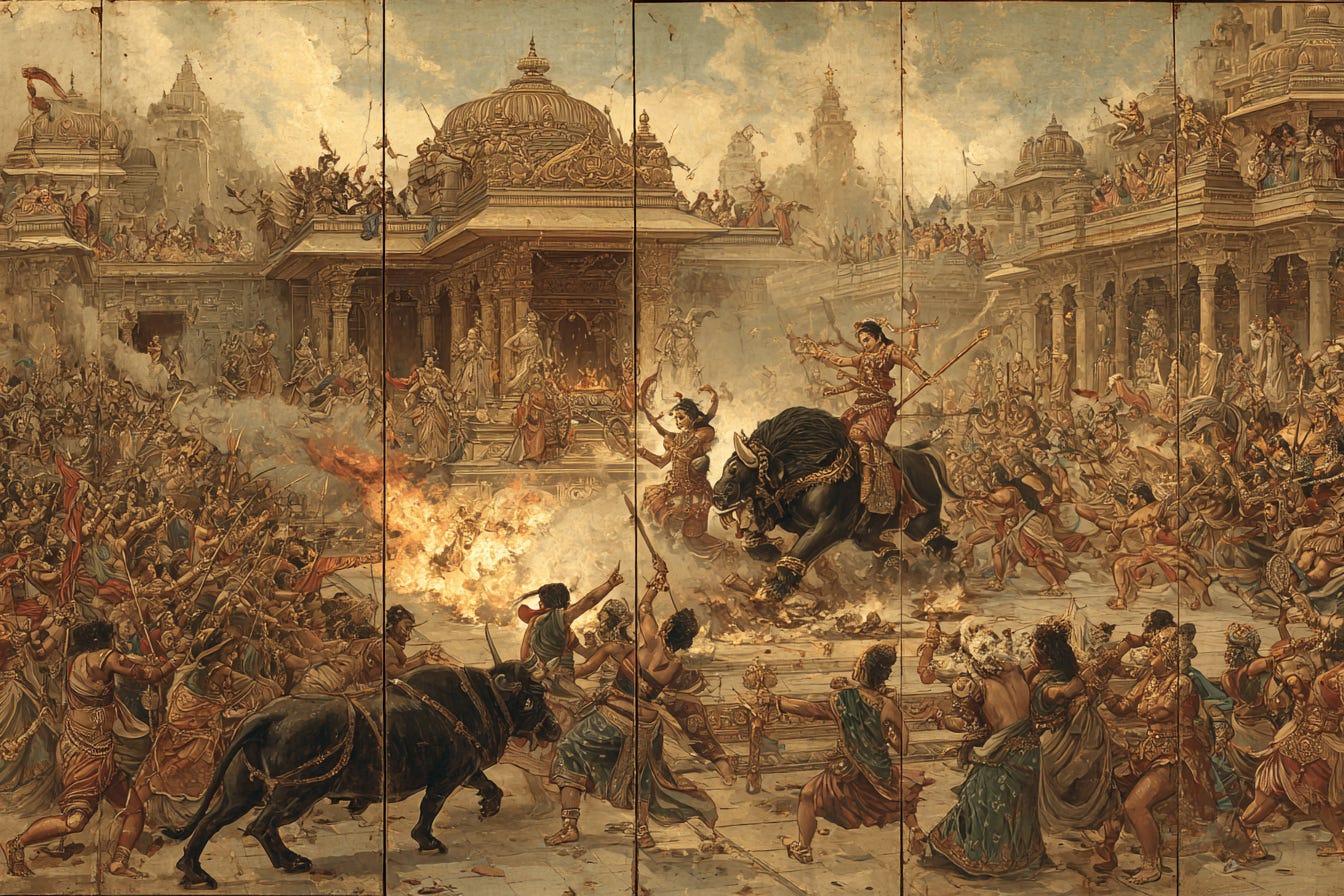
Vijaya Dasami marks the culmination of Navaratri and Durga Puja, inviting reflection on ethical clarity, cultural resilience, and shared Dharmic values. This piece highlights how Hindu, Buddhist, Jain, and Sikh traditions converge on common principles like dharma, ahimsa, satya, viveka, karuna, and seva. It explains how rigorous research and independent inquiry help preserve cultural heritage…